In the rapidly evolving world of technology, the demand for Coreless Motors continues to grow. As reported by industry analysis firm MarketsandMarkets, the global coreless motor market is projected to reach $1.5 billion by 2026, indicating a robust annual growth rate. This reflects the increasing reliance on high-performance motors in applications such as robotics, drones, and automotive engineering.
Coreless motors are known for their lightweight design and efficiency. They can deliver high speeds and precision in compact spaces. A significant advantage is their ability to minimize electromagnetic interference, which is crucial for sensitive equipment. However, sourcing quality Coreless Motors can be challenging.
Not all suppliers offer the same level of quality and service. This inconsistency can lead to project delays and increased costs. Navigating through countless options necessitates a reliable list of top suppliers. Companies must assess not only price but also the supplier's technical expertise and customer support. Trust and reliability from suppliers become essential in making smart sourcing decisions.
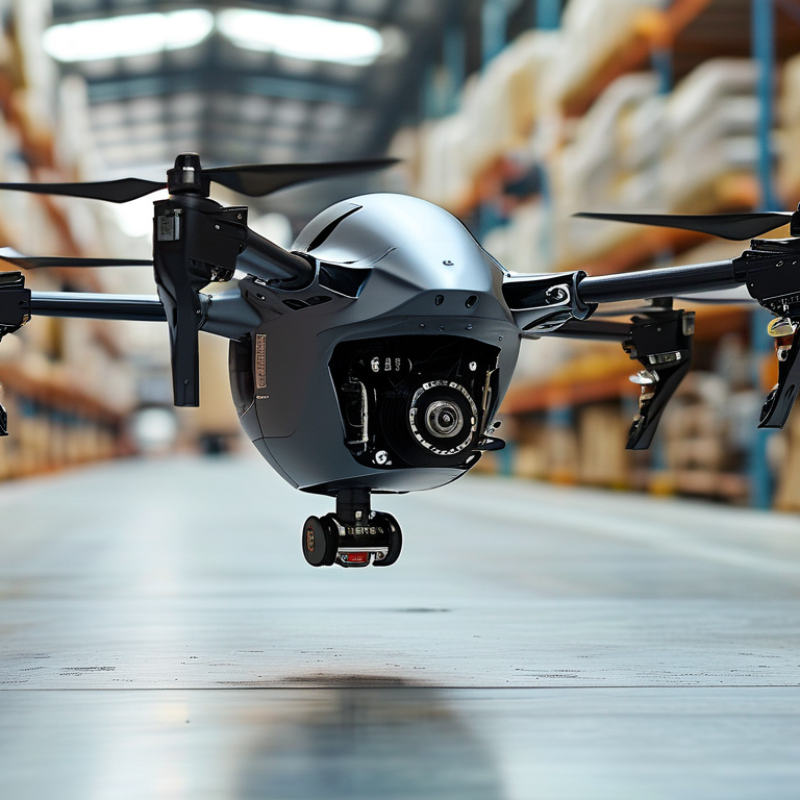
Coreless motors have gained popularity due to their unique structure and efficiency. Unlike traditional motors, coreless motors lack an iron core, which reduces weight and increases responsiveness. This design offers advantages such as faster acceleration and improved torque-to-weight ratios. A report from Transparency Market Research indicates that the global coreless motor market is expected to grow at a CAGR of 11.5% between 2023 and 2030. This growth reflects a rising demand in applications like drones, robotics, and electric vehicles.
The versatile applications of coreless motors contribute to their expanding market. In robotics, coreless motors provide precision in movement, crucial for delicate tasks. They are also essential in medical devices, where reliability can impact patient safety. The rapid development in drone technology further emphasizes their importance, providing increased power with minimal weight. The International Robotics Report highlights that over 45% of new robots rely on coreless motors for efficient operation.
However, challenges remain in terms of power consumption and cost. While coreless motors offer many advantages, their manufacturing can be complex. Manufacturers must balance performance with affordability. Ongoing research is essential to enhance production methods and optimize designs, ensuring the long-term viability of coreless motors in the competitive landscape.
When sourcing coreless motors, several key factors come into play. Understanding the intricacies of coreless motor design is crucial. These motors provide high efficiency, but performance can vary by supplier. You need to evaluate the specifications. Key specifications include torque, speed, and size. These elements define how well the motor will perform in your application.
Quality assurance is another important aspect. Many suppliers claim to deliver high-quality products, but not all meet rigorous standards. Requesting detailed quality certifications is advisable. Don't hesitate to ask for sample testing to ensure the motor aligns with your needs. Feedback from previous customers can also provide valuable insights. Be wary of suppliers with limited or no reviews.
Cost is always a consideration. Sometimes, lower costs indicate poor quality. It's essential to strike a balance between affordability and reliability. Investing slightly more in a reputable supplier can prevent future headaches. Ultimately, a thoughtful approach to sourcing coreless motors is essential for your business success. Always reflect on your experiences and adapt your strategies as necessary.
| Supplier Location | Motor Type | Max RPM | Torque (mNm) | Weight (g) | Lead Time (weeks) |
|---|---|---|---|---|---|
| USA | Coreless DC Motor | 30,000 | 1.5 | 50 | 4 |
| Germany | Coreless Stepper Motor | 12,000 | 2.0 | 70 | 6 |
| Japan | Coreless Brushless Motor | 20,000 | 1.2 | 60 | 5 |
| China | Coreless Servo Motor | 25,000 | 0.8 | 40 | 3 |
When sourcing coreless motors, identifying reliable suppliers is crucial. The global coreless motor market is projected to expand significantly, driven by increased demand in automotive, aerospace, and robotics industries. According to MarketsandMarkets, the market is expected to grow from $1.25 billion in 2021 to over $1.8 billion by 2026. This trend highlights the importance of finding suppliers who can deliver high-quality products consistently.
Choosing the right suppliers can be challenging. Variability in production standards and technological capabilities exists. Not all suppliers have the same level of expertise, which can affect performance and reliability. Research shows that assessing suppliers based on their manufacturing practices and quality assurance protocols contributes to better selection outcomes. Transparency in sourcing is essential for mitigating risks related to supply chain disruptions.
Furthermore, suppliers who demonstrate innovative engineering capabilities often showcase a competitive edge. Embracing new technologies in coreless motor design can lead to efficiency gains. Data from industry reports suggest that eco-friendly practices are becoming increasingly important. Suppliers committed to sustainability meet growing regulatory and consumer demands. It's important to evaluate these factors when making sourcing decisions in the evolving coreless motor market.
When sourcing coreless motors, quality is paramount. Evaluating the standards and certifications can help ensure reliability. Coreless motors must meet specific criteria to perform effectively. Look for certifications like ISO 9001 to guarantee manufacturing consistency. Check compliance with IEC and UL standards for safety and performance. These benchmarks help verify a manufacturer's commitment to quality.
Tips: Always request documentation for the certifications. This can save time and avoid potential issues in the future.
It's important to examine the materials used in coreless motors. High-grade materials lead to better durability and efficiency. If a supplier cannot provide material specifications, reconsider your options. Transparency is key in building a trustful partnership.
Tips: Engaging with suppliers directly can illuminate their manufacturing processes. A hands-on approach can lead to better sourcing decisions.
Keep in mind, not all certifications are equal. Some may hold more relevance depending on the application. Understand your specific requirements before making decisions. A detailed analysis of suppliers can highlight strengths and weaknesses.
The coreless motor industry is experiencing significant advancements. Key trends include increasing energy efficiency and miniaturization. According to a report by ResearchAndMarkets, the global coreless motor market is projected to grow by 12% annually through 2025. This growth is driven by demand in consumer electronics and automotive sectors.
As manufacturers innovate, coreless motors show improved performance metrics. The reduction in size allows for lighter weights and better integration into compact devices. Some reports indicate that these motors can achieve up to 95% efficiency, making them ideal for battery-operated applications. However, there are still challenges to address, such as sourcing materials sustainably.
The future of coreless motors is promising but requires ongoing refinement. Companies must focus on reducing costs while enhancing durability. A few innovators are exploring new materials and designs. Nevertheless, balancing performance with affordability remains a work in progress. Continuous research will determine the trajectory of coreless motor technology.
: Coreless motors lack an iron core, making them lightweight and highly responsive. They excel in acceleration and torque-to-weight ratio.
Coreless motors are often found in drones, robotics, and medical devices. They provide precision and reliability in delicate applications.
Assess key specifications such as torque, speed, and size. These factors determine the motor's performance in specific applications.
Not all suppliers meet high-quality standards. Requesting certifications and testing samples can ensure alignment with your needs.
Look for ISO 9001, IEC, and UL certifications, which indicate manufacturing consistency and safety compliance.
High-grade materials enhance durability and efficiency. Suppliers should provide material specifications to ensure quality.
While they are efficient, coreless motors can have complex manufacturing processes. Balancing performance and cost remains a challenge.
Look for suppliers with positive customer feedback and detailed quality certifications. Transparency is essential for building trust.
Yes, investing in reputable suppliers can prevent future issues. The long-term benefits often outweigh initial costs.
Reflect on past sourcing experiences. Adapt your approaches based on successes and challenges to enhance future decisions.
Coreless motors are specialized devices that offer unique advantages due to their lightweight design and efficient operation, making them suitable for various applications in robotics, automotive, and consumer electronics. When sourcing coreless motors, it's crucial to consider key factors such as performance specifications, manufacturing quality, and cost-effectiveness.
Evaluating suppliers is also essential, as the quality of coreless motors can significantly impact product performance. Standards and certifications play a vital role in ensuring reliability and safety. Furthermore, staying updated on the latest trends in coreless motor technology provides insights into advancements that can shape the future of applications across multiple industries, highlighting the growing relevance of these innovative motors in global sourcing strategies.
