In the world of industrial automation, selecting the right components is crucial. The Linear Stepper Motor stands out for its precision and reliability. This motor type is essential for businesses aiming for enhanced performance. It enables accurate positioning and control, vital for various applications.
Choosing a Linear Stepper Motor involves understanding your specific requirements. Not all motors are created equal. Factors like torque, speed, and size play significant roles. Investing in the wrong motor can lead to inefficiencies and increased costs.
Moreover, not every manufacturer offers the same quality. Researching reputable suppliers is key to finding a reliable option. Businesses need to prioritize quality assurance and technical support. A well-informed decision ensures long-term satisfaction and productivity.
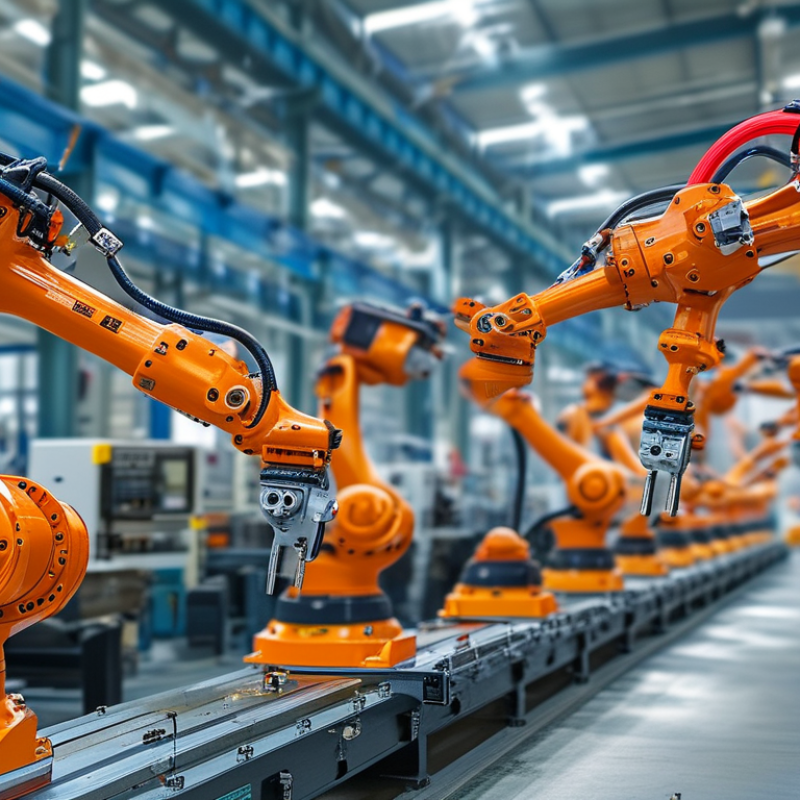
Linear stepper motors play a crucial role in various industries. They are designed for precise movement and control. These motors convert electrical pulses into discrete mechanical movements. Industries benefit from this technology in applications like automation and robotics.
When considering implementing linear stepper motors, it’s essential to understand their capabilities. They offer excellent torque at low speeds. This means they can position accurately without sacrificing performance. They excel in repeatability, making them ideal for tasks requiring precise actions. However, they may require specific controllers for optimal function.
**Tips:** When selecting a linear stepper motor, assess your application’s needs. Match motor specifications with the task requirements. Look for factors like load size, speed, and control type. Not all motors will suit every situation. Testing different models before finalizing your choice is wise to ensure they meet your expectations.
| Model | Step Angle | Holding Torque (N·cm) | Rated Current (A) | Voltage (V) | Applications |
|---|---|---|---|---|---|
| LDM-042 | 1.8° | 25 | 1.2 | 12 | 3D Printers, CNC Machines |
| LDM-057 | 1.8° | 35 | 1.5 | 24 | Robotics, Automation |
| LDM-078 | 0.9° | 50 | 2.0 | 36 | Medical Devices, Textile Machinery |
| LDM-125 | 1.8° | 70 | 3.0 | 48 | Packaging, Conveying Systems |
When selecting a linear stepper motor, several key features warrant attention. The holding torque is crucial for applications requiring precision. According to industry reports, a motor with higher holding torque can prevent accidental movement in delicate systems. This ensures operational reliability, especially in automation and robotics sectors, where uptime is essential.
Another important aspect is the step angle. Motors with smaller step angles allow for smoother motion and finer control. Recent trends show that devices employing stepper motors with 1.8-degree angles have improved positioning accuracy. Users often overlook how this affects system performance, leading to potential inefficiencies in production lines.
Thermal management cannot be ignored either. Stepper motors generate heat during operation. A motor that operates at a lower temperature can enhance longevity. Research indicates that high-temperature environments can reduce motor lifespan by up to 25%. Therefore, selecting a motor with efficient heat dissipation features can be a wise investment for businesses looking for sustainability.
In recent years, China has emerged as a key player in the manufacture of linear stepper motors. Reports from industry leaders indicate that the country accounts for over 30% of the global market share. This growth is driven by technological advancements and competitive pricing structures, making Chinese manufacturers an appealing choice for businesses worldwide.
Top manufacturers in China have invested heavily in research and development. Their commitment to quality is evident, with many facilities receiving ISO certification. Data shows that the average efficiency of these motors has improved by about 20% over the last five years. However, there are challenges. Not all manufacturers maintain the same quality standards, leading to inconsistencies in performance.
Real-world applications highlight the importance of selecting the right supplier. Industries ranging from robotics to medical devices rely on these motors daily. A survey found that 40% of users reported issues with motor reliability. This emphasizes the need for businesses to thoroughly vet potential suppliers. The balance between cost and performance is crucial. Buyers must weigh their options carefully before committing.
When considering linear stepper motors, it's essential to compare their performance with other motor types. Linear stepper motors offer precise positioning and repeatability, making them invaluable in automation and robotics. Industry reports indicate that these motors can achieve a positioning accuracy of up to 1 micron, much higher than traditional rotary motors. This unmatched precision enhances efficiency in applications like CNC machining and 3D printing.
Furthermore, linear stepper motors generally require simpler control systems. According to a recent market analysis, the adoption of these motors in manufacturing has risen by 15% in the last two years. This growth is due to their ability to operate in a closed-loop system, reducing the need for complex feedback mechanisms found in other motor types. However, they may not perform well under continuous load conditions. This limitation can lead to overheating and reduced lifespan, making careful application assessment essential.
The cost of linear stepper motors can vary significantly, often higher than DC or AC motors. A comprehensive cost-benefit analysis is critical for businesses. While the initial investment may be steep, the potential for reduced operational costs through increased efficiency is noteworthy. Engaging with industry experts can provide insights into selecting the right motor for specific applications and potential pitfalls to avoid.
When sourcing linear stepper motors for your business, consider the cost-effectiveness of Chinese manufacturers. China is known for its competitive pricing. The vast production capabilities allow for lower costs without sacrificing quality. Many businesses find that they can save significantly compared to local suppliers. This price advantage is crucial for startups and established companies alike.
However, the transition to sourcing from China is not always smooth. Issues may arise around communication barriers and quality control. Finding reliable partners is essential. Establishing a strong relationship with the manufacturer can help mitigate risks. Consider visiting factories or conducting virtual audits. These steps build trust and ensure that products meet specifications.
It's important to evaluate your specific needs when choosing a supplier. Not all manufacturers are the same. Some may focus on high volume, while others prioritize precision. Be prepared to invest time in research. Ultimately, thorough due diligence can lead to significant savings and improved product performance.
: Linear stepper motors are utilized in automation and robotics for precise movement and control.
They convert electrical pulses into discrete mechanical movements for accurate positioning.
Assess load size, speed, control type, and match specifications with application needs.
Not all motors suit every situation; testing ensures they meet specific performance expectations.
Quality inconsistencies can occur, as not all manufacturers maintain the same standards.
Establish strong relationships, visit factories, and conduct virtual audits for quality control.
Yes, Chinese manufacturers often offer competitive pricing, leading to significant savings.
Expect potential communication barriers and invest time in research for reliable partners.
The average efficiency has increased by about 20% over the last five years.
Yes, building trust is key to ensuring that products meet specifications.
The article titled "China Best Linear Stepper Motor for Your Business Needs?" provides a comprehensive overview of Linear Stepper Motors and their significance in various applications. It begins by explaining the functionality of these motors and their widespread use in precision movements, highlighting their advantages in automation and robotics. Key features to consider when selecting a Linear Stepper Motor are discussed, including torque, speed, and resolution, which are crucial for ensuring optimal performance based on specific business requirements.
Furthermore, the article examines the leading manufacturers of Linear Stepper Motors in China, emphasizing their growing reputation for quality and innovation. A comparative analysis with other motor types illustrates the unique benefits of Linear Stepper Motors, particularly in terms of accuracy and control. Lastly, the cost-effectiveness of sourcing these motors from China is underscored, making them an attractive option for businesses seeking both quality and affordability in their operations.
