In the world of robotics and automation, selecting the right DC Gear Motor is crucial. According to Dr. Emily Richards, a leading expert in motor technology, "Choosing the right DC Gear Motor can make or break your project's success." This statement highlights the importance of understanding various factors in the selection process.
DC Gear Motors offer reliable torque and speed control, essential for many applications. However, with countless options available, the decision can be overwhelming. Factors like voltage, current rating, and gear ratio should guide your choice. It’s easy to overlook these details, which can lead to inadequate performance or even project failure.
Choosing a DC Gear Motor is not a straightforward task. Each project has unique requirements that must be considered. Awareness of your project’s needs is vital. Many users often regret not conducting thorough research before purchasing. Taking the time to evaluate each motor’s specifications can lead to more informed decisions and better outcomes.
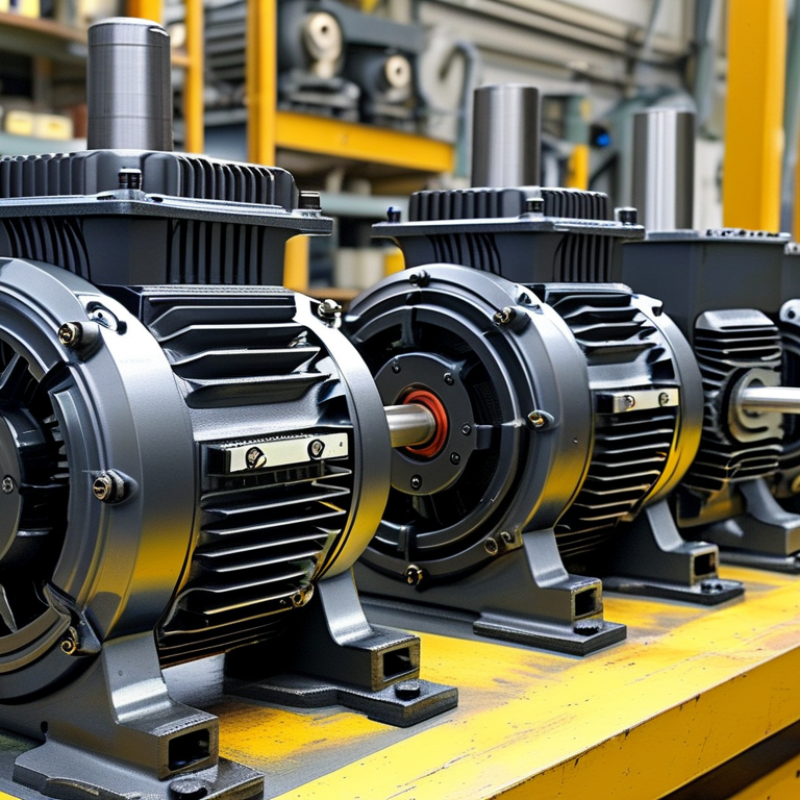
Understanding the basics of DC gear motors is crucial for any engineering project. These motors combine a direct current motor with a gear mechanism. This combination reduces the motor's speed while increasing its torque. According to industry reports, torque at the output shaft can increase up to tenfold, depending on gear ratios. This feature makes them ideal for applications requiring high torque at low speeds.
Different factors affect the selection of a DC gear motor. Users must consider the load requirements and operating environment. For instance, if the project involves continuous operation, choosing a motor with a higher duty cycle is vital. Not all DC gear motors are created equal. A miscalculation in torque or speed can lead to mechanical failures. It's essential to refer to manufacturer specifications and torque curves to ensure compatibility.
Additionally, noise levels and efficiency should not be overlooked. Engineered poorly, a DC gear motor can create unwanted vibrations. Reports indicate that up to 20% of energy can be wasted in inefficient designs. Users should evaluate the motor's efficiency ratings and choose wisely. Regular testing and validation of motor performance will ensure reliability in various applications. Understanding these details enhances the success of your project.
Identifying project requirements is crucial when selecting a DC gear motor. Understanding the motor's torque needs is vital. Determine the load your motor will handle. What is the weight? What type of motion is required? These aspects significantly affect your choice. Also, consider the speed range. How fast does the motor need to operate? Adjusting speed sometimes affects performance.
Additionally, look into power supply specifications. What voltage will you use? Ensure the motor matches this criterion to avoid potential issues. Don’t overlook size and dimension constraints. Measure available space in your project. Small motors can provide great power, but clearance is key. Finally, think about efficiency. Will the motor operate continuously? Effective energy usage can impact overall project sustainability. You may need to tweak designs based on these factors. Flexibility is often necessary in real-world applications.
| Parameter | Description | Considerations | Recommended Value |
|---|---|---|---|
| Voltage | Operating voltage of the motor | Match the voltage with your power supply | 12V, 24V, or 36V |
| Gear Ratio | Ratio of input speed to output speed | Higher ratio increases torque but reduces speed | 10:1 to 100:1 |
| Current Rating | Maximum current the motor can draw | Ensure your power supply can handle the current | 1A to 20A |
| Torque | Rotational force provided by the motor | Required torque should match the application needs | 0.5 Nm to 10 Nm |
| Size and Weight | Physical dimensions and weight of the motor | Fit the motor within your project's constraints | Compact and lightweight options preferred |
When selecting a DC gear motor, evaluating gear ratio and torque needs is crucial. The gear ratio determines the relationship between the motor's speed and torque. A higher gear ratio leads to increased torque but reduced speed. This is essential when considering the requirements of your project. For instance, robotics applications often need high torque to lift or move heavy objects. In contrast, for applications like fans, a lower gear ratio may suffice, allowing for higher speeds.
Torque is the rotational force applied by the motor. Measuring the required torque for your application is vital. You can calculate torque needs by assessing the load and the required acceleration. Underestimating torque can lead to motor burnout or failure to perform. This can result in frustration during your project development. Be realistic about your needs. Sometimes, prototypes reveal unexpected requirements that may not align with your initial estimates.
It's important to consider the environment in which the motor will operate. Factors such as temperature, humidity, and potential obstructions can impact performance. If you find your torque calculations off, it’s worth reassessing and making necessary adjustments. Reflect on these factors before finalizing your motor choice. Engaging in this detailed evaluation process will lead to better outcomes in your project.
When selecting a DC gear motor, power supply and voltage compatibility are crucial. Ensure that the motor’s voltage rating matches your power source. Mismatched voltages can lead to inefficiency or even damage. Most motors operate within a specific voltage range, so select one that falls within your system's capabilities.
Tips: Always check the power supply's stability. An unstable supply can cause motor performance issues. Consider a motor with a wide voltage tolerance to accommodate minor fluctuations.
It’s important to think about the overall power requirements of your project. Calculate the total current drawn by the motor and other components. This will help you select an appropriate power supply. Not all projects have the same demands, and underestimating power can lead to failures.
Tips: Include a margin when choosing a power supply. A 20% extra capacity can prevent potential issues. Consider the implications of heat dissipation too. Heat can decrease motor efficiency and lifespan.
Evaluate your setup regularly. It’s easy to overlook voltage and power requirements, leading to unforeseen problems. Regular checks can save time and resources in the long run.
This chart represents the number of compatible DC gear motors based on different voltage levels. As the voltage increases, the availability of compatible motors decreases, highlighting the importance of considering these factors when selecting a motor for your project.
When selecting a DC gear motor, understanding the different types is crucial. Gear motors can vary widely in design, torque, and speed. Each type serves specific applications, requiring careful consideration of your project's needs. For instance, a high-torque motor may be ideal for lifting heavy loads, while a high-speed motor works better for rapid movements.
Consider the operational environment as well. Some motors are better suited for wet or dusty conditions. Always assess the power requirements as well, since different motors may consume varying amounts of electricity. An underpowered motor can lead to project failure, while an overpowered one can waste energy.
Testing different motors is often necessary. Prototyping can reveal unexpected challenges. You may find that performance varies significantly between similar models. This trial-and-error process is valuable for understanding the nuances of your specific application. An informed decision will ensure efficiency and longevity in your project’s outcome.
: A DC gear motor combines a direct current motor with a gear mechanism. This design reduces speed and increases torque.
Torque at the output shaft can increase significantly, up to tenfold based on gear ratios. This makes them ideal for certain applications.
Consider load requirements, operating environment, and efficiency. Each affects performance and suitability for your project.
Assess the required speed for your specific application. Keep in mind that adjusting speed may impact overall efficiency.
Ensure the motor matches your power supply voltage. Mismatched voltage can lead to project issues or failures.
Testing can uncover challenges not apparent in specs. Performance may vary between models, making prototyping essential for informed decisions.
When selecting the best DC gear motor for your project, it is crucial to understand the fundamentals of DC gear motors. Start by identifying your specific project requirements and specifications, which will guide you in selecting the most appropriate motor. Consider factors such as torque needs and gear ratios, as these will directly impact your motor's performance in your application.
Additionally, ensure that the power supply and voltage compatibility align with your project's demands. Different types of DC gear motors offer unique advantages, so it's essential to evaluate their characteristics to choose the one that best suits your needs. By carefully considering these aspects, you can effectively narrow down your options and select the ideal DC gear motor for optimal project success.
