Choosing the right Medical & Beauty Equipment Motors is crucial in today's healthcare and beauty industries. According to a recent market research report by Fortune Business Insights, the global medical equipment market is projected to reach $660 billion by 2025, with a significant portion driven by motorized equipment. These motors play a vital role in ensuring the precision and efficiency required in surgical procedures and beauty treatments.
In the realm of beauty equipment, the demand for advanced motors has soared. High-performance motors enhance the effectiveness of devices like laser hair removal units and microdermabrasion machines. The right motor can affect treatment outcomes. However, selecting the best motors requires careful consideration of key factors, such as power, reliability, and noise levels.
Despite technological advancements, many industry professionals still overlook the importance of motor specifications. This can lead to equipment malfunctions or subpar performance. In an industry where patient safety and satisfaction are paramount, understanding the intricacies of Medical & Beauty Equipment Motors is essential for success.
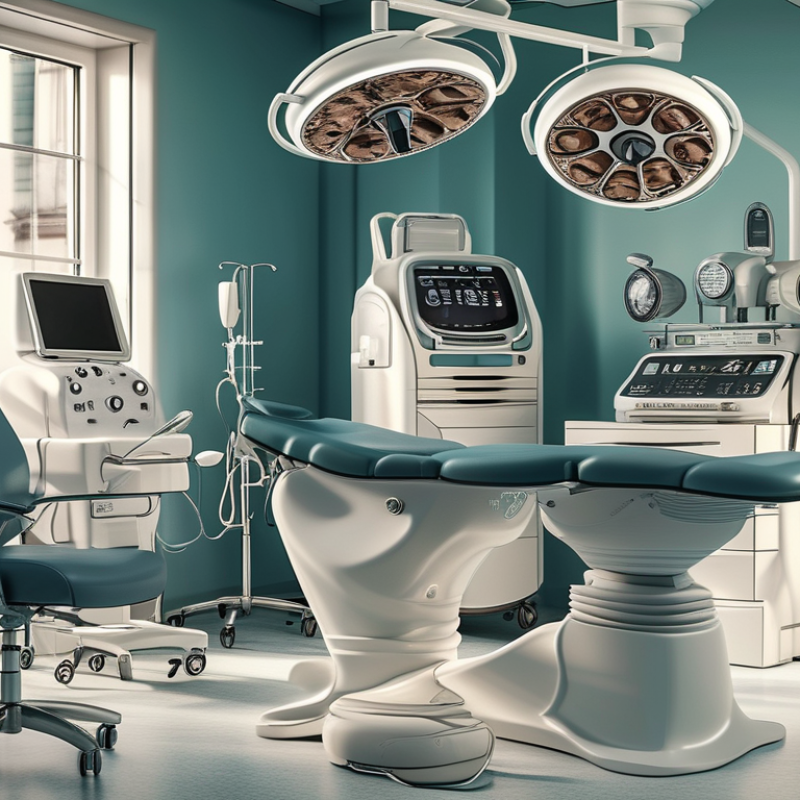
When considering the importance of quality motors in medical and beauty equipment, several factors stand out. Quality motors ensure reliability and performance. According to a report by the International Electrotechnical Commission (IEC), around 90% of equipment issues stem from motor failures. This statistic highlights the critical role motors play in maintaining effective operations in healthcare and beauty devices.
Choosing the right motor can significantly affect the efficiency and longevity of your equipment. For instance, motors should provide consistent performance to minimize downtime in medical facilities. Notably, equipment operating with high-quality motors can achieve energy savings of up to 30%. This aspect is crucial not just for sustainability but also for reducing operational costs.
Tips: Always consider the operational demands of your equipment. A motor’s specifications must match your equipment requirements. Regular maintenance can also enhance motor lifespan. Remember, opting for less expensive motors can lead to increased failures and repair costs later. Prioritize quality to avoid future headaches and potential patient safety issues. Quality motors enhance not only the reliability but also the overall safety of medical and beauty equipment.
When selecting motors for medical devices, several key features must be considered. Reliability is paramount. Devices must function consistently to ensure patient safety. Even minor failures can lead to serious consequences. This is why rigorous testing and quality assurance are essential during the selection process.
Another critical factor is precision. Medical procedures often require specific movements or adjustments. Motors should be able to achieve exact control without fluctuations. This precision directly impacts the effectiveness of treatments. Furthermore, the torque and speed specifications should match the application demands. It’s easy to overlook these, but they tremendously affect overall performance.
Consider the size and weight of the motor, too. Compact motors may fit better in tight quarters. However, smaller sizes can sometimes compromise power. Balance is vital. Additionally, noise levels can disrupt sensitive environments. It’s important to assess how these factors will impact the overall operation. A thorough understanding of these elements leads to better choices. Ultimately, selecting the right motor involves many considerations, and missing even one can lead to significant implications for healthcare outcomes.
Choosing the right motors for medical and beauty equipment is crucial. Performance metrics play a vital role in this decision. Key factors include speed, torque, and efficiency. According to recent industry reports, motors that boast high efficiency ratings often power equipment more effectively. This results in reduced energy consumption and longer life spans.
Torque is critical in applications such as microdermabrasion devices and facial steamers. Motors with superior torque provide consistent performance across various tasks. Research indicates that motors operating with around 150 to 300 RPM are ideal for precise applications. These metrics ensure a smoother user experience. However, balancing speed and torque can be a challenge.
Another aspect to consider is noise level. Studies suggest that quieter motors enhance the patient experience in clinical settings. An ideal motor should operate below 50 decibels while maintaining performance. The right choice leads to equipment that meets industry standards. However, reliability in performance can sometimes falter based on manufacturing differences. Each of these metrics contributes to defining the best motors for beauty equipment.
Choosing the right motor for medical and beauty equipment is crucial. Different types of motors offer unique advantages and challenges. For instance, brushed motors are known for their simplicity and cost-effectiveness. However, they can require more maintenance and may not last as long as their counterparts. The reliability of brushed motors can sometimes be overshadowed by performance issues, especially under continuous use.
On the other hand, brushless motors are gaining popularity. They provide higher efficiency and longevity. This means fewer replacements and lower long-term costs. Yet, their initial investment can be significantly higher. Users must assess whether the initial cost aligns with their budget and equipment needs. The noise level of the motor also plays a vital role in user experience. Many brushless models operate quietly, ideal for cosmetic procedures.
Additionally, piezoelectric motors offer an interesting alternative. They excel in precision but are complex and may not be suitable for all applications. Evaluating each motor's specifics helps in making an informed decision. Understanding the nuances of various motor types is essential for enhancing medical and beauty equipment's performance and user satisfaction.
When evaluating supplier credentials for medical and beauty equipment motors, it's vital to assess their experience and expertise. Reliable manufacturers typically have extensive industry knowledge. Research shows that over 70% of professionals prefer suppliers with a proven track record. Look for certifications that demonstrate compliance with industry standards. Familiarity with ISO regulations is a good indicator of quality.
Tip: Check if the supplier provides detailed documentation of their manufacturing processes. Transparency in production is crucial. A lack of clear guidelines may hint at potential quality issues.
Additionally, examine supplier reviews and testimonials. Seek feedback from other businesses in the medical and beauty sectors. According to a recent survey, 85% of companies prioritize peer recommendations when selecting motor suppliers. This emphasizes the importance of community insights in decision-making.
Tip: Attend industry trade shows. Engaging directly with suppliers allows for firsthand assessment of their technology and capabilities. Face-to-face interactions can reveal strengths and weaknesses that online reviews might not fully capture.
: Consider speed, torque, and efficiency. These metrics greatly influence performance.
Superior torque ensures consistent performance, especially in microdermabrasion devices and facial steamers.
Motors operating at 150 to 300 RPM are recommended for achieving precision.
Quieter motors enhance the patient experience, ideally operating below 50 decibels.
Check their experience and expertise in the industry for reliable performance.
Look for certifications indicating compliance with industry standards, like ISO regulations.
Clear guidelines suggest better quality control. Lack of transparency may raise quality concerns.
Peer recommendations provide valuable insights and help build trust in supplier reliability.
Attend industry trade shows for firsthand interactions with suppliers and their technology.
Balancing speed and torque can be difficult, impacting the overall performance.
Choosing the right Medical & Beauty Equipment Motors is crucial for ensuring the efficiency and reliability of medical devices and beauty equipment. Quality motors significantly impact the performance and longevity of these tools, making it essential to understand key features such as power, speed, torque, and compatibility with specific devices. Additionally, evaluating performance metrics helps define the best motors that meet the rigorous standards required for effective operation in both medical and beauty applications.
When comparing different motor types, it’s important to weigh their pros and cons based on the specific requirements of the equipment. Furthermore, assessing supplier credentials is vital to secure reliable Medical & Beauty Equipment Motors that adhere to necessary regulations and quality standards. By carefully considering these factors, professionals can make informed decisions that enhance the functionality and safety of their devices.
