Choosing the right electric actuator can significantly impact your project's efficiency and performance. The global electric actuator market is projected to reach $12.76 billion by 2025, reflecting a growing demand in various industries, including manufacturing and energy. Proper selection ensures compatibility with your application requirements, enhancing reliability and productivity.
Electric actuators are key components in automation systems. They convert electrical energy into mechanical motion, facilitating precise control in operations. With various types available, such as linear and rotary actuators, understanding their specifications is crucial. A misstep in selection can lead to inefficiencies, unexpected downtime, or even equipment failure.
Moreover, industry reports indicate that 40% of actuator failures result from improper selection. This highlights the importance of clearly defining your needs before making a decision. Assessing factors such as load capacity, speed, and environmental conditions is essential. Achieving the right balance will ensure optimal performance and longevity for your electric actuator.
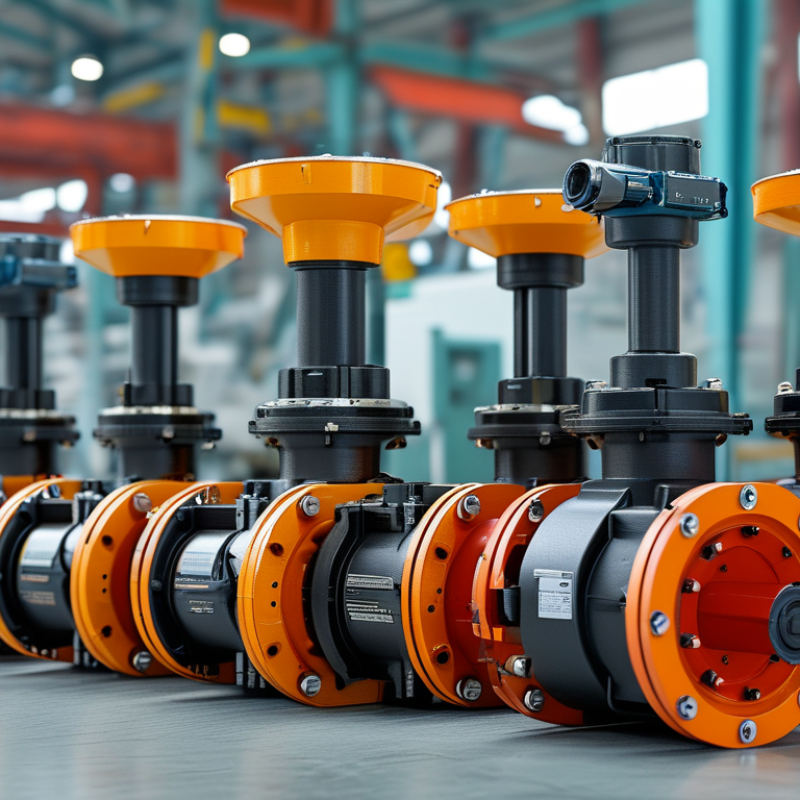
Understanding the Basics: Types of Electric Actuators Available in the Market
When selecting an electric actuator, understanding the various types available is crucial. Electric actuators commonly fall into two categories: linear and rotary. Each type serves different applications. Linear actuators move in a straight line, making them ideal for tasks like opening valves or moving gates. In contrast, rotary actuators provide rotational motion, perfect for tasks like throttling or operating switches.
The choice of actuator should depend on specific operational needs. For instance, consider the load it will carry. Linear actuators often handle larger loads, while rotary actuators are suited for lighter applications. Power requirements also vary widely between types. Some models require high power for rapid movements, while others work efficiently with lower power inputs.
It’s important to reflect on these details. Understanding your requirements is not always straightforward. Sometimes, the right actuator is not the one with the most features. Evaluating compatibility with existing systems is equally vital. Electric actuators can differ in size and control methods, which could impact overall system efficiency. Taking the time to assess your needs can lead to better decision-making.
Key Factors to Consider When Selecting Electric Actuators for Your Application
When selecting electric actuators, several key factors can significantly impact your choice. One essential consideration is the actuator's force and torque rating. Proper specifications ensure the actuator can manage the mechanical load of your application. According to a recent report, choosing an actuator with the correct force rating is crucial, as nearly 30% of actuator failures stem from inadequate force capacity.
Another vital aspect is the speed at which the actuator operates. Speed requirements often change based on the process being automated. In applications involving precise control, slower speeds may be necessary, while rapid cycling is needed in high-speed production lines. It’s worth noting that around 40% of users report performance issues from miscalculating speed requirements, highlighting the importance of careful assessment.
Lastly, environmental factors play a critical role. Actuators must withstand conditions such as temperature extremes, moisture, and dust. A study showed that about 25% of actuator failures are linked to environmental incompatibility. Thus, understanding the operating environment helps ensure longevity and reliability. Make sure to review these aspects thoroughly to avoid common pitfalls in actuator selection.
How to Choose the Right Electric Actuator for Your Needs?
| Dimension |
Description |
Importance |
Options Available |
| Torque |
The twisting force the actuator can provide. |
High |
Electric, Pneumatic |
| Speed |
The rate at which the actuator can move. |
Medium |
Variable Speed, Fixed Speed |
| Stroke Length |
The distance the actuator can move in one cycle. |
High |
Short, Medium, Long |
| Voltage |
The electrical power supply required for operation. |
High |
AC, DC, Multi-Voltage |
| Environment |
Conditions such as temperature, humidity, and exposure to elements. |
Medium |
Standard, Waterproof, Explosion-Proof |
| Control Type |
The method of controlling the actuator's movement. |
High |
Manual, Automatic, Remote |
Evaluating Performance Metrics: Torque, Speed, and Stroke Length Requirements
When evaluating electric actuators, understanding performance metrics is critical. Torque is one key metric that dictates the actuator's ability to perform heavy lifting tasks. For example, a typical industrial actuator may provide torque ratings ranging from 10 Nm to over 200 Nm. Selecting the right torque ensures your application runs smoothly and efficiently. Inadequate torque may lead to gear strain or mechanical failure.
Speed is another crucial element. Most electric actuators operate within a speed range of 5 mm/s to 500 mm/s. The ideal speed depends on the specific application needs. Applications requiring rapid movement can benefit from higher speeds. However, high speed can also lead to wear and tear. Balancing speed with longevity and maintenance needs is essential.
Stroke length should not be overlooked. The stroke length usually varies between a few millimeters to several meters. Understanding your application's required stroke length will help you choose an actuator that meets those specifications. An actuator with a shorter stroke could restrict range, leading to operational challenges. Continuous performance evaluation after installation ensures the actuator aligns well with your operational requirements.
Comparing Industry Standards: IP Ratings, Control Systems, and Efficiency
When selecting an electric actuator, industry standards are crucial for performance and longevity. The IP rating, or Ingress Protection rating, indicates how well an actuator can withstand dust and moisture. For instance, an actuator with an IP67 rating can be submerged in water up to 1 meter for 30 minutes. This level of protection is essential in harsh environments. Studies show that around 70% of actuator failures stem from environmental exposure, highlighting the importance of choosing the right IP rating.
Control systems also play a vital role in actuator selection. Many modern systems use pulse-width modulation (PWM) for improved efficiency and precision. According to recent data, PWM can increase energy efficiency by up to 30%. However, integrating these systems can be complex. Some users might overlook the necessary training to operate advanced models effectively. The compatibility of control systems with existing setups should be carefully assessed to avoid operational challenges.
Efficiency remains a key consideration when opting for an electric actuator. Industry reports indicate that high-efficiency models can reduce energy consumption by 15-25%. Yet, this does not apply universally. Users must consider the specific application and operational demands. Achieving optimal efficiency requires a balance between design, application requirements, and maintenance. Making this balance can sometimes require careful analysis and possibly lead to initial setbacks in performance.
Electric Actuator Comparison: IP Ratings, Control Systems, and Efficiency
Cost Analysis and Budgeting: Finding the Right Balance for Your Needs
When selecting an electric actuator, budgeting is crucial. Analyzing costs helps in getting the right actuator without overspending. Features and specifications dictate prices. Understanding the needed specifications informs your budget. Simple designs may be more affordable, but complex systems could provide better precision.
Tips: Always account for installation expenses. Unexpected costs often arise during installation. Reserve budget space for maintenance, as this ensures longevity. Consider lifecycle costs rather than just initial purchase prices. This approach avoids financial strain in the long run.
Evaluate your project’s demands. A robust actuator fits heavy duties, while smaller, cost-effective options work for lighter applications. Price points can mislead; consider performance first. Sometimes the cheapest option brings challenges that may cost more than expected. Investing wisely ensures a balance between quality and budget.
Conclusion
When selecting the right electric actuator for your specific needs, it’s essential to start with a solid understanding of the various types available in the market. Different applications require different characteristics; thus, evaluating key factors such as torque, speed, and stroke length is crucial. Additionally, understanding industry standards, including IP ratings and efficiency metrics, will help in determining which electric actuator best fits your requirements.
Cost analysis also plays a significant role in the decision-making process. Balancing performance with budget constraints can ensure you select an actuator that not only meets your operational demands but also aligns financially with your project goals. By considering these aspects comprehensively, you can make a well-informed choice in selecting the most suitable electric actuator for your application.

 Axon Motor