Essential Tips for Choosing the Right Hybrid Stepper Motor?

Time:2026-07-01 Author:Charlotte
0%

Choosing the right Hybrid Stepper Motor is crucial in maximizing performance in various applications. According to a recent industry report by Research and Markets, the global market for stepper motors is projected to reach $8.7 billion by 2026, reflecting a CAGR of 5.2%. This growing demand emphasizes the importance of selecting a stepper motor that fits specific operational needs.

Design flexibility and torque output are key considerations when selecting a Hybrid Stepper Motor. Industry experts suggest that understanding the motor's specifications can prevent costly mistakes. An incorrect choice may lead to inefficiencies that affect overall system performance. Real-world applications often highlight the disparity in results due to improper motor selection, risking more than just monetary losses.

In recent years, the integration of advanced technologies has improved Hybrid Stepper Motors' capabilities. However, the abundance of options can create confusion for consumers. Key characteristics such as step angle, holding torque, and drive voltage must guide the selection process. It's essential to reflect on these aspects to ensure a well-informed decision tailored to specific operational requirements.
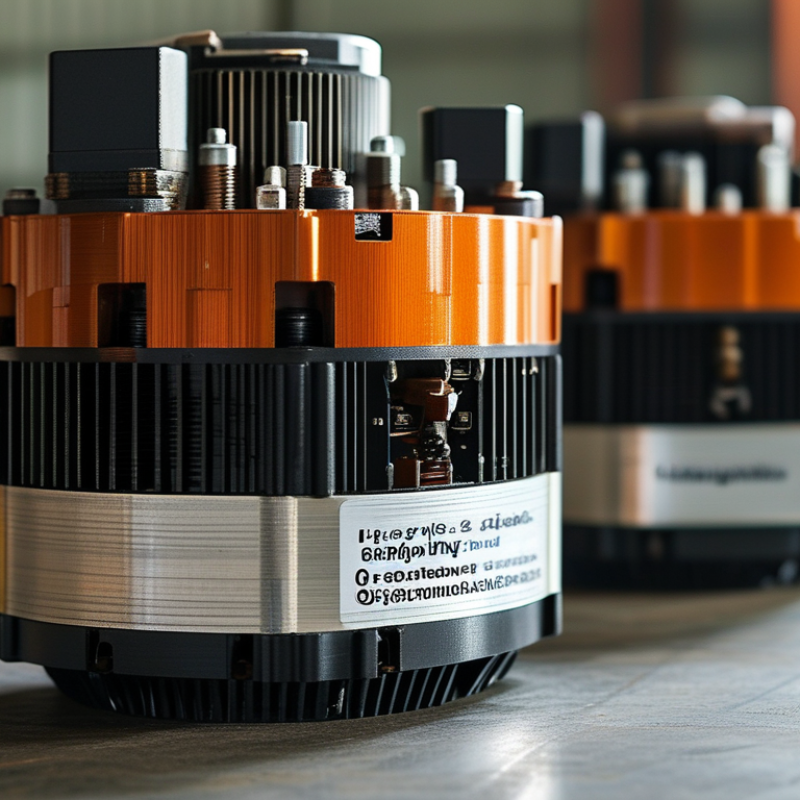
Essential Tips for Choosing the Right Hybrid Stepper Motor?

Understanding Hybrid Stepper Motors and Their Applications

Hybrid stepper motors combine the best features of permanent magnet and variable reluctance stepper motors. Their design enables precise control over movement and positioning. This makes them ideal for applications requiring accuracy. Common uses include 3D printers, CNC machines, and robotics. They provide exceptional torque and smooth operation, enhancing overall performance.

When exploring hybrid stepper motors, consider their step angle. The typical step angle is 1.8 degrees. This allows for 200 steps per revolution, offering high precision. However, higher resolution can lead to complexity in control and wiring. Assess your project's requirements carefully. Do you need rapid acceleration or high torque? These factors will shape your choice.

Keep in mind heat generation during operation. Excessive heat can reduce efficiency and motor lifespan. Not all projects will require cooling systems, but it's a common consideration. Additionally, connecting a hybrid stepper motor properly is vital. Incorrect wiring can cause malfunctions and unwanted behaviors. Reflect on your skills and seek help if needed. Balancing performance and reliability should always be a focus.

Key Specifications to Consider When Selecting a Hybrid Stepper Motor

When selecting a hybrid stepper motor, understanding key specifications is crucial. Start by considering the torque rating. This determines how much load the motor can handle. A higher torque is necessary for applications with significant resistance. Be aware that torque changes with speed. Therefore, choose a motor that maintains performance across the speed range you need.

Next, look at the step angle. It affects the motor's resolution and precision. Common step angles are 1.8 degrees and 0.9 degrees. A smaller angle increases accuracy but may require more complex control. Also, pay attention to the holding torque. This value indicates the motor's ability to remain stationary when power is applied. Remember, excessive heat can affect performance. Monitoring temperatures is vital for long-term reliability.

Consider the motor's current rating as well. It impacts both performance and compatibility with your control system. Higher current can cause overheating but may be needed for certain applications. Don't forget about mechanical dimensions too. Ensure the motor fits comfortably in your design. It's not always easy to balance these factors, leading to challenges in the selection process. Exploring these specifications thoroughly will lead to better choices for your project.

Evaluating Torque and Speed Requirements for Your Project

When selecting a hybrid stepper motor, evaluating torque and speed requirements is crucial. Many applications require precise control over position and speed. According to industry reports, hybrid stepper motors can deliver up to 2.5 Nm of torque at lower speeds, making them ideal for intricate automation tasks.

One common issue is miscalculating torque needs. If the required torque exceeds motor capacity, performance falters. Performing a load analysis helps identify these requirements accurately. Consider project specifics—does it undergo frequent stops and starts, or does it need constant speed? Defining these parameters ensures optimal motor performance.

Speed is another critical factor. Stepper motors can have maximum speeds ranging from 100 to 5,000 RPM. However, higher speeds may lead to reduced torque. Insights from applications engineers emphasize finding a balance. One effective tip is to conduct tests at varying speeds and loads to analyze the system's behavior. Observing the performance under real-world conditions reveals potential flaws in the initial design. Making adjustments based on actual data can enhance reliability and efficiency.

Assessing Driver Compatibility and Control Options

When selecting a hybrid stepper motor, assessing driver compatibility is crucial. The driver influences performance. Ensure the driver can handle the motor's specifications. Voltage and current ratings of the driver must match. A mismatch could lead to inefficient performance or even damage the motor.

Control options also play a significant role in your choice. Different control methods offer various levels of precision. You can opt for open-loop or closed-loop systems, depending on your application. Closed-loop systems provide feedback to maintain accuracy, making them preferable for complex tasks. Analyze your requirements carefully.

Here are some helpful tips: Check the motor's torque and speed ratings. They should align with your project's needs. Also, consider environmental factors. High temperatures may affect performance. Lastly, review the documentation provided with the motor. It contains valuable insights on compatibility and functionality. Make informed decisions to ensure a successful integration into your project.

Maintenance Tips for Hybrid Stepper Motors to Ensure Longevity

Maintaining hybrid stepper motors is crucial for their longevity. Regular cleaning should be a priority. Dust and debris can accumulate over time, affecting performance. Use a soft brush or compressed air to remove particles from the motor casing and surrounding areas.

Proper lubrication is another key aspect. Check the motor's specifications for the correct lubricant type. Apply it sparingly, ensuring that it doesn’t interfere with the motor's components. Over-lubrication can lead to issues, such as attracting dirt and grime.

Temperature control is vital. Hybrid stepper motors can overheat if not cooled properly. Installing them in a well-ventilated area helps. Monitor the motor's temperature during operation. If you notice excessive heat, consider strategies for improved heat dissipation. Lastly, keep an eye on electrical connections. Loose or corroded connections can lead to performance issues and should be addressed immediately.

Essential Tips for Choosing the Right Hybrid Stepper Motor

Factors to Consider Details
Torque Requirements Determine the required torque for your application to select a suitable hybrid stepper motor.
Step Angle Common step angles include 1.8° and 0.9°. Choose based on precision needs.
Power Rating Ensure the motor's power rating aligns with your application's power supply.
Size and Weight Consider available space and weight limitations in your design.
Control Method Select the control method (open loop or closed loop) based on applications.
Environment Assess environmental conditions (temperature, humidity) to ensure motor durability.
Budget Set a budget limit for the motor and look for options that fit without compromising quality.

Maintenance Tips for Hybrid Stepper Motors to Ensure Longevity

Maintenance Tip Description
Regular Cleaning Keep the motor free from dust and debris to ensure optimal operation.
Check Connections Regularly inspect electrical connections for tightness and corrosion.
Cooling System Ensure adequate cooling to prevent overheating during extended use.
Lubrication Lubricate bearings if applicable to reduce friction and wear.
Software Calibration Regularly calibrate the motor control software for precise operation.
Periodic Testing Conduct operational tests to ensure the motor performs as expected.
Consult Documentation Refer to the manufacturer’s manual for specific maintenance guidelines.

FAQS

: What are hybrid stepper motors?

: Hybrid stepper motors combine features of permanent magnet and variable reluctance motors. They offer precise movement control.

What is the typical step angle for these motors?

The typical step angle is 1.8 degrees, resulting in 200 steps per revolution. This provides high precision.

How important is torque in selecting a hybrid stepper motor?

Torque is crucial. Many applications need precise control over torque to function properly. Miscalculating can cause performance issues.

What can excessive heat during motor operation lead to?

Excessive heat can reduce efficiency and lifespan. Proper cooling strategies should be considered to avoid overheating.

How should I maintain hybrid stepper motors?

Regular cleaning and appropriate lubrication are vital. Dust can affect performance, and over-lubrication can attract dirt.

What should I consider about wiring hybrid stepper motors?

Proper wiring is essential. Incorrect connections can lead to malfunctions. Assess your own skills and seek assistance if needed.

Why is speed critical in motor selection?

Speed affects performance. Higher speeds can reduce torque. Testing at different speeds helps analyze system behavior.

What type of environment is best for these motors?

A well-ventilated area is ideal. Proper temperature control extends the motor's longevity and functionality.

Conclusion

When choosing the right Hybrid Stepper Motor for your project, it is essential to understand their unique characteristics and applications. Start by evaluating key specifications such as voltage, current, and step angle, which directly affect performance. Assessing torque and speed requirements is crucial to ensure the motor meets the demands of your application, whether it's for robotics, CNC machinery, or 3D printing.

Driver compatibility and available control options are also vital considerations; they determine how effectively the motor will operate within your system. Finally, proper maintenance practices can enhance the longevity and reliability of your Hybrid Stepper Motor, ensuring optimal performance over time. By carefully assessing these factors, you can select the most suitable Hybrid Stepper Motor that aligns with your specific needs.

Charlotte

Charlotte

Charlotte is a seasoned marketing professional with a deep understanding of the company's portfolio and a passion for elevating its presence in the market. With a keen eye for detail and a commitment to excellence, she ensures that our professional blog is regularly updated with insightful articles......