The demand for Planetary Gear Motors is rapidly increasing across industries. According to recent market research, the planetary gear motor market is projected to grow by 7.5% annually through 2030. This growth is driven by advancements in automation and robotics. Industries such as manufacturing, automotive, and renewable energy are leveraging these motors for their efficiency and precision.
Planetary Gear Motors offer superior torque, compact design, and enhanced performance. They are often preferred in applications needing high load capacity with limited space. The integration of these motors improves machine reliability and operational accuracy. Reliable data shows that over 60% of industries see a significant rise in efficiency when using these motors. However, users should be cautious; not all products meet the high standards required for critical applications.
As companies seek global sourcing solutions, understanding the top planetary gear motors becomes essential. Identifying the best options can help mitigate risks and enhance productivity. Evaluating quality, performance, and manufacturer reputation is crucial. This guide aims to highlight the ten best planetary gear motors that meet diverse sourcing needs, addressing common challenges faced by industries today.
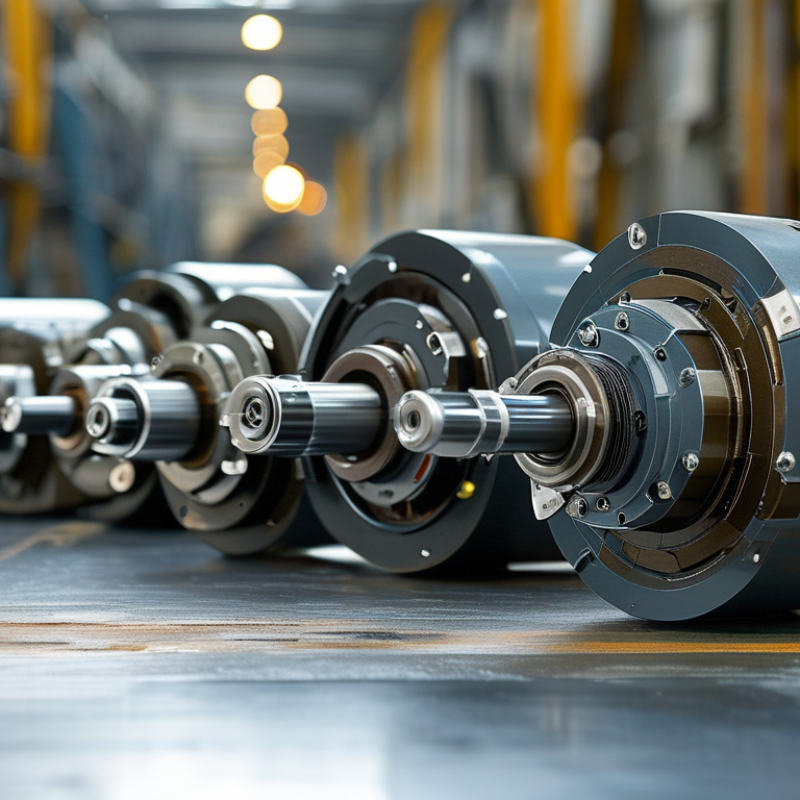
The design of planetary gear motors is evolving rapidly. Engineers are now focusing on compactness without sacrificing performance. Smaller sizes can enhance efficiency in various applications. There's a notable trend toward integrating smart technology. Sensors and communication protocols are becoming standard features in these motors.
More manufacturers embrace sustainability. This includes using recyclable materials and reducing energy consumption. However, the challenge lies in balancing sustainability with performance demands. Some designs may deter from traditional strengths for eco-friendly alternatives, leading to mixed results.
Tips: When sourcing planetary gear motors, consider the specific application. Factor in size, efficiency, and the technological features required. Be mindful of emerging trends, as they may influence future needs. Regularly review designs, as they are continually improving. Choose motors that align with both current demands and future innovations.
| Model | Torque (Nm) | Gear Ratio | Voltage (V) | Efficiency (%) | Weight (kg) |
|---|---|---|---|---|---|
| Model A | 15 | 4:1 | 24 | 90 | 3.5 |
| Model B | 20 | 6:1 | 48 | 88 | 4.0 |
| Model C | 10 | 3:1 | 12 | 85 | 2.2 |
| Model D | 25 | 8:1 | 36 | 92 | 5.5 |
| Model E | 30 | 10:1 | 48 | 86 | 6.0 |
: The trend focuses on compactness and efficiency without sacrificing performance. Smaller sizes are preferred.
Smart technology integration is becoming common. Sensors and communication protocols enhance functionality and efficiency.
Manufacturers are using recyclable materials and reducing energy consumption. Balancing sustainability with performance is challenging.
Consider size, efficiency, and required technological features. Assess how trends might influence future needs.
Key sectors include robotics, automotive, and manufacturing. They seek reliable solutions with high torque and precision.
Supply chain disruptions have led to raw material shortages. This results in delays and increased costs for some companies.
Companies are exploring alternative materials and production methods. Innovation challenges traditional design boundaries.
It remains a key challenge for industries. Effective solutions must also be sustainable to meet global sourcing needs.
Regularly review designs as they continually improve. Keeping up with trends ensures alignment with future innovations.
Yes, some eco-friendly designs may sacrifice traditional performance strengths, leading to mixed results in applications.
The article titled "Top 10 Planetary Gear Motors for Global Sourcing Needs" explores the latest developments in planetary gear motor design and technology, emphasizing the growing trends shaping the industry. Key specifications are highlighted to assist potential buyers in making informed decisions, ensuring they consider factors crucial for optimal performance. Additionally, the article provides a market overview of the global demand for planetary gear motors in 2023, showcasing the increasing reliance on these motors across various applications and industries.
Furthermore, it delves into the competitive landscape, identifying leading manufacturers and their respective market shares within the gear motor sector. This information is vital for stakeholders looking to navigate the dynamic market effectively. With their versatility and efficiency, planetary gear motors play a pivotal role in various sectors, making them essential for modern engineering solutions.

 Axon Motor