Top Geared Motors for Global Buyers How to Choose the Best?

Time:2026-08-23 Author:Oliver
0%

Choosing the right geared motor is crucial for numerous applications. These motors enhance efficiency by providing the necessary torque while controlling speed. However, the market is flooded with options, each claiming to be the best. It can be overwhelming for buyers to discern what truly fits their needs.

Understanding the mechanics of geared motors is essential for making informed decisions. Buyers should consider factors like load requirements, operating environment, and energy efficiency. Each application may have unique specifications. It's not just about price; quality and durability are paramount.

The best geared motor for one application may not be suitable for another. Researching reputable manufacturers and their products is vital. A well-chosen geared motor can lead to optimal performance. Reflect on previous experiences and learn from them. The path to finding the right geared motor requires diligence and careful consideration.
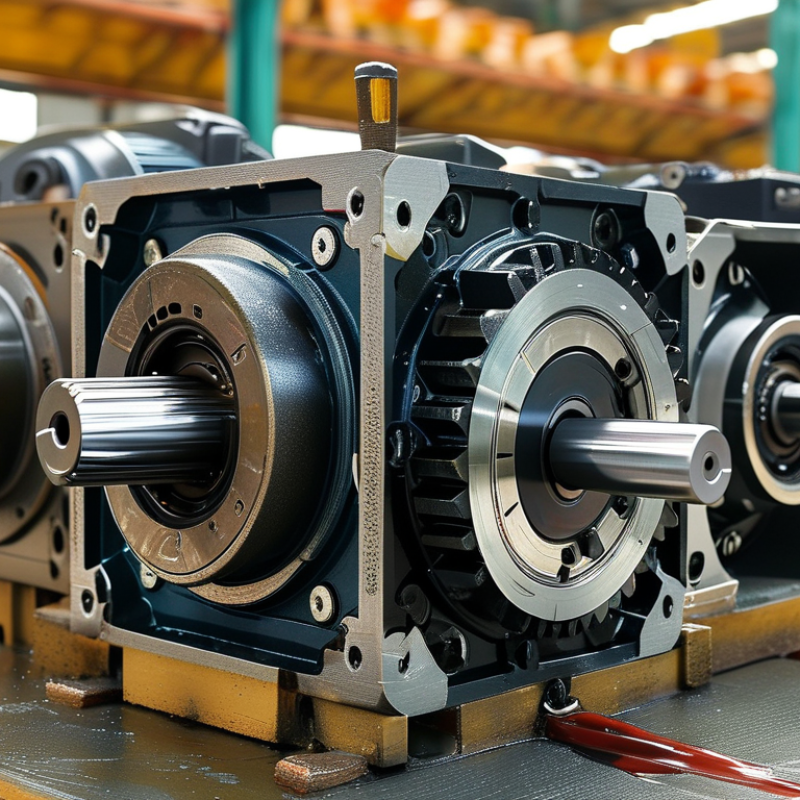
Top Geared Motors for Global Buyers How to Choose the Best?

Understanding Geared Motors: Basics and Types

Geared motors are vital in various industries. They provide speed reduction and increased torque, making machinery more efficient. Understanding the basics helps in choosing the right motor. Two main types of geared motors exist: the inline gearbox and the planetary gearbox. Each type serves specific applications and has its pros and cons.

Inline gearboxes offer simplicity and compactness. They are easy to install and integrate. However, they may not handle high torque demands as well as planetary models. Planetary gearboxes, on the other hand, distribute loads evenly. They excel in applications needing precision. Yet, they tend to be bulkier and more complex in design.

When selecting a geared motor, consider factors like application requirements, load capacity, and operating environment. Reflect on how each type meets your needs. Evaluate the benefits versus the challenges. Knowing these details ensures better performance in real-world scenarios. Your choice can impact efficiency and maintenance in the long term.

Key Specifications to Consider When Choosing Geared Motors

Selecting the right geared motor involves understanding critical specifications. It's essential to consider the torque rating. This determines the motor's ability to handle load without failure. High torque ratings can indicate a robust performance, but excessive torque may lead to inefficiencies. Balance is key.

Another crucial aspect is the gear ratio. A higher gear ratio often leads to more torque but lower speed. Conversely, a lower ratio boosts speed but reduces torque. Understanding your specific application needs will help narrow down your choice. You may find it challenging to achieve the perfect gear ratio, so adjusting your approach can yield better results.

Efficiency ratings are also vital. They indicate how well the motor converts electrical energy into mechanical energy. A higher efficiency means less wasted energy. Consider the operating environment too. External factors like temperature and humidity can affect motor performance. Assessing these details can ensure a well-informed decision, preventing potential issues later on.

Comparing Leading Brands of Geared Motors for Quality and Performance

When selecting geared motors, understanding quality and performance is crucial. Industry reports indicate that the global geared motor market is projected to reach $11 billion by 2025, growing at a CAGR of 6%. Such growth reflects the increasing demand across various sectors, including manufacturing and automation.

Leading brands often differentiate in design and application. For instance, some motors excel in high torque applications, while others perform better in speed control. Factors such as gear ratio and material quality significantly impact performance. Reports highlight that motors with precision-engineered gears tend to have lower backlash, enhancing efficiency. It's important to analyze the operational environment too, as factors like temperature and humidity can affect motor longevity.

Performance metrics also include energy efficiency. The use of high-efficiency geared motors can lead to energy savings of up to 15-20%, which is noteworthy in today's eco-conscious marketplace. Buyers should evaluate product certifications and test reports. Reflecting on these quality indicators could lead to better decision-making. However, reliance solely on brand reputation can be misleading. Conducting thorough research is essential to truly assess performance and quality.

Top Geared Motors for Global Buyers - How to Choose the Best?

Motor Type Power Output (kW) Torque (Nm) Efficiency (%) Price Range ($)
AC Geared Motor 0.5 - 15 5 - 1000 85 - 95 200 - 2500
DC Geared Motor 0.1 - 10 2 - 300 75 - 90 150 - 1500
Stepper Geared Motor 0.5 - 5 10 - 600 70 - 85 100 - 800
Servo Geared Motor 0.2 - 15 5 - 1200 90 - 98 250 - 3000

Factors Influencing Cost and Value of Geared Motors

When selecting geared motors, understanding cost and value is crucial. Various factors contribute to price variations. The motor's material quality, power rating, and configuration play a critical role. For instance, high-performance motors often use advanced materials, leading to higher costs.

Market demand also influences pricing. In regions with strong industrial growth, geared motor prices may rise. Additionally, purchasing in bulk can reduce costs significantly. Awareness of these factors can help buyers navigate the market effectively.

Consider these tips for a smart purchase. Research different geared motor types and their applications. Evaluate if the motor's specifications meet your project requirements. Don’t overlook after-sales support; it ensures reliability and longevity. Engage with experts to clarify doubts and gain insights into best practices. Reflect on how your choices align with long-term goals.

Tips for Sourcing Geared Motors for Global Market Needs

When sourcing geared motors for the global market, understanding the specific needs of your application is crucial. Geared motors come in various types and efficiencies. According to the Global Industry Analysts report, the geared motor market is expected to grow significantly, reaching around $12 billion by 2025. This growth reflects the increasing demand for energy-efficient solutions across sectors, from manufacturing to renewable energy.

Selecting the right geared motor involves consideration of torque, speed, and size. Buyers should evaluate the motor's efficiency rating, as higher efficiency can lead to significant cost savings over time. For instance, even a 1% improvement in efficiency can reduce energy consumption by approximately 10%. Additionally, potential buyers must consider local regulations and environmental standards that may impact motor selection.

Global sourcing poses challenges, such as ensuring quality and reliability. Reports indicate that around 30% of buyers face difficulties in quality control when sourcing from overseas. Therefore, establishing relationships with reputable manufacturers is essential. Conducting thorough audits, verifying certifications, and asking for samples can help mitigate risks. Buyers should embrace a mindset of continuous improvement and adaptability, as market demands evolve and technology advances.

FAQS

: What factors influence the cost of geared motors?

: The motor's material, power rating, and configuration significantly affect pricing. Higher quality materials lead to higher costs.

How does market demand affect geared motor prices?

In growing industrial areas, prices may rise due to increased demand. Bulk purchases can also lower costs.

What should I research before buying a geared motor?

Explore different motor types and their specific applications. Ensure the specs meet your project needs.

Why is after-sales support important?

After-sales support enhances reliability and longevity of your geared motors. It’s key for smooth operation over time.

What efficiency improvements should I consider?

Even a 1% efficiency gain can cut energy consumption by about 10%. This leads to long-term savings.

What challenges exist in global sourcing of geared motors?

Quality control is a major issue, affecting about 30% of buyers. Establish relationships with trustworthy manufacturers.

How can I ensure quality when sourcing motors?

Conduct thorough audits and verify certifications. Request samples before making large purchases.

What should I consider regarding regulations?

Local regulations and environmental standards can impact motor selection. Stay informed to ensure compliance.

How important is adaptability in sourcing geared motors?

Market demands and technology change frequently. A mindset of continuous improvement is essential for success.

How do I align my motor choices with long-term goals?

Reflect on how your selections meet future needs. Balance initial costs with potential operational savings.

Conclusion

When selecting the right geared motor for various applications, it’s essential to understand the basics and types of geared motors available in the market. Key specifications such as torque, speed, and efficiency should drive the decision-making process, ensuring that the chosen motor meets specific performance requirements.

Additionally, comparing leading brands can reveal differences in quality and performance, giving buyers insight into the best options available. Factors influencing the cost and value of geared motors, including material quality and manufacturing processes, should also be considered to ensure a wise investment. Finally, effective sourcing strategies tailored to global market needs can help buyers navigate the complexities of acquiring geared motors, ultimately leading to successful procurement and application.

Oliver

Oliver

Oliver is a seasoned marketing professional with a wealth of expertise in driving brand awareness and engagement. With a deep understanding of our company's product offerings, he consistently delivers high-quality content that enriches our professional blog. His insights not only shed light on......