Precision-engineered solutions tailored for mobility chairs, medical automation, and intelligent positioning devices.
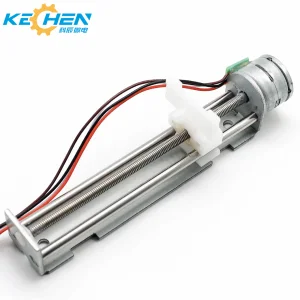
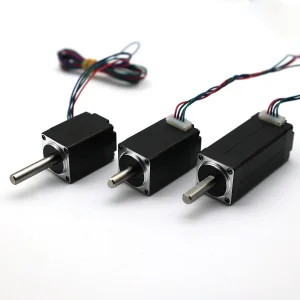
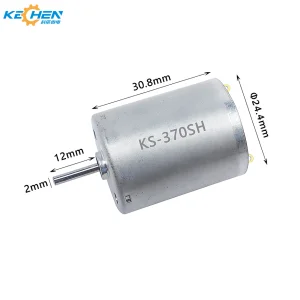
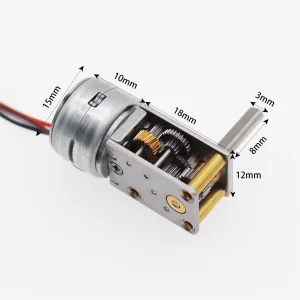
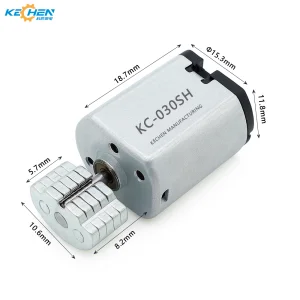
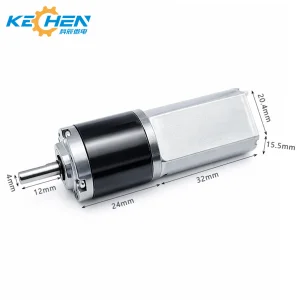
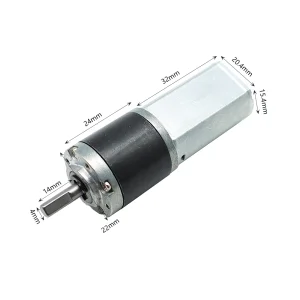
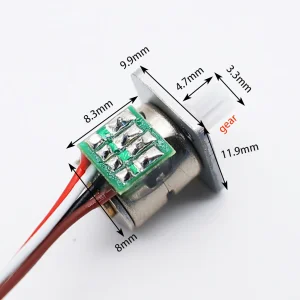
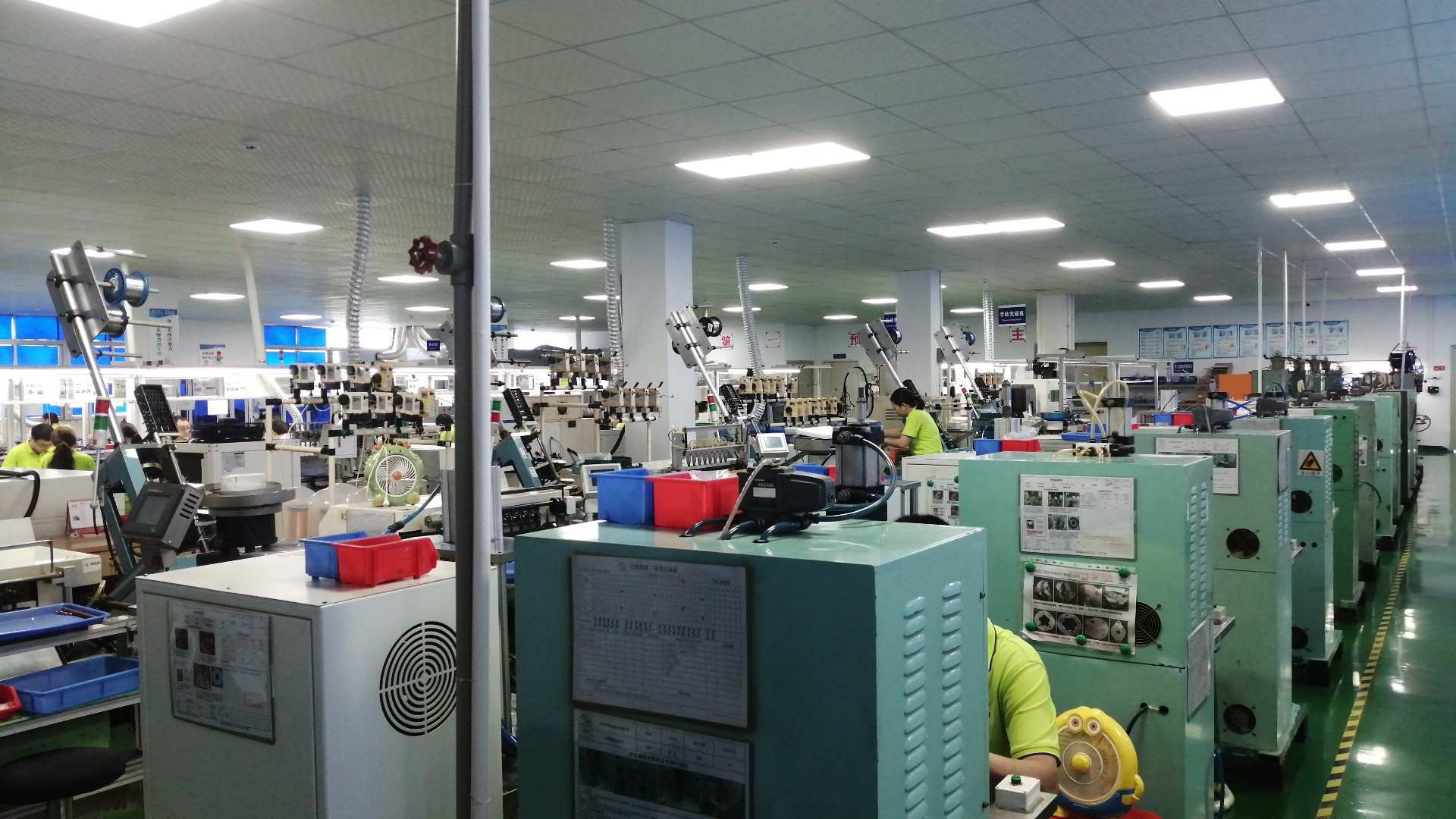
At Axon Motor, we believe that global innovation shouldn't be limited by size. For two decades, we have dedicated ourselves to a single, relentless pursuit: designing, engineering, and manufacturing high-performance micro-drive solutions that keep modern industries moving forward. Based in China, we operate a state-of-the-art, ISO9001-certified production facility specializing in Micro DC Motors, DC Gear Motors, and Brushless DC Motors (BLDC).
We understand that applications like smart home automation, medical devices, automotive electronics, and precision robotics demand uncompromised reliability. That is why every Axon Motor micro motor is built with an exceptional power-to-size ratio, ultra-low noise acoustics, and an extended operational lifespan, backed by strict 100% in-house quality control and international certifications (CE, RoHS, REACH).
We don’t just supply standard hardware; we act as a strategic R&D partner. With a robust engineering team holding multiple industry patents, Axon Motor thrives on solving complex mechanical challenges through flexible OEM/ODM custom solutions. From custom shaft configurations and custom voltage tuning to specialized bespoke gearheads, we turn your technical blueprints into high-volume, cost-effective reality.

In the global smart mobility sector, particularly for electric wheelchair manufacturers and assistive device suppliers, procurement is no longer just about procuring bulk parts. It is about identifying partners who understand torque density, power management efficiency, low-backlash gearheads, and safety braking compliance.
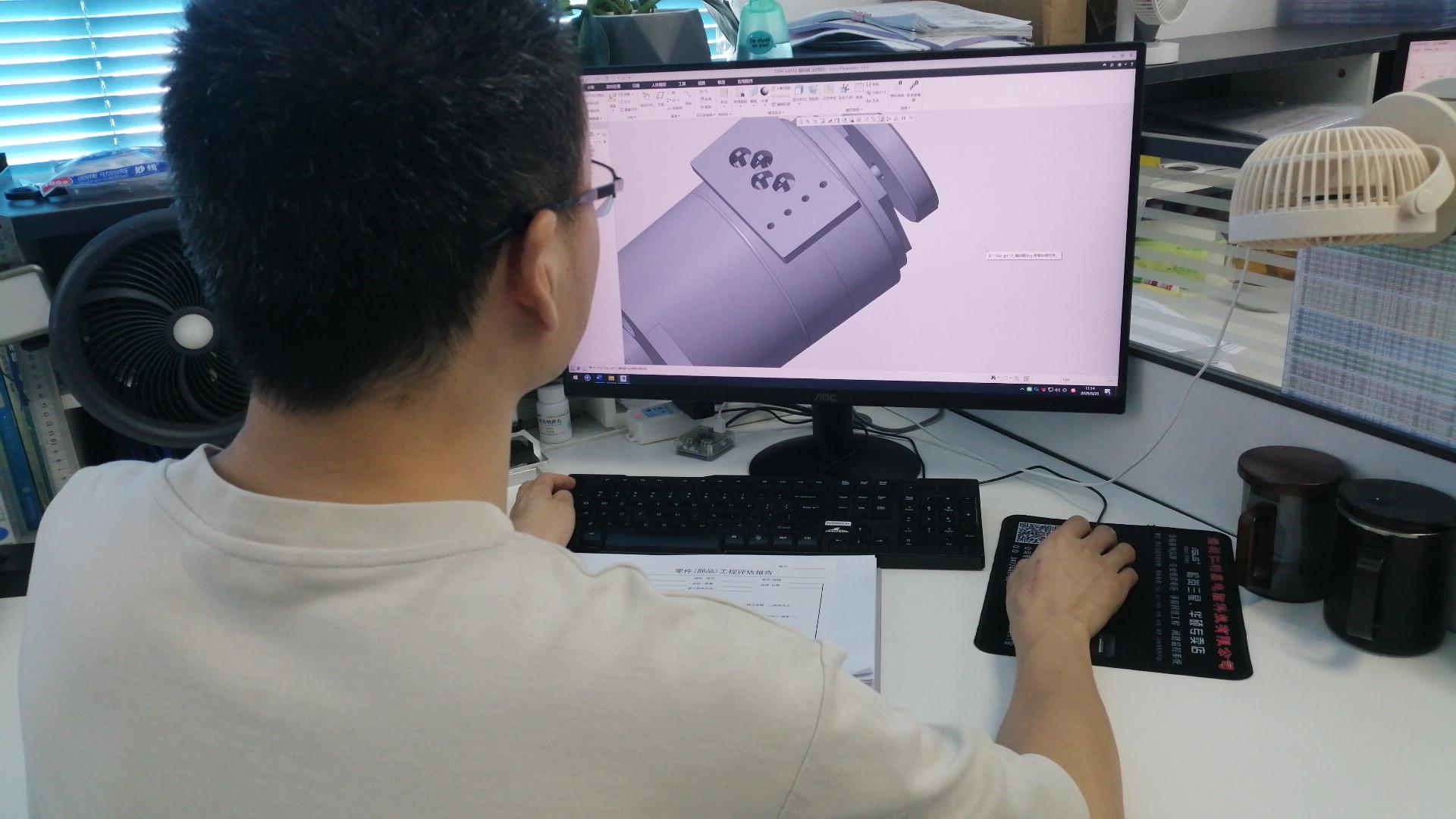
As a top-tier Chinese manufacturer, Axon Motor optimizes the design and verification stages of electric wheelchair drives by integrating physical structural parameters with high-level magnetic circuit analysis. This ensures that every gearmotor and brushless actuator delivers high startup torque and operates silently under varied loads.
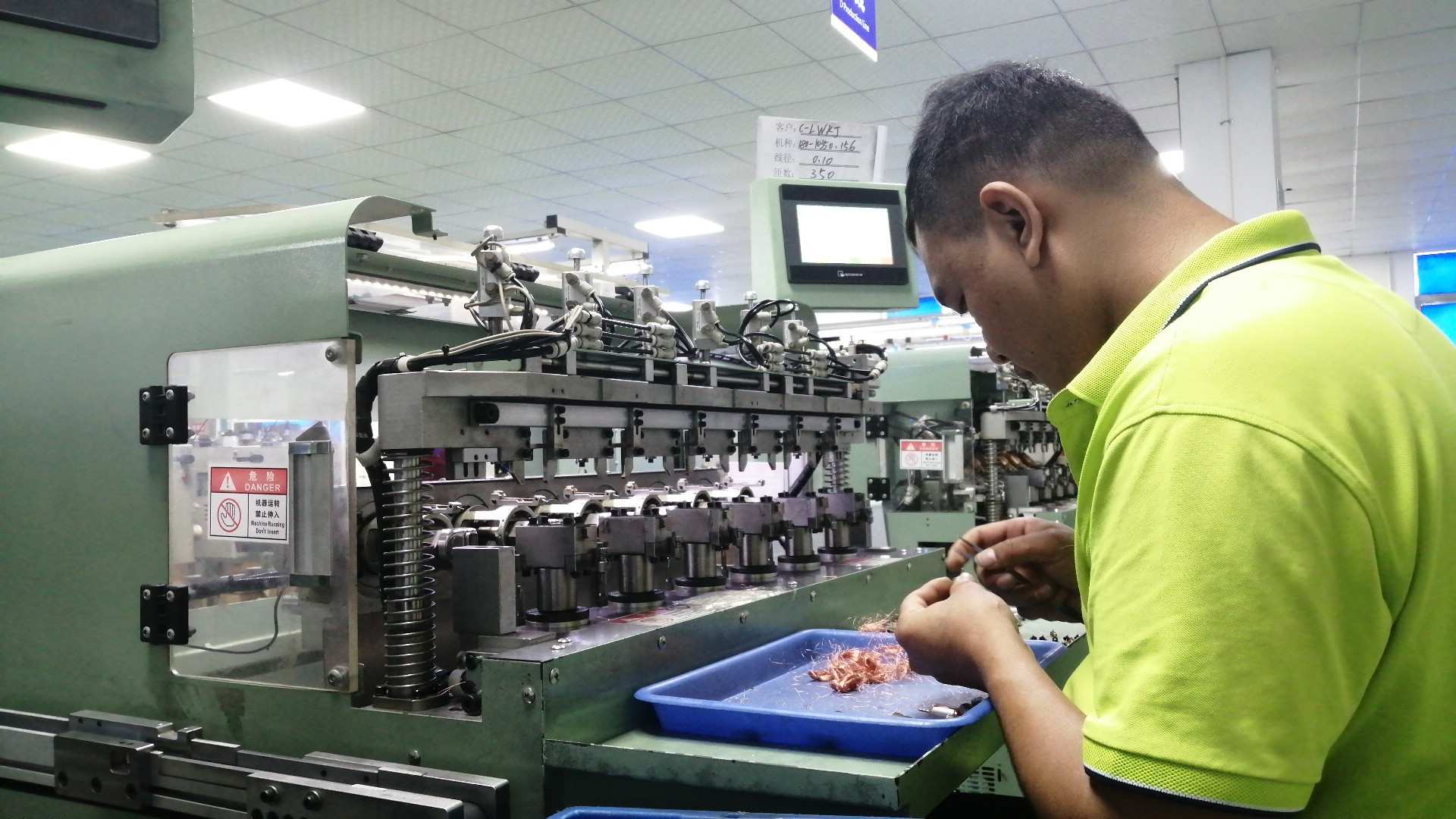
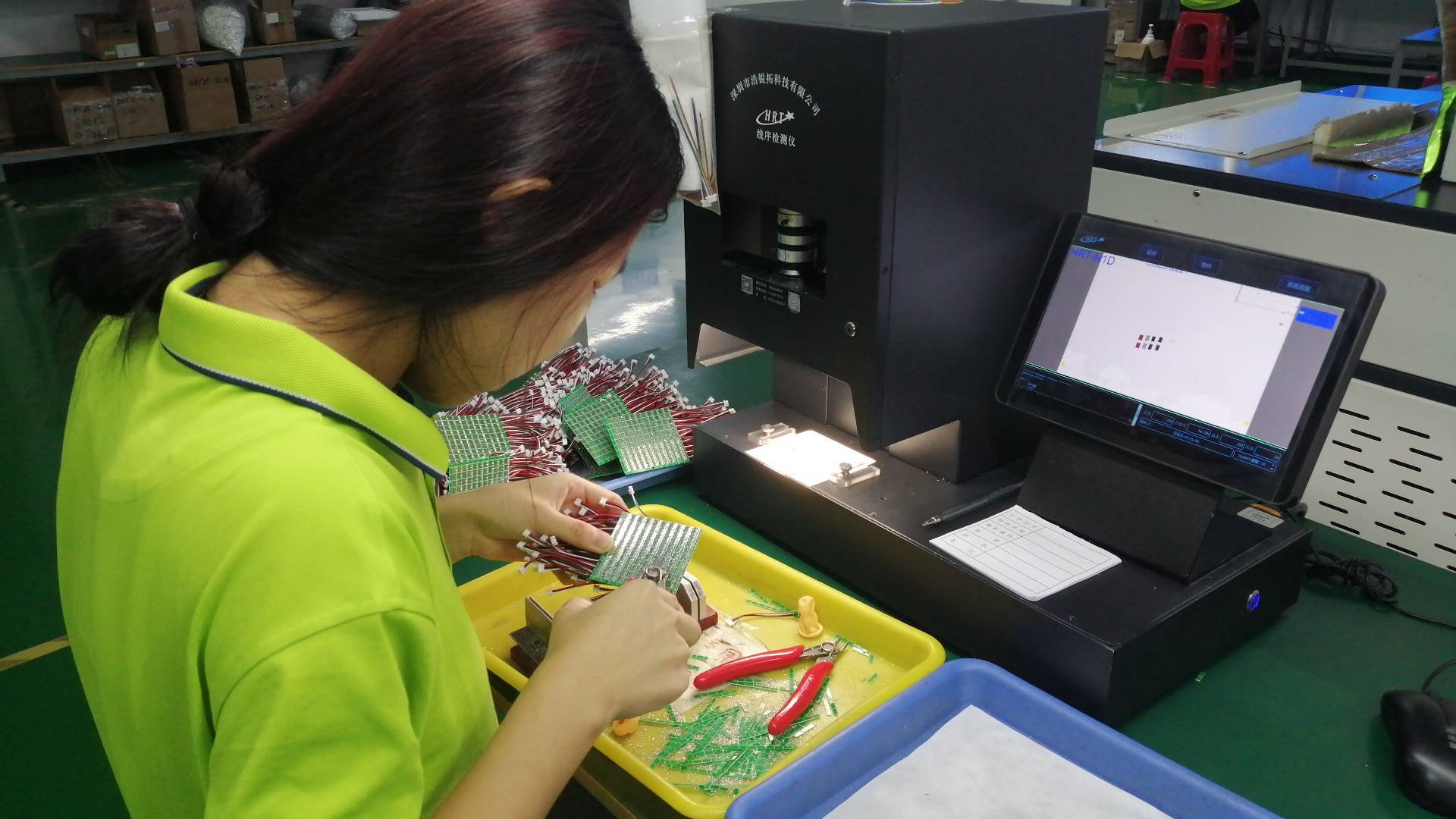
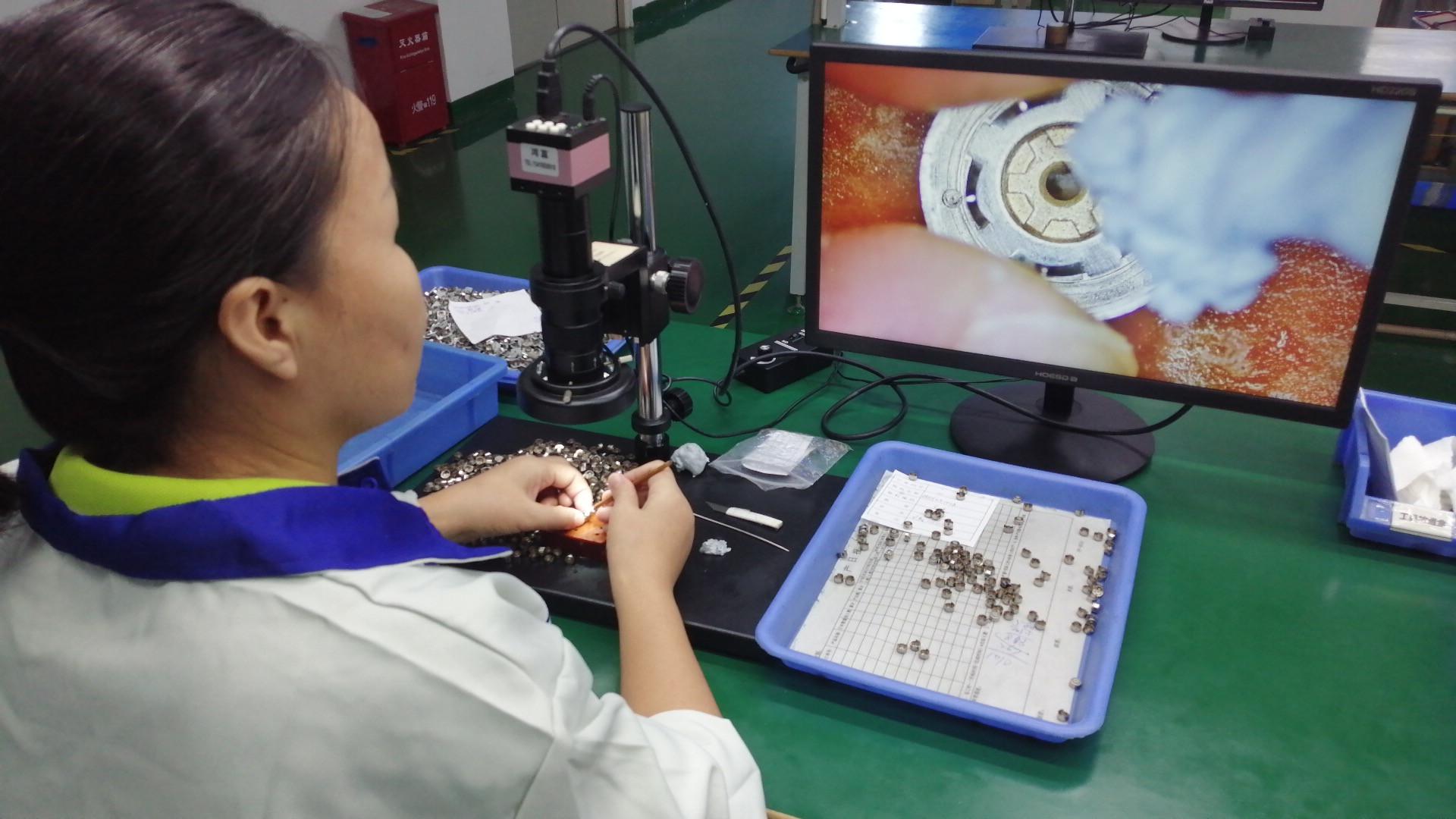
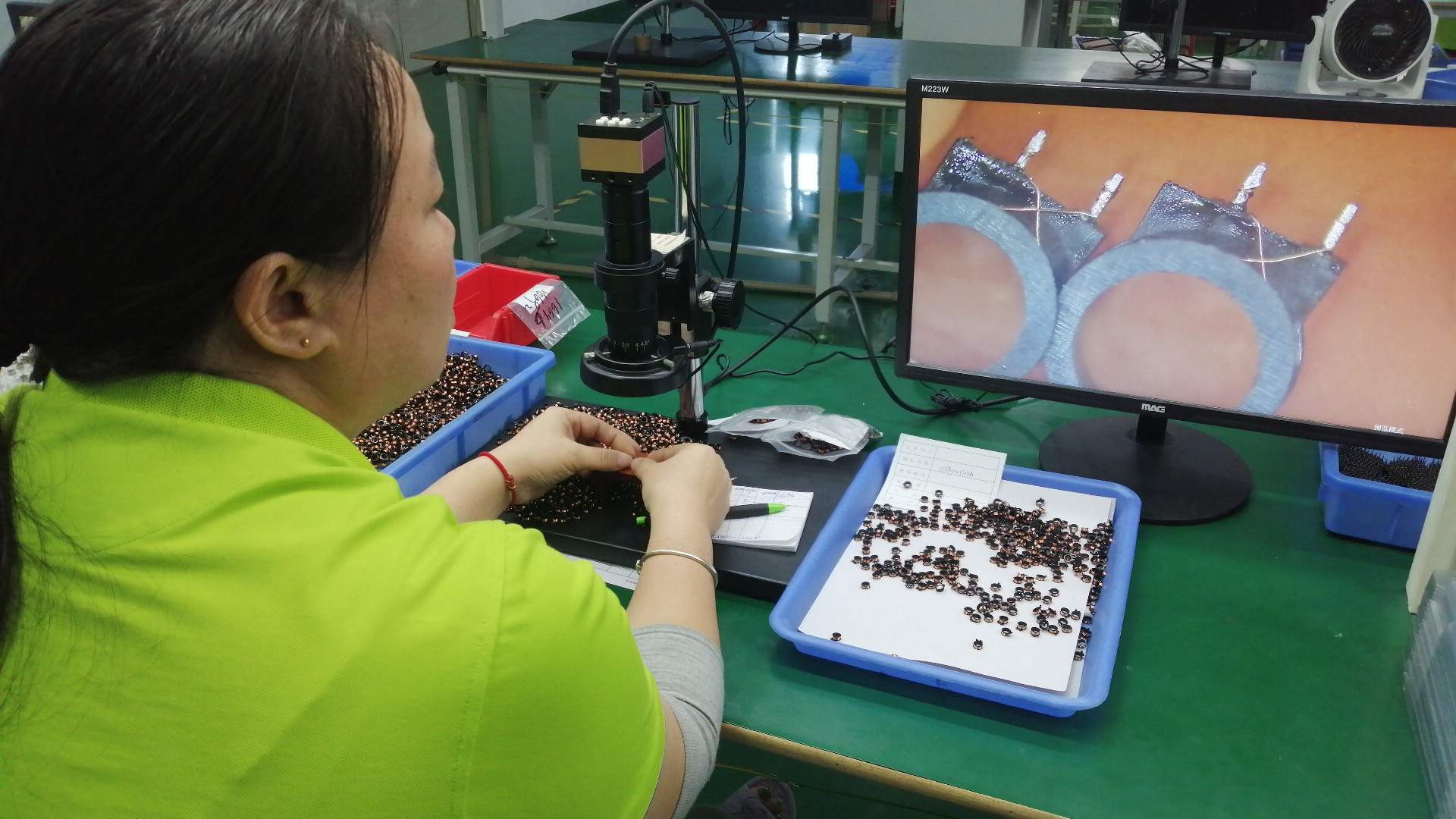
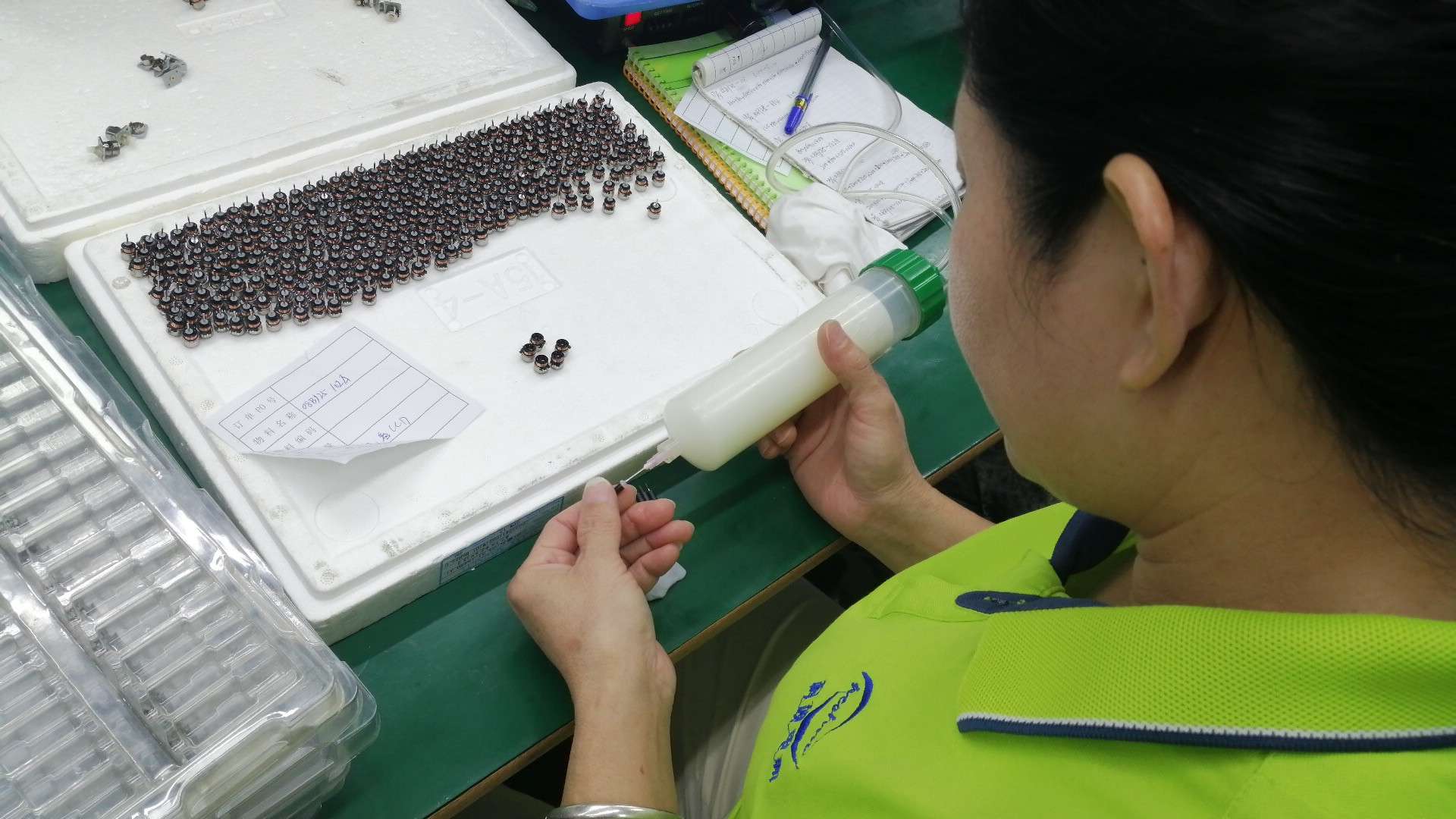
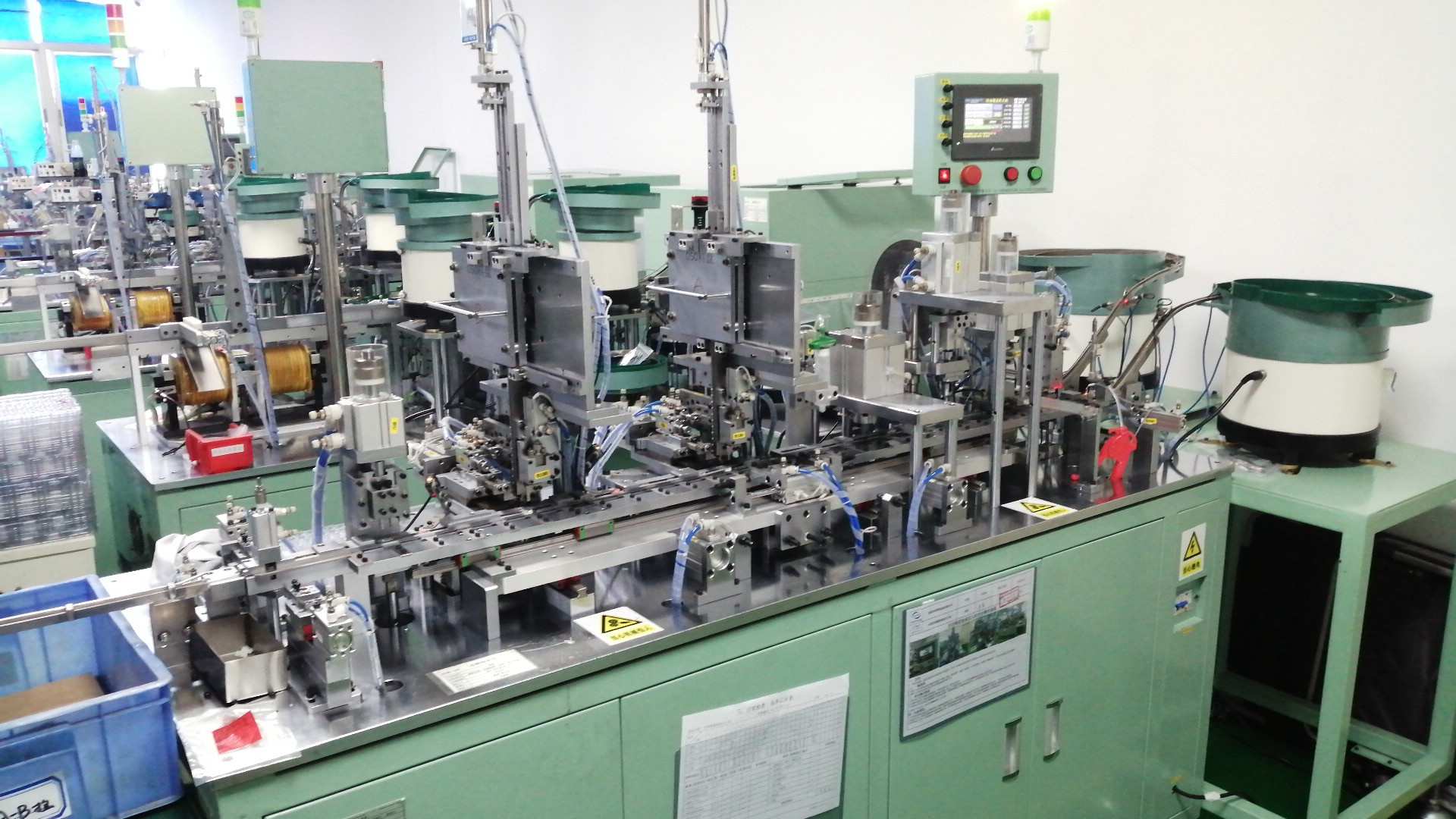
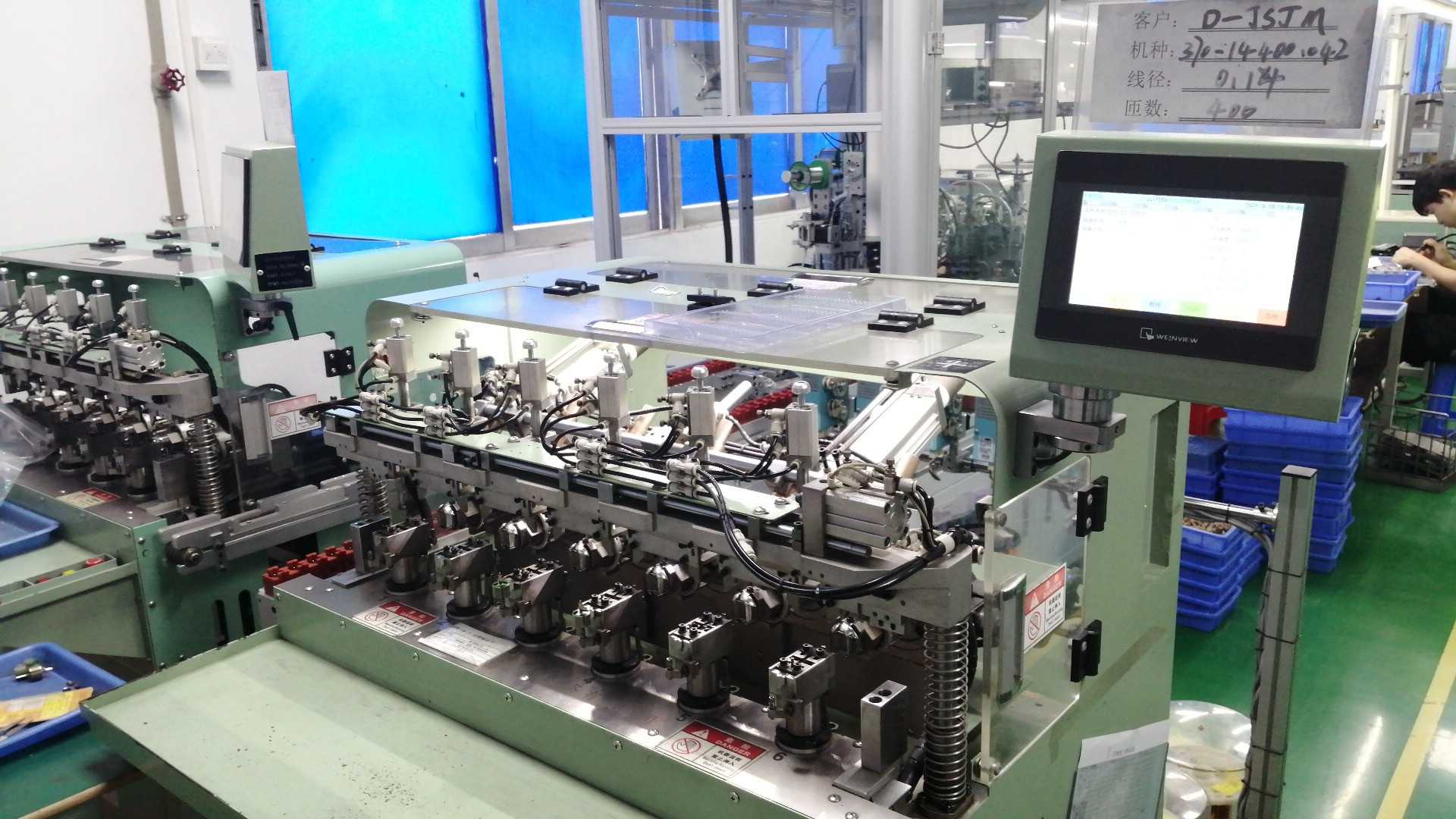
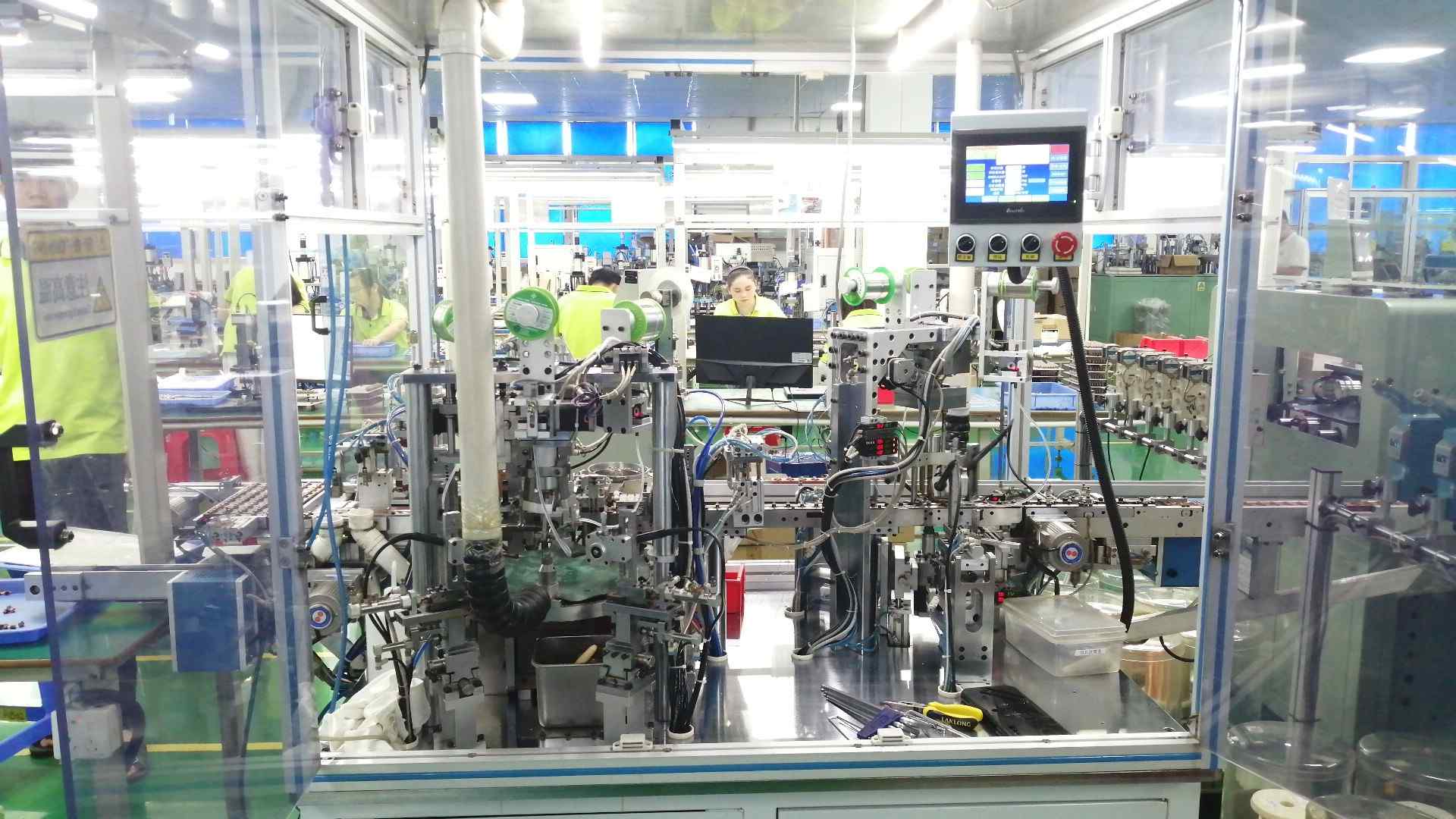
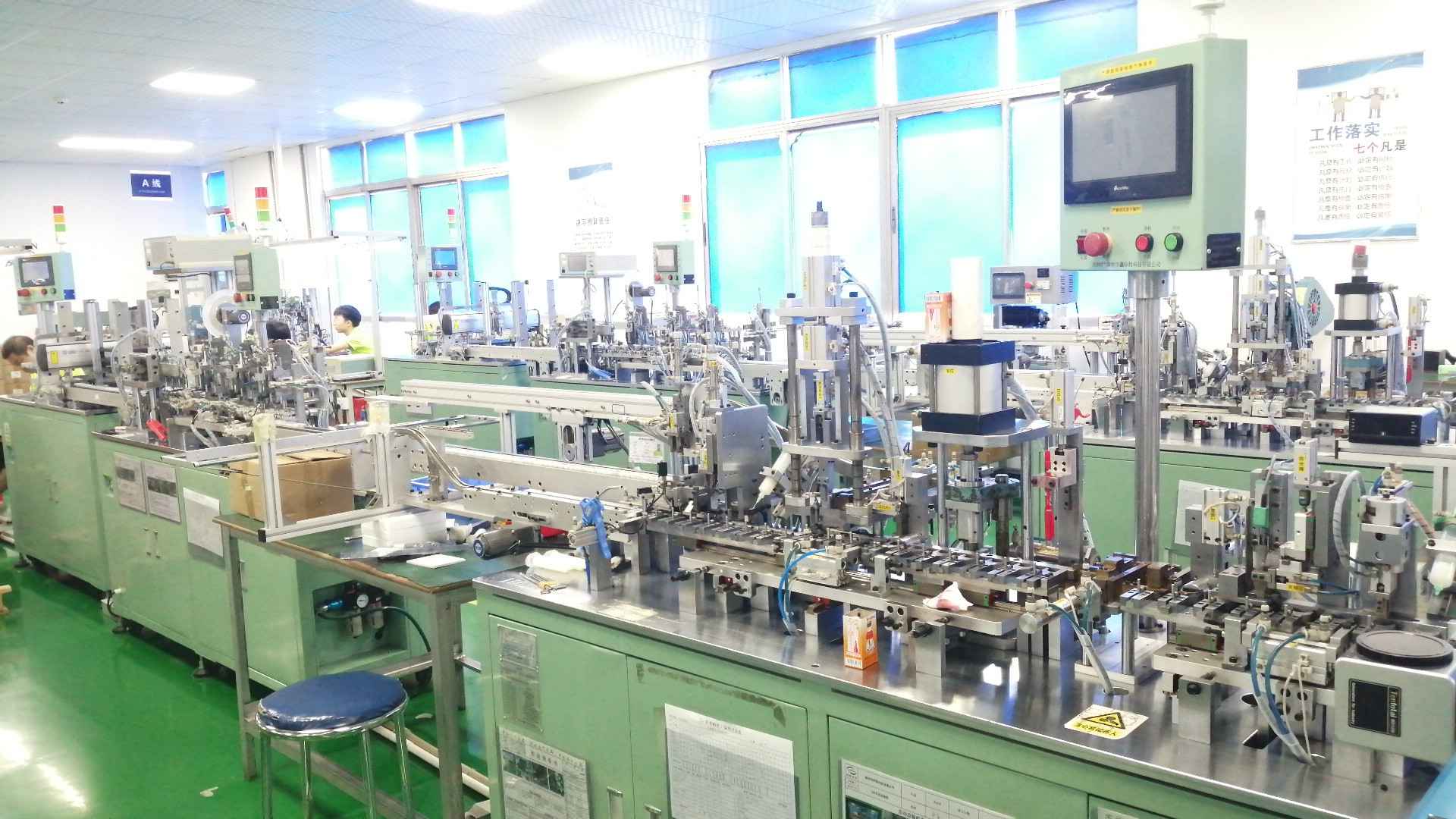
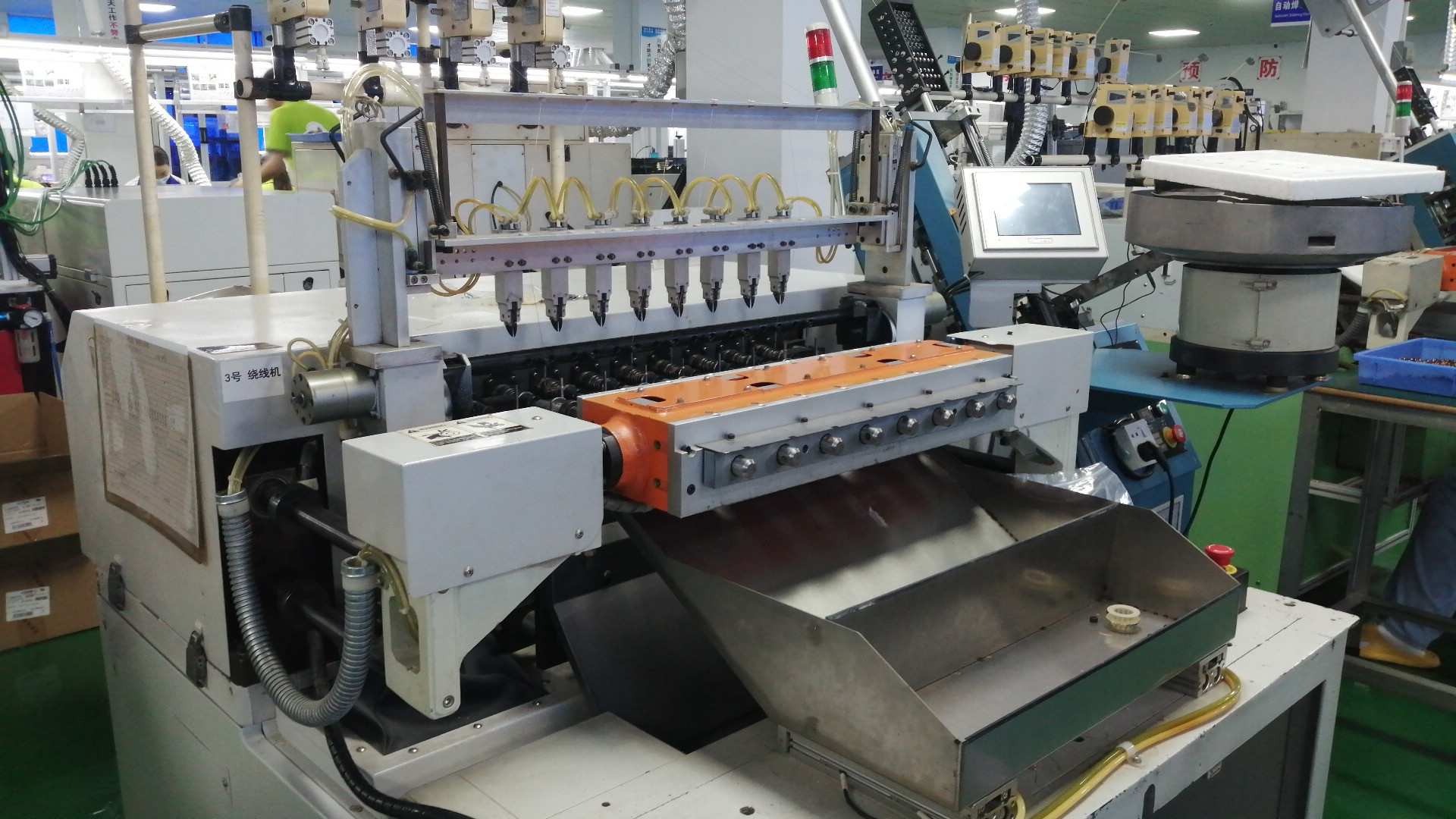
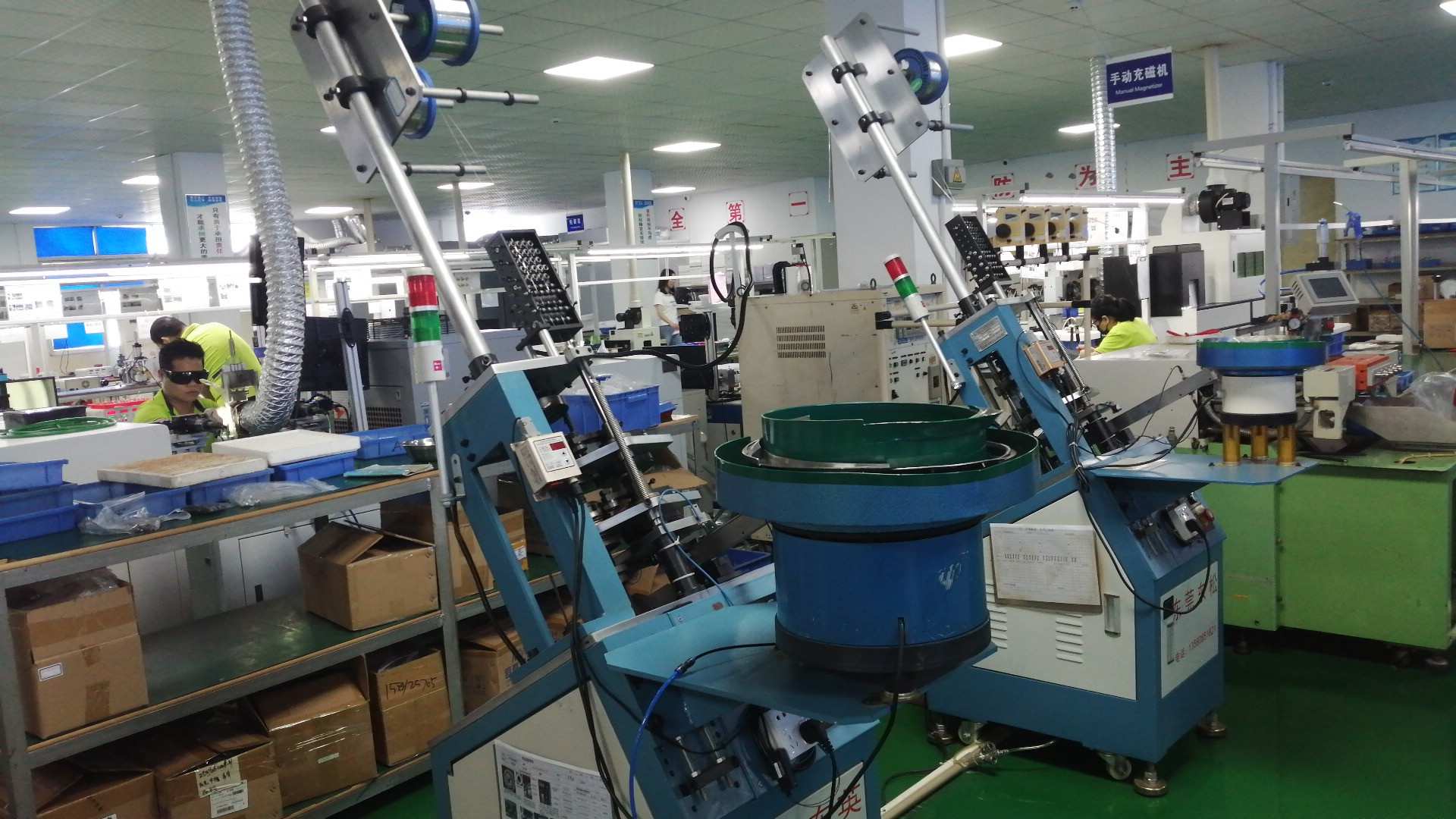
From precision winding to final safety inspections, see how we construct our world-class micro-drive engines.

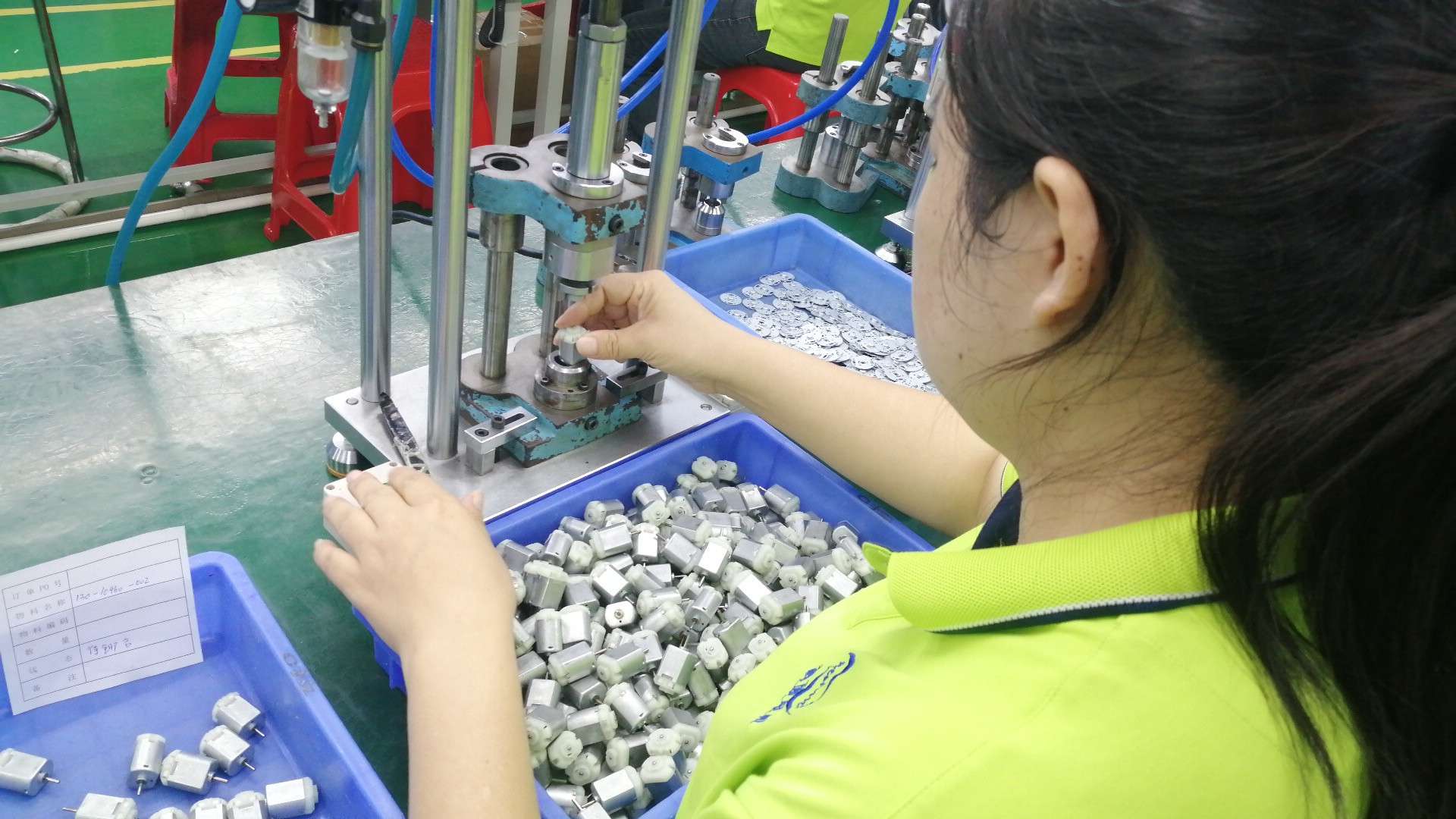
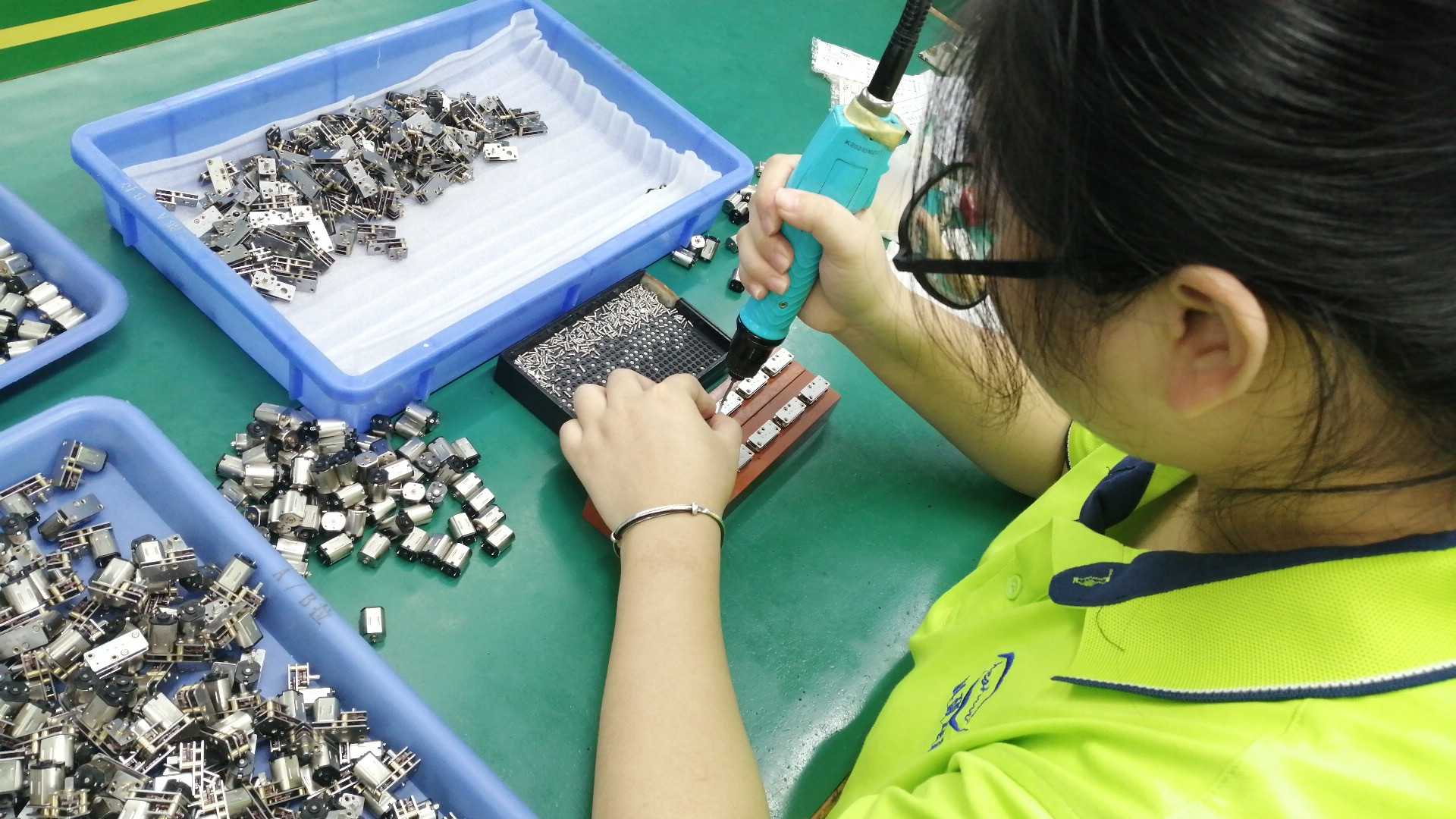


The global market for power wheelchairs and electric personal mobility vehicles is experiencing unprecedented growth. Driven by an aging population, rising medical standard requirements, and a collective push towards lighter, more energy-efficient structures, the demand for high-performance wheelchair motors has reached new heights. Traditionally, heavy brushed motors dominated the industry. However, modern designs are shifting towards brushless configurations (BLDC) and integrated planetary gear systems.
At the core of this technological shift are key requirements for modern power wheelchair drive systems:
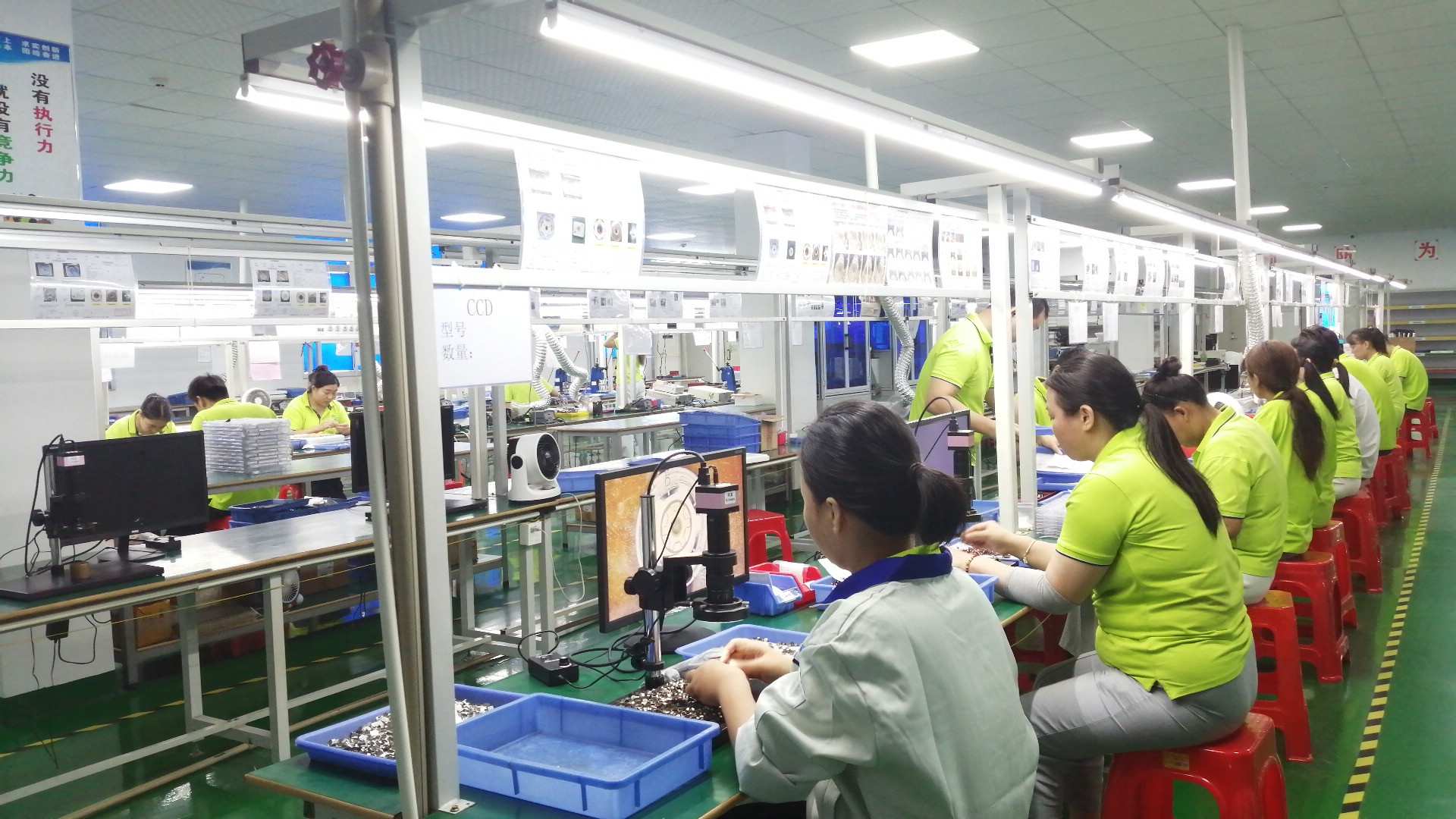
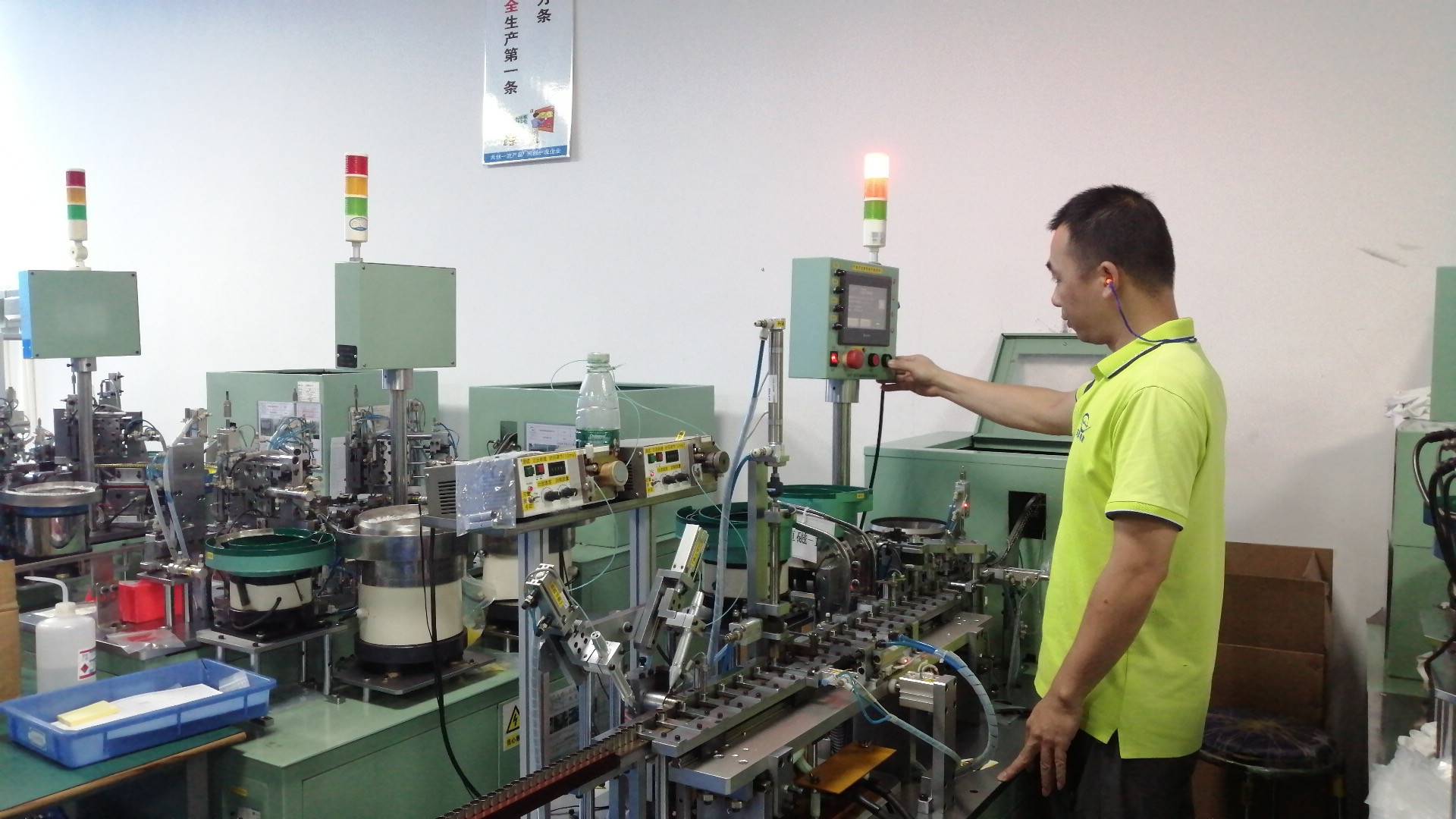
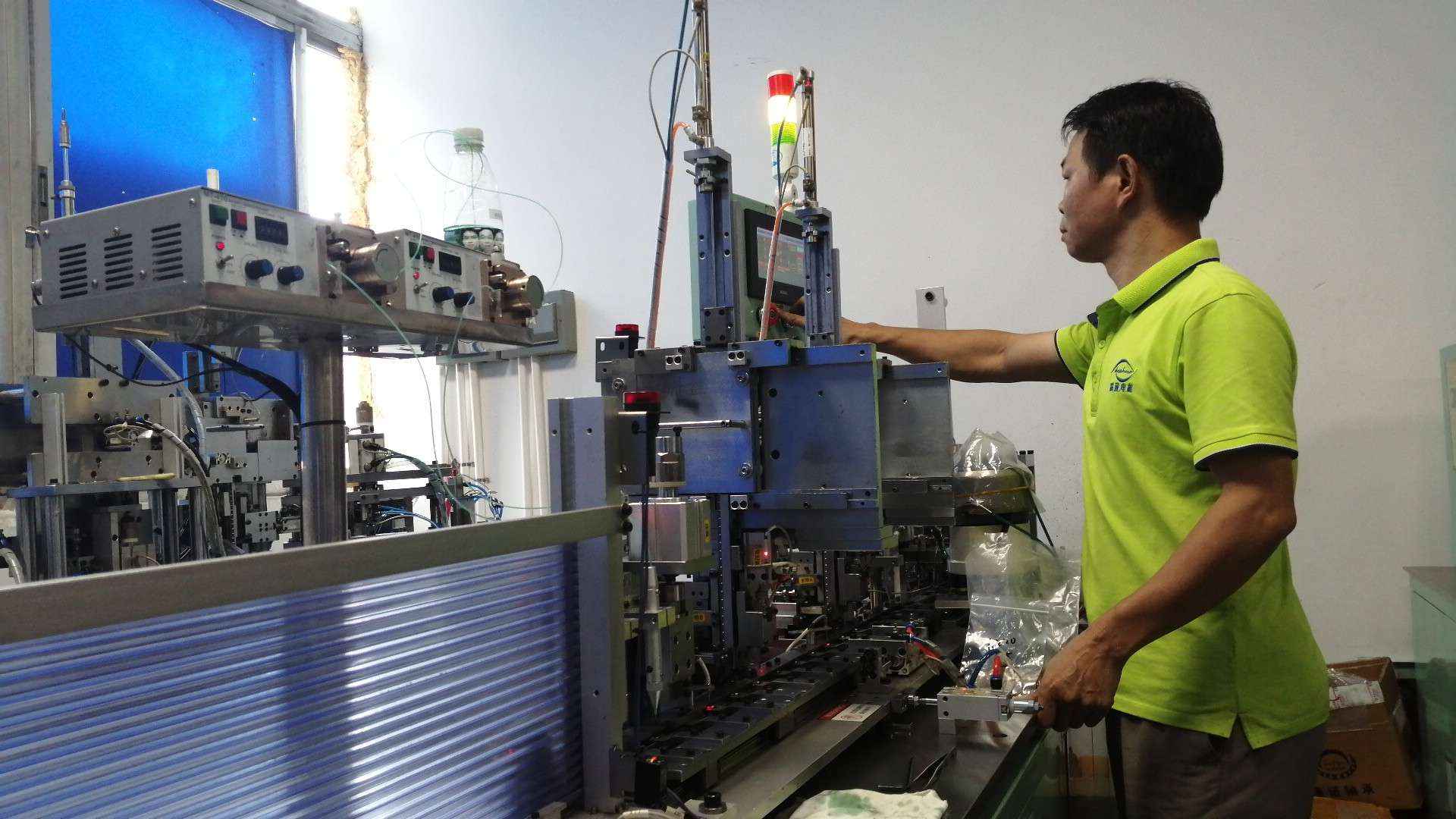
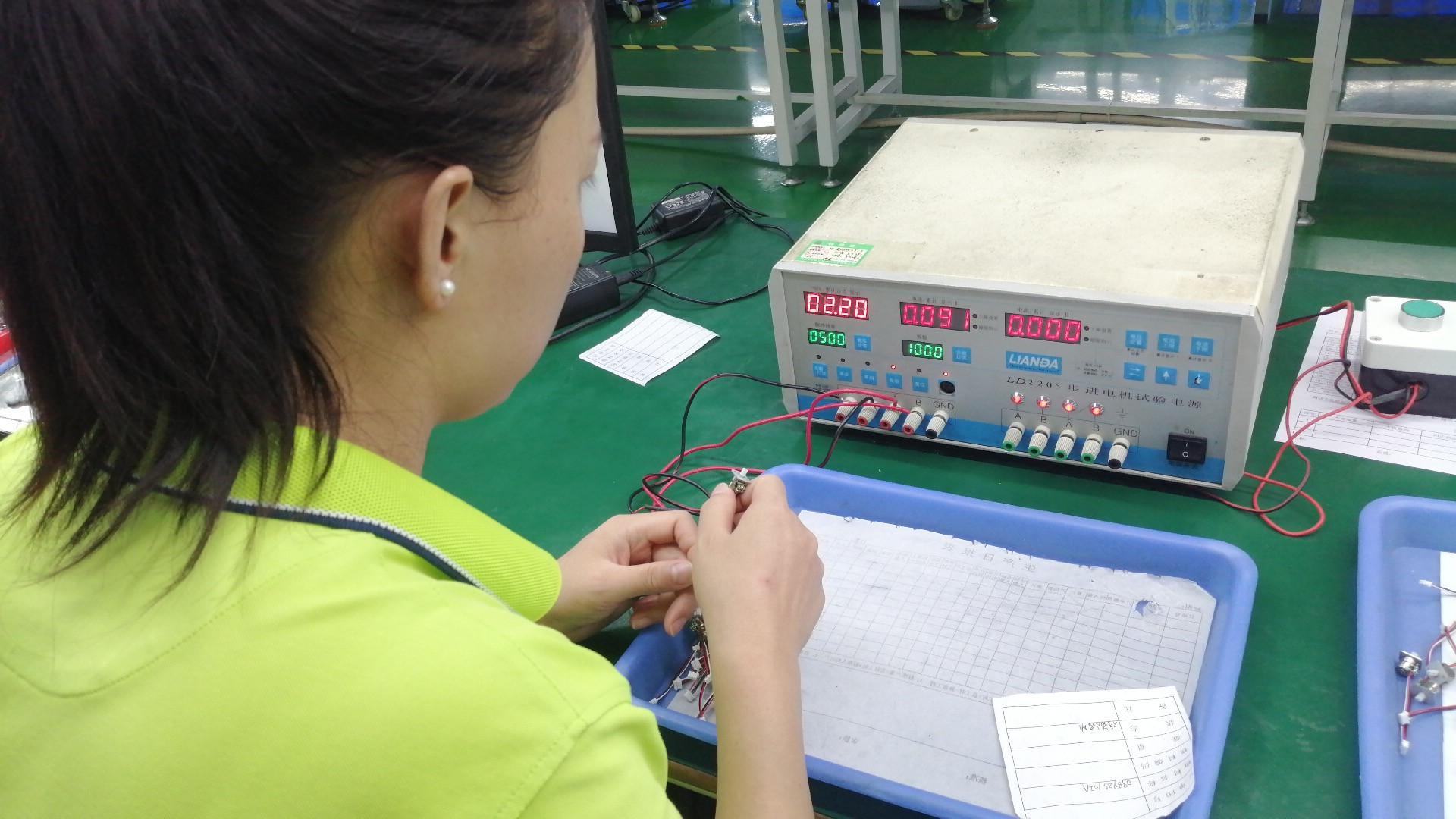
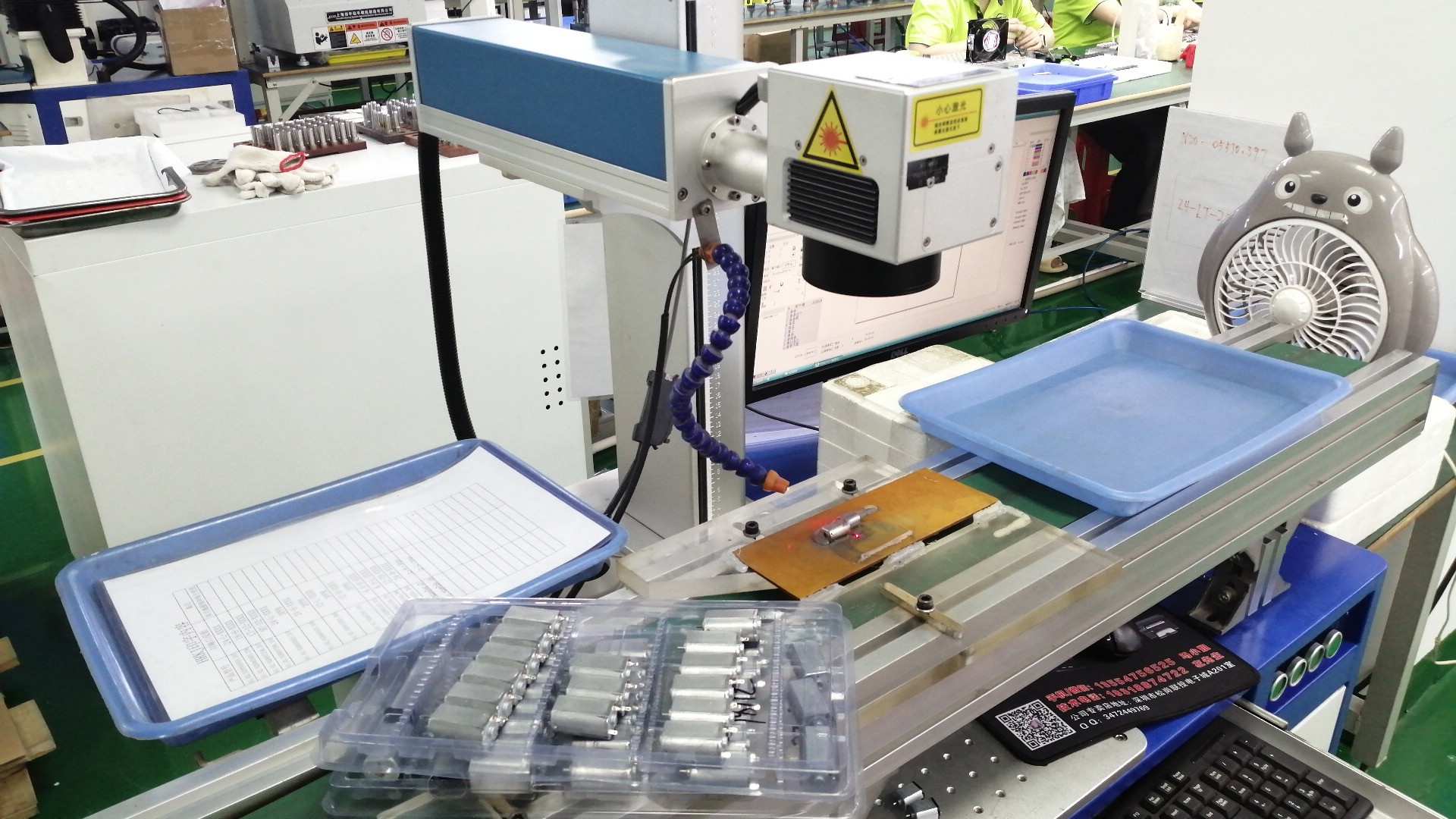
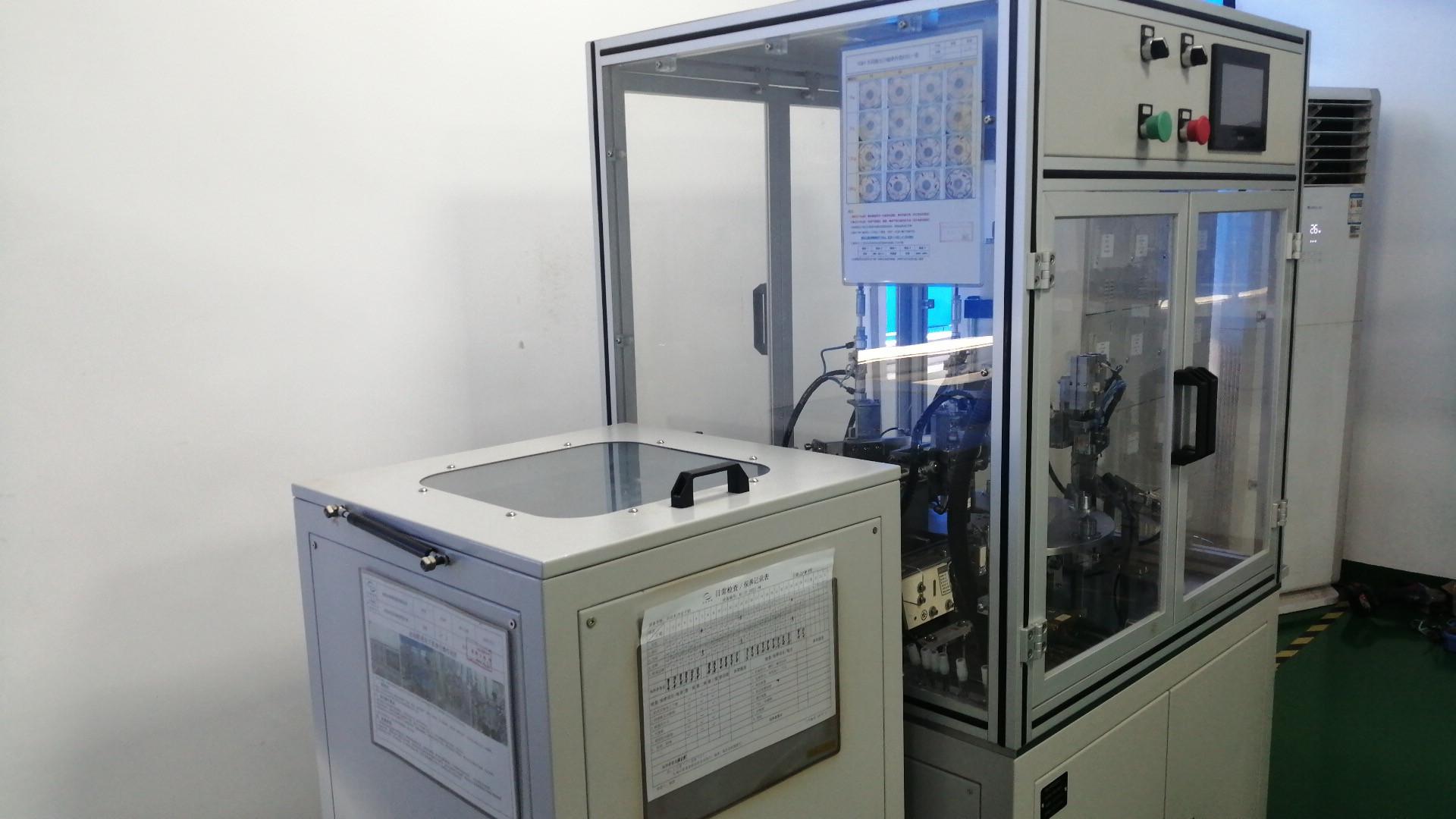
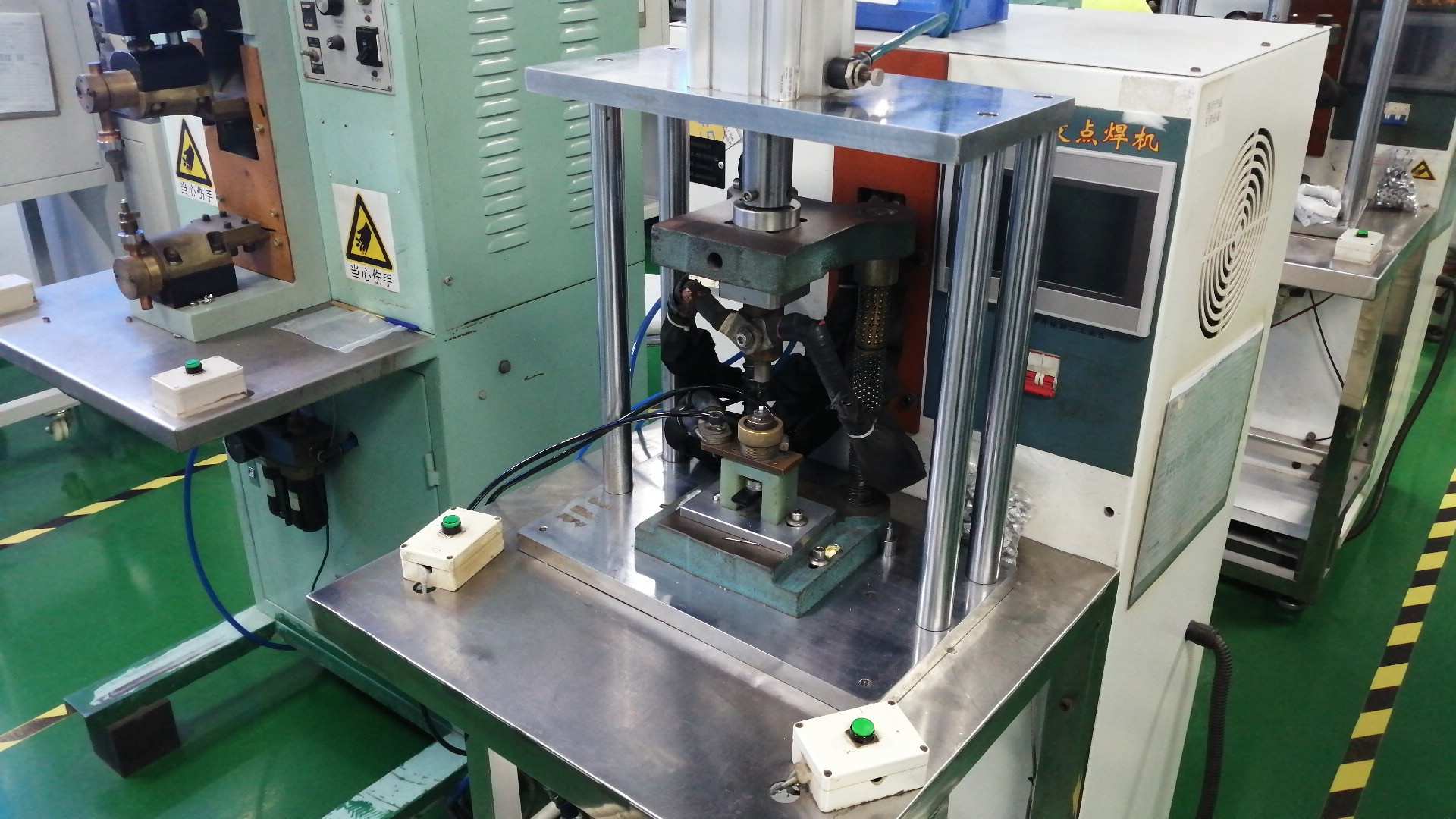
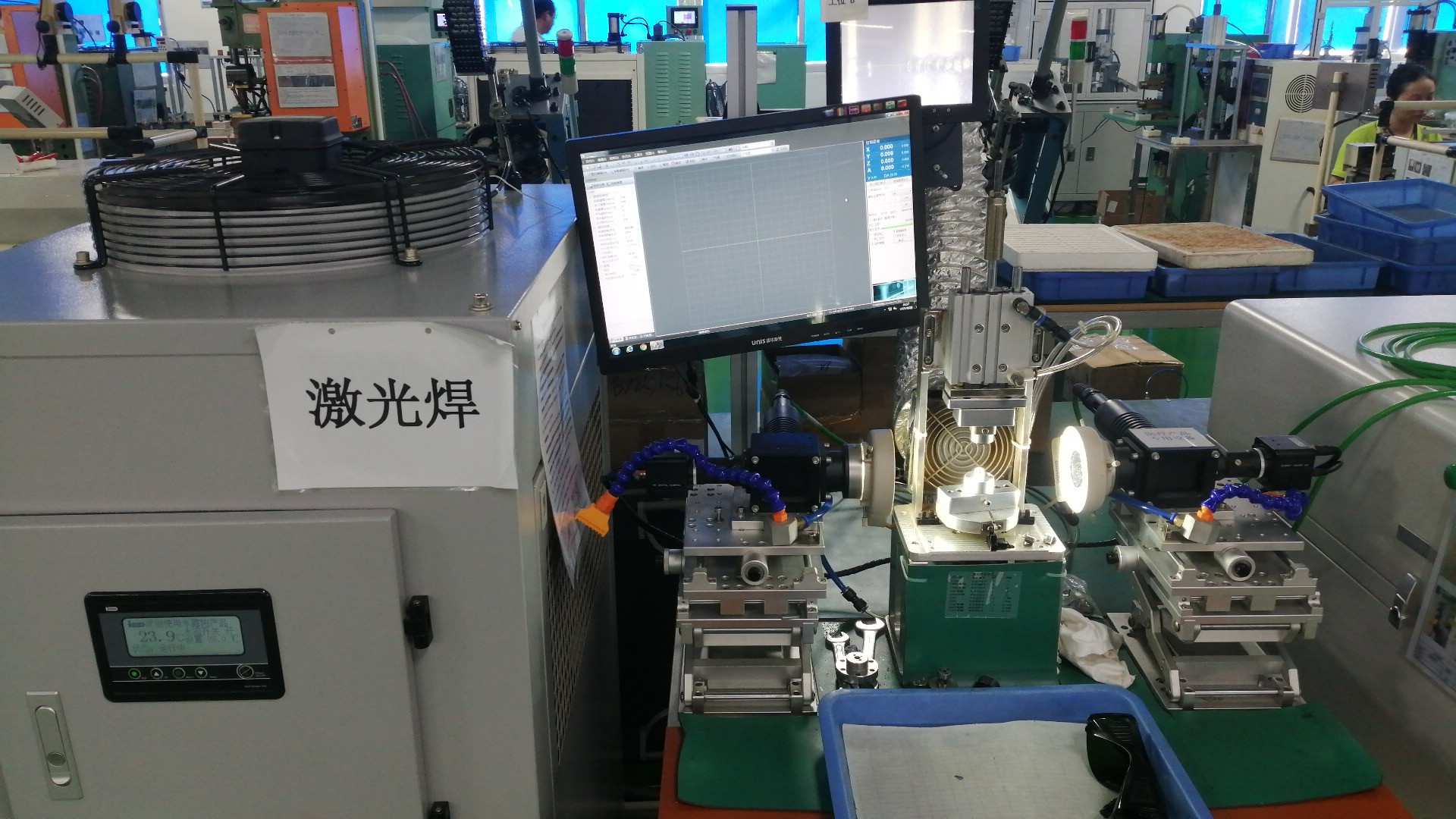
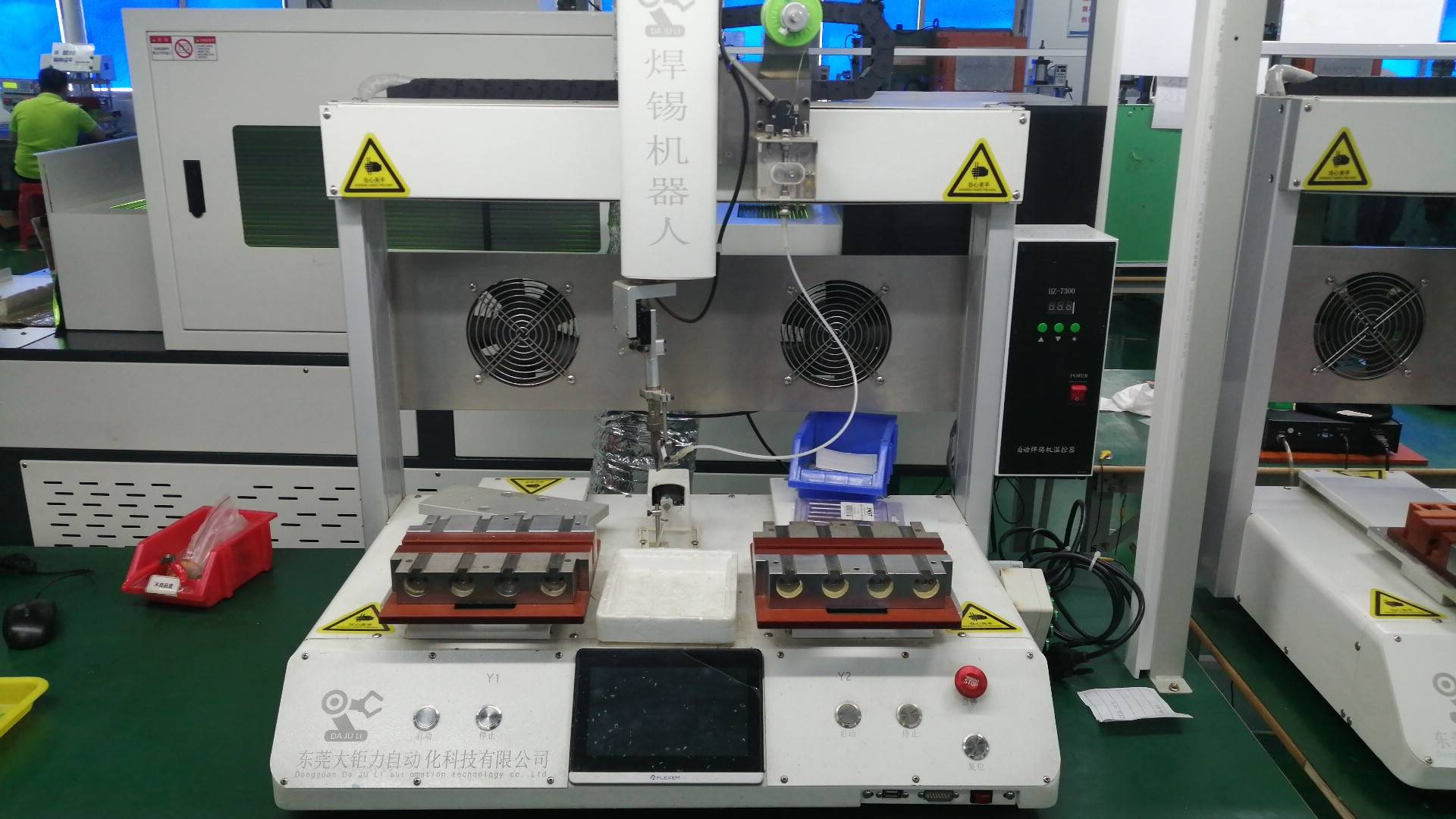
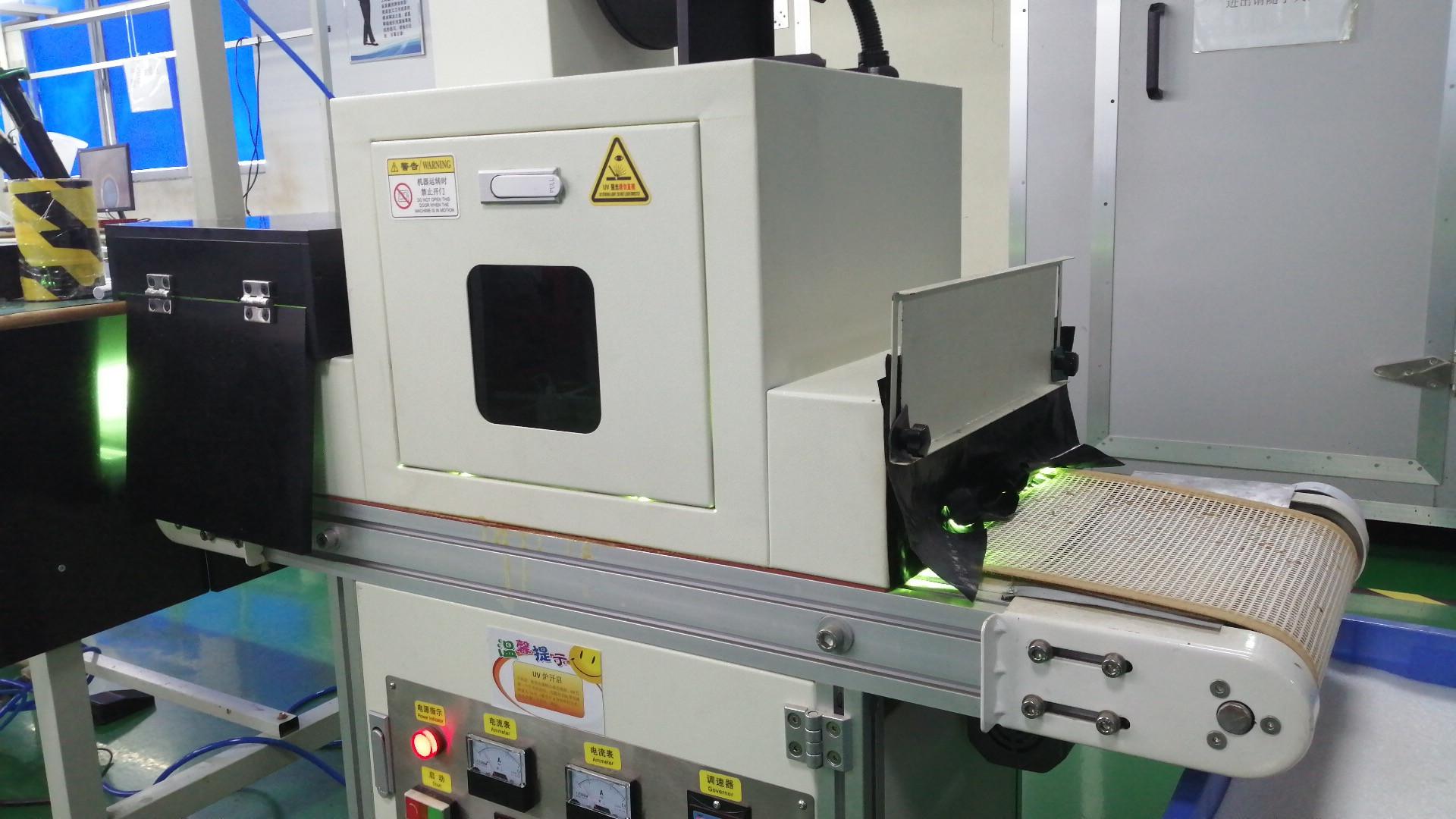
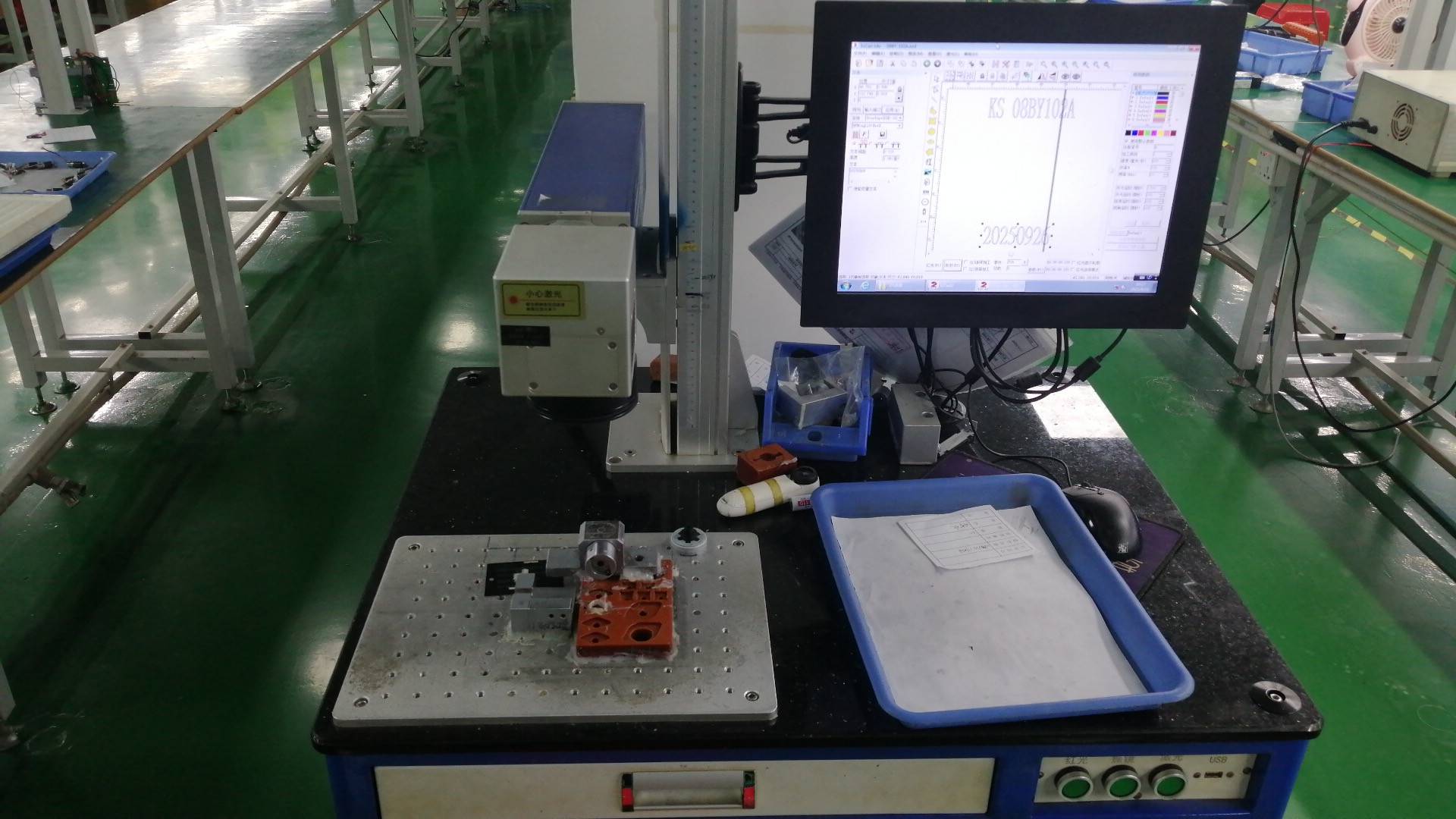
A granular view of our advanced production lines, detailing parts cleaning, laser welding, and dynamic validation steps.
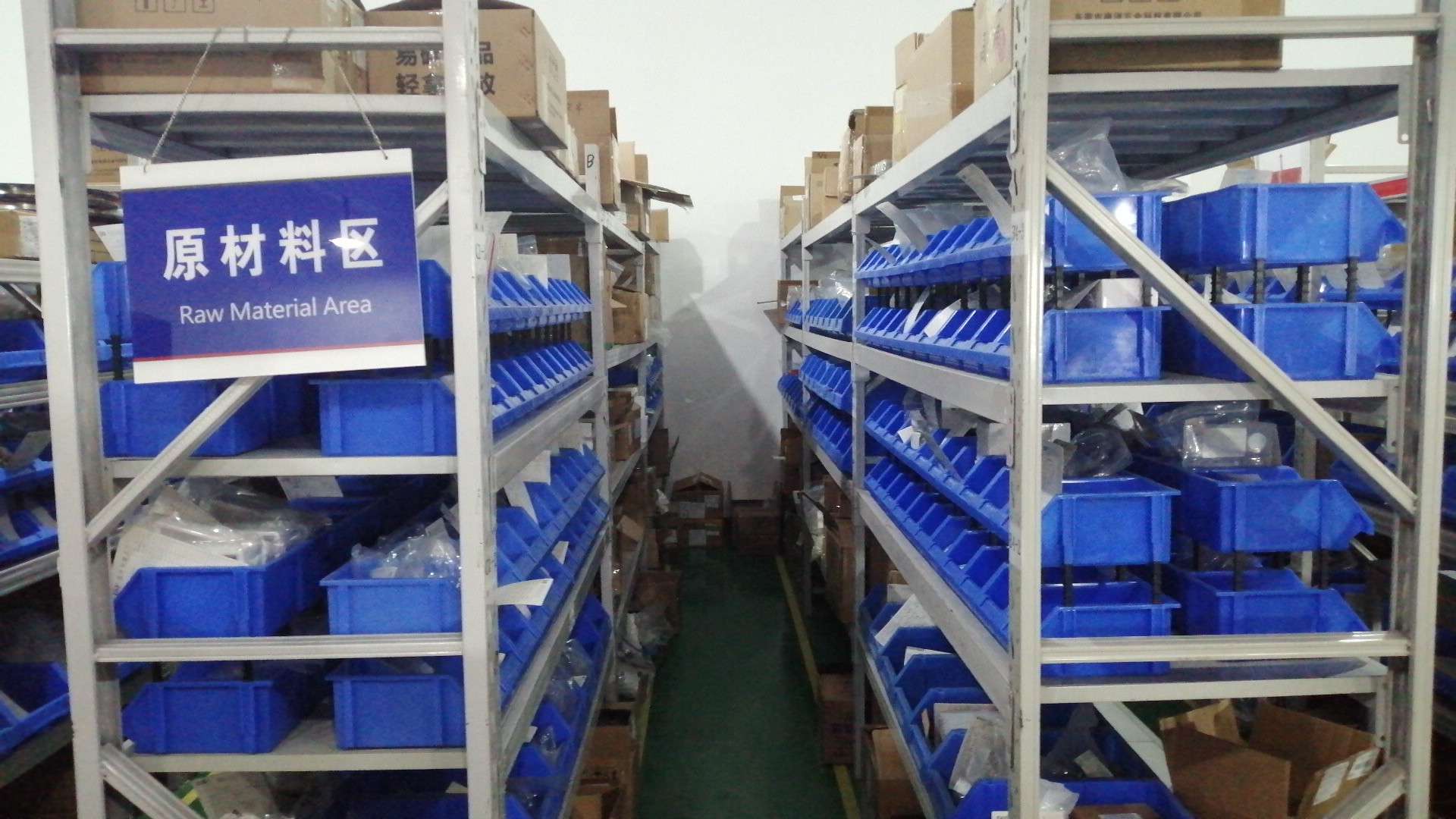
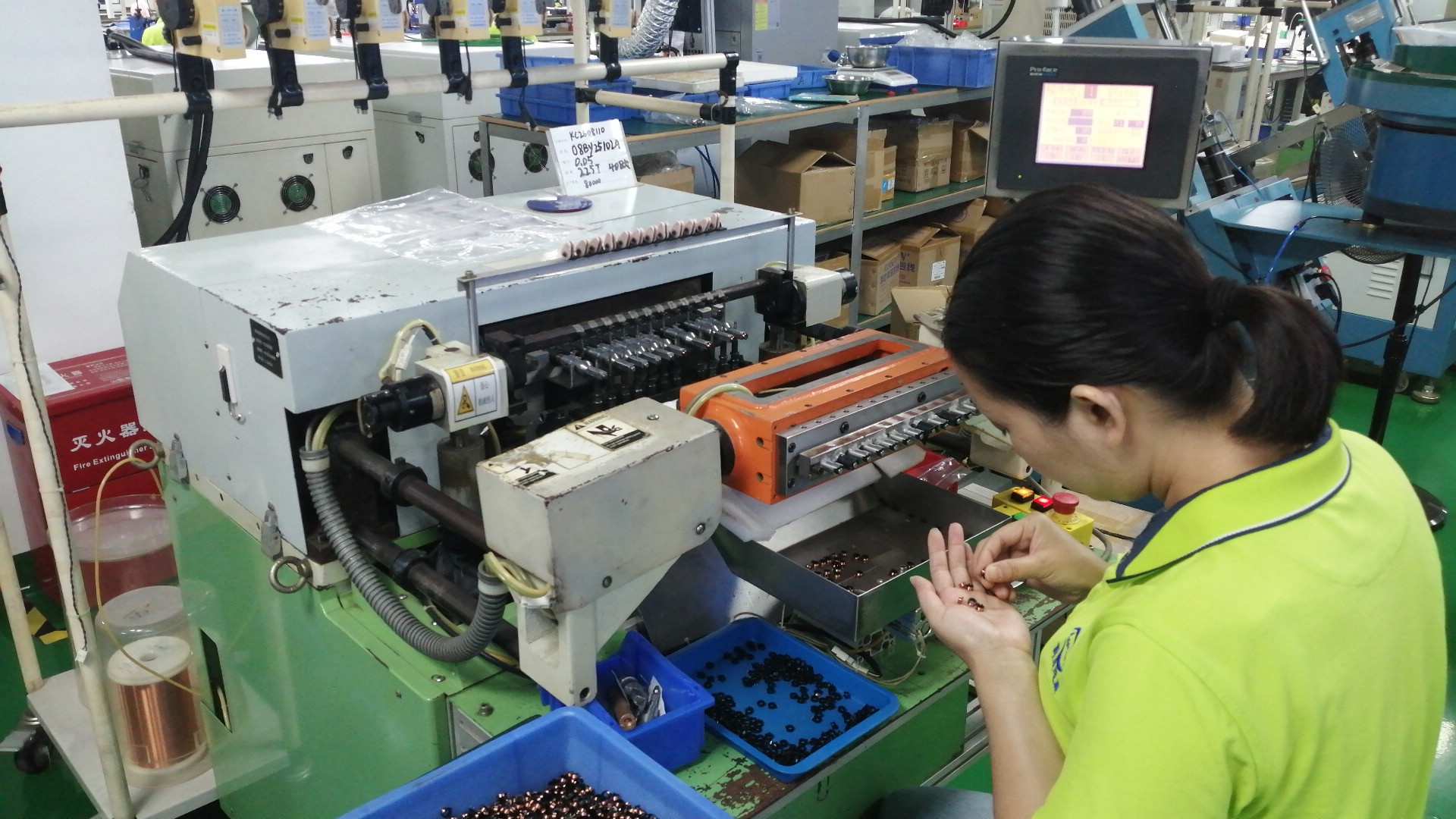
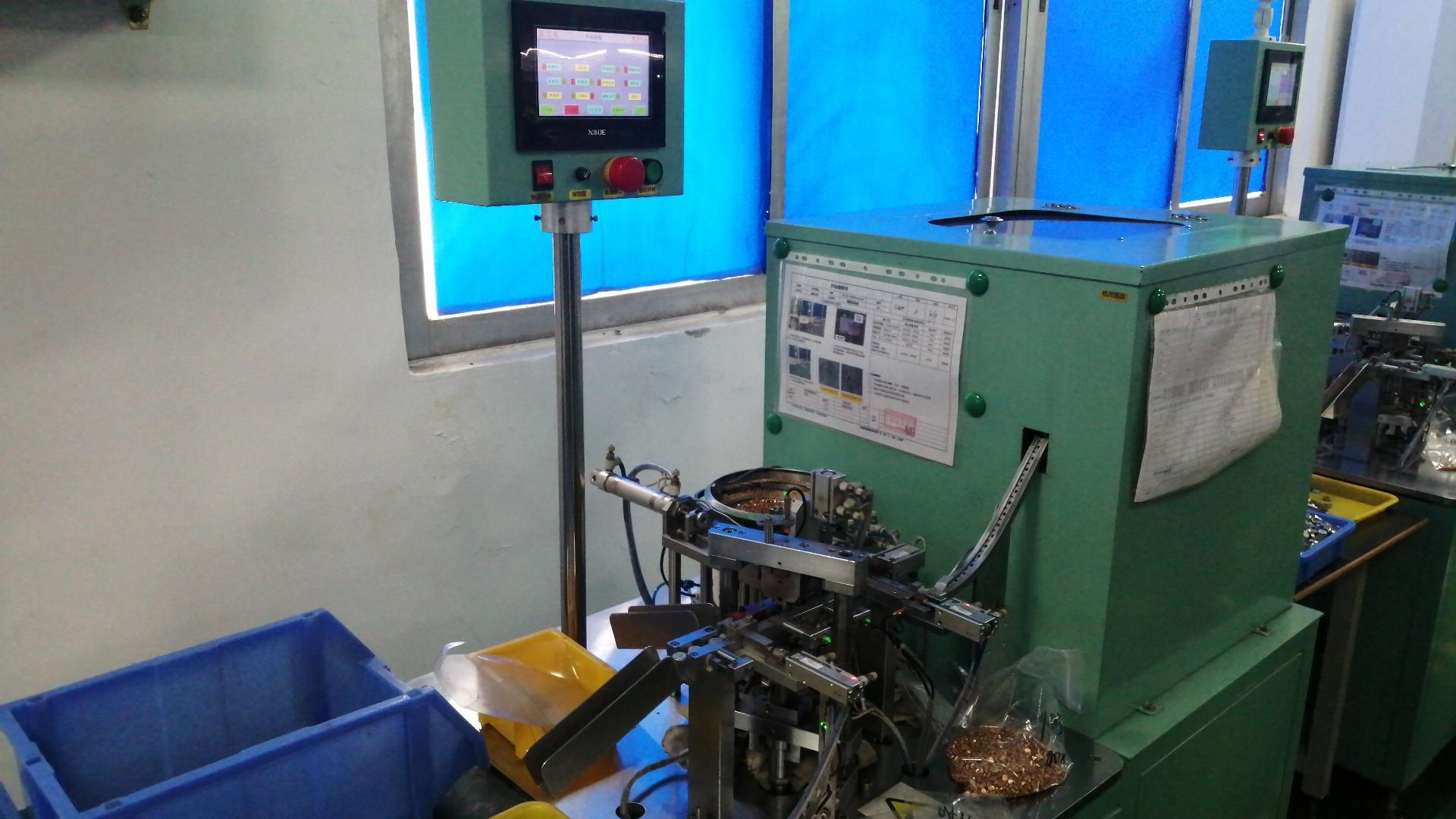
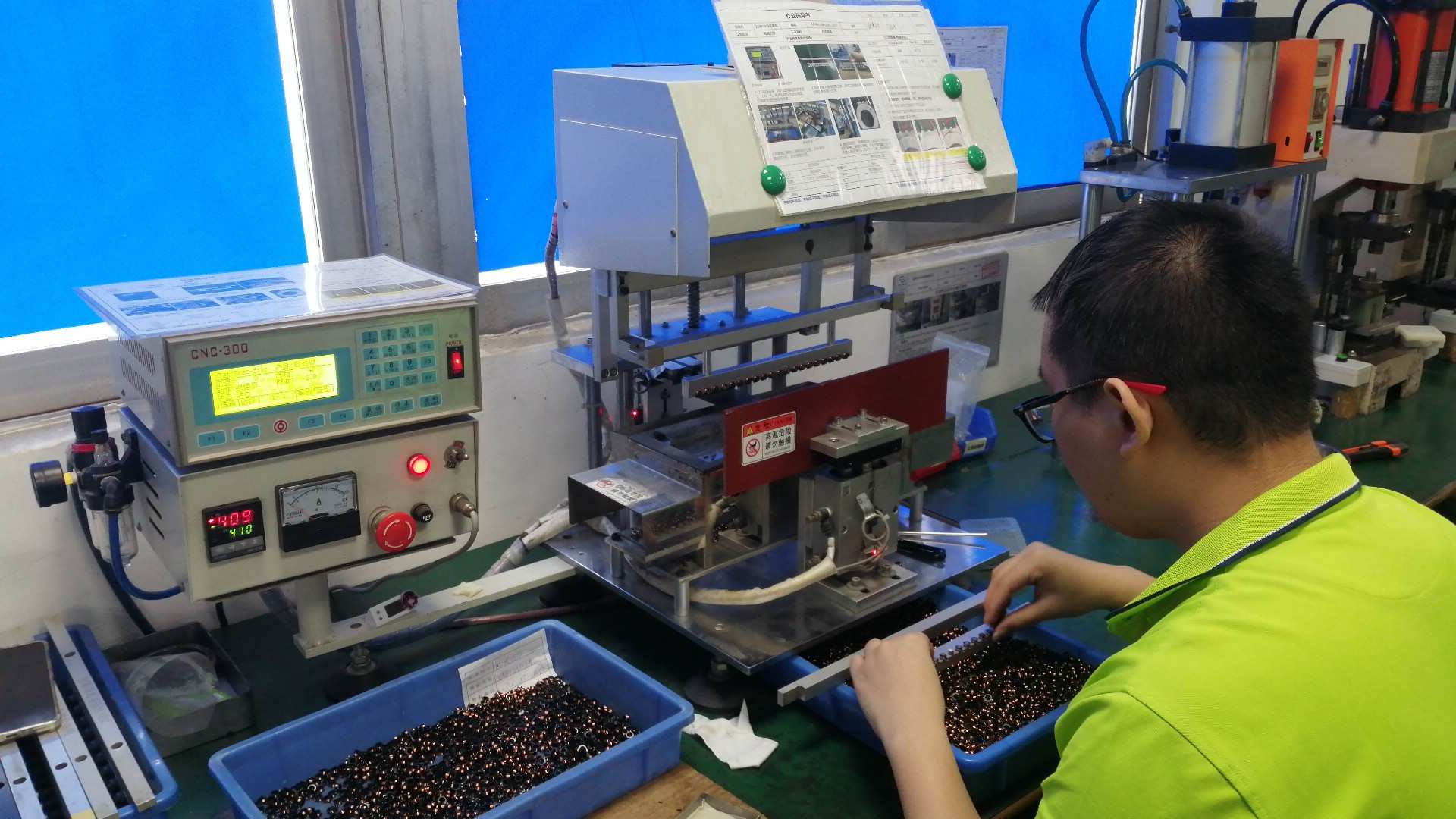
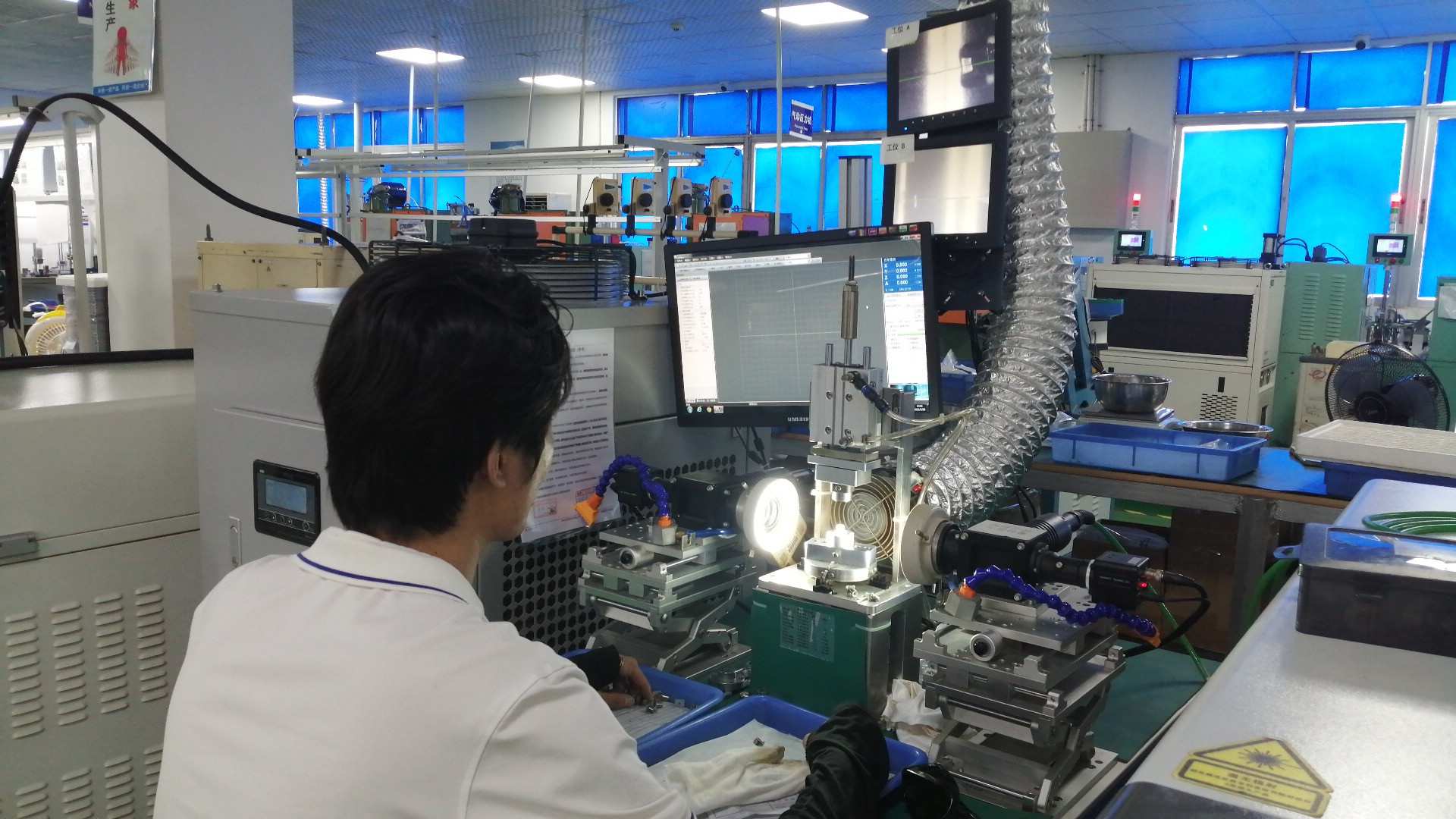


Sourcing wheelchair components requires strict adherence to localized medical safety directives and mechanical benchmarks. Engineering teams must focus on key design aspects to ensure regulatory compliance:
For European and North American markets, drive motors must align with FDA medical component registration guidelines and European CE MDR norms. Materials must be thoroughly analyzed for REACH and RoHS compliance to ensure no hazardous plastics or heavy metals are integrated into the chassis design.
Outdoor power chairs operate in rain, mud, and dust. Drive components require high IP certification levels. Standard assemblies require IP54 protection, while heavy-duty models utilize IP66 configurations. This necessitates double-lip custom sealing rings on output shafts and custom rubberized terminal boxes.
Smooth travel relies on minimizing mechanical play within planetary gearboxes. Low-backlash gears maintain path accuracy and eliminate jerky starts. The choice between helically cut or spur-cut steel gear systems determines the overall life-cycle limits of the drive assembly.
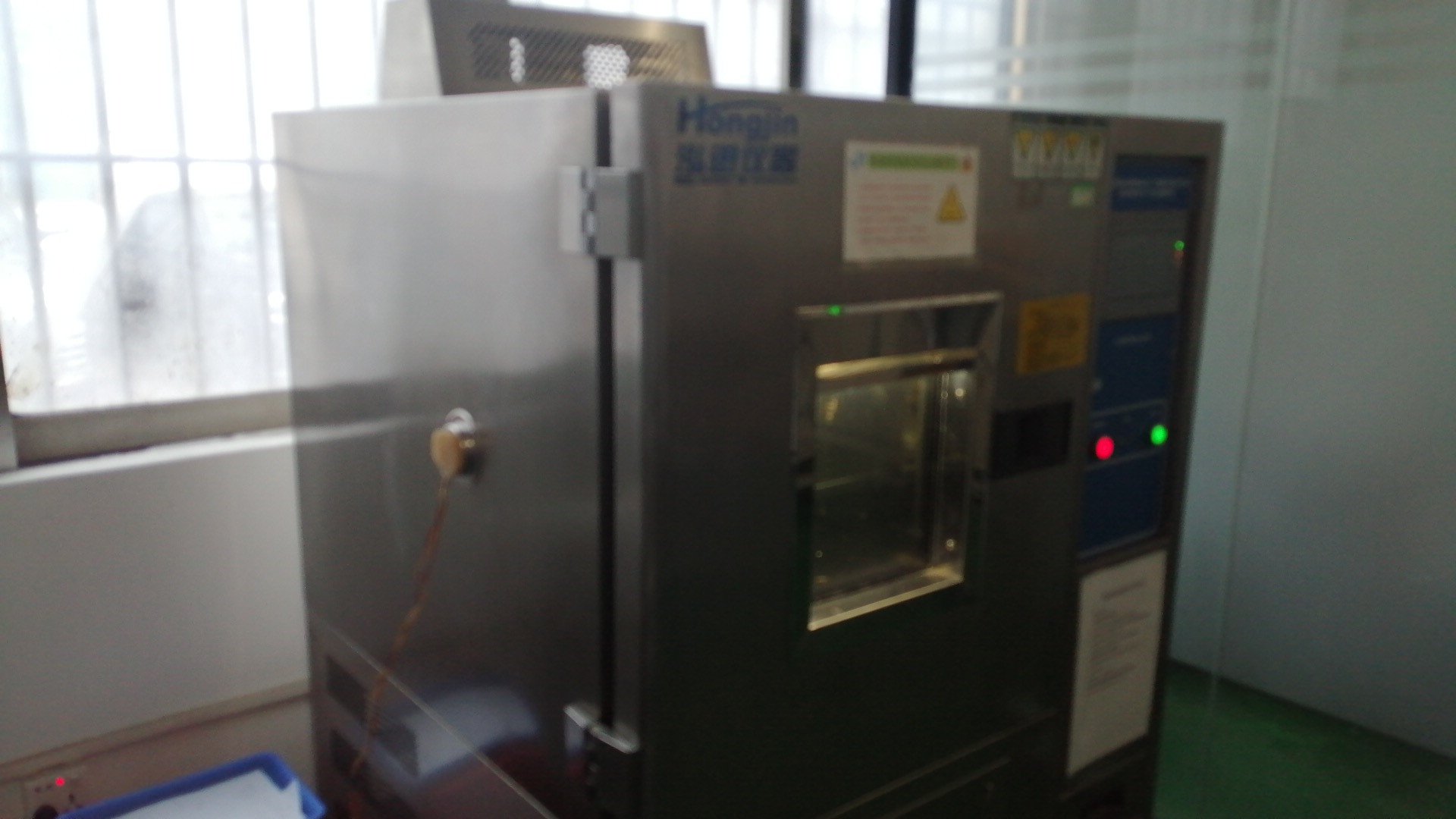
Fail-safe braking must remain functional across operating temperatures. High-density magnetic brakes automatically stop the load upon power interruption. Efficient thermal dissipation prevents overheating, ensuring continuous operation during prolonged slope ascents.
Investing in high-end automation guarantees unit-to-unit consistency, tight tolerances, and scalable output capacities.
When developing new wheelchair models, product managers must weigh the cost benefits of Permanent Magnet Brushed DC Motors (PMDC) against the long-term reliability of Brushless DC Motors (BLDC). Both topologies offer distinct advantages depending on the application context:
Brushed DC motors remain popular in entry-level and traditional wheelchair designs due to their simplicity and lower initial cost. The speed controller configuration is basic, needing only two hook-up points. However, carbon brushes generate friction and mechanical dust over time. This leads to friction losses, higher operating temperatures, and the need for periodic brush replacement. Additionally, electromagnetic interference (EMI) requires extra noise filtration filters.
Brushless systems eliminate physical contact between rotors and stators, transferring switching tasks to an electronic controller. This configuration yields a significant improvement in energy efficiency, allowing users to travel further per charge. BLDC motors also offer higher power density, enabling lighter, more compact drive layouts. Since there are no carbon brushes to wear down, the motor is virtually maintenance-free and operates silently.
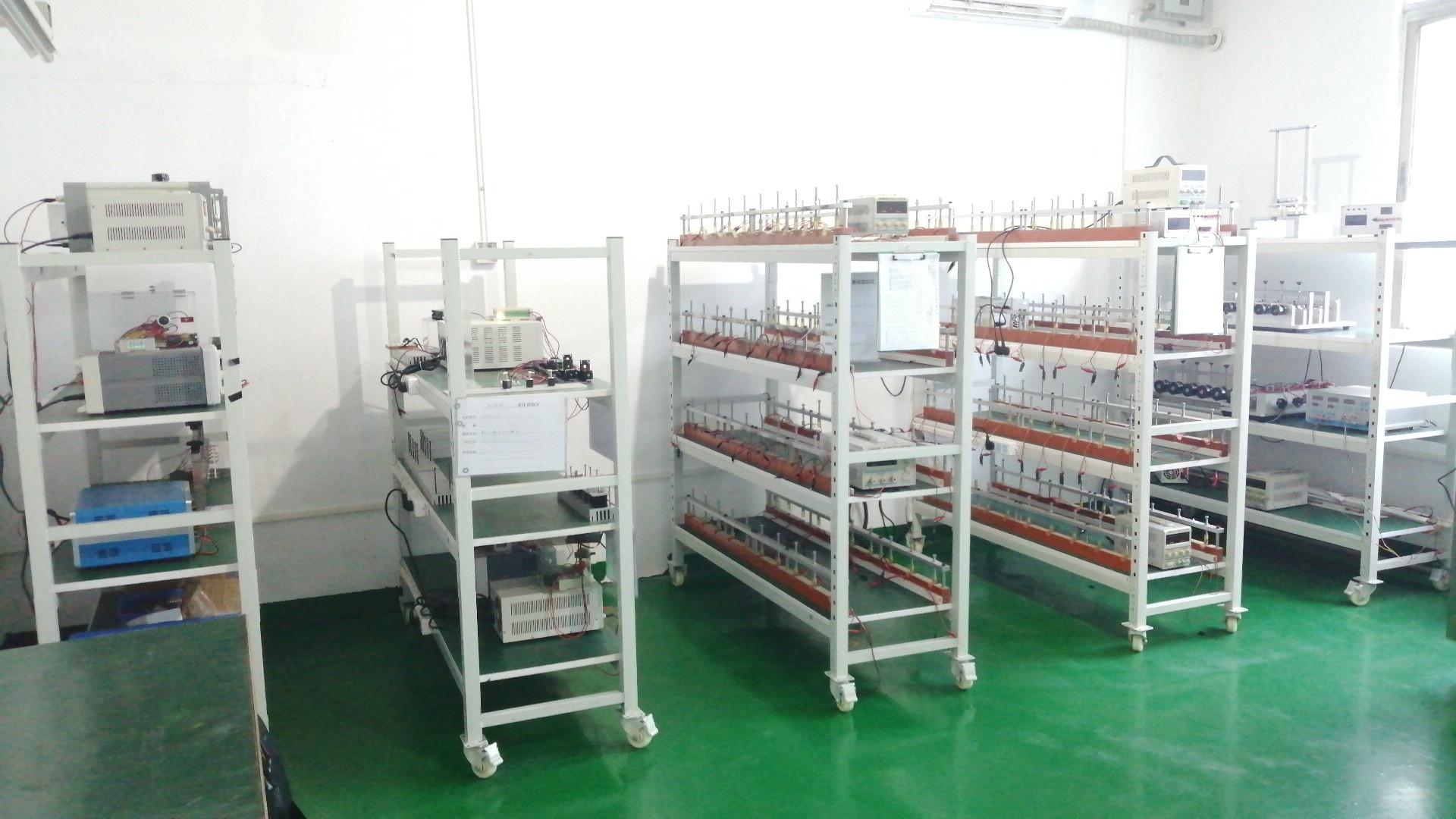
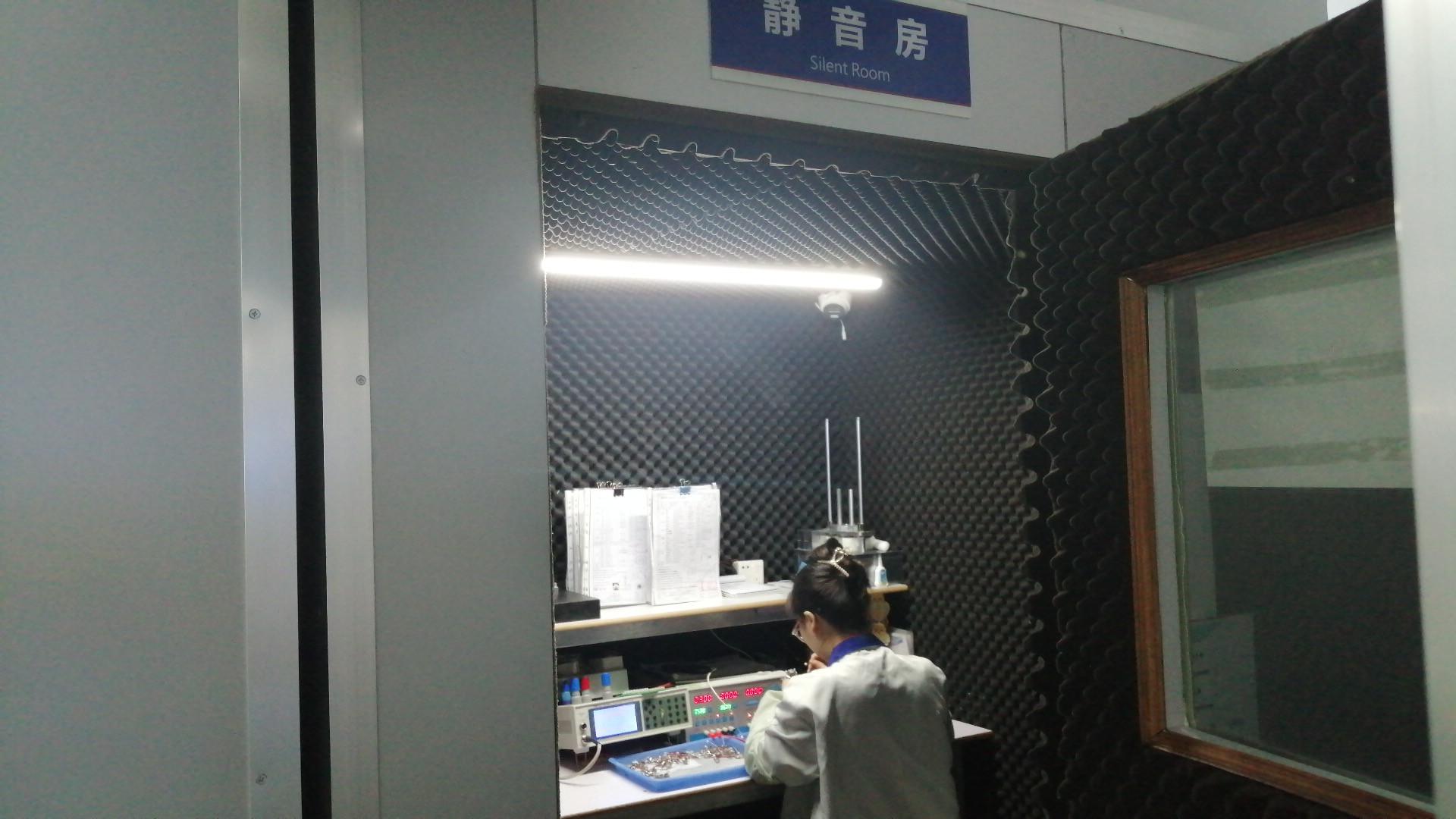
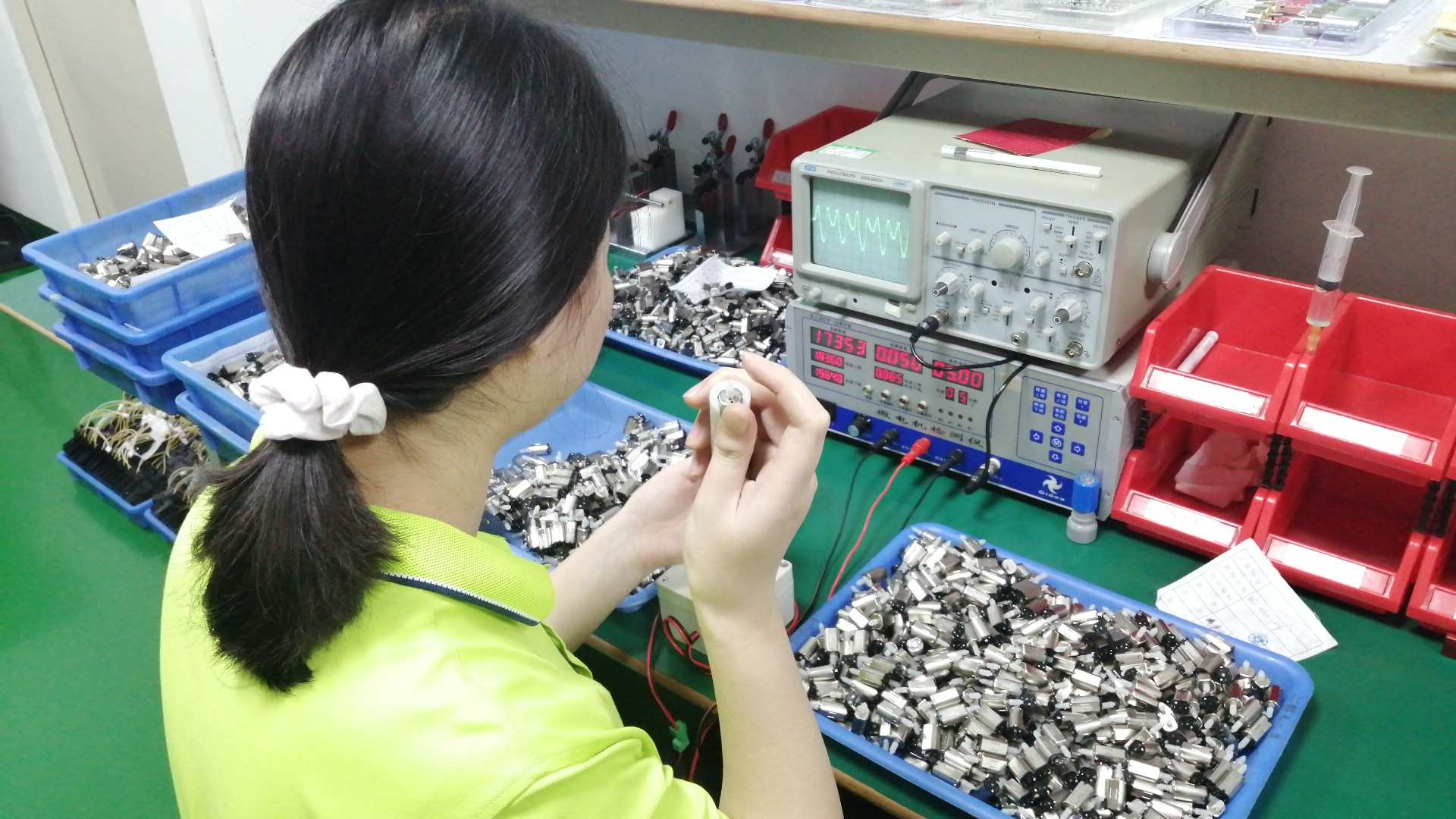
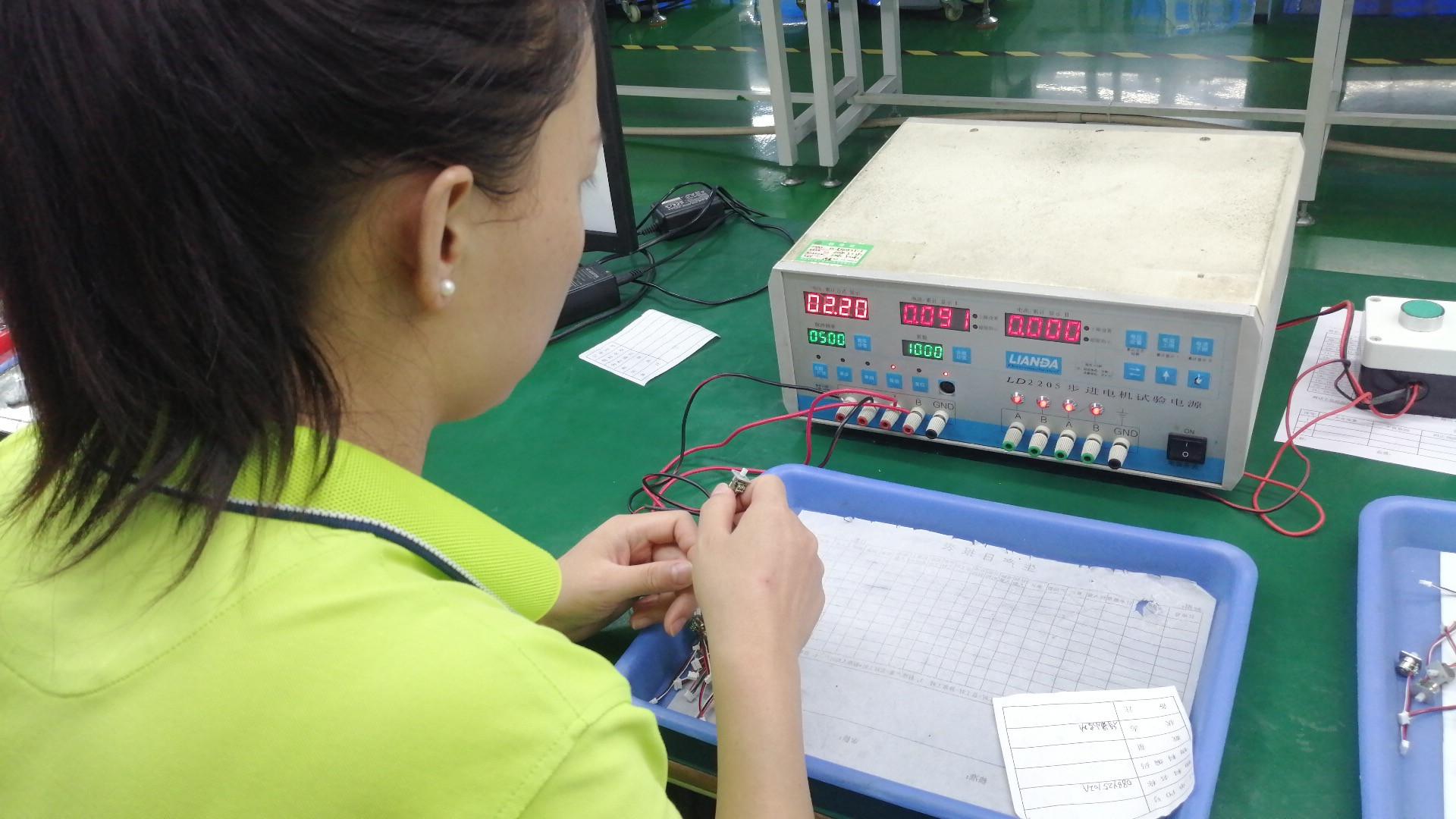
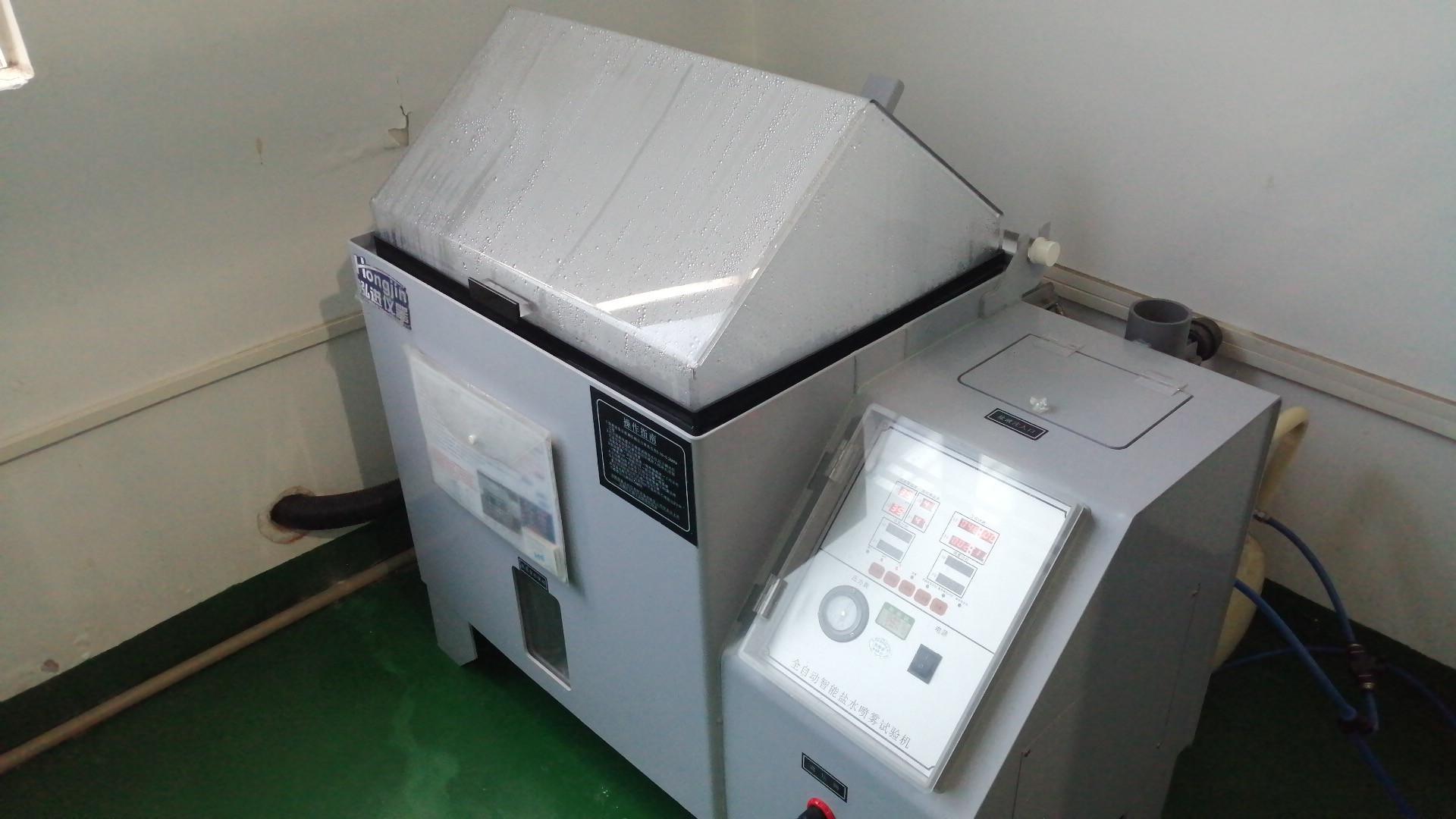
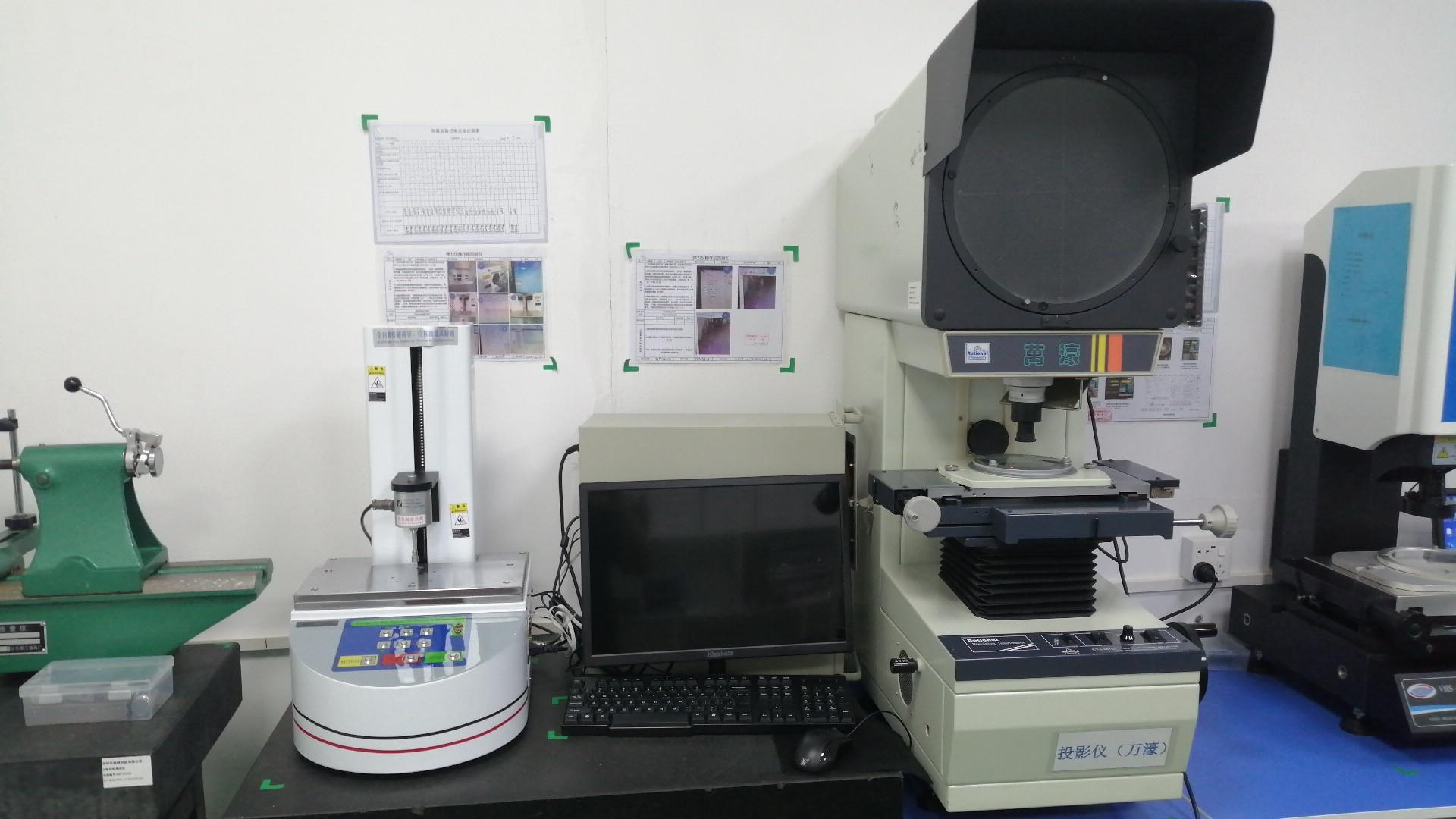
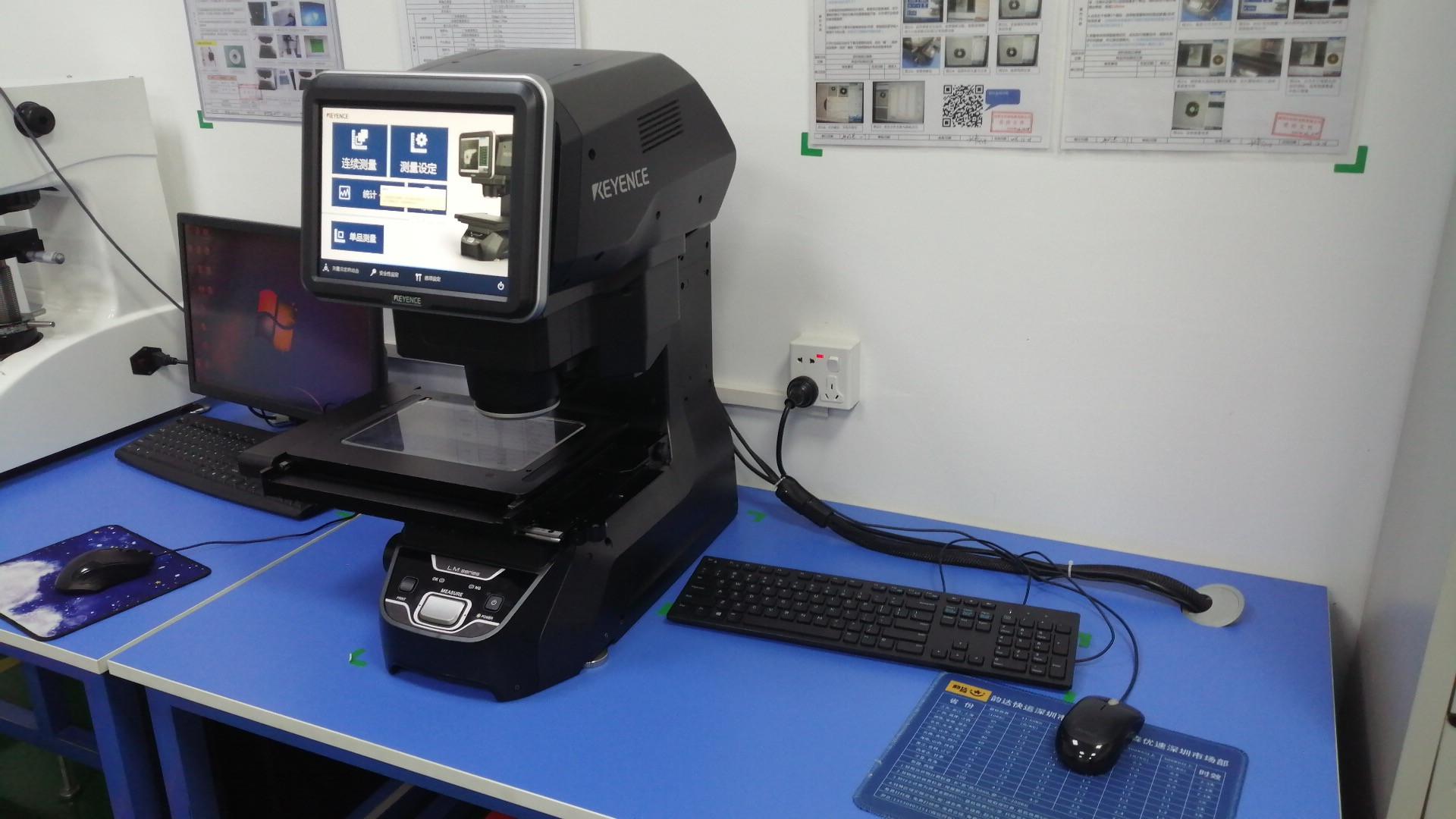
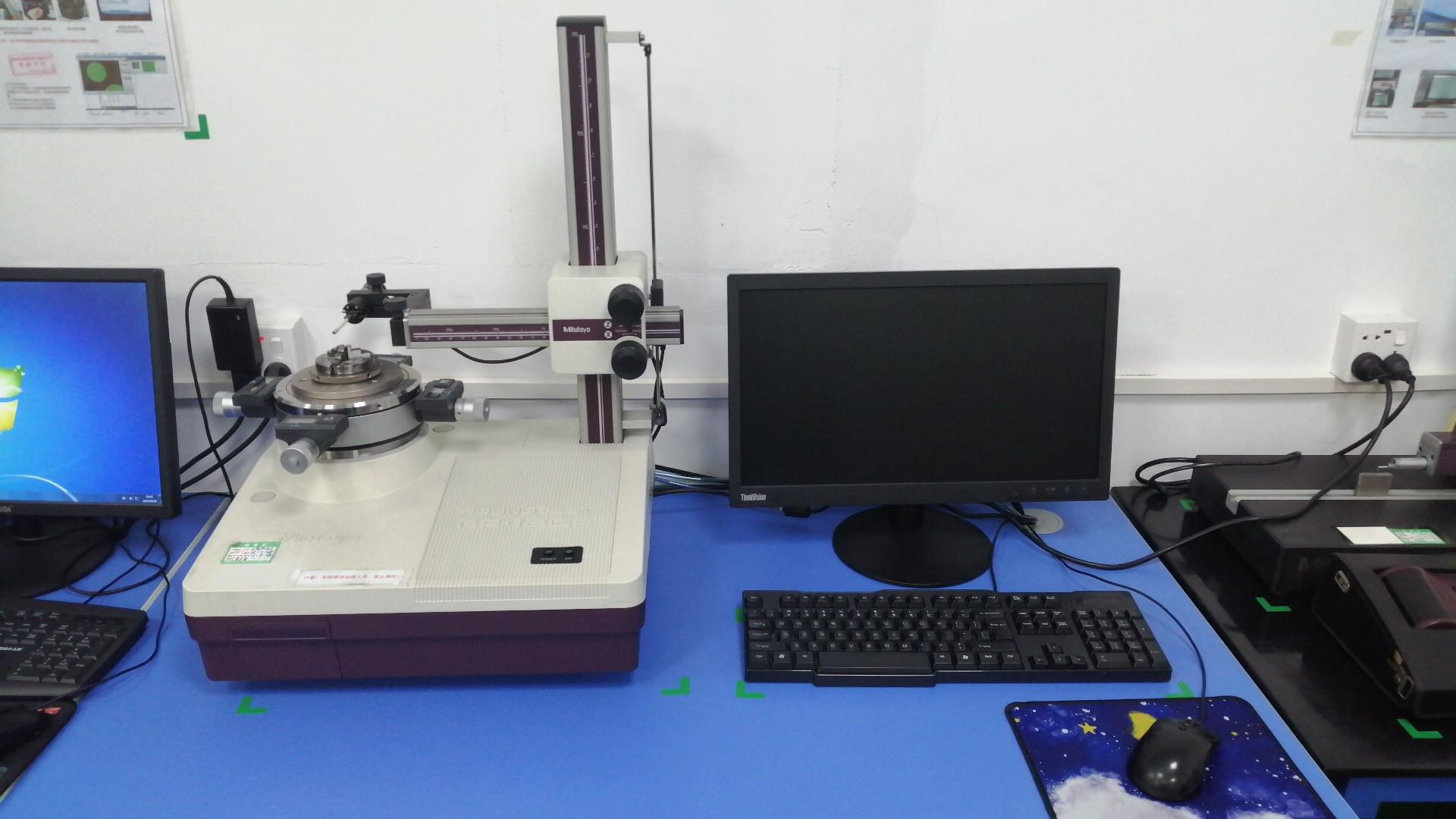
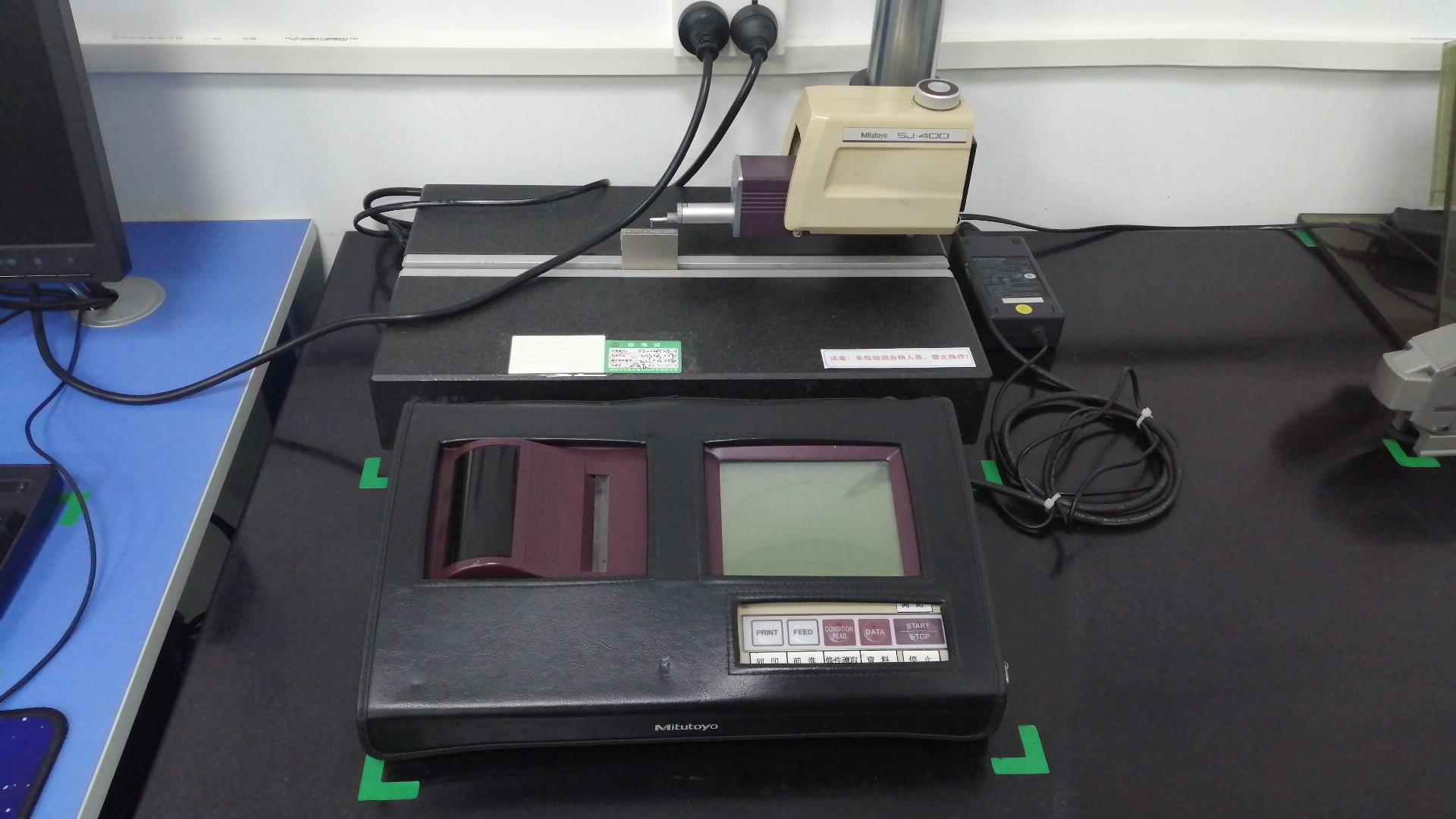
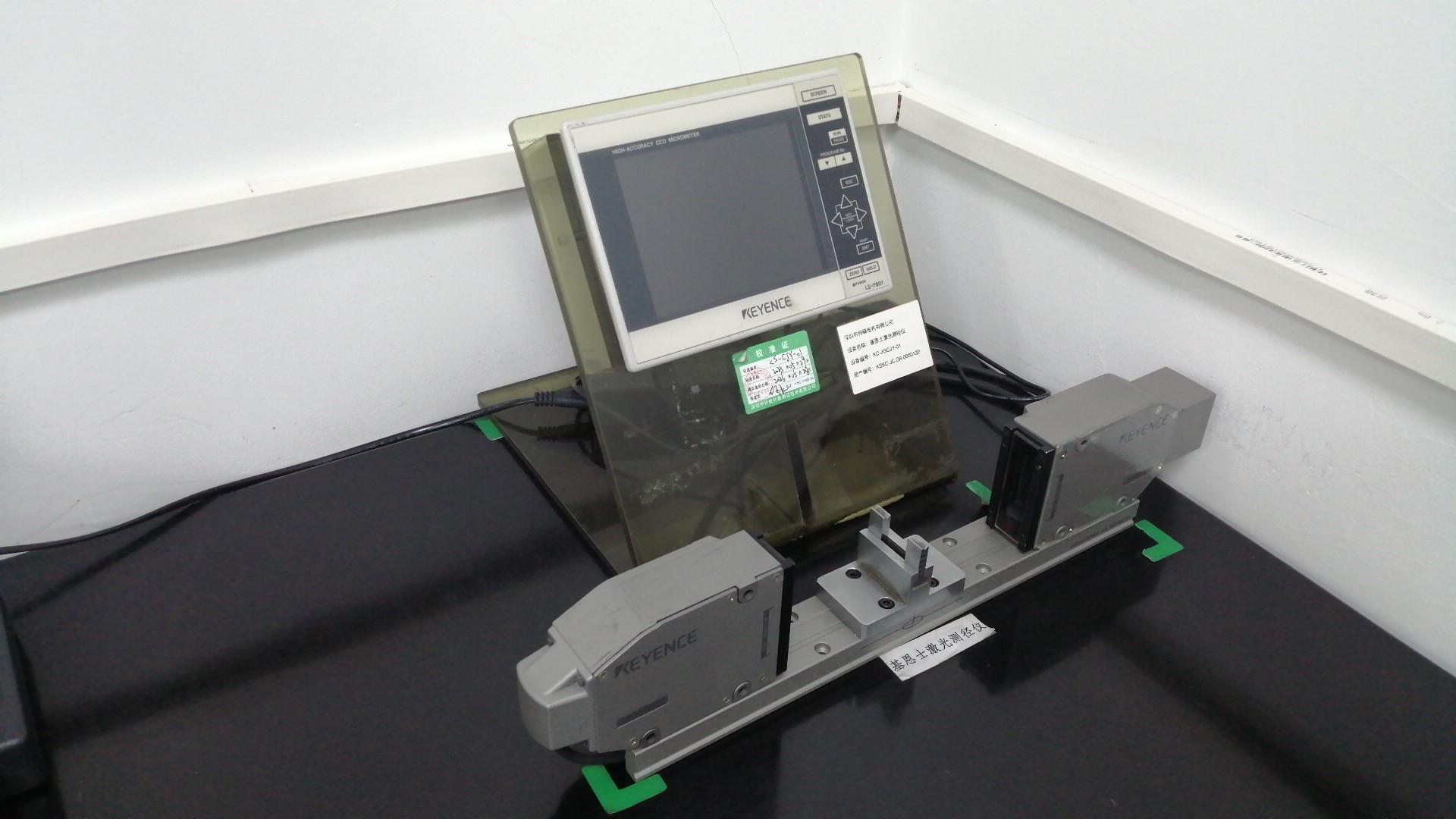
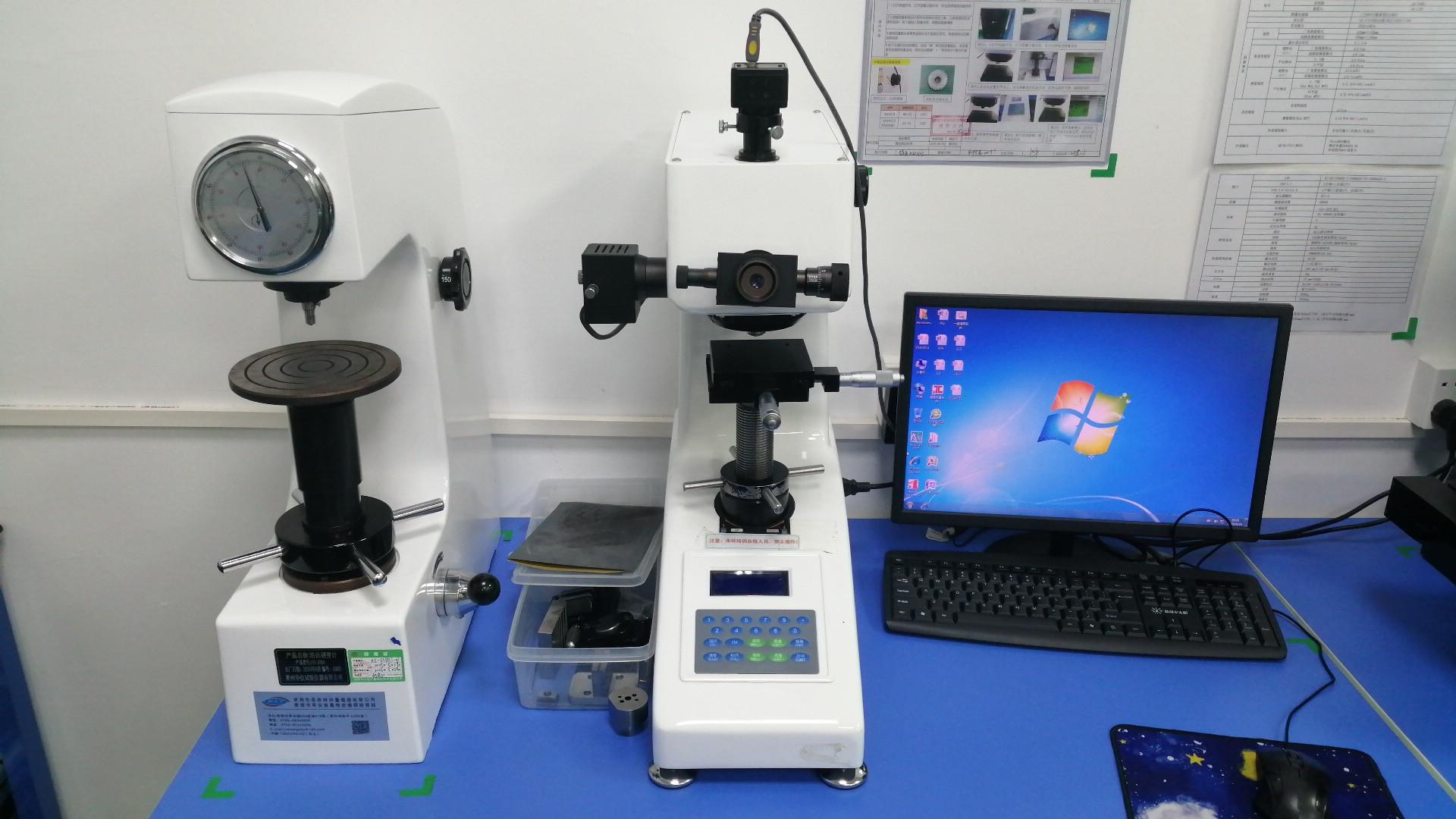
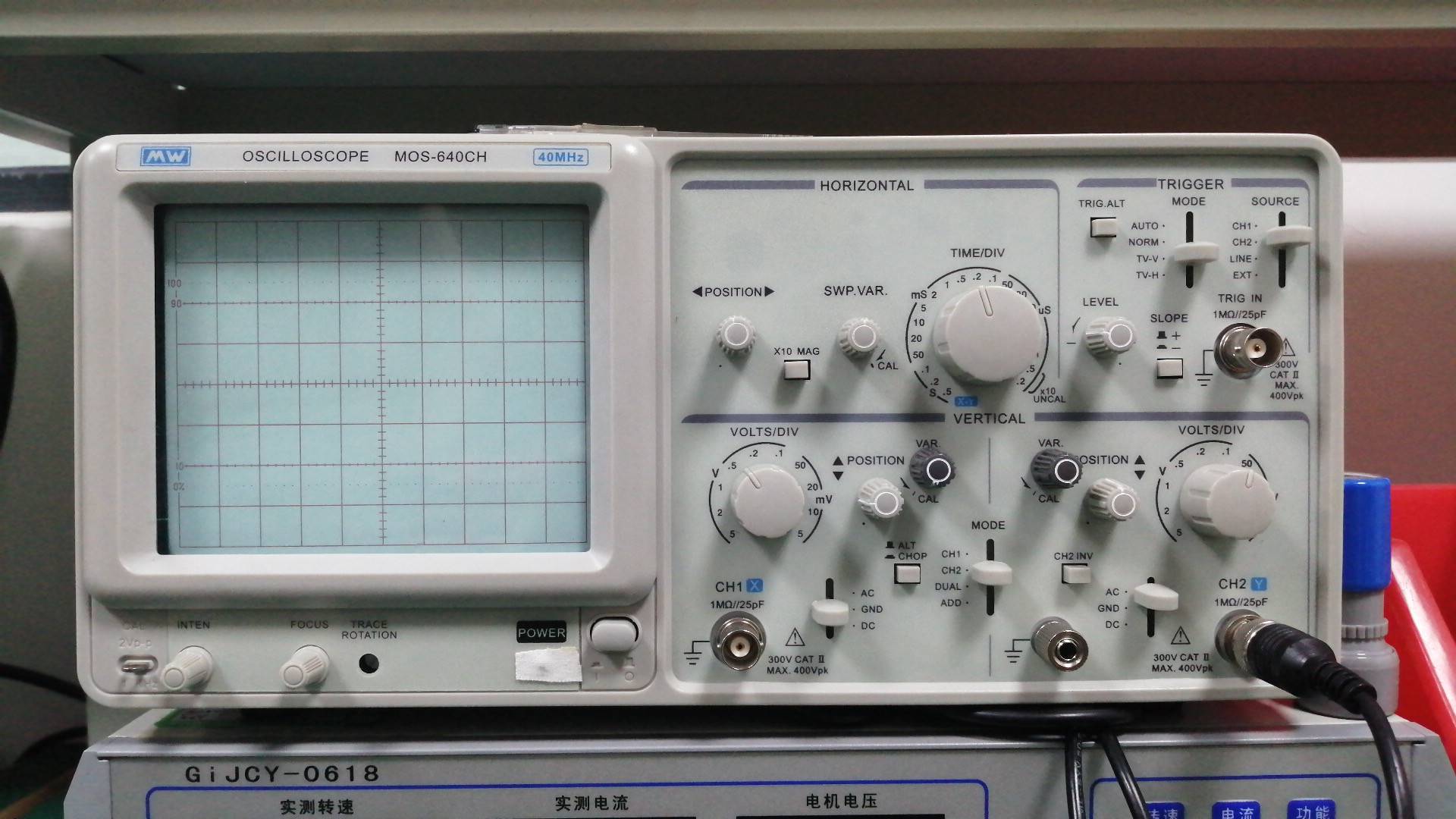
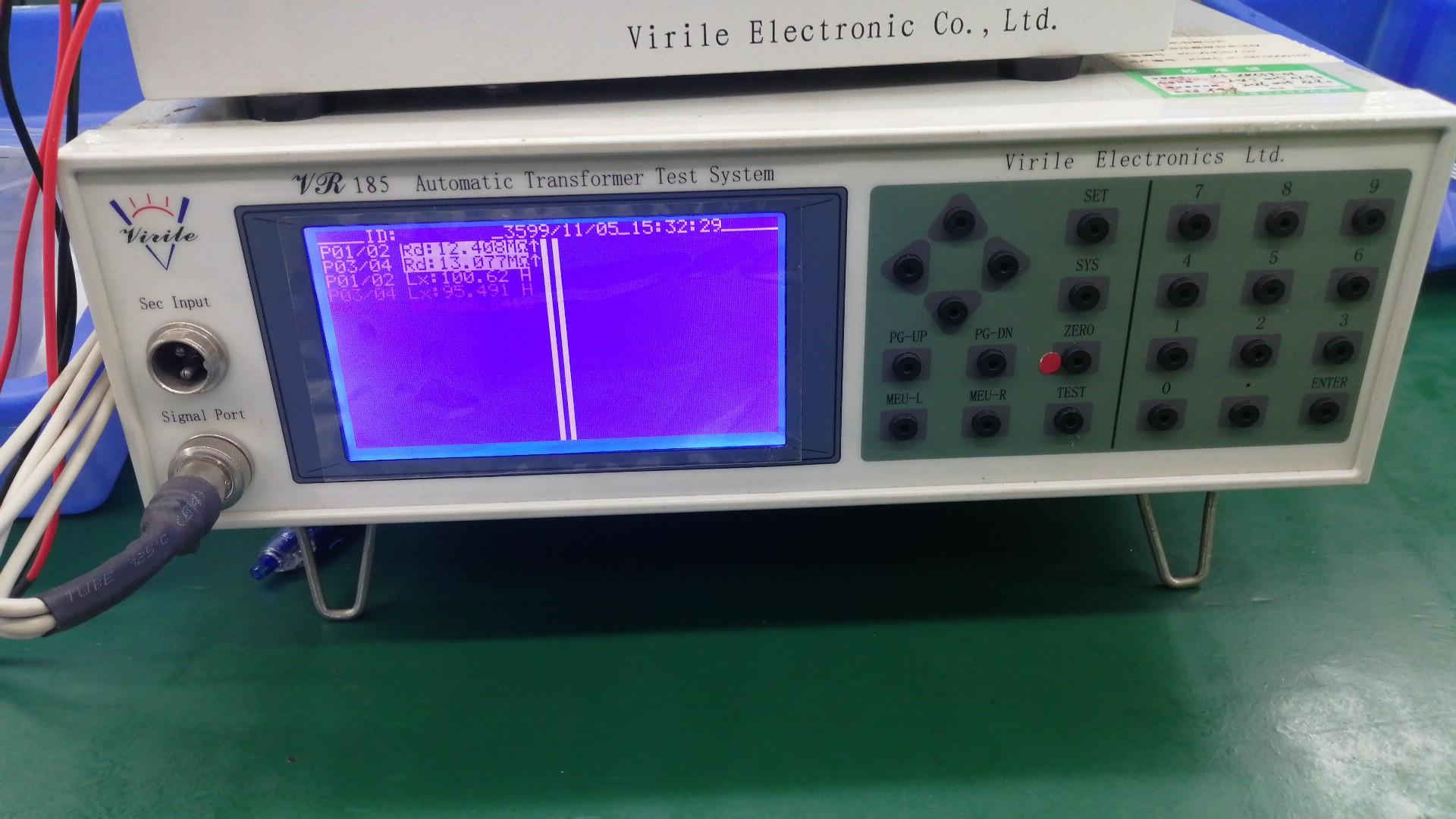
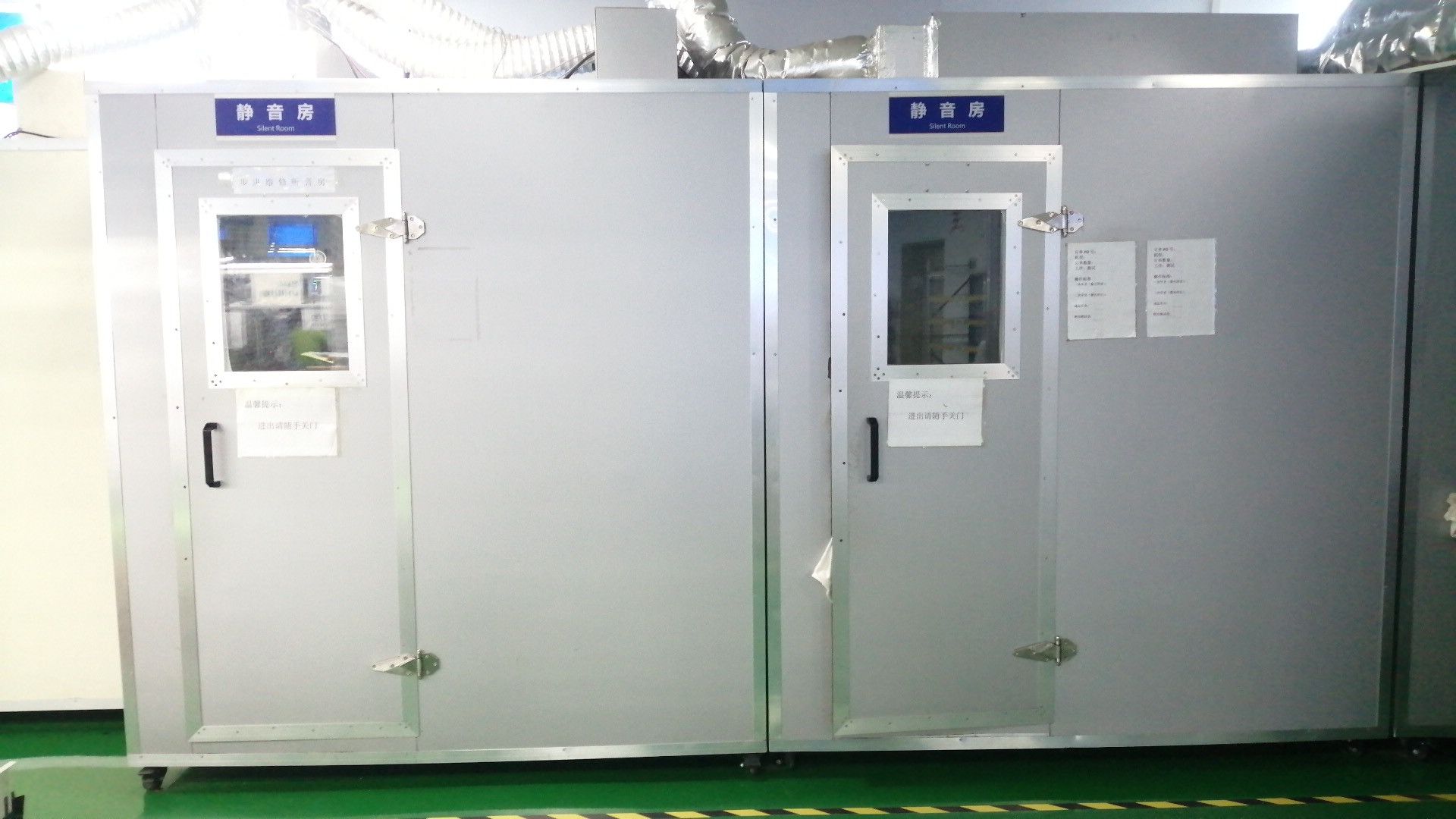
We verify shaft dimensions, surface roughness, electrical parameters, and acoustic performance using premium inspection equipment.
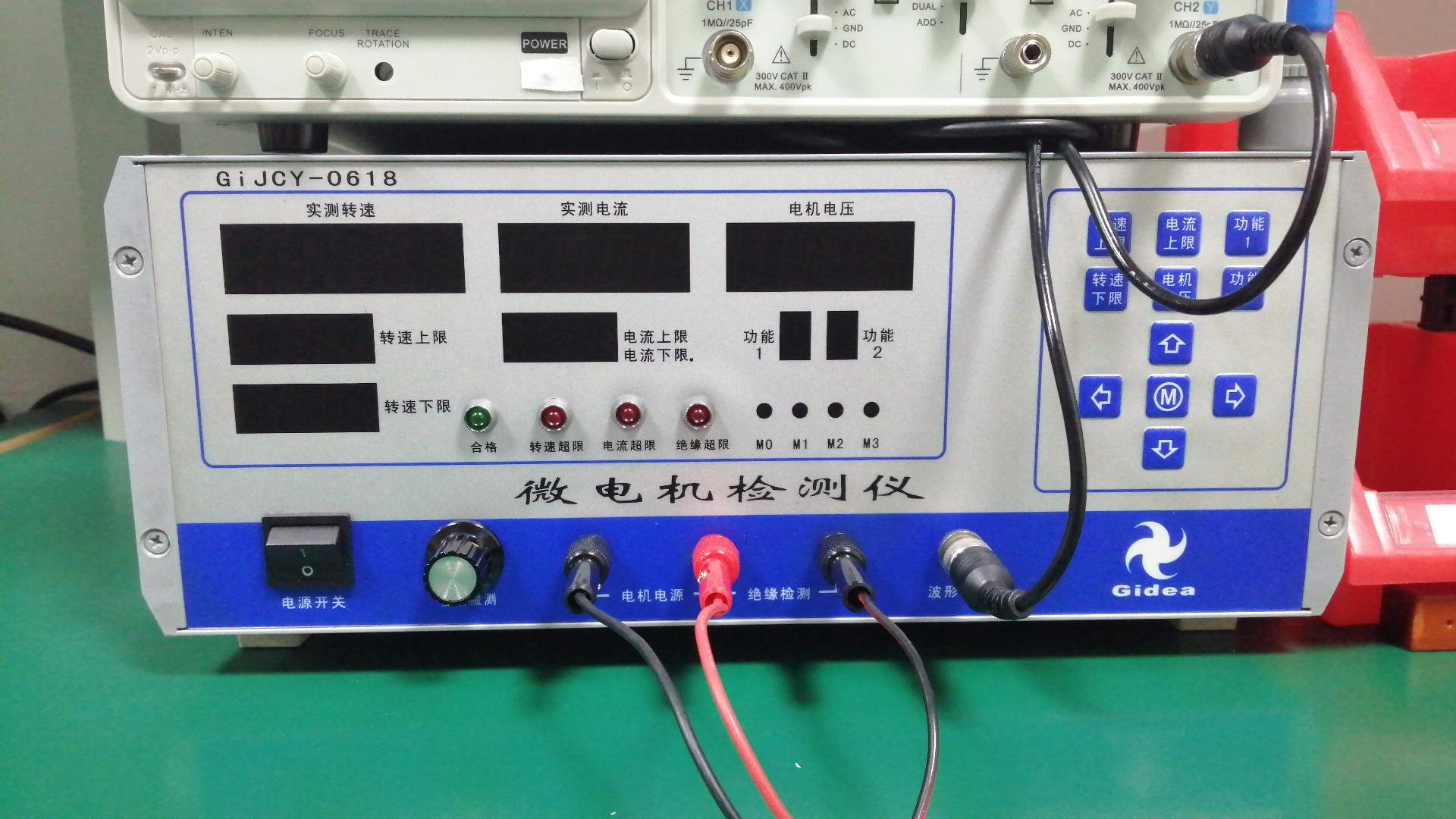
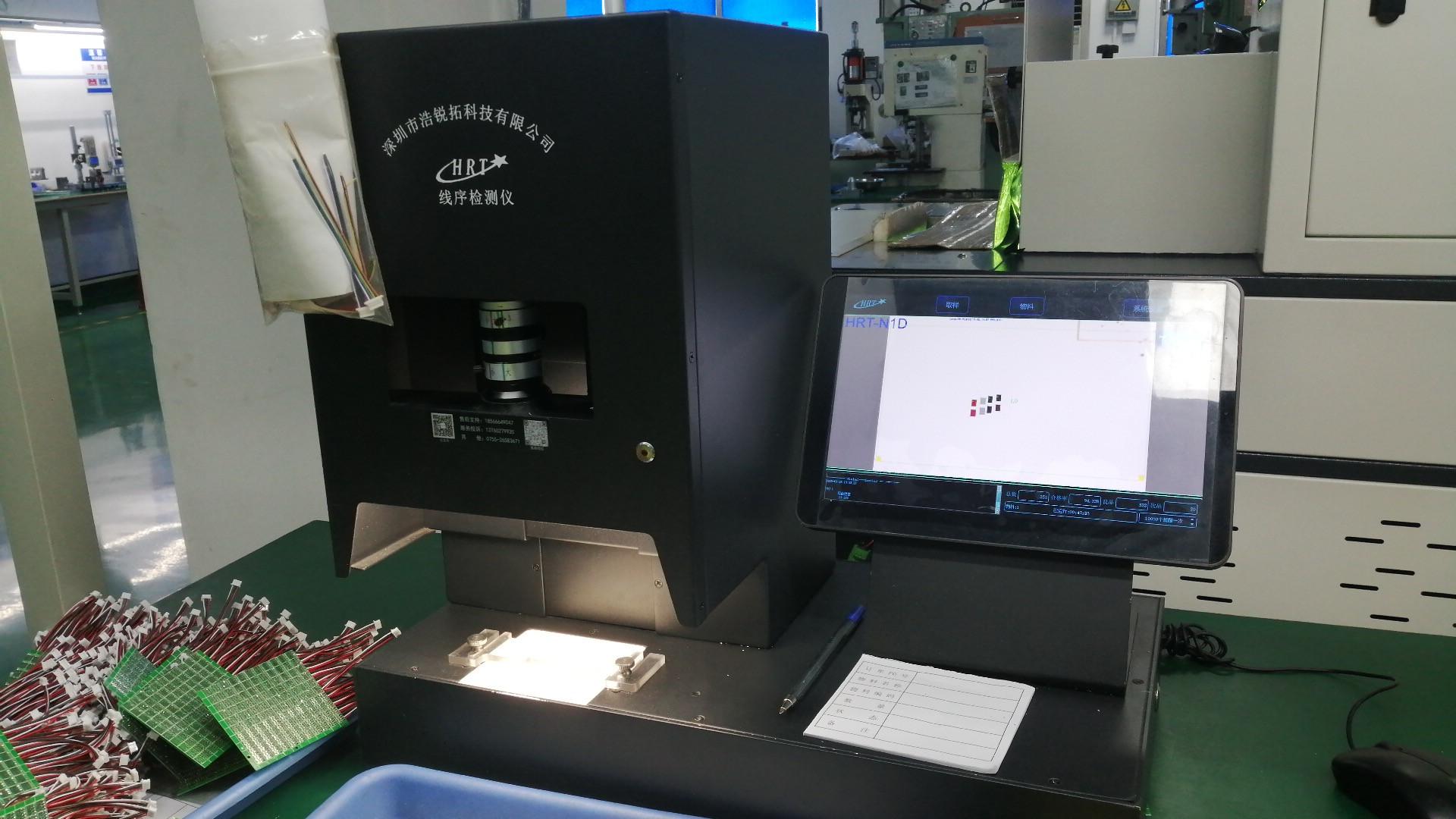
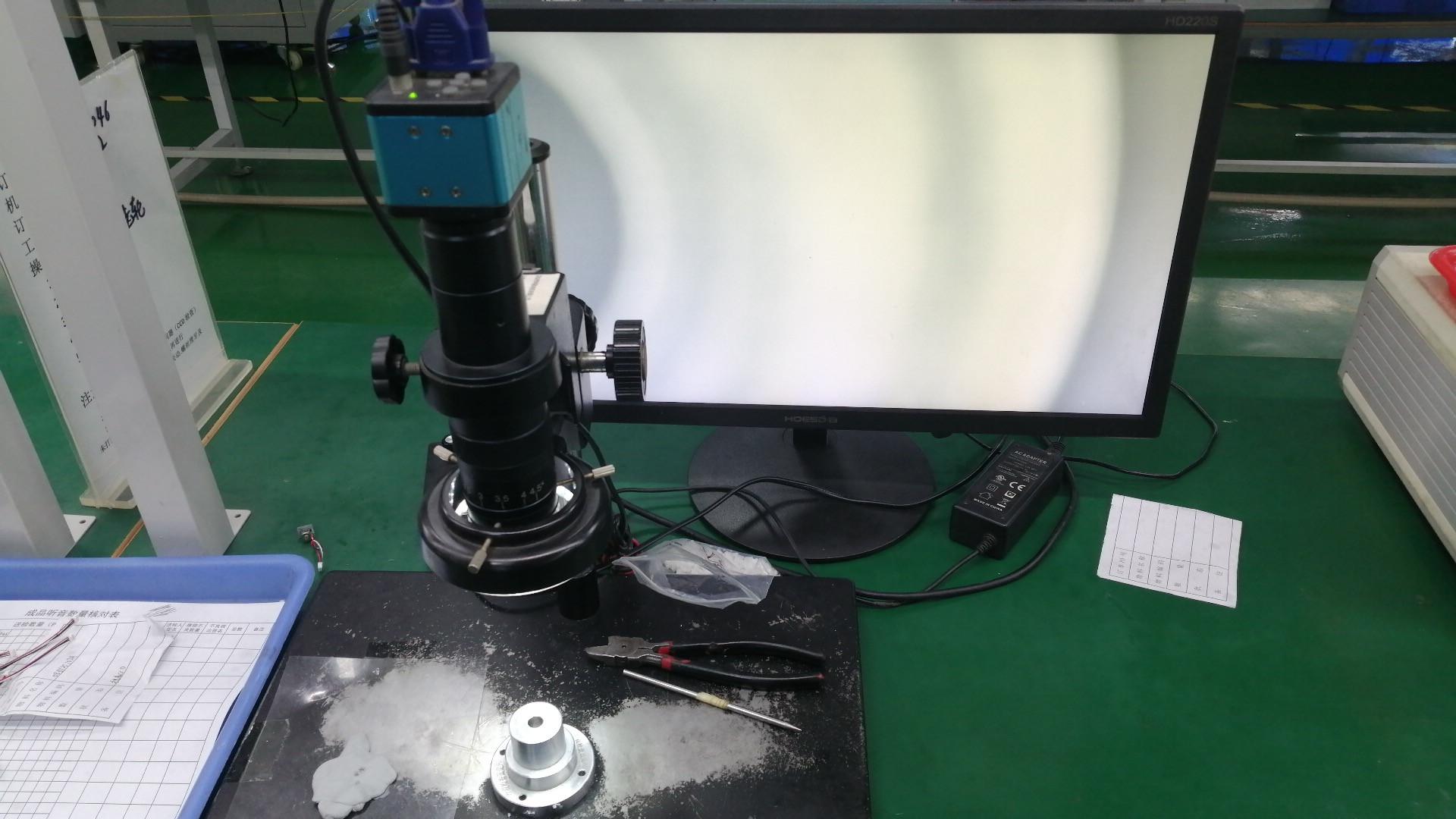
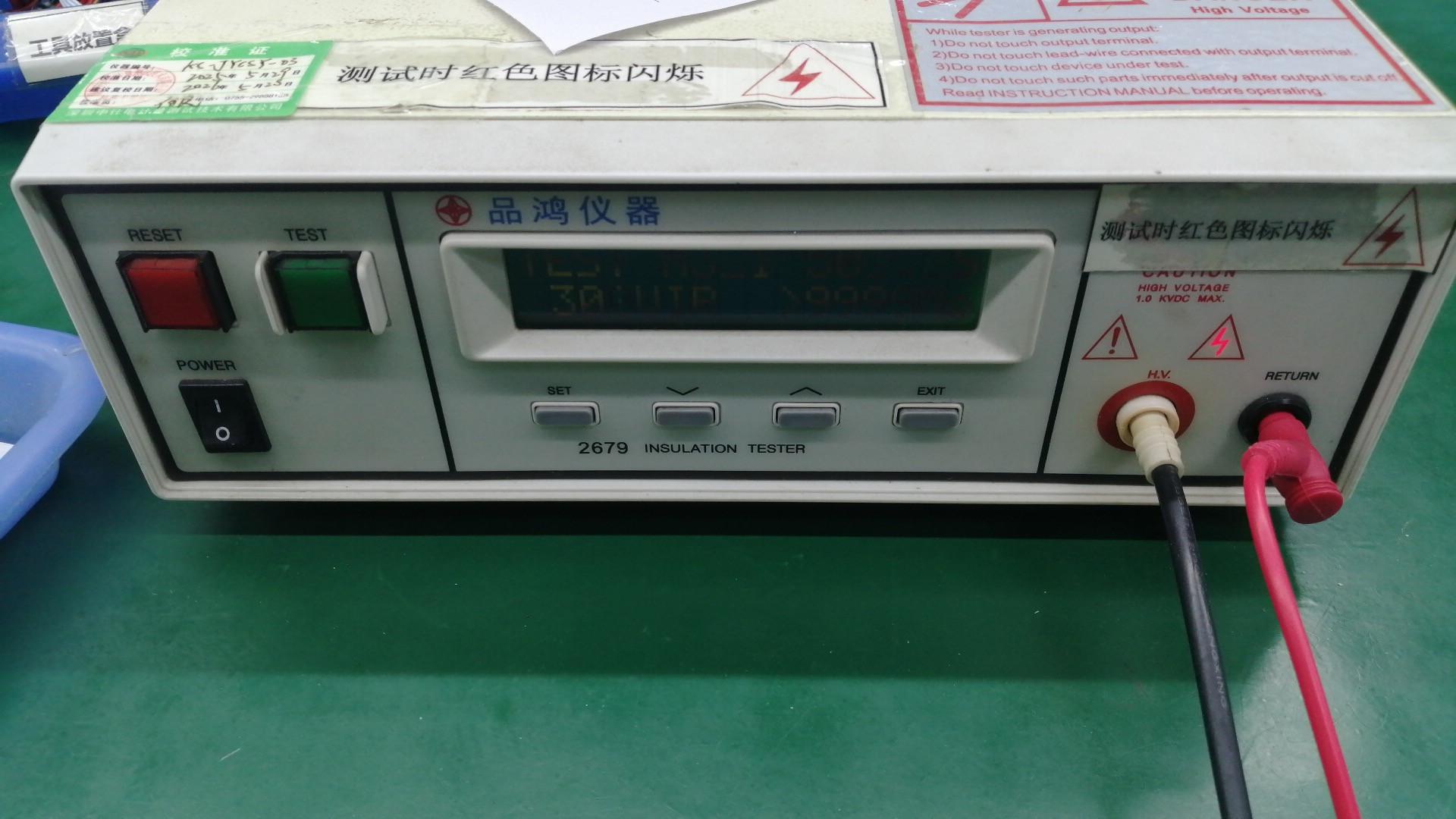
The drive system in electric wheelchairs must serve a dual purpose: providing reliable propulsion and serving as a key safety mechanism. Standard mechanical brakes are insufficient for complex terrains. Consequently, modern power wheelchair drive assemblies feature integrated electromagnetic release brakes.
These electromagnetic brakes operate on a fail-safe principle. When electric power is applied, the internal solenoid coil creates an electromagnetic field. This pulls back a spring-loaded pressure disc, releasing the motor shaft to spin freely. If the user releases the joystick or power is cut, the electromagnetic field collapses. Internal heavy-duty springs then push the friction lining back against the armature disc, stopping the motor.
This automatic locking capability prevents the wheelchair from rolling backward on slopes. Axon Motor configures electromagnetic brakes to match the specific torque limits of our planetary gearboxes. This provides reliable braking torque without causing jarring stops for the user.
Direct answers to common technical queries from procurement managers and design engineers.
Specialized stepper units and compact gearboxes engineered for medical dosing, automation, and precise robotic positioning.
 Axon Motor