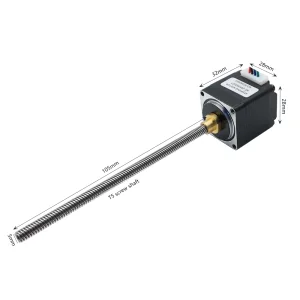
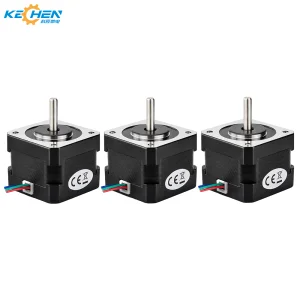
Explore our elite configurations engineered for high repeatability, outstanding low-speed torque characteristics, and structural integrity.
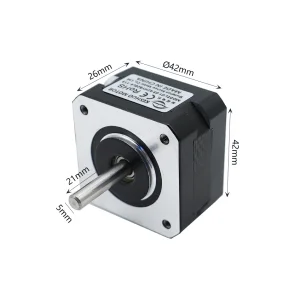
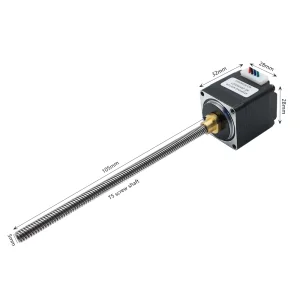
An operational audit on using electromagnetic motion systems within remote and developing markets.
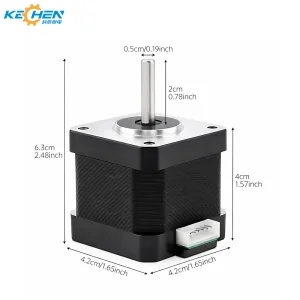
São Tomé’s primary agricultural exports—including organic cocoa, high-quality coffee, and essential vanilla oils—require automation to scale production. Precise mechanical setups powered by NEMA 17 and NEMA 23 hybrid stepper motors ensure consistent sorting, grinding, and portion-based packaging.
To reduce reliance on imported fuels, the archipelago is expanding solar installations. Realizing optimal efficiency in solar capture requires high-precision, heavy-torque stepper motors for solar tracking systems, enabling solar arrays to track the sun automatically across São Tomé's microclimates.
Local hospitals and diagnostic facilities in Santo António and São Tomé require automated diagnostic machinery. Miniature hybrid stepper motors, including NEMA 8 and NEMA 11, power precise liquid handling, laboratory centrifuges, and low-maintenance imaging equipment.
Modern industry demands more than standard mechanical components; it requires integrated intelligence and energy efficiency. Today's global trends point to closed-loop stepper control, where encoders provide real-time shaft feedback, eliminating step loss and reducing overall system temperatures. Additionally, there is growing demand for integrated motor-driver-controller packages to minimize cabling requirements and electromagnetic interference (EMI).
When sourcing stepper motors, global engineering teams utilize strict compliance frameworks. High quality and safety compliance requires international certifications such as RoHS, REACH, and CE. Our production facilities maintain rigorous quality control checkpoints, confirming that every product aligns with international engineering standards.
From holding torque (ranging from 2 N·cm up to several N·m in NEMA standard frames) to rotor inertia specifications, our technical parameters are calculated and tested to ensure long-term durability in industrial automation lines, precision 3D printers, CNC routers, and medical pumps.
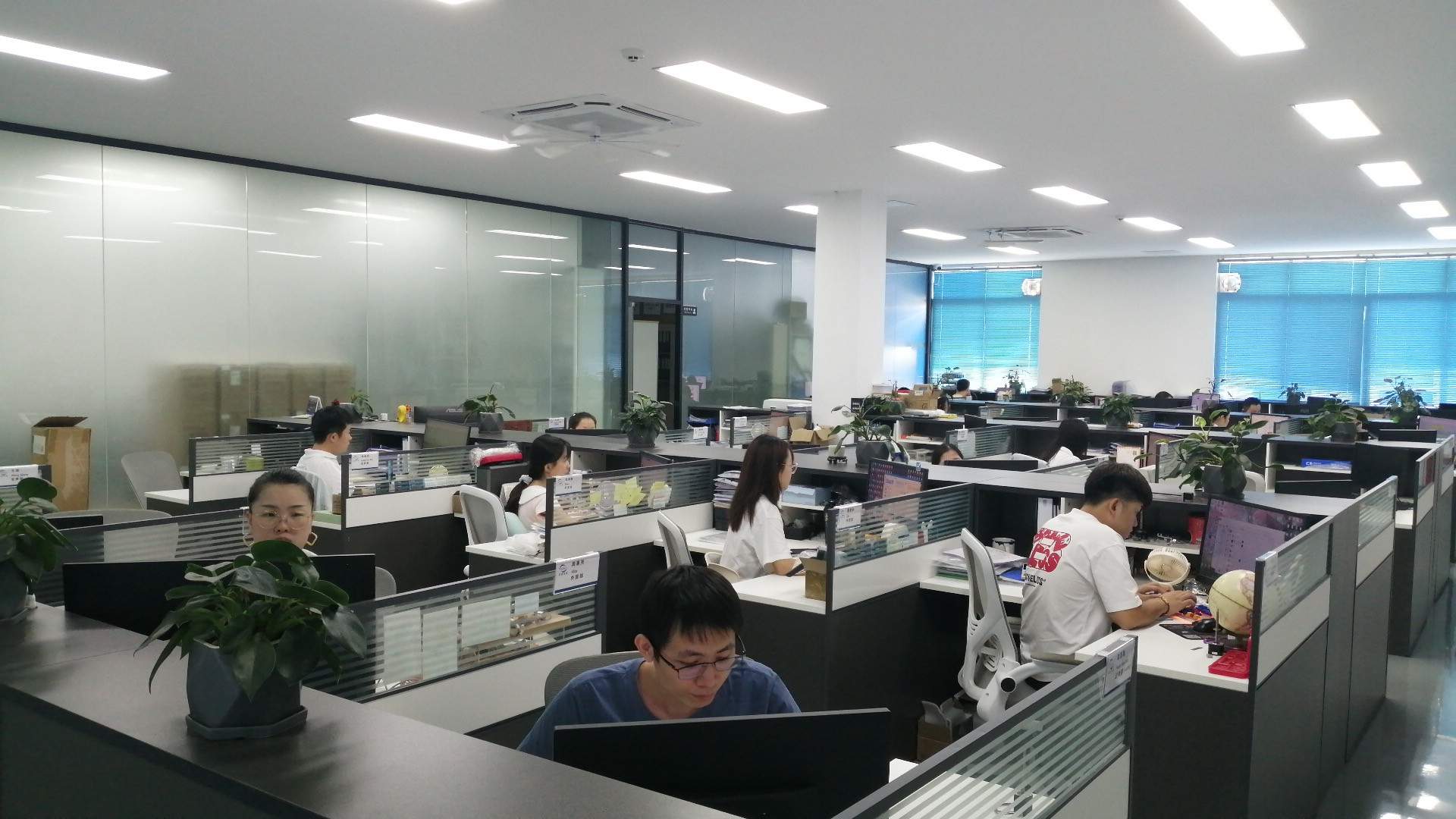
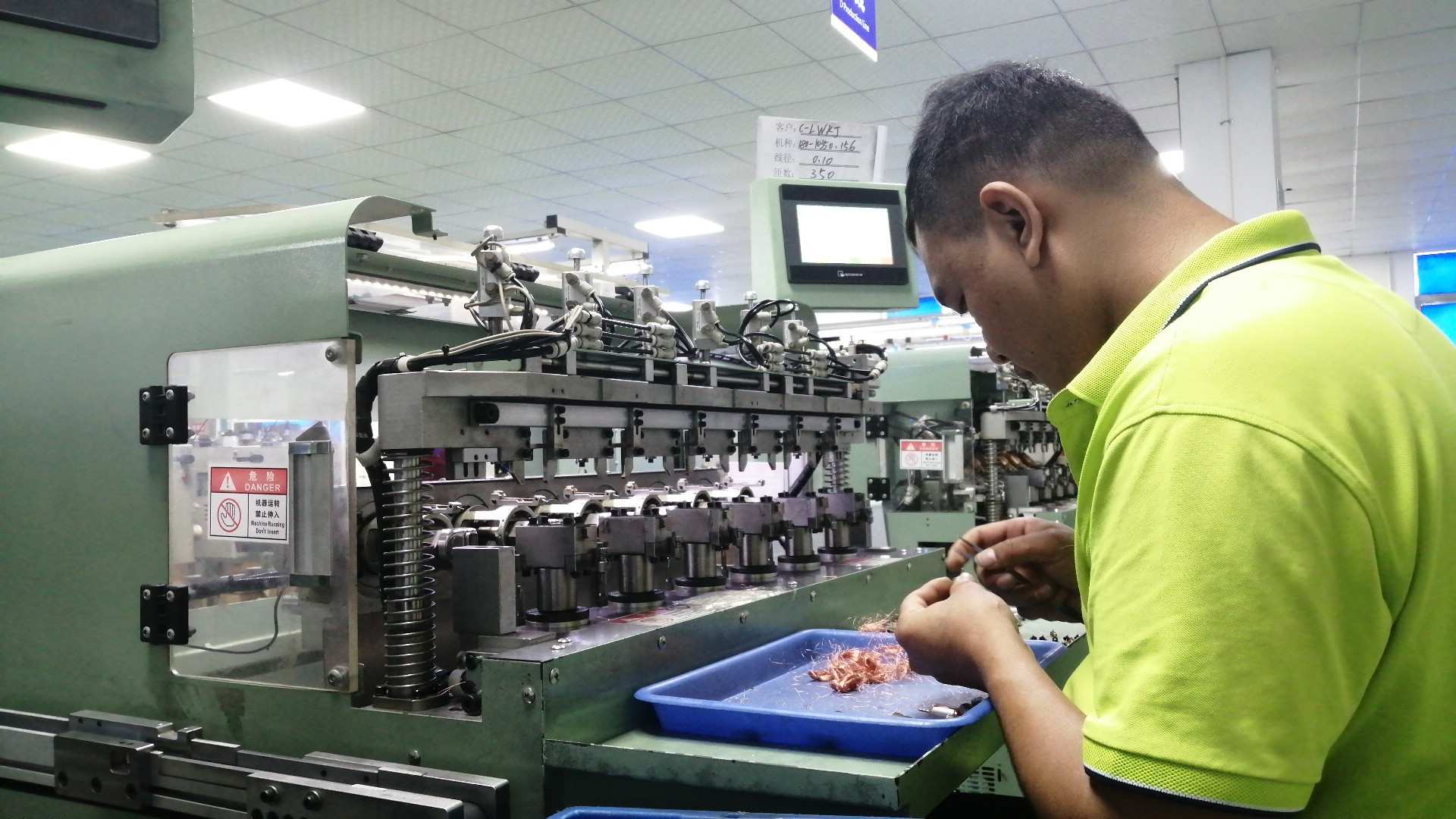
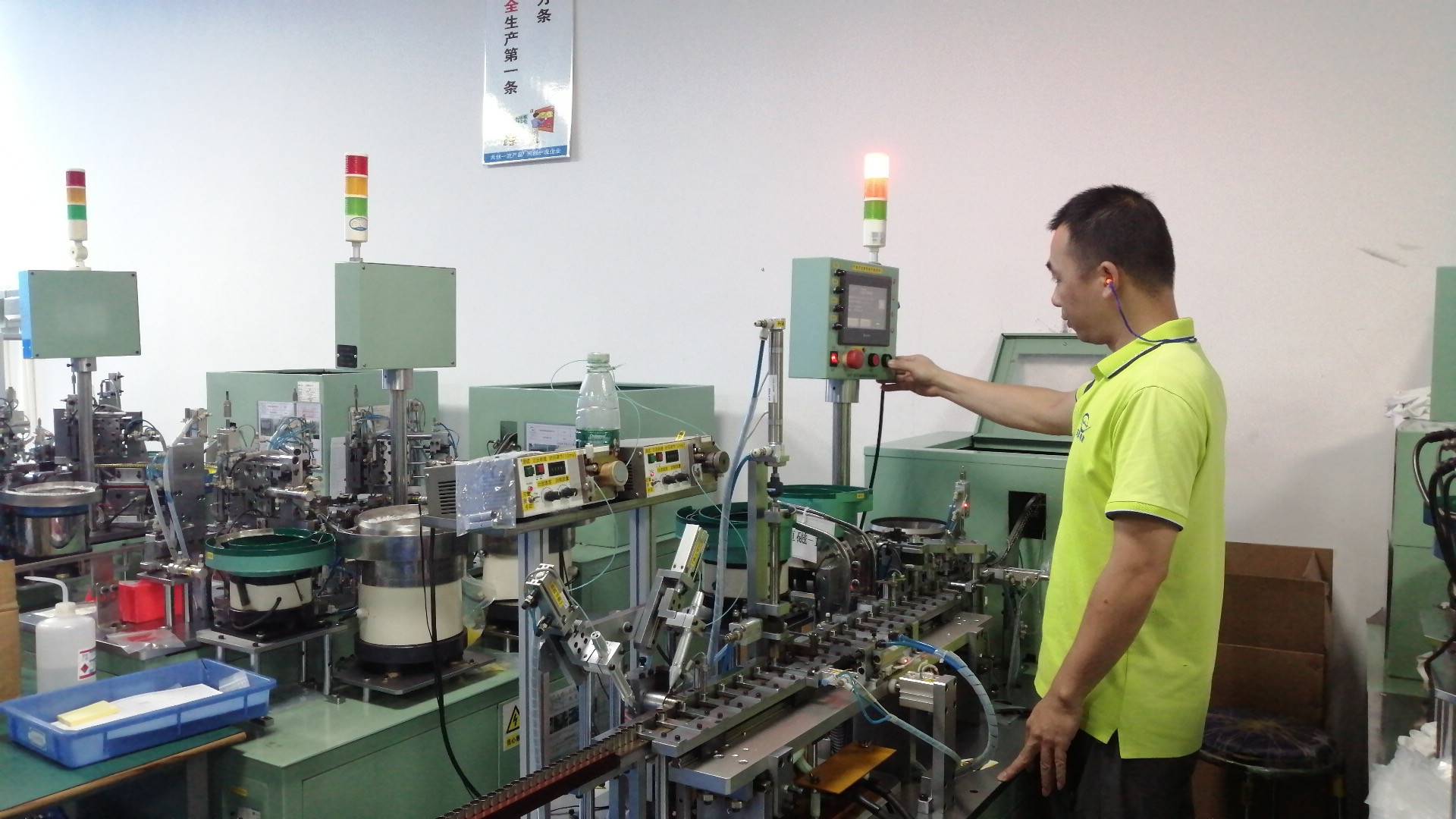
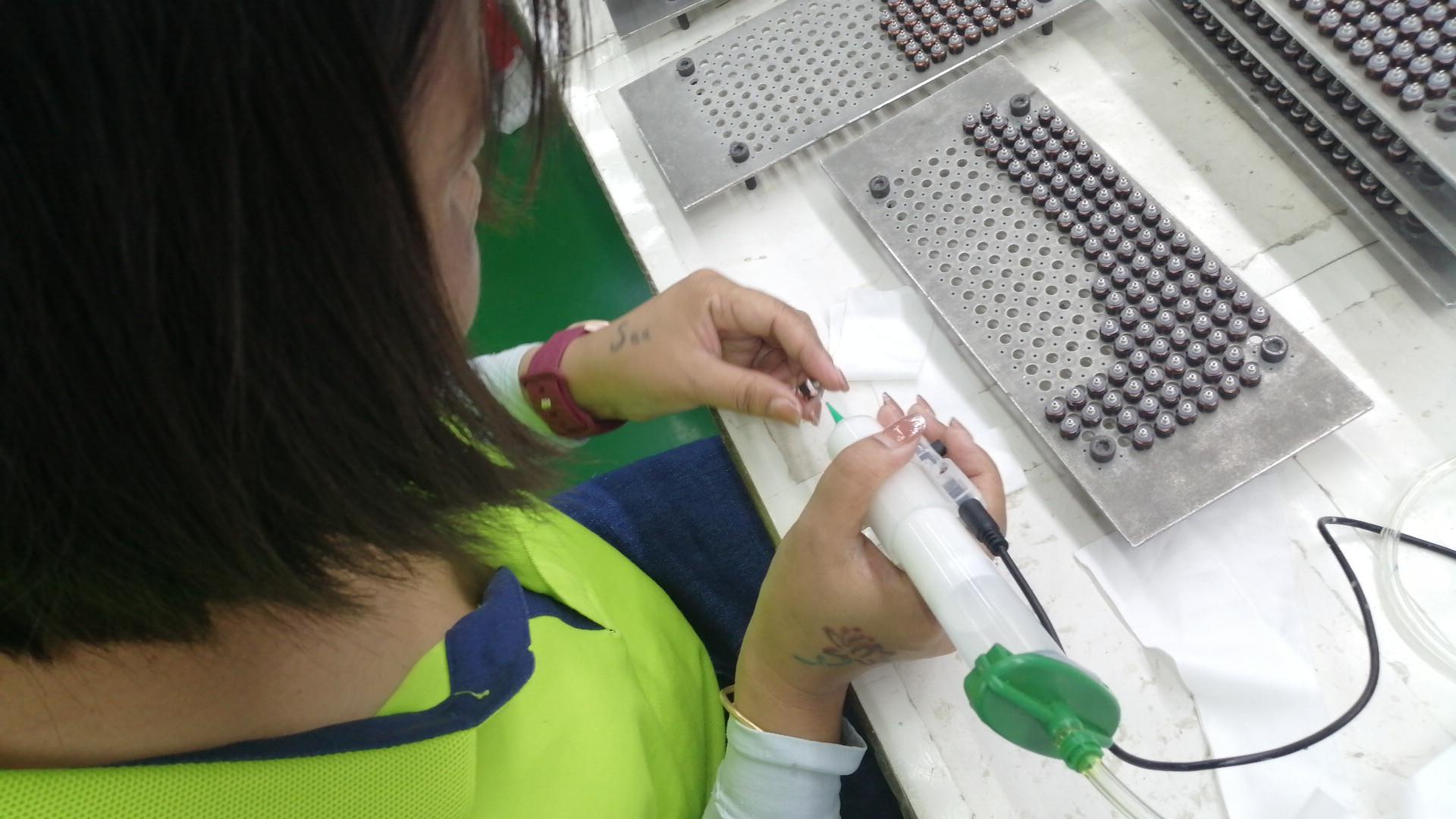
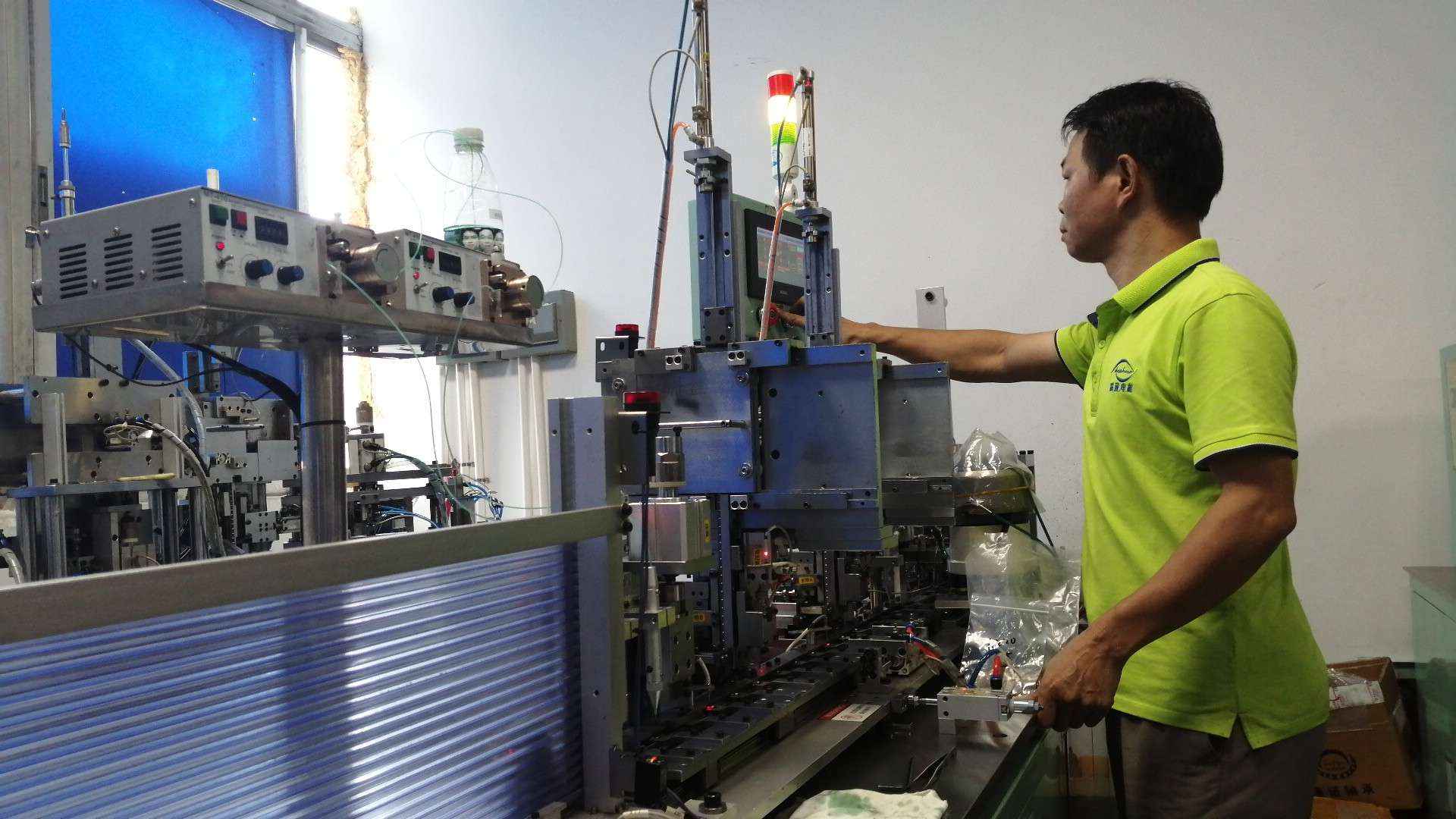
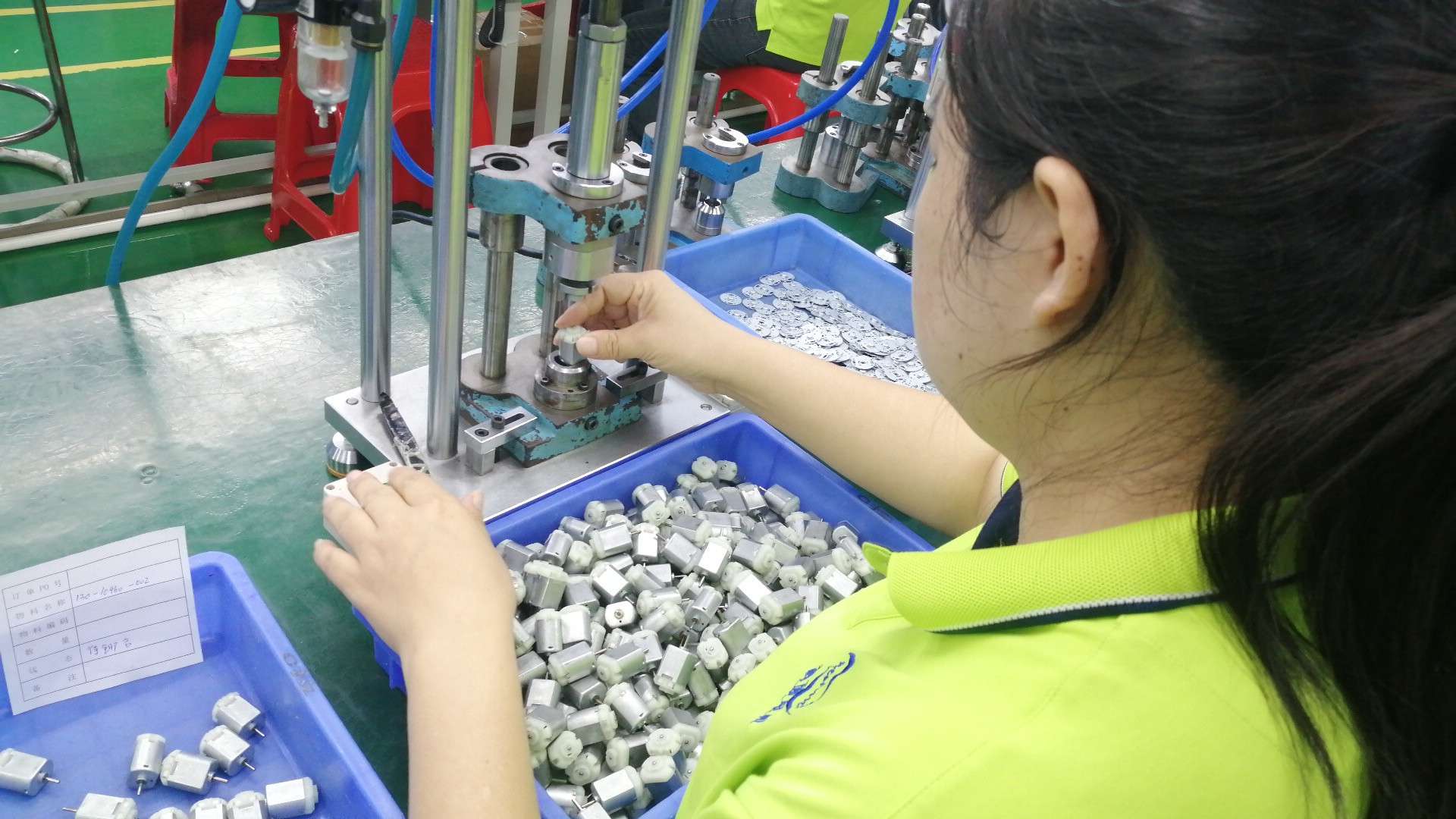
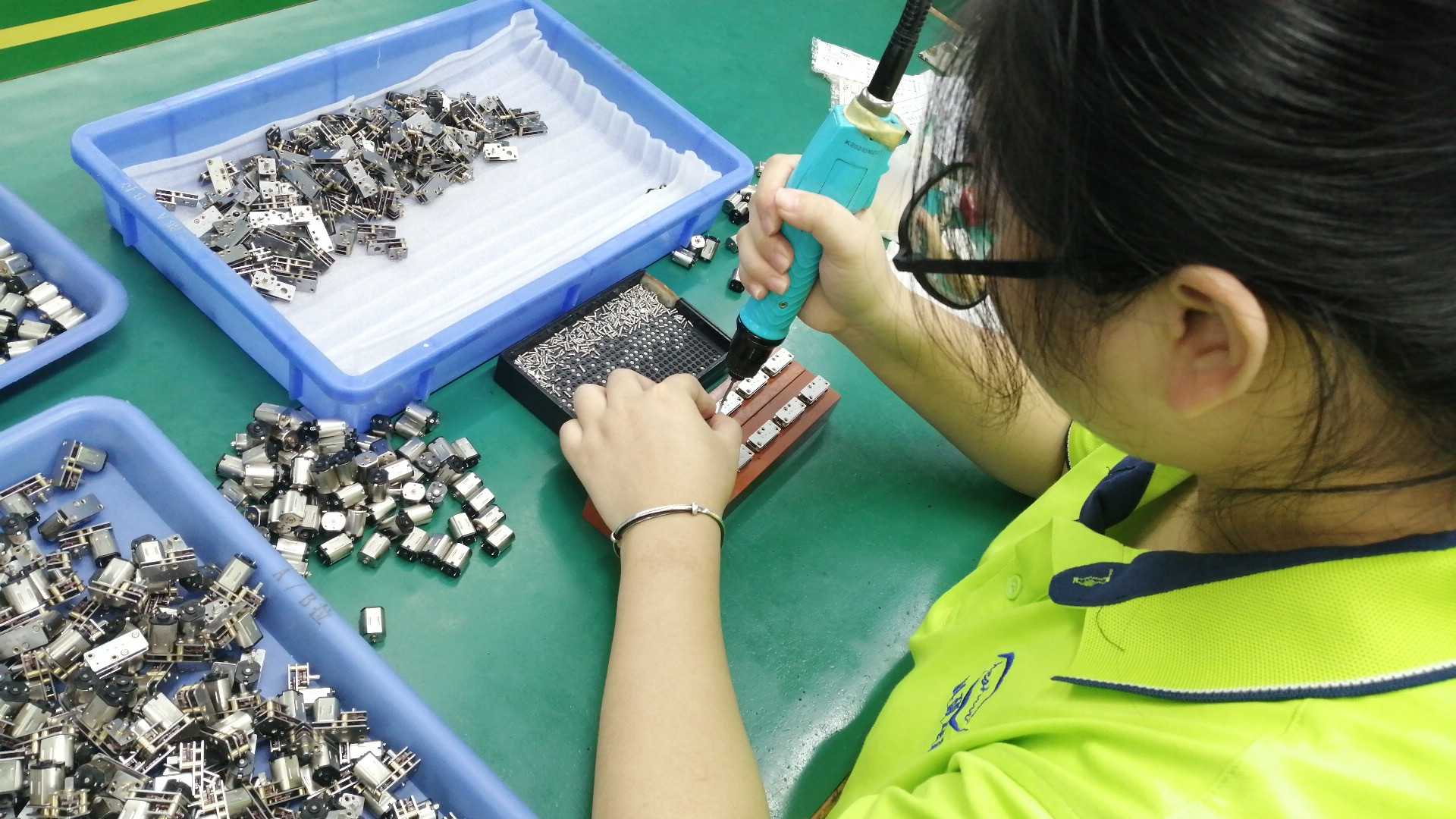
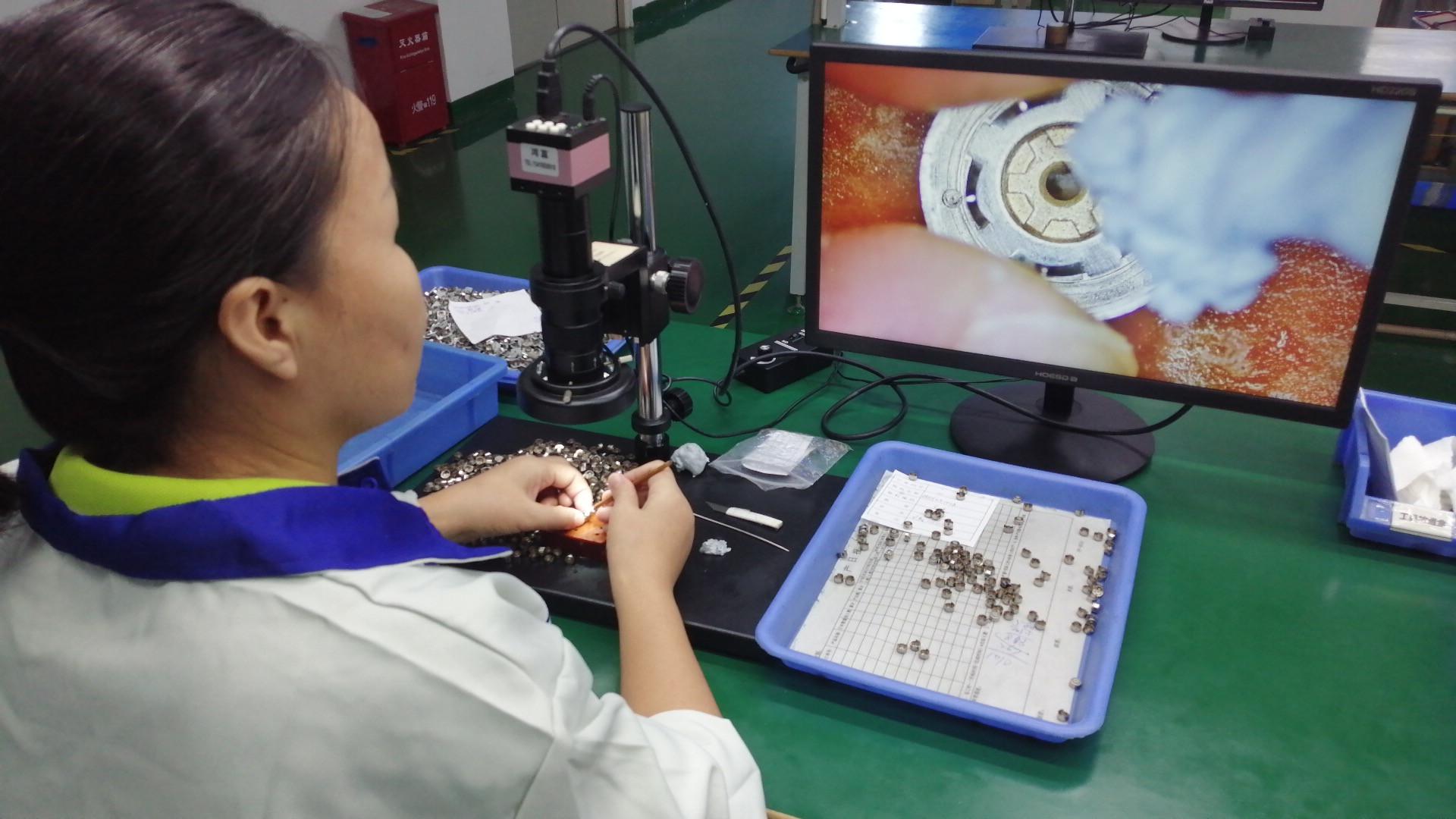
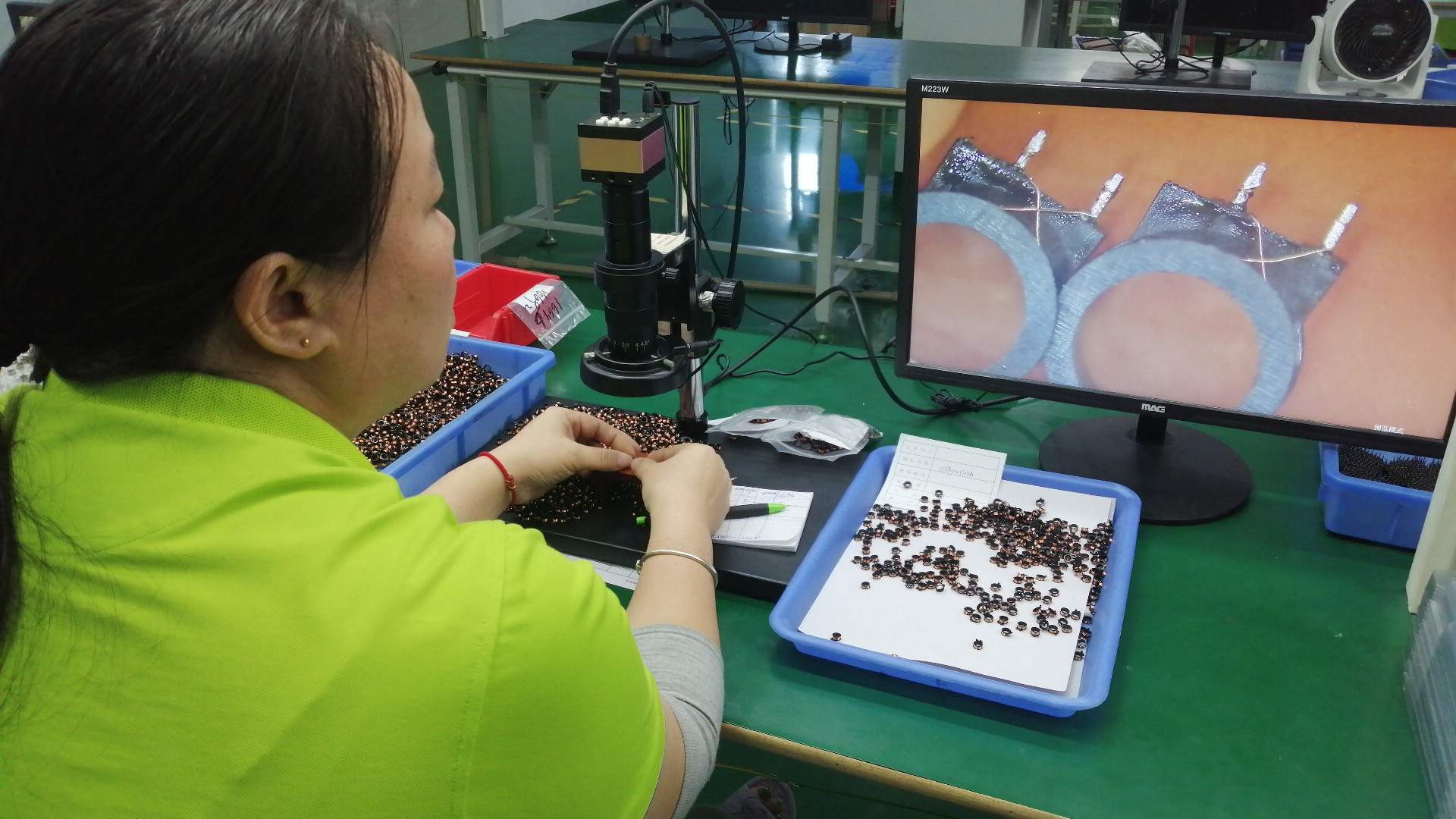
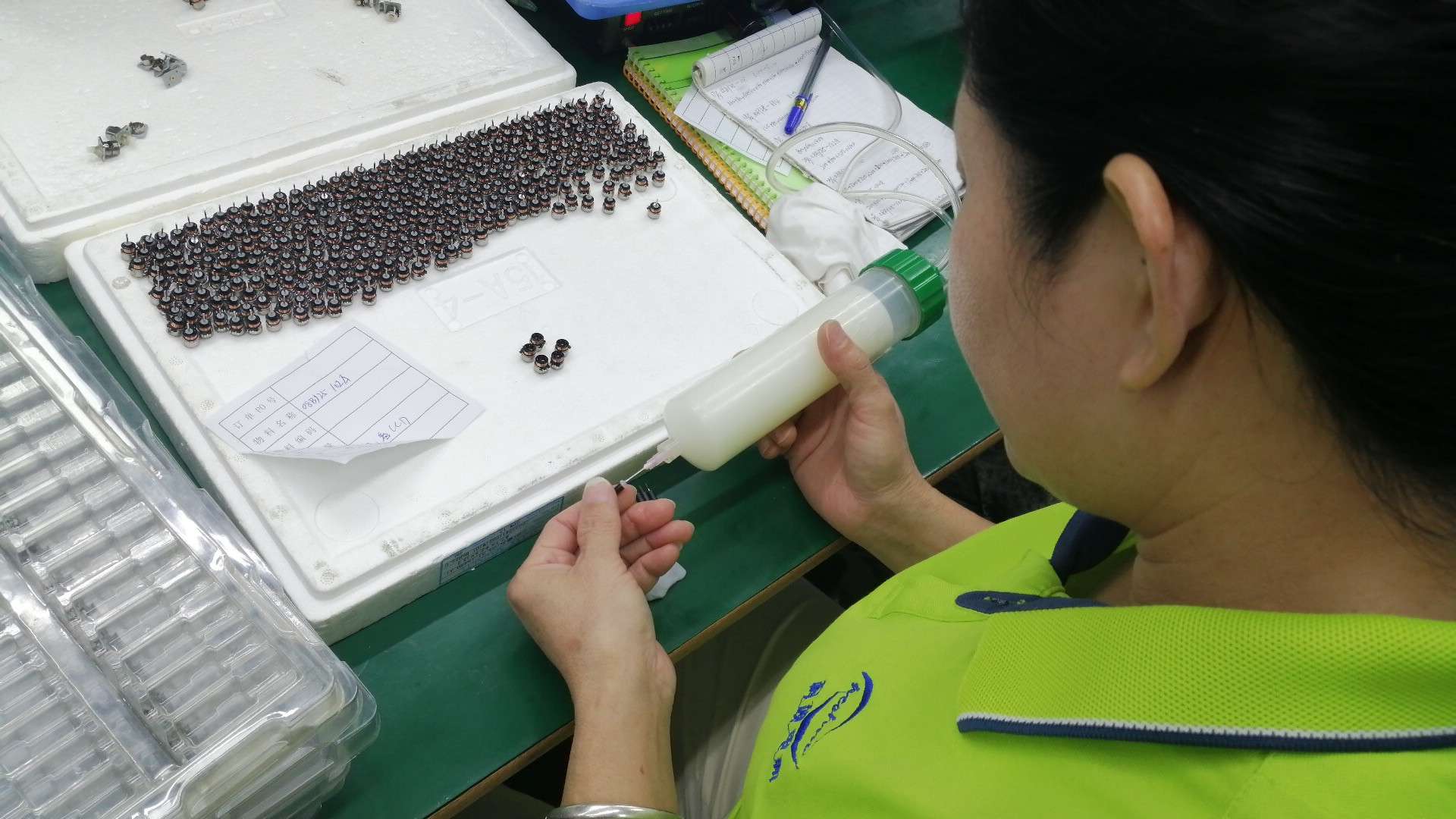
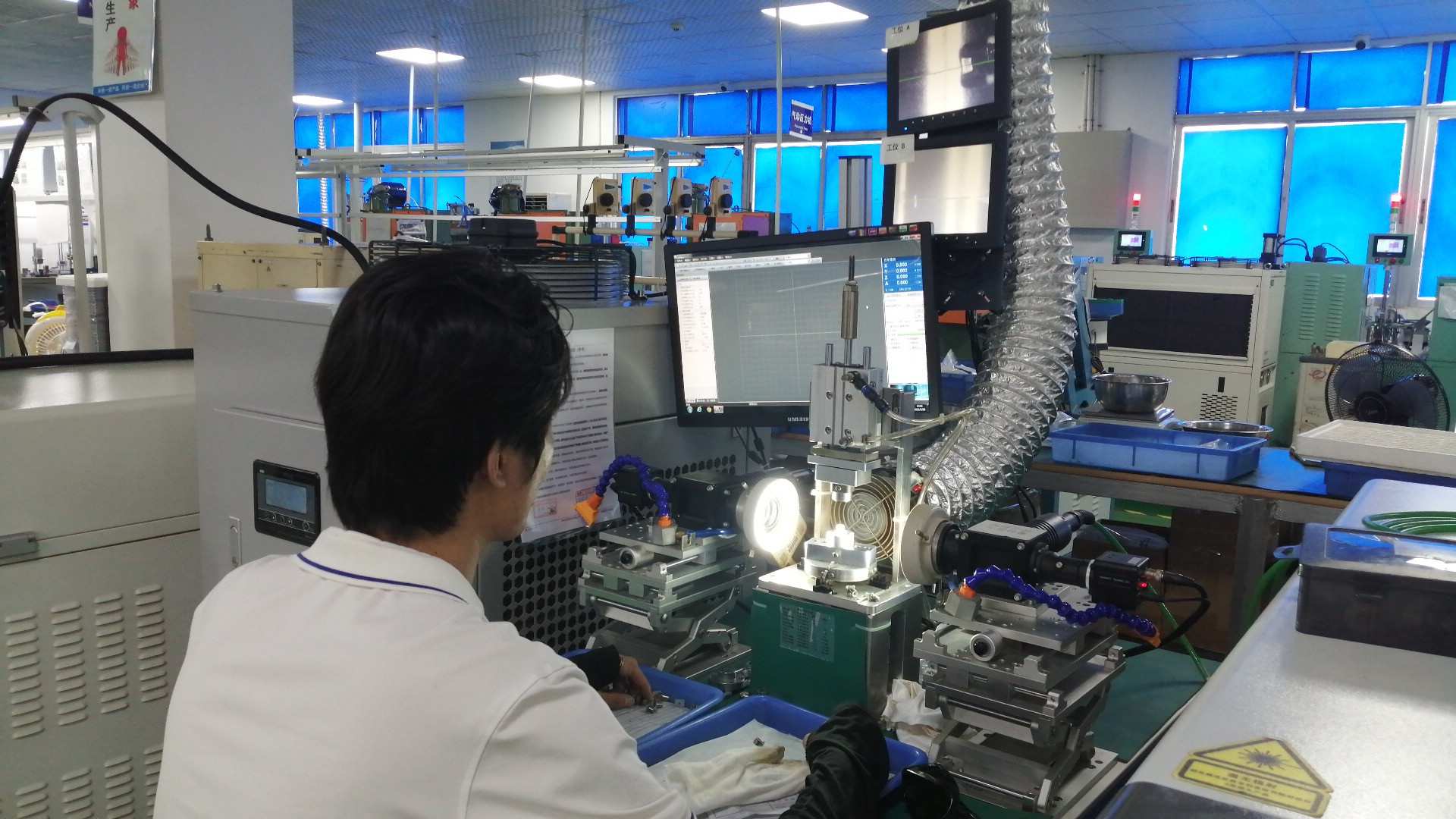
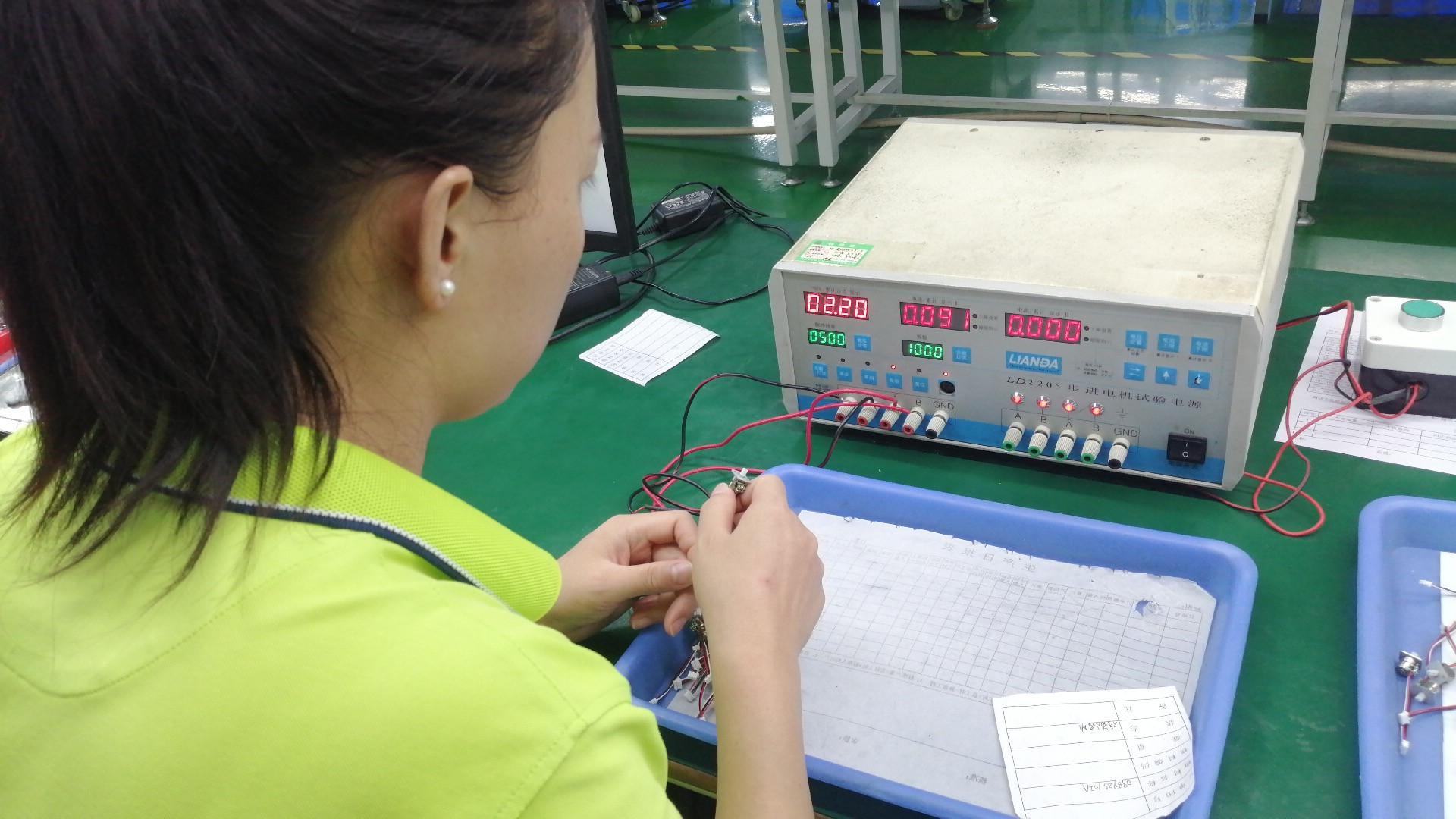
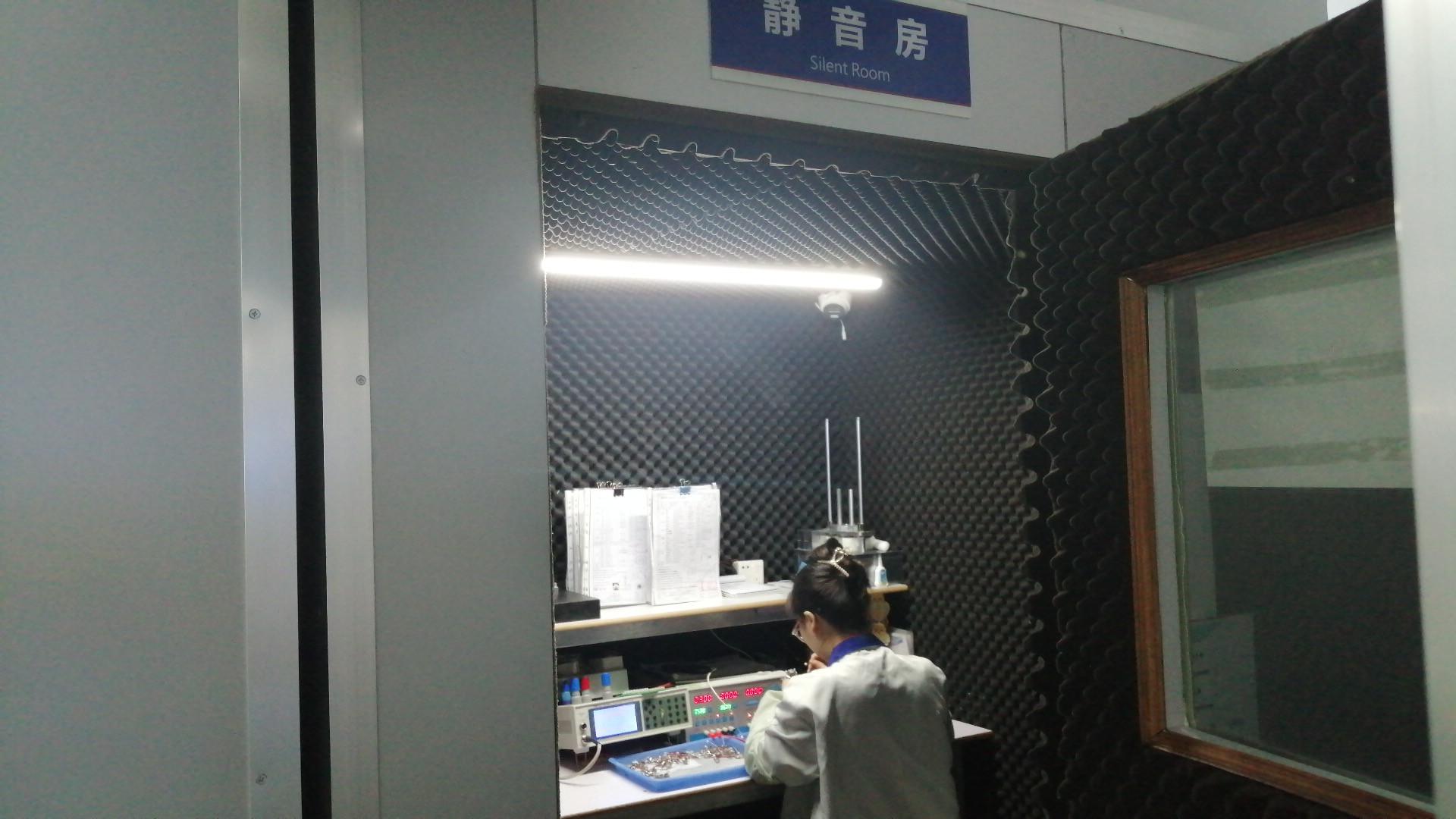
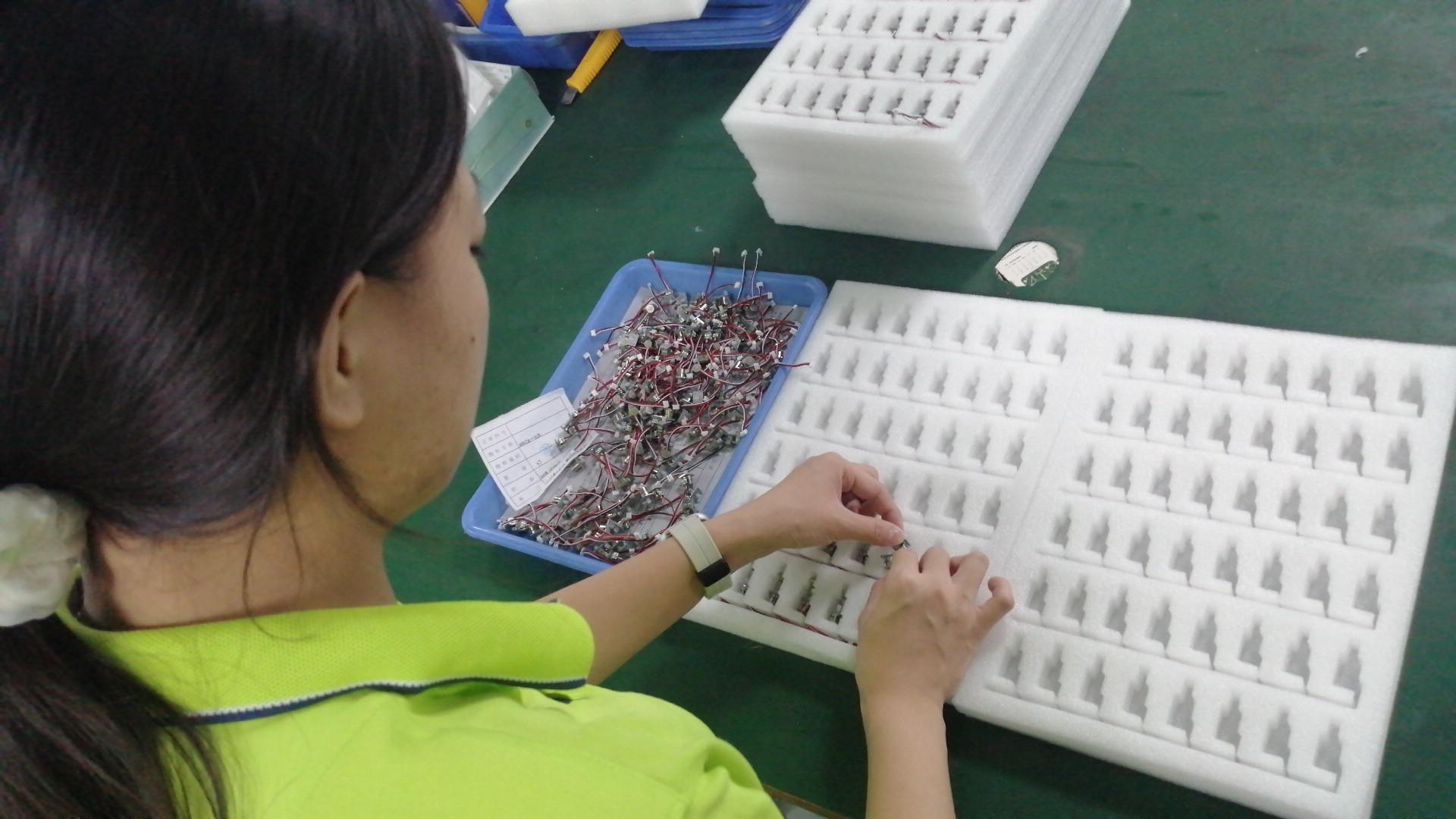
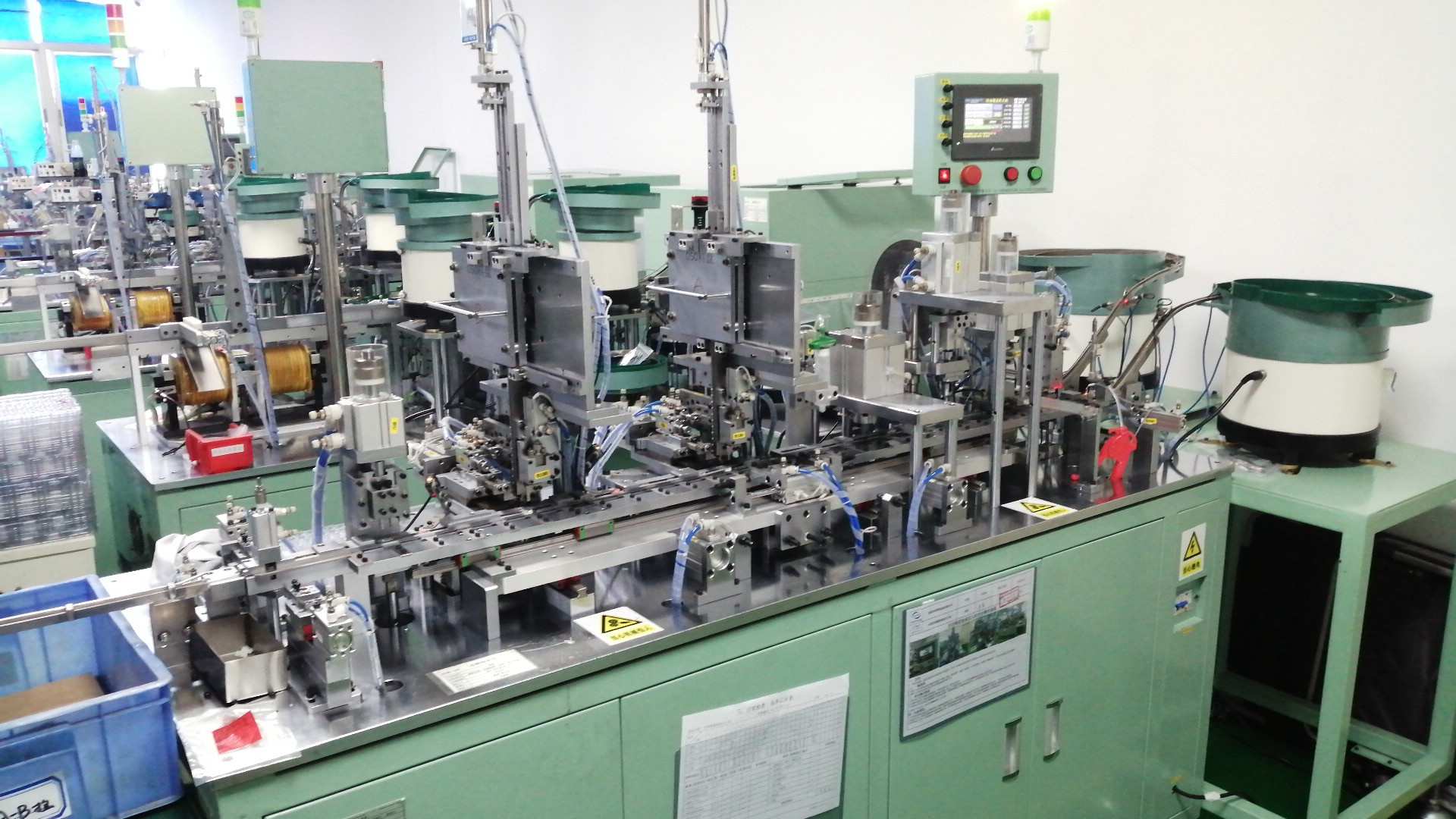
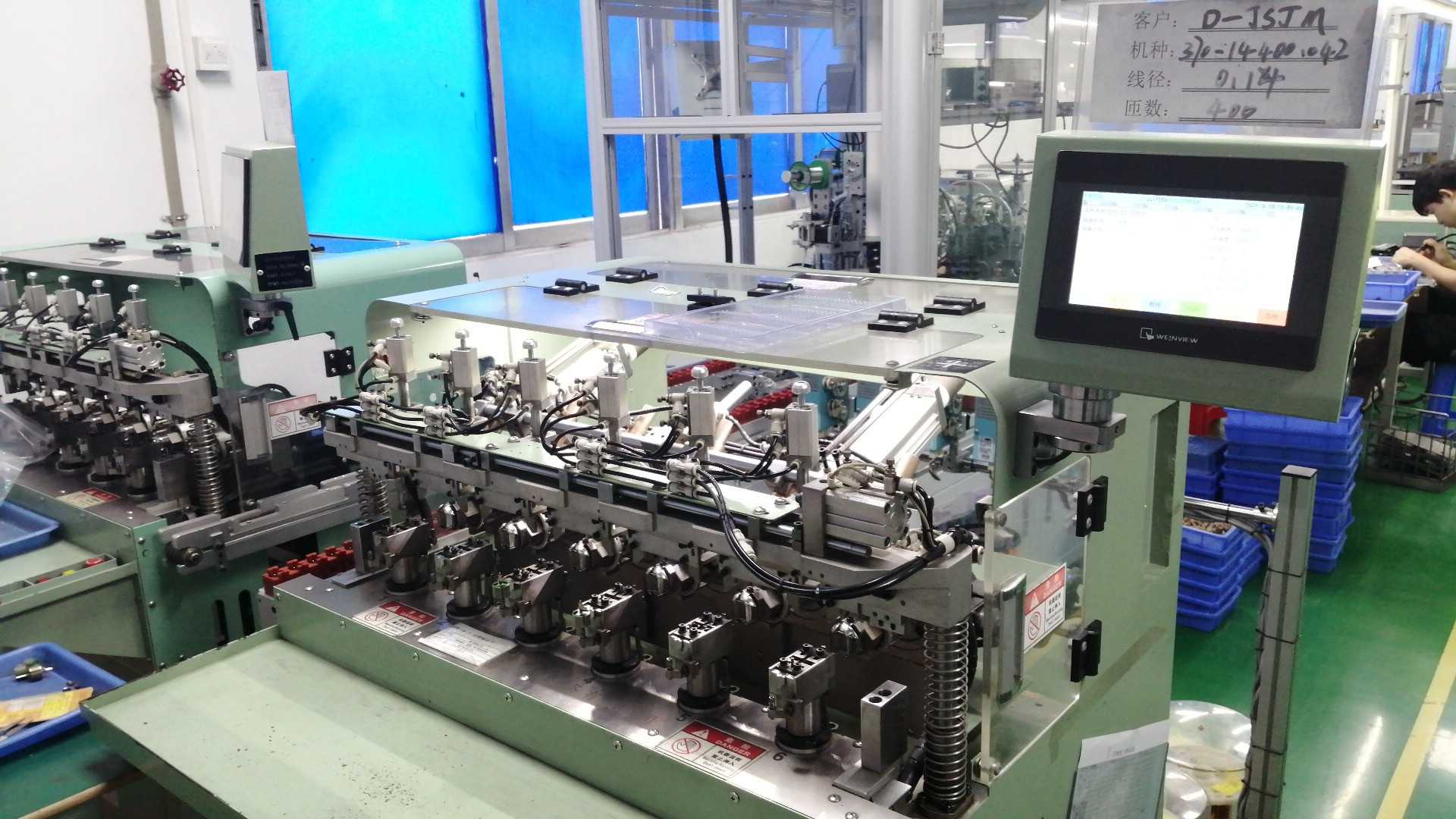
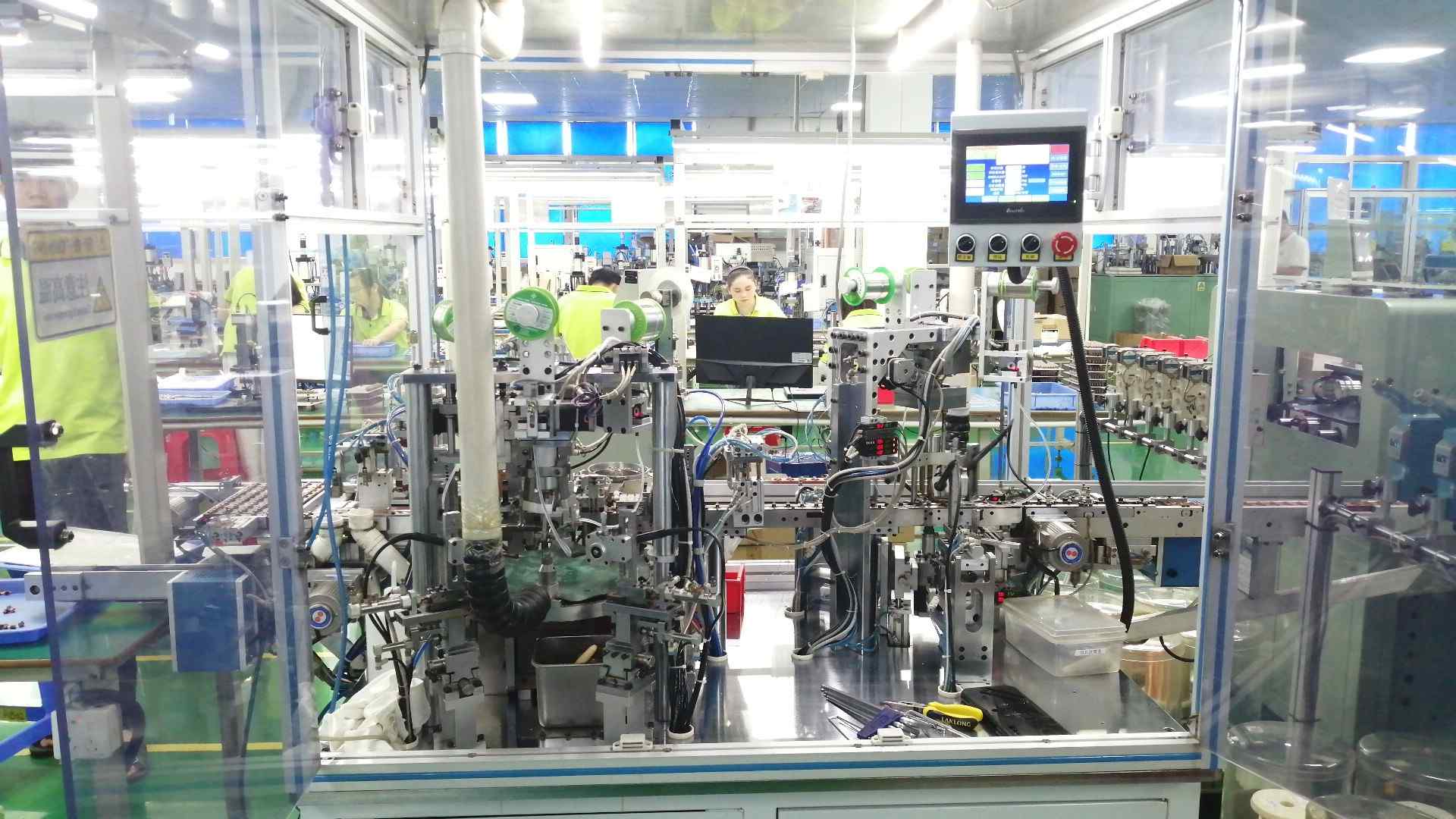
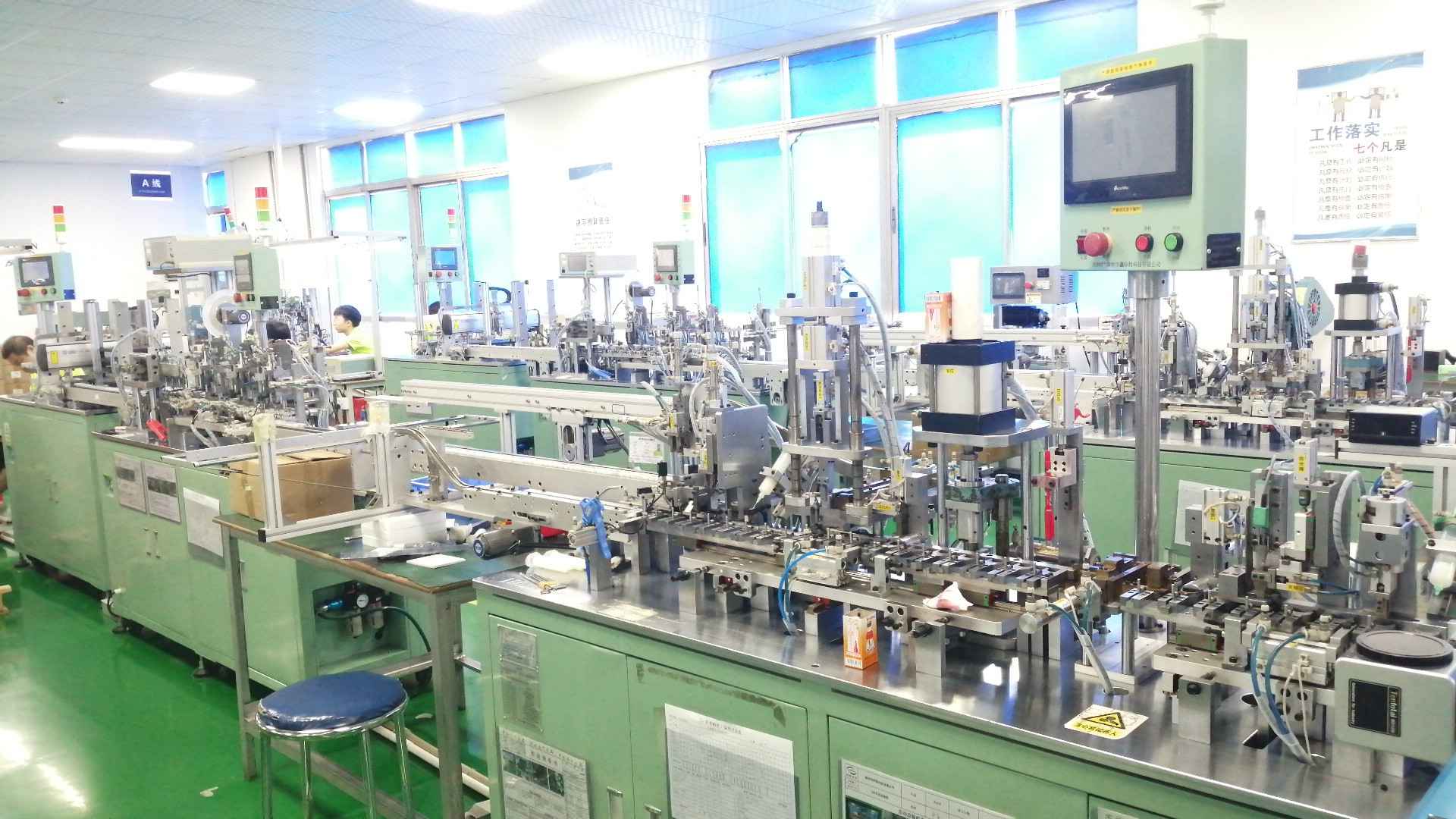
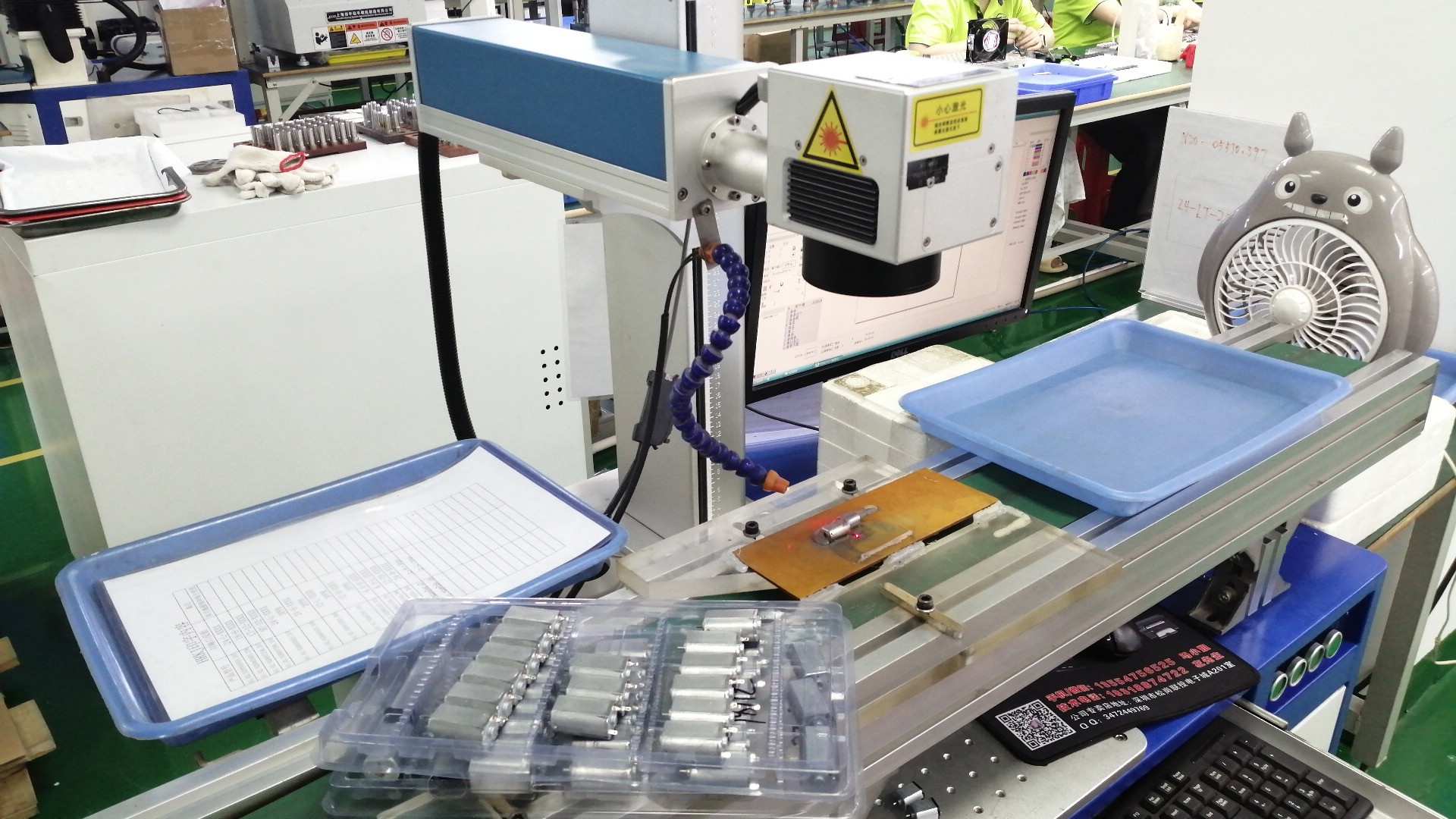
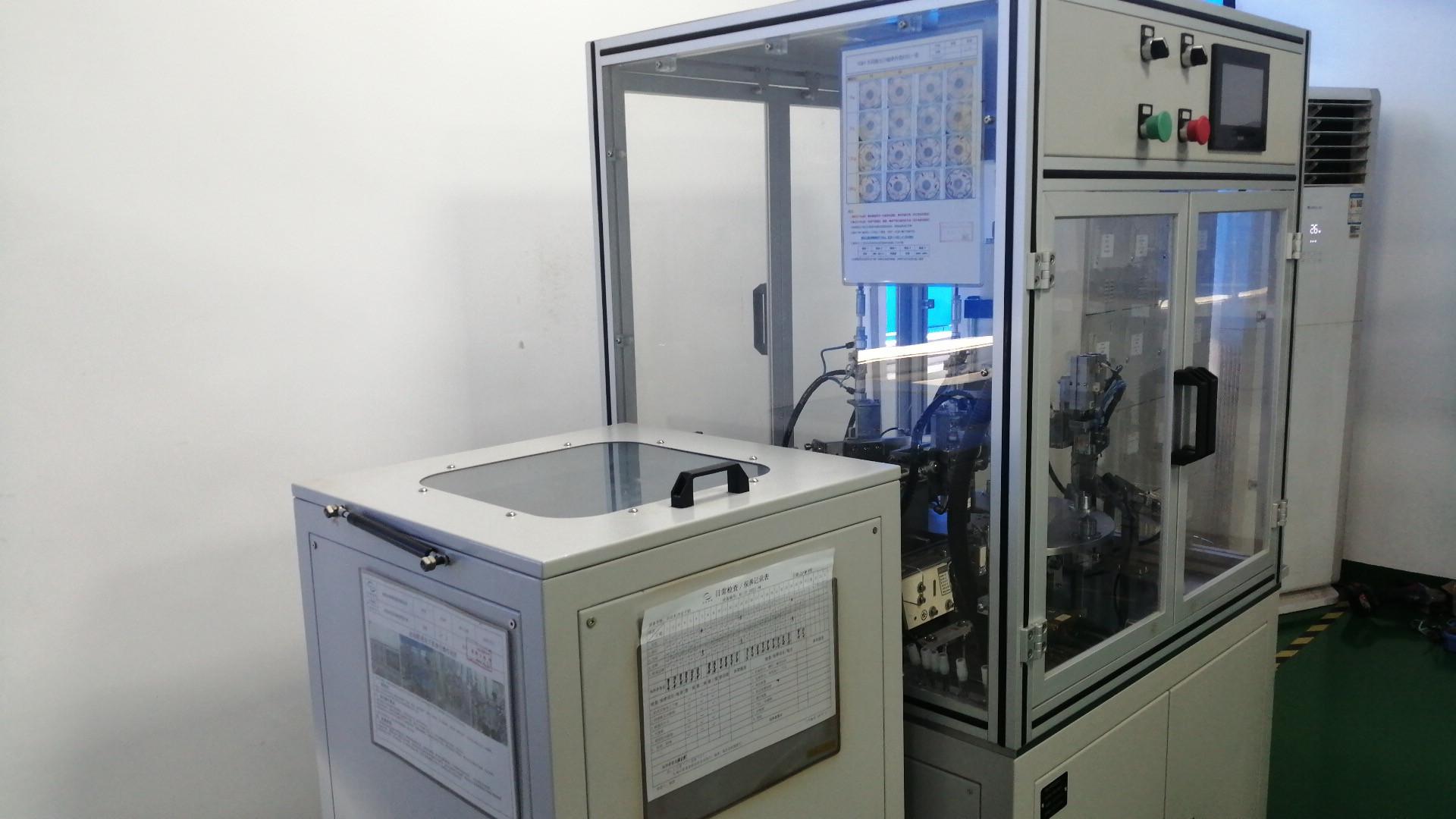
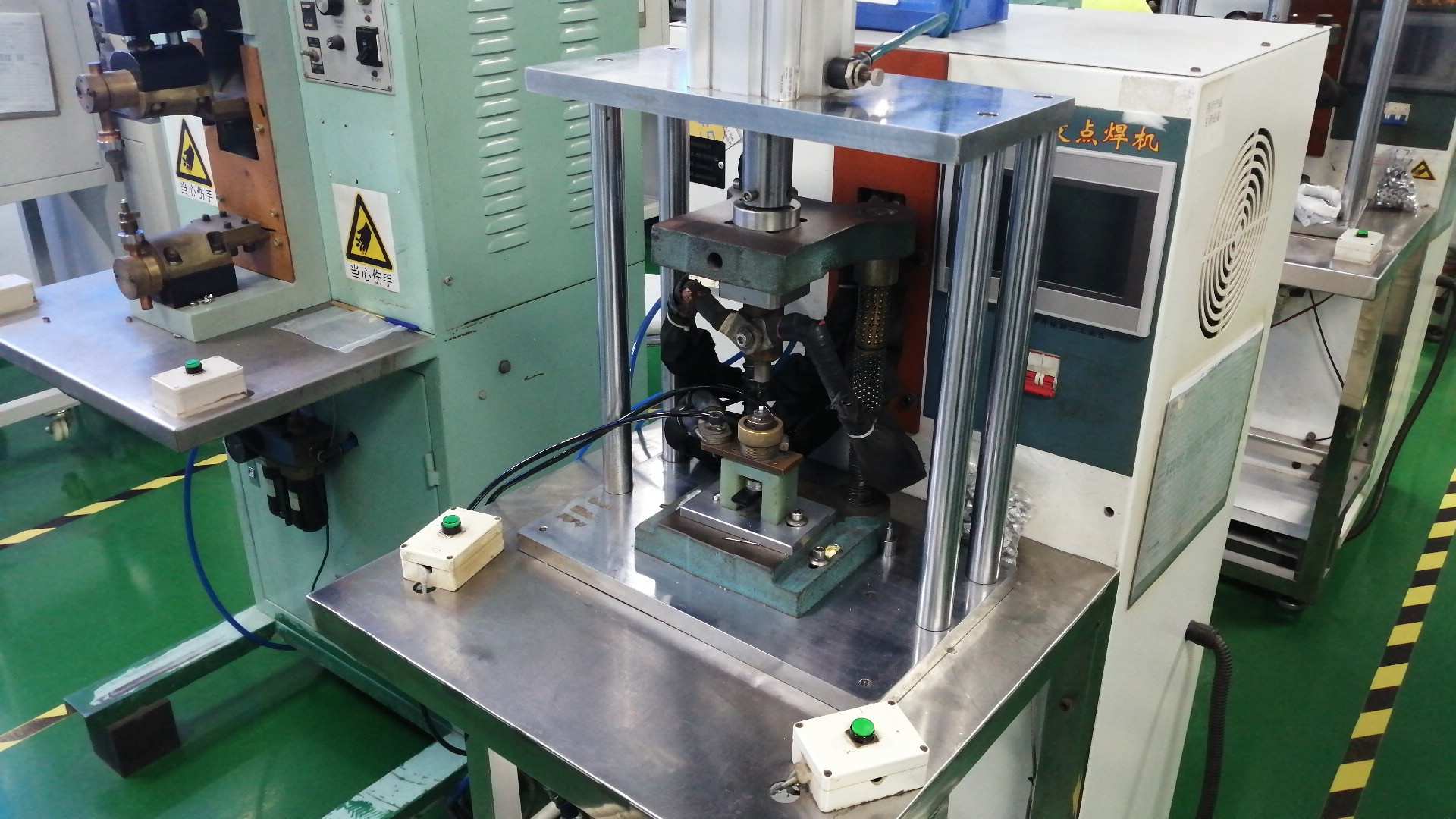
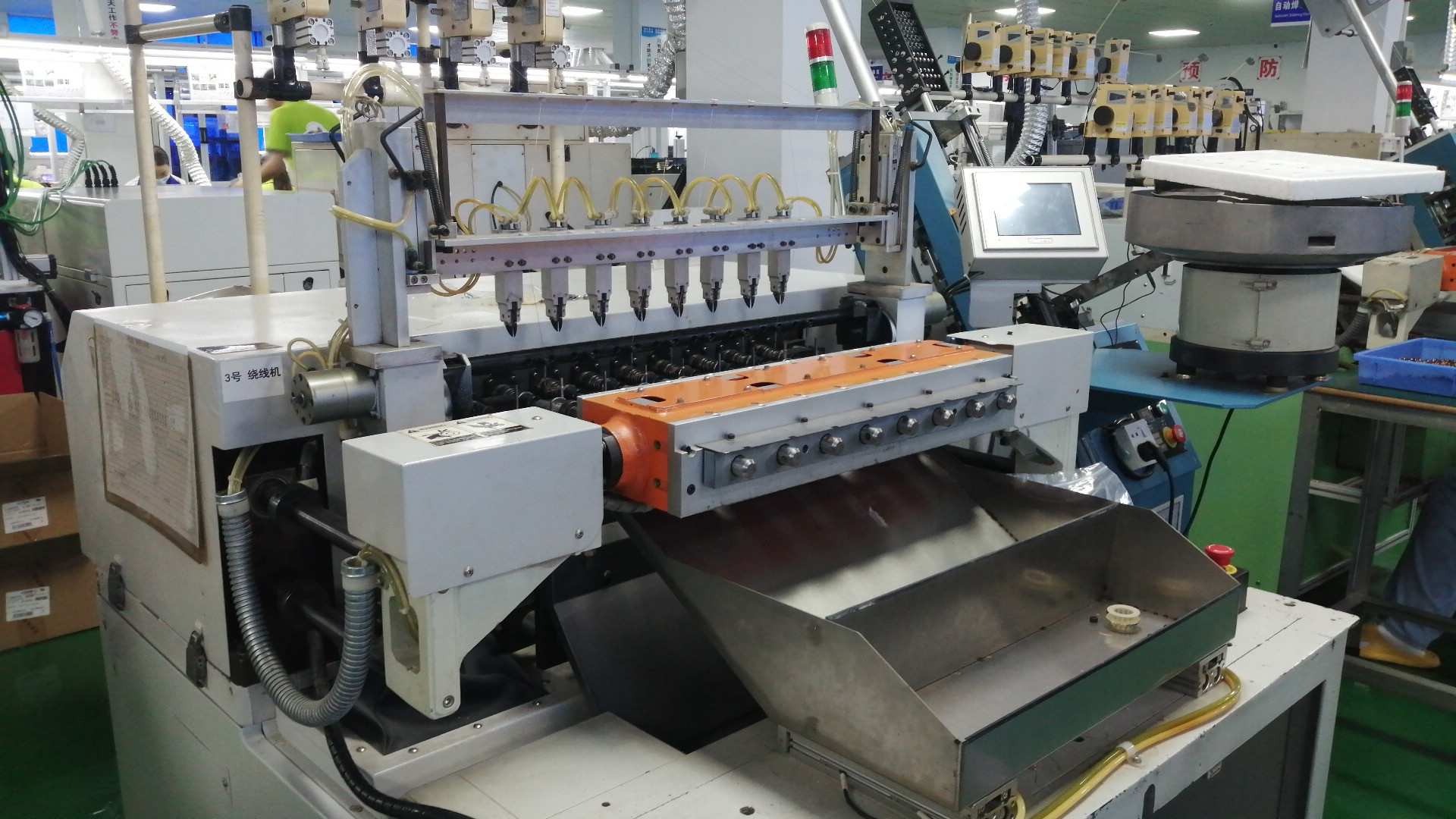
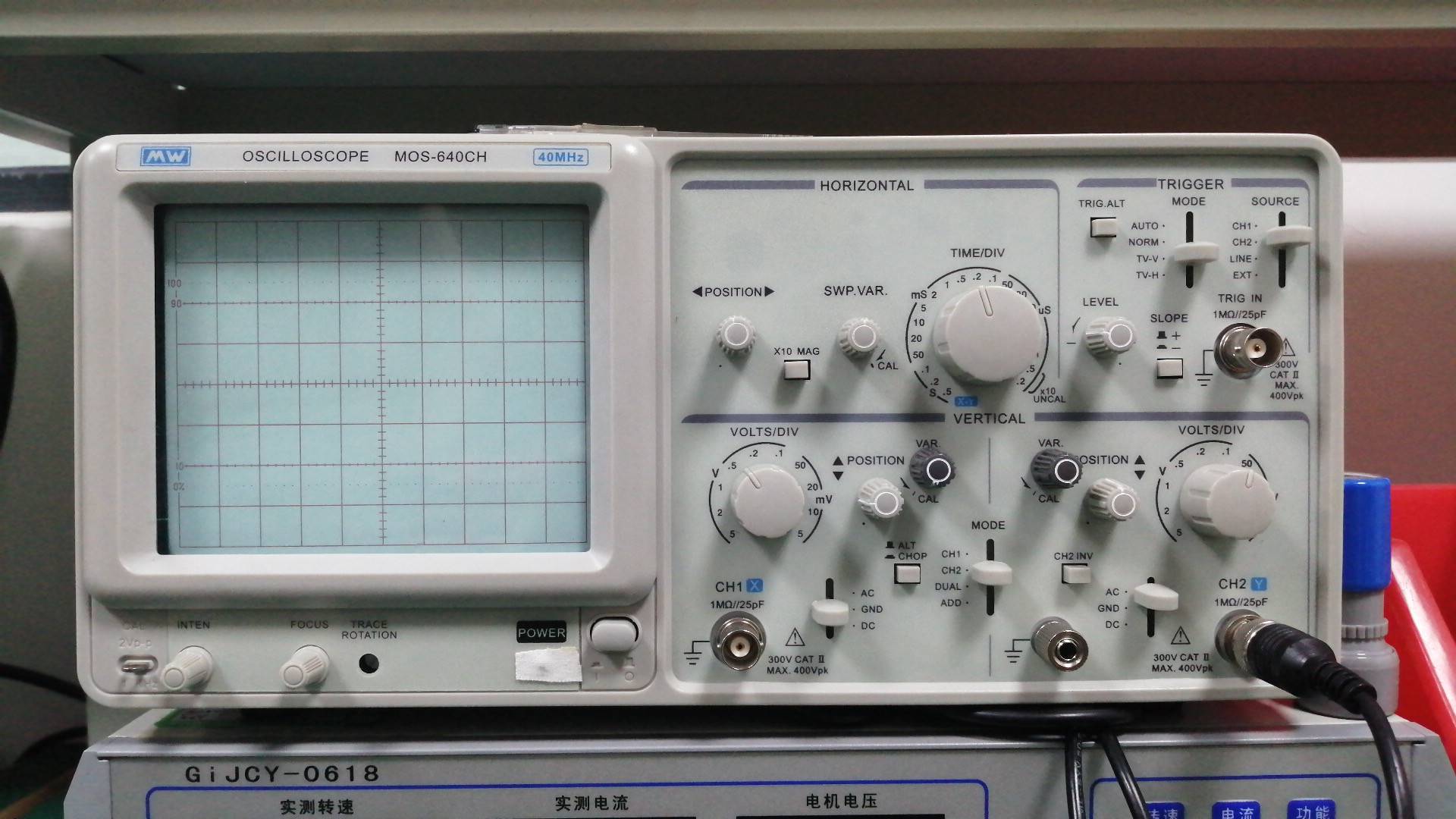
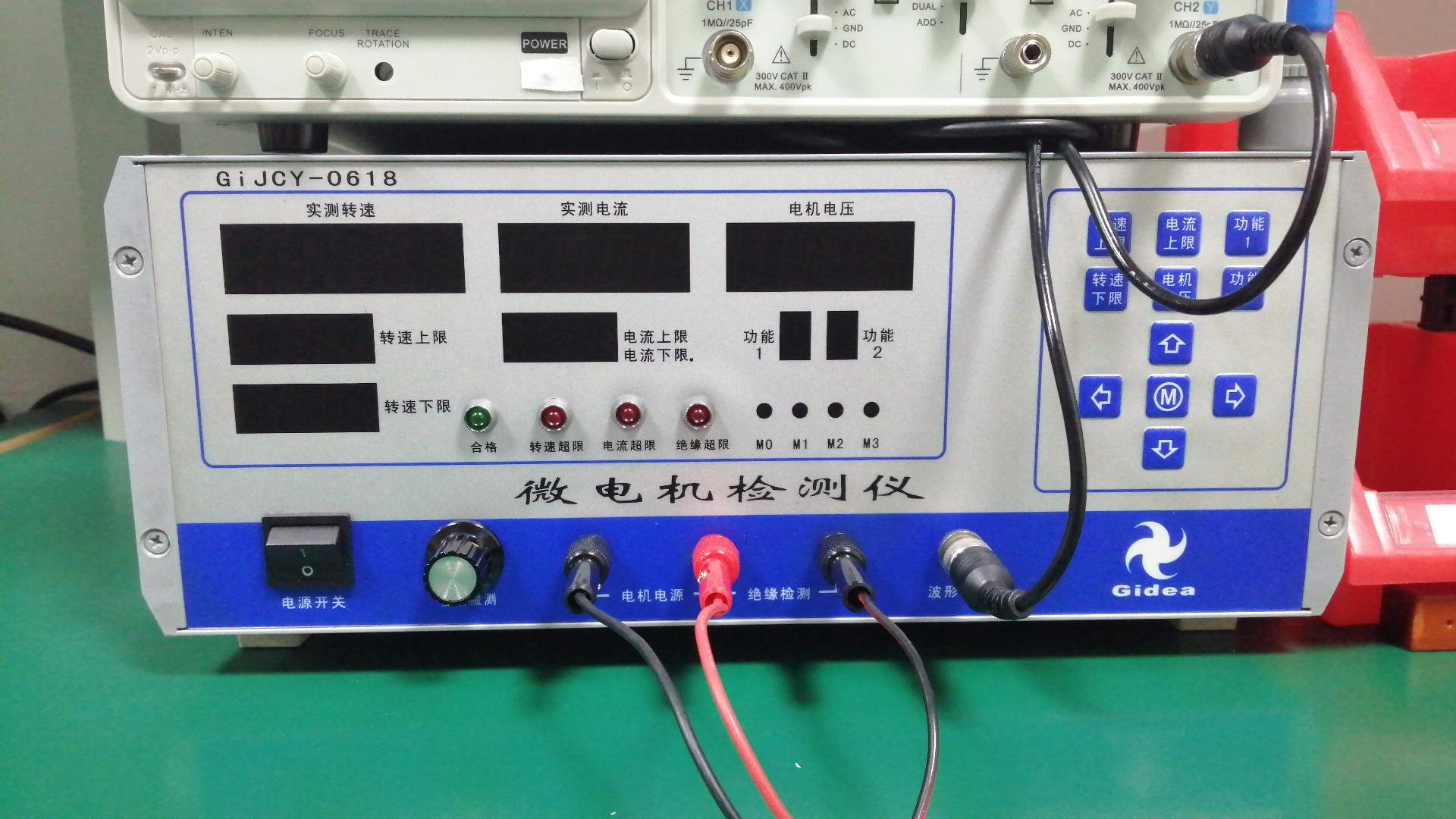
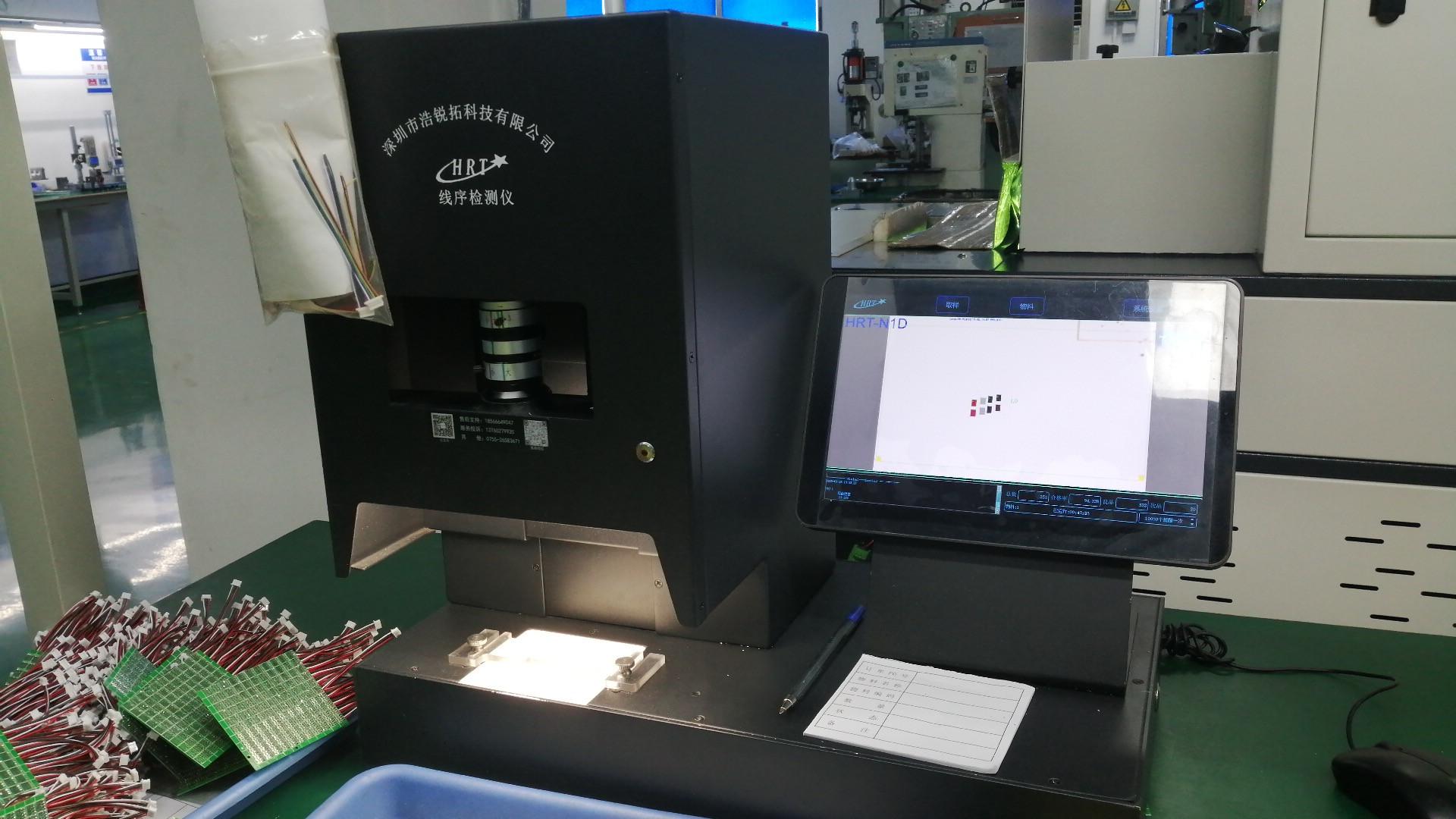
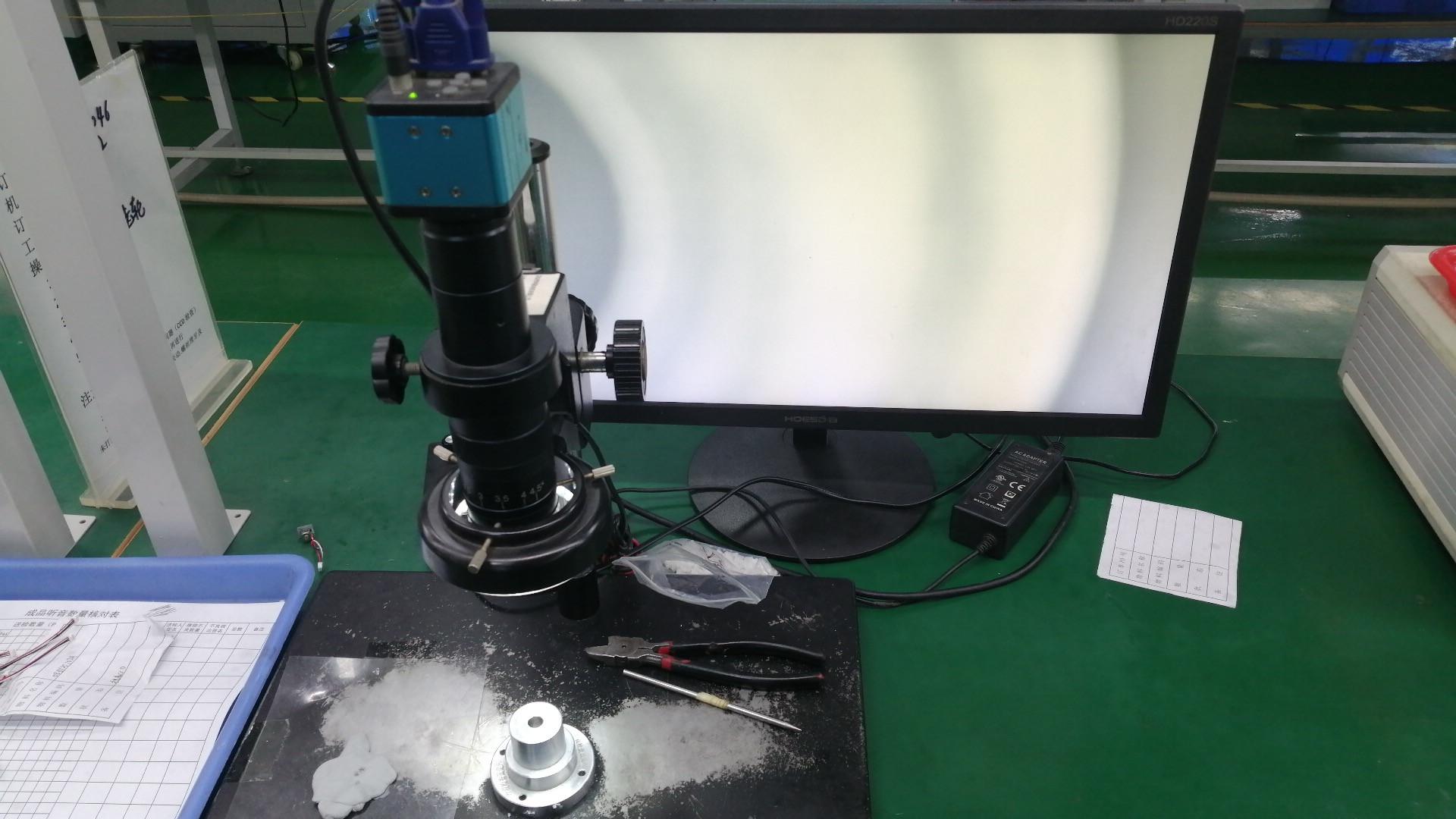
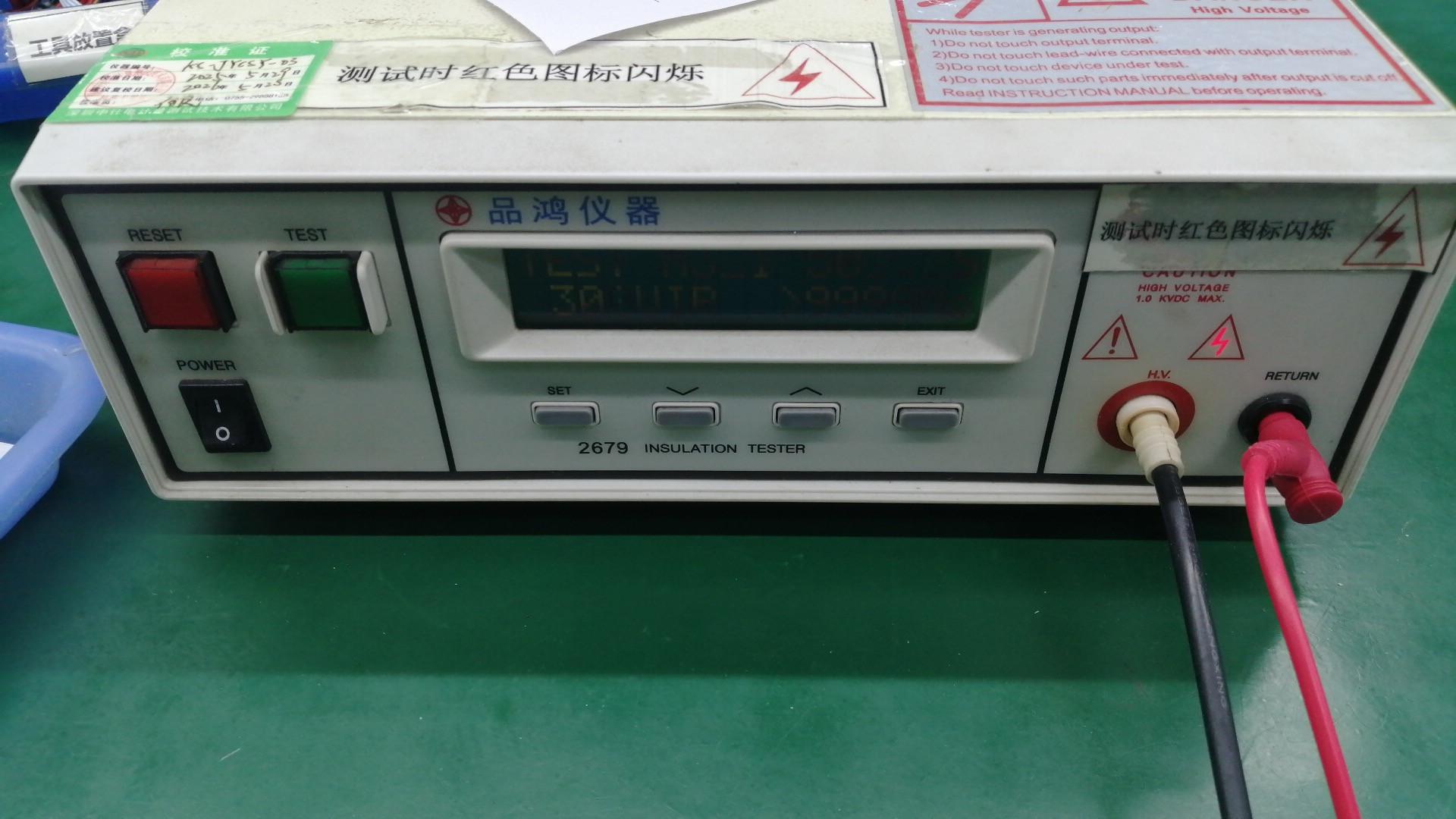
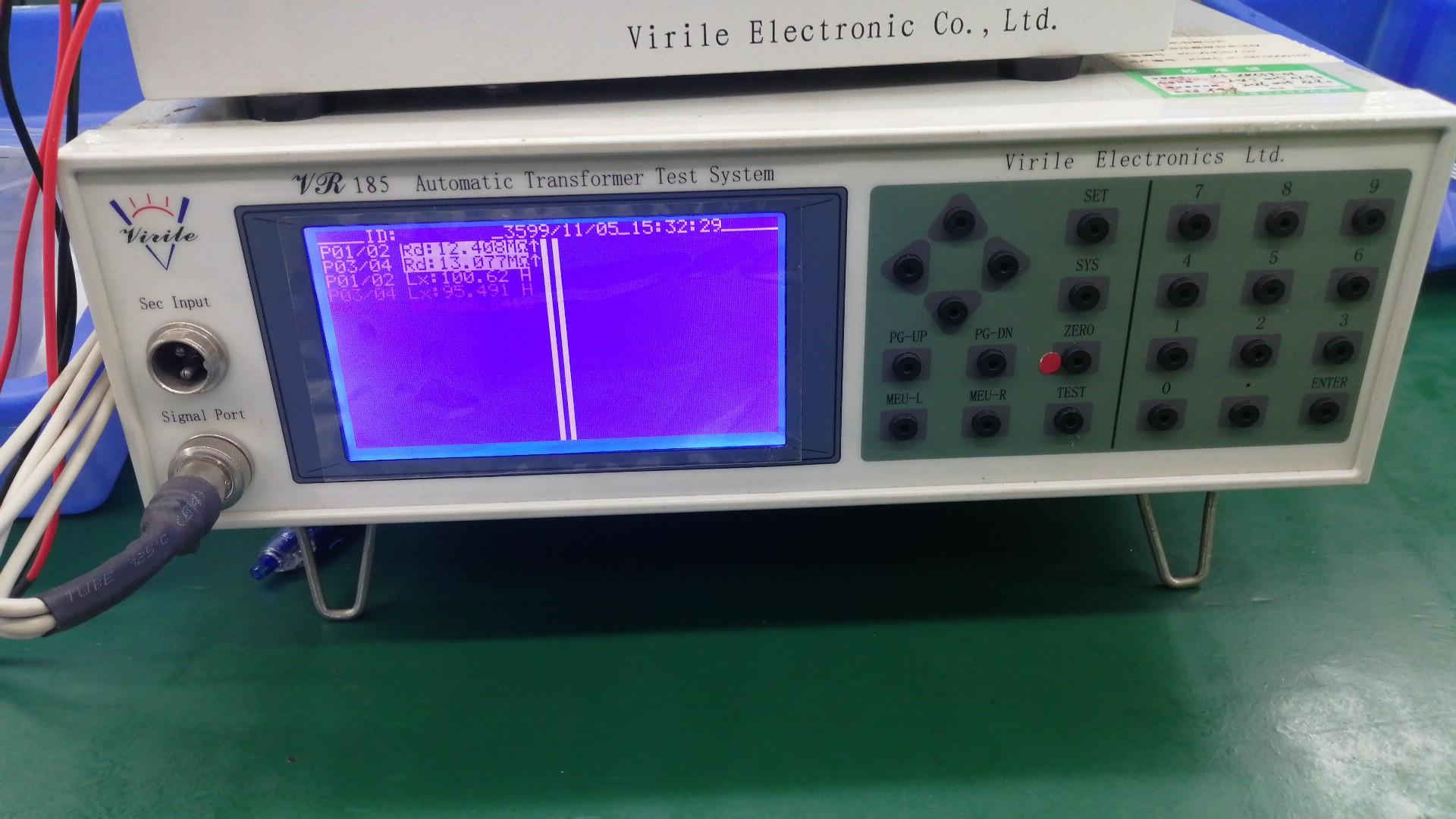
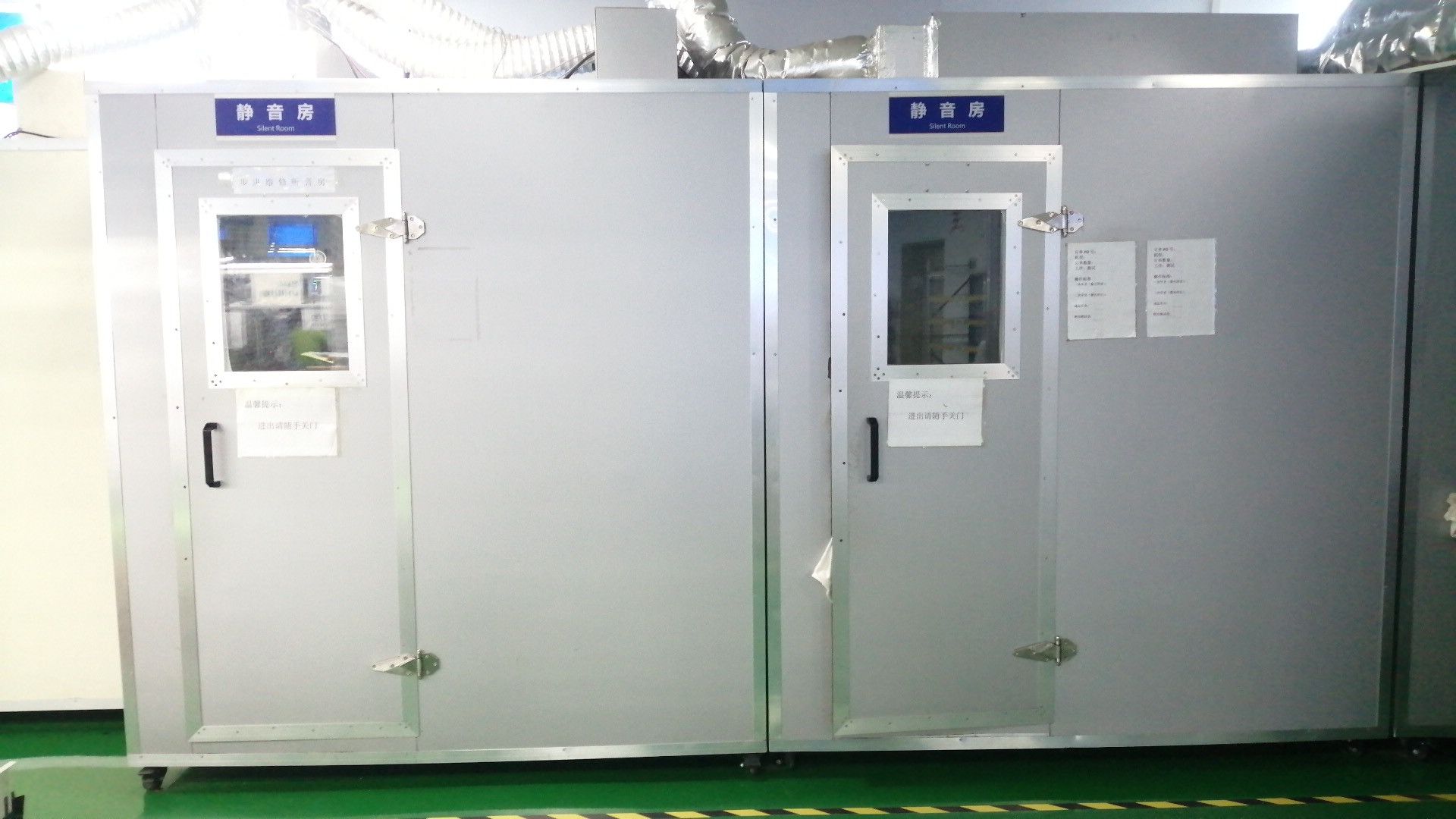
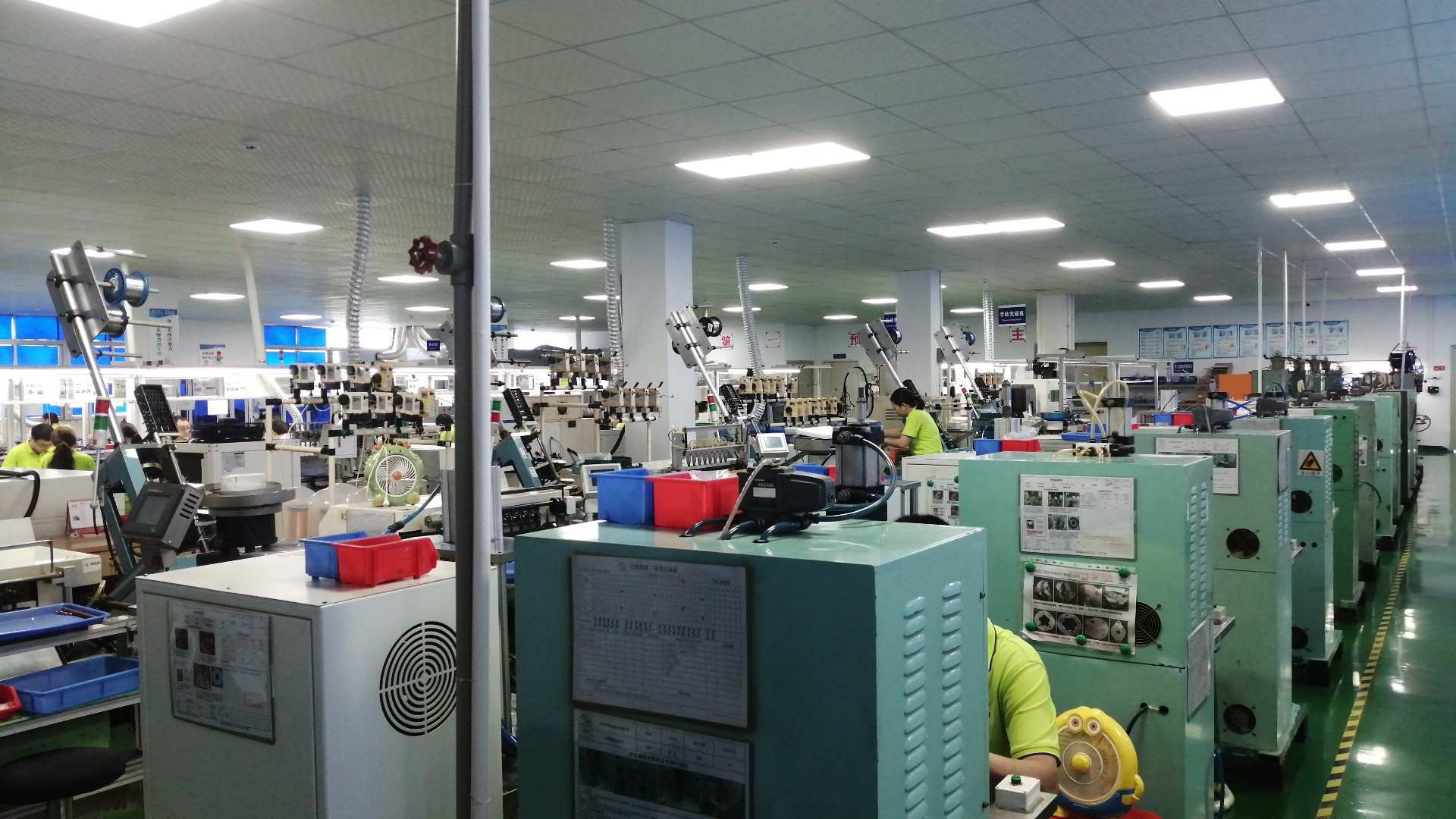
How Axon Motor combines automated high-speed winding, precision magnet insertion, and advanced laboratory testing to serve clients globally.
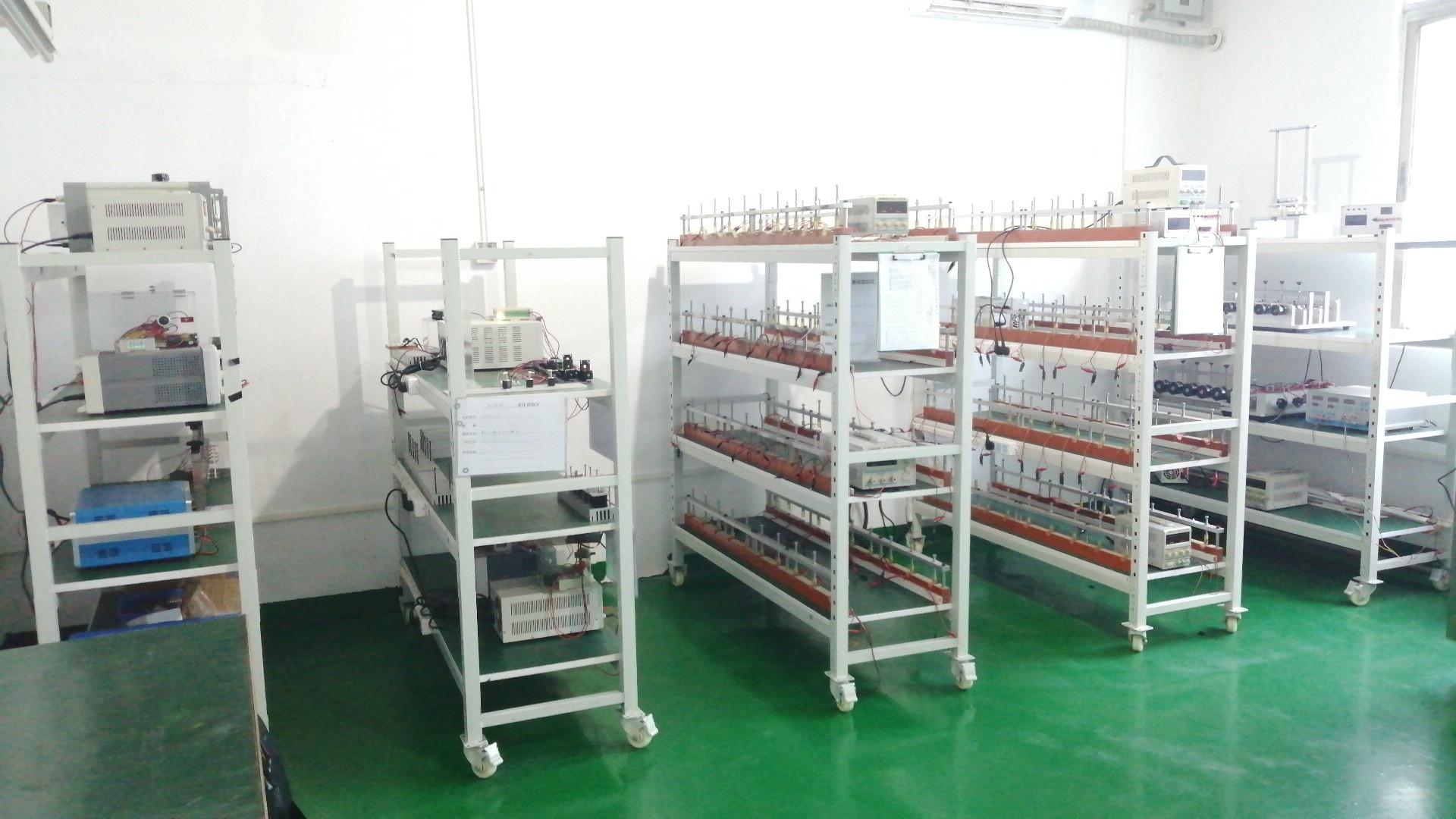
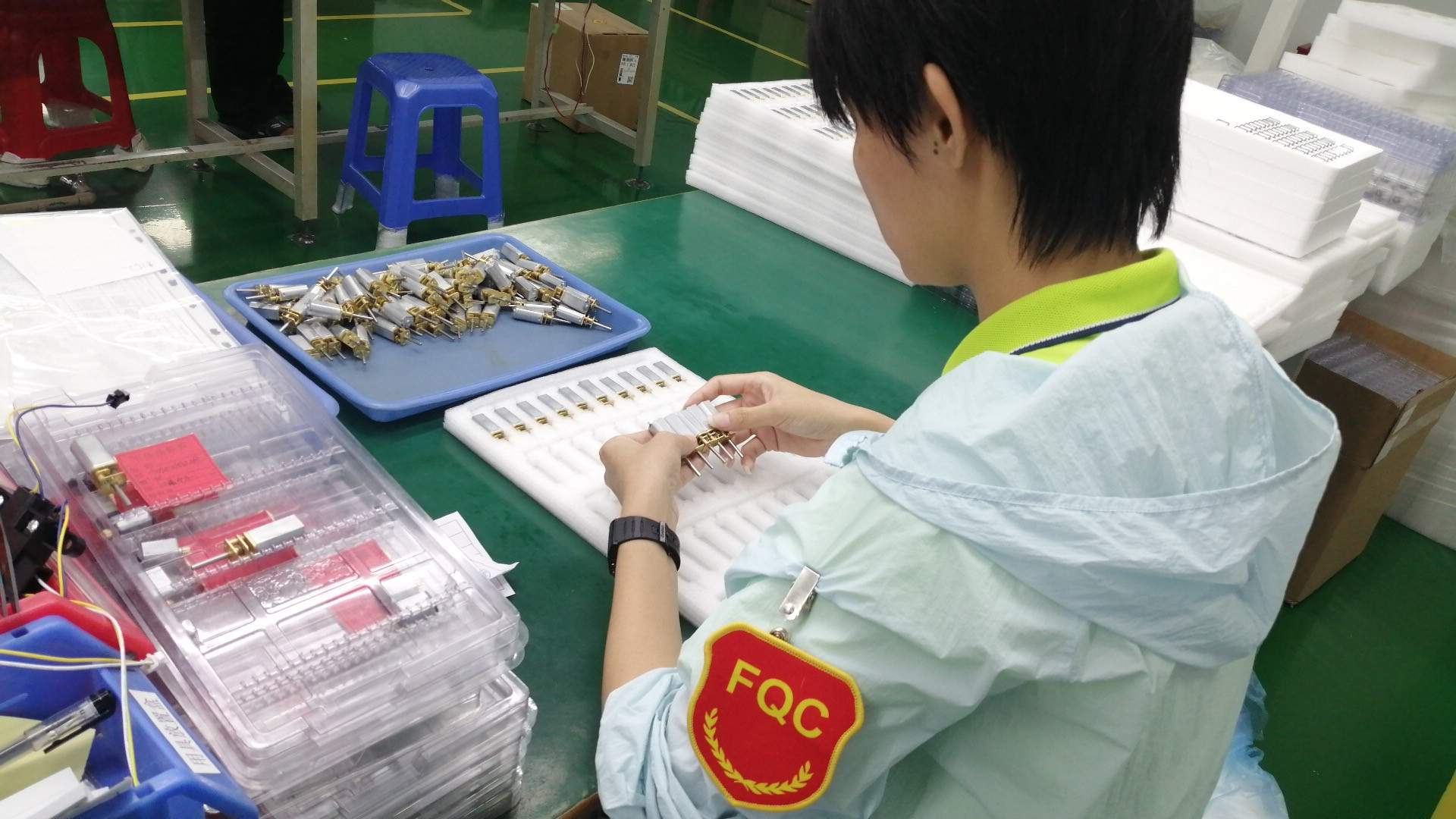
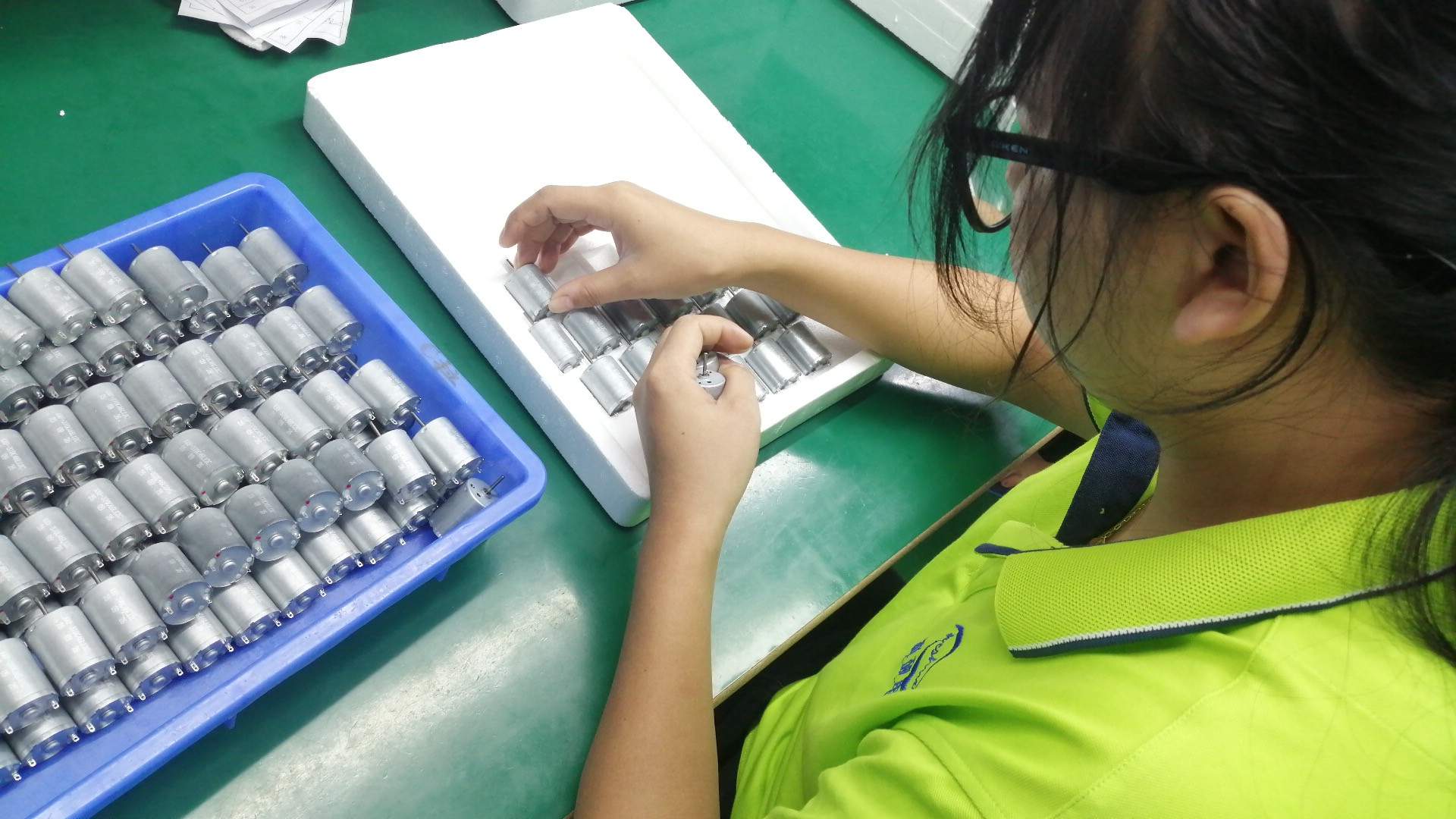
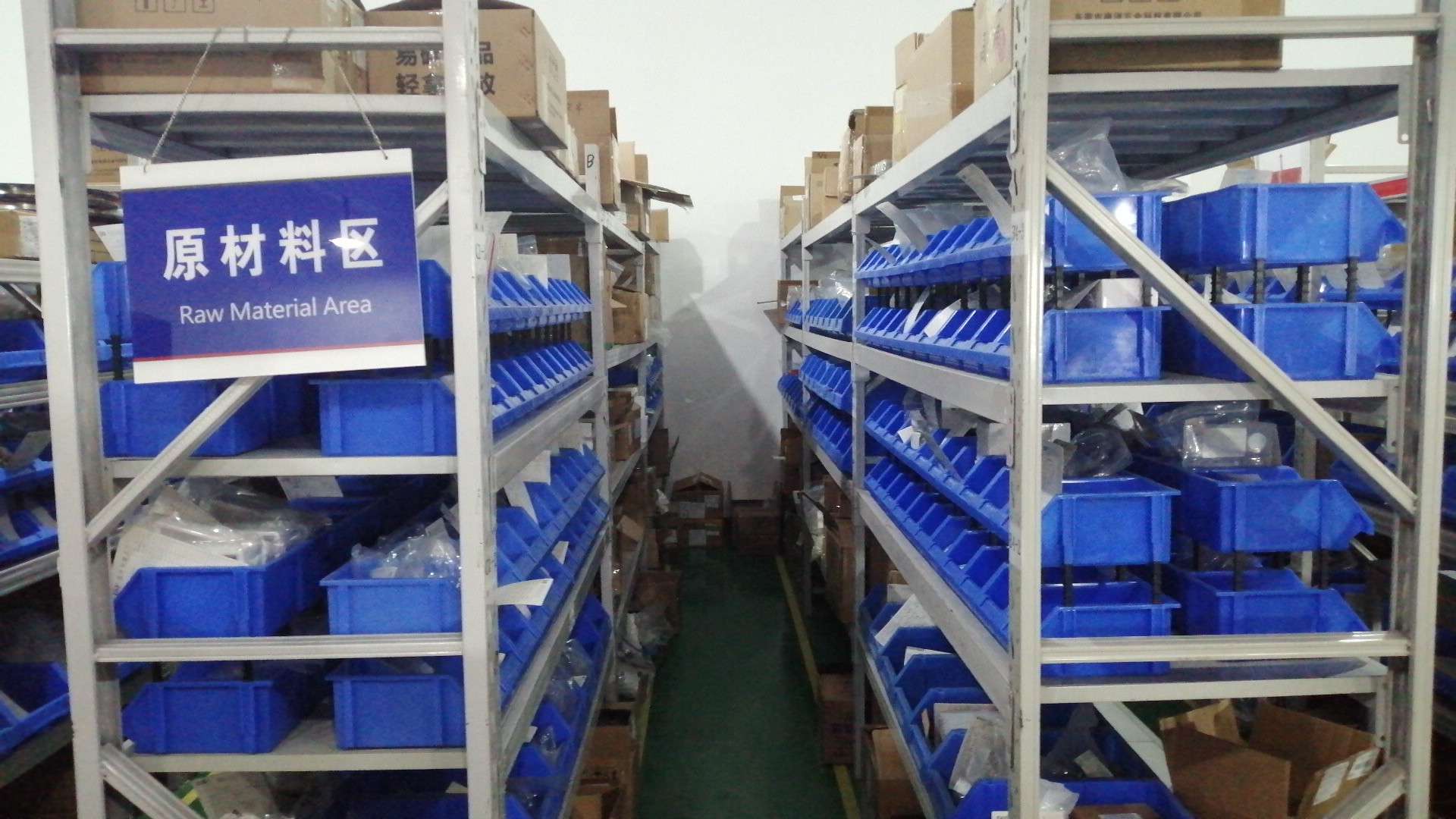
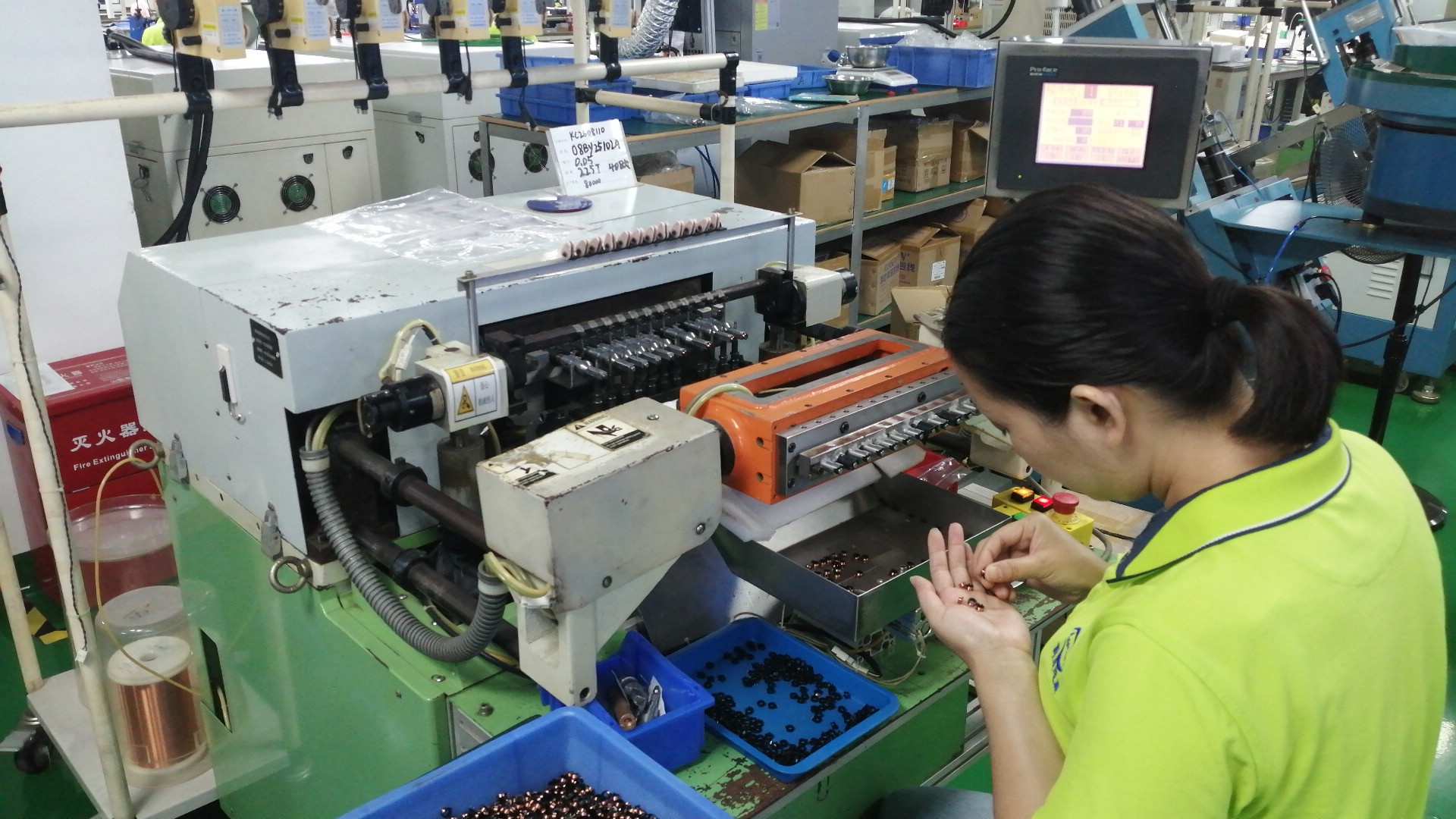
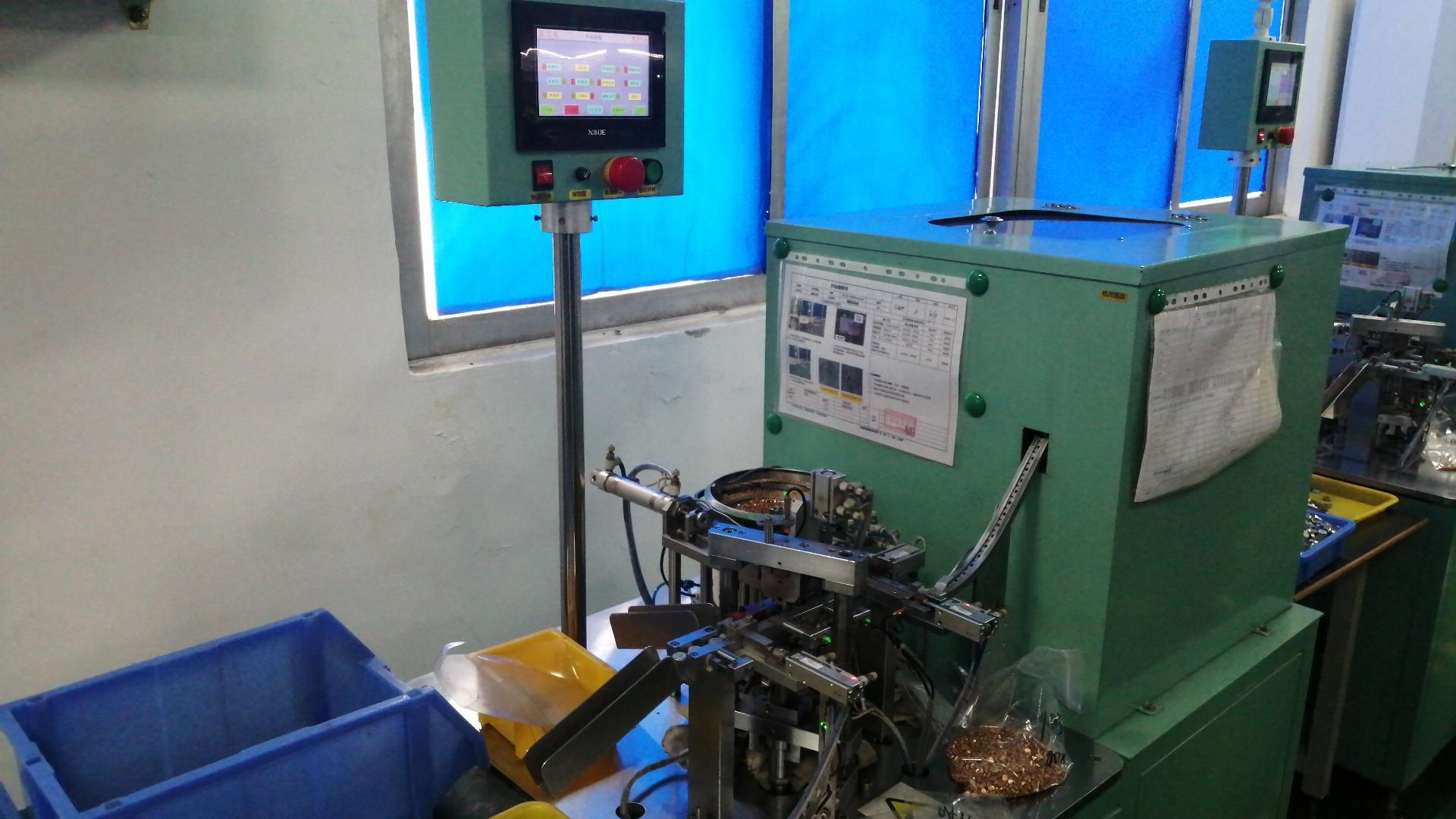
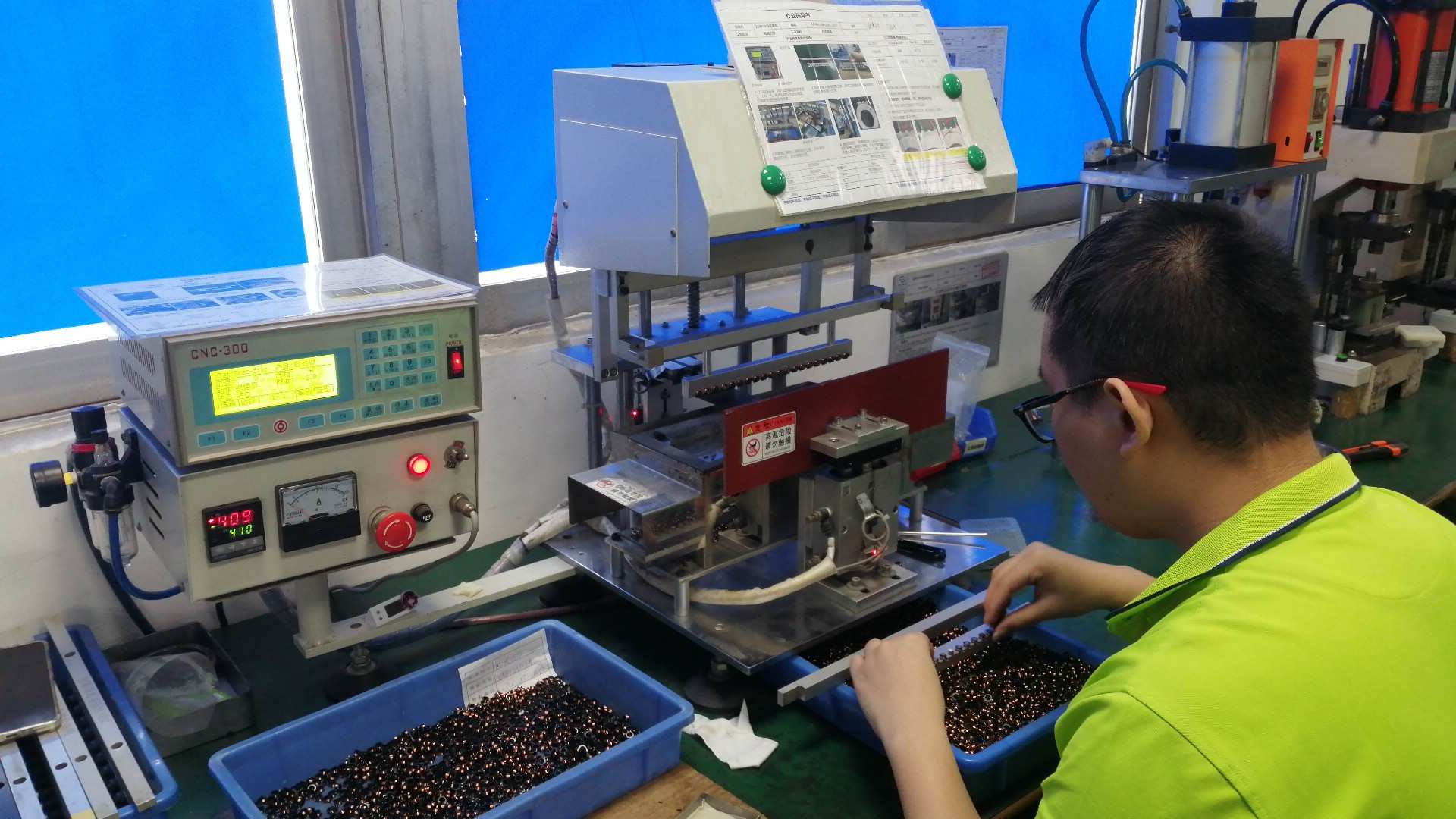
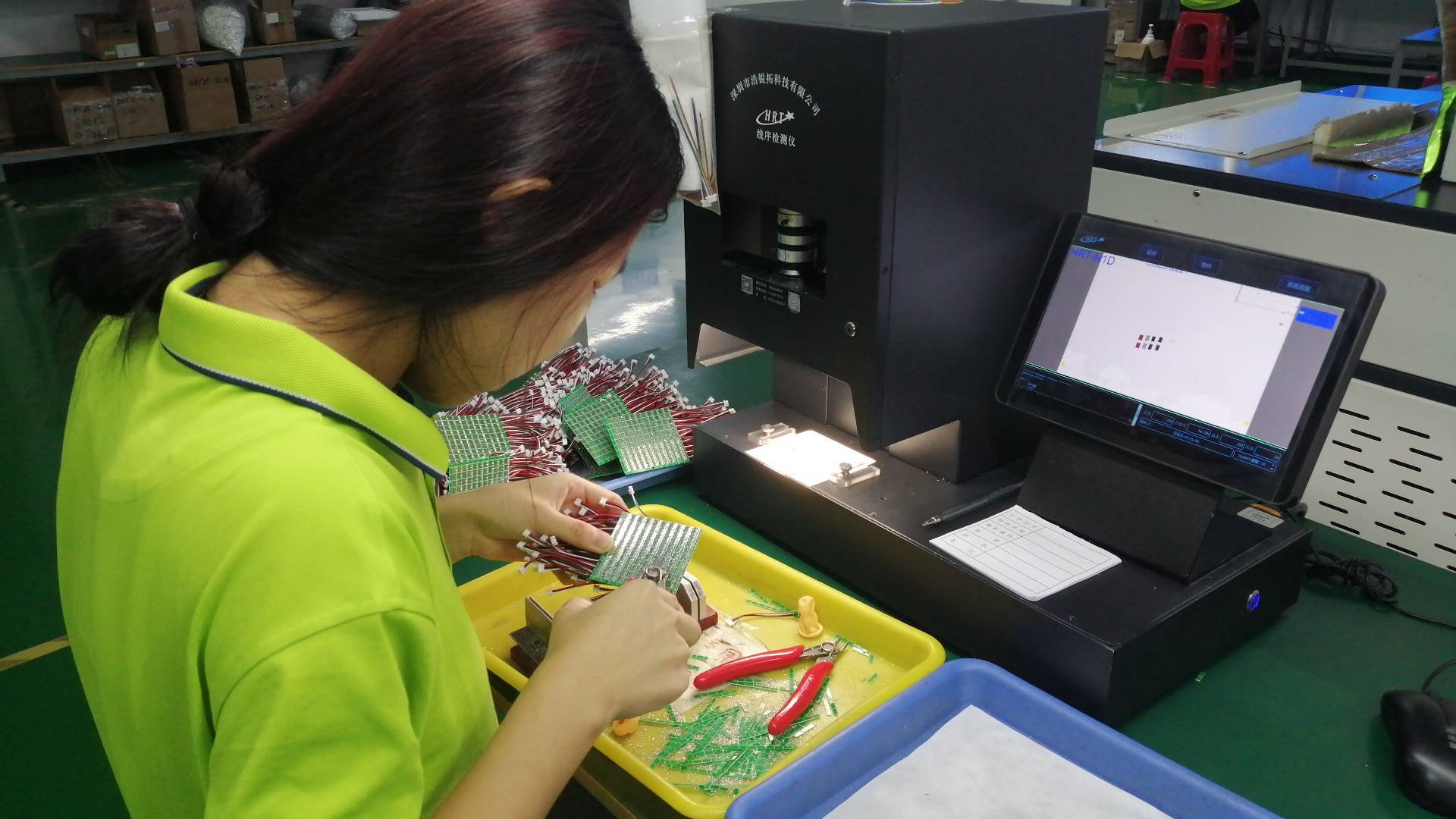
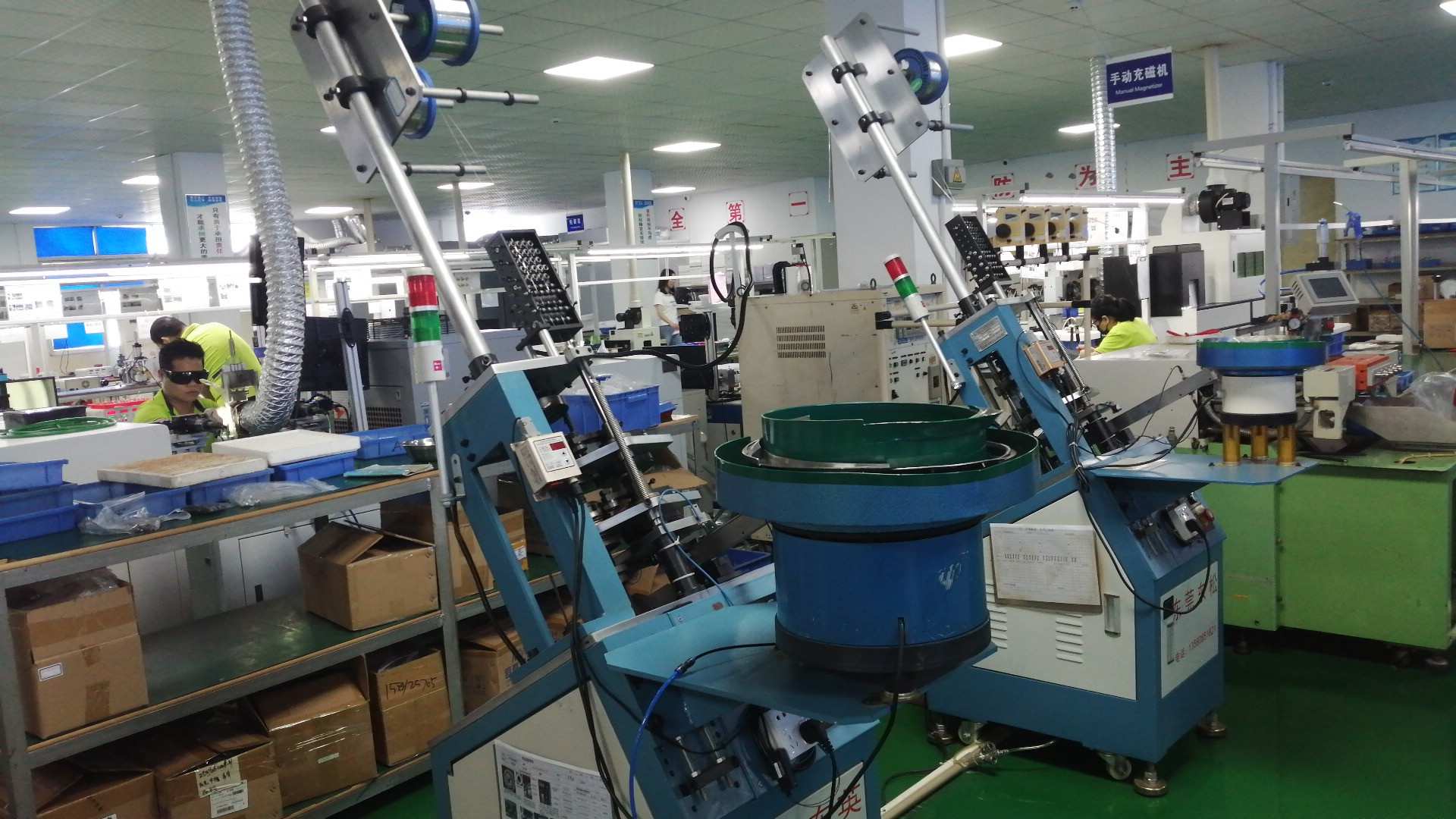
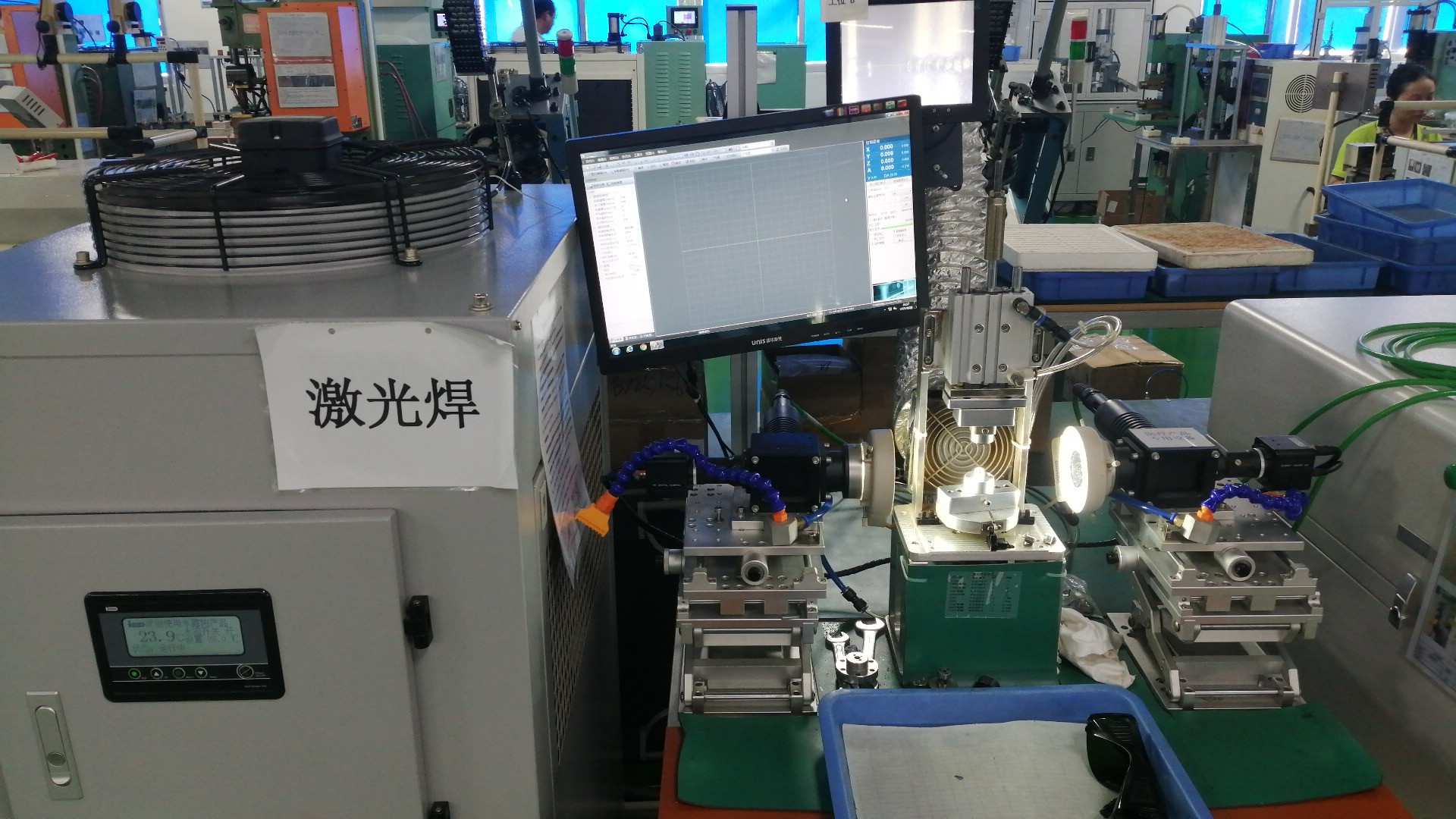
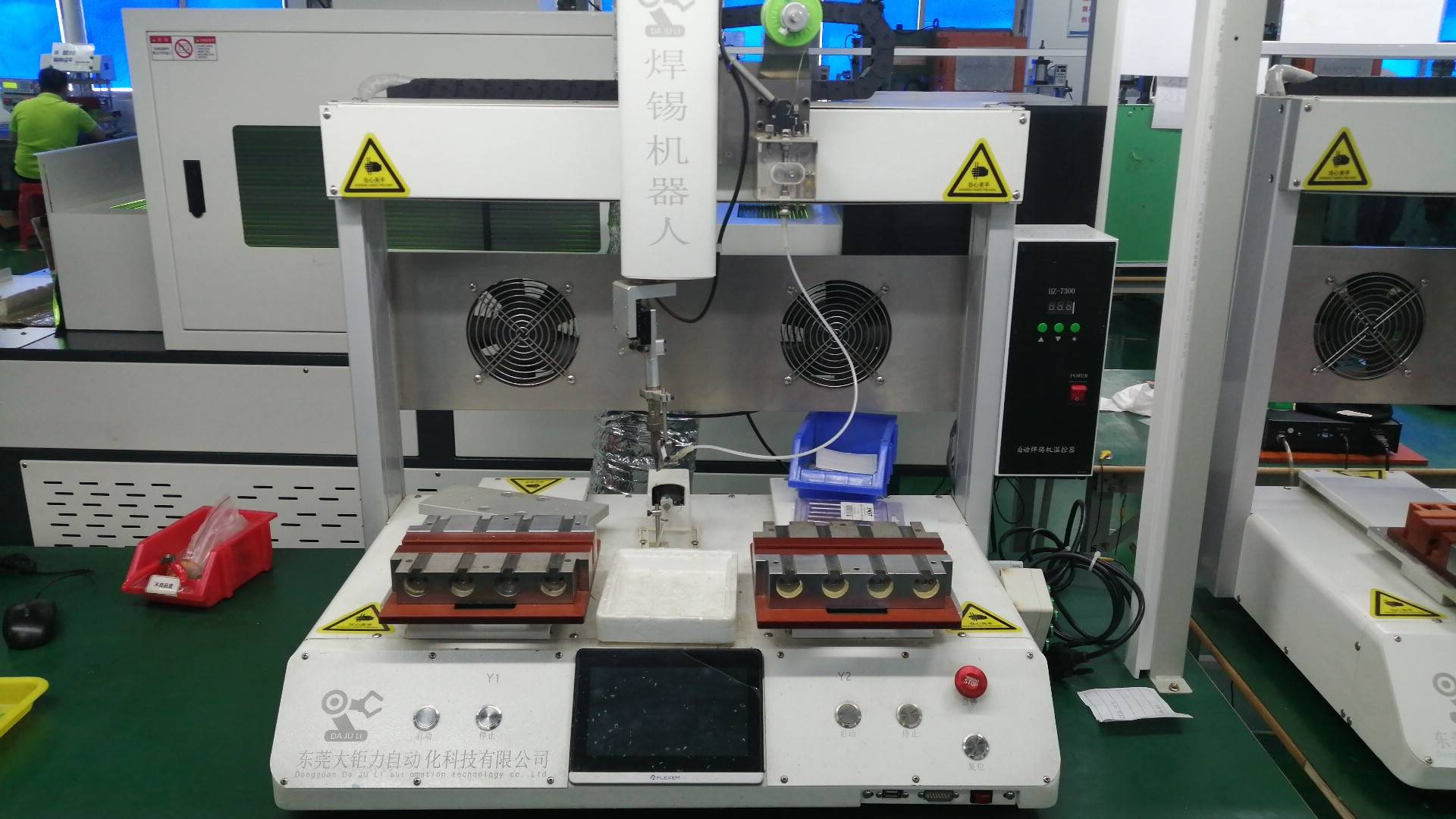
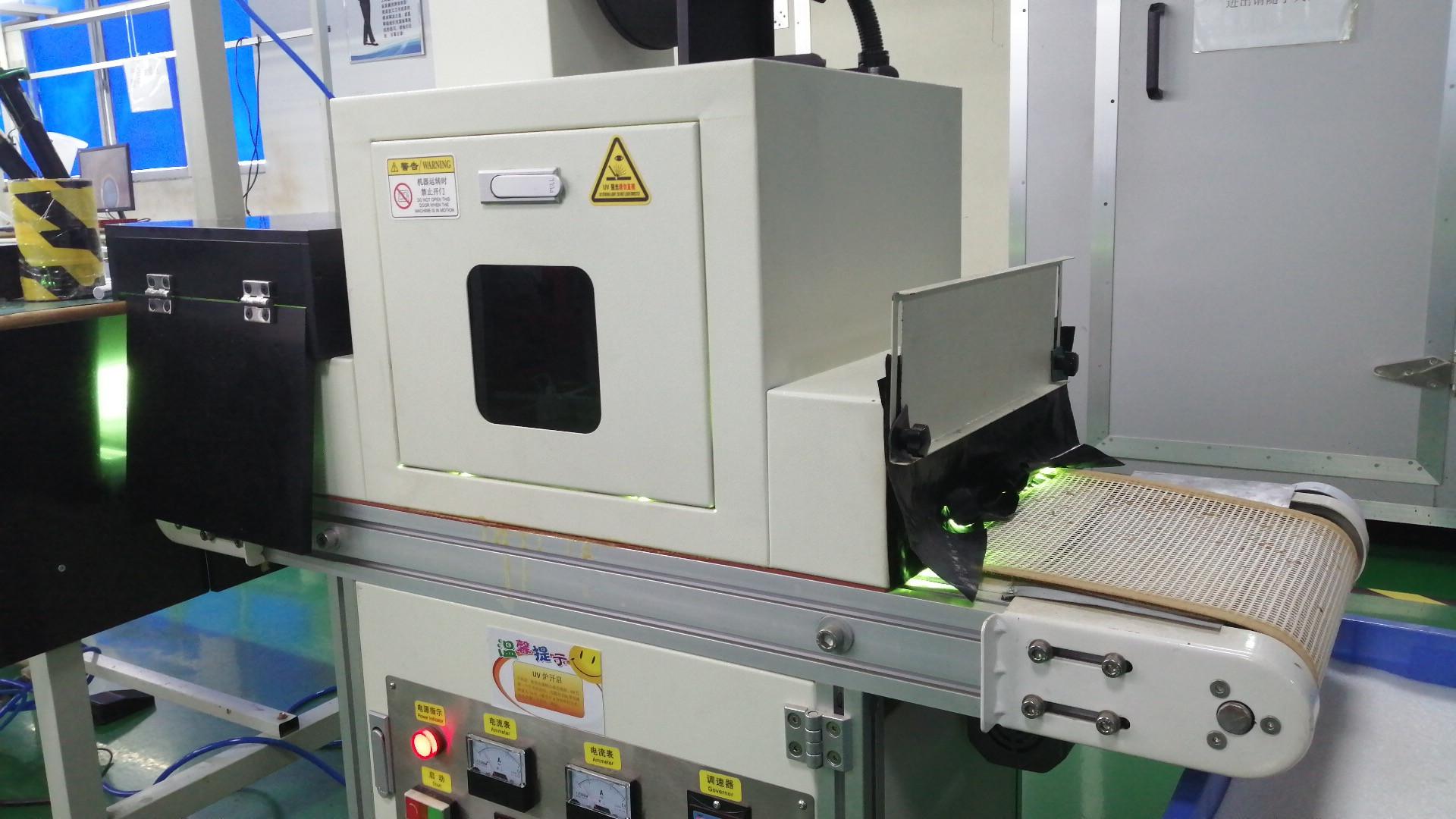
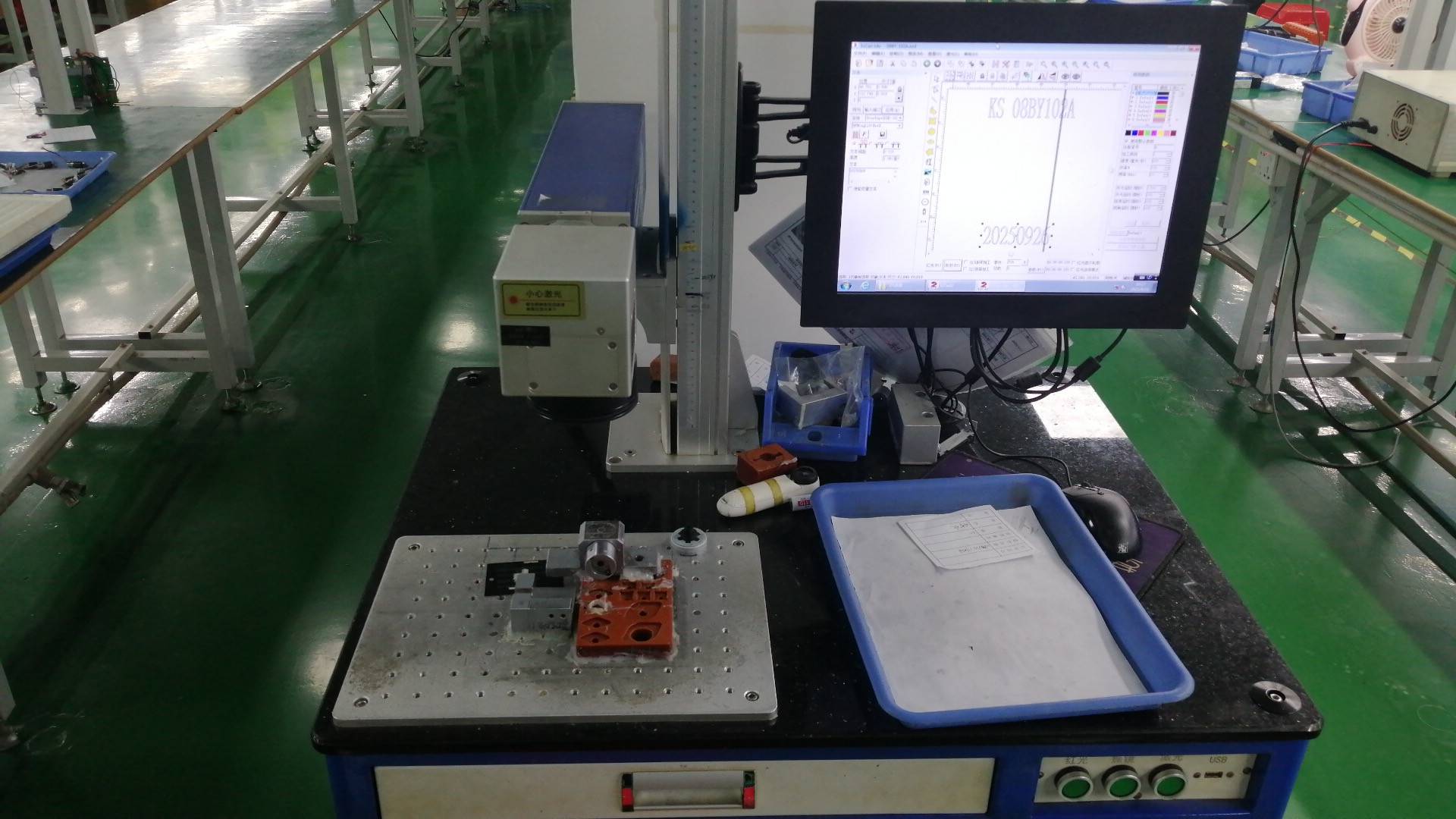
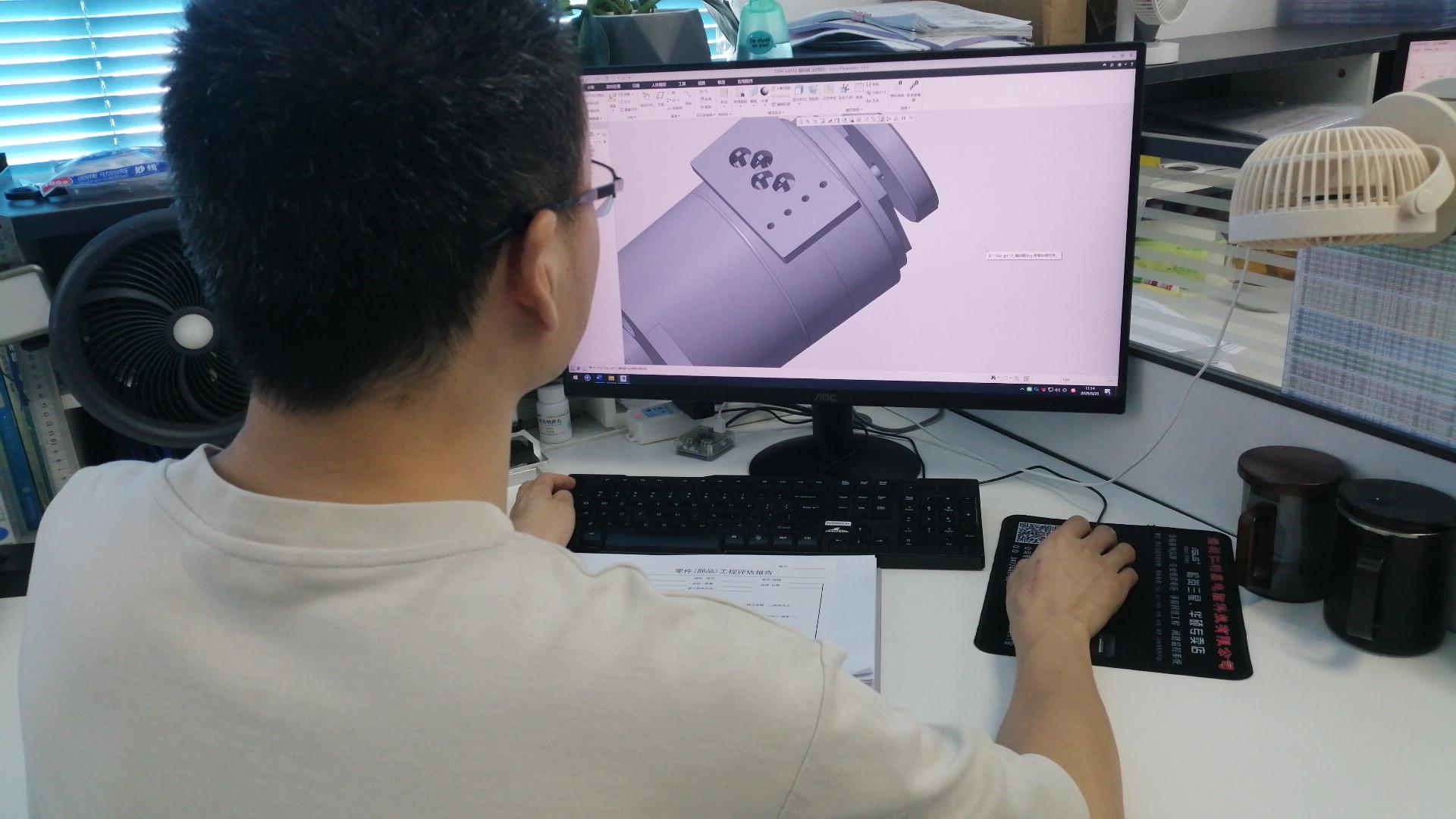
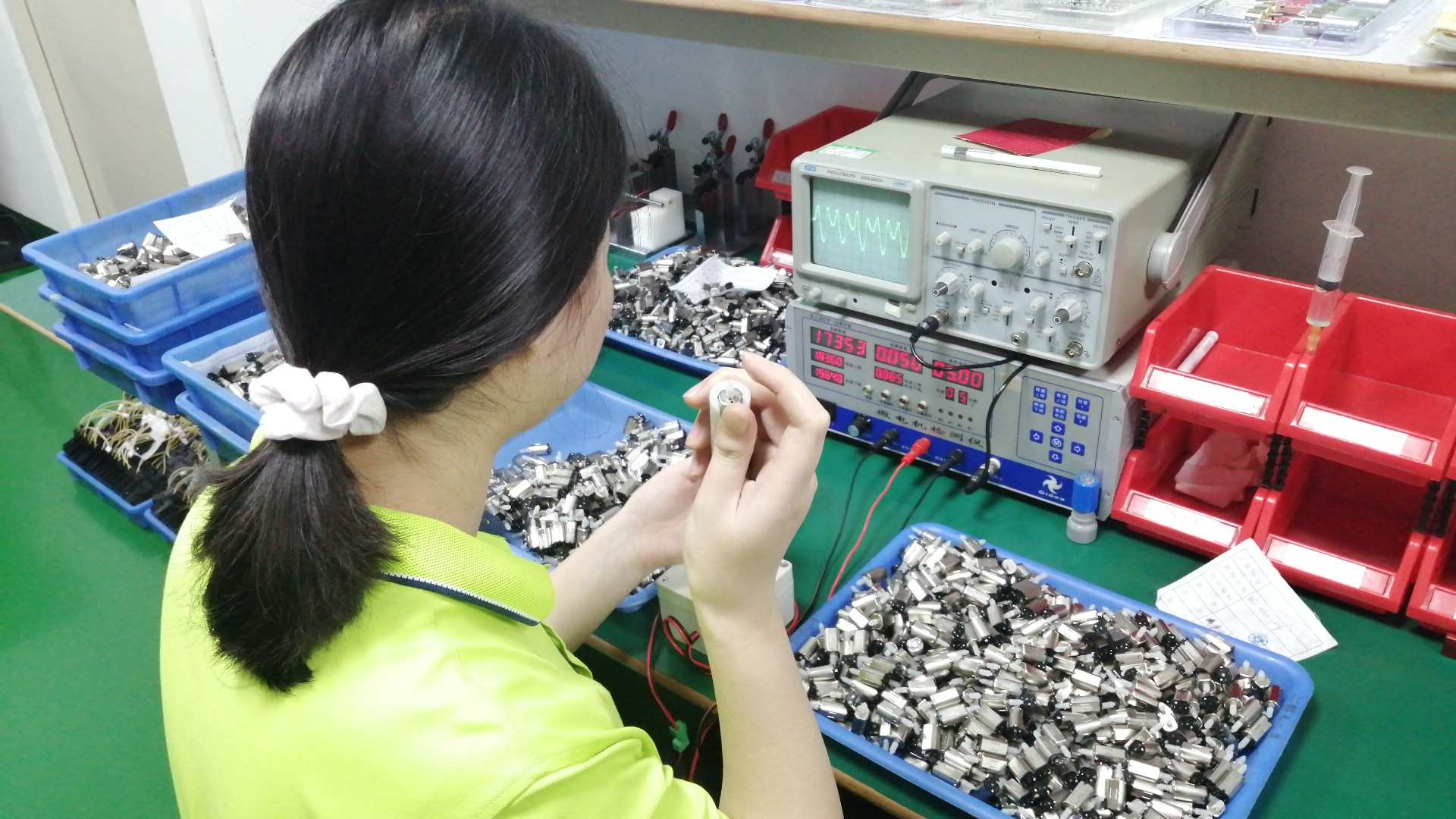
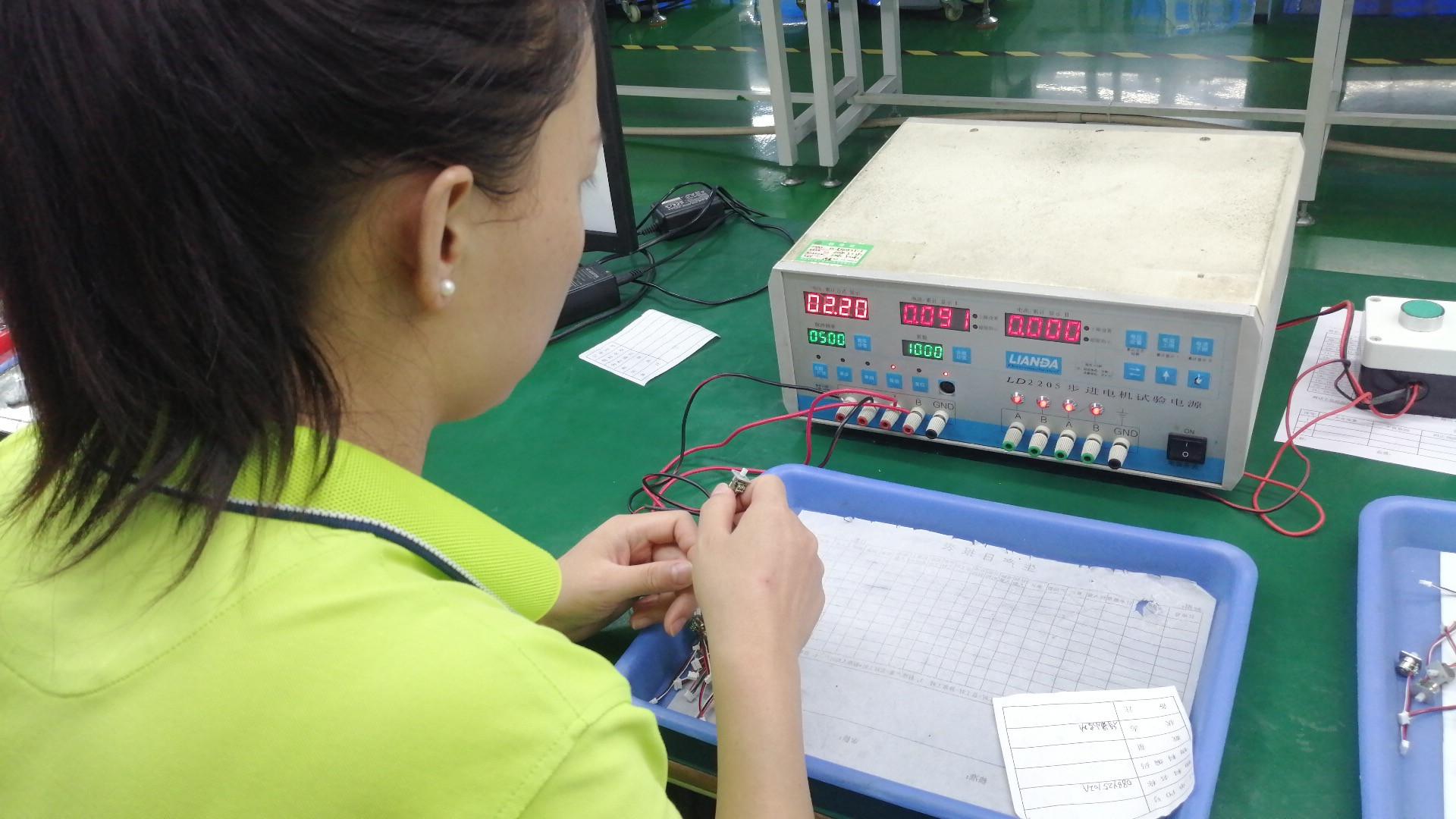
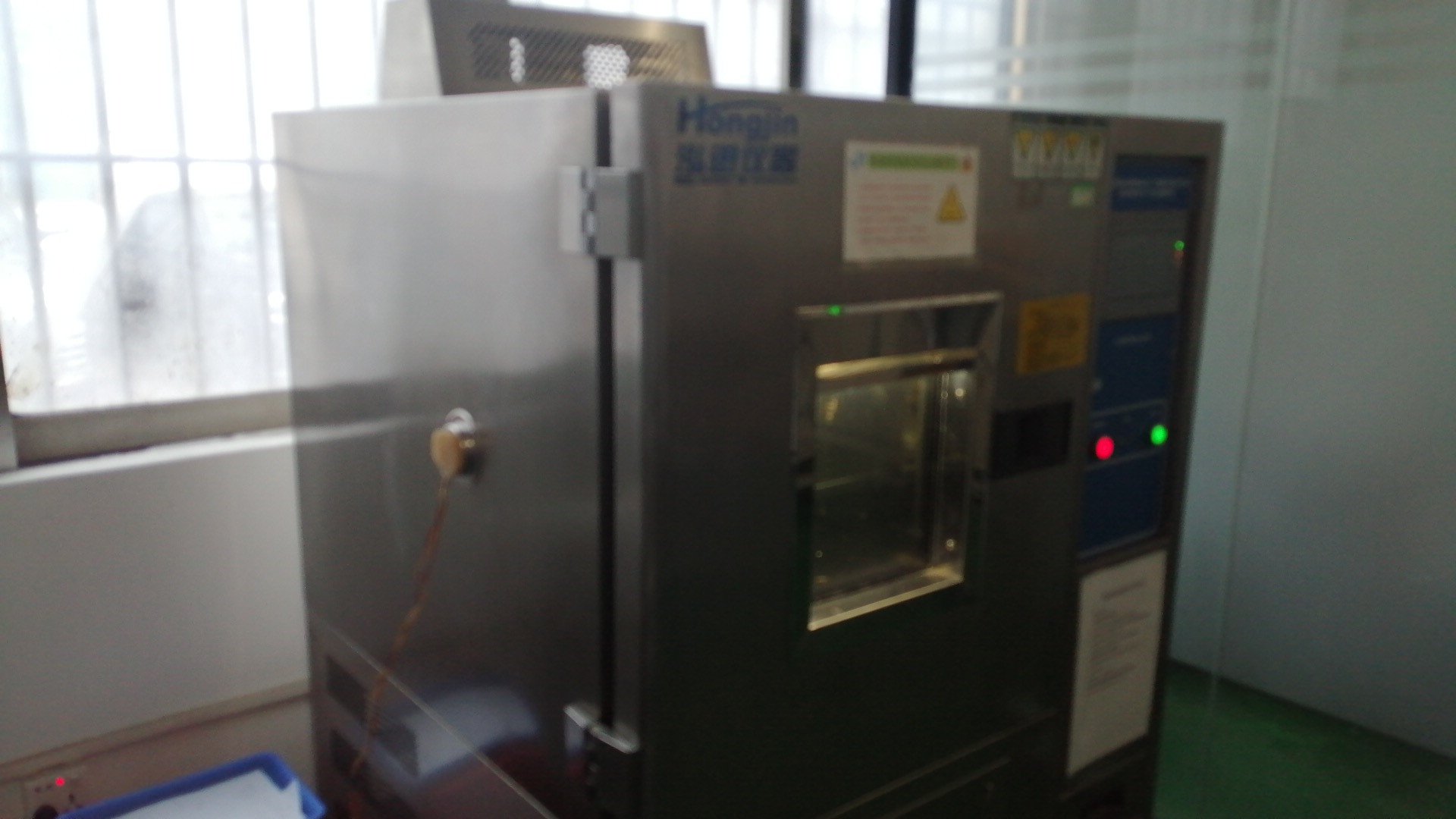
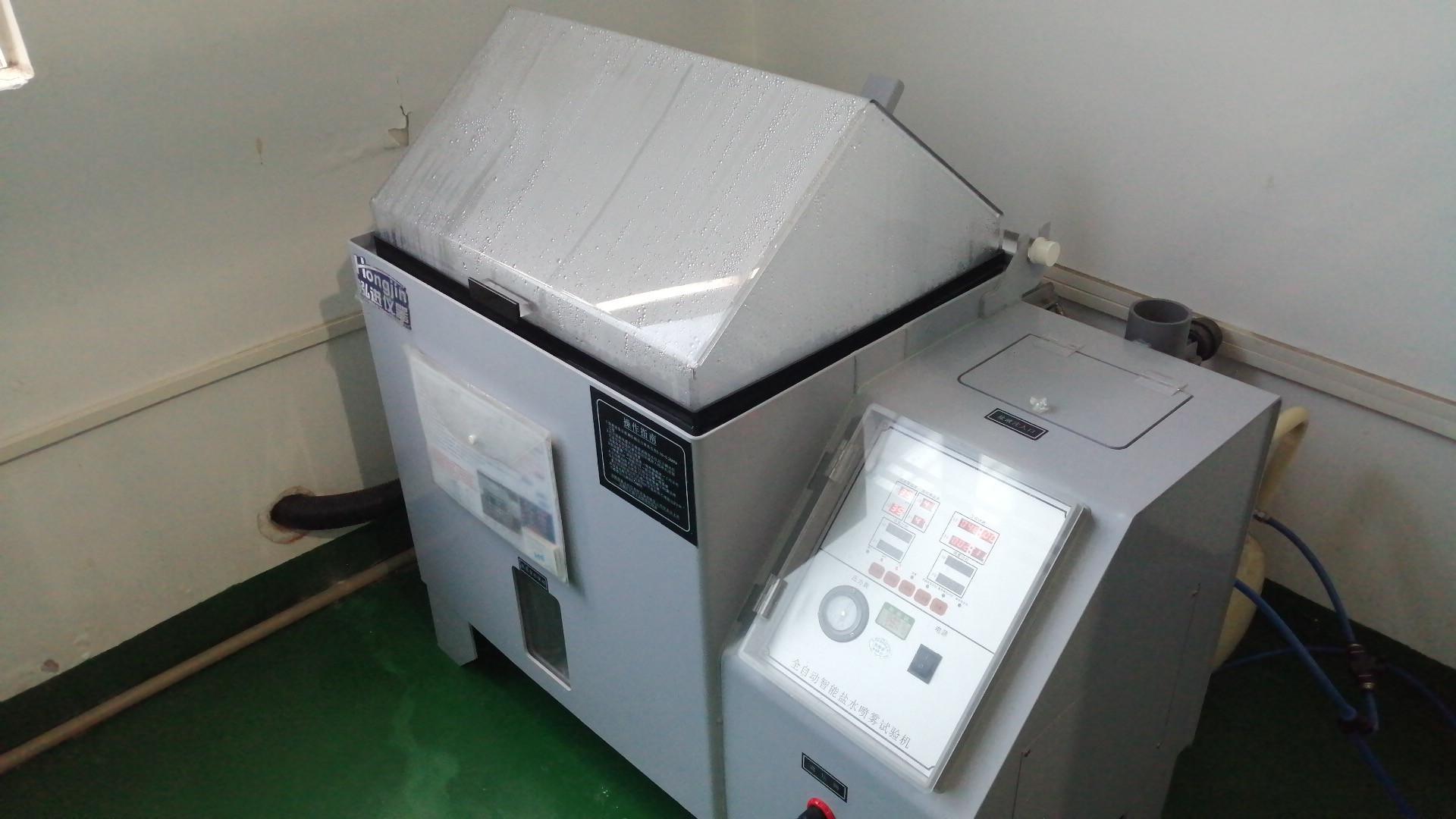
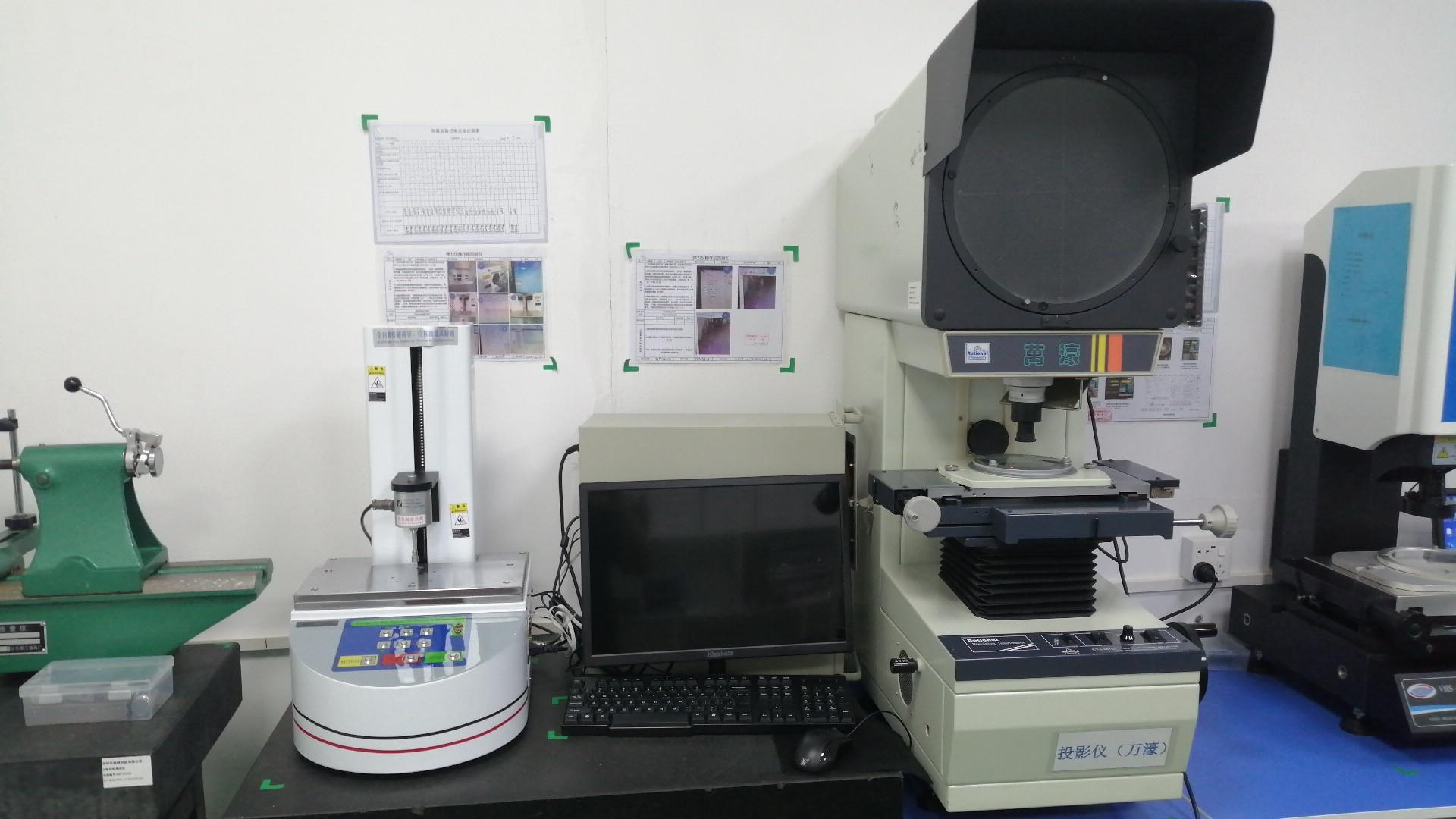
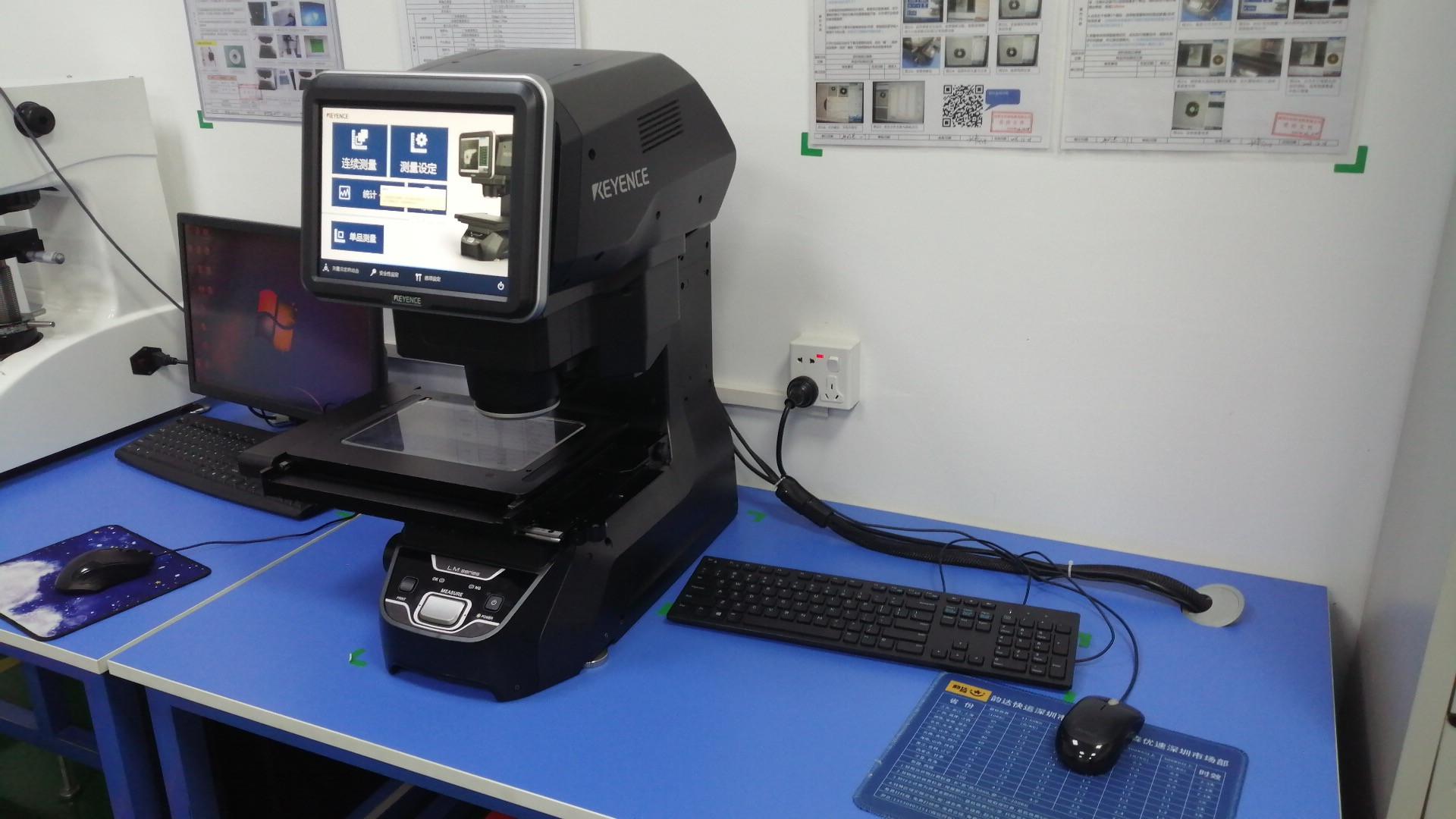
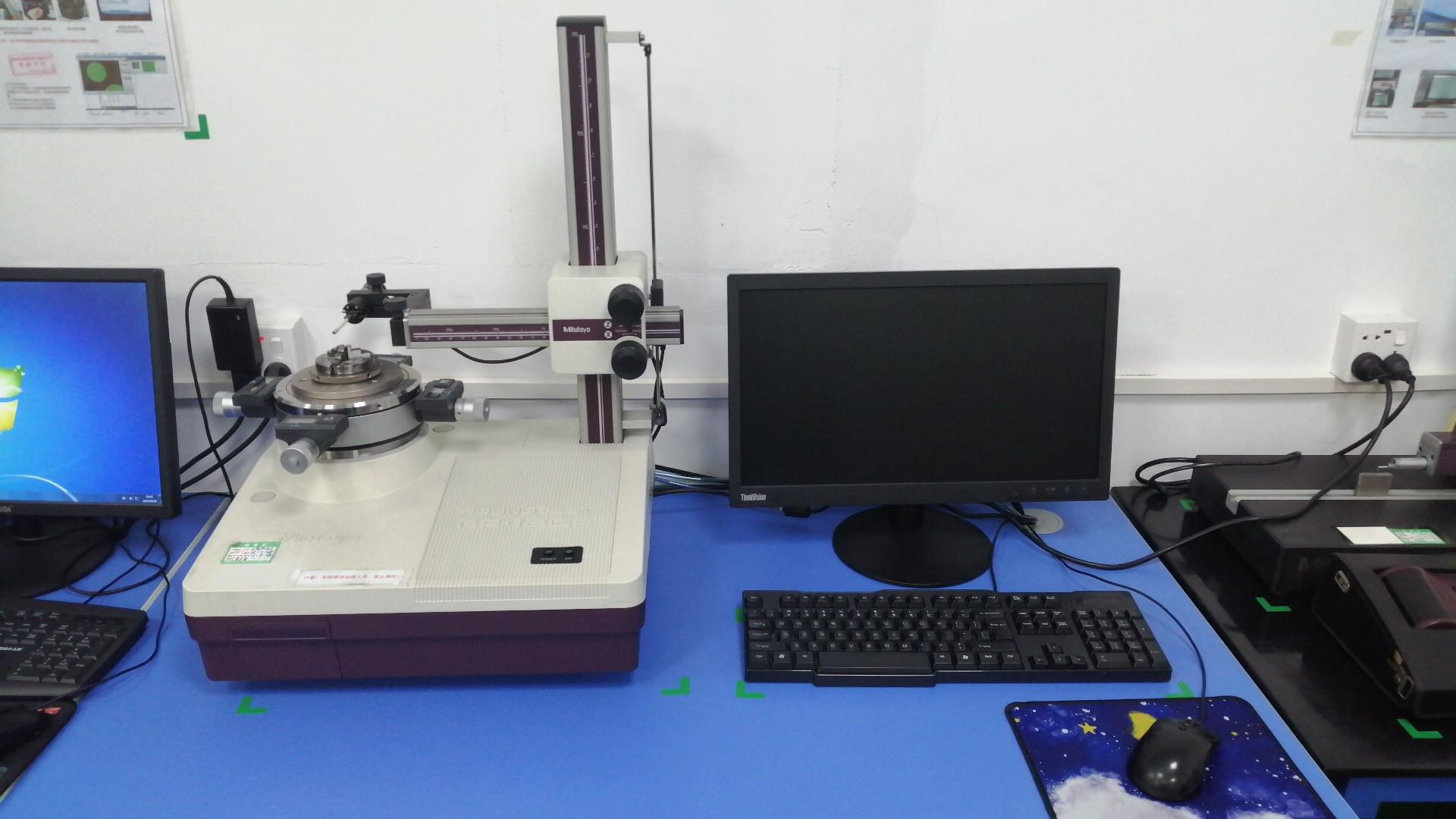
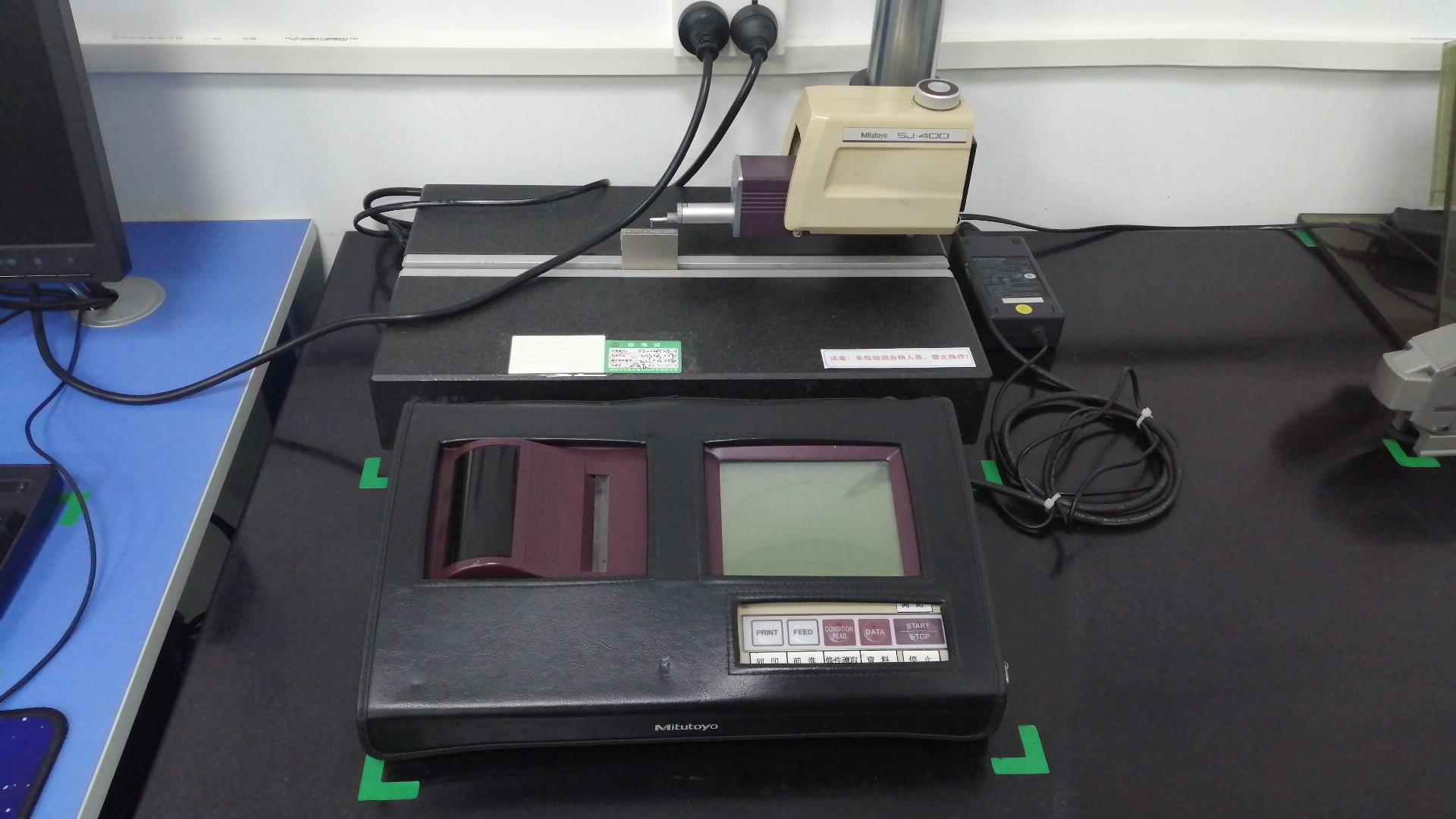
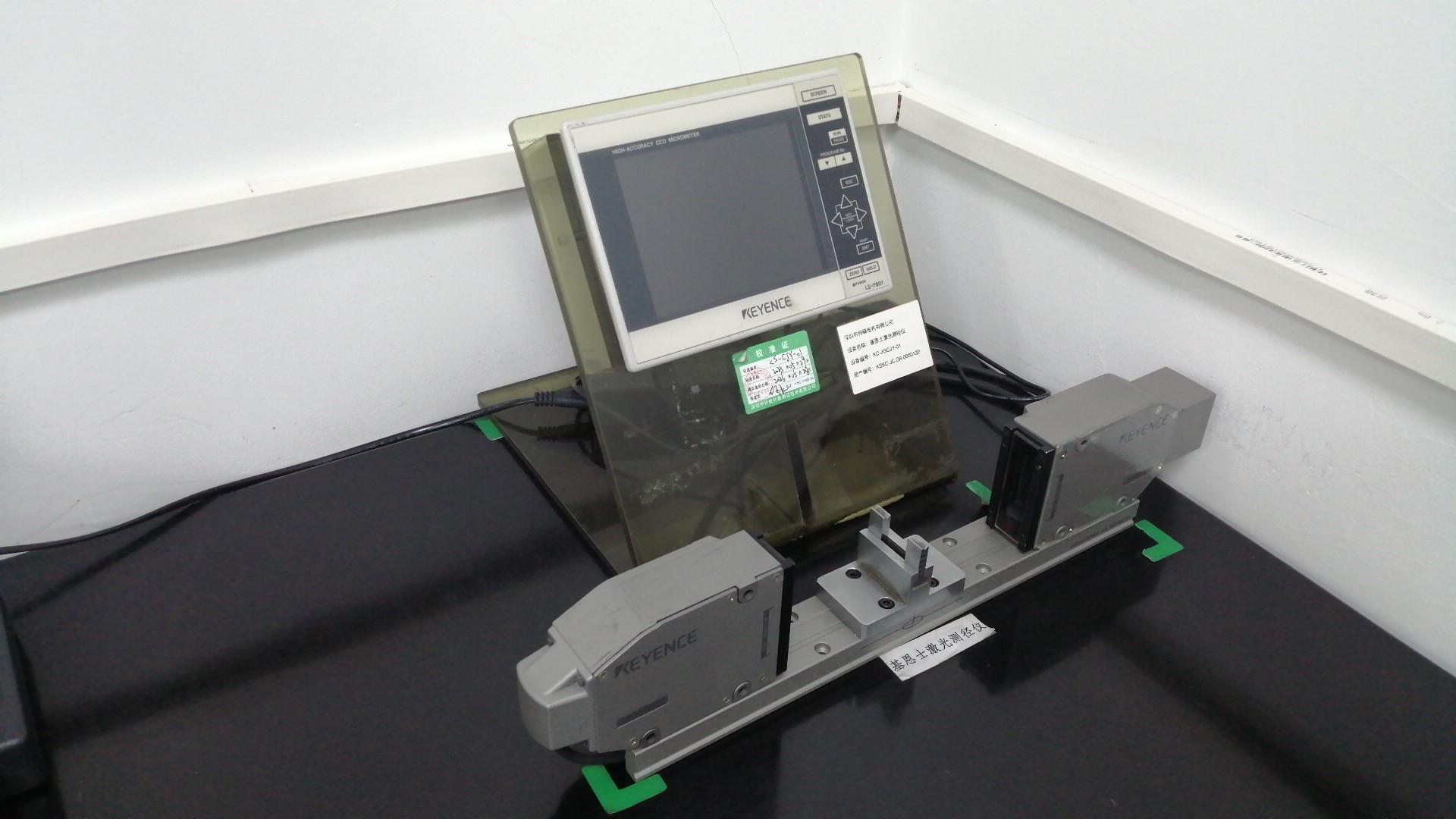
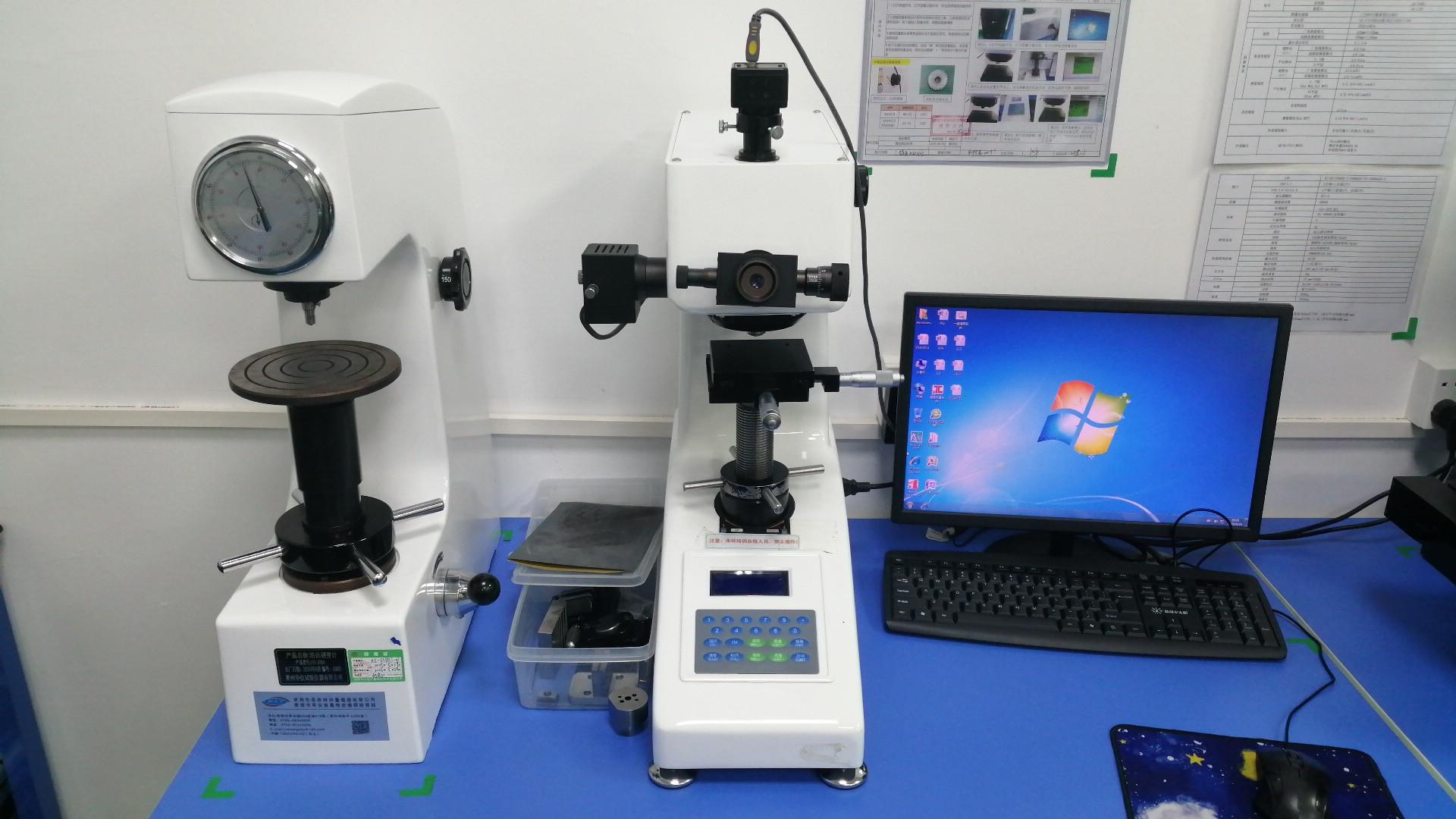
Providing customized shaft profiles, lead screw configurations, and dynamic coil designs for demanding applications.
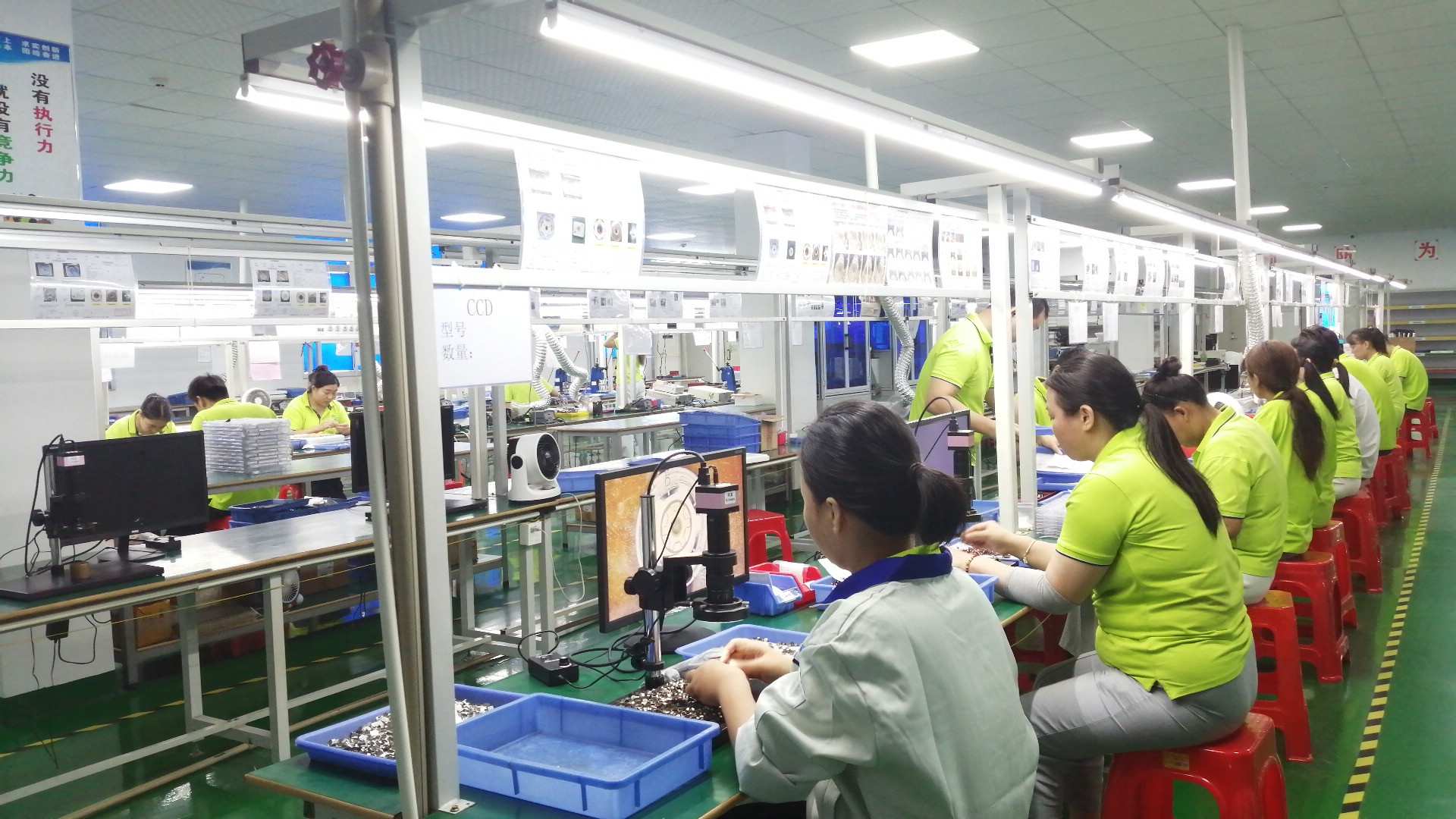
Standard motors do not always fit specialized mechanical dimensions. At Axon Motor, our R&D team develops custom solutions designed to address unique mechanical constraints. We cooperate with mechanical engineers across São Tomé and Príncipe to configure motors that withstand environmental variables:
By choosing us as your development partner, you gain access to decades of engineering experience. We offer support from the early design and prototyping stages through to high-volume manufacturing, helping you optimize performance and control cost.
Frequently asked questions concerning mechanical specifications, driver interfaces, and international shipping options.
Hybrid stepper motors combine elements of both permanent magnet (PM) and variable reluctance (VR) designs. The rotor features a permanent magnet with toothed outer poles, while the stator is wound to create electromagnetic poles. This design enables smaller step angles (typically 1.8° or 0.9°), higher holding torque, and high dynamic response compared to other stepper types.
Bipolar motors feature a single winding per phase and require an H-bridge driver. They utilize the entire winding copper volume, providing up to 40% more torque than unipolar configurations of equivalent size. Unipolar motors use center-tapped windings, simplifying driver circuitry, but they offer lower torque efficiency. For space-constrained or high-efficiency applications, bipolar models are generally preferred.
We employ multiple protective measures for humid environments: we treat shafts with anti-corrosion oils, use dual-shielded stainless steel ball bearings, and seal windings with insulating varnishes. For high-humidity applications, we can customize motors up to IP65 ratings with specialized seals, custom gaskets, and corrosion-resistant end-caps.
Microstepping divides a standard step angle (e.g., 1.8°) into smaller microsteps by modulating the phase currents in a sinusoidal pattern. This reduces mechanical resonance, smooths motion at low speeds, and minimizes audible noise. However, incremental torque per microstep decreases as the microstepping resolution increases, so it should be used in conjunction with appropriate mechanical safety margins.
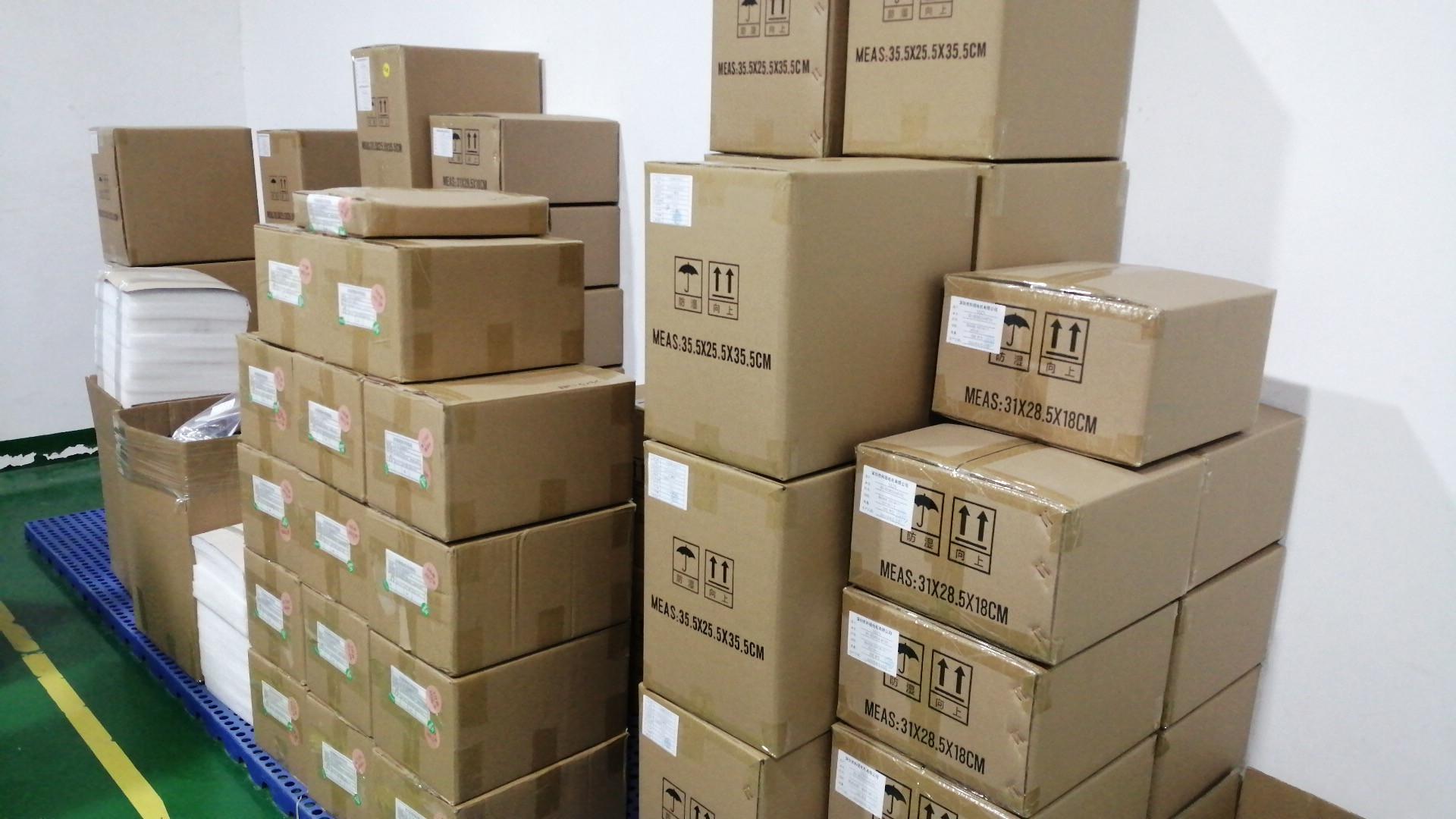
We coordinate logistics through sea freight routes to the Port of São Tomé, or air freight to São Tomé International Airport (TMS). Sea freight shipments typically arrive in 35-50 days depending on shipping lanes, while air express deliveries arrive in 7-12 business days. We provide comprehensive export documentation, including Certificate of Origin, packing lists, and commercial invoices, to facilitate customs processing.
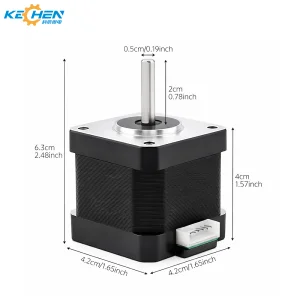
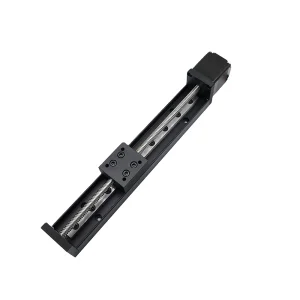
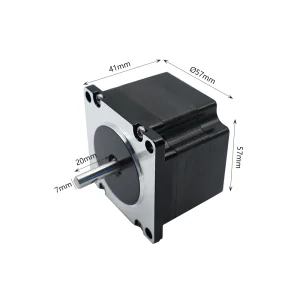
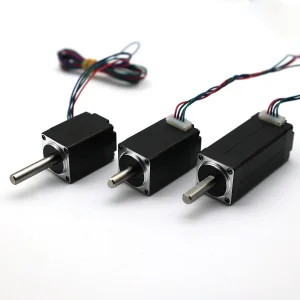
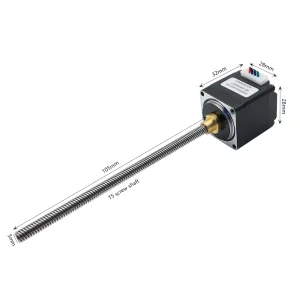
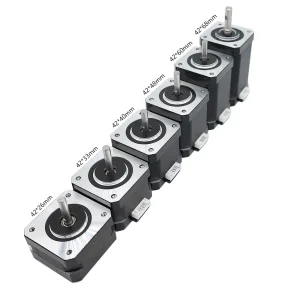
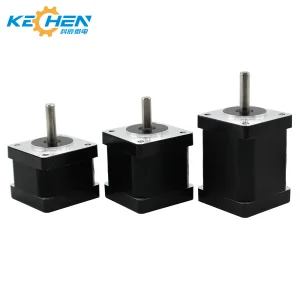
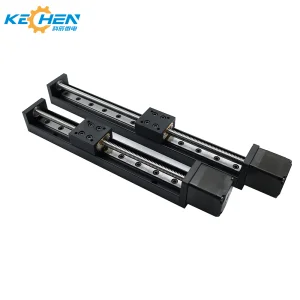
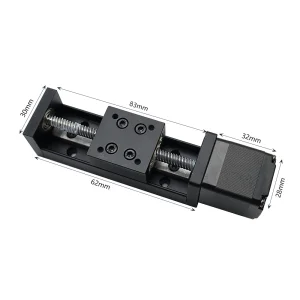
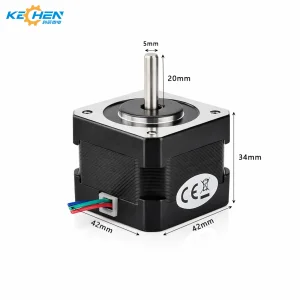
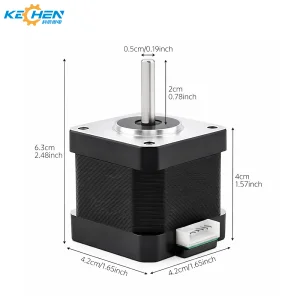
Our complete range of hybrid stepper motors and integrated linear actuators, featuring various torque ratings, step angles, and custom shaft profiles.
 Axon Motor