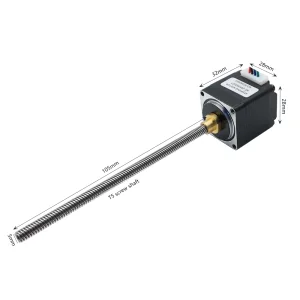
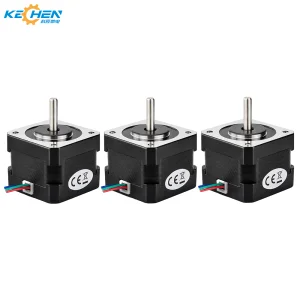
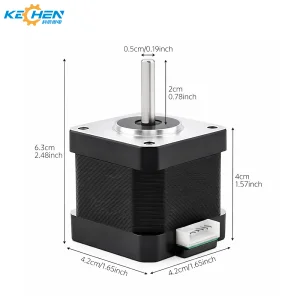
Highly configured hybrid stepper assemblies designed for precision applications including medical hardware, laser CNC machinery, and high-performance additive manufacturing systems.
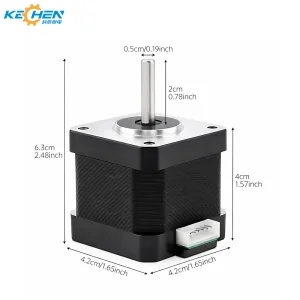
Under the transformative banner of Saudi Vision 2030, Riyadh is rapidly converting its economic backbone from carbon reliance to advanced, knowledge-driven manufacturing. Led by initiatives such as the National Industrial Development and Logistics Program (NIDLP), the city is establishing massive tech zones, including Sudair Industrial City and Modon's industrial hubs, which prioritize smart automation, high-performance additive fabrication, and advanced robotics.
This massive logistical and industrial push relies heavily on precision motion systems. Hybrid Stepper Motors, combining the speed characteristics of permanent magnet designs with the precision positioning capabilities of variable reluctance architecture, represent a crucial cog in this modernization. As local factories migrate towards Industry 4.0 standards, importing reliable, highly-calibrated micro-drives has evolved from a luxury into a business-critical requirement.
Riyadh's industrial sectors feature distinct environmental challenges. Dust exposure, ambient temperatures rising up to 50°C in peak summer, and fluctuating humidity levels demand electromagnetic hardware with superior engineering tolerance. To combat this, modern hybrid stepper systems require:
At Axon Motor, we believe that global innovation shouldn't be limited by size. For two decades, we have dedicated ourselves to a single, relentless pursuit: designing, engineering, and manufacturing high-performance micro-drive solutions that keep modern industries moving forward. Based in China, we operate a state-of-the-art, ISO9001-certified production facility specializing in Micro DC Motors, DC Gear Motors, and Brushless DC Motors (BLDC).
We understand that applications like smart home automation, medical devices, automotive electronics, and precision robotics demand uncompromised reliability. That is why every Axon Motor micro motor is built with an exceptional power-to-size ratio, ultra-low noise acoustics, and an extended operational lifespan, backed by strict 100% in-house quality control and international certifications (CE, RoHS, REACH).
We don’t just supply standard hardware; we act as a strategic R&D partner. With a robust engineering team holding multiple industry patents, Axon Motor thrives on solving complex mechanical challenges through flexible OEM/ODM custom solutions. From custom shaft configurations and custom voltage tuning to specialized bespoke gearheads, we turn your technical blueprints into high-volume, cost-effective reality.

A step-by-step glimpse into our fully trace-verified production line, where automation meets high-precision structural assembly to guarantee field longevity.
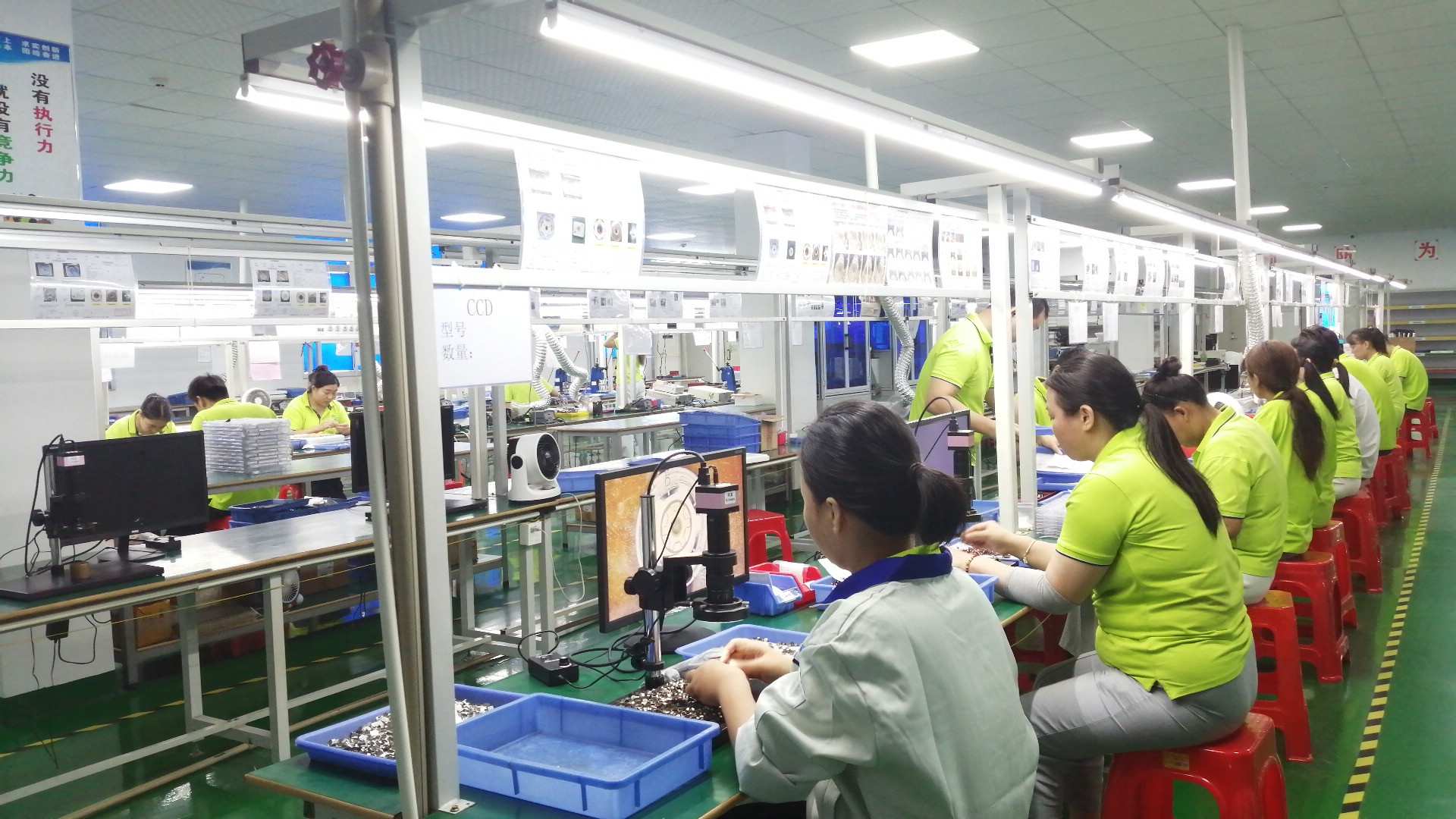 Production Hub
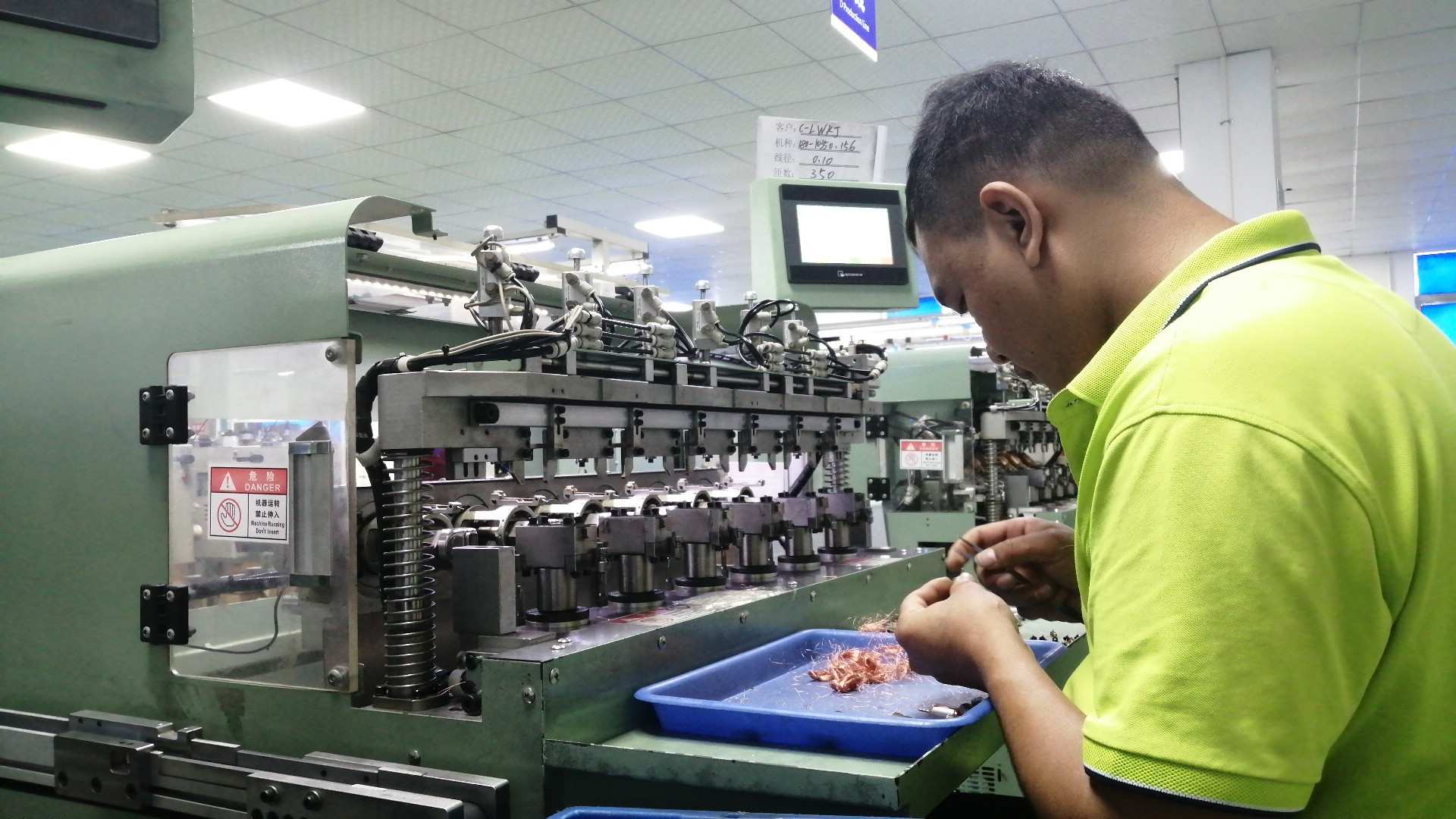 Stator Winding
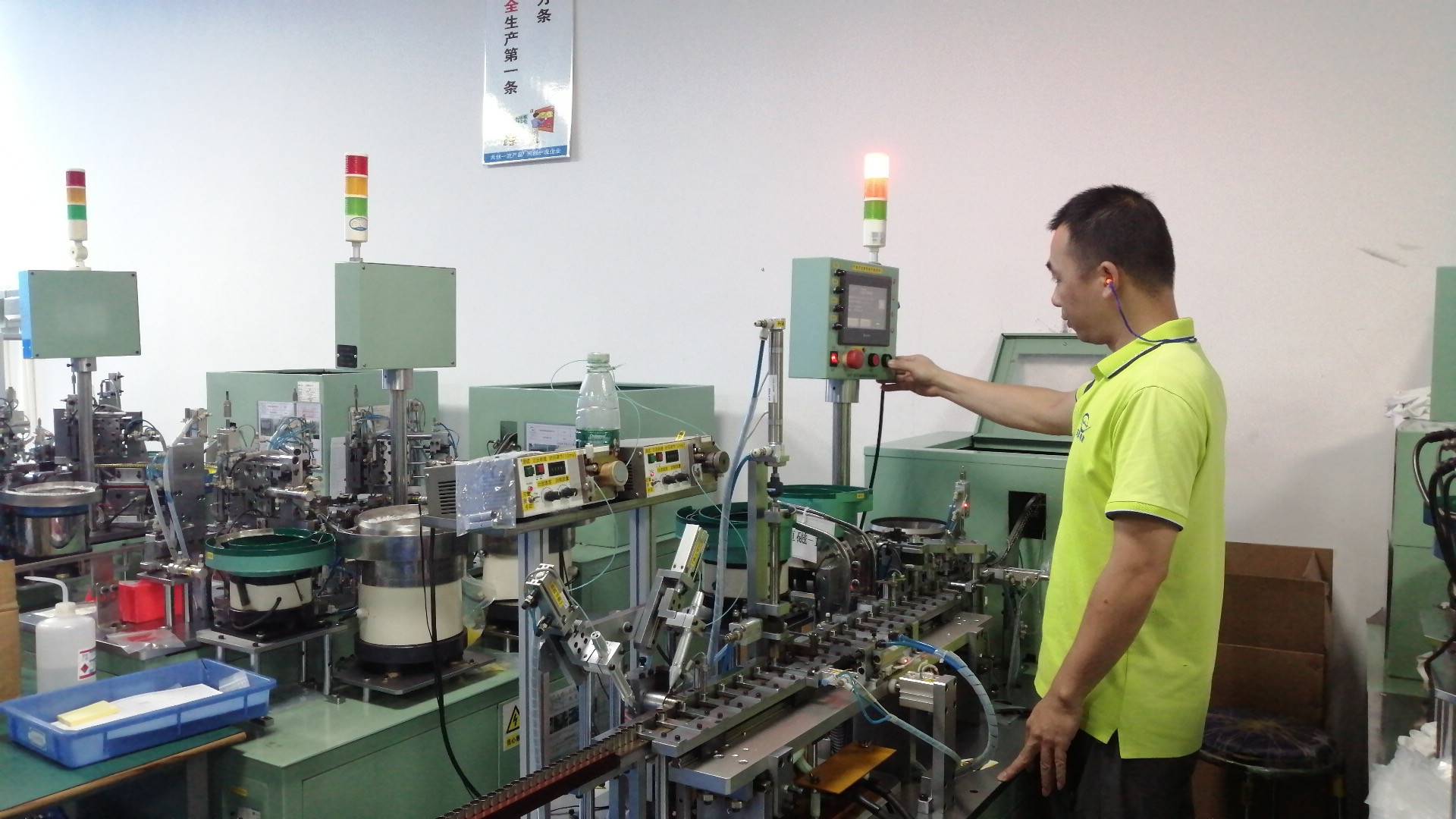 Magnet Assembly
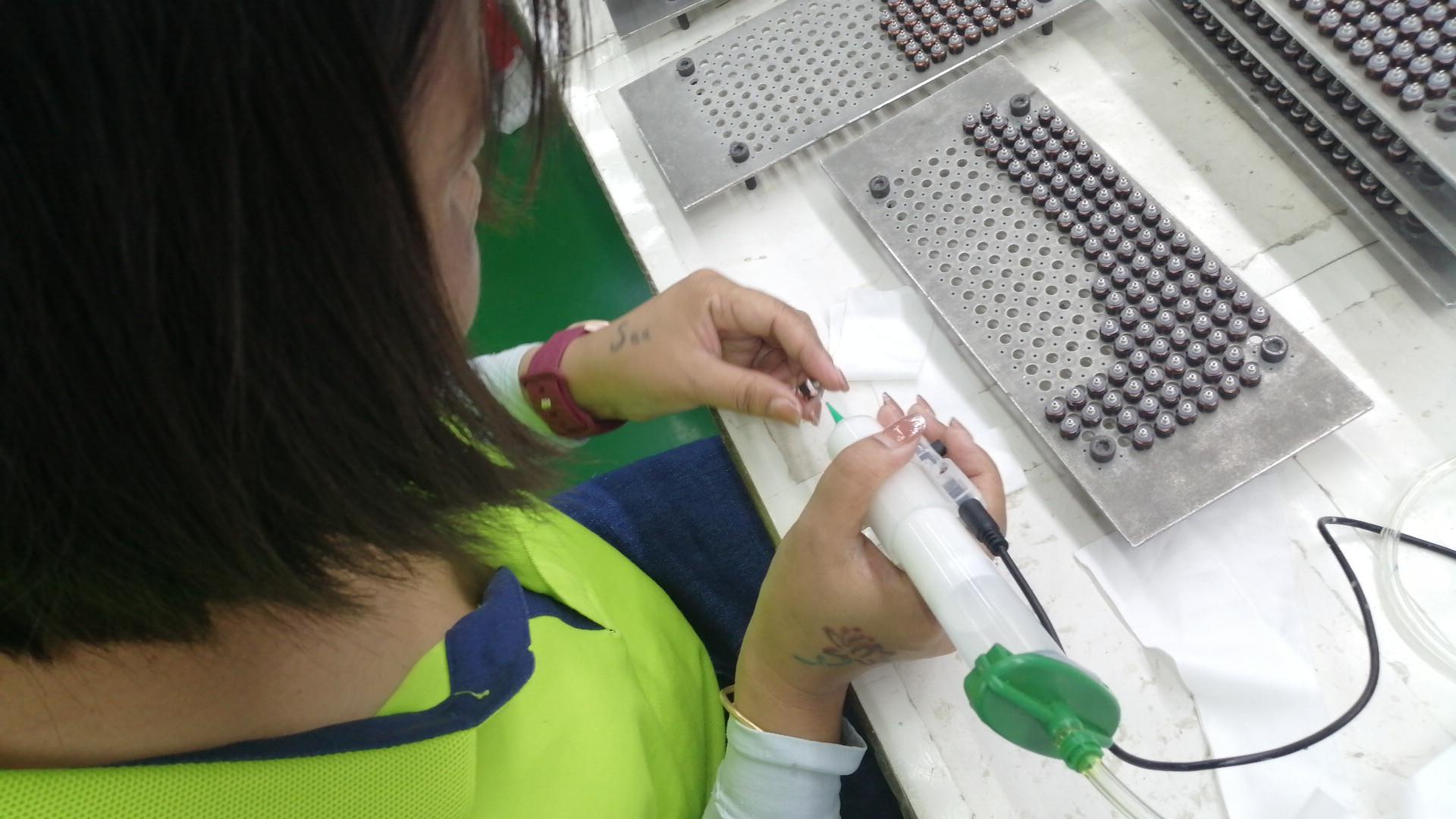 Epoxy Gluing
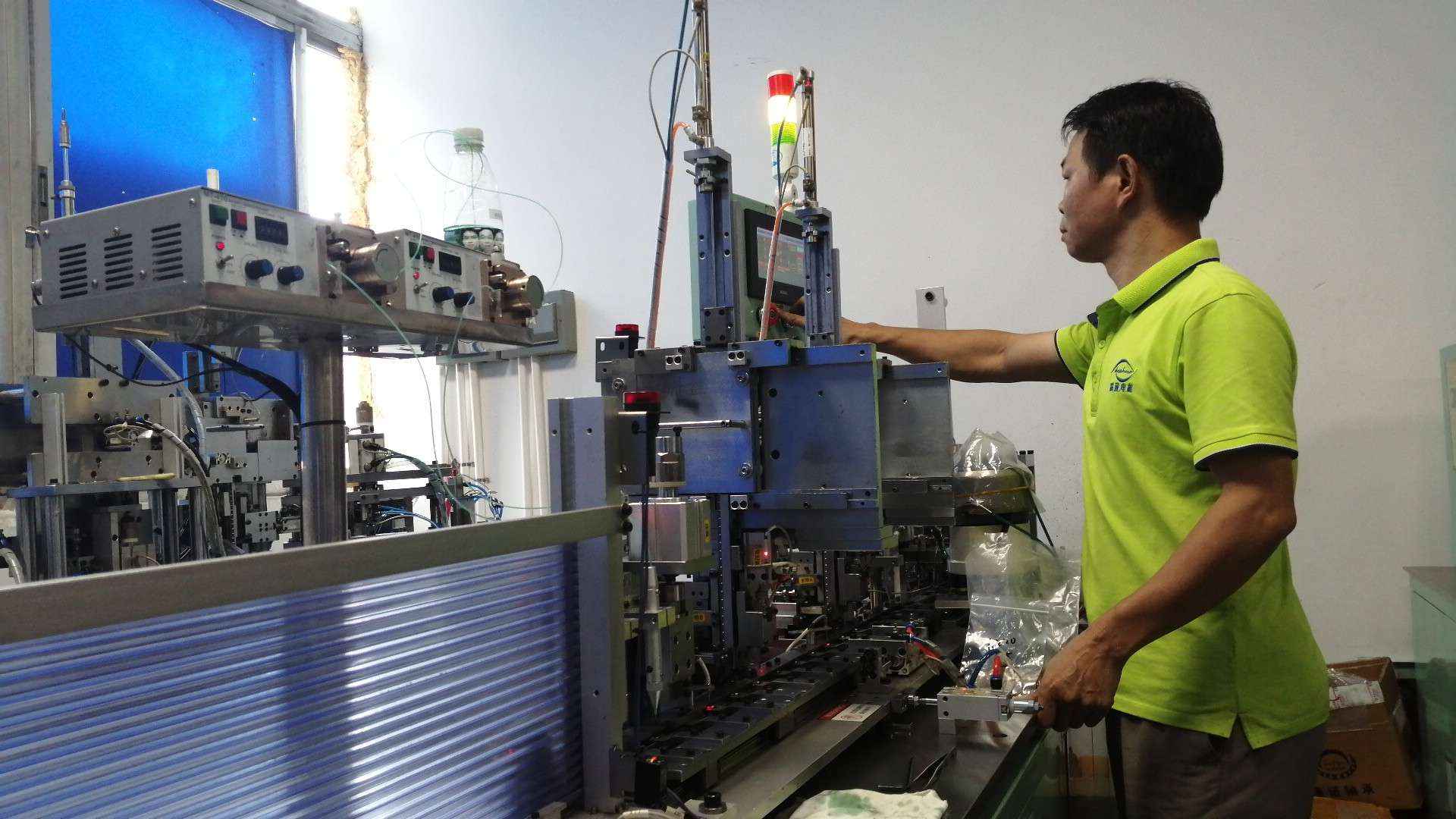 End-Cap Assembly
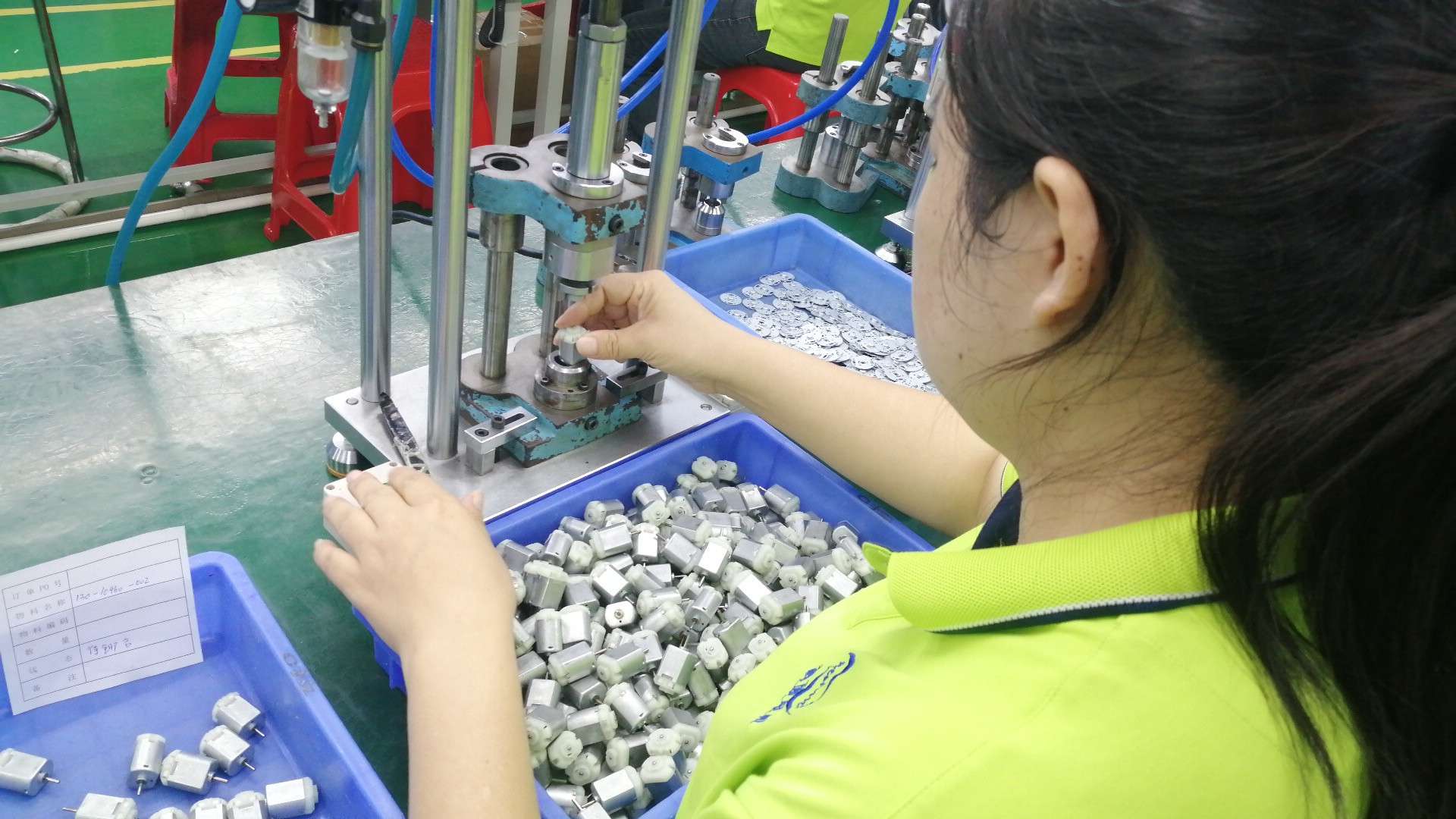 Rotor Alignment
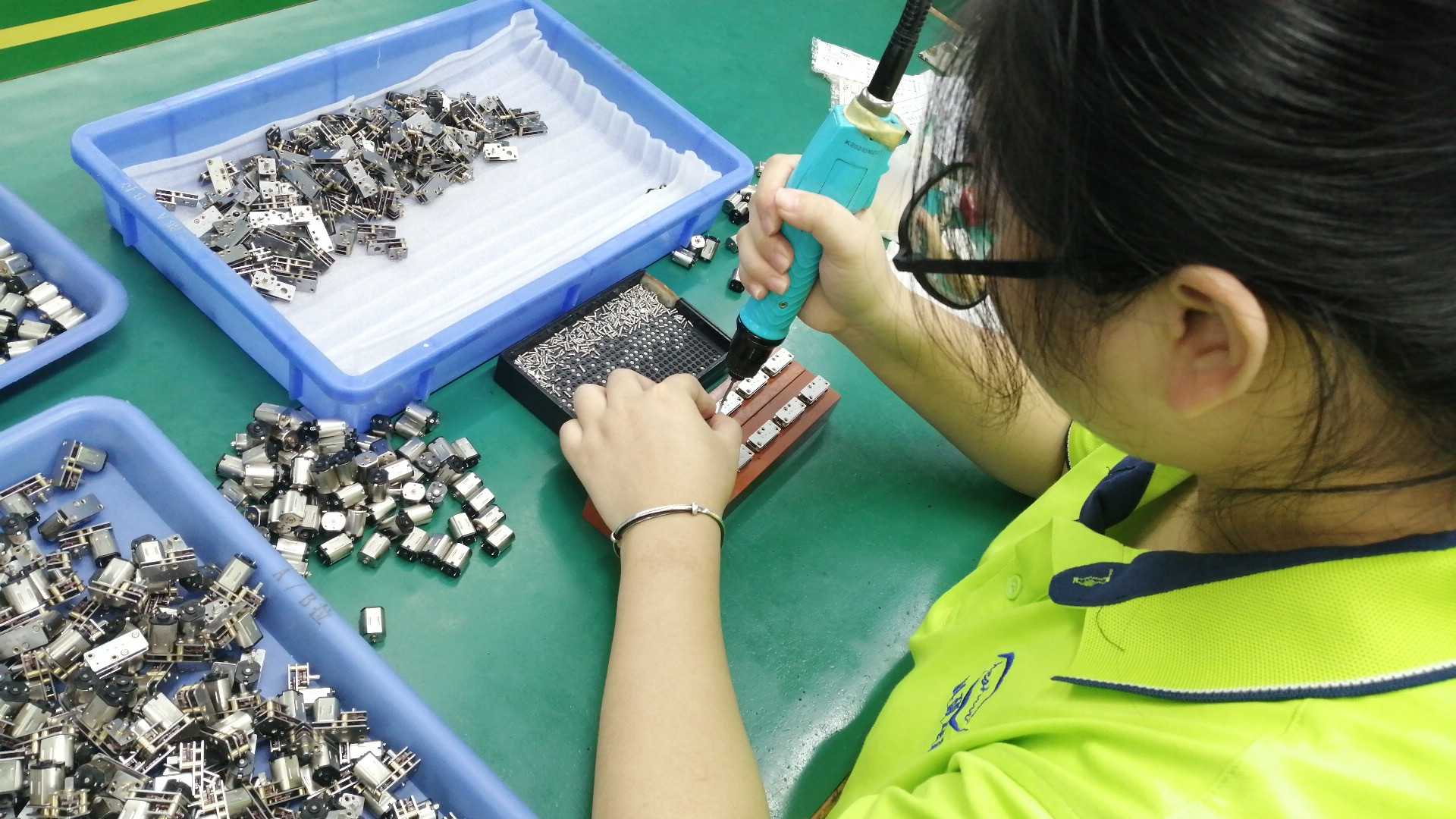 Chassis Screwing
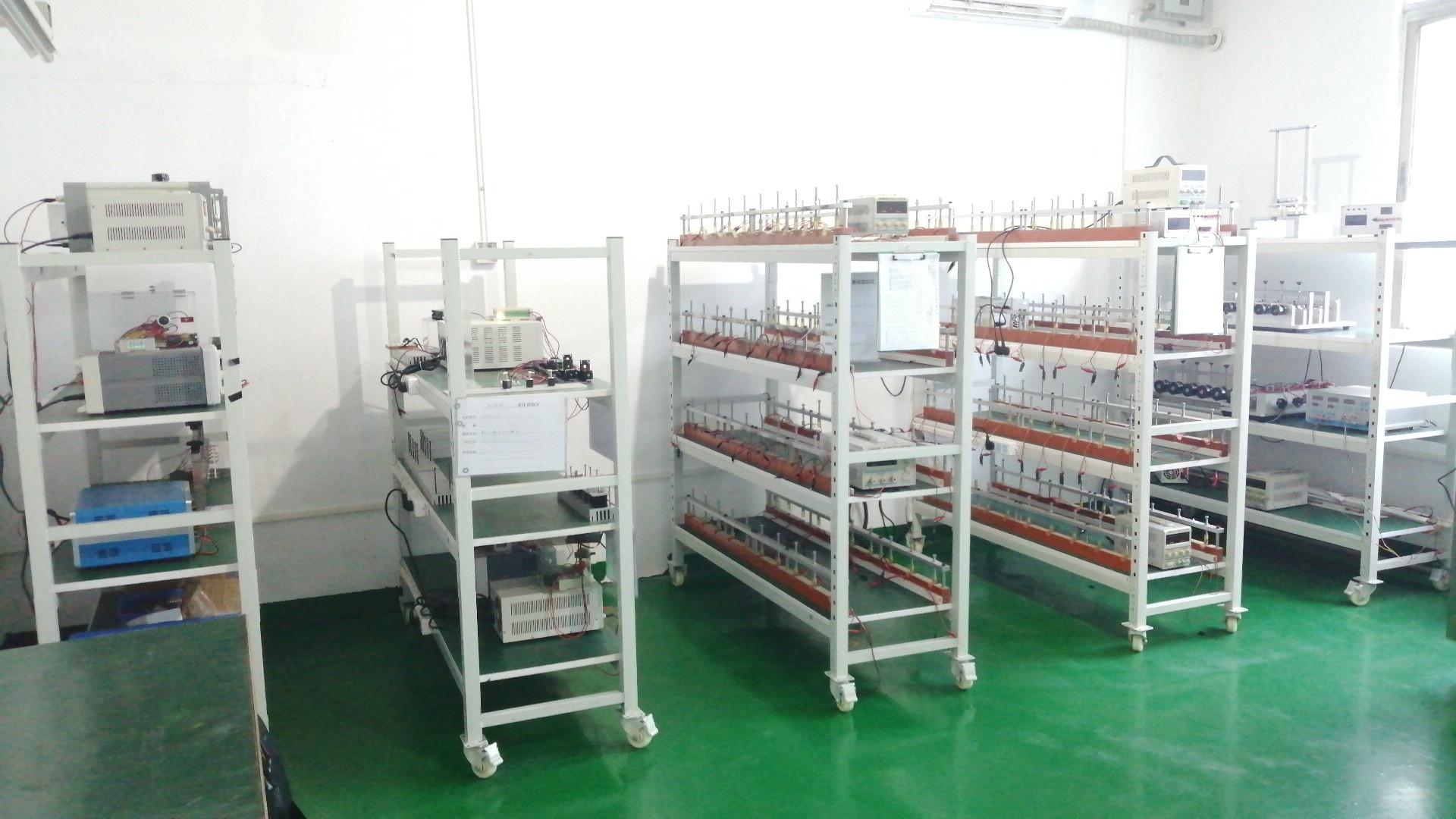 Burn-In Aging
 QA Inspection
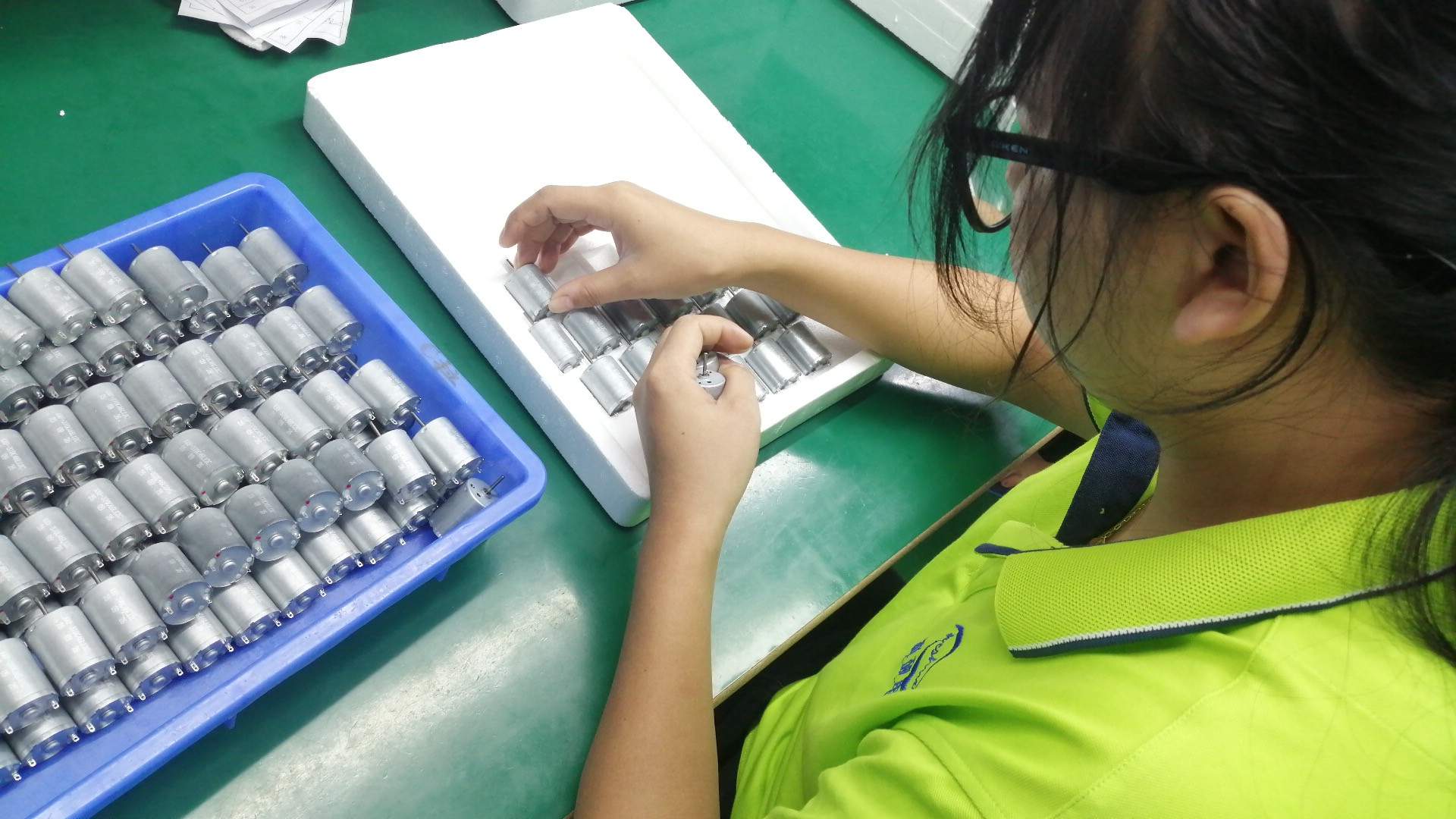 Protective Packing
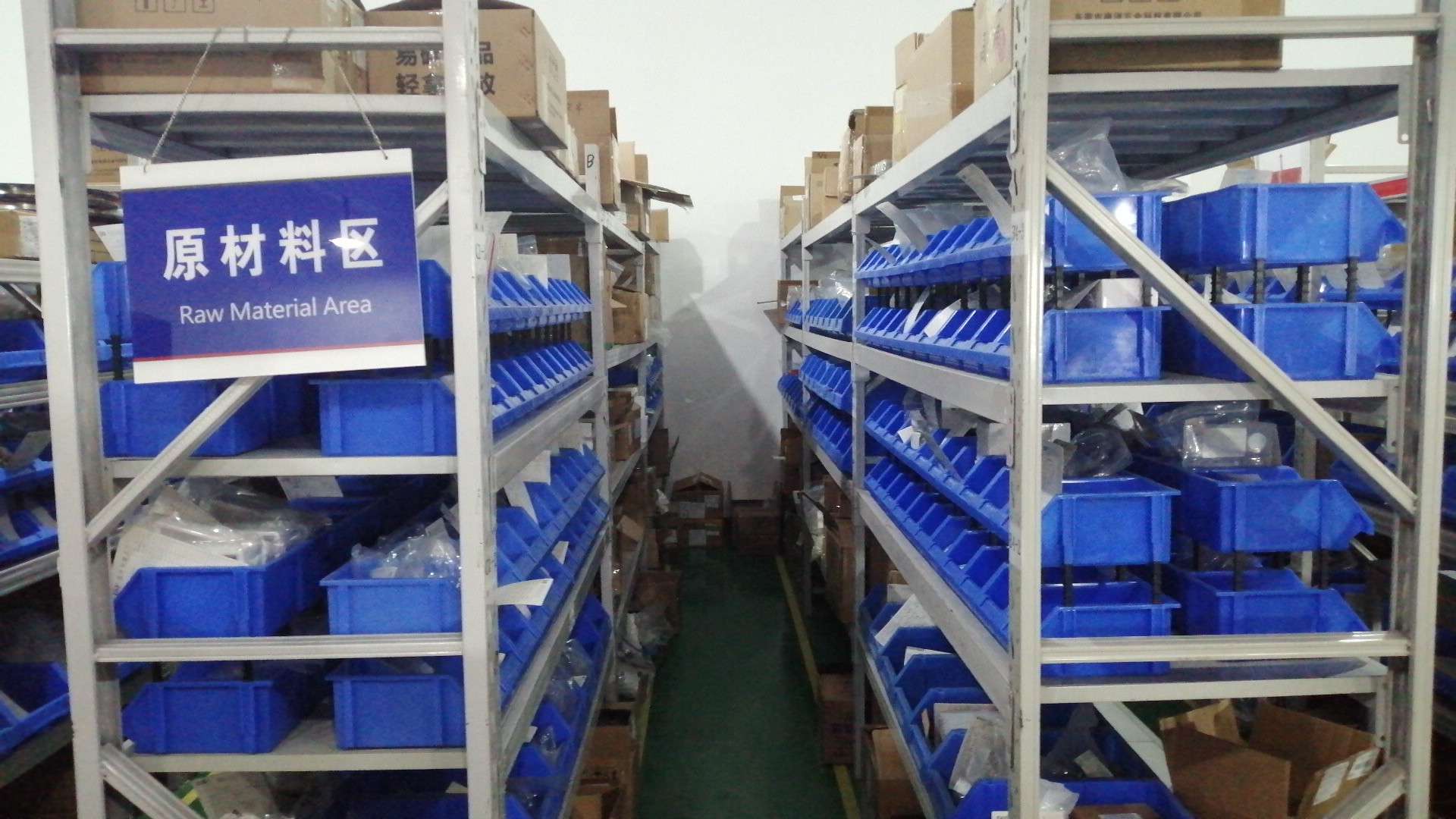 Raw Materials QA
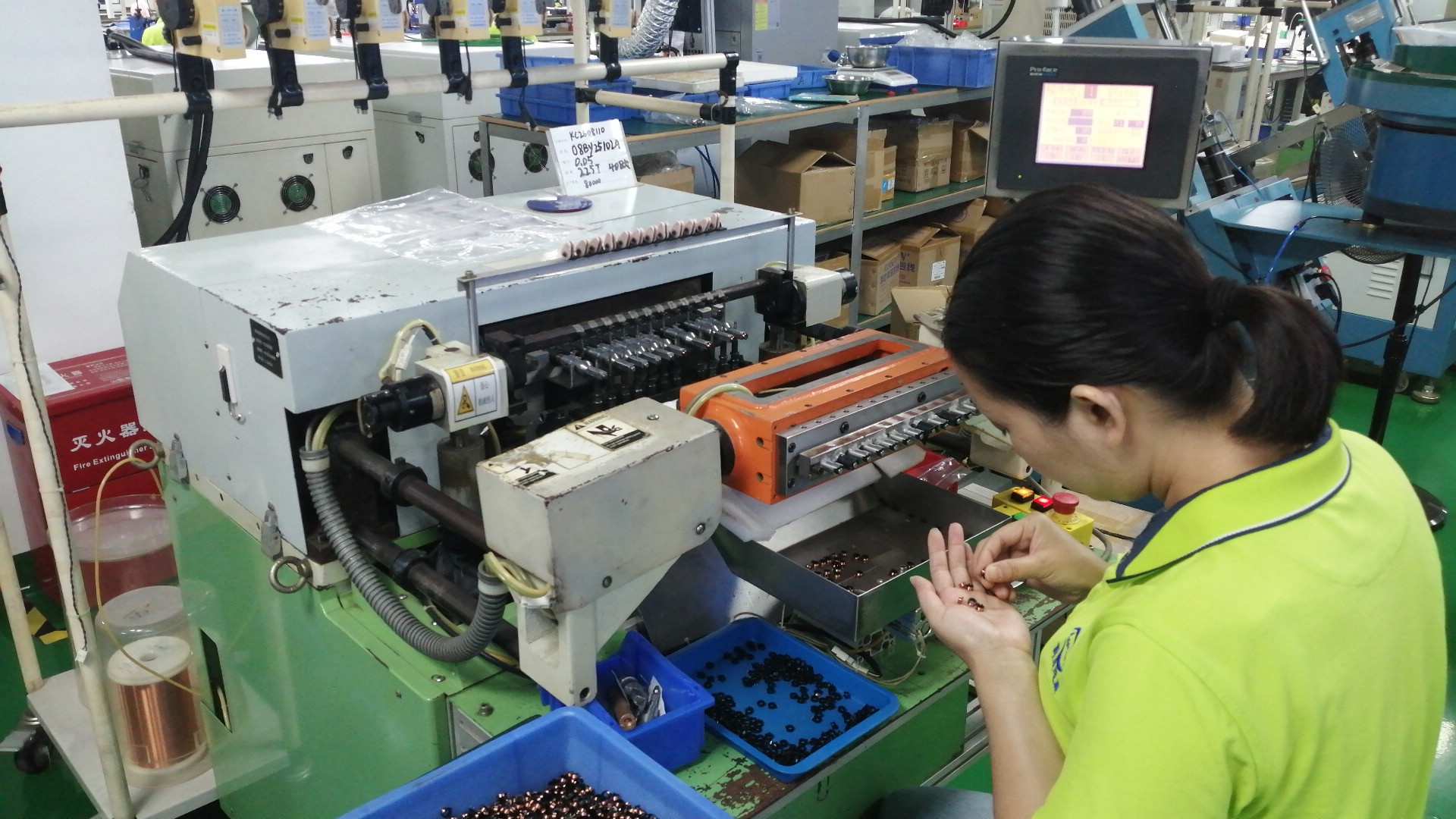 Precision Coil
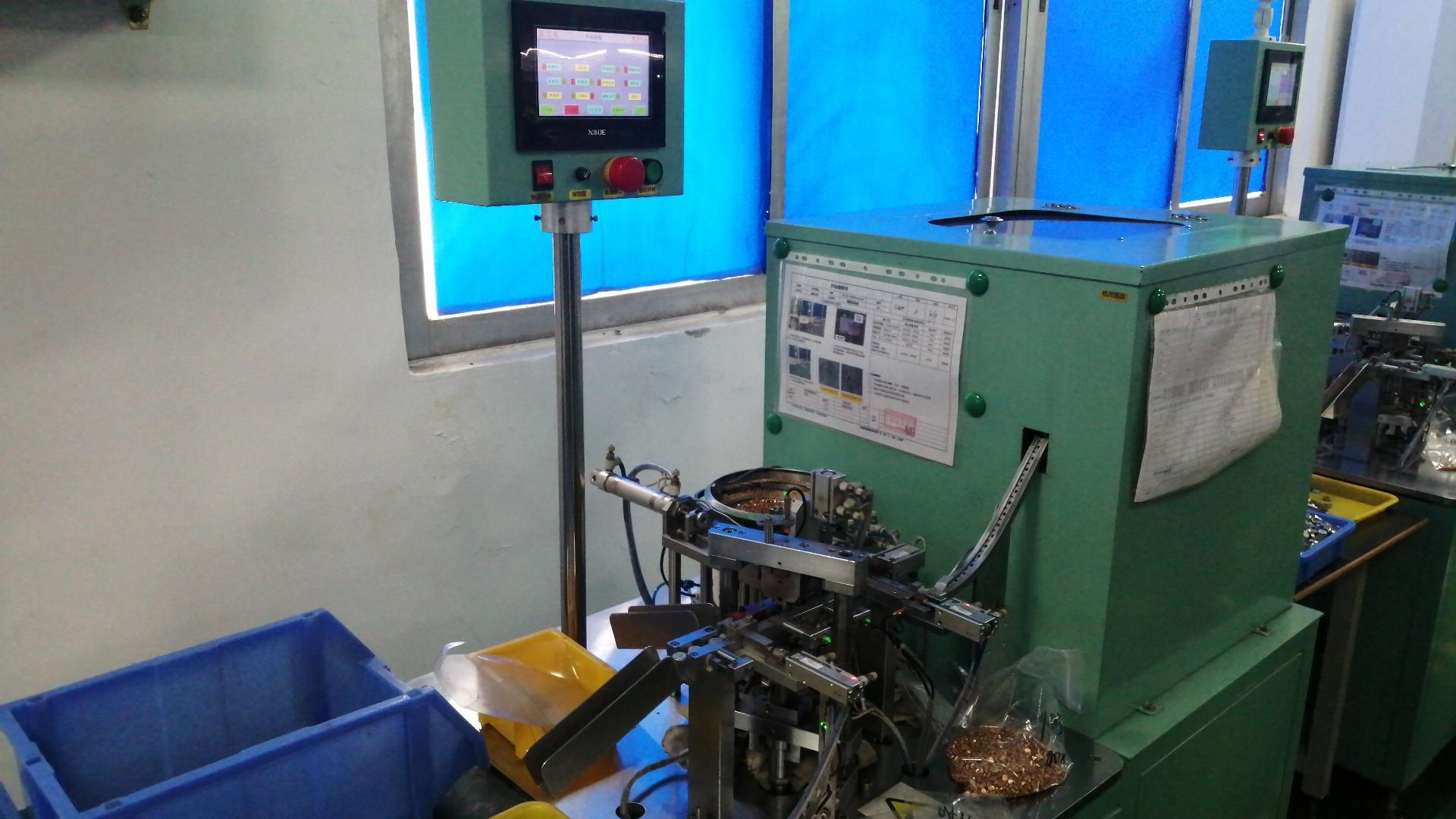 Bearing Pressing
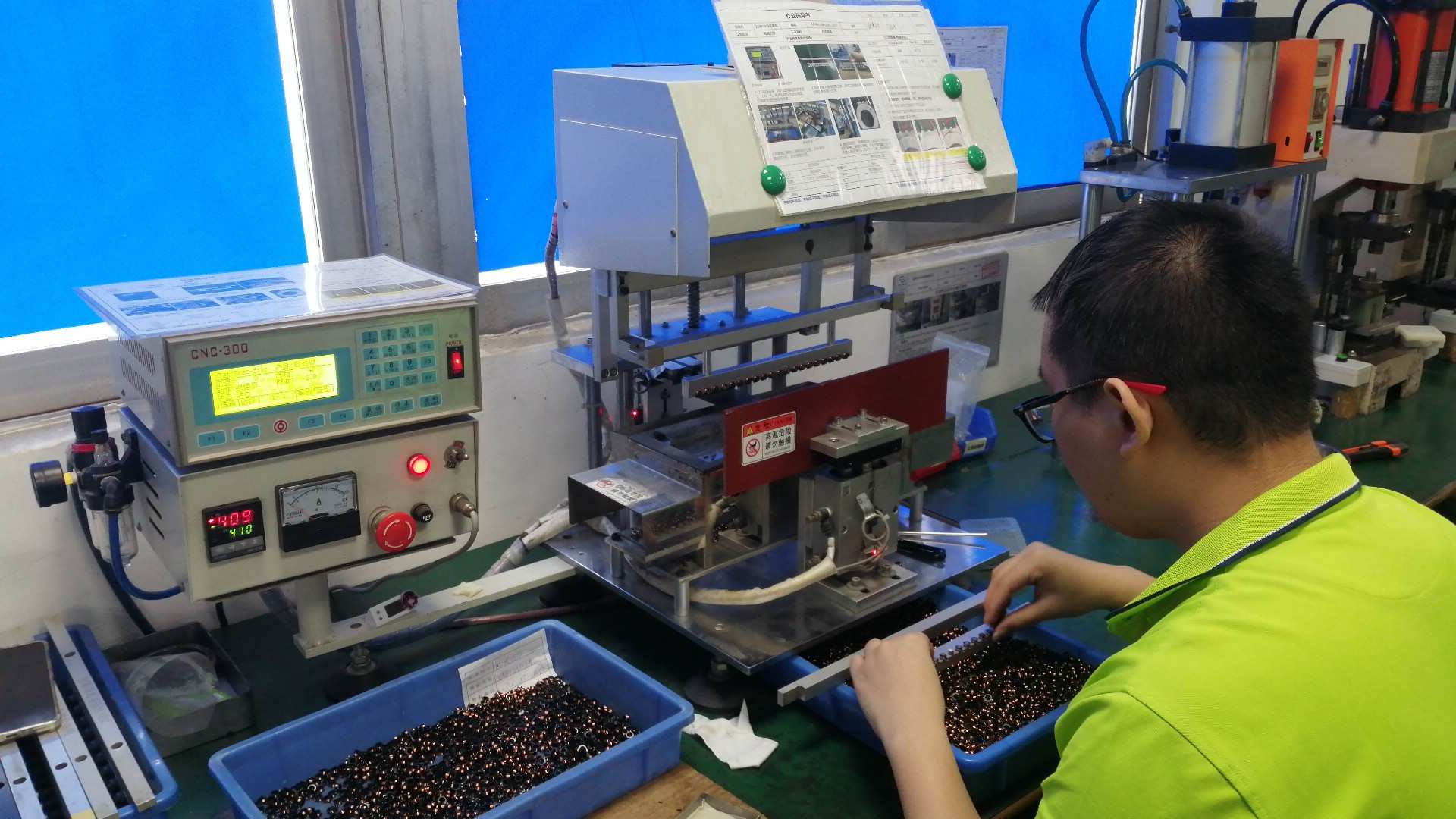 Terminal Soldering
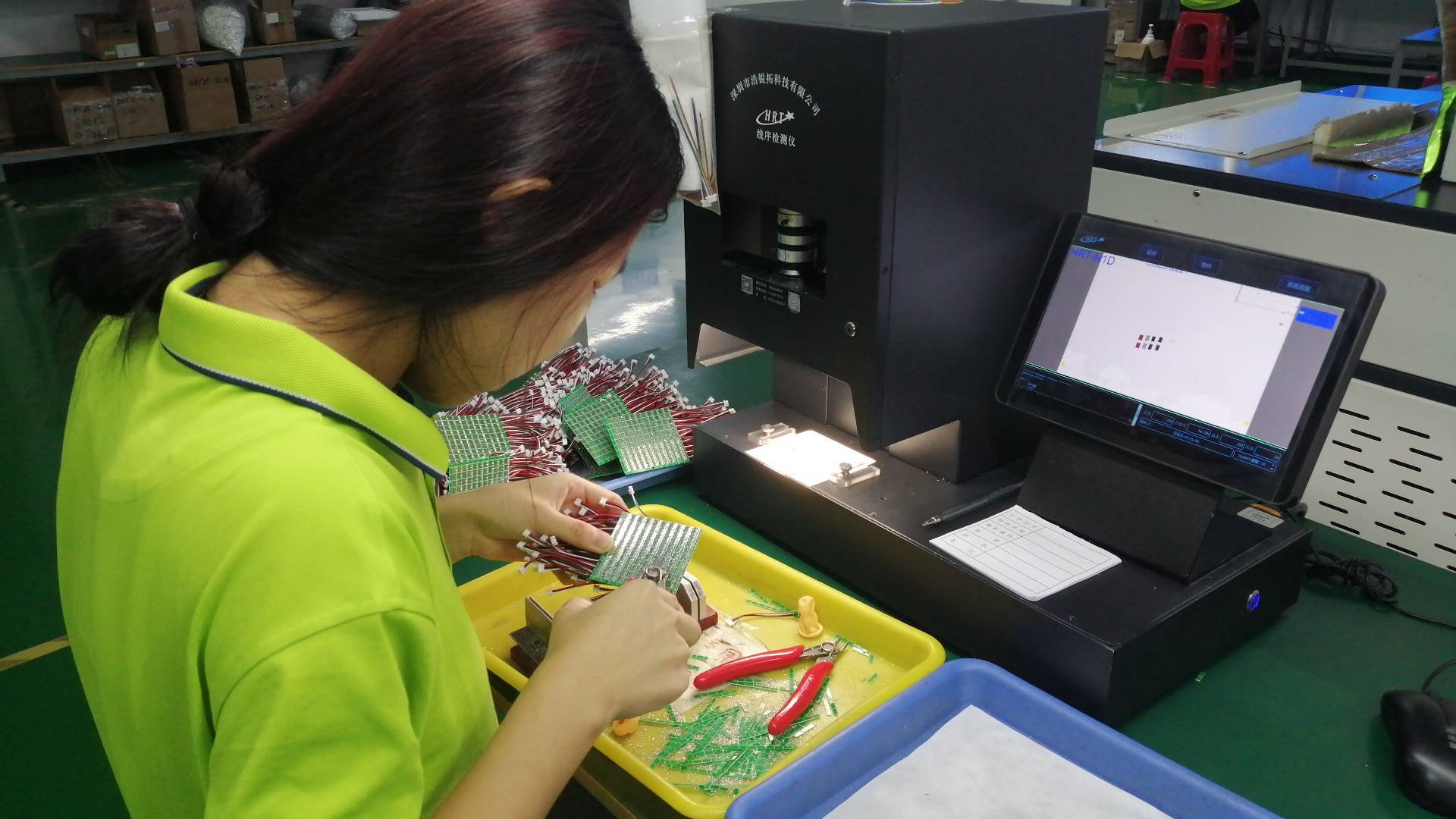 Shaft Cutting
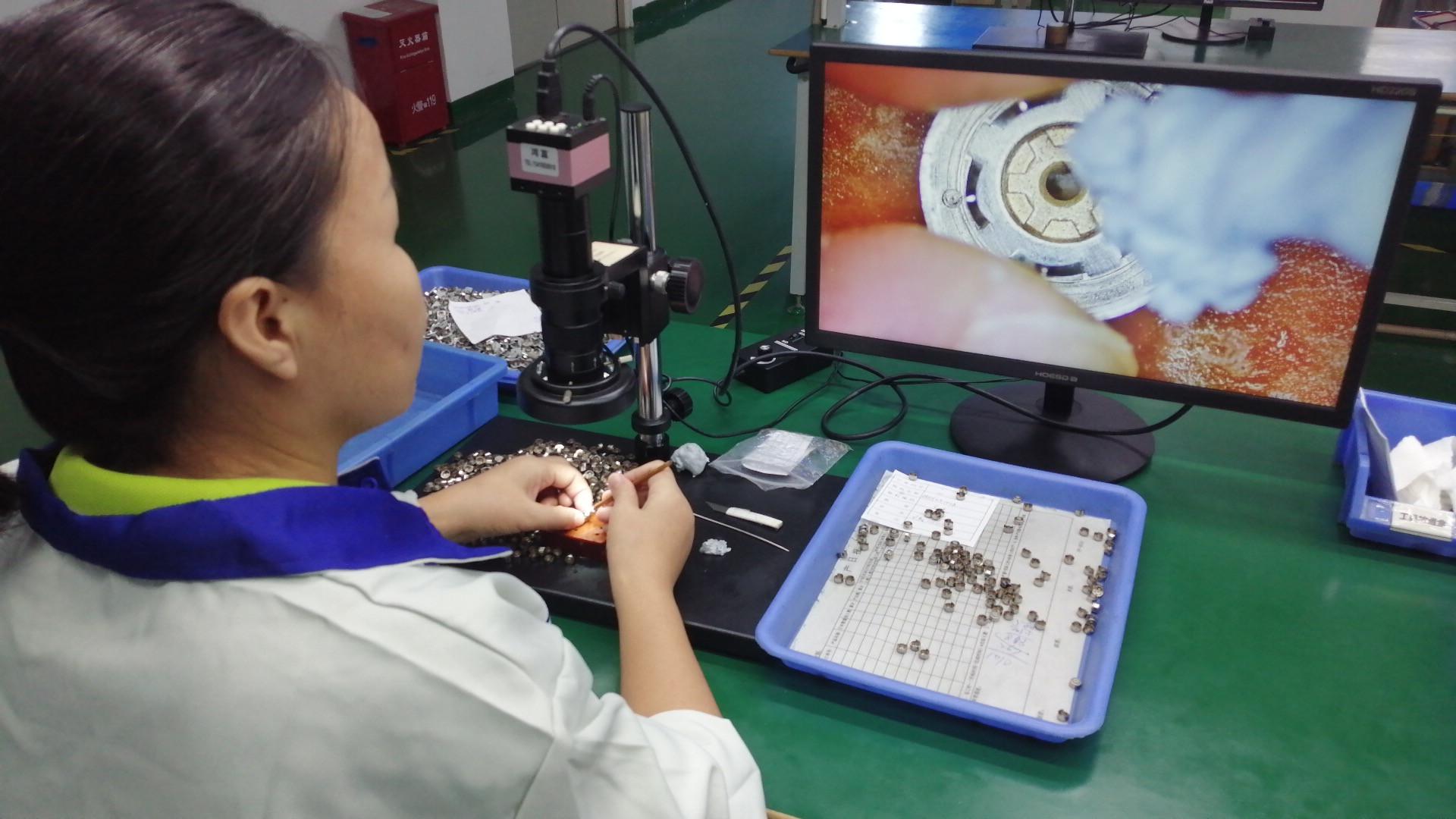 Ultrasonic Cleaning
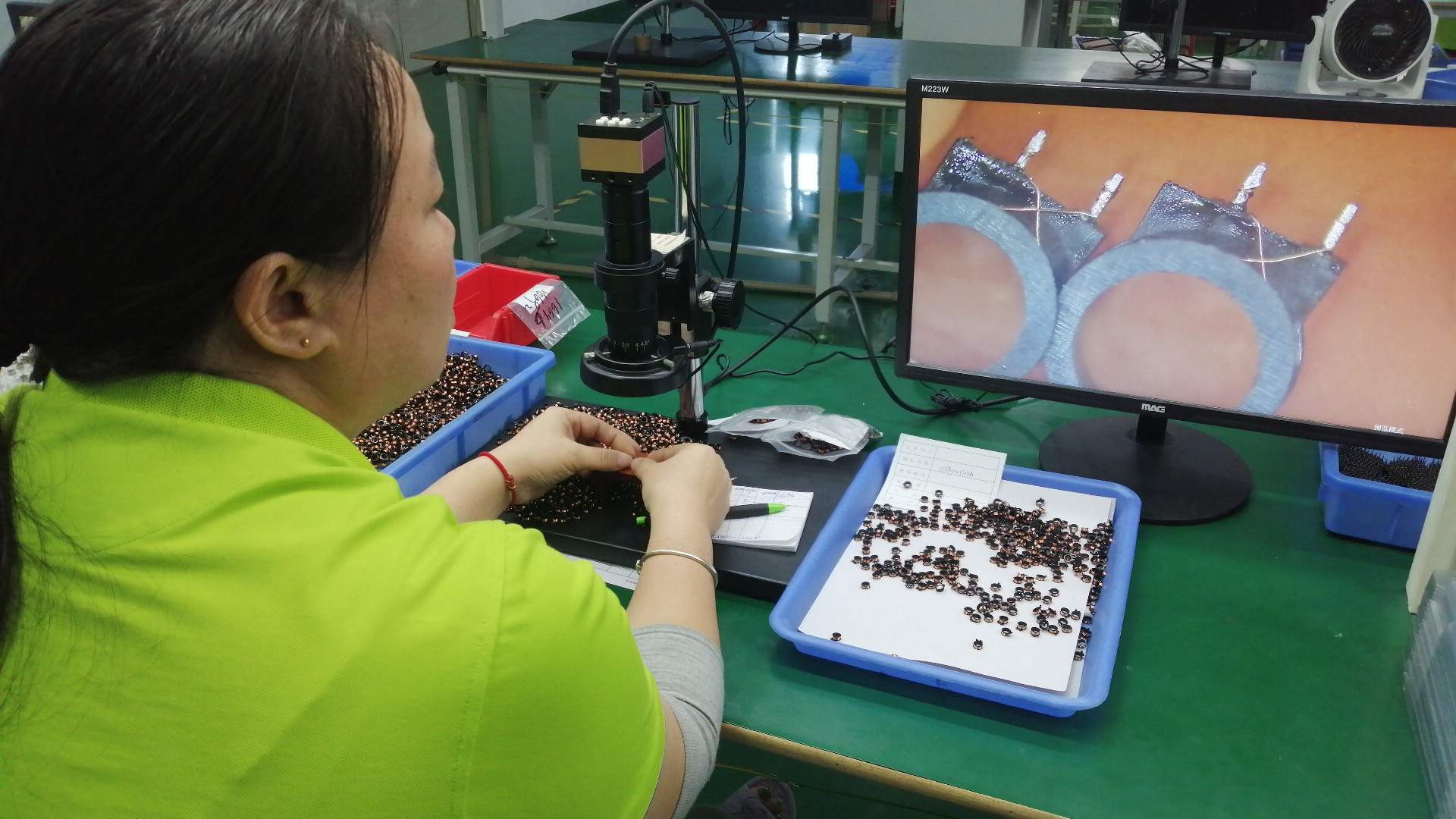 Dimension Test
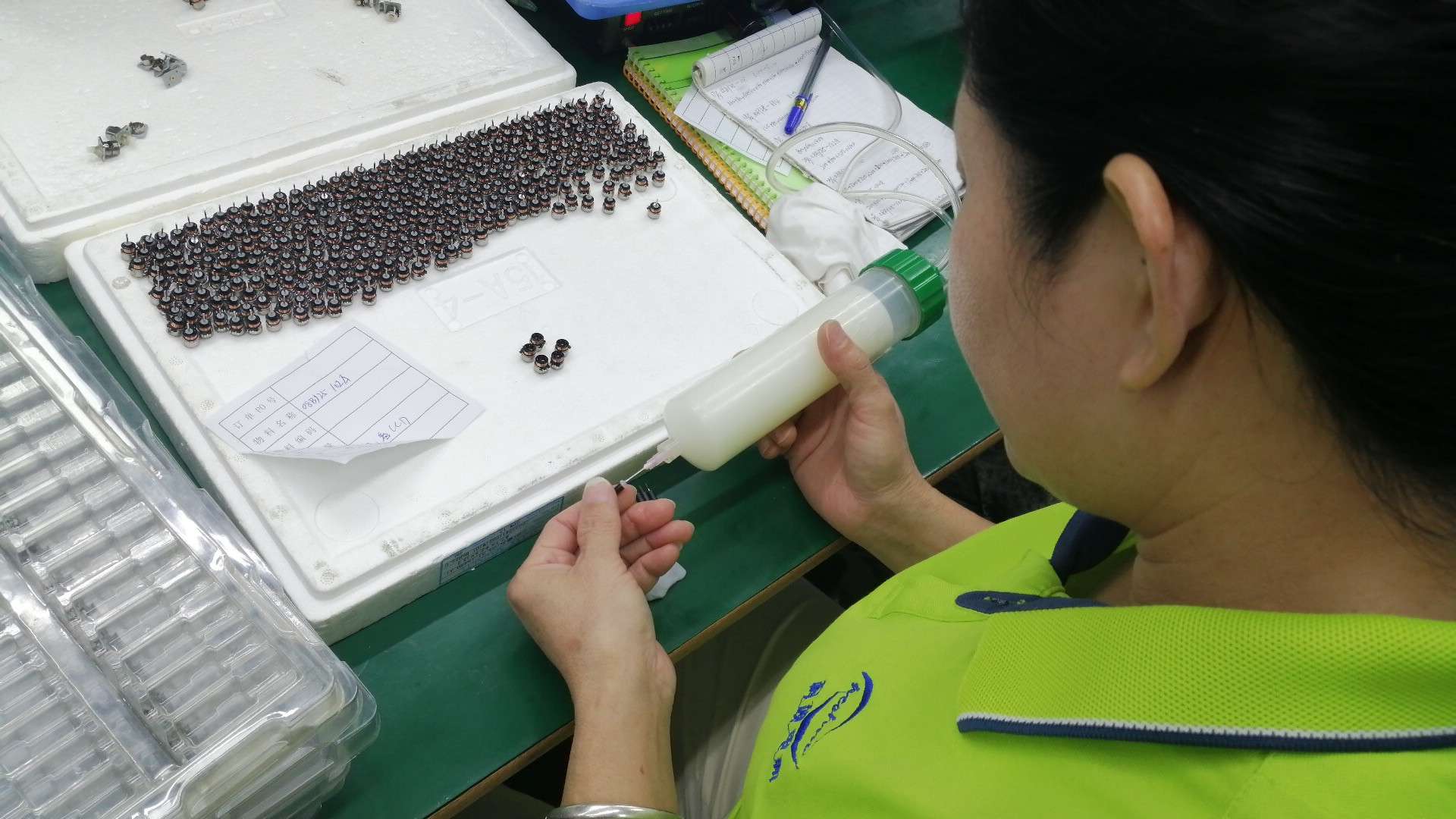 Stator Seal
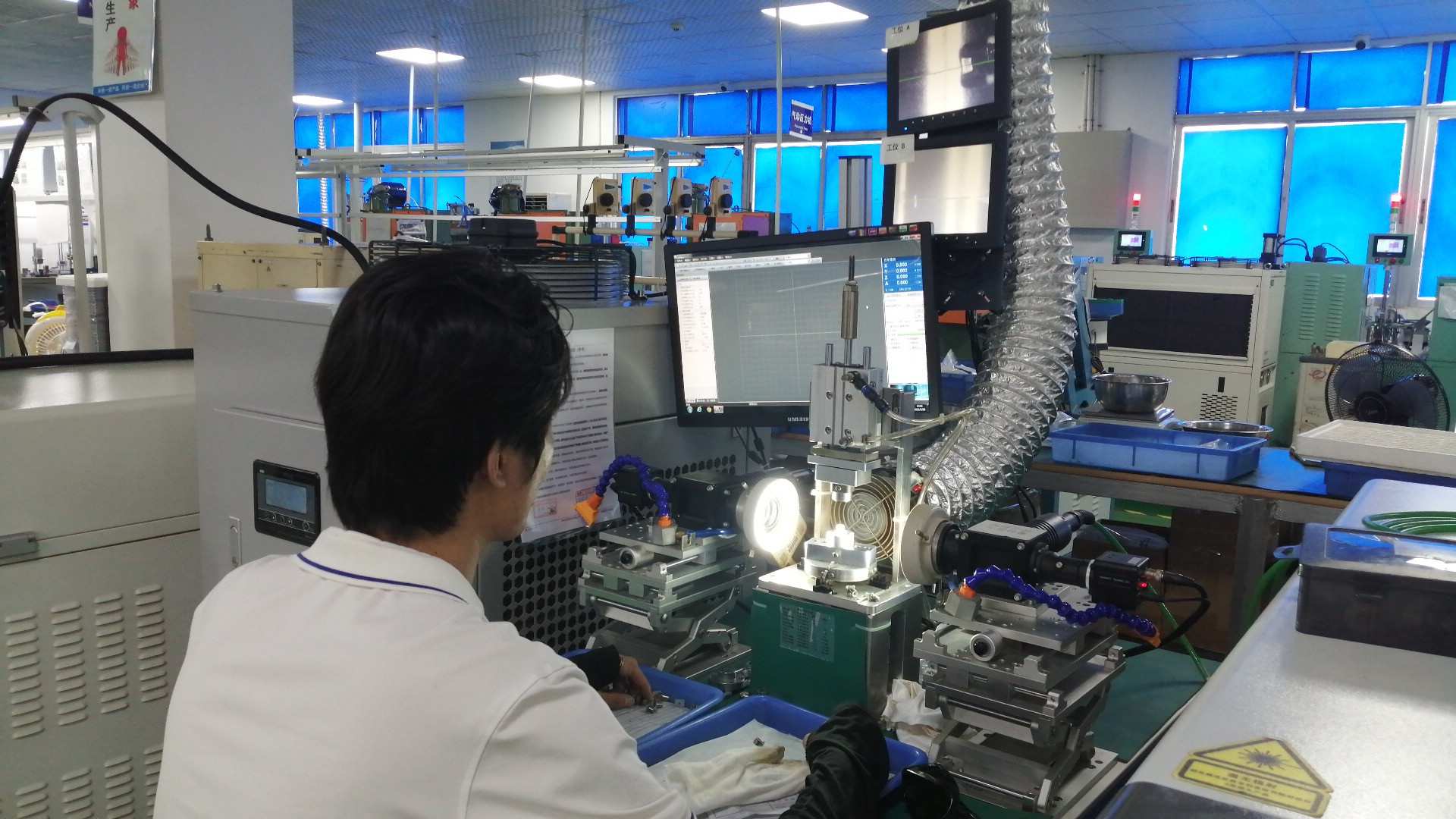 Laser Spot Weld
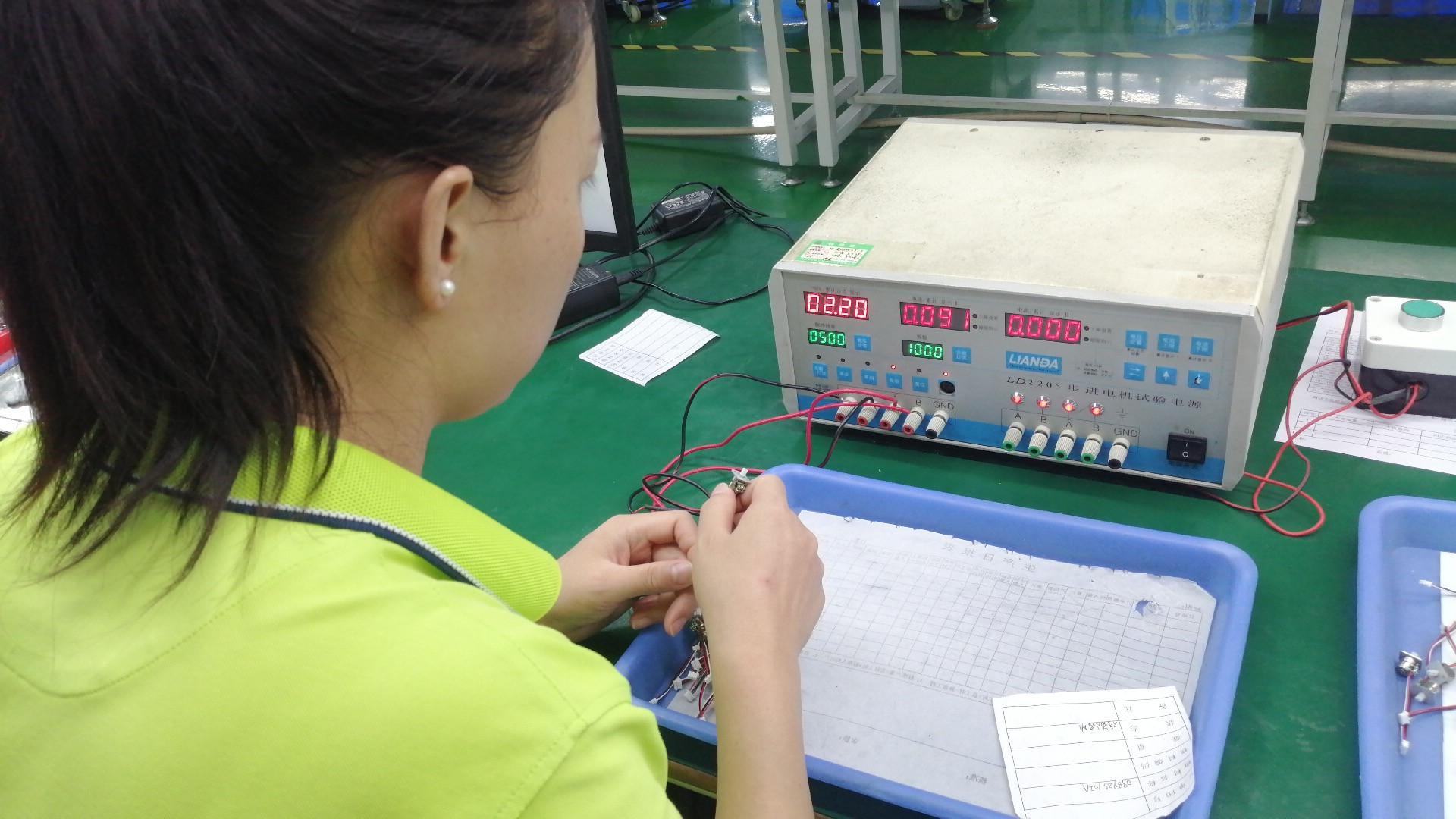 Torque Testing
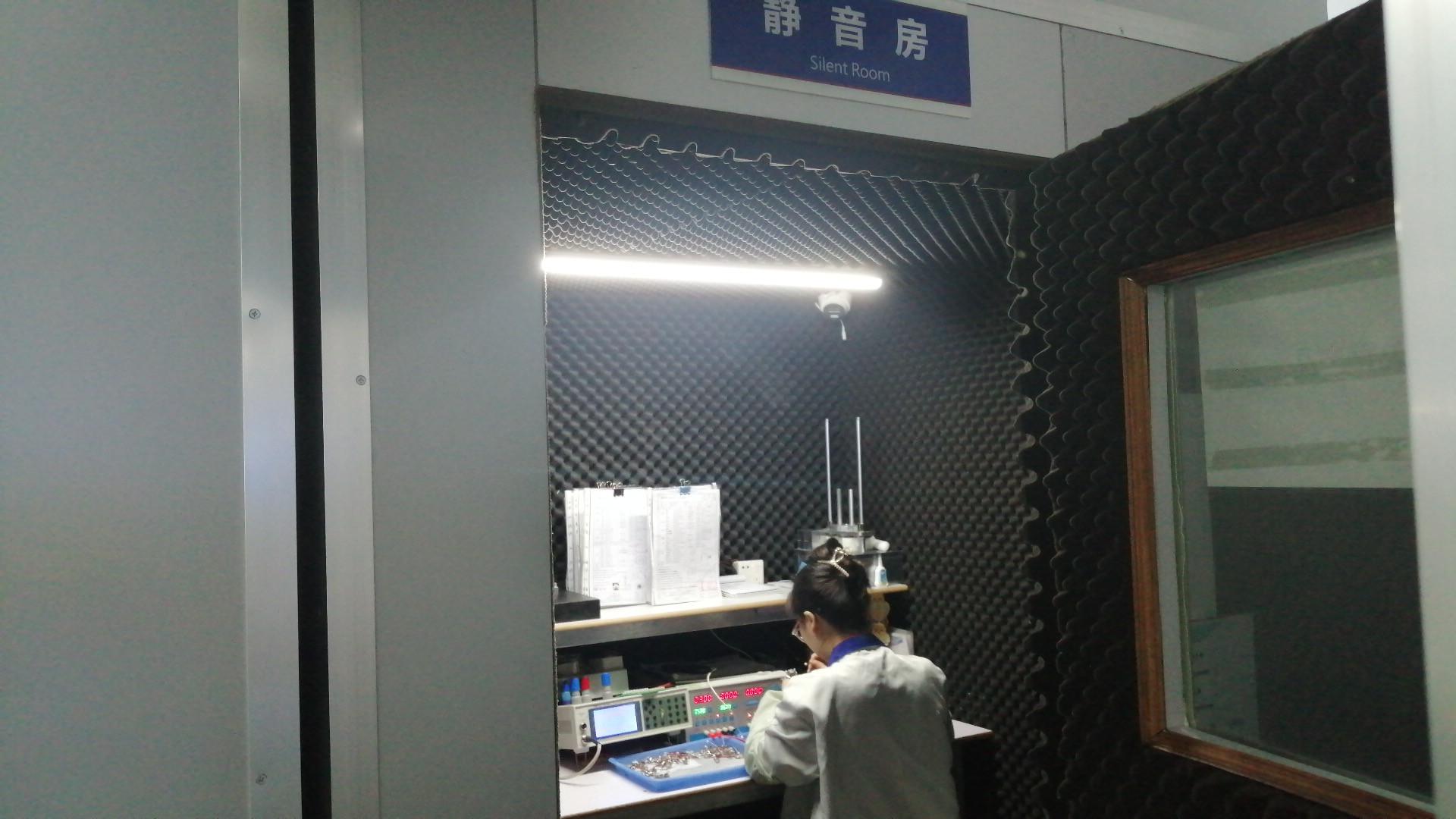 Anechoic Decibel Test
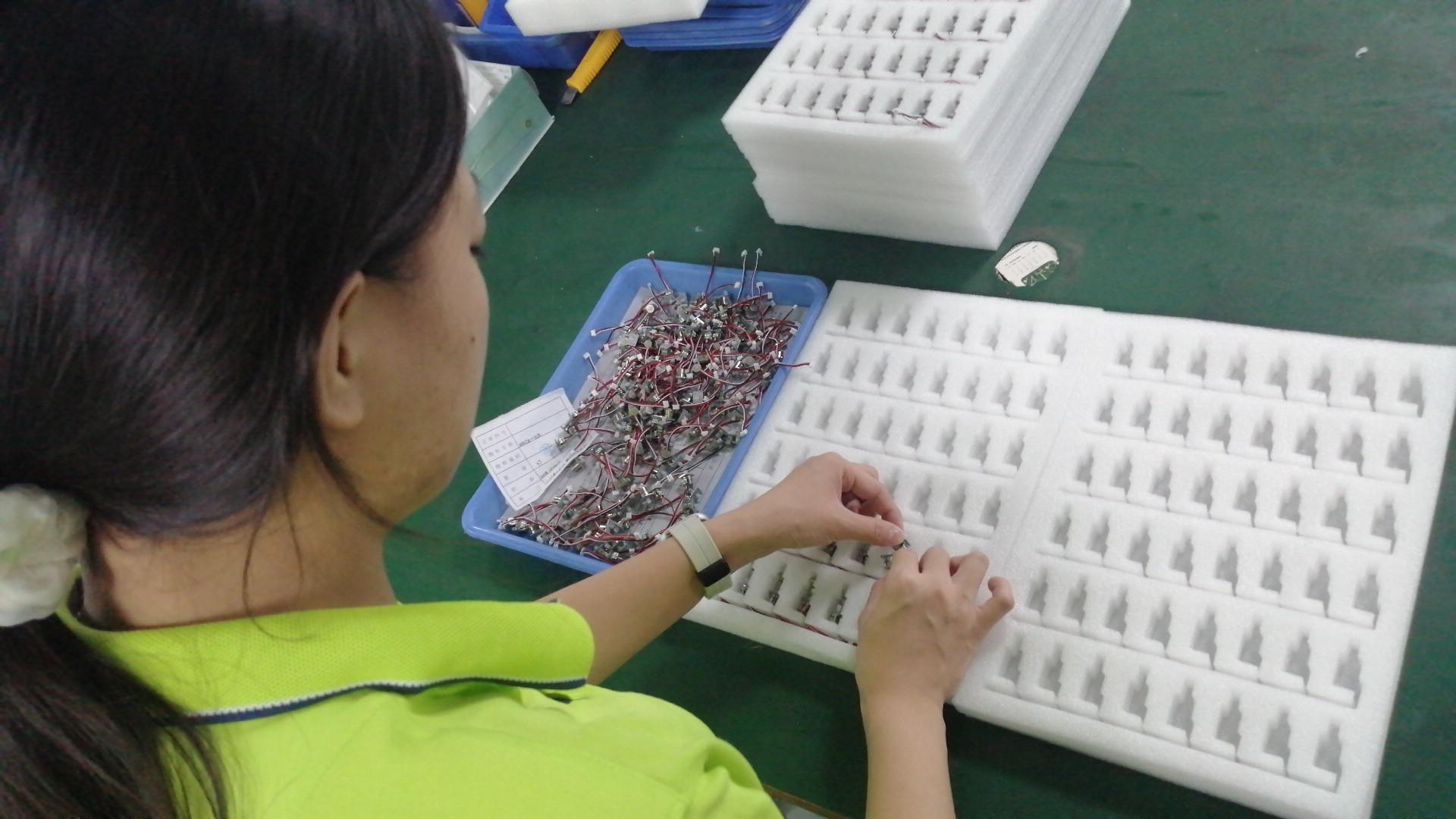 ESD Protection Pack
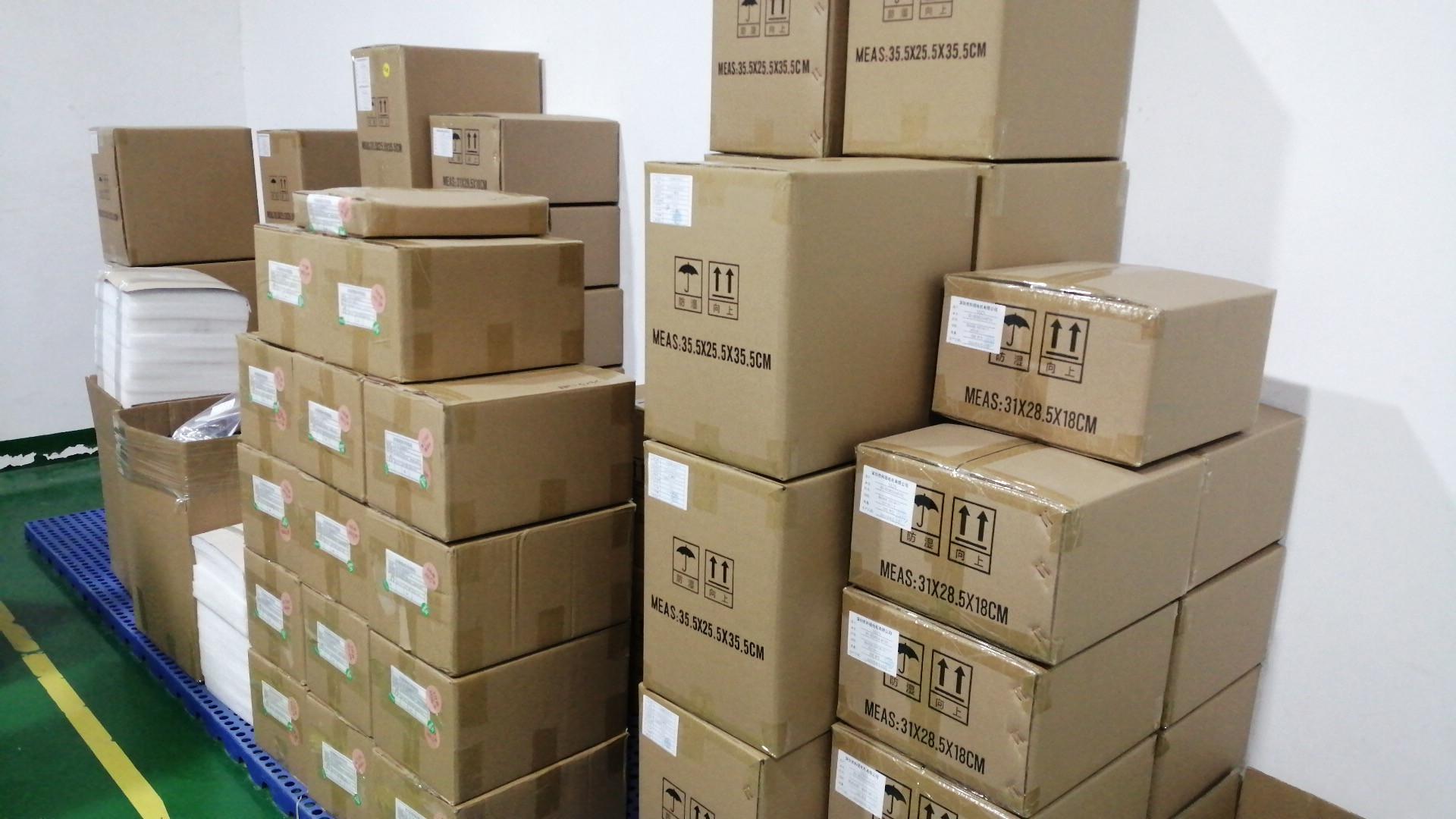 Batch Staging
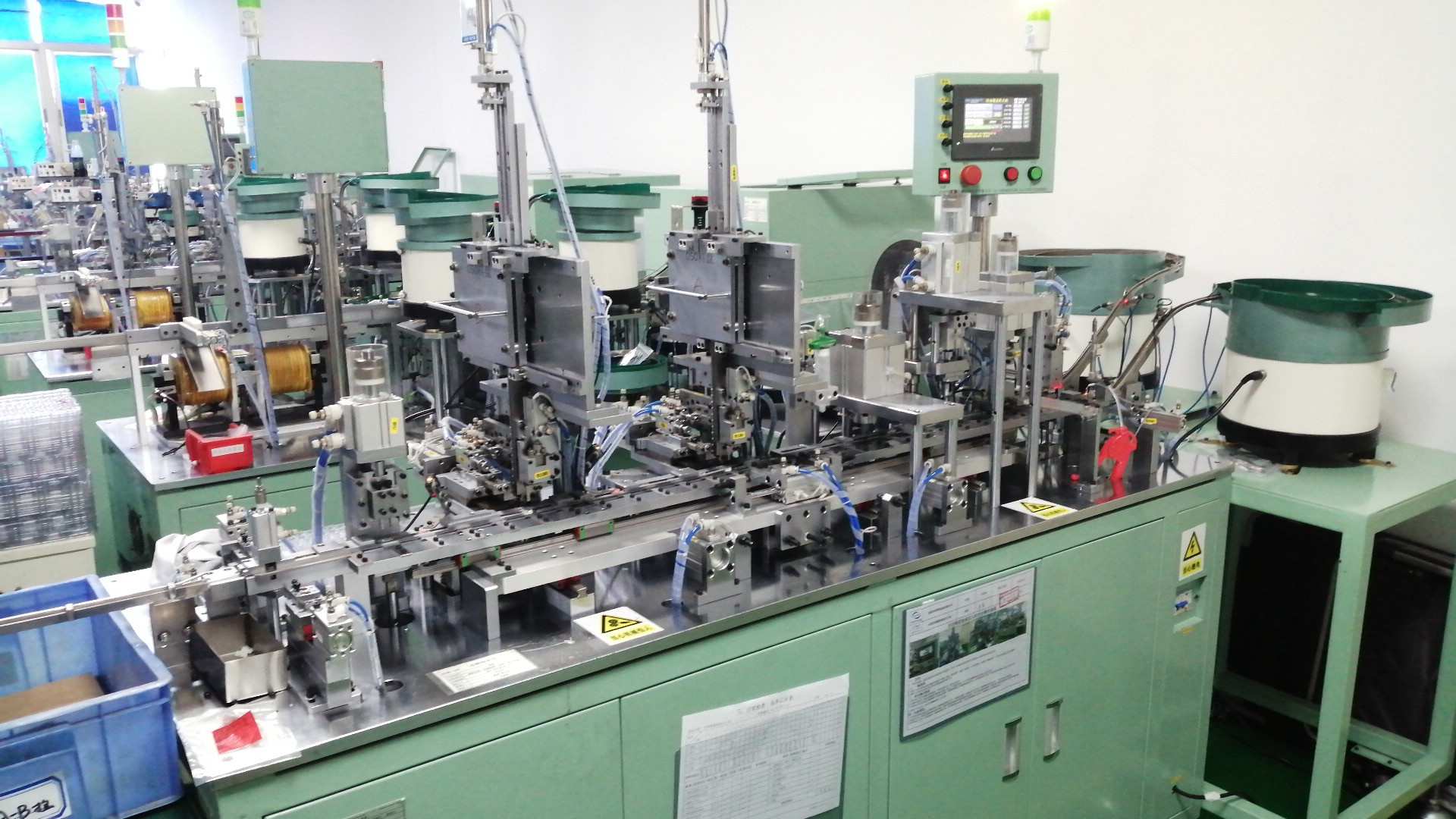 Robotic assembly
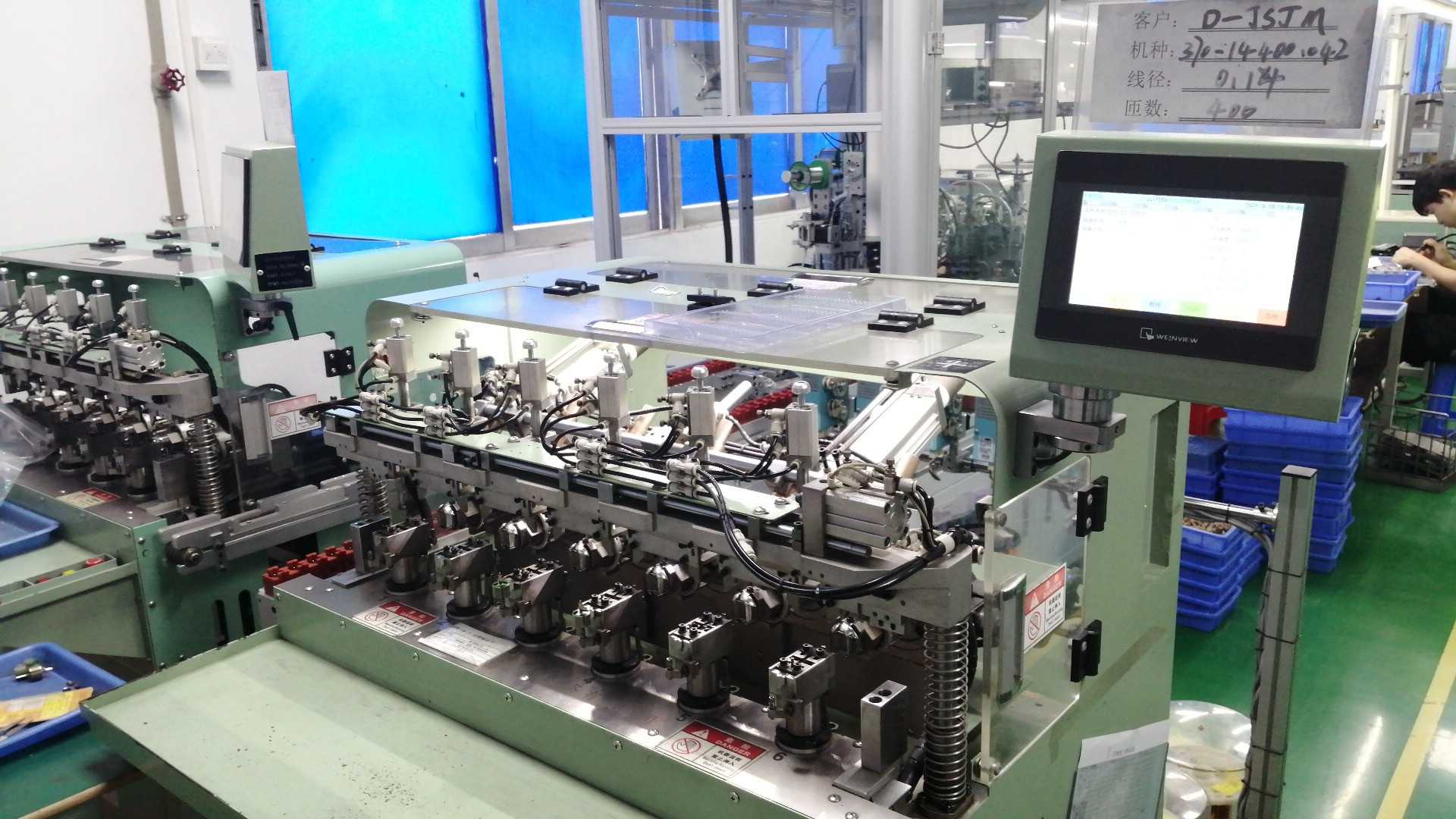 CNC Winder
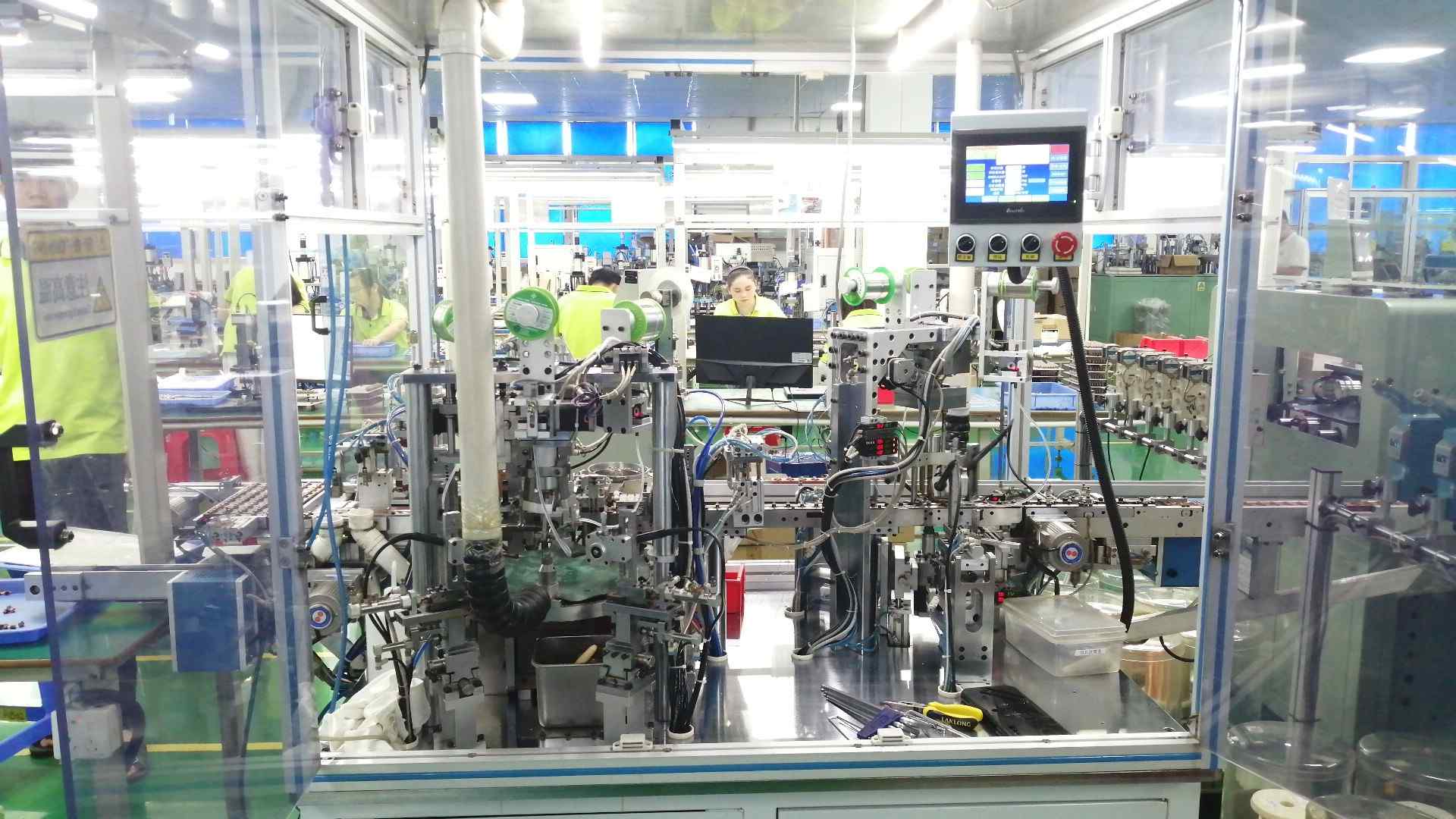 Auto Soldering
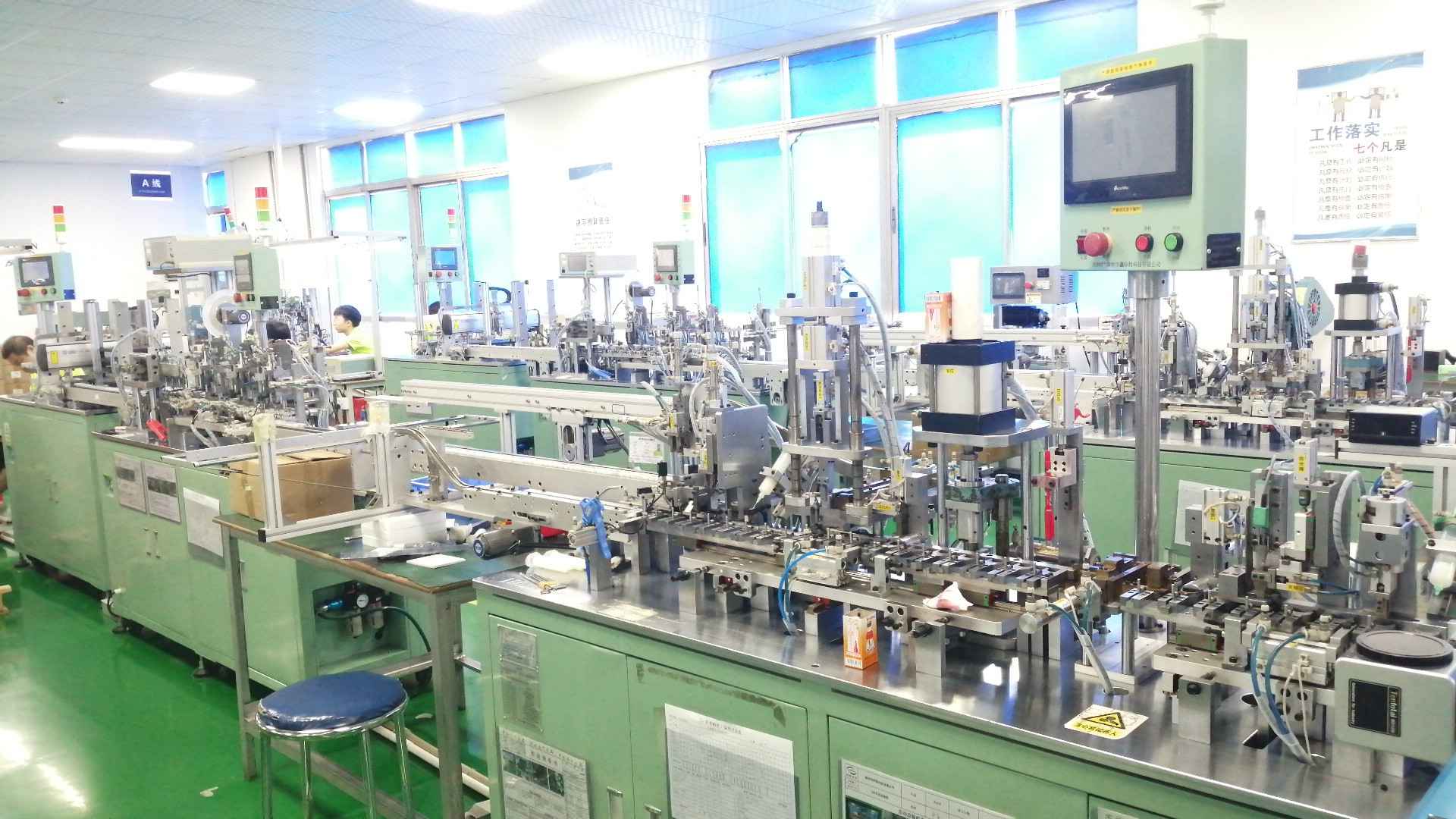 Conveyor Line
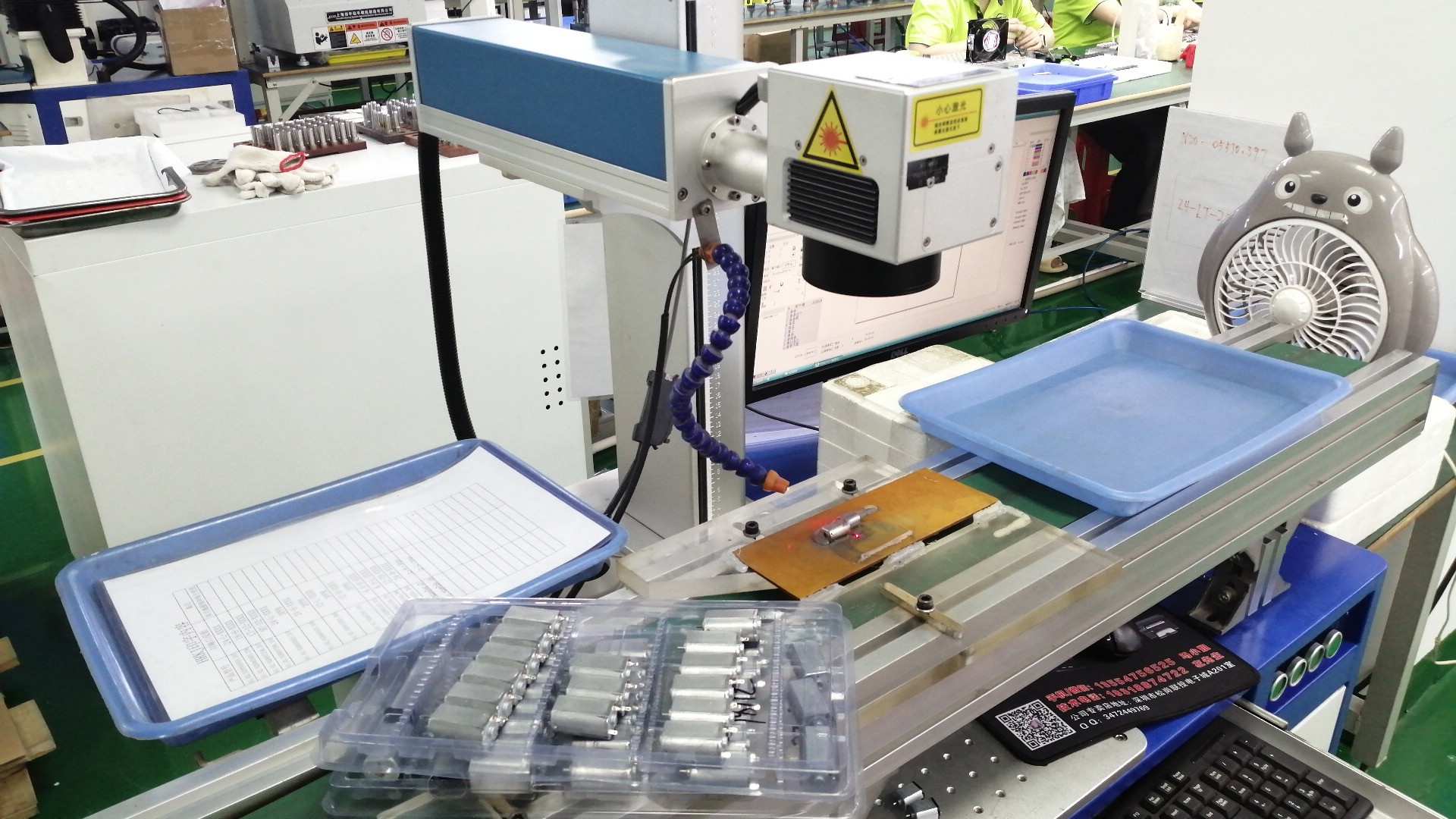 Laser Marking
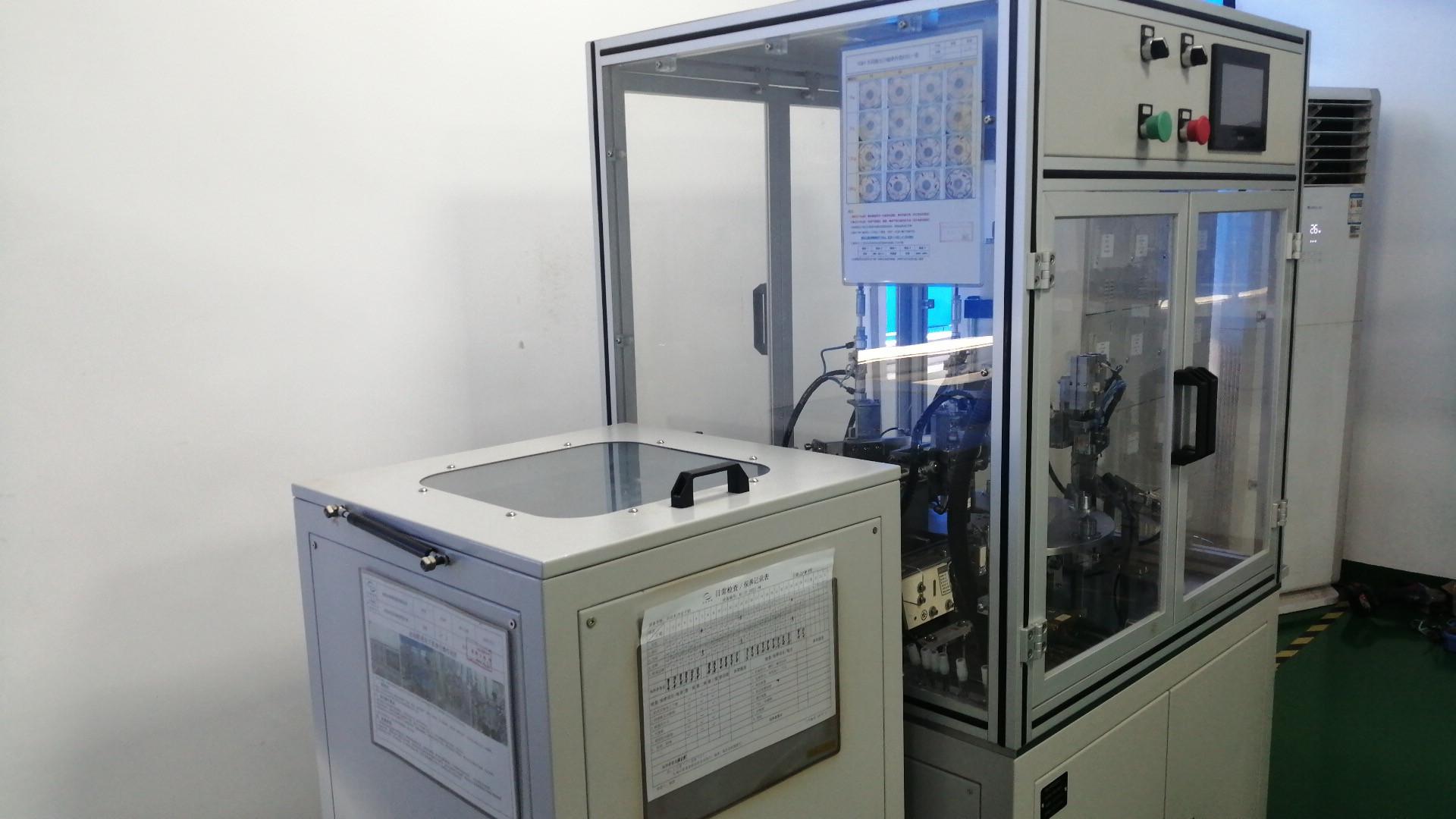 bearing press
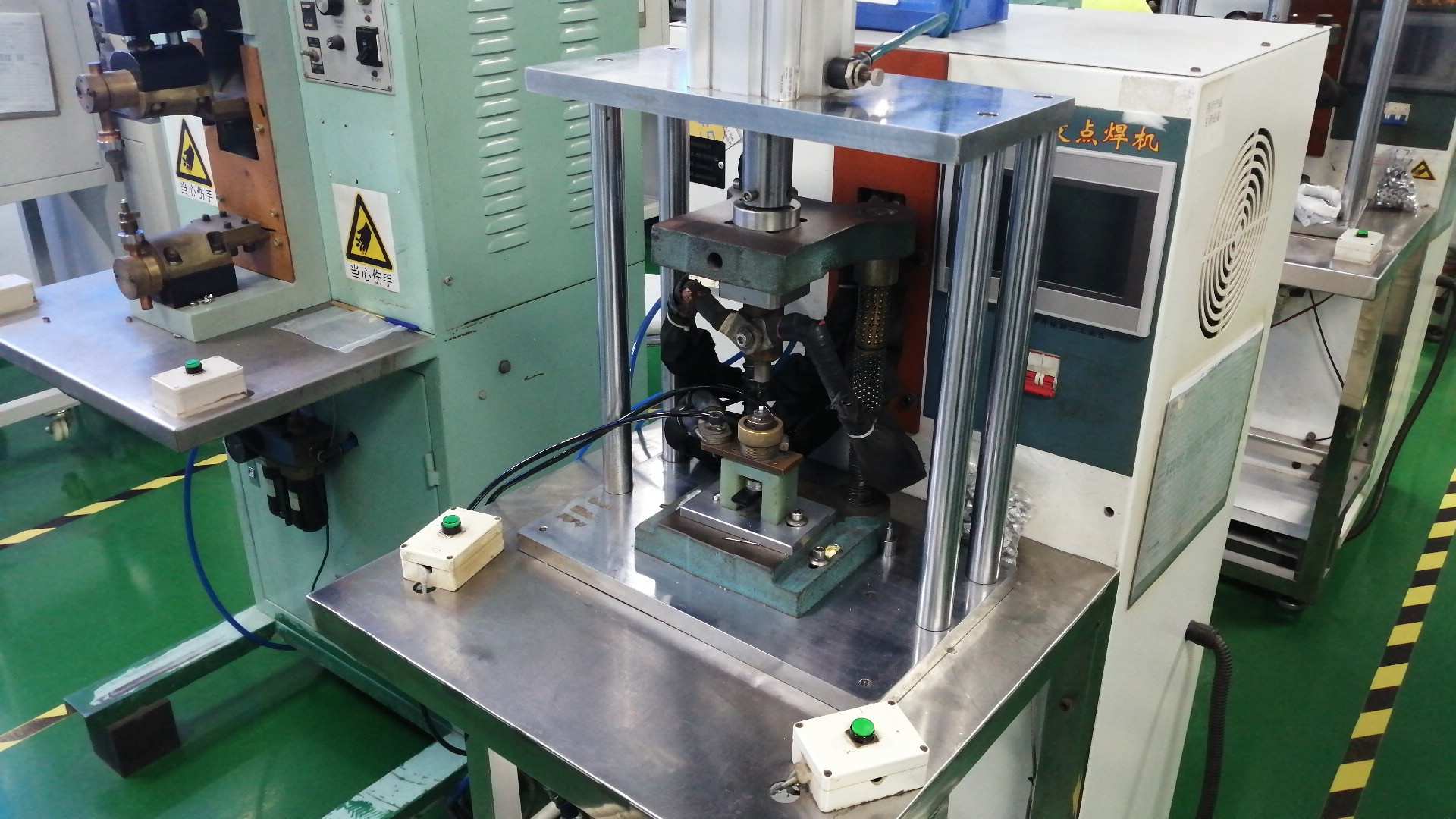 Terminals Spotweld
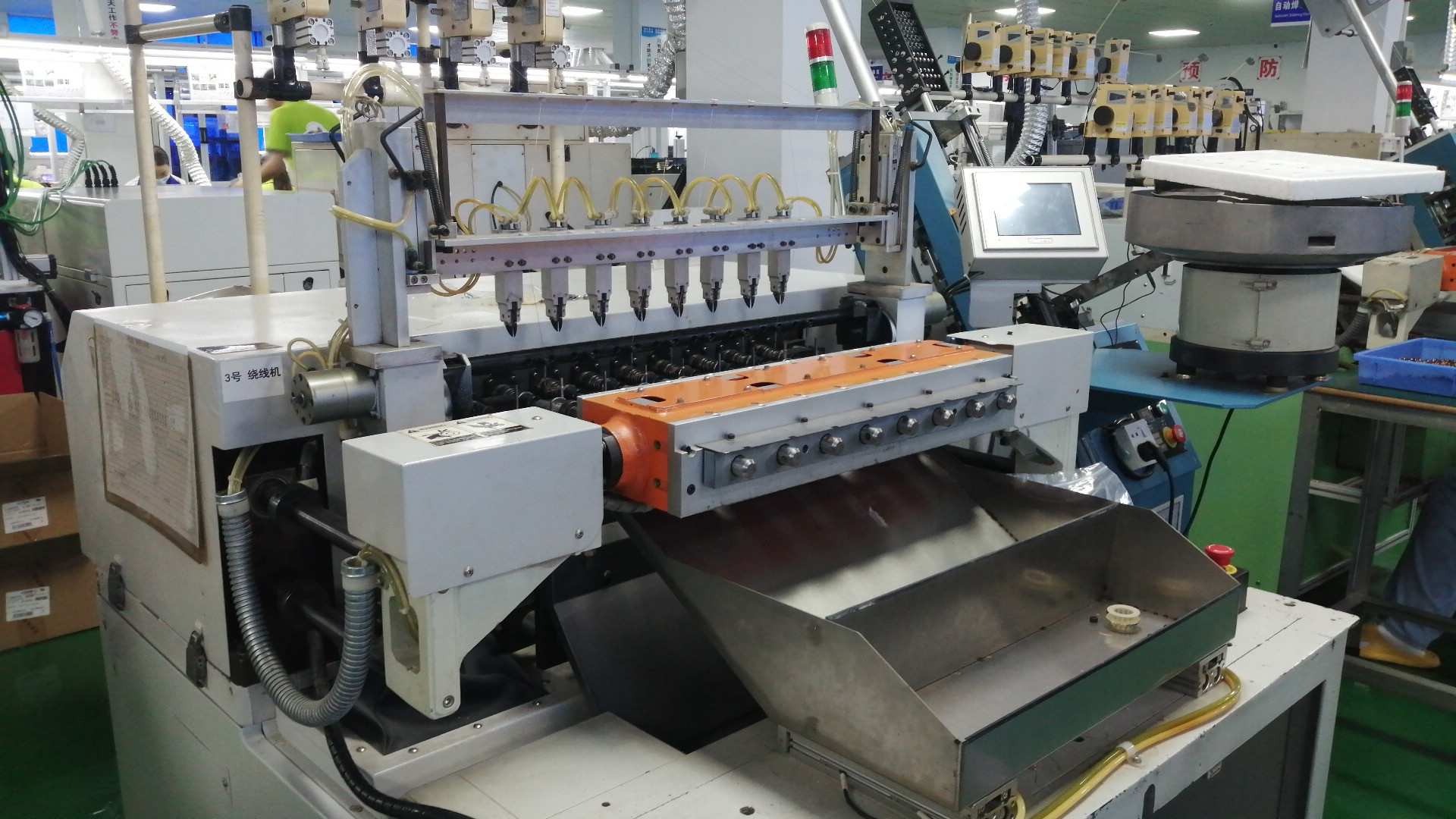 High-Speed Winding
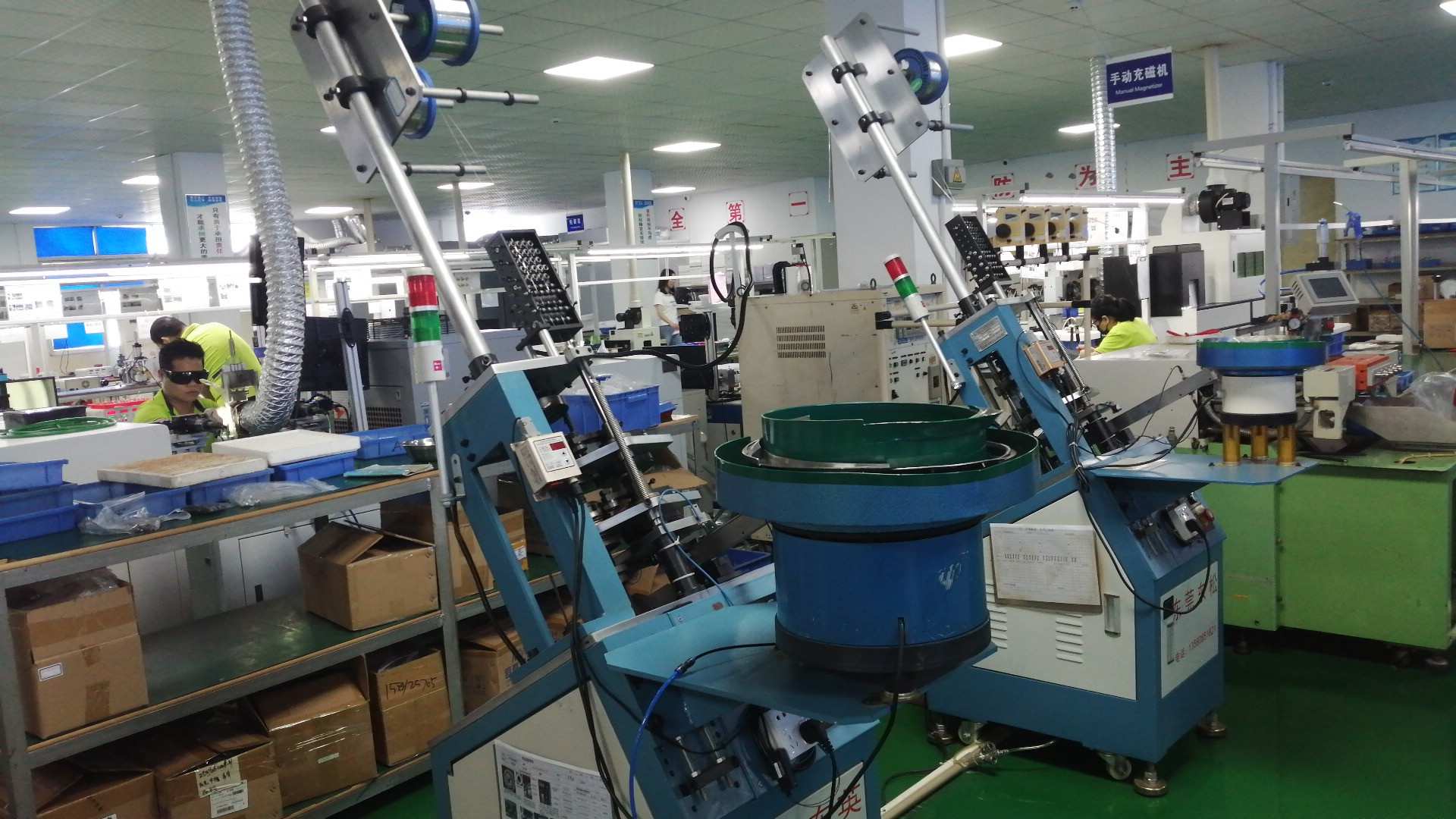 Connector Pinning
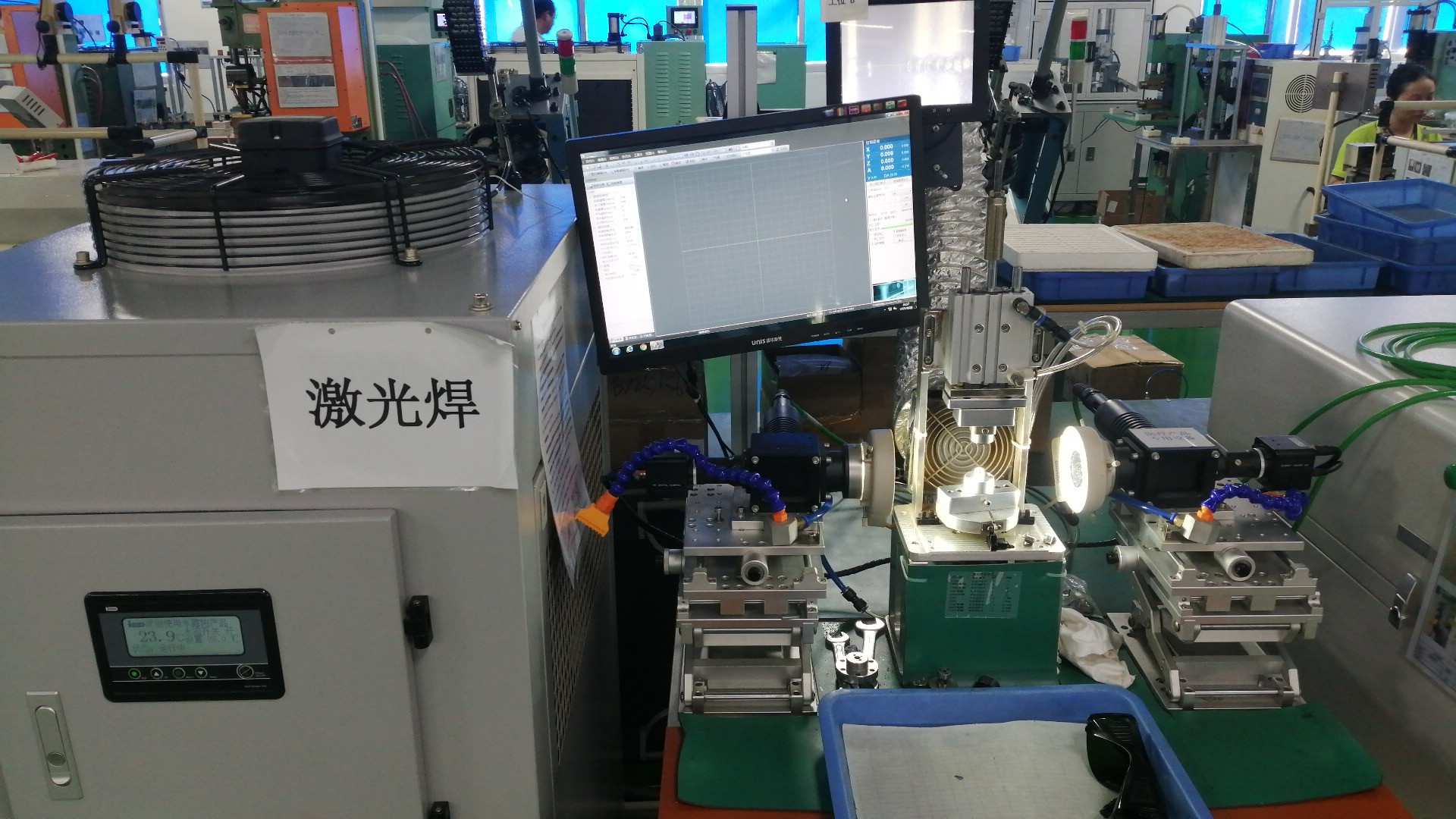 Pulse Welder
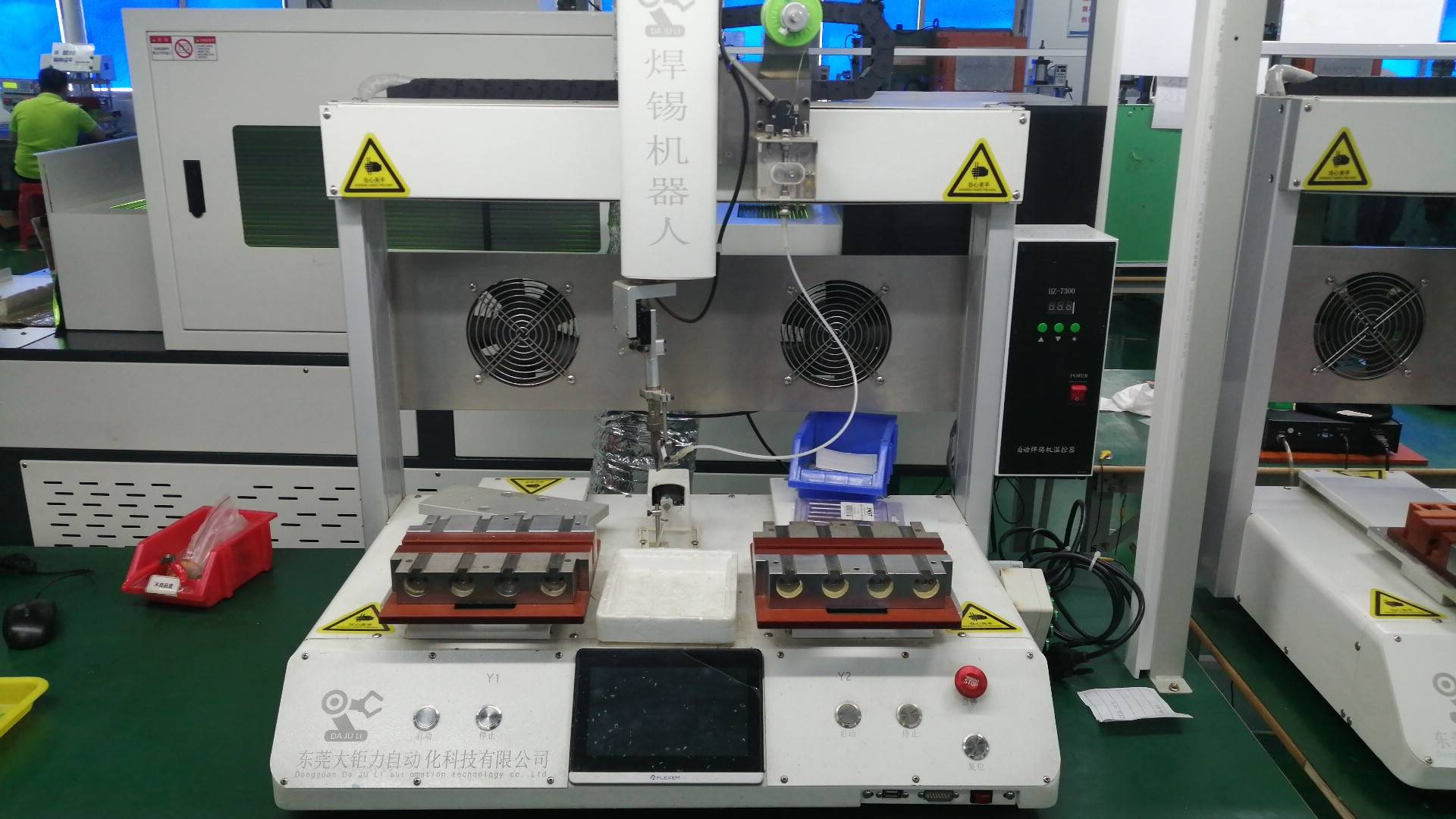 Precision Lead Solder
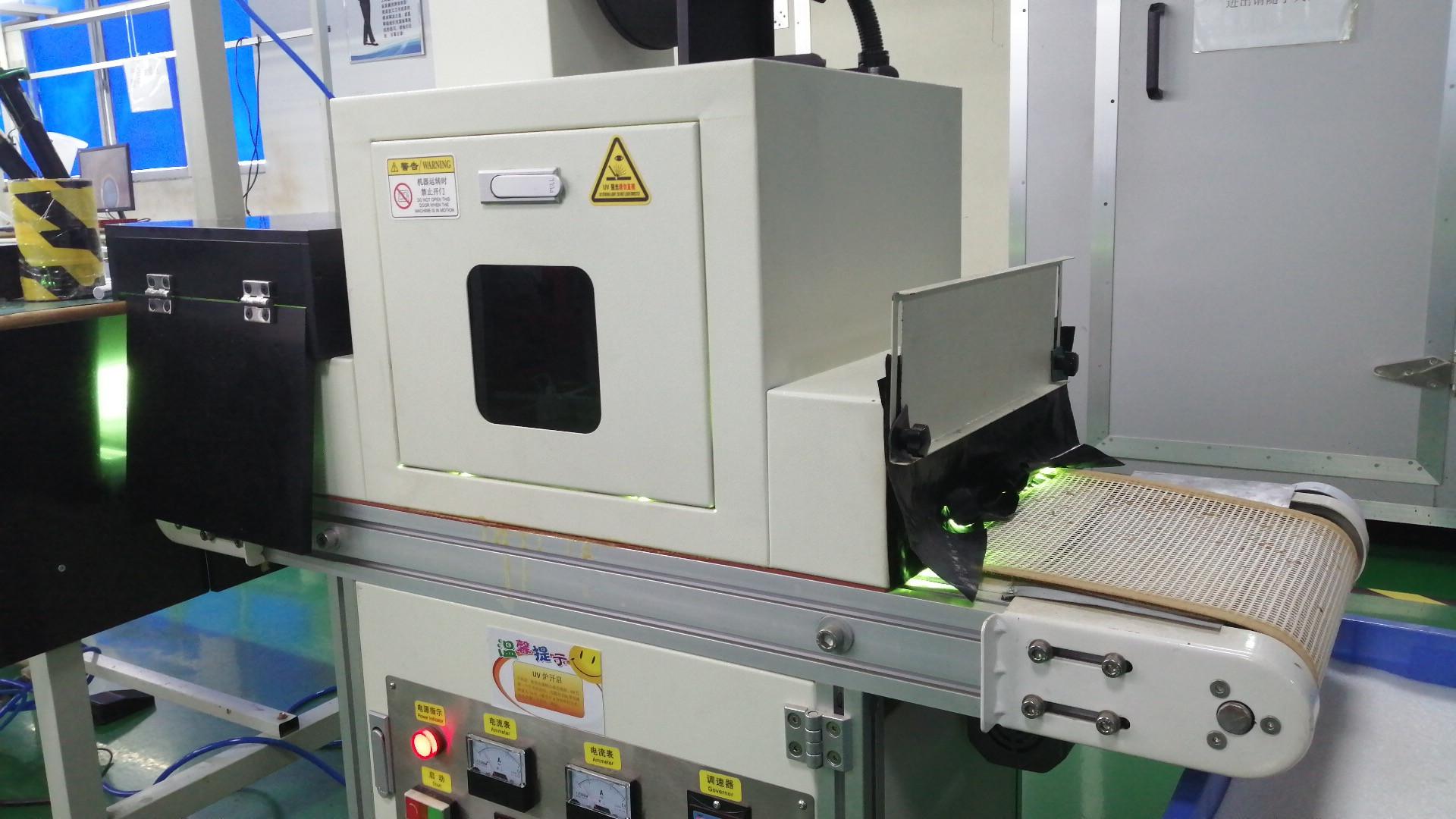 Environmental Chamber
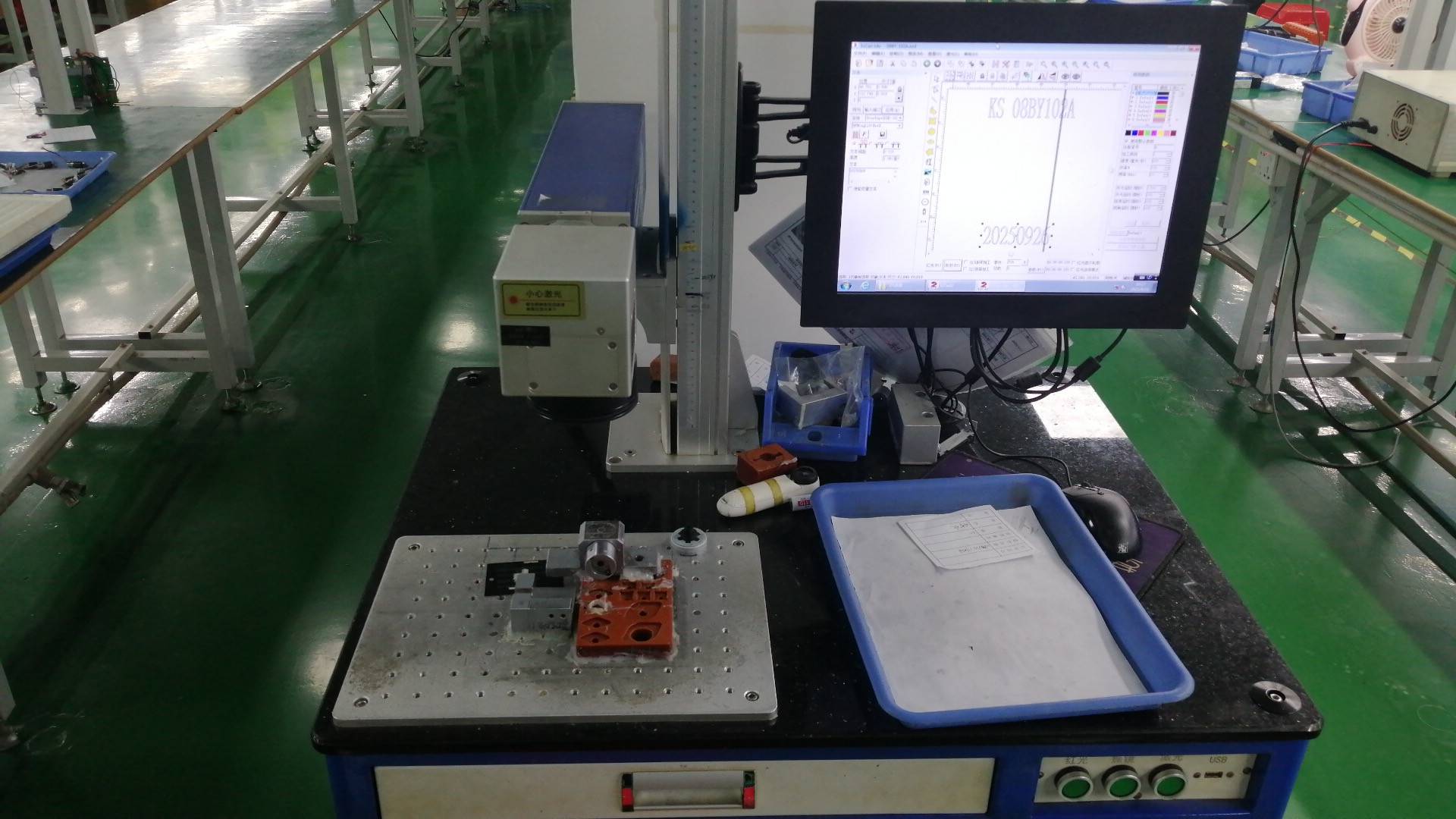 Traceability Laser
We believe that consistency is the foundation of electrical engineering. Our metrology center employs cutting-edge detection platforms to certify absolute alignment and magnetic compliance.
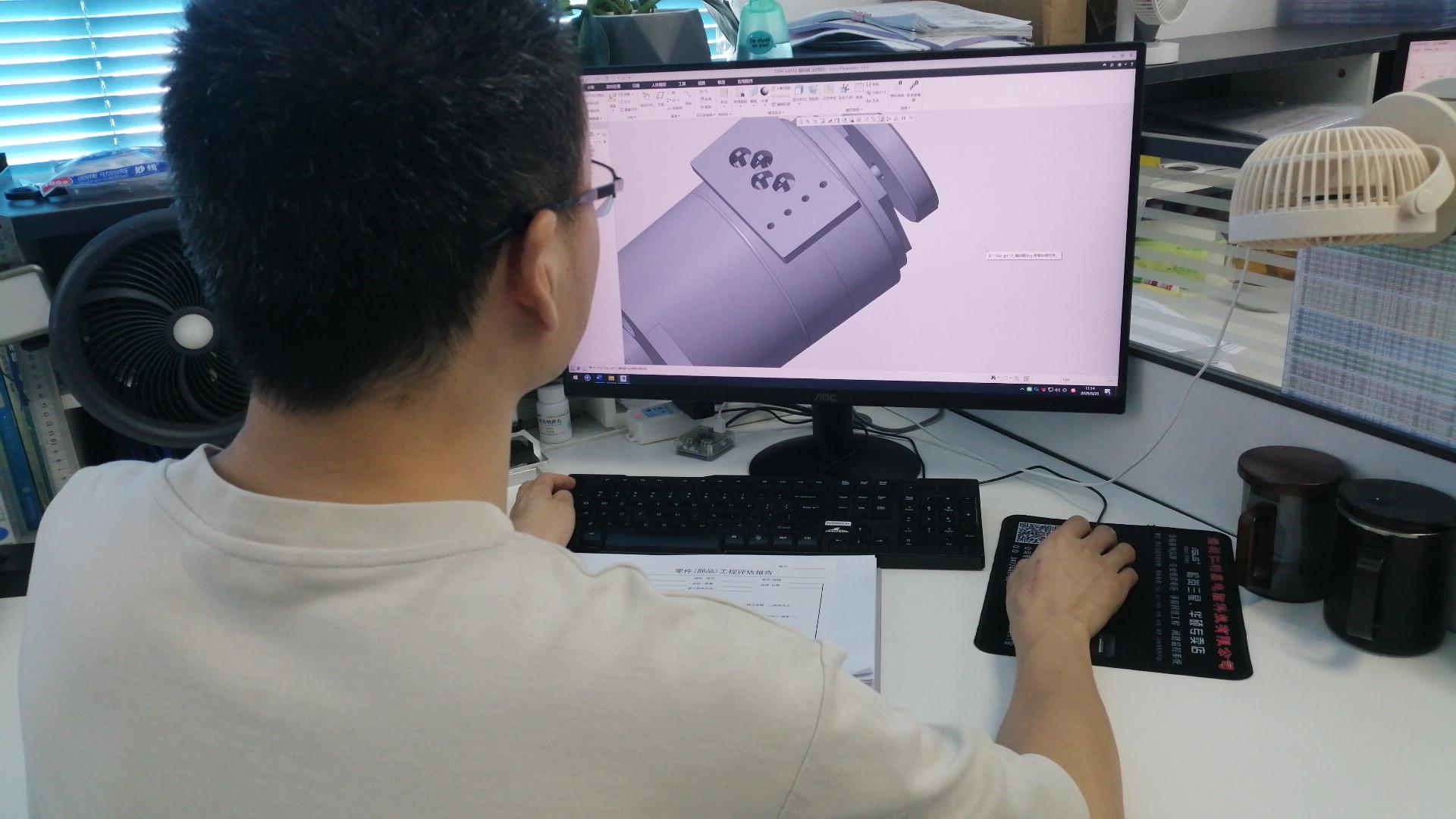 CAD Engineering
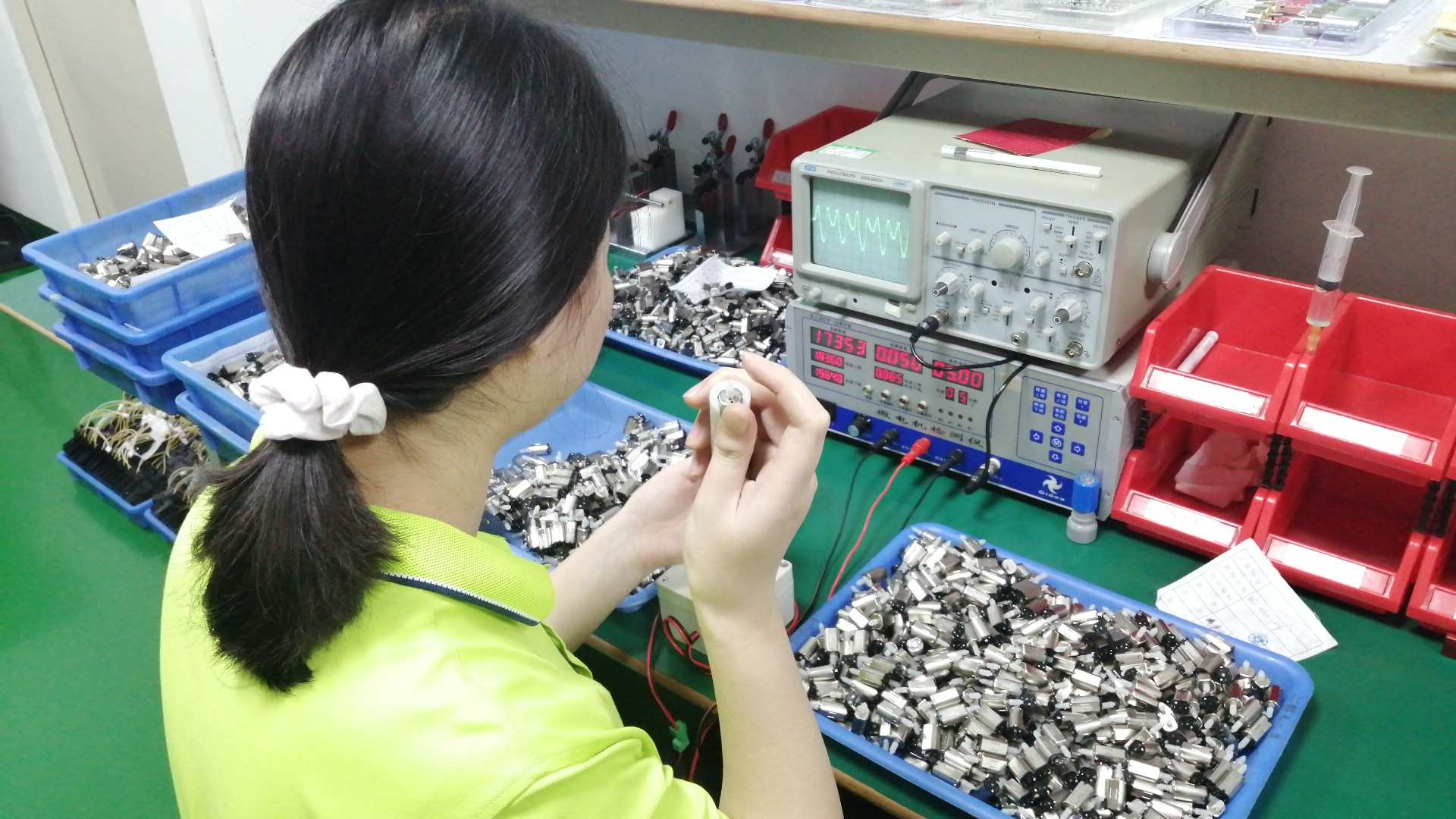 Microscopic Metrology
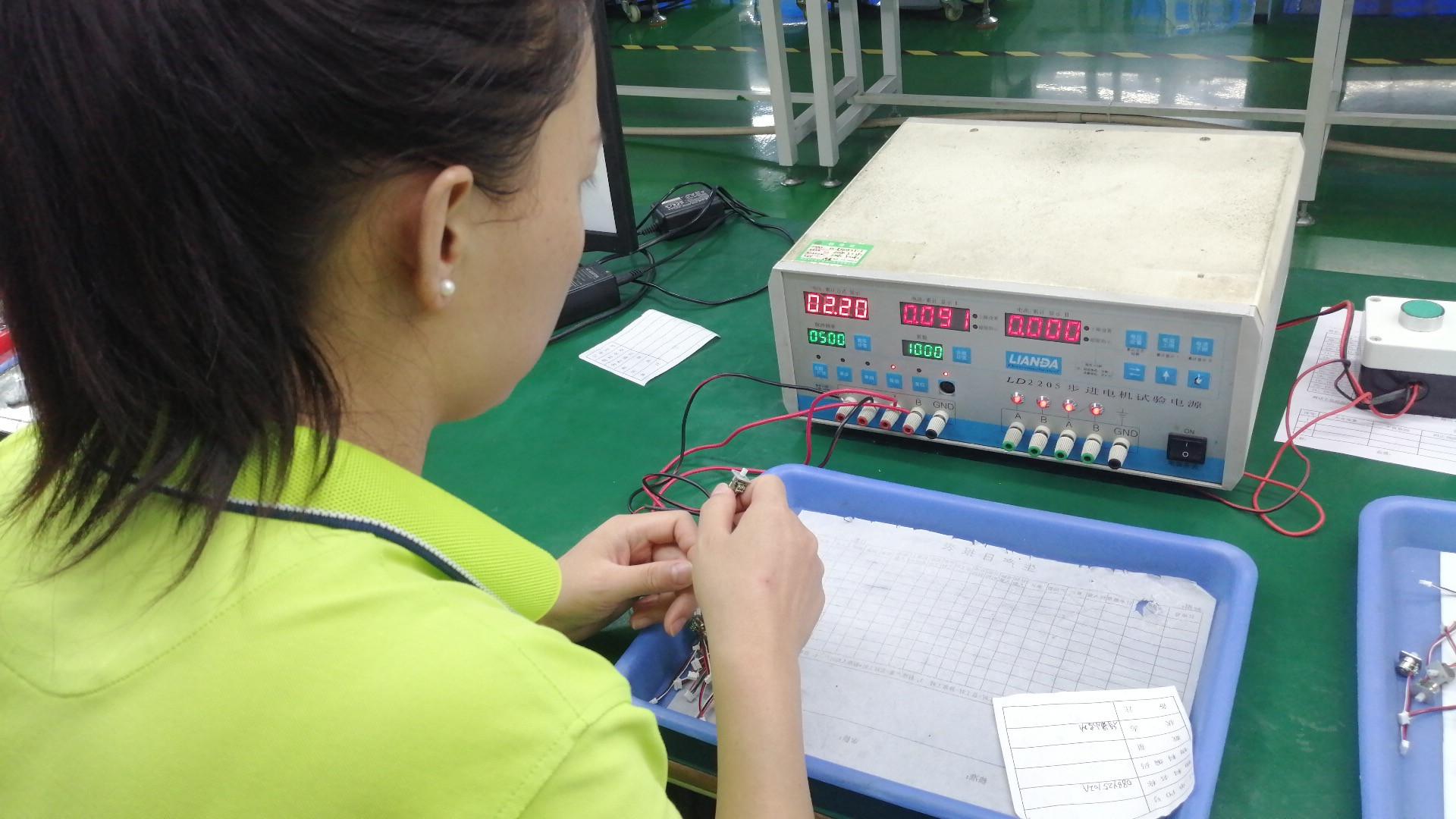 Precision Caliper QA
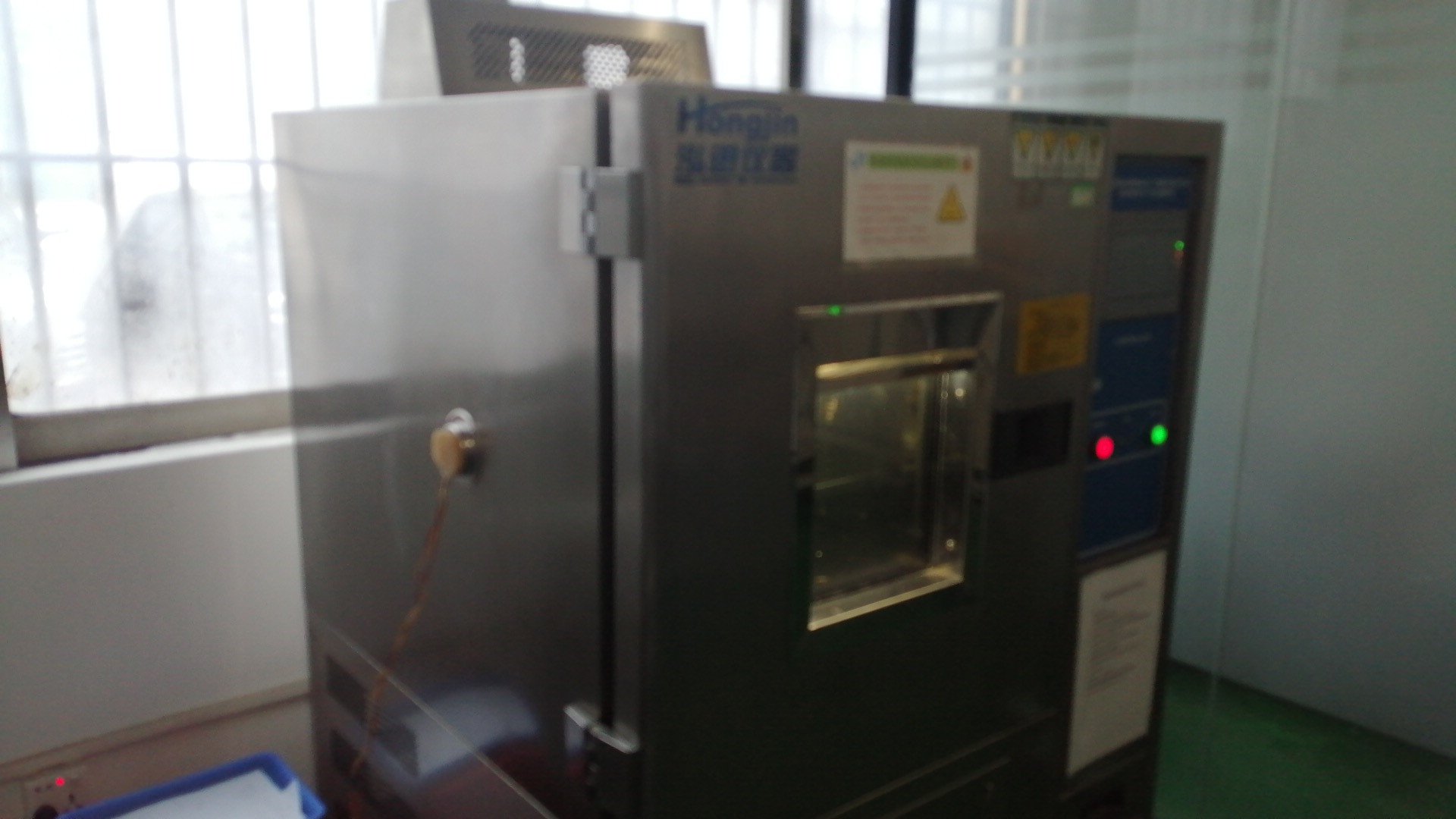 Environmental Chamber
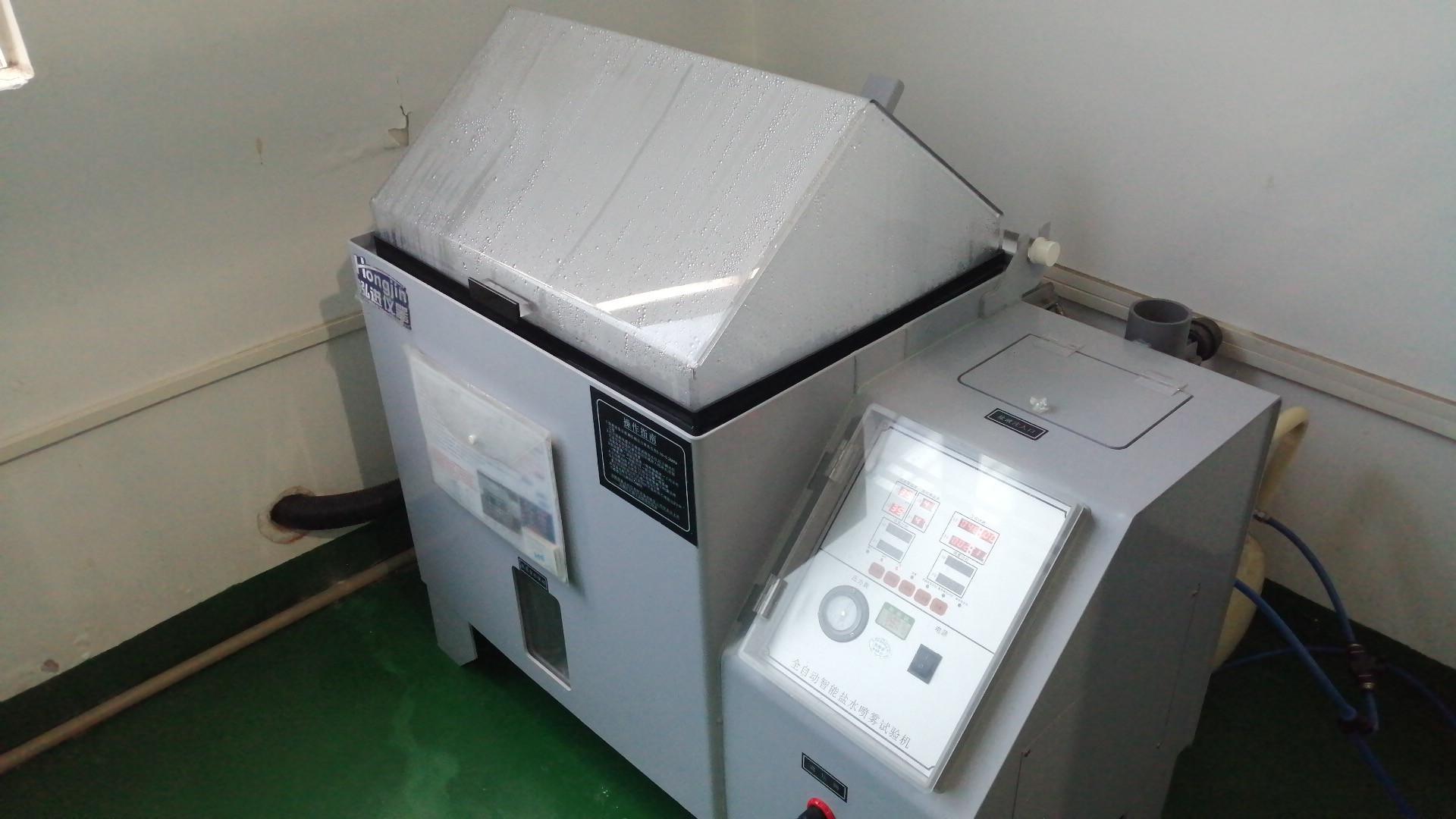 Hi-Pot Insulation Test
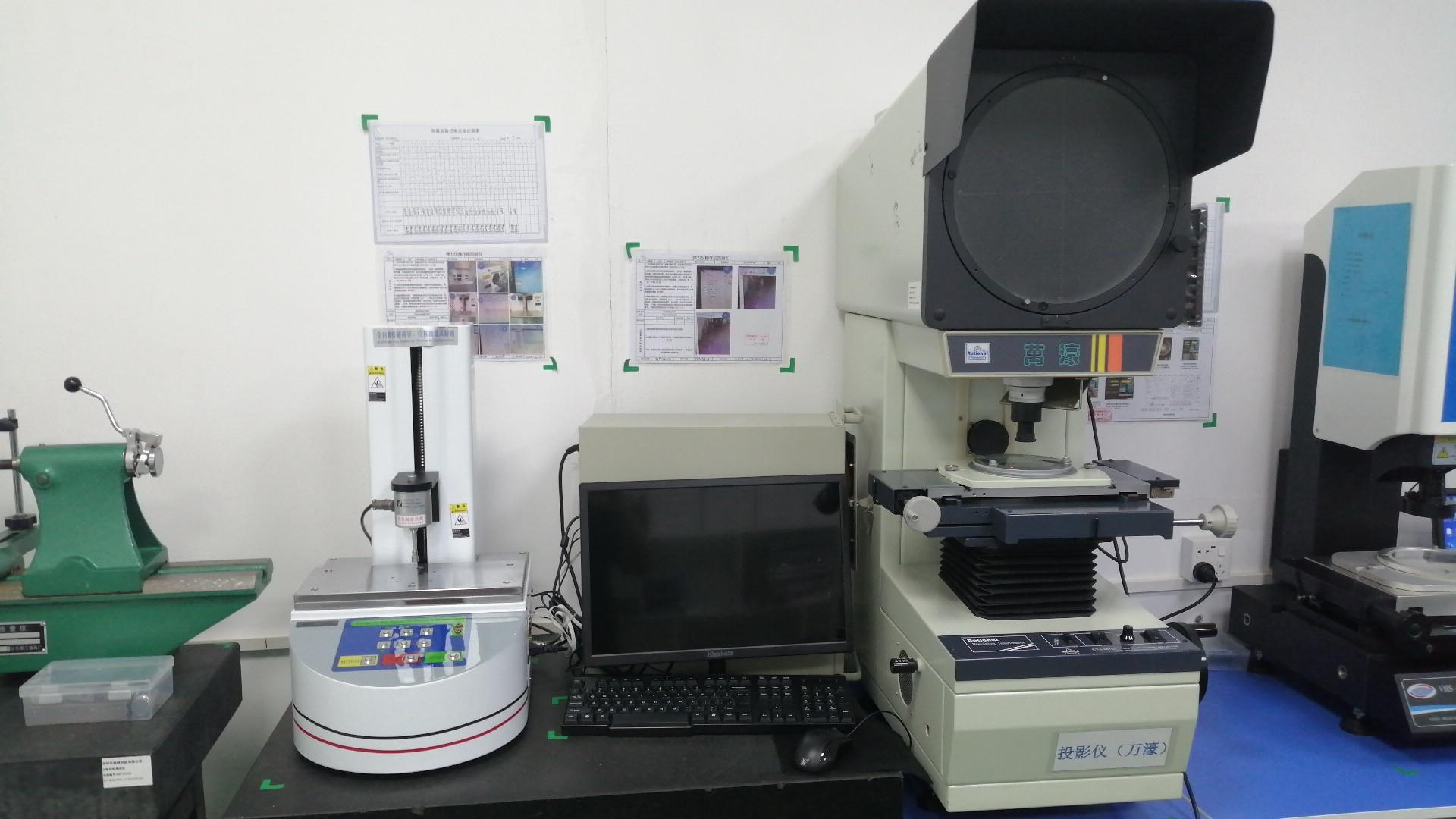 Optoelectronic Projector
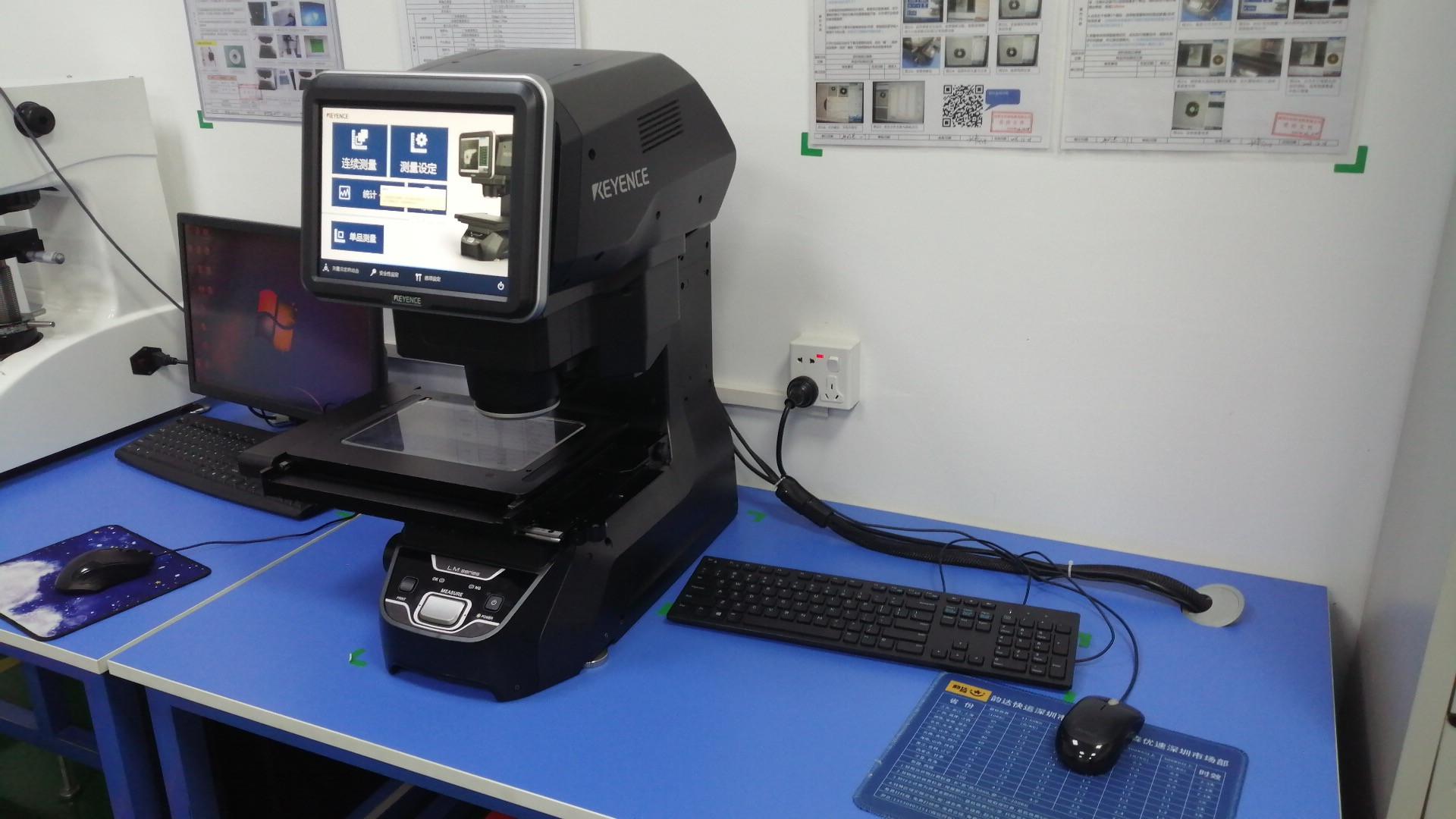 2D Coordinate Mapping
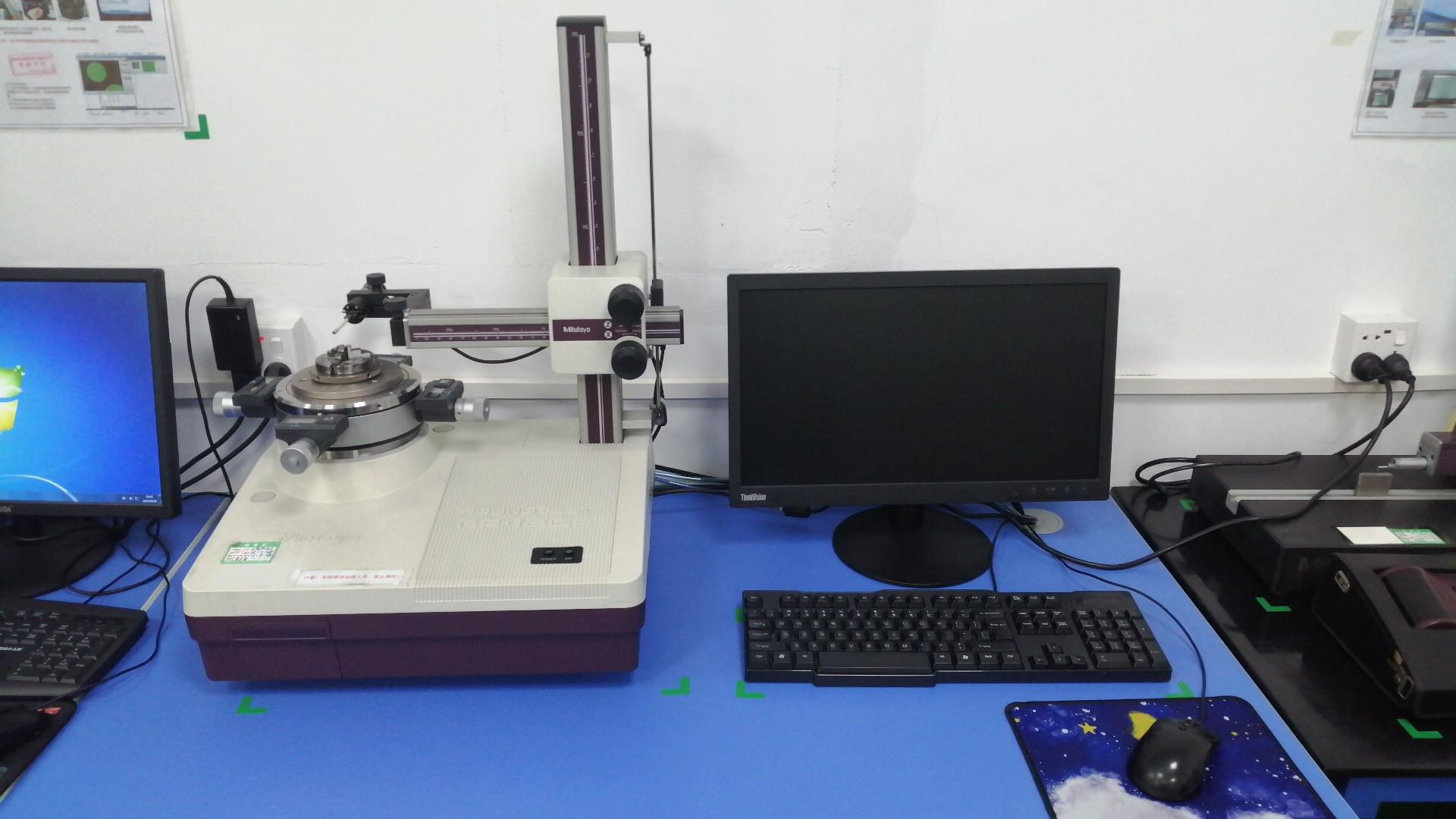 Mitutoyo Roundness Test
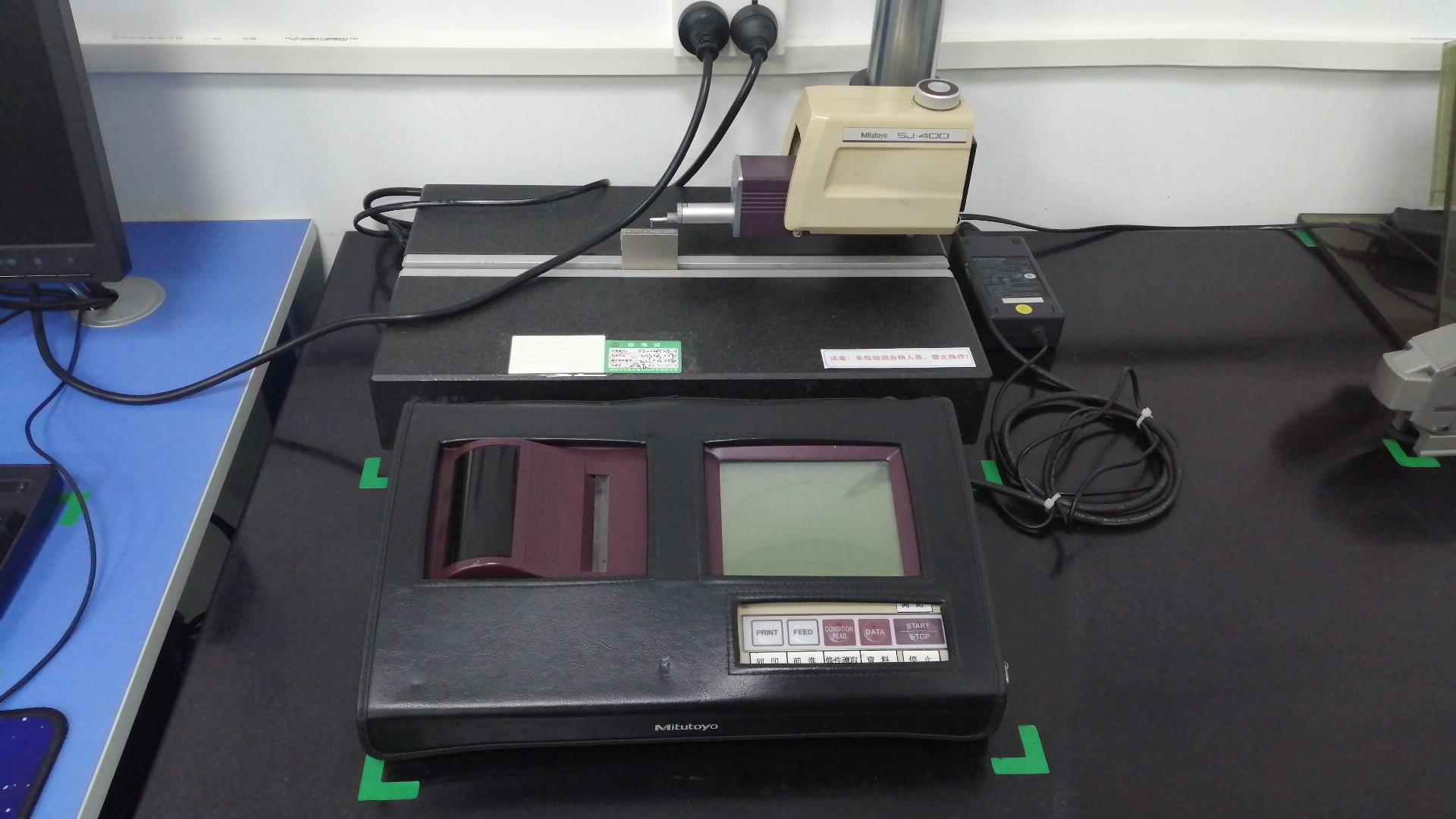 Mitutoyo Roughness Test
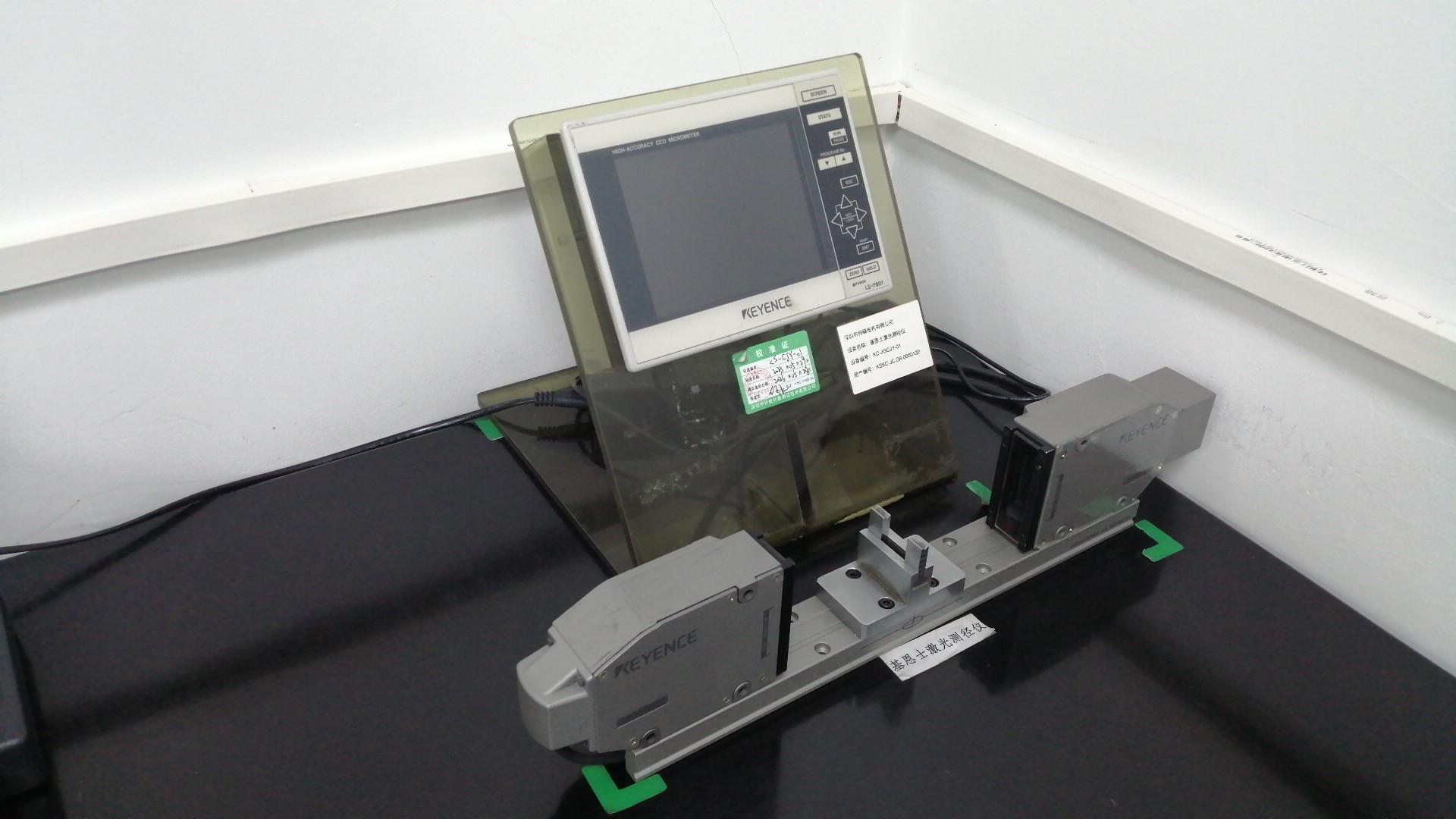 Keyence Laser Scanner
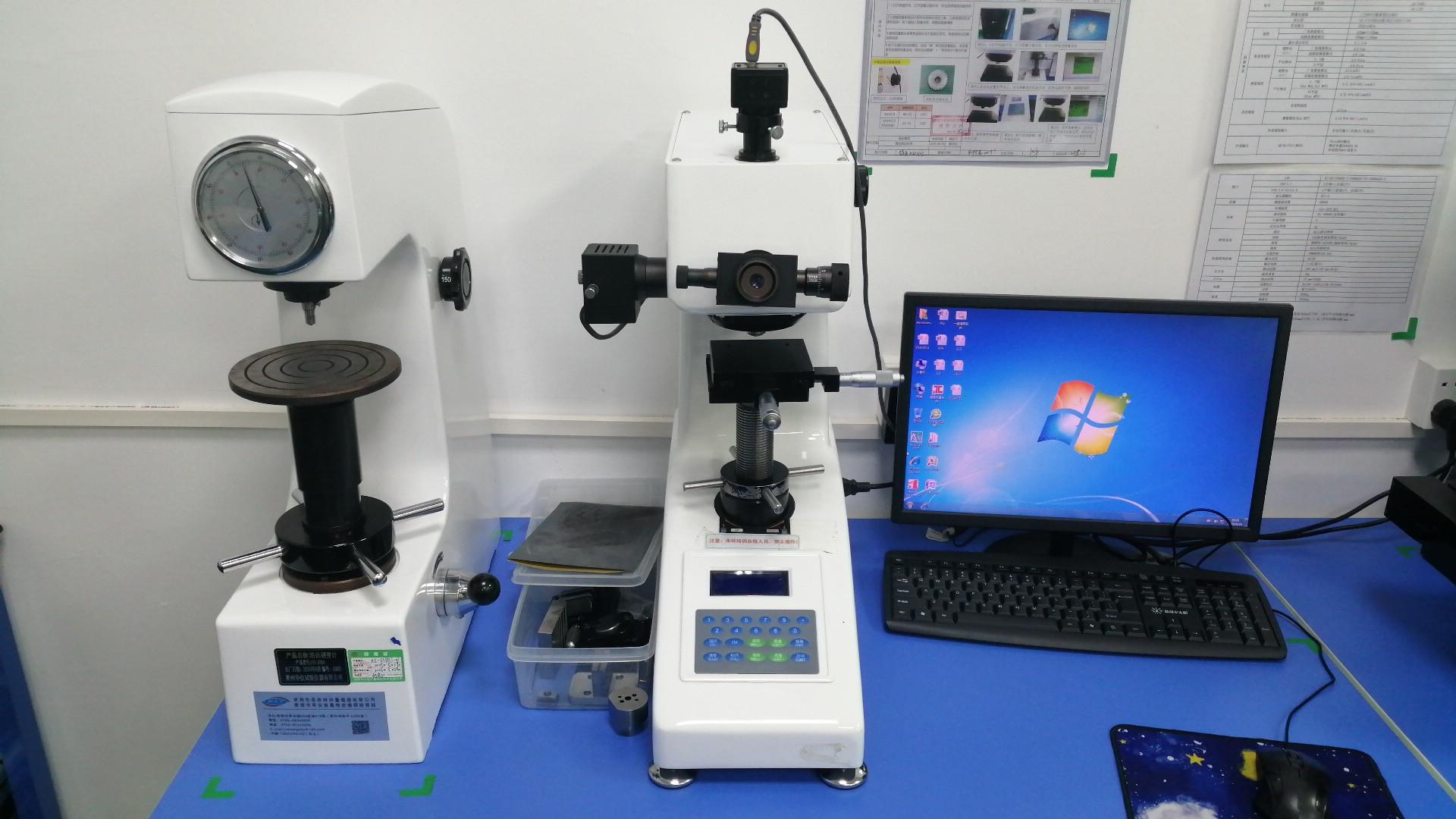 Hardness Indentation Tester
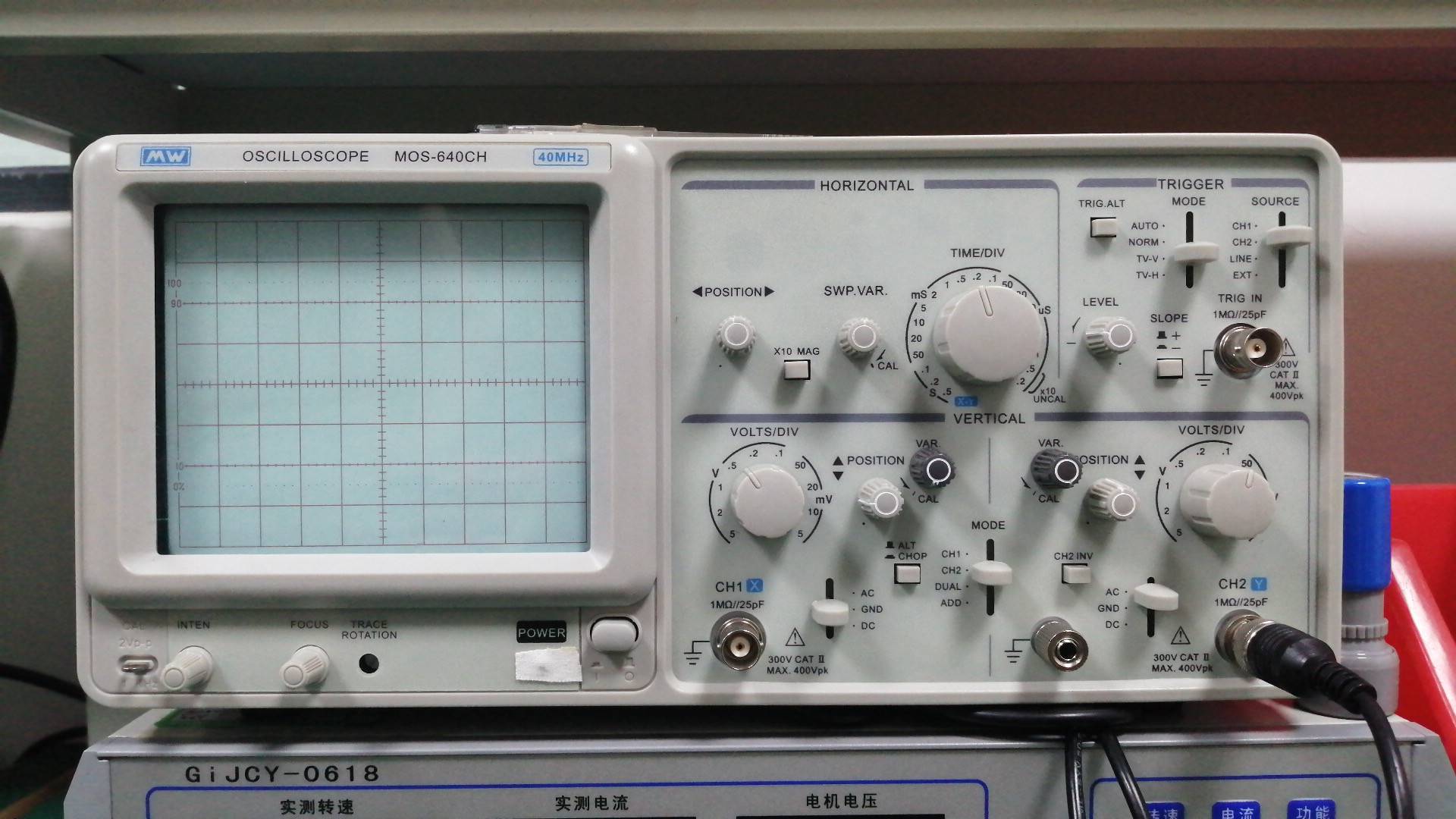 Signal Oscilloscope
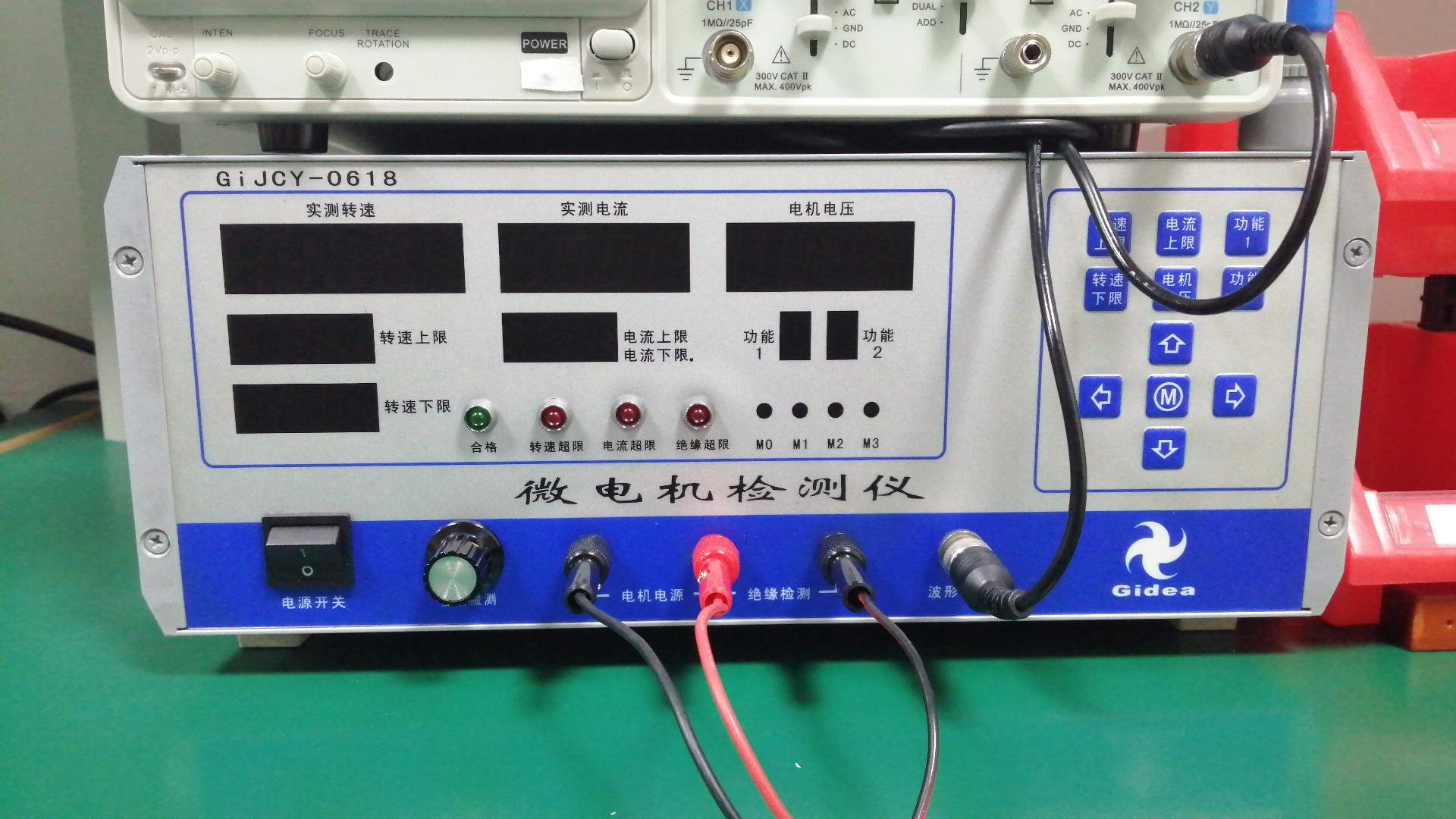 Dynamometer Testing
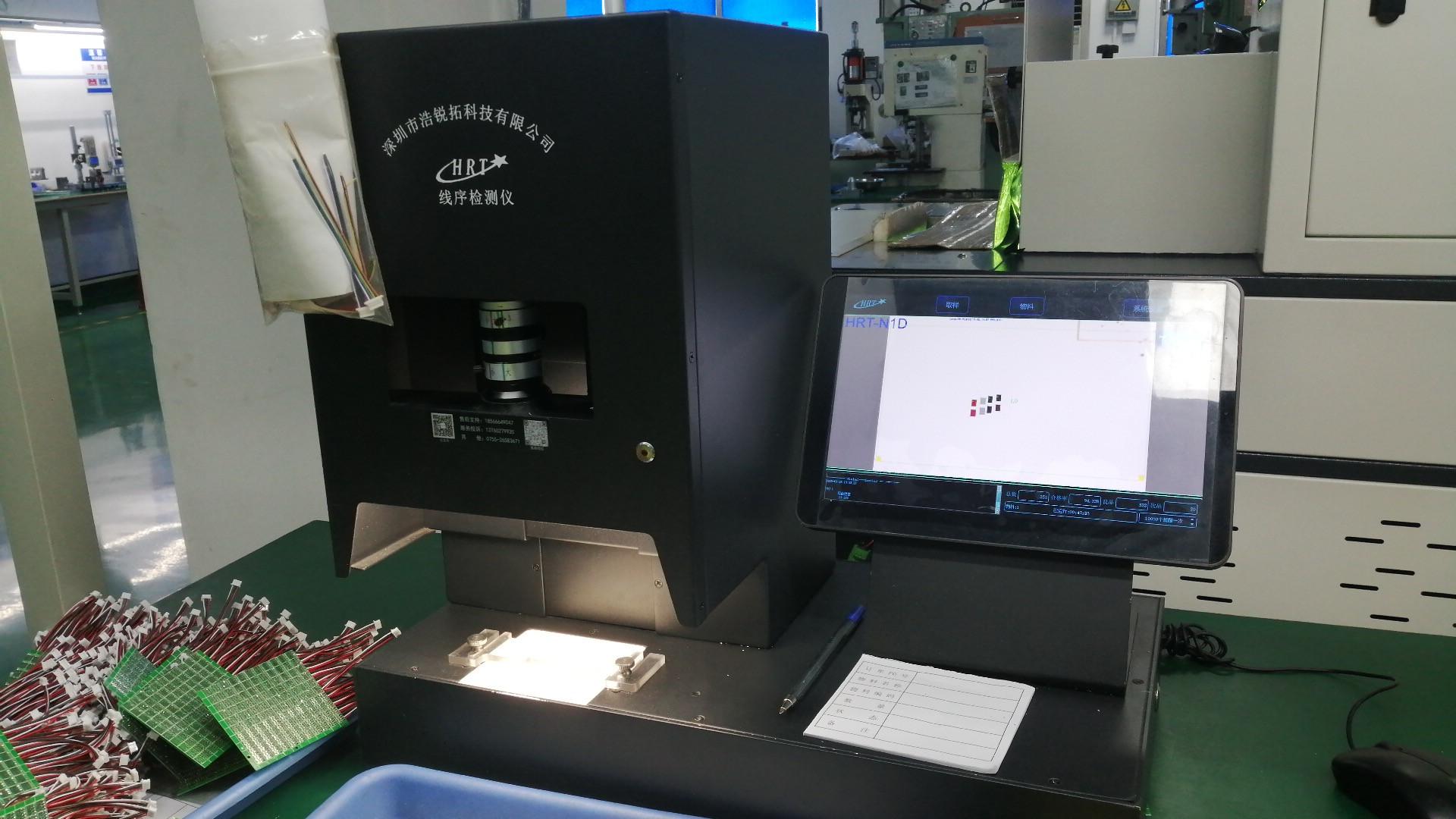 Wire Harness Detector
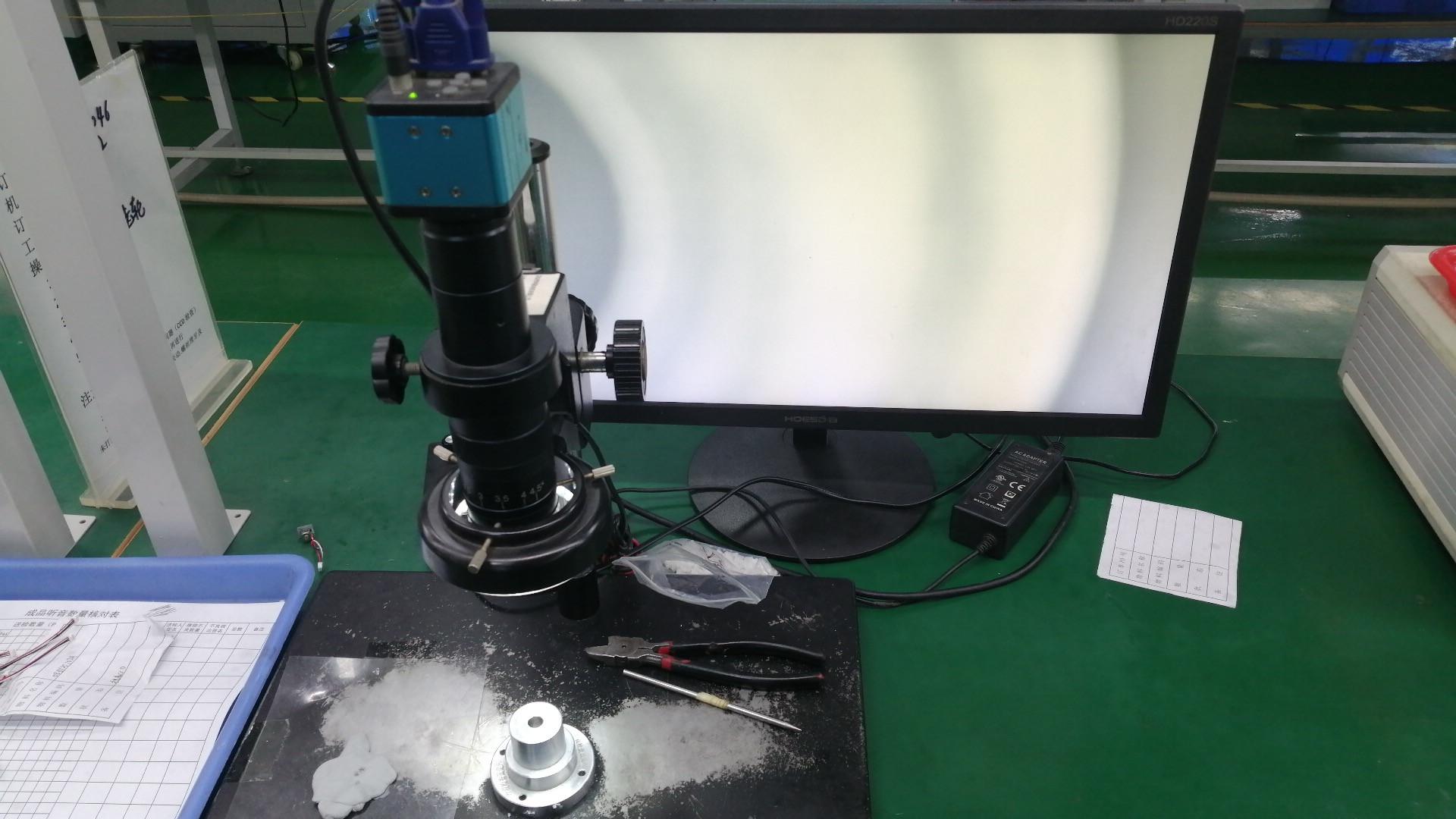 CCD Machine Vision
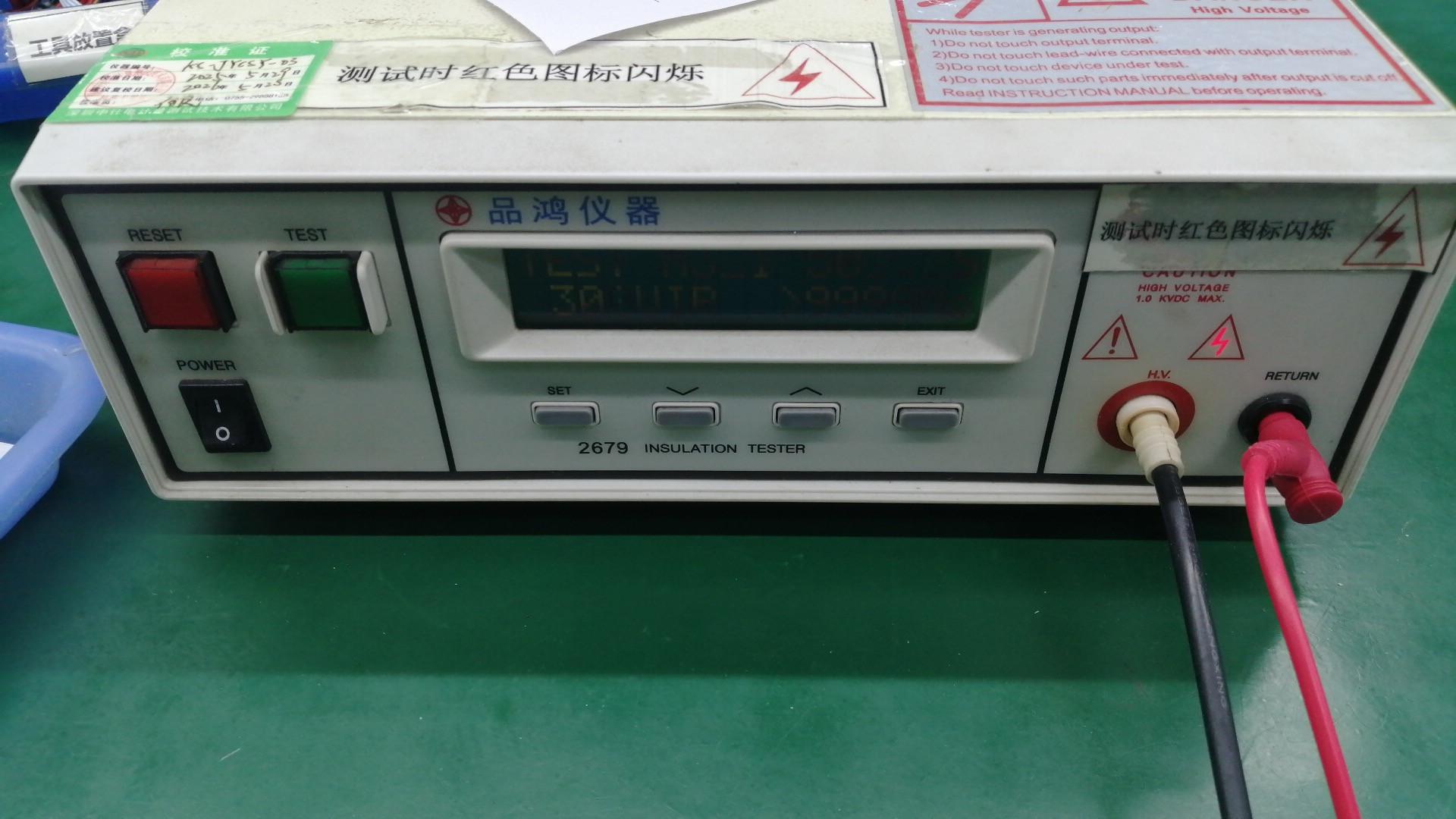 Dielectric Resistance QA
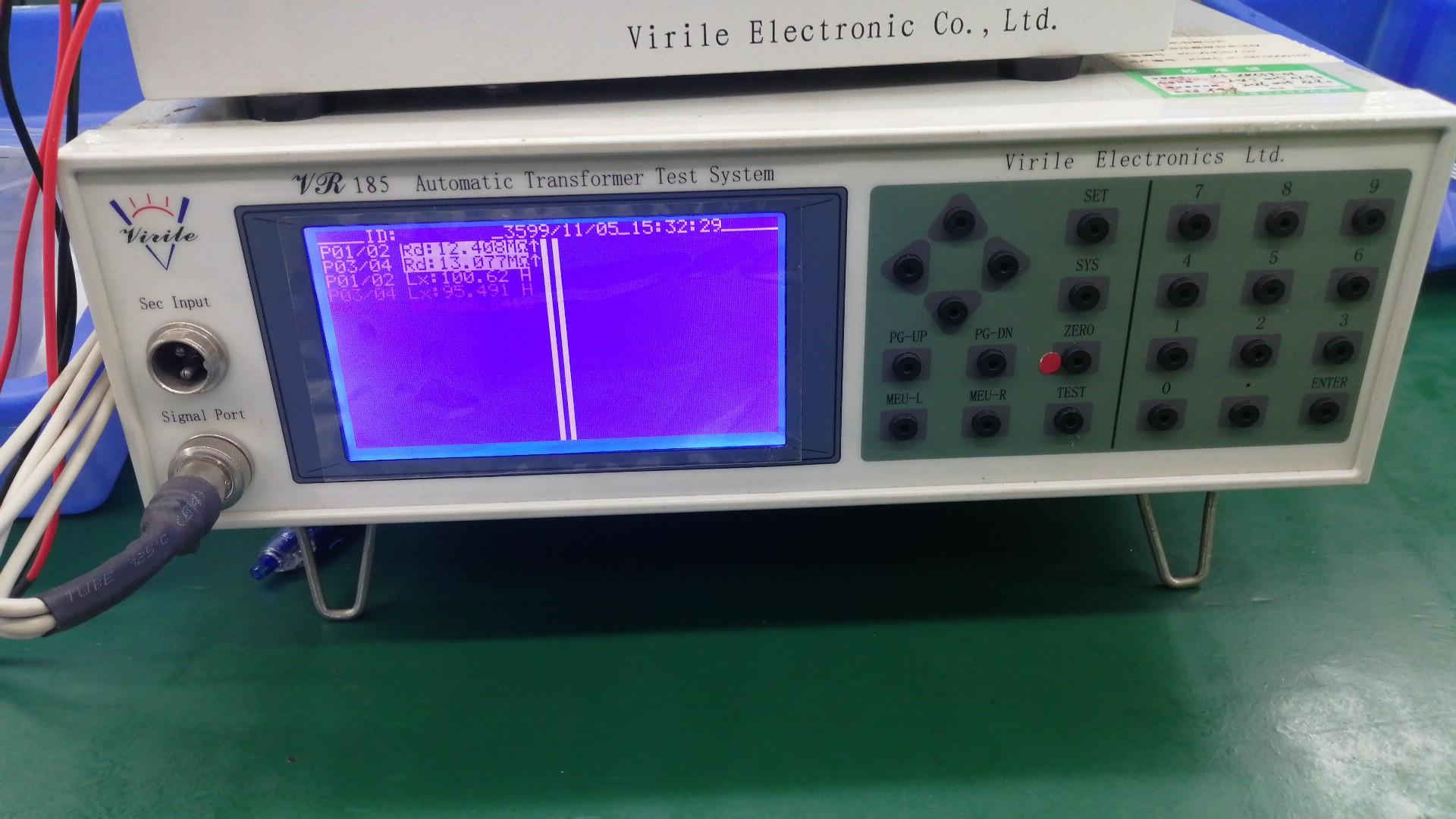 Winding Interturn Tester
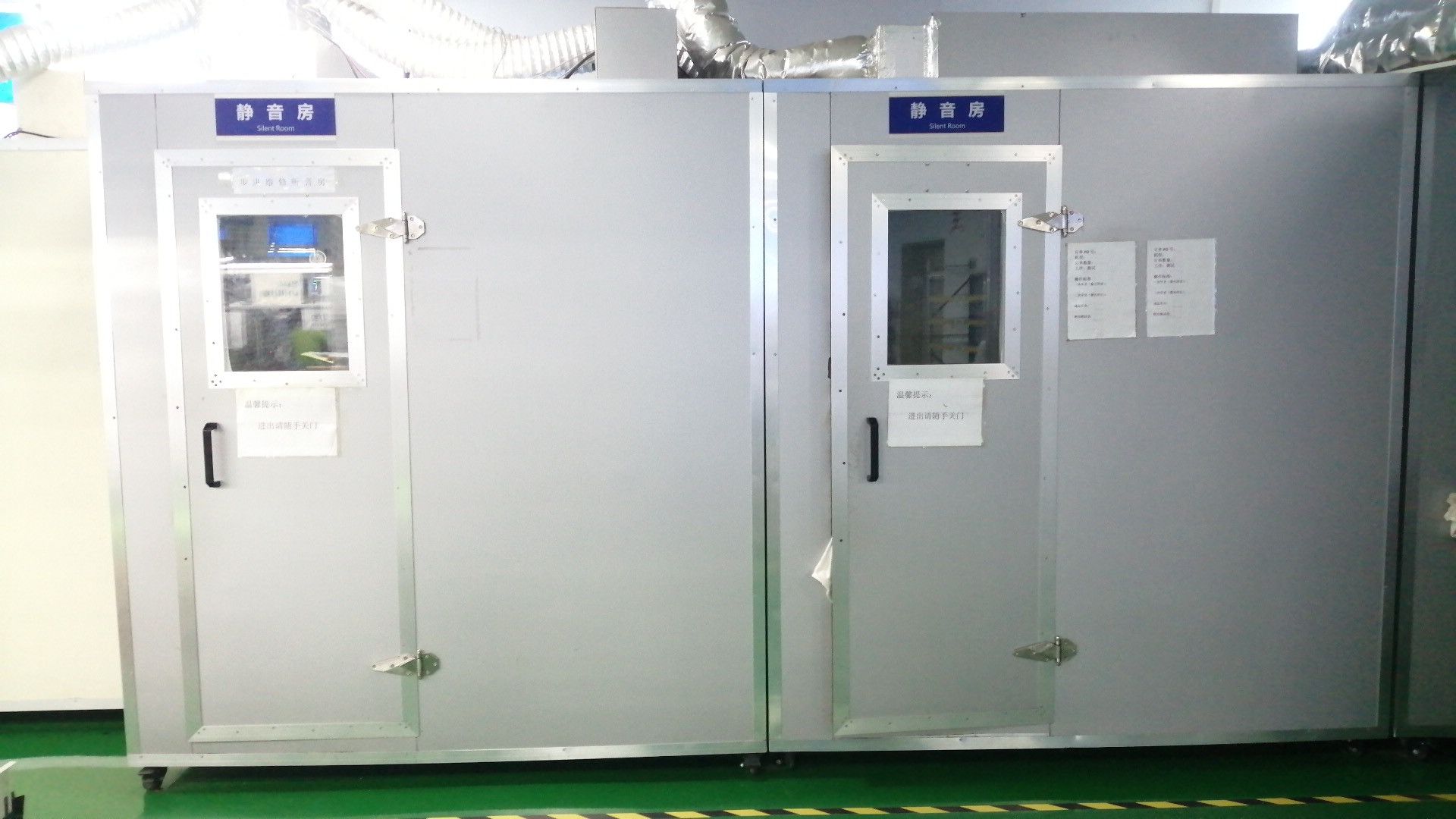 Acoustic Isolation chamber
A Hybrid Stepper Motor (HSM) integrates the operational strengths of a Permanent Magnet (PM) stepper motor and a Variable Reluctance (VR) stepper motor. By mounting a high-energy permanent magnet axially on the rotor shaft and utilizing multi-toothed steel caps at each pole, the motor achieves exceptional angular step precision (most commonly 1.8° or 0.9° per full step) alongside massive holding torque values.
Unipolar motors use two windings per phase with a center tap, allowing control of current direction via relatively simple switches. However, only half the copper is utilized at any given time. Bipolar motors utilize the entire winding sequence, requiring an H-bridge driver circuit to alternate magnetic polarity. The bipolar setup provides up to 40% higher torque output than a comparably sized unipolar motor, making it the design of choice for high-density space applications in industrial CNC and heavy automation.
Unlike servo motors which maintain constant torque across their working speed range, stepper motors generate their maximum torque at standstill (Holding Torque). As rotational speed increases, the winding inductance generates a back electromotive force (Back EMF) that resists incoming current. Consequently, dynamic pull-out torque degrades. Engineers must balance system voltage, driver microstepping, and rotor inertia to minimize resonance and prevent step loss.
The micro-drive industry is transitioning from simple open-loop step controllers toward decentralized smart nodes. Key trends driving development include:
Riyadh is quickly transforming into the primary logistics gateway for the Gulf region. High-velocity sortation hubs and automated micro-fulfillment facilities are being constructed to support cross-border e-commerce. Inside these facilities, reliability is crucial. Any component failure along a conveyor or robotic sorting arm risks stopping a multi-million-dollar logistics loop.
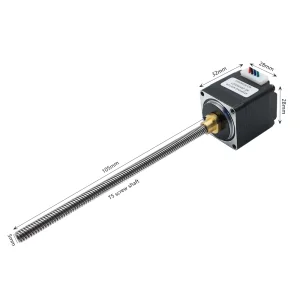
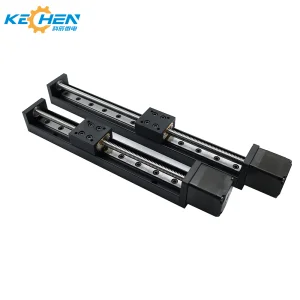
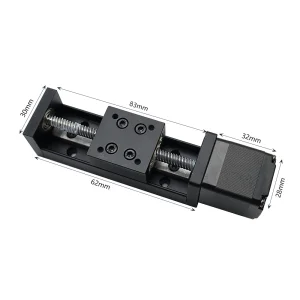
Linear actuators based on hybrid stepper configurations (such as NEMA 17 or NEMA 23 leadscrew variations) drive the vertical and horizontal axis shifts on smart shuttle carts, ensuring high positional reliability inside automated high-density rack systems.
With massive solar arrays powering Riyadh’s new clean smart cities, localized solar tracking actuators utilize high-torque gear-integrated hybrid stepper motors to align panels precisely with the sun's trajectory throughout the day, operating reliably in sand-heavy environments.
Riyadh's expanding medical research zones utilize NEMA 11 and NEMA 8 micro-steppers within fluid-handling pipettes, high-throughput blood analyzers, and automated sample routing systems, where errors in micro-liter dosing cannot be tolerated.
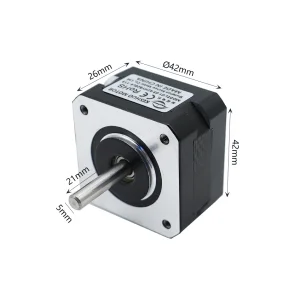
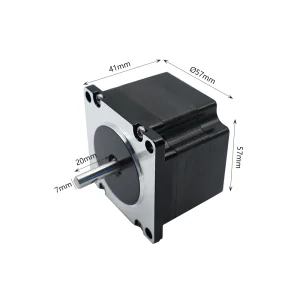
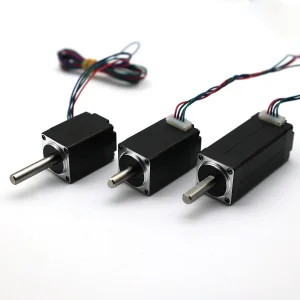
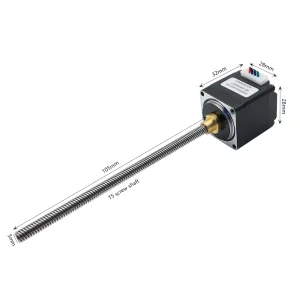
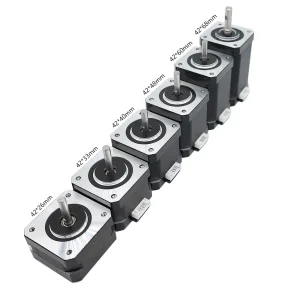
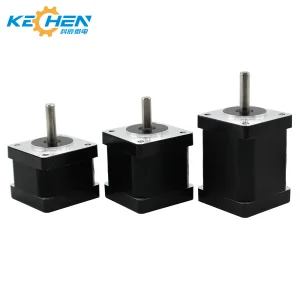
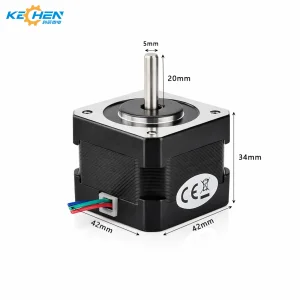
Browse our complete international-standard stepper catalog. From mini NEMA 8 series up to high-torque NEMA 23 packages, we customize structural elements to fit your mechanical envelopes.
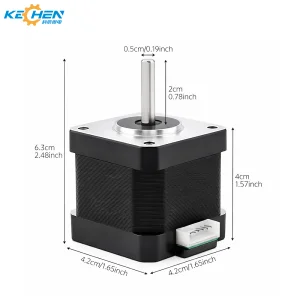
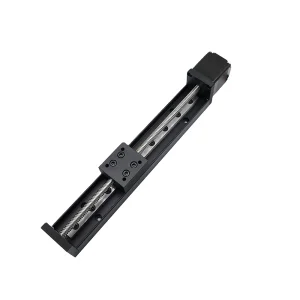
Clear, definitive answers to help industrial designers select, integrate, and optimize hybrid stepping solutions in high-demand environments.
A hybrid stepper motor combines properties of both permanent magnet (PM) and variable reluctance (VR) stepping designs. Its rotor features an axially magnetized cylindrical magnet capped with high-permeability steel cups containing finely cut teeth. This double-toothed construction guides the magnetic path precisely, minimizing the air gap, which results in smaller step angles (0.9° to 1.8°), higher detent and holding torque, and faster operating frequencies compared to pure PM or VR variations.
High ambient heat (up to 50°C) reduces winding heat dissipation capability. Since copper resistance increases with temperature, current levels can drop if drivers are run in constant-voltage modes, reducing torque. Extreme heat also risks demagnetizing the rotor's rare-earth magnets. To prevent this, we build motors using class-F (155°C) and class-H (180°C) insulation, coupled with high-coercivity magnets, ensuring stable performance in hot environments.
Unipolar motors use two windings per phase with a center tap, requiring simpler drives but sacrificing efficiency. Bipolar motors run current through the entire winding in alternating directions using H-bridge circuits. By utilizing the entire winding volume, bipolar motors generate up to 40% more torque than unipolar motors of the same size. For industrial CNC, medical devices, and robotics, bipolar configurations are generally preferred.
As a motor rotates, the winding coil generates Back EMF that opposes the supply voltage. Due to winding inductance, current takes time to build up in each step cycle. At higher stepping speeds, the current cannot reach its target level before the phase switches, causing torque to decrease. Designers can mitigate this by using high-voltage constant-current (chopper) drivers and selecting motors with low inductance winding specifications.
Microstepping divides full steps into smaller microsteps by adjusting phase current ratios. This smooths out motor rotation, reduces resonance, and lowers vibration noise. While microstepping increases resolution, the incremental torque per microstep drops significantly. Designers should use closed-loop encoders if high-precision position holding under heavy loads is required.
We provide comprehensive OEM and ODM options, including customized shaft profiles (D-cuts, keyways, round, or helical screws), integrated lead-screw and ball-screw shafts, specialized wiring harnesses, planetary or spur gearboxes, integrated encoders, and custom electrical windings designed for specific system voltages and torque profiles.
Work with our applications engineering team to configure the ideal hybrid stepper motor assembly for your specific automation, mechanical, or environmental constraints.
 Axon Motor