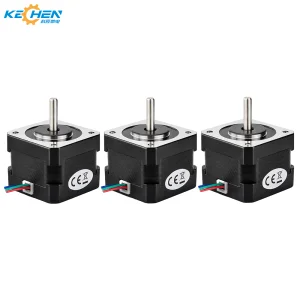
Engineered for high resolution, high torque density, and long-term reliability. Explore our highlighted dynamic solutions ready for dispatch or customized modification.
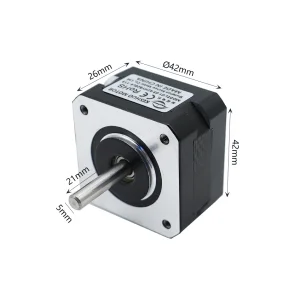
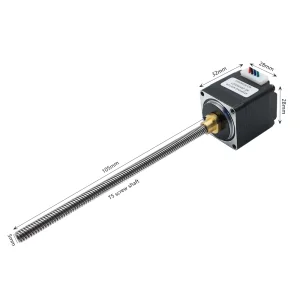
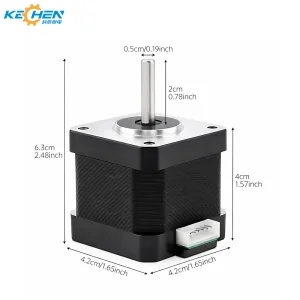
Berlin has transitioned from a historical manufacturing center to one of Europe's primary hubs for high-tech innovation, hardware prototyping, and digital industrial integration. Key clusters such as the WISTA Science and Technology Park in Adlershof, the Siemensstadt 2.0 innovation campus, and CleanTech Business Park Marzahn harbor thousands of institutions pushing the boundaries of robotics, biomedical systems, optoelectronics, and micro-engineering.
This localized high-tech boom demands localized component engineering. Hybrid stepper motors act as the vital hardware interface translating algorithmic software commands into micro-scale physical movement. From sub-micron positioning systems in Berlin's advanced optoelectronics labs to rugged, high-torque actuators driving automated laboratory equipment in Kreuzberg, custom motion solutions represent the unsung foundation of modern capital production.
Understanding how international supply networks and state-of-the-art physics converge to elevate stepper motor performance.
With global supply patterns shifting, businesses demand seamless compatibility across NEMA specifications, global logistics, and local compliance (such as RoHS and CE regulations). Axon Motor bridges the gap by manufacturing high-precision products with cost-effective Chinese operations aligned to rigorous Western standards.
By combining the properties of Permanent Magnet (PM) and Variable Reluctance (VR) stepper motors, hybrid steppers utilize a multi-toothed rotor coupled with a permanent magnet. This topology achieves step angles as small as 0.9° and 1.8° for unmatched torque-to-volume metrics.
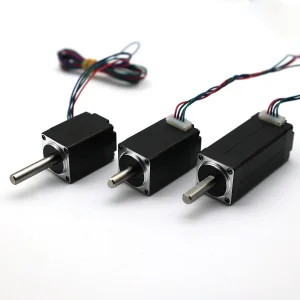
Modern applications are shrinking space requirements. We develop highly customized designs, such as NEMA 8 (20mm) modules, providing high holding torque at minimal power footprints to fit microfluidic pump applications and space-constrained aerospace systems.
The engineering landscape of stepping motors is entering a new paradigm driven by smart integration, sensor feedback, and structural material enhancements. To establish true information gain for Berlin's demanding development engineers, we analyze the core vectors shaping this evolution:
Traditional open-loop stepper systems, while cost-efficient, are prone to step loss under transient load spikes. The modern design trend points to low-profile magnetic or optical encoders mounted directly to the rear shaft. This creates a closed-loop system, running the stepper as a high-pole brushless motor. Stall-free performance, reduced power consumption, and quiet idle states are direct results of this integration.
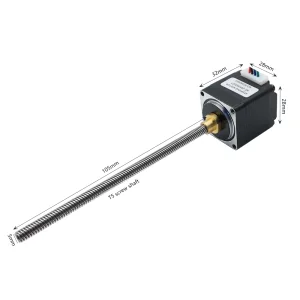
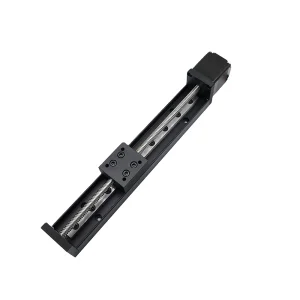
Eliminating external mechanical couplings, belts, and pulleys increases system stiffness while decreasing backlash. Integrating lead screws directly into the motor rotor (available in non-captive, captive, and external linear configurations) delivers high-precision linear positioning. Berlin's laboratory diagnostic sector relies heavily on these configurations for precise pipetting and automated reagent tray positioning.
By utilizing high-grade rare-earth magnets (Neodymium-Iron-Boron) and low-loss silicon steel laminations in the stator, manufacturers can yield a 15-20% torque output boost for the exact same footprint size. This allows for NEMA 11 configurations to deliver torque values that previously required bulkier NEMA 14 frames.
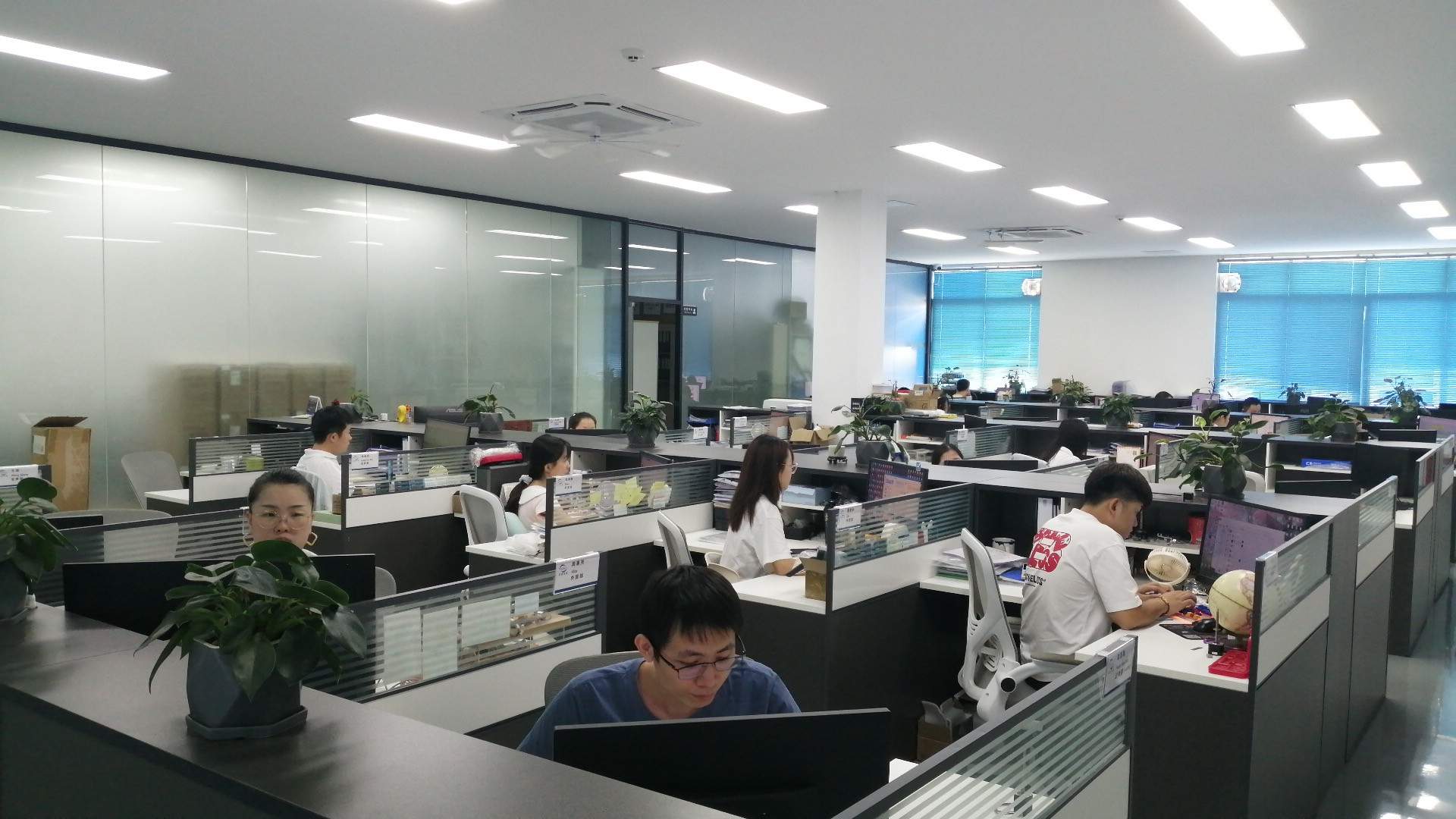
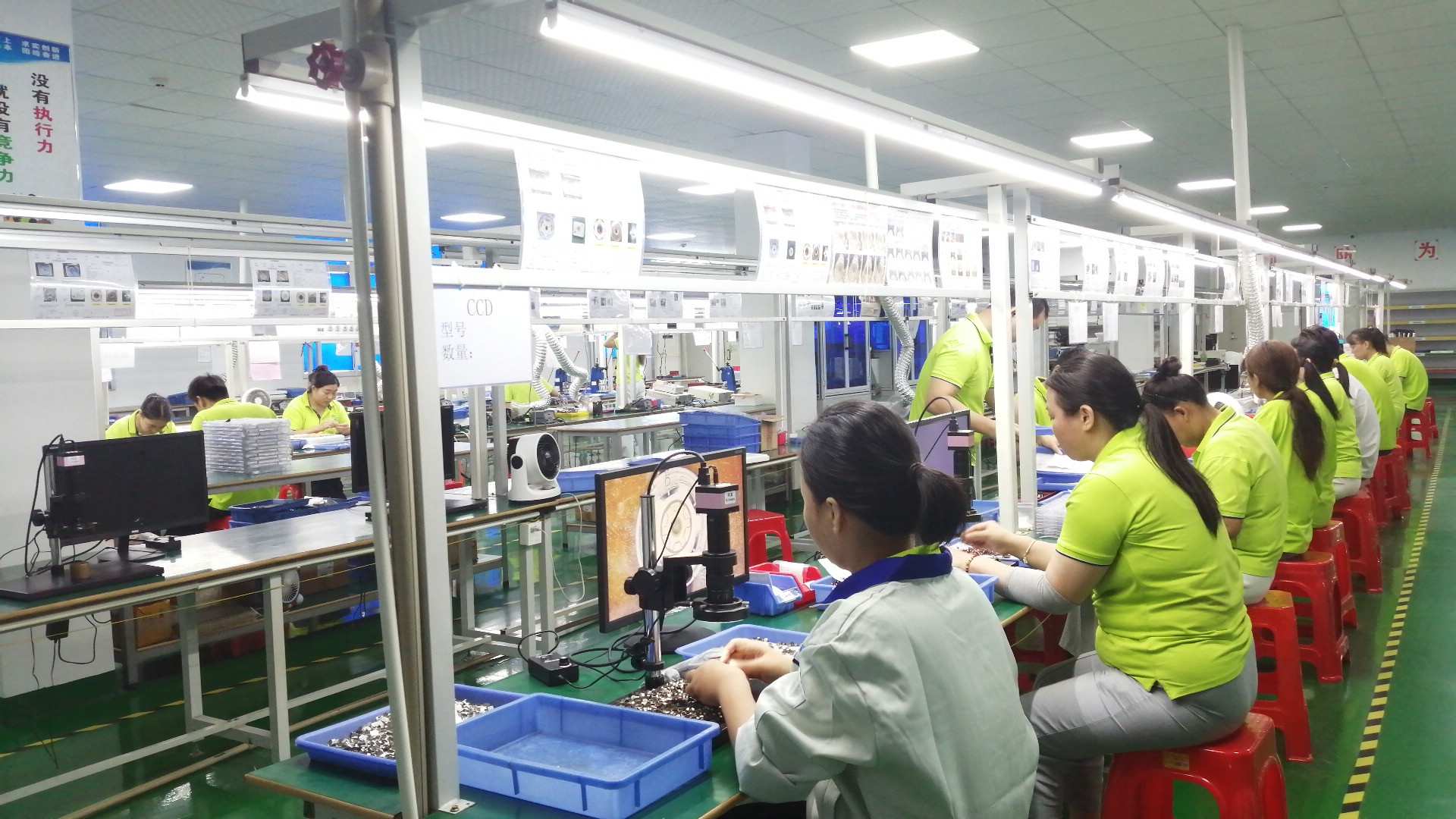
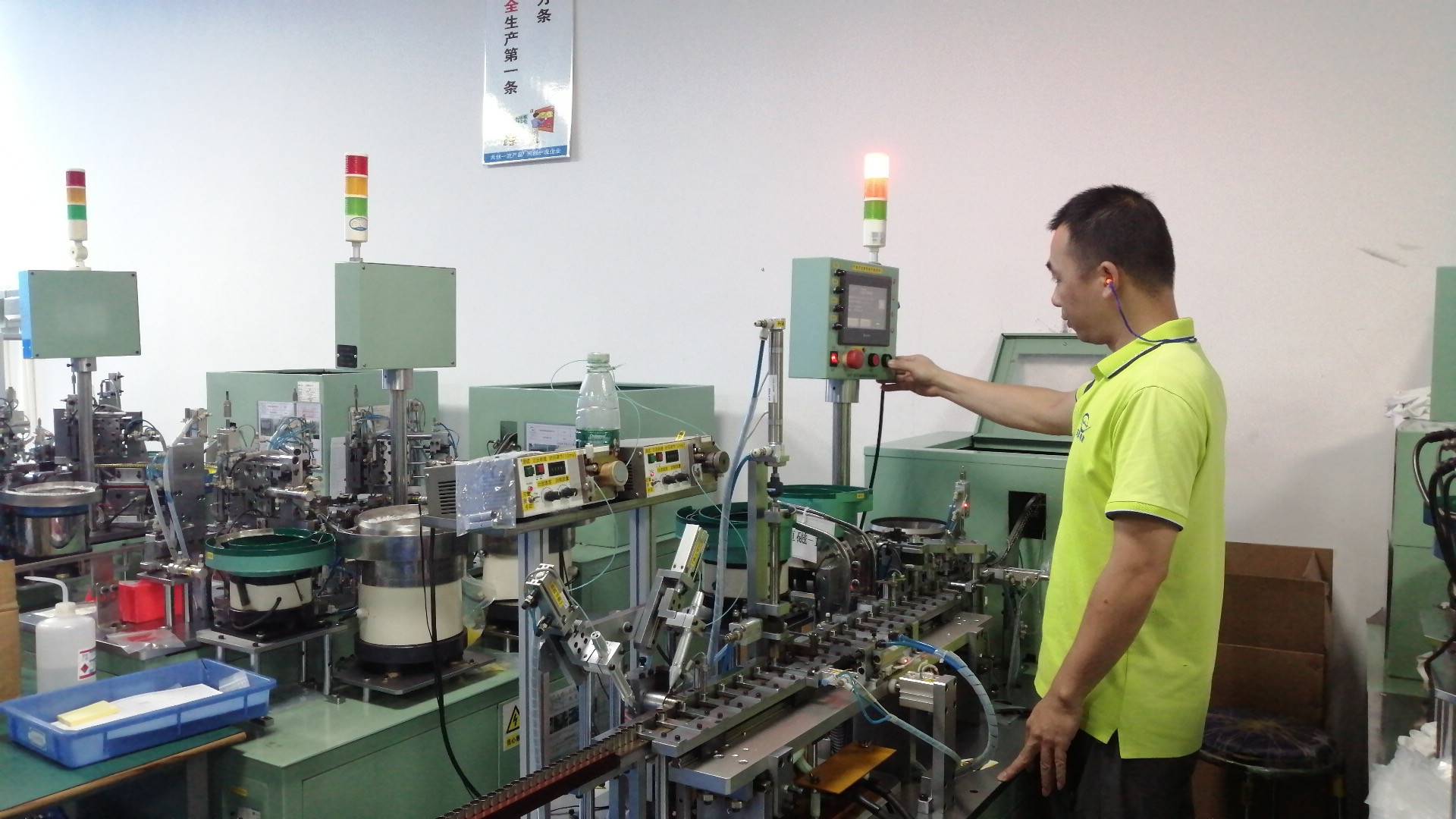
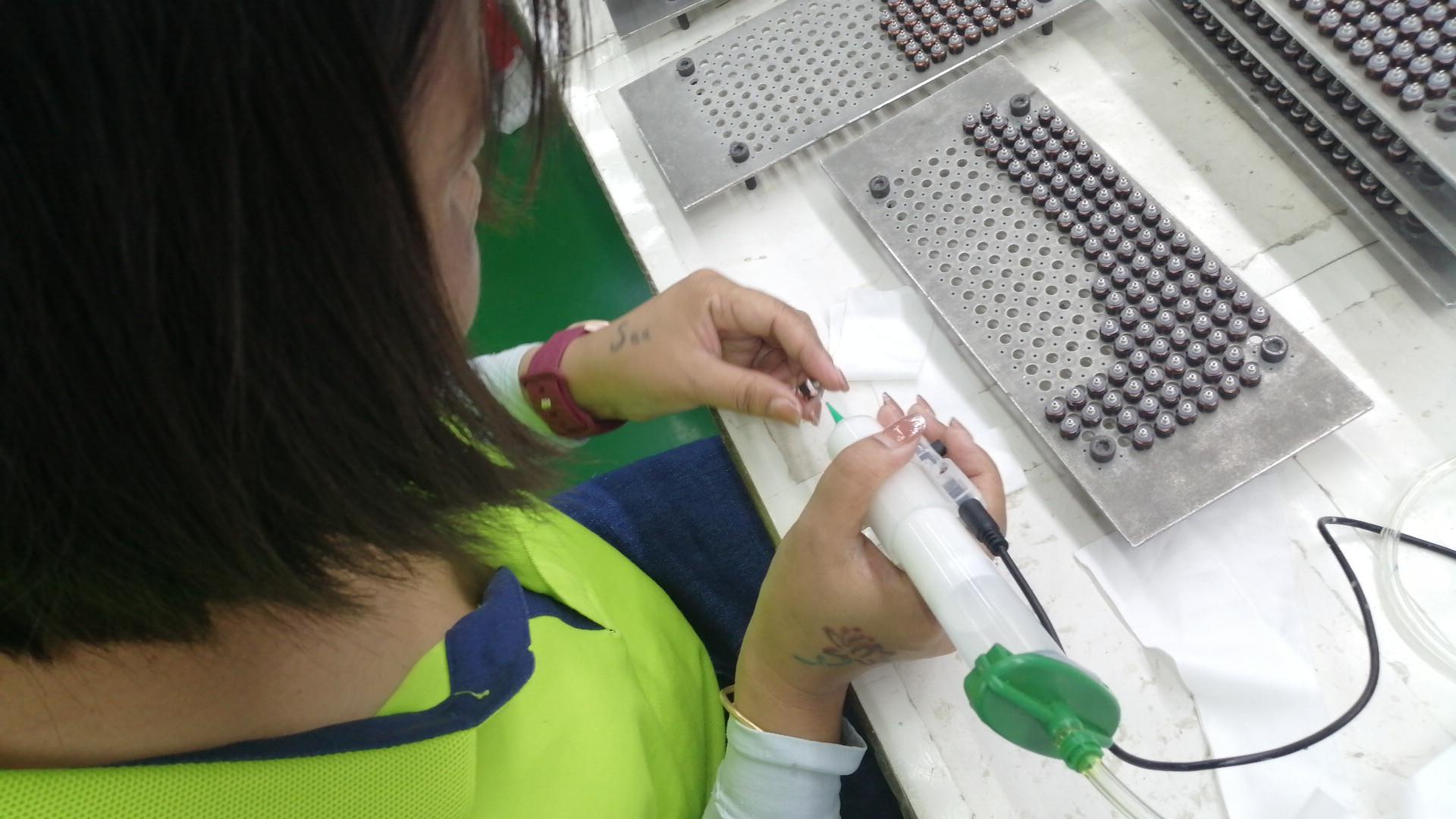
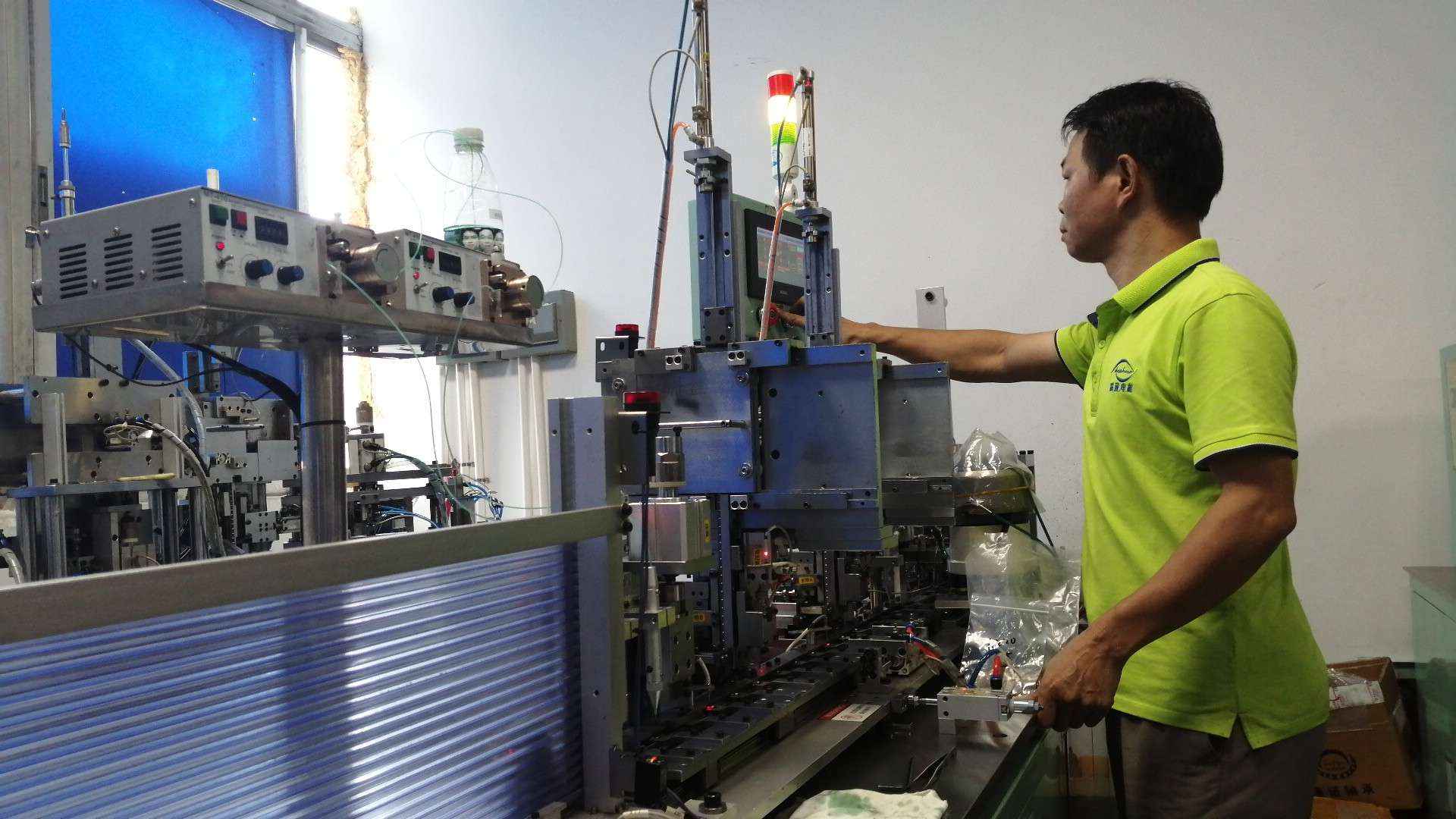
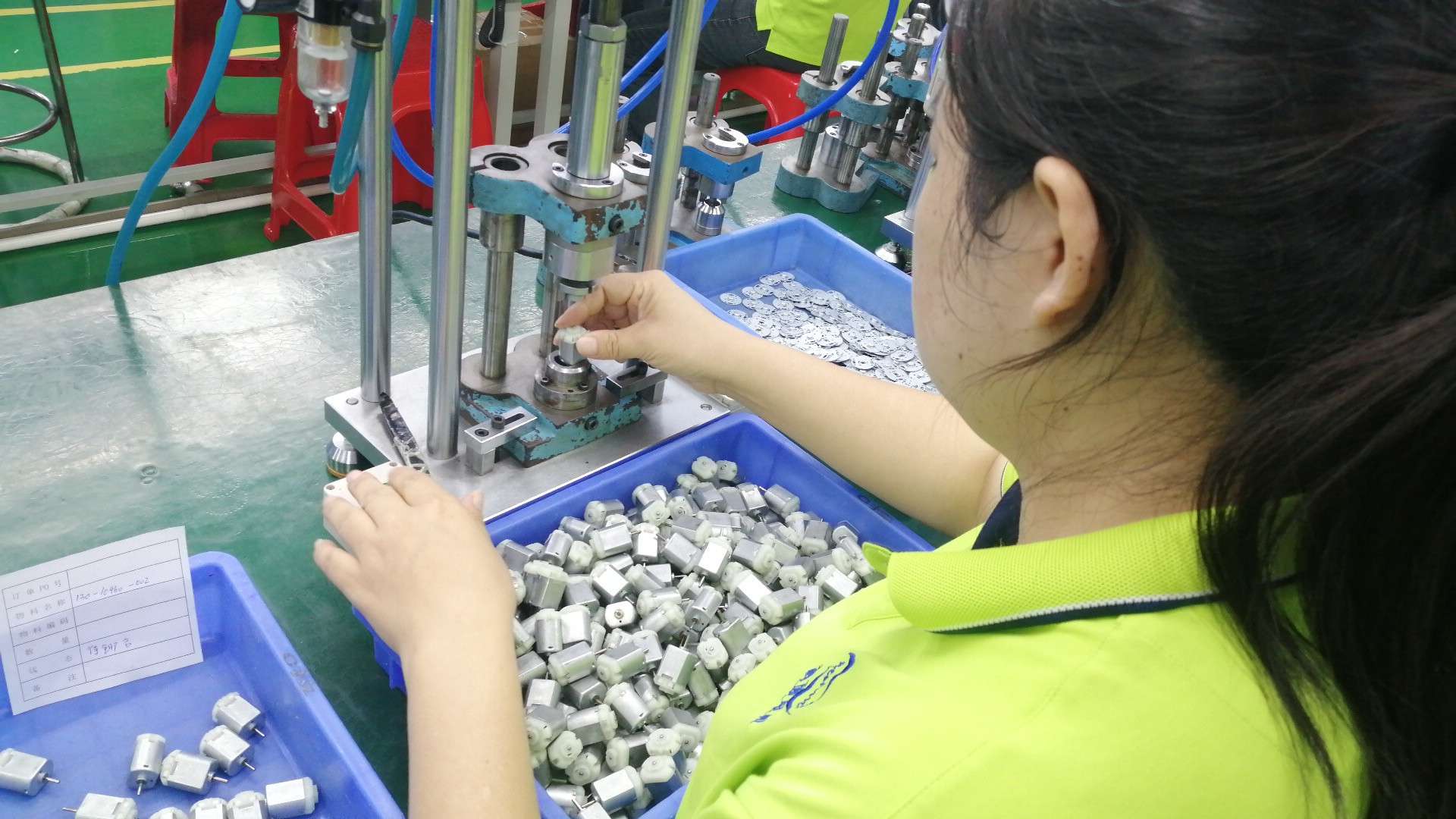
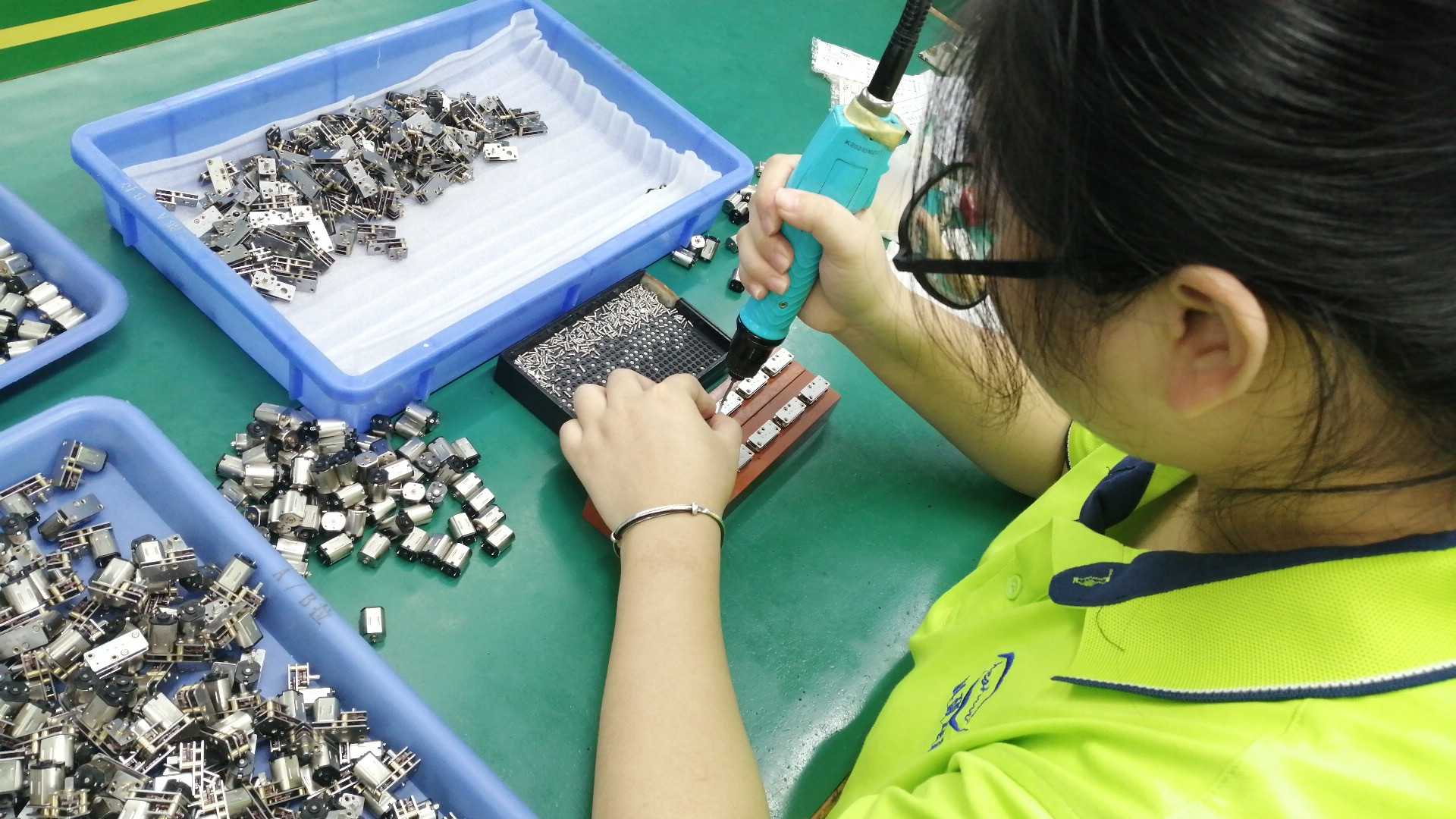
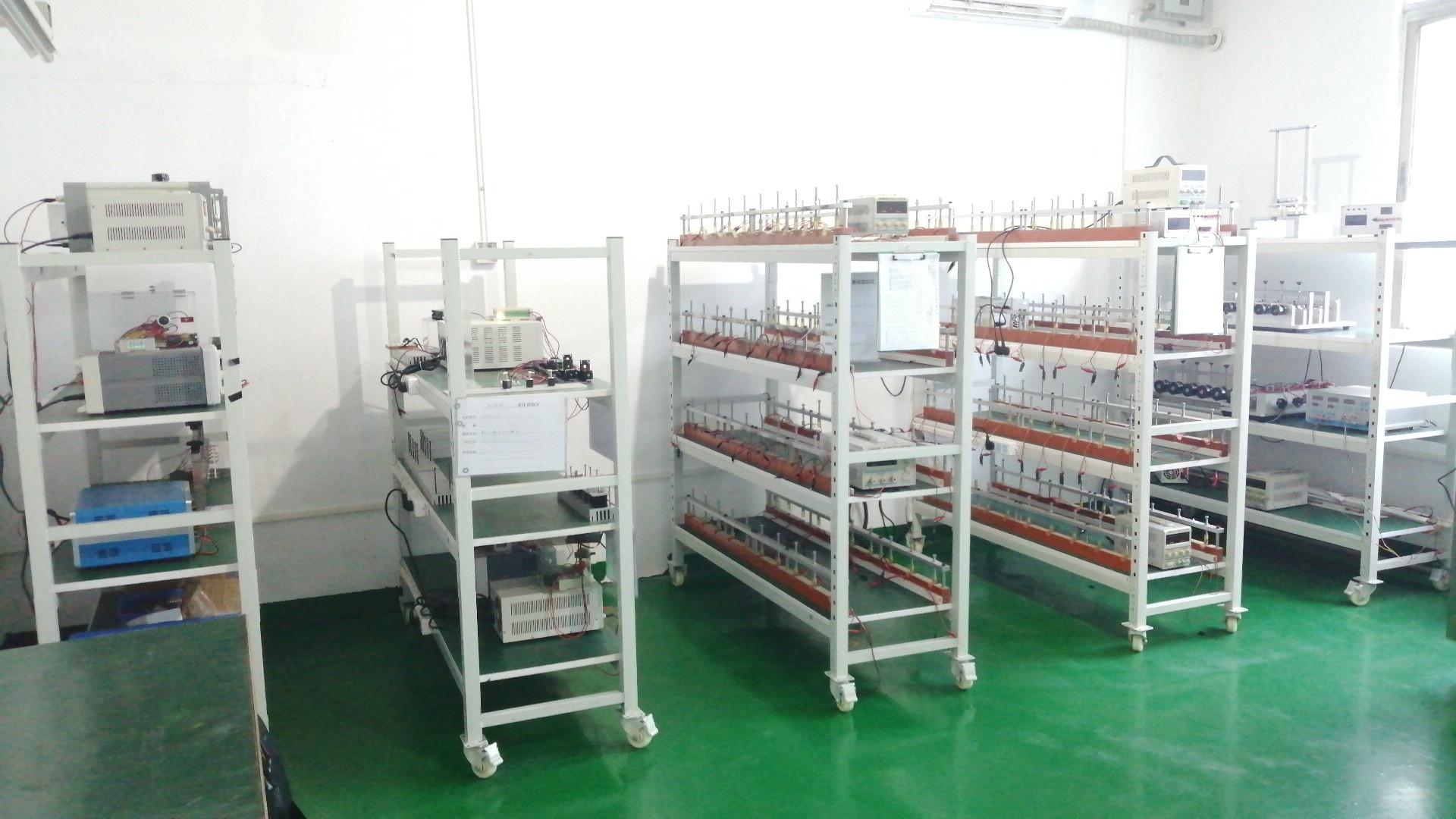
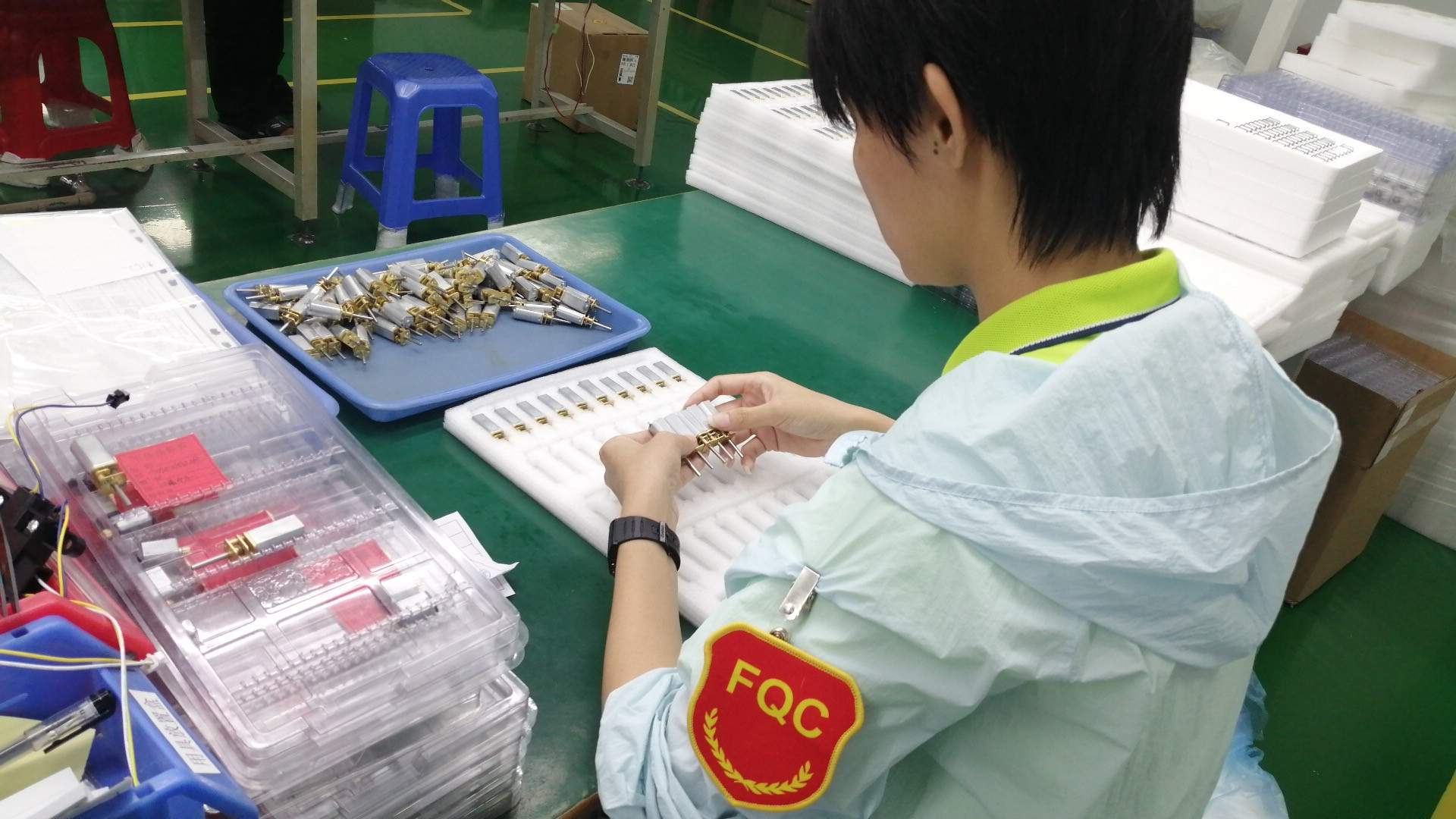
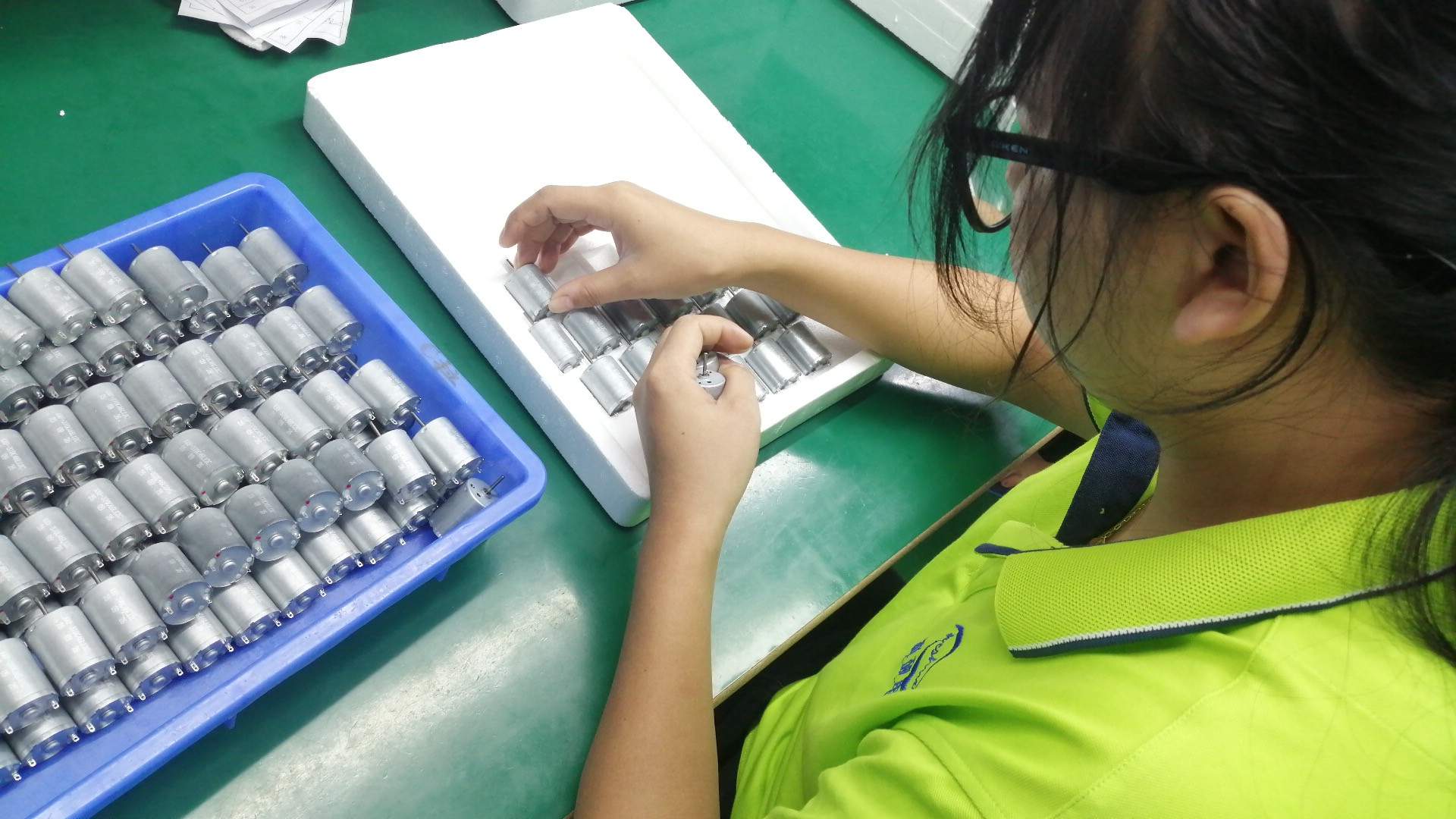
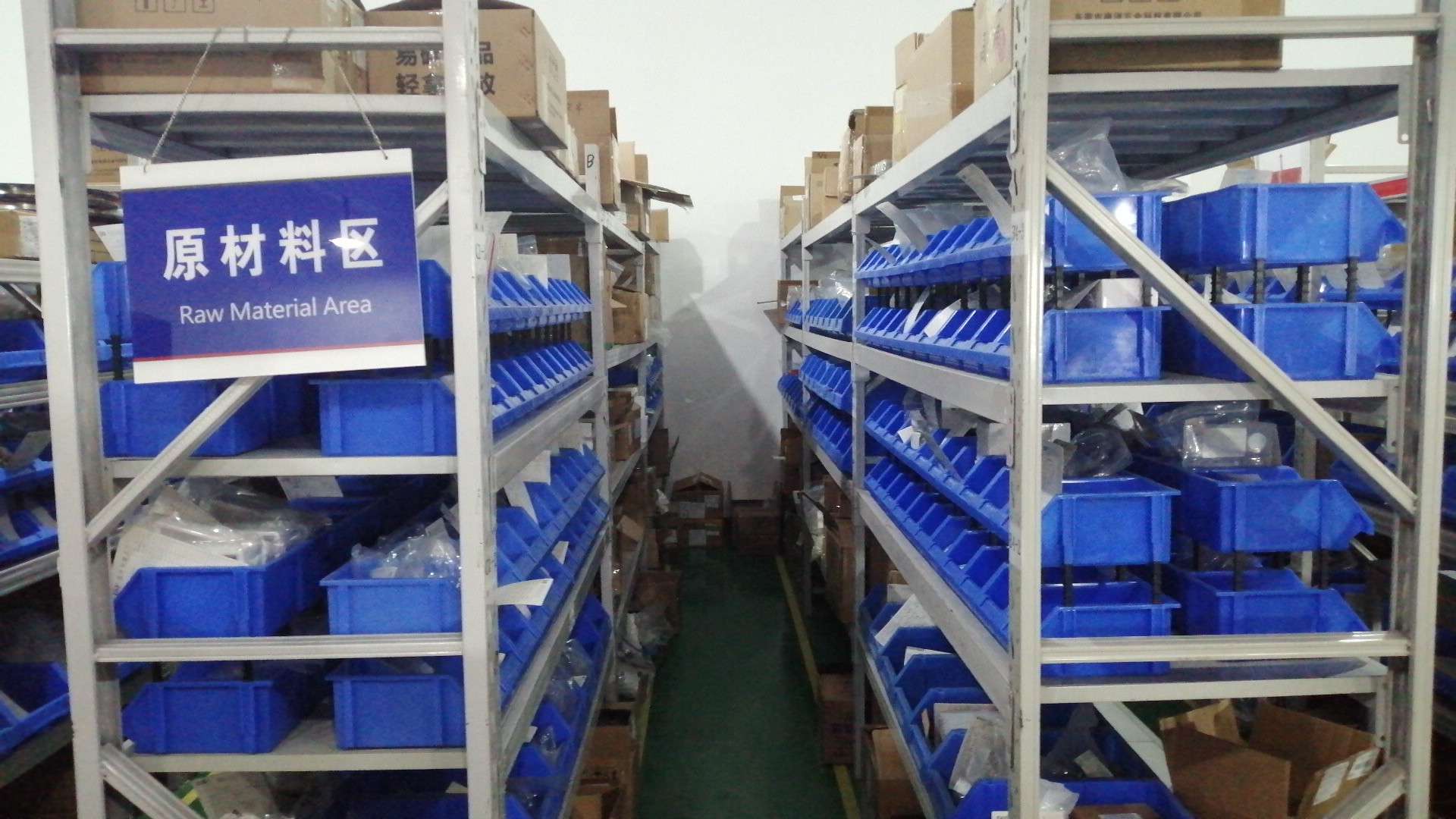
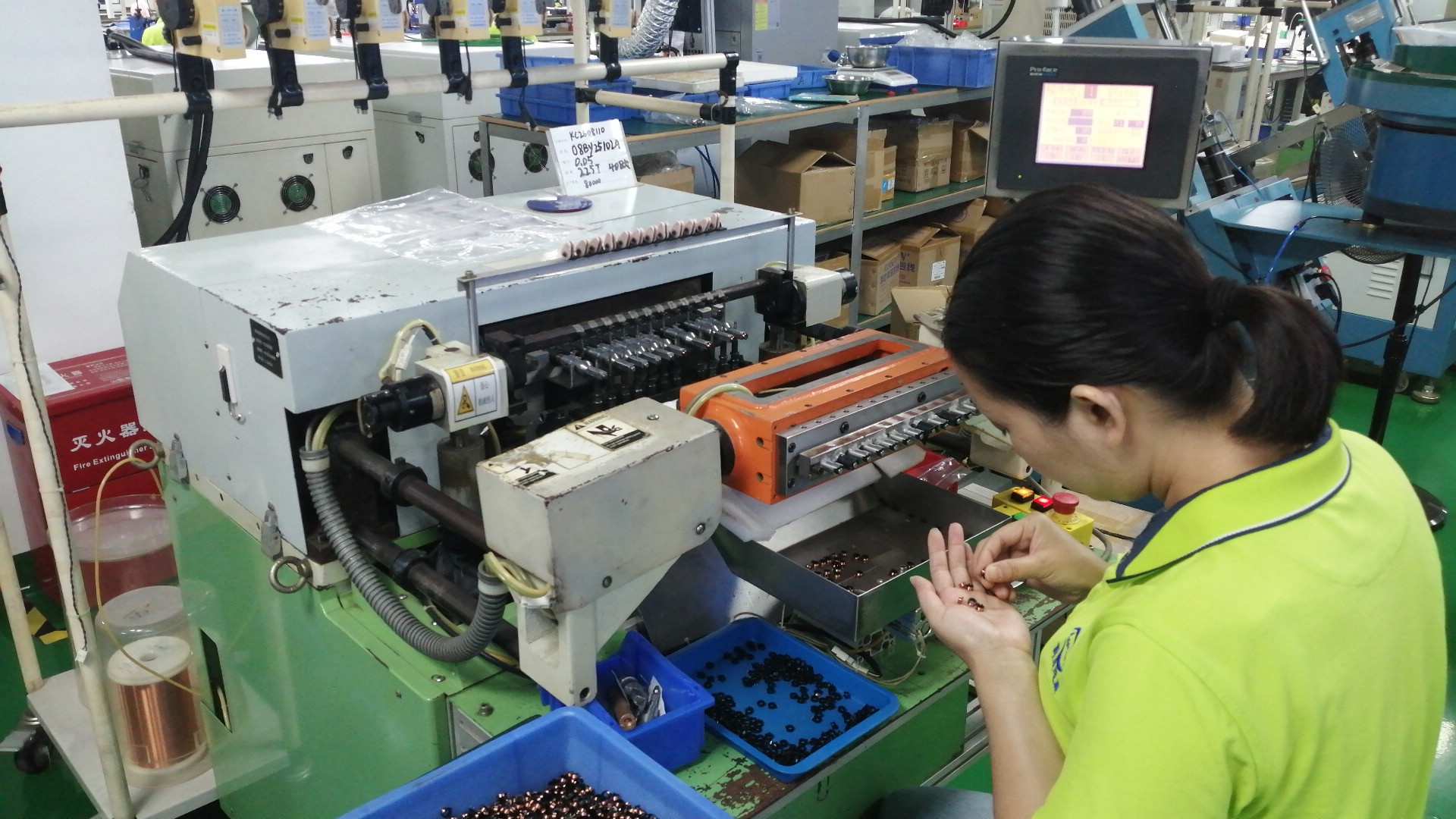
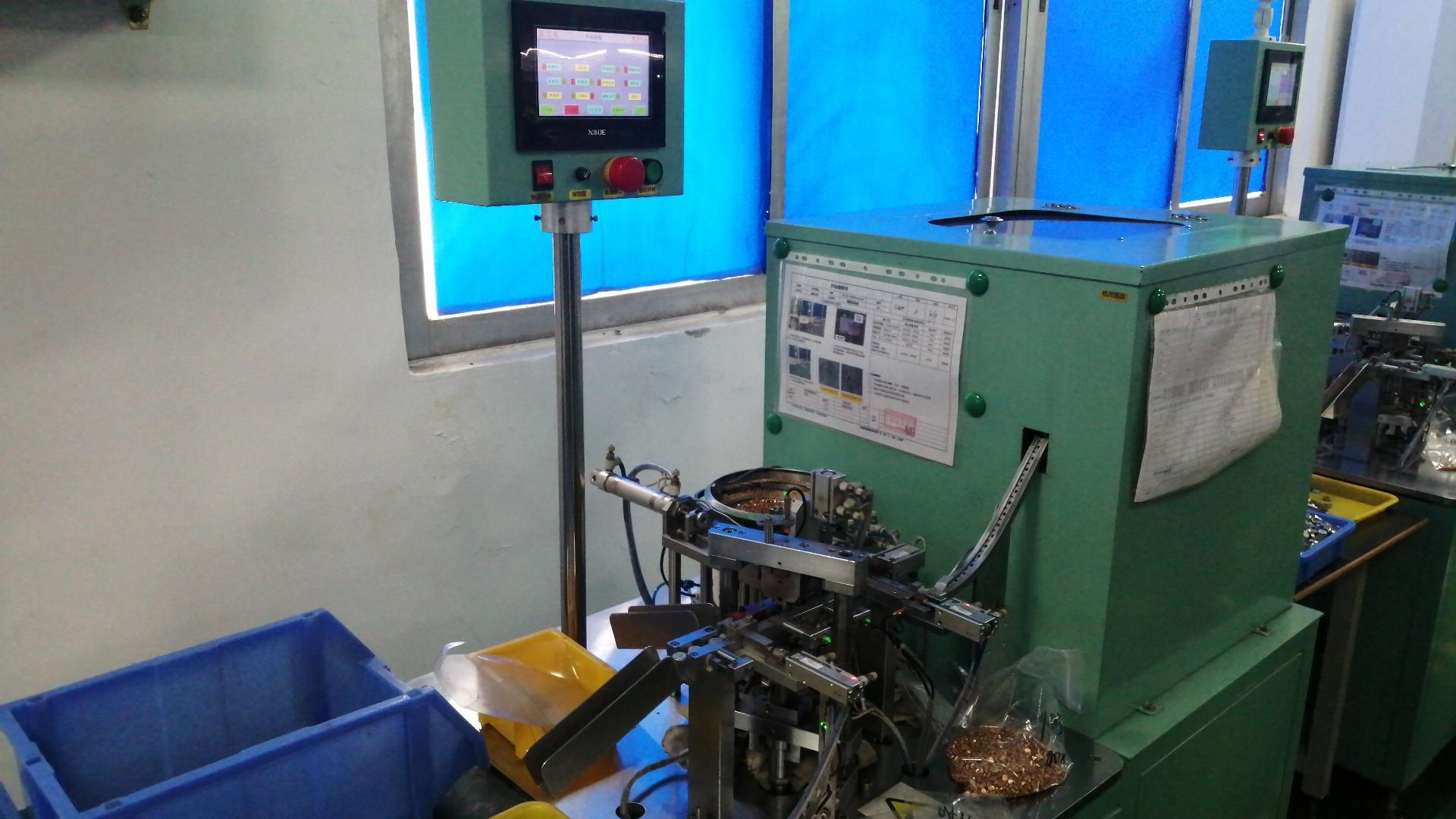
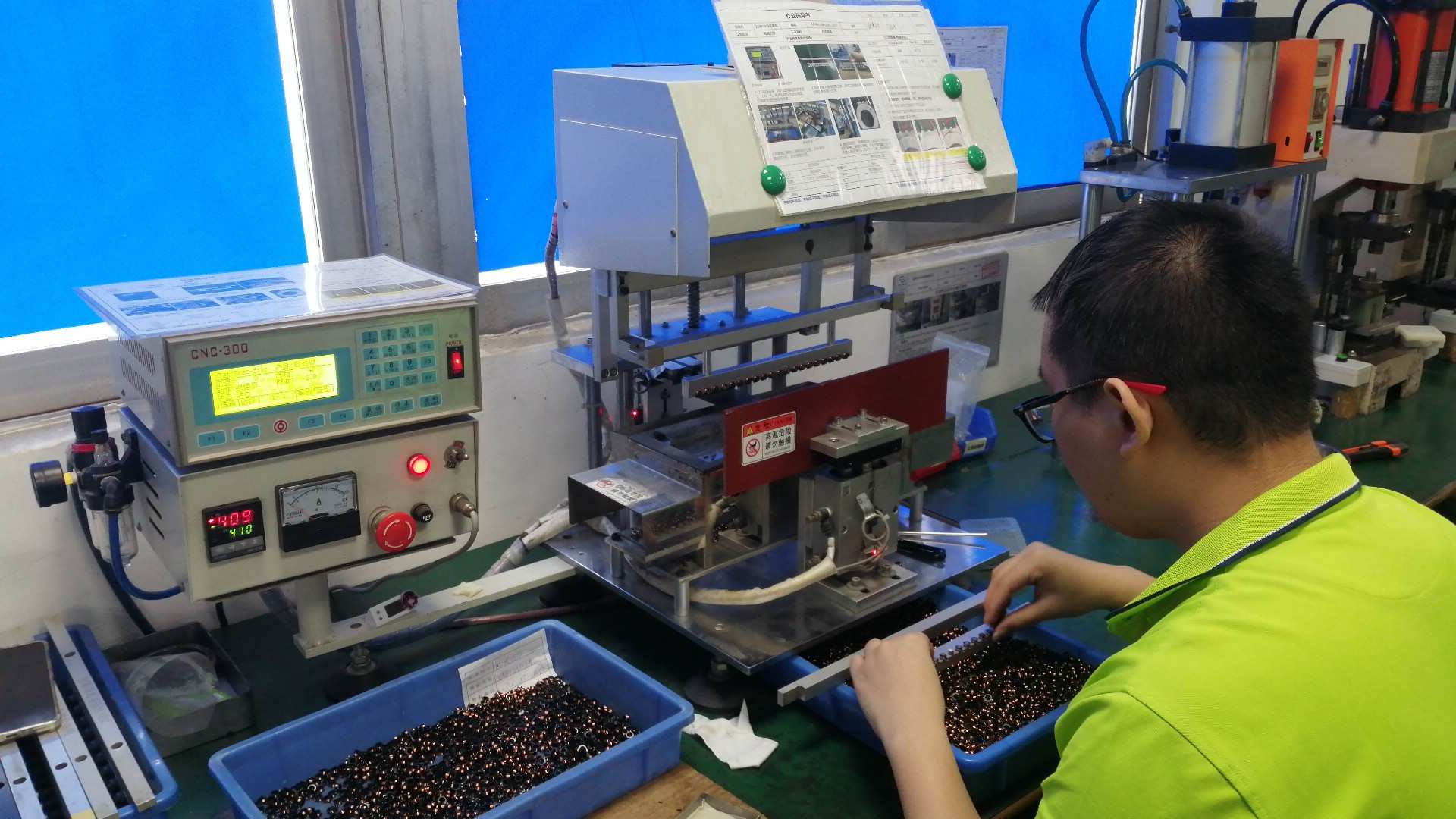
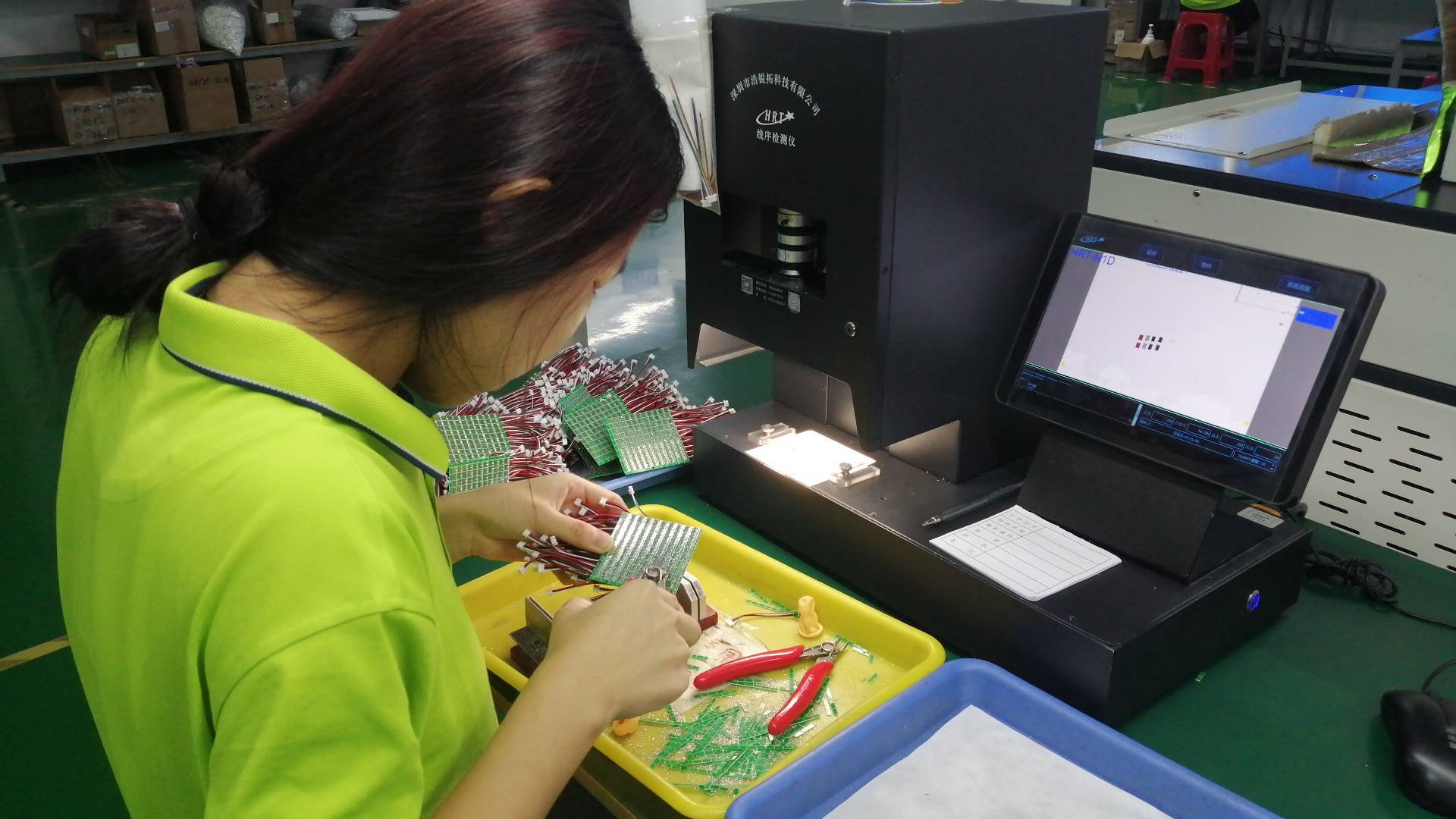
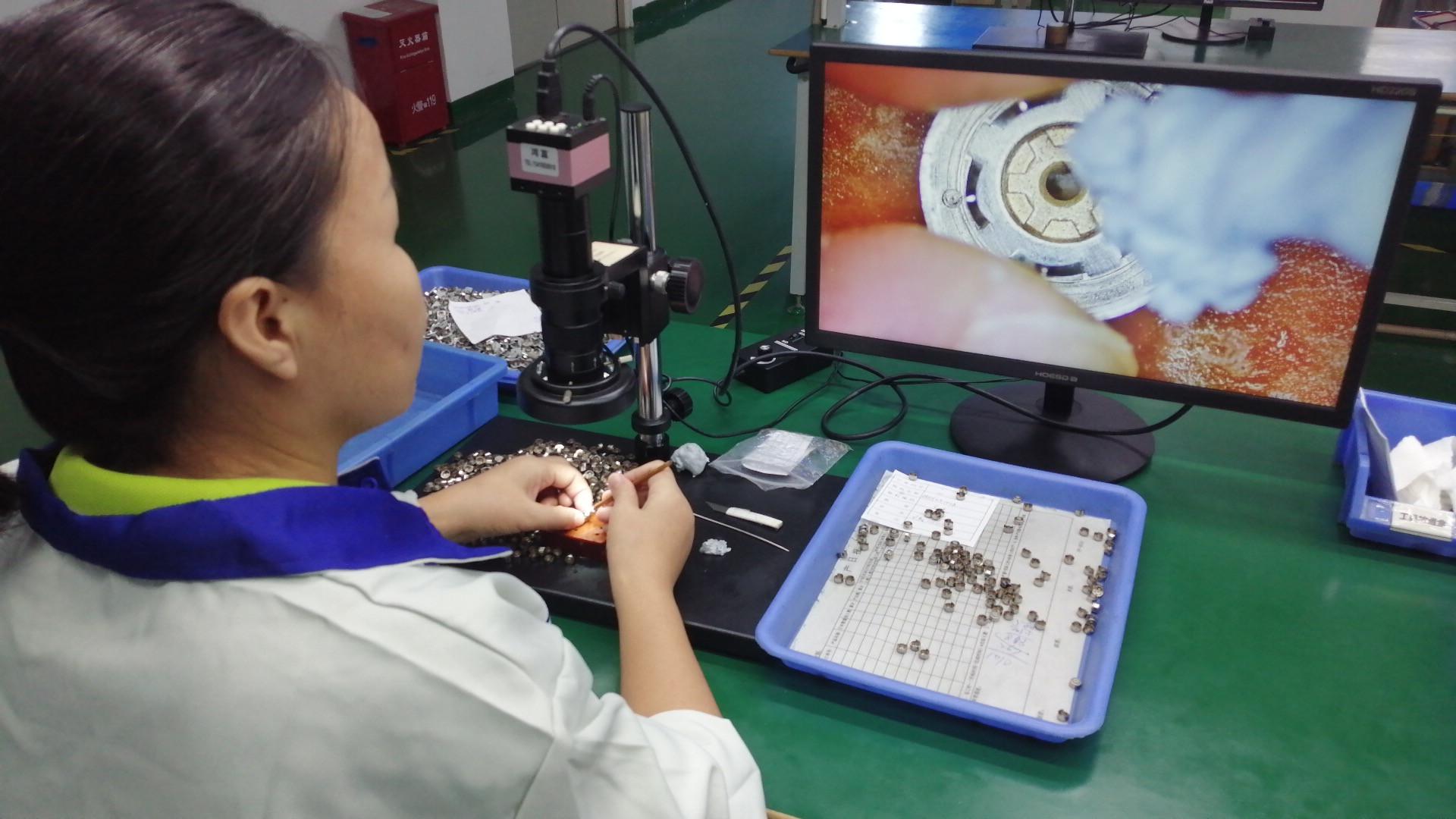
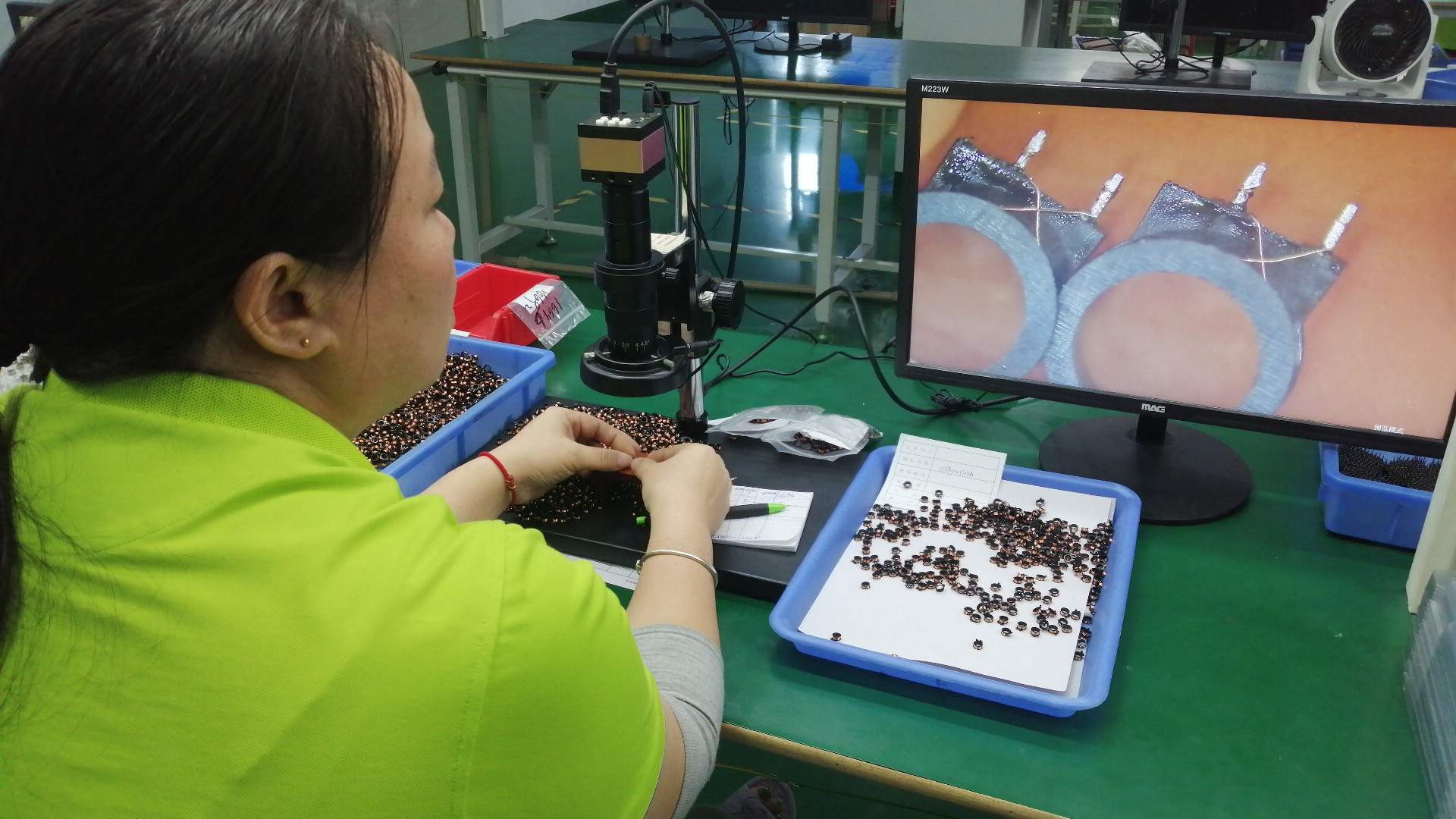
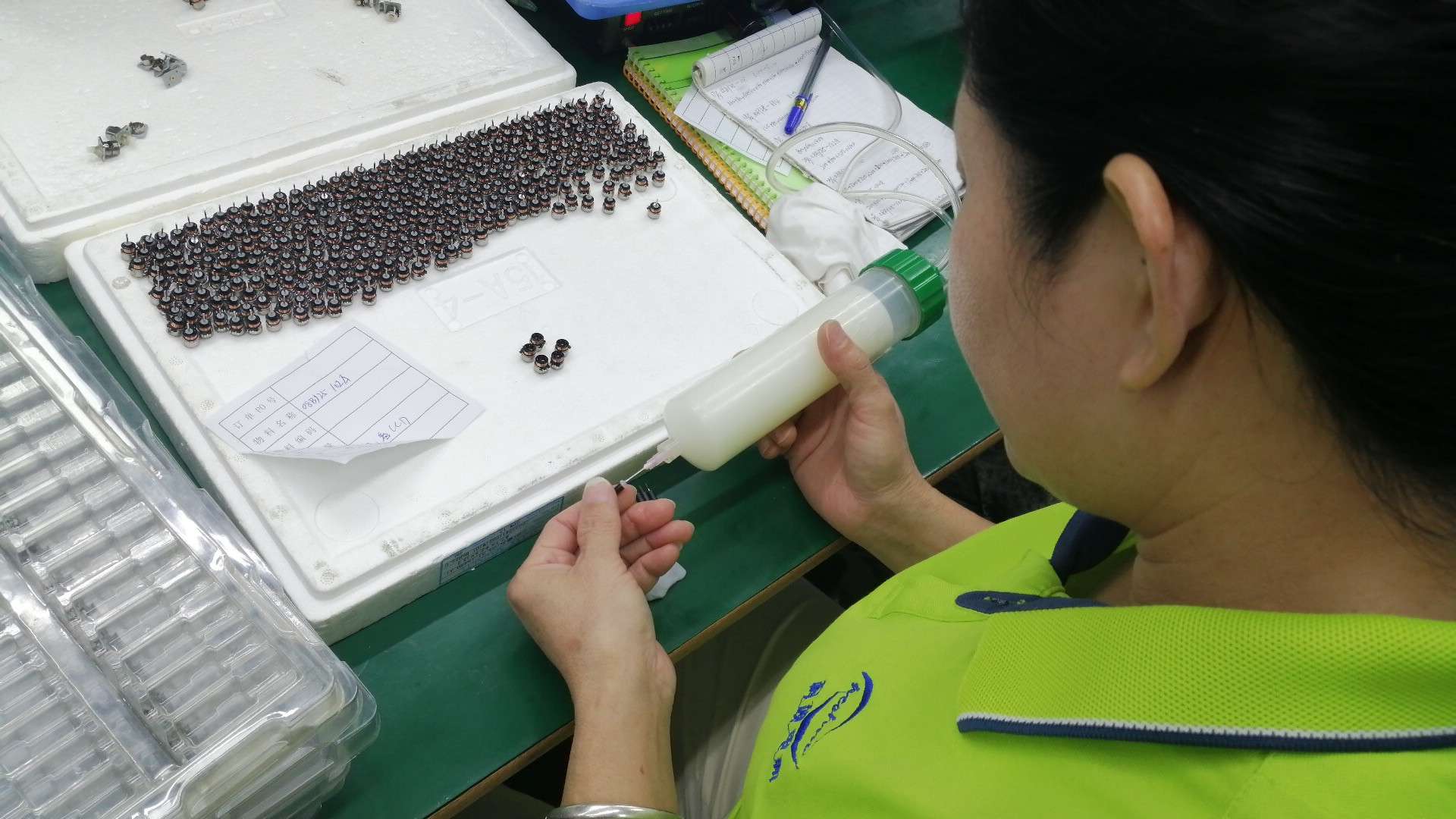
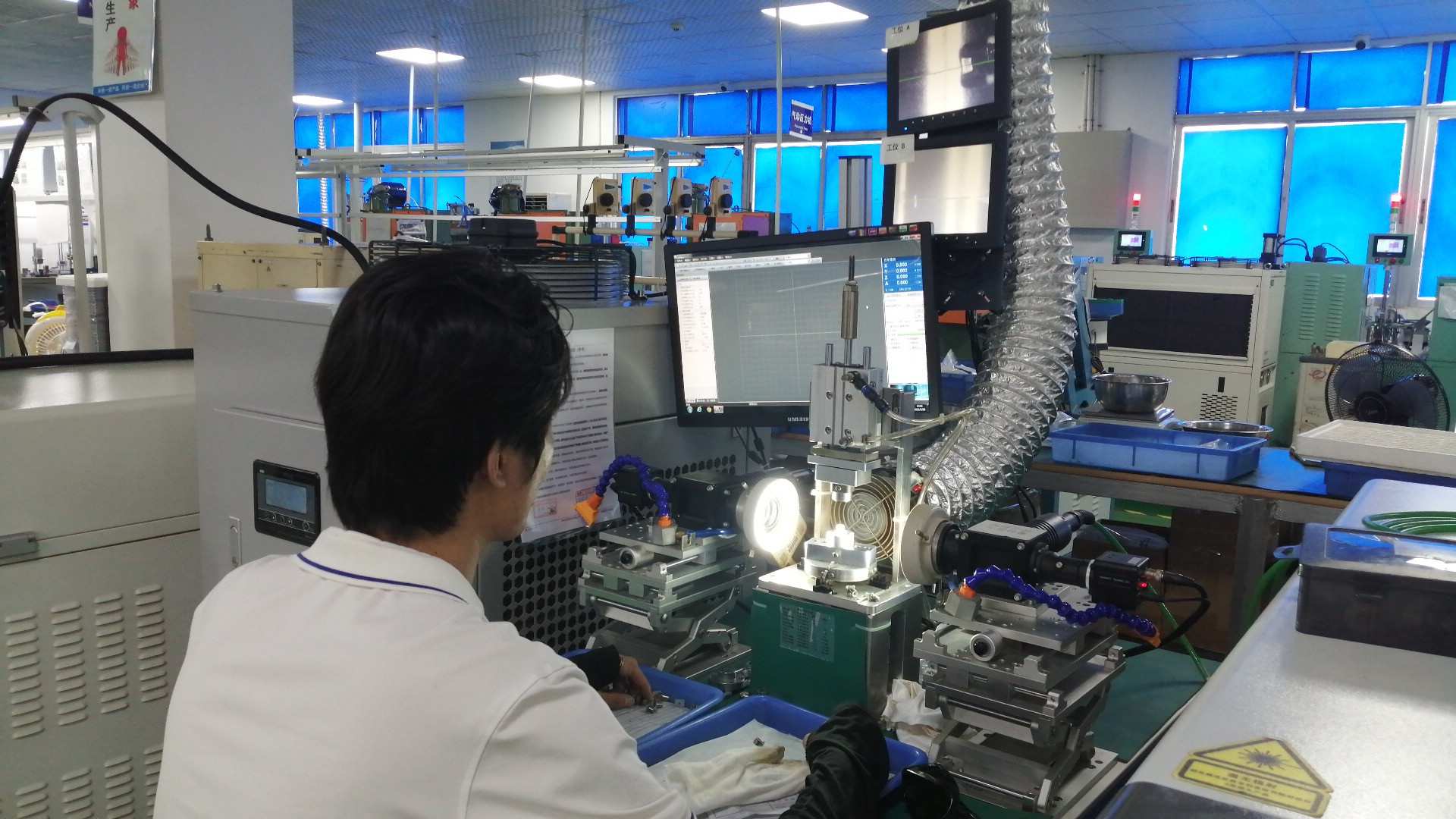
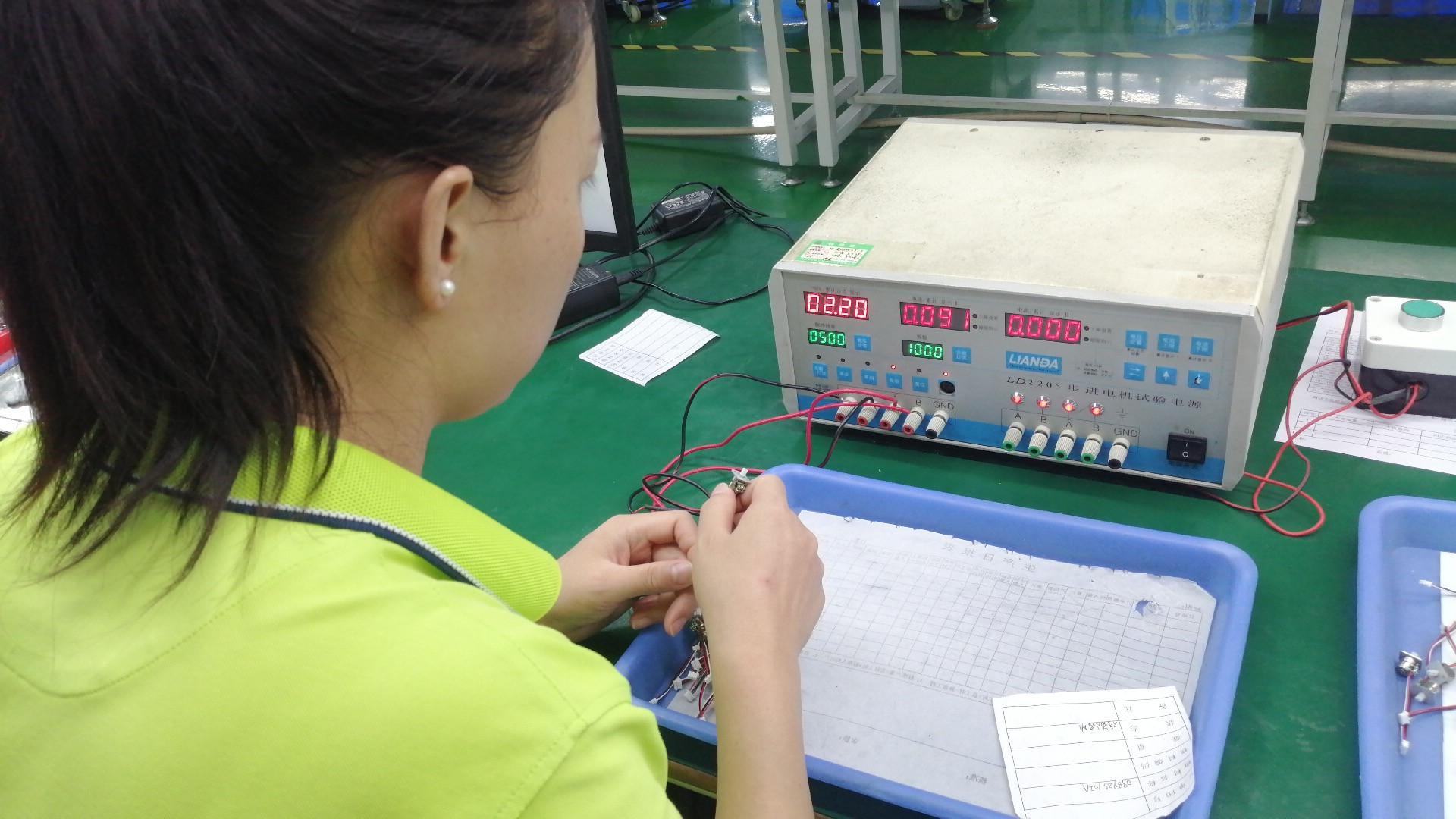
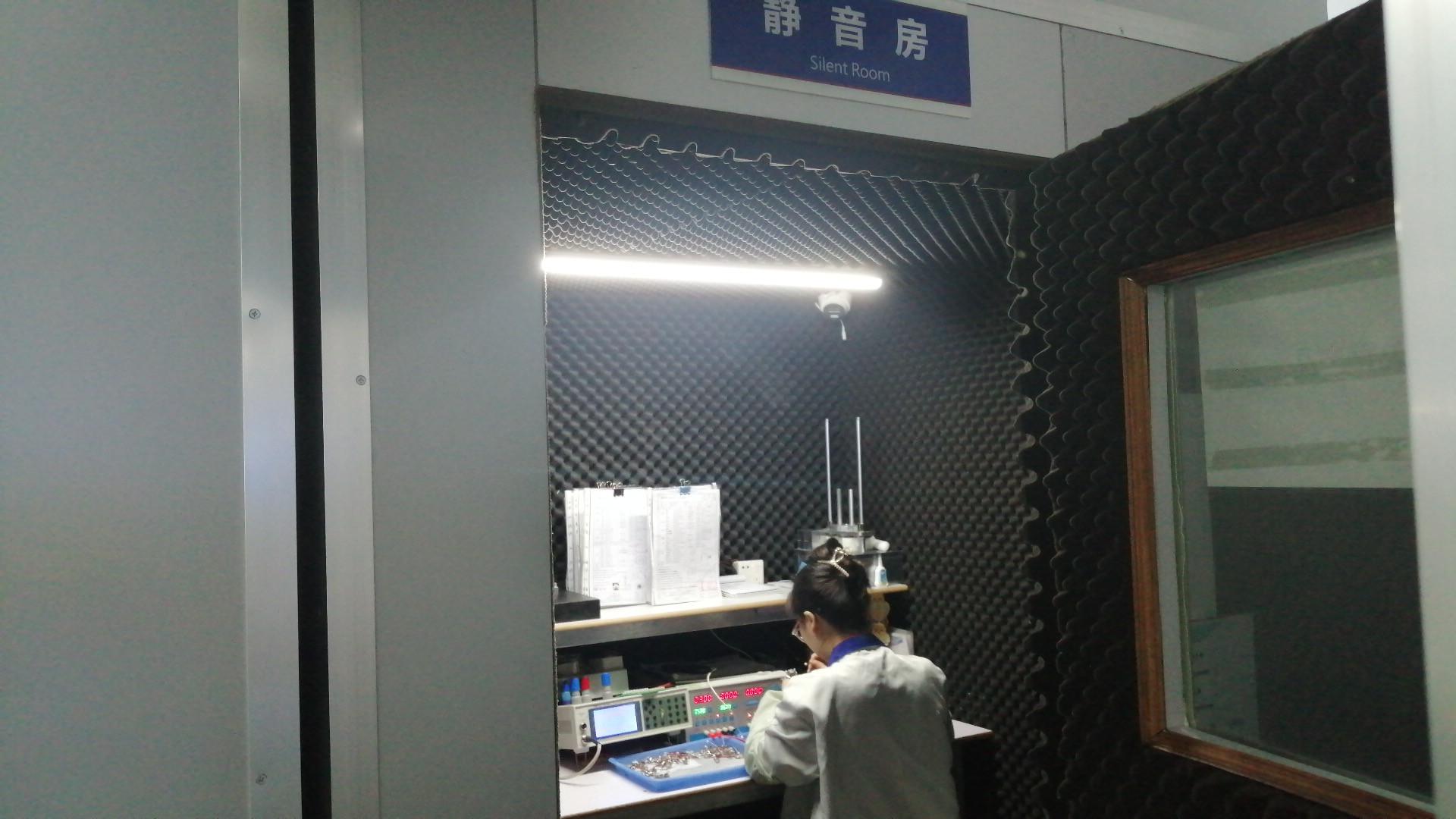
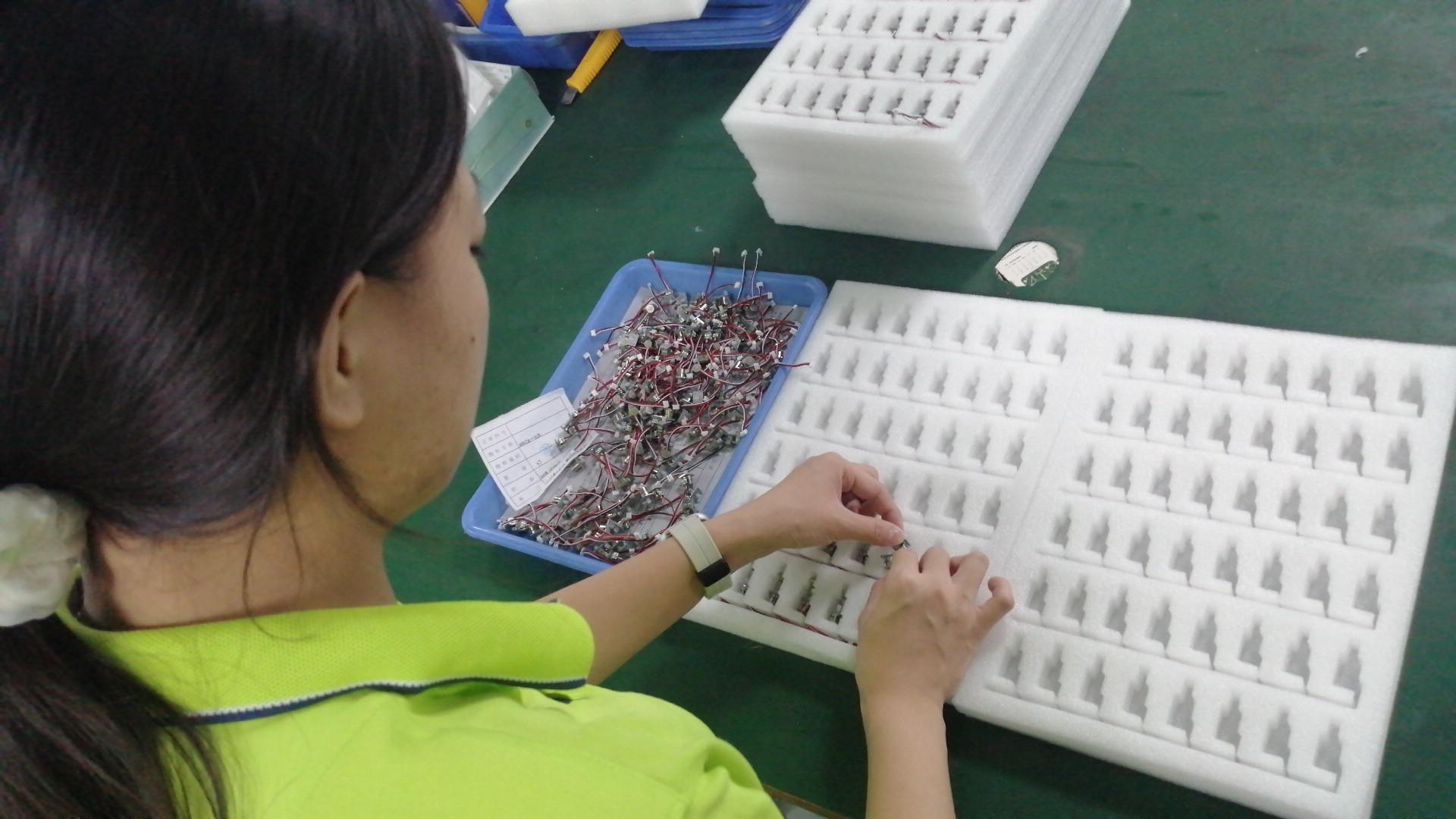
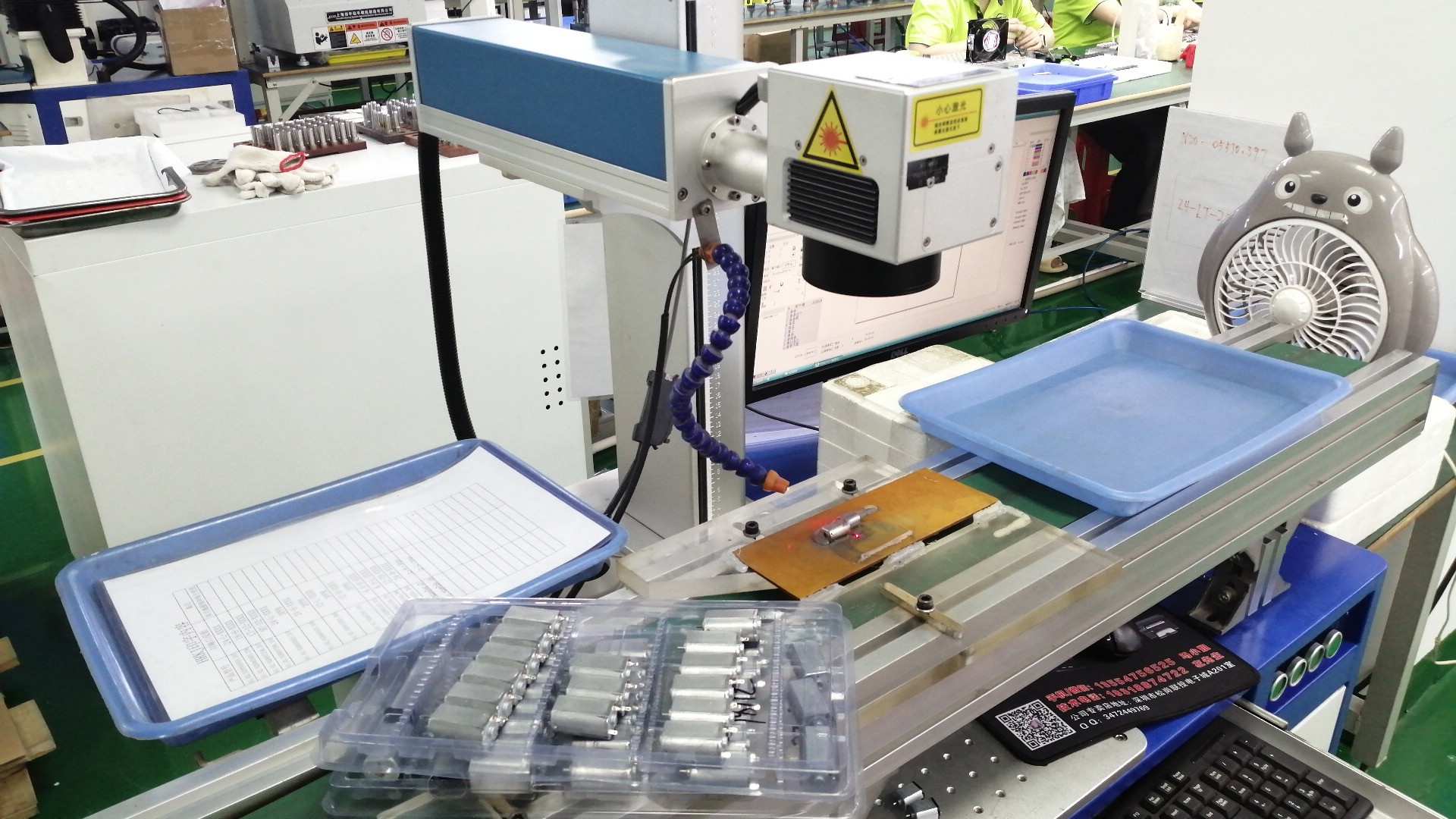
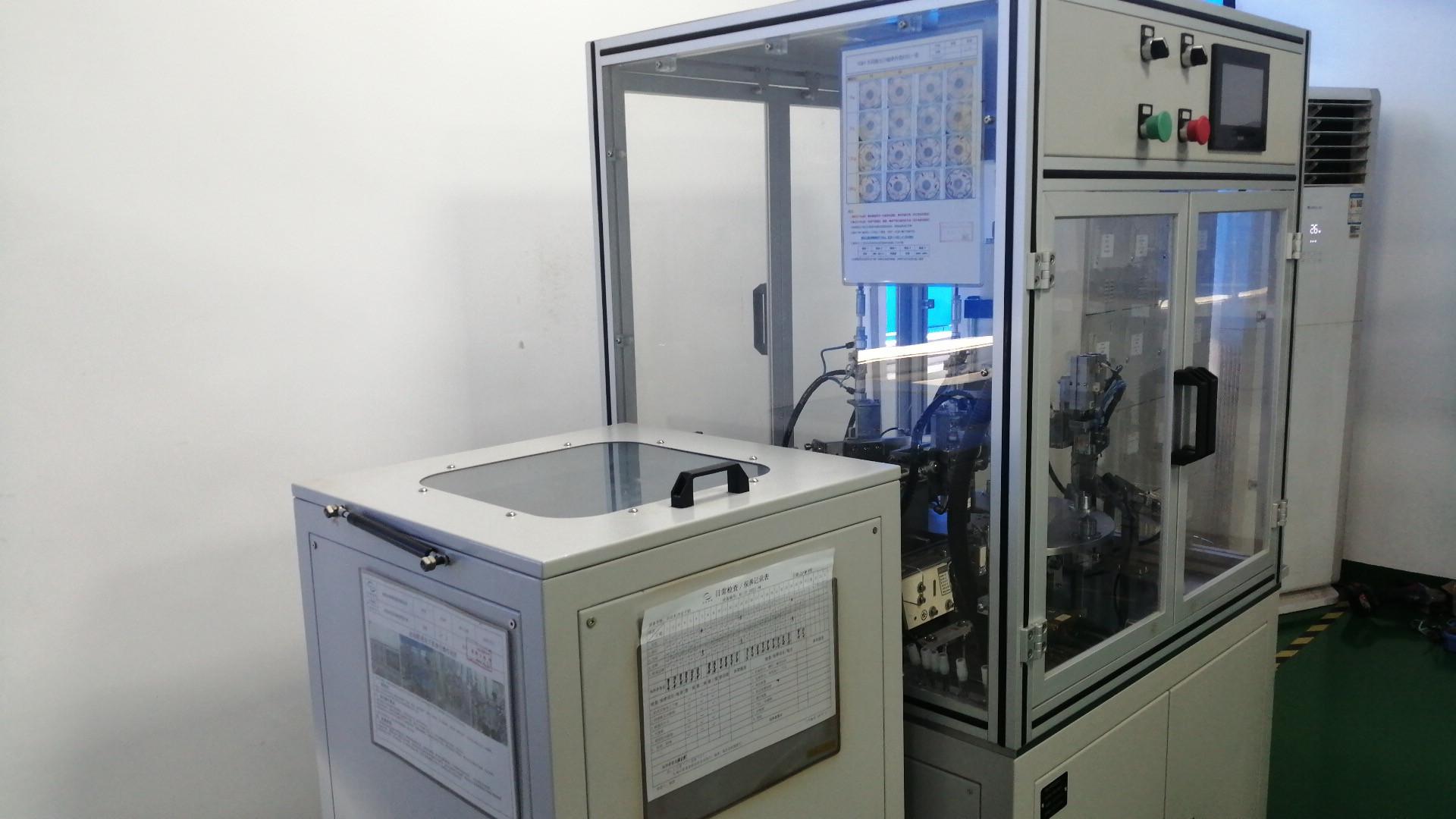
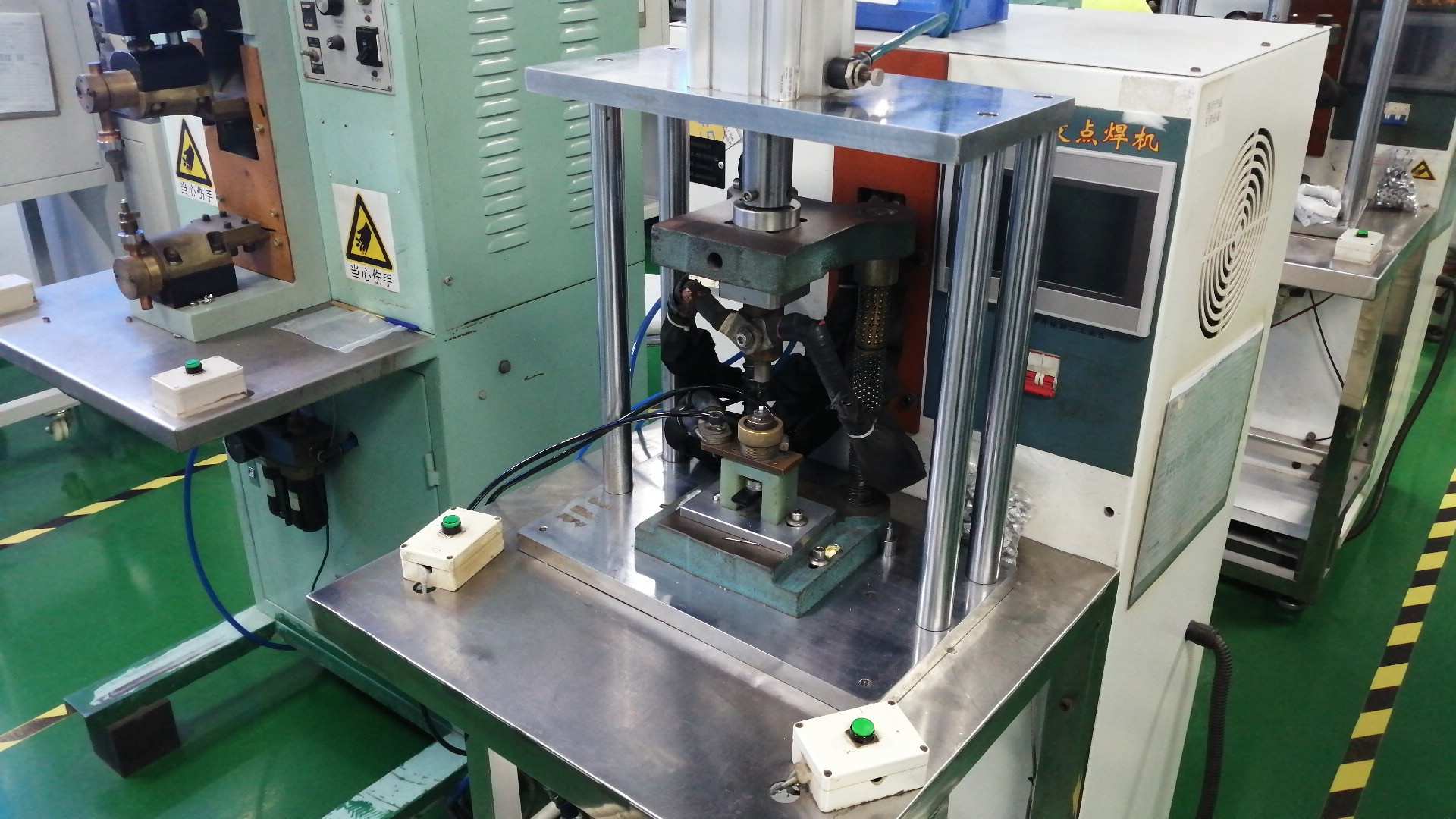
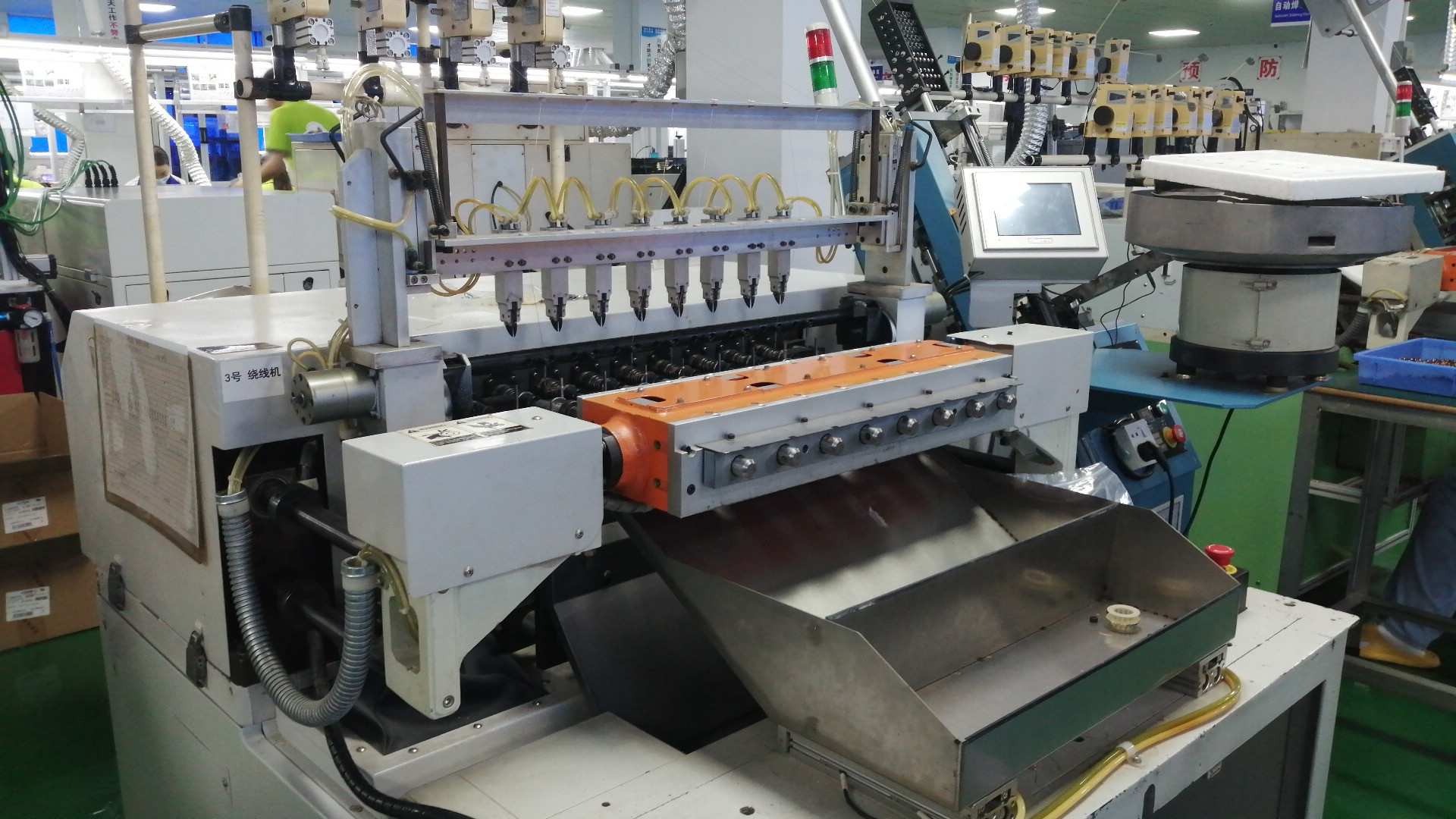
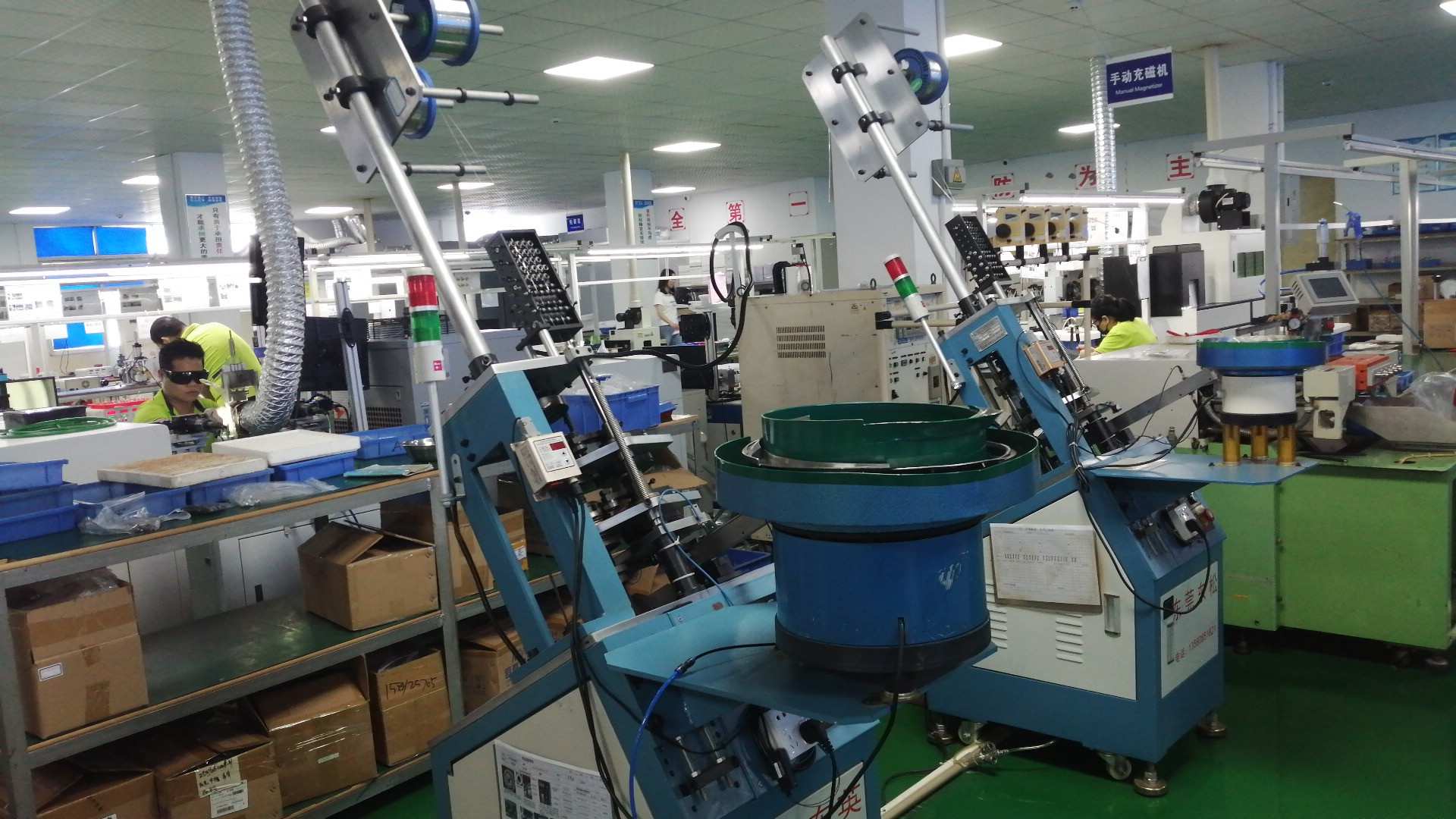
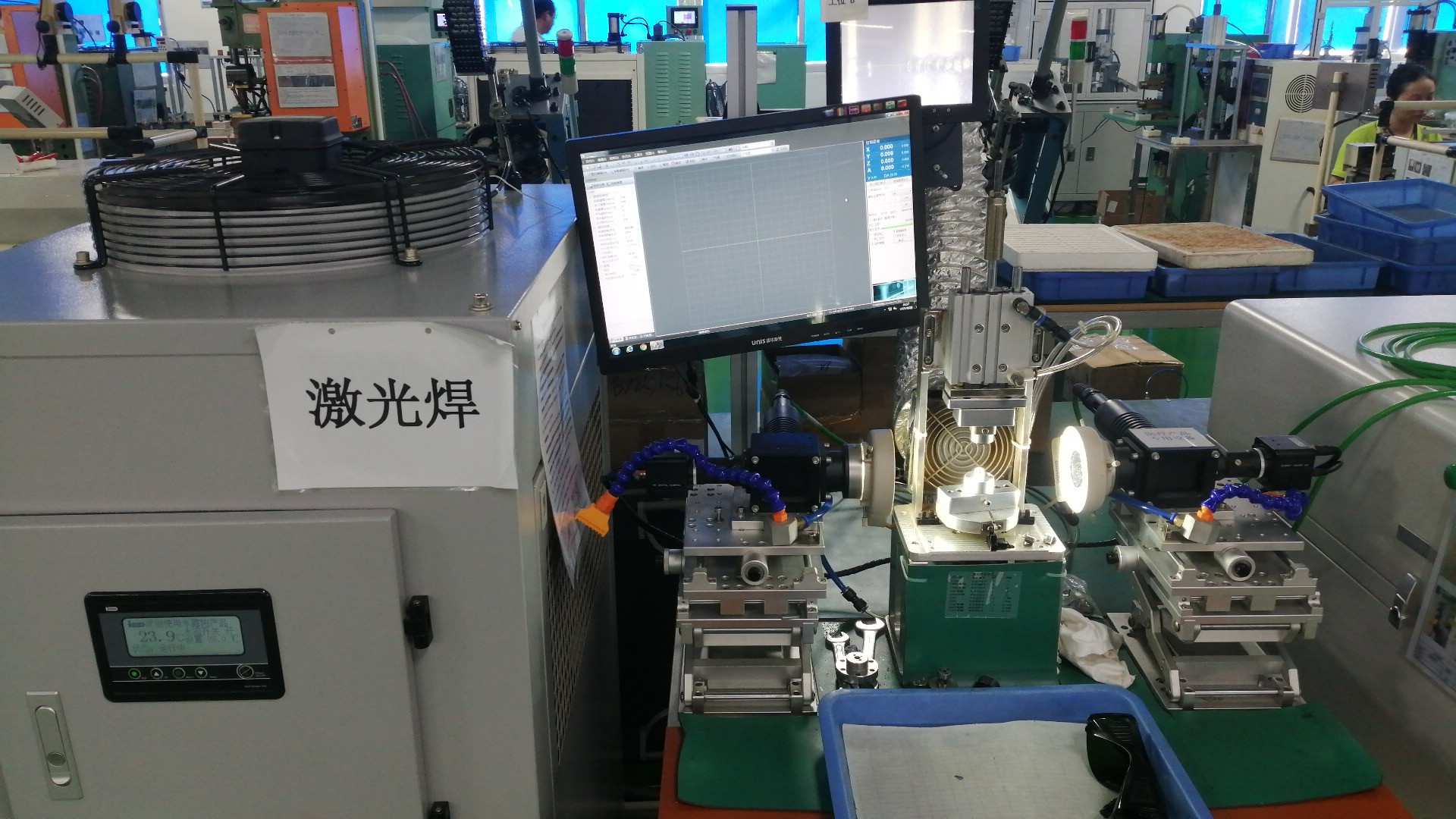
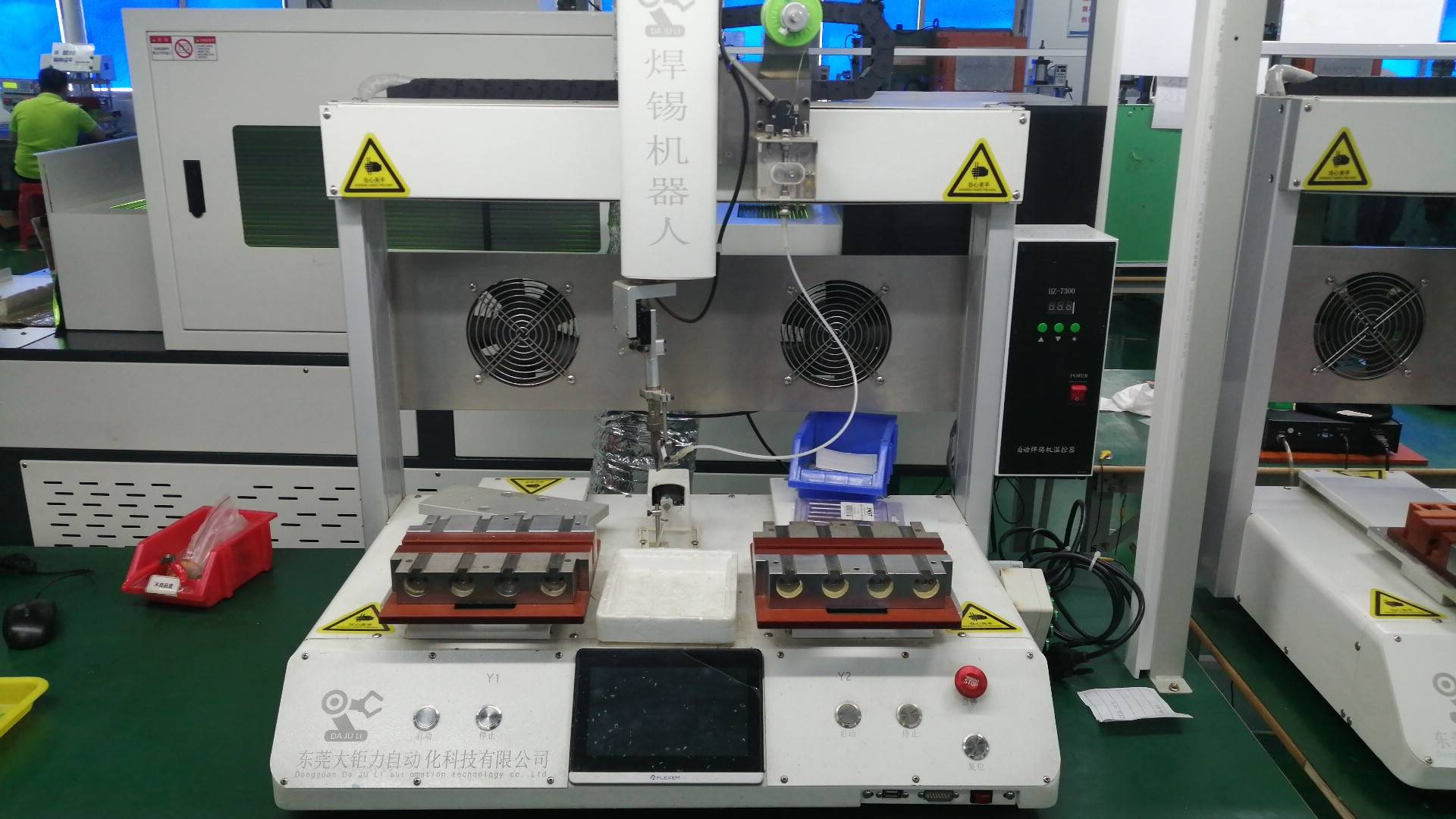
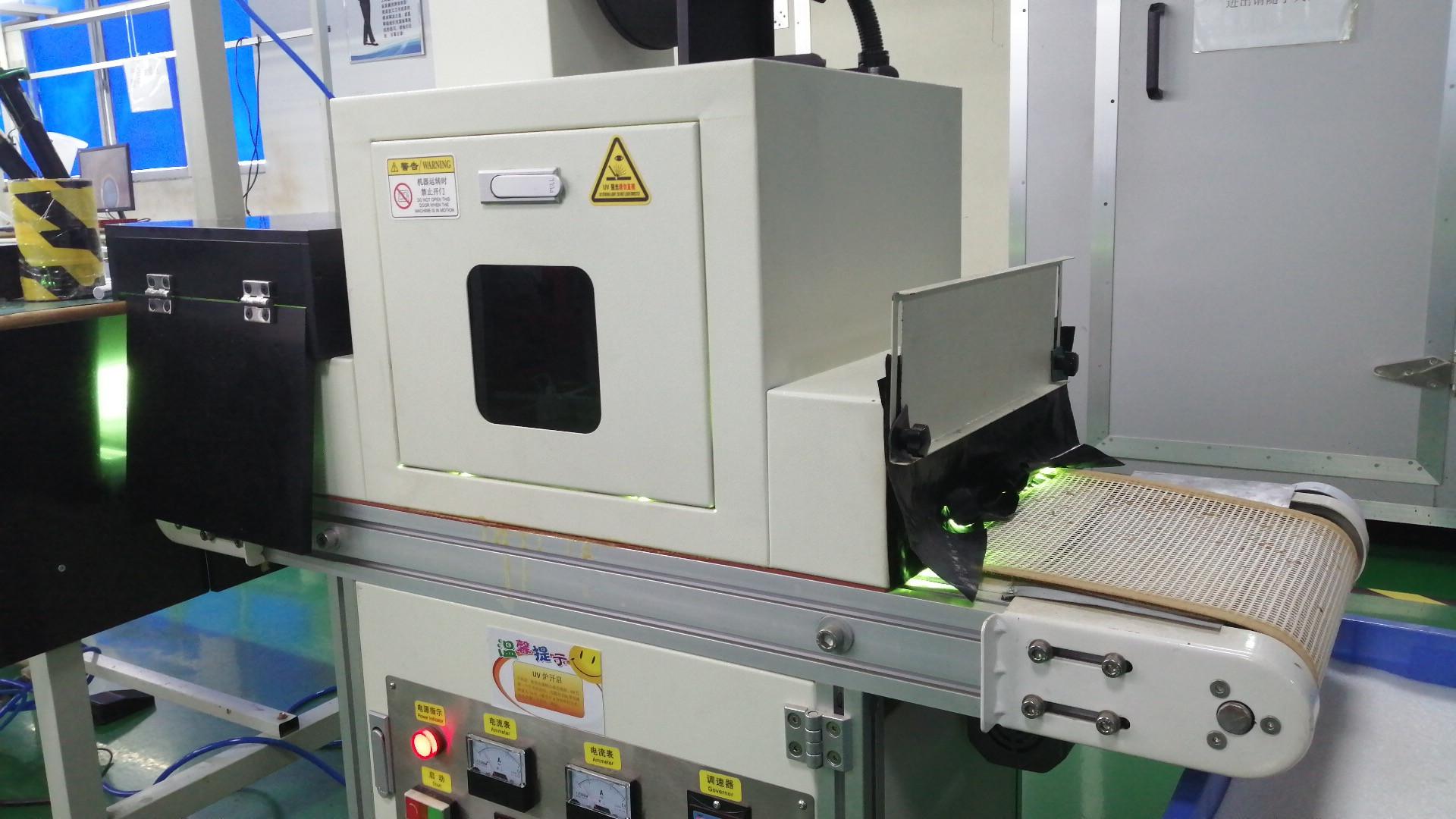
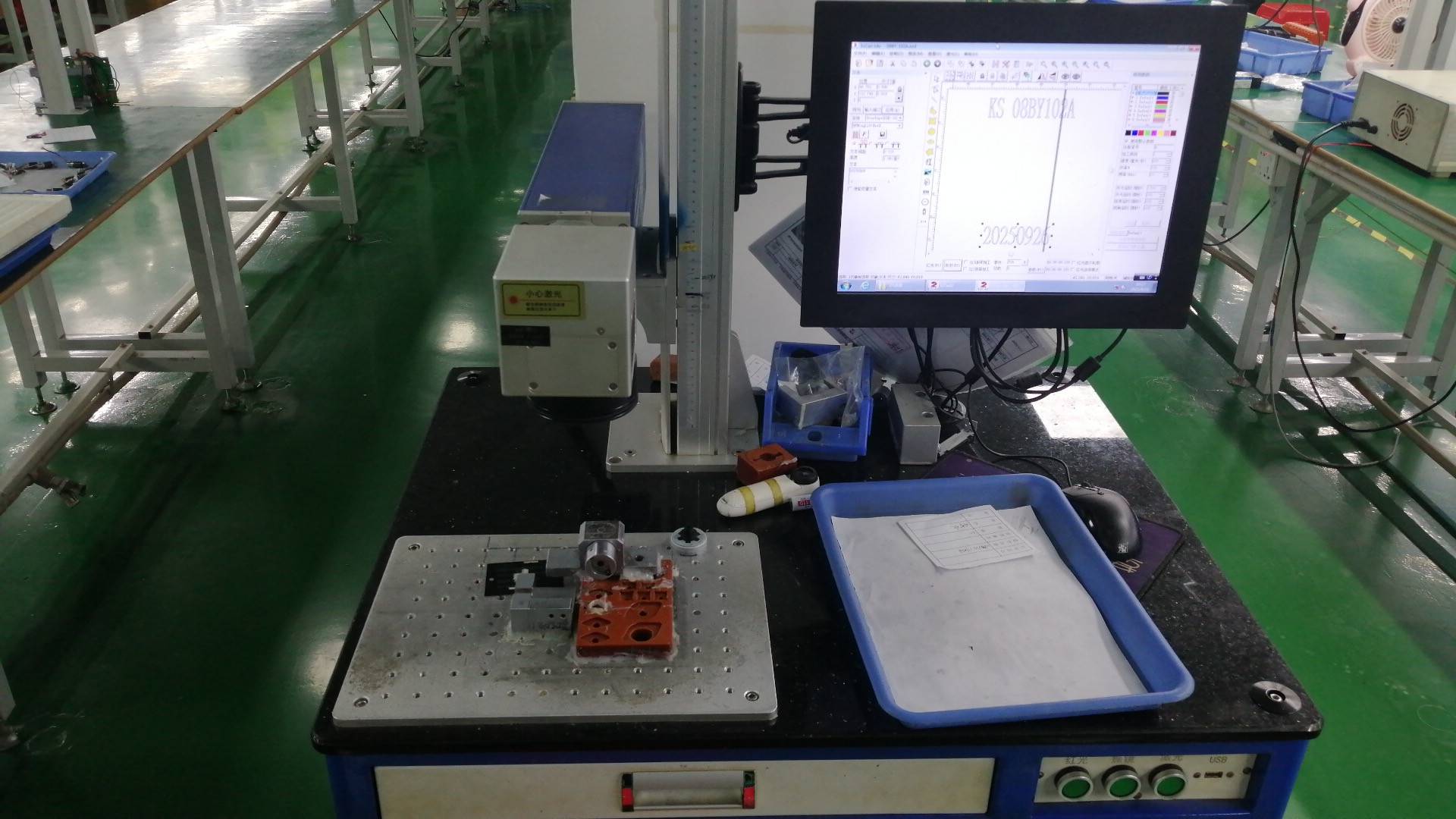
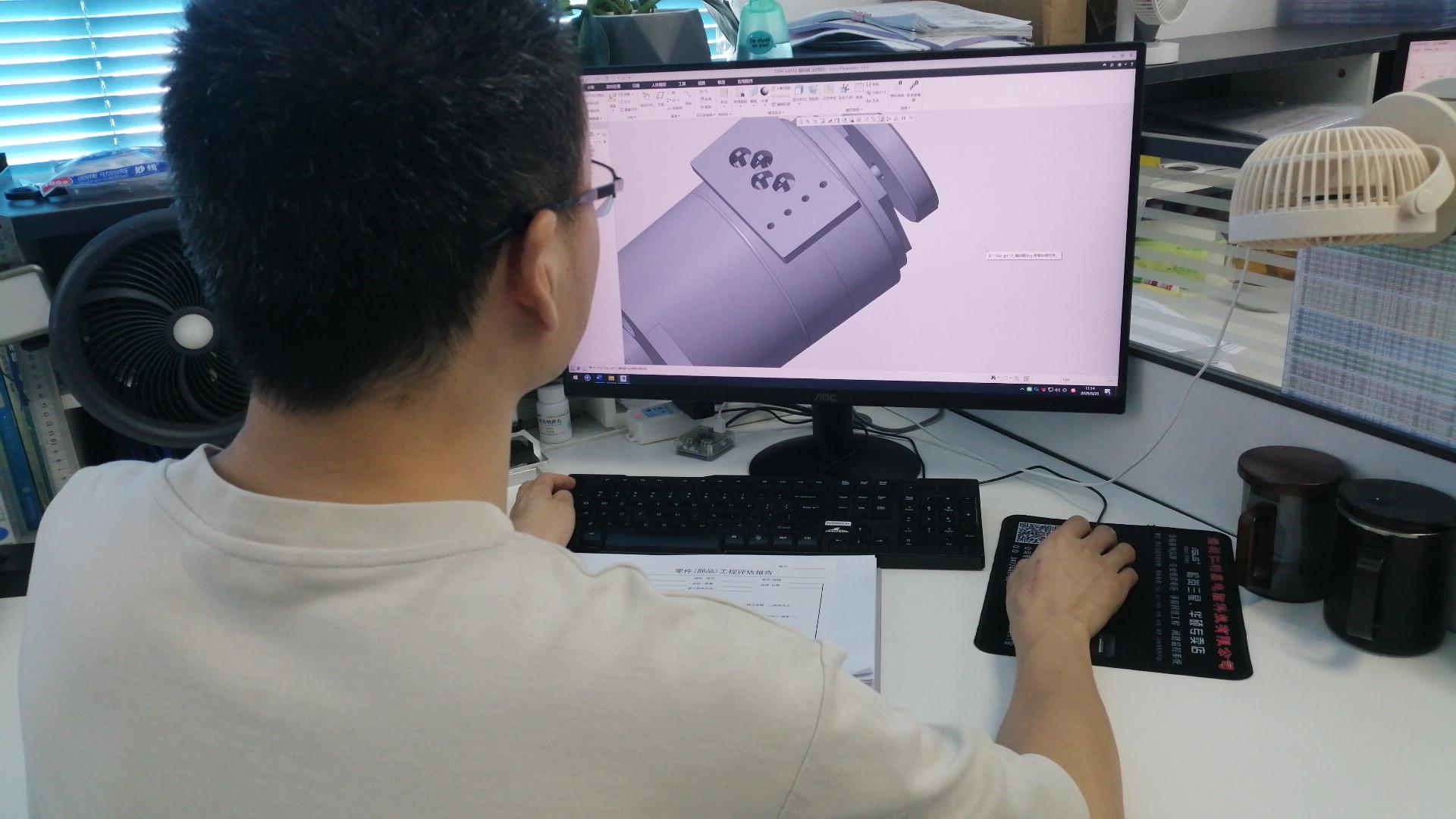
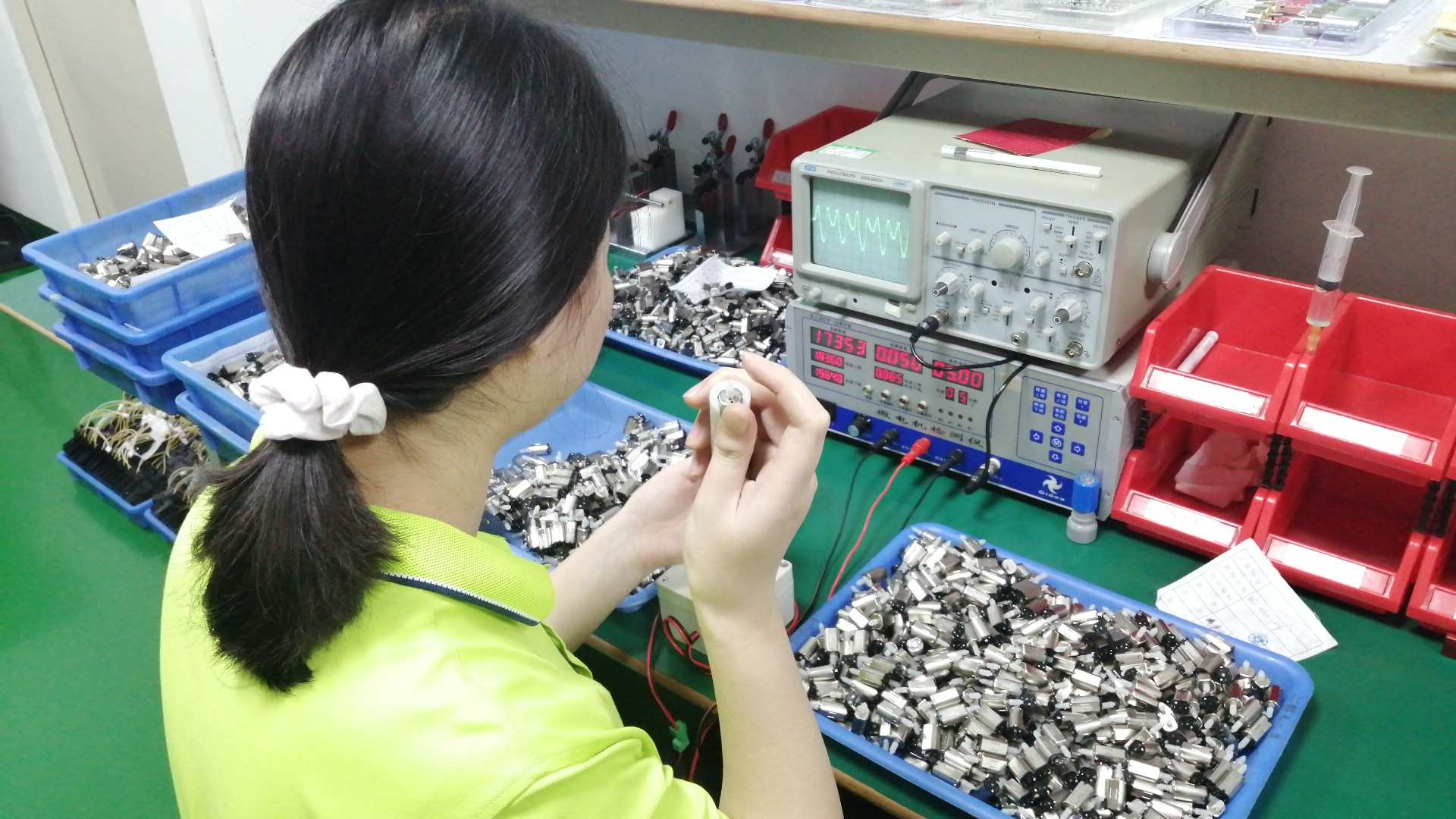
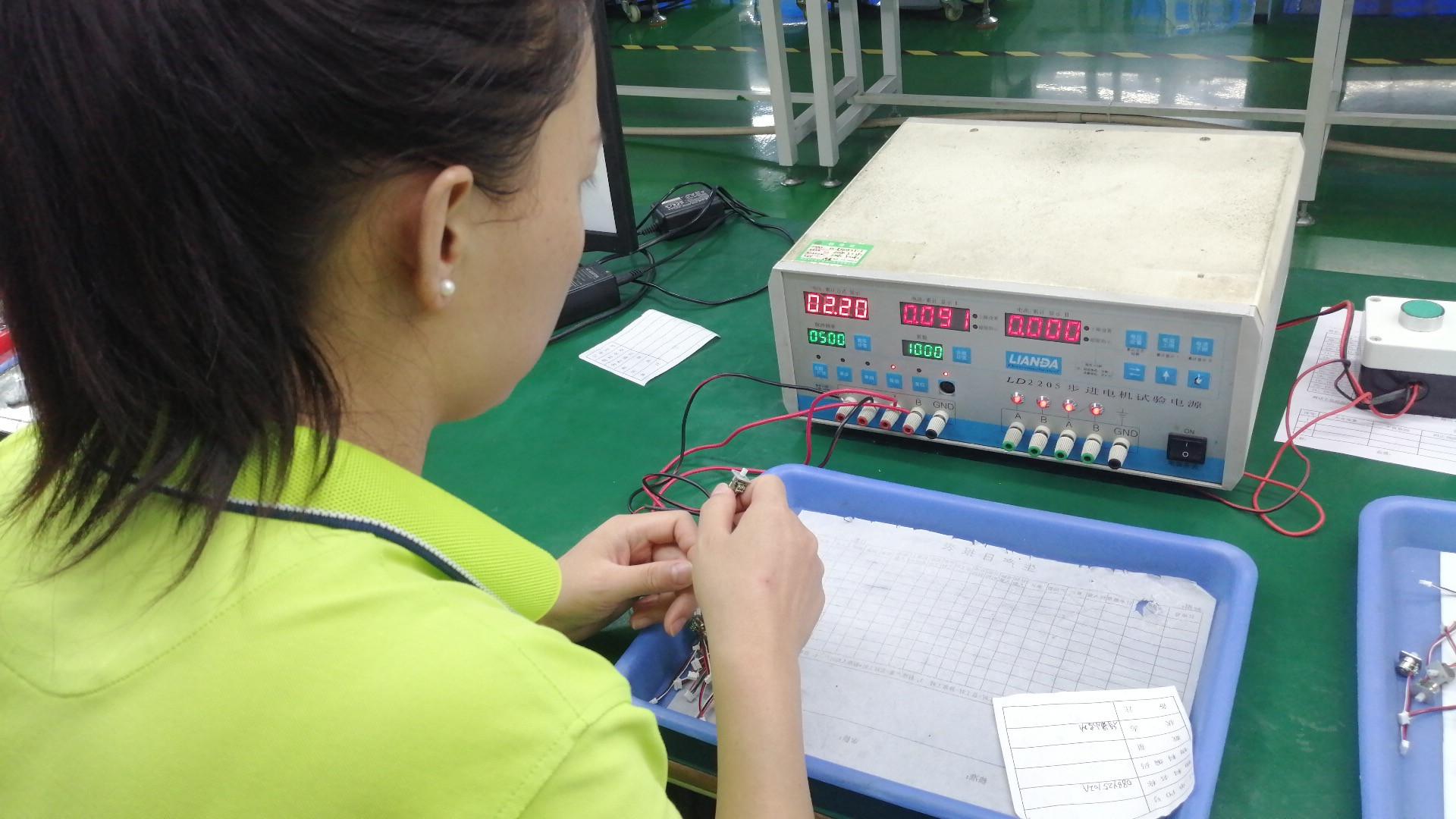
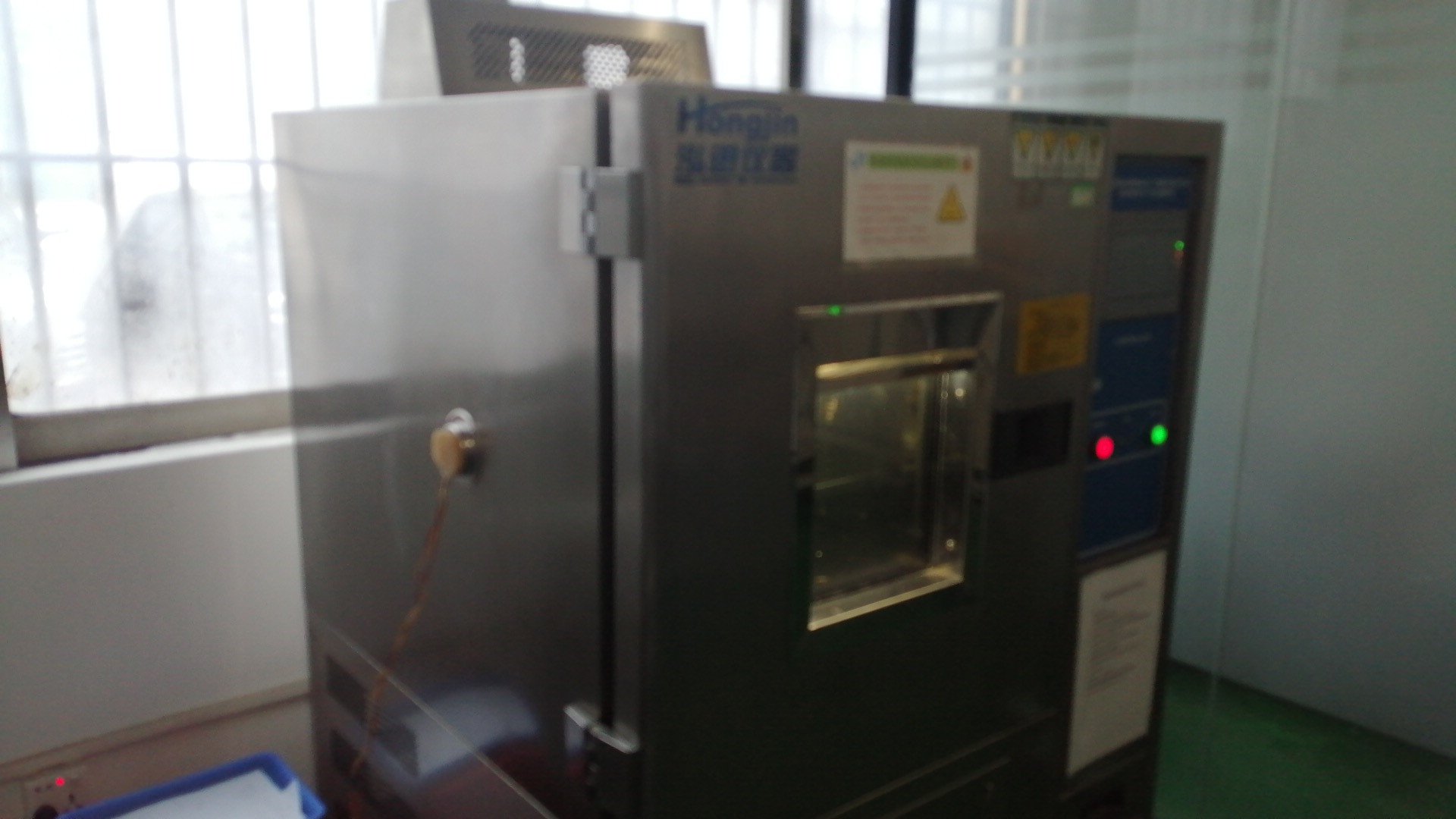
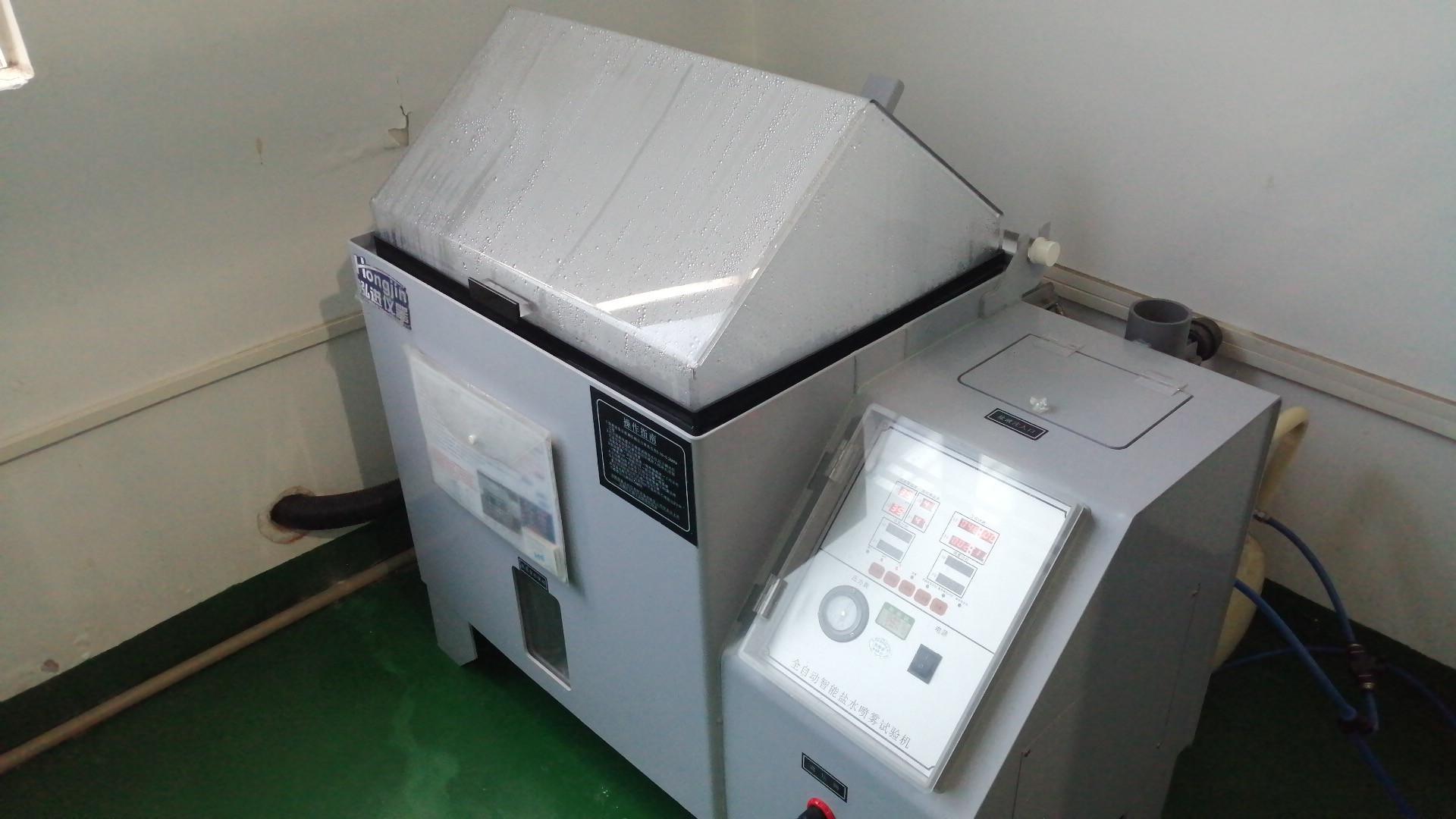
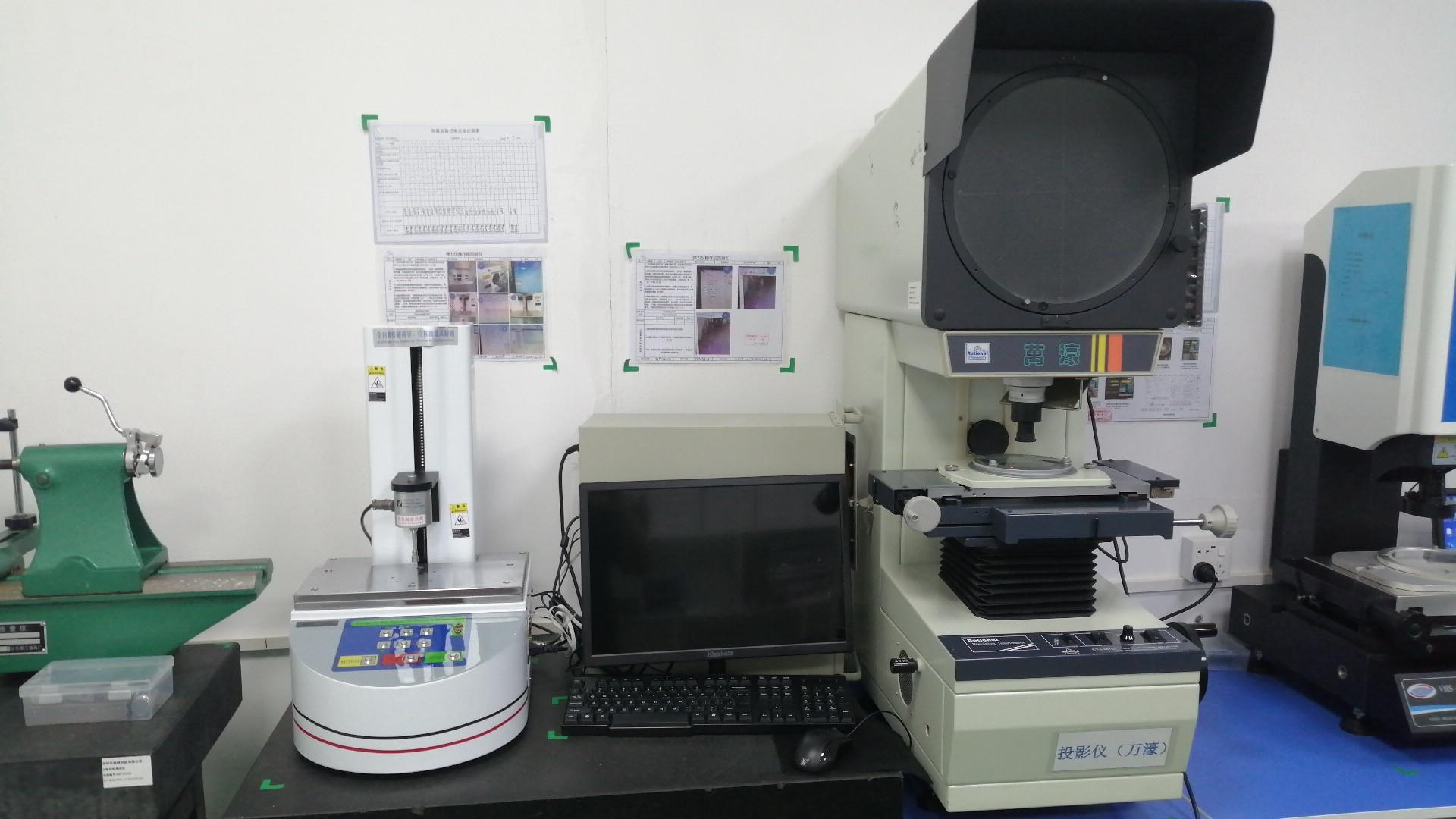
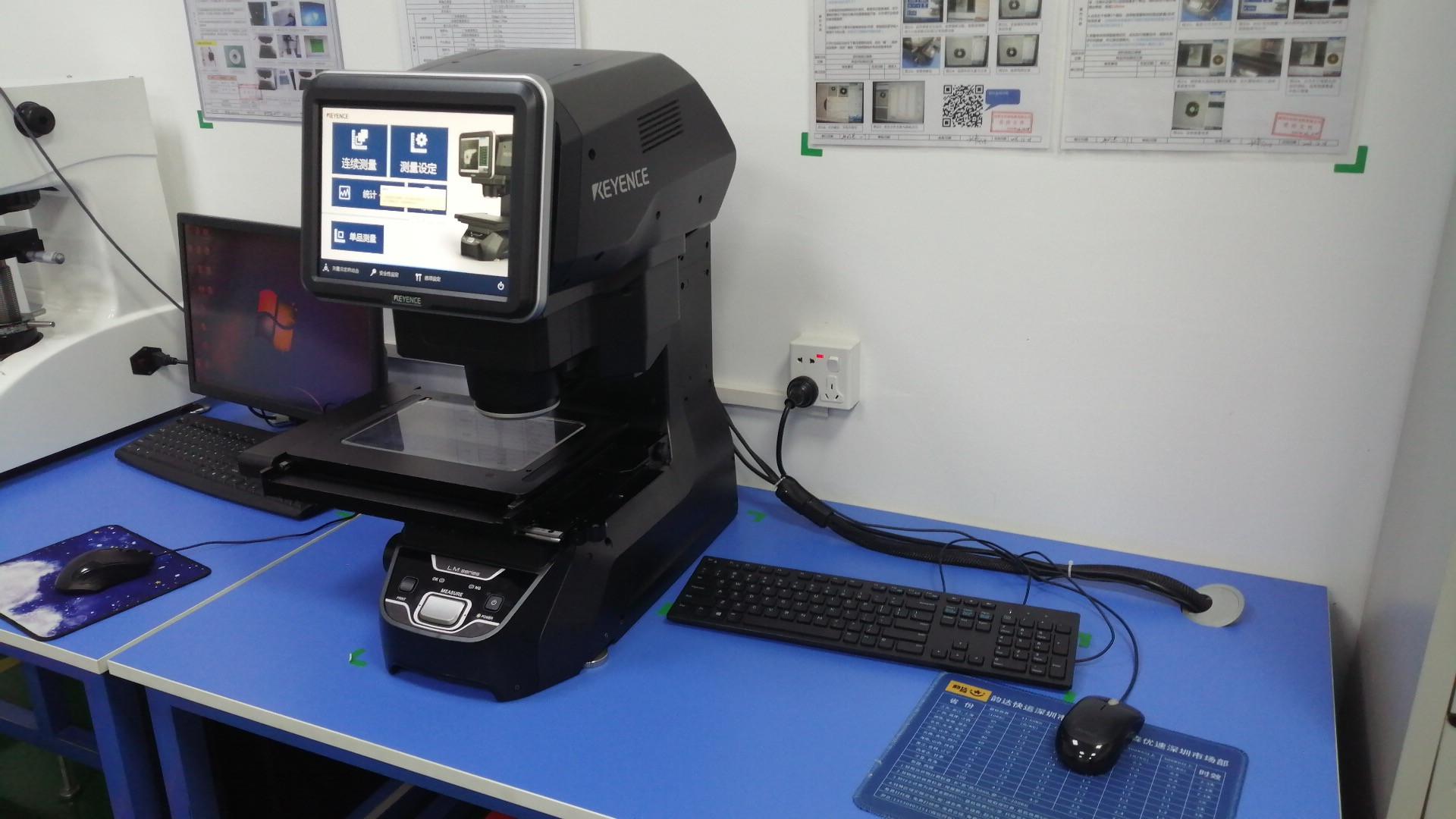
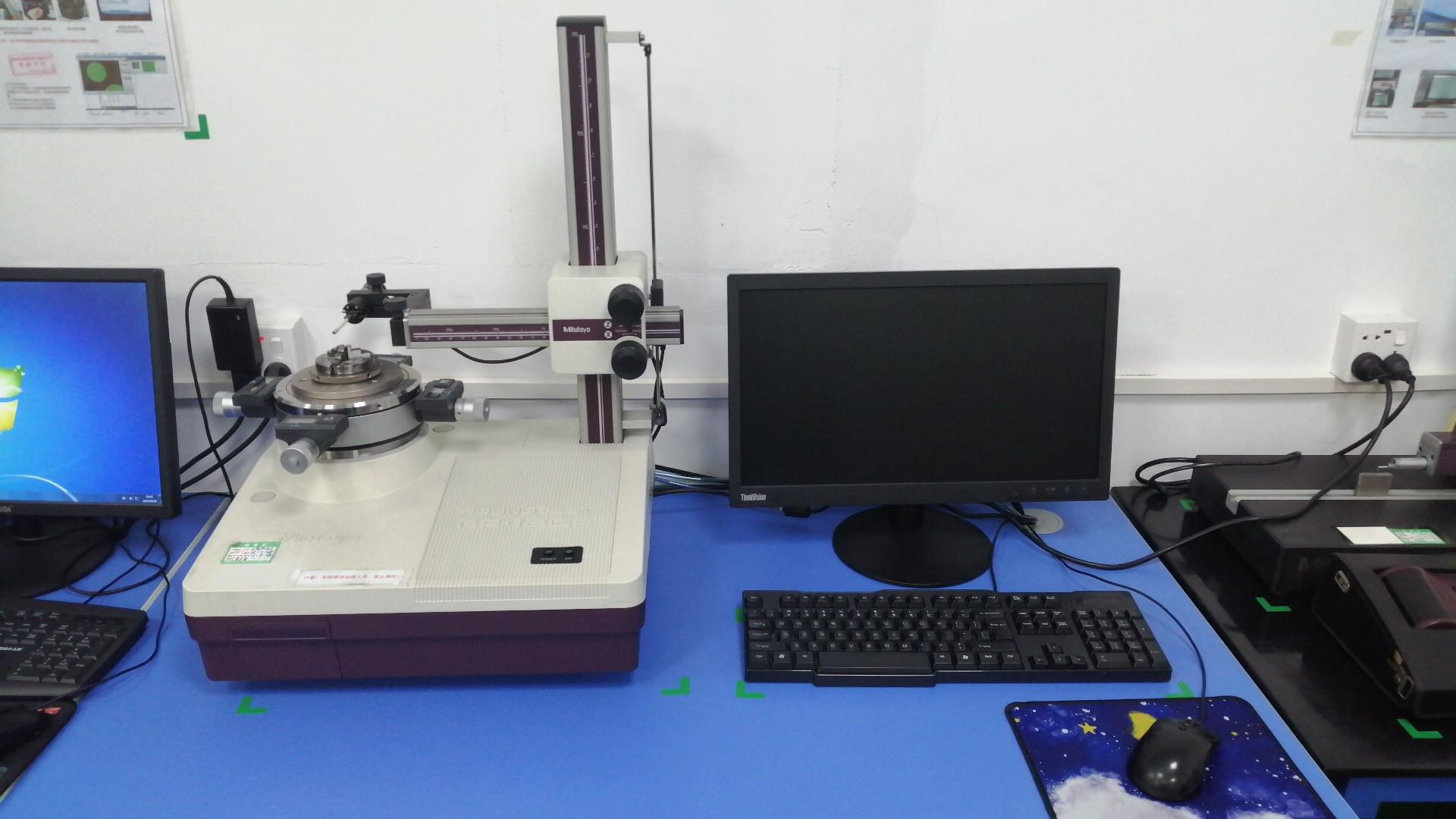
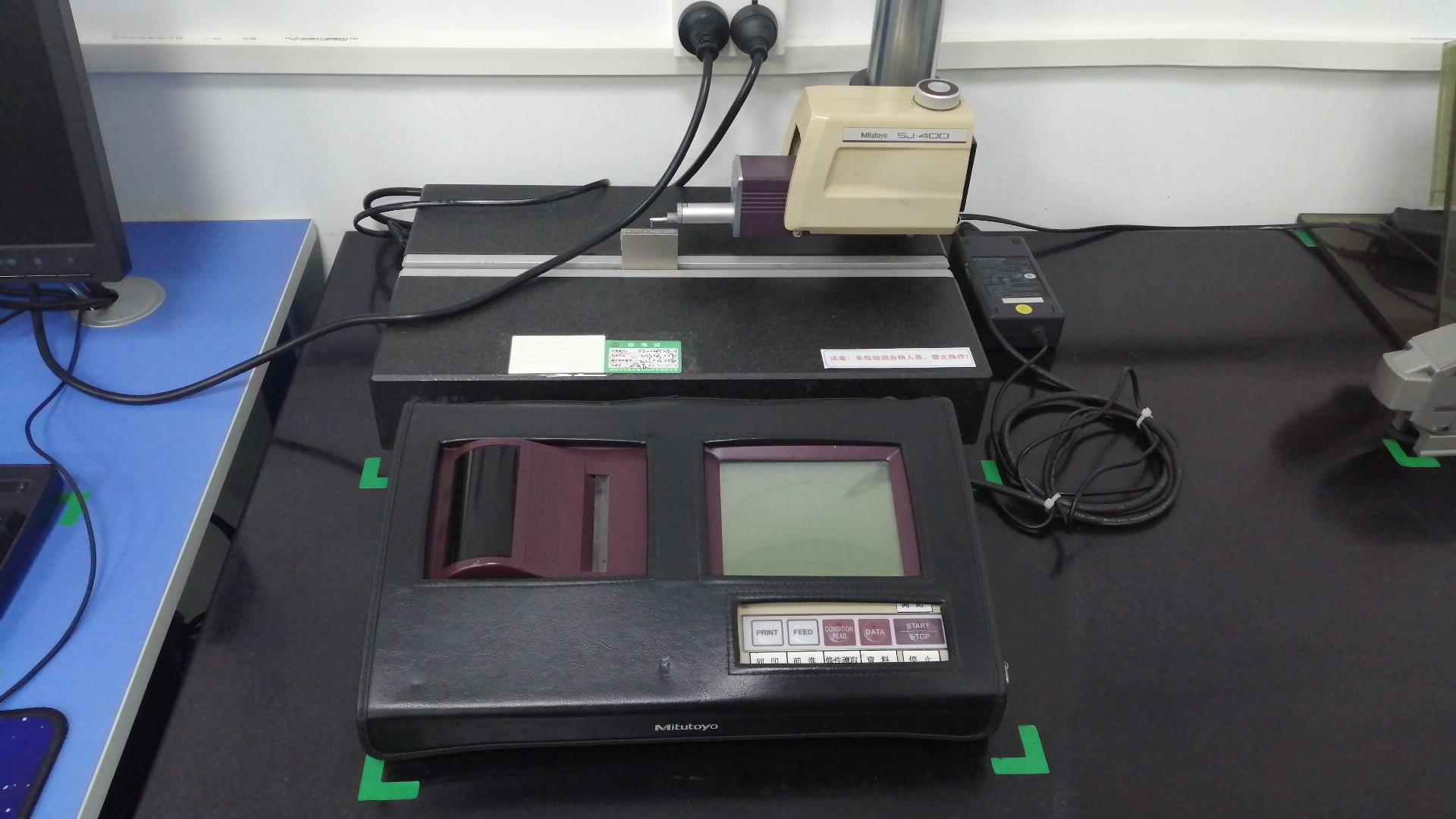
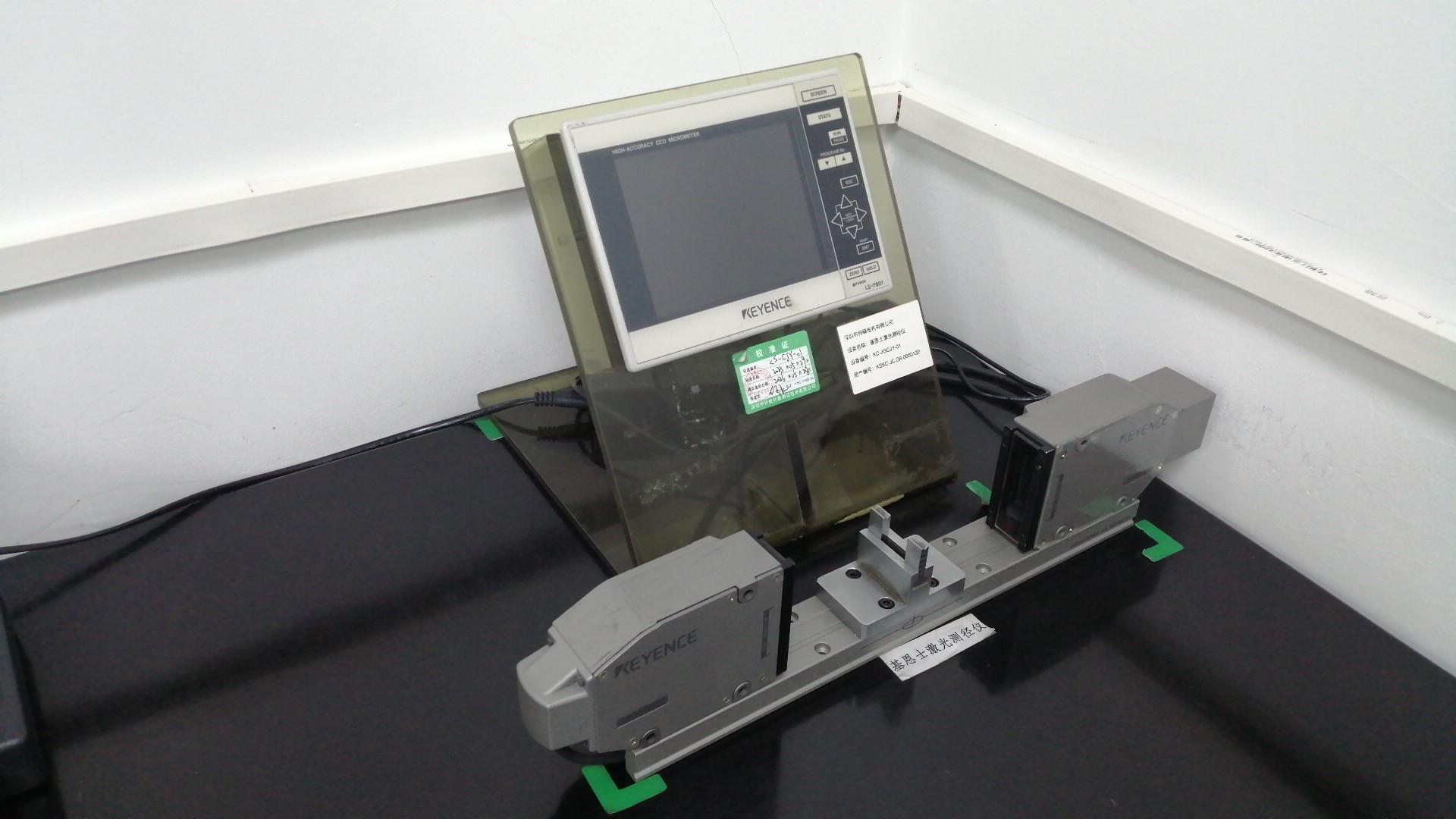
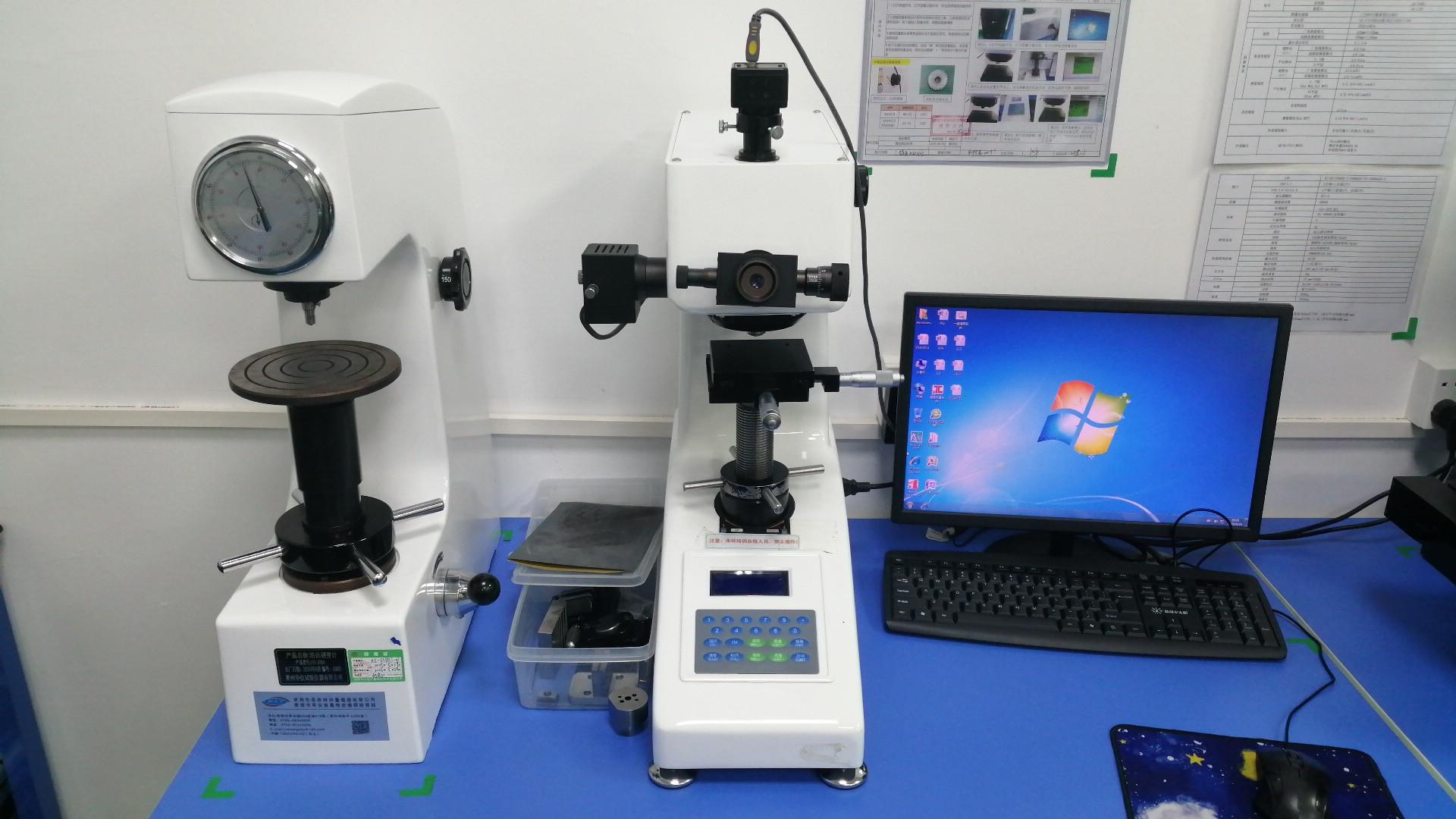
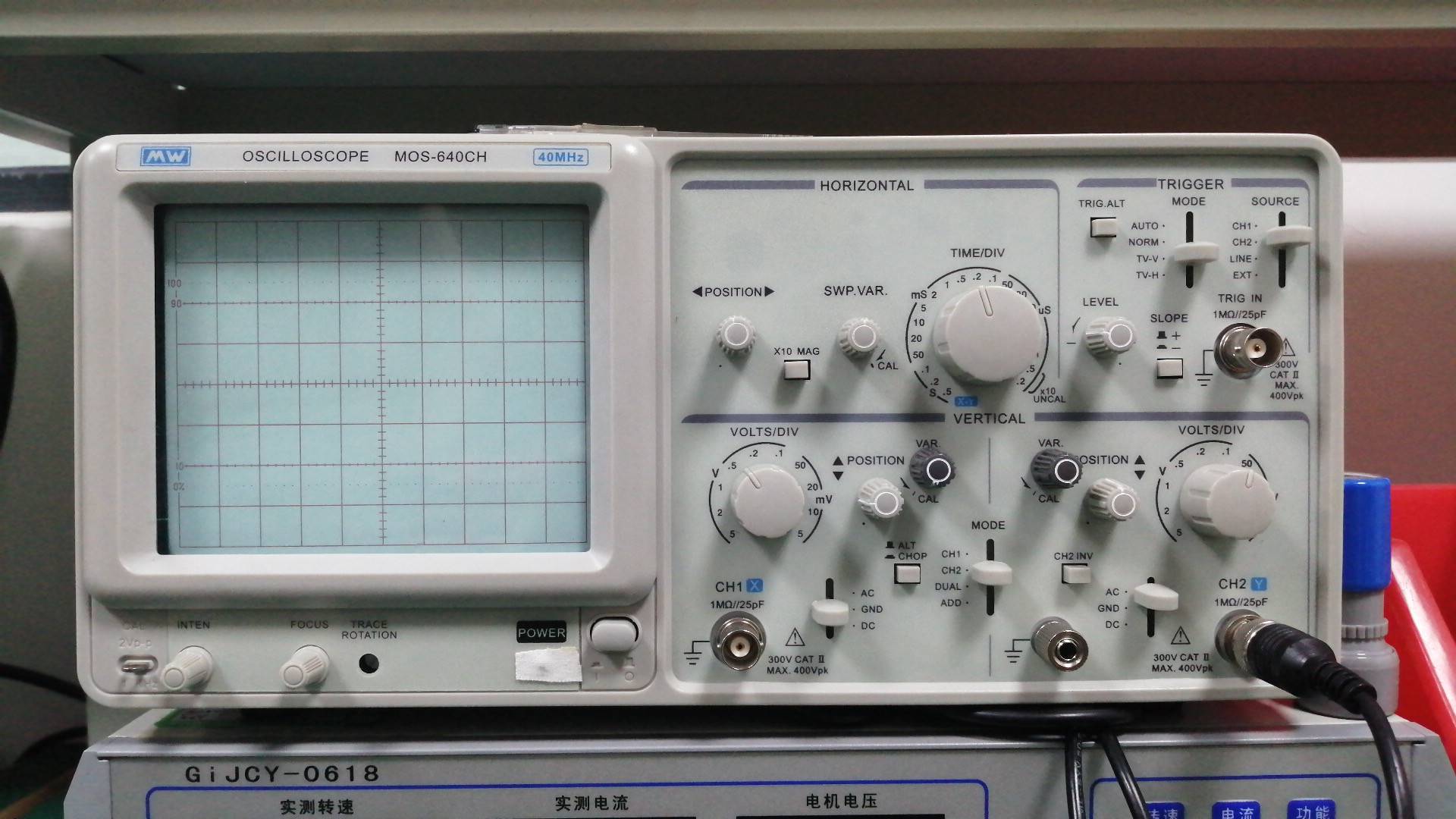
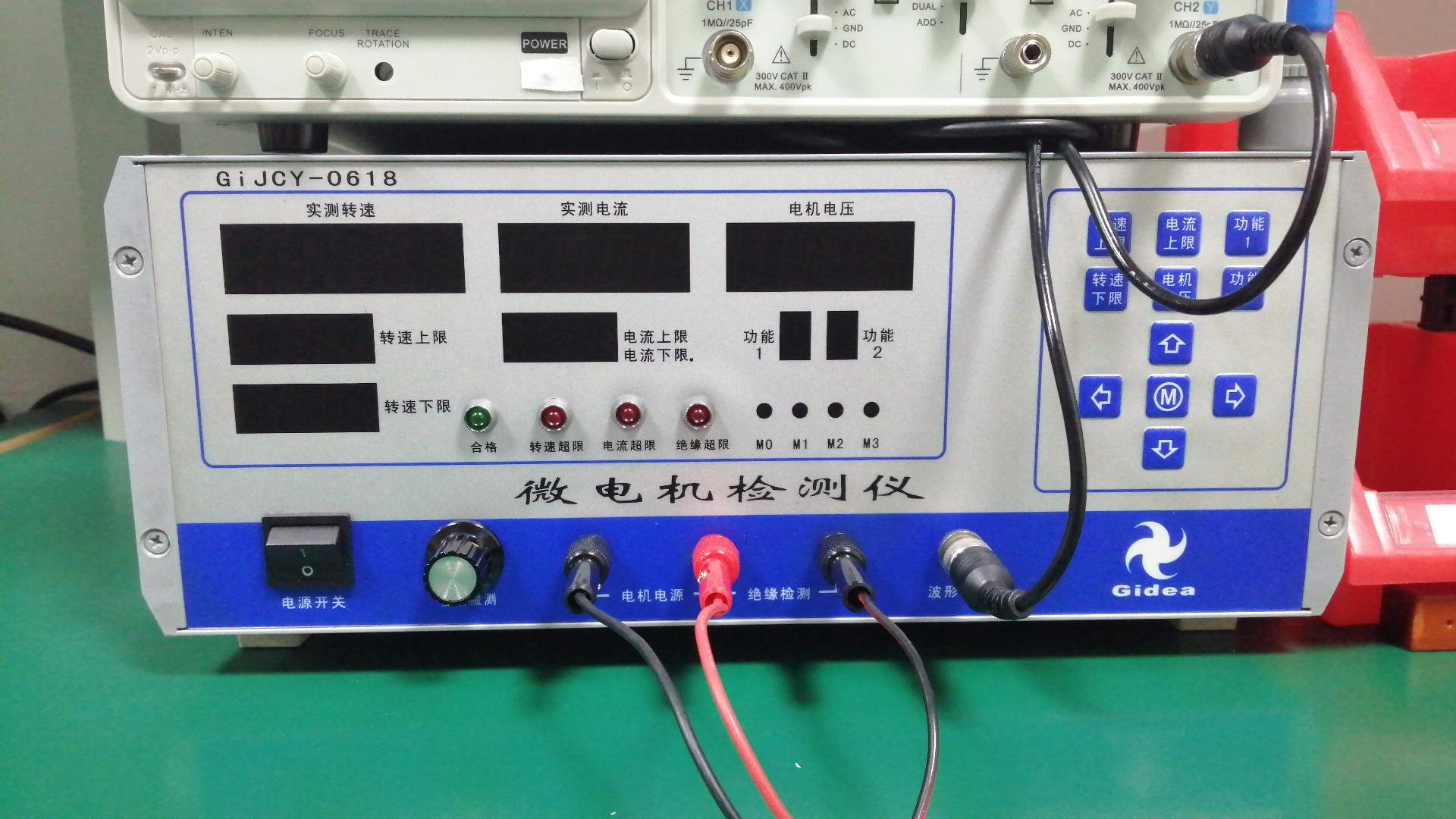
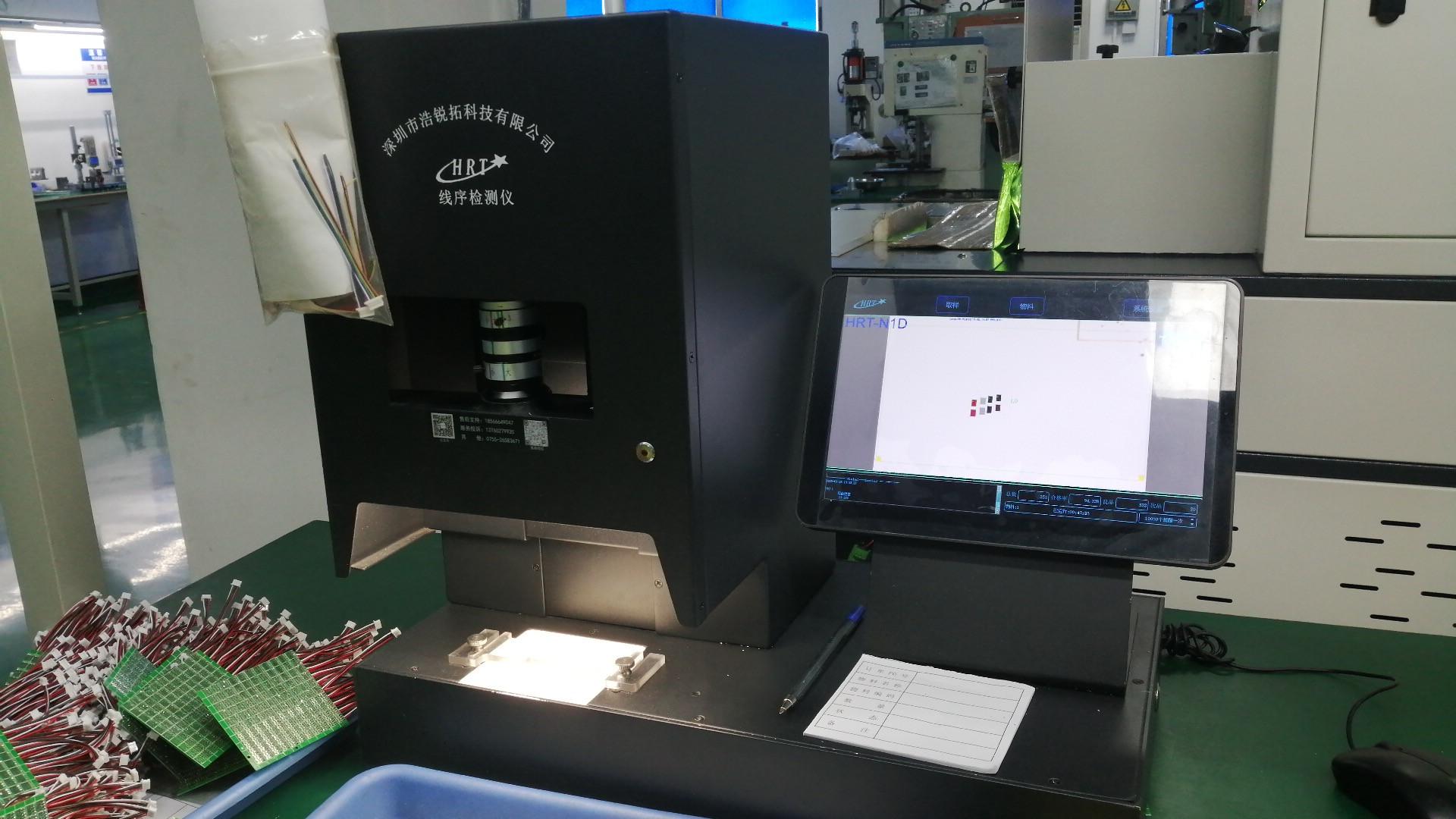
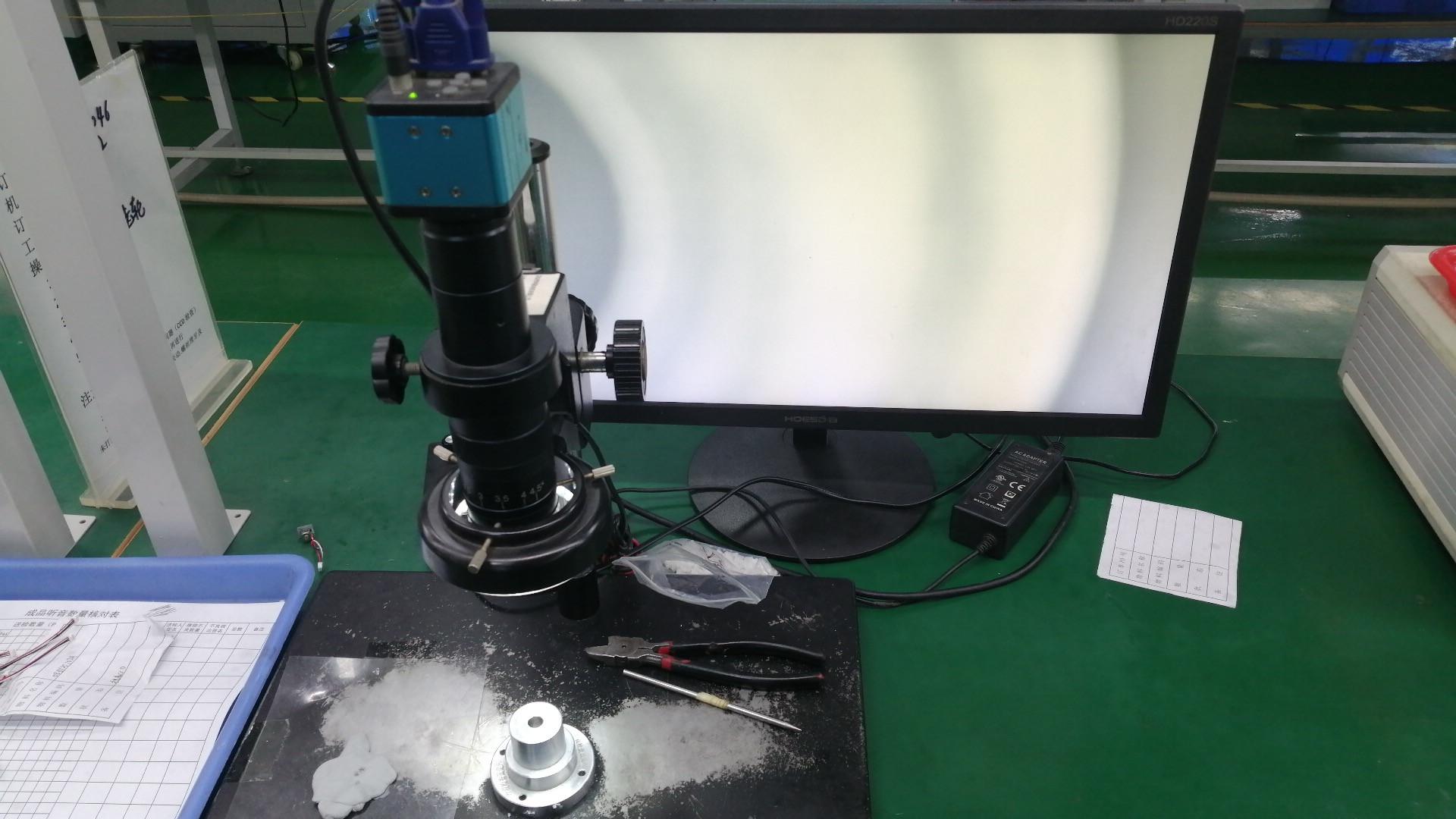
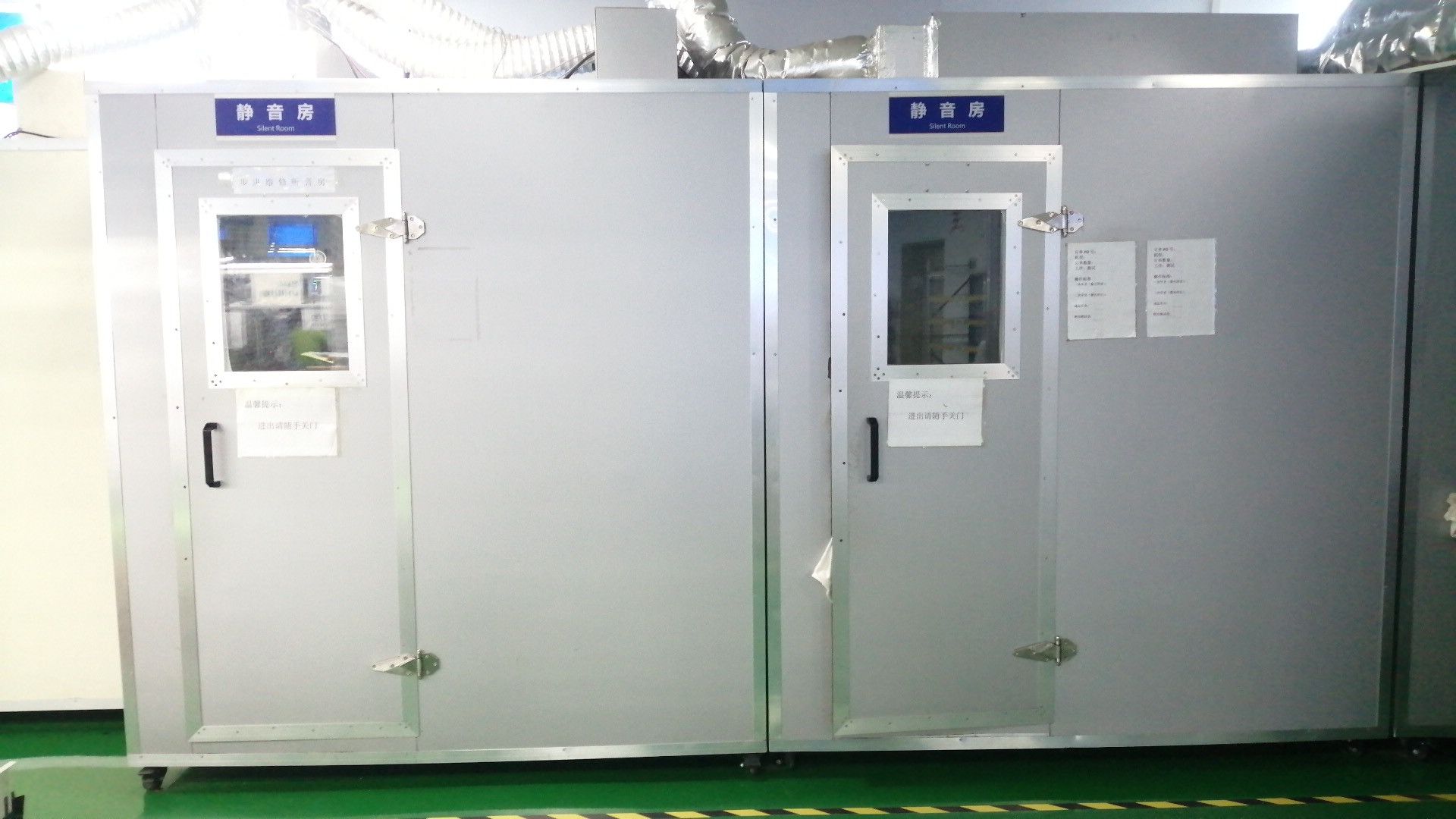
At Axon Motor, our ISO9001-certified factory utilizes advanced machinery and rigorous verification protocols to ensure every micro-drive meets strict performance benchmarks.
For two decades, we have dedicated ourselves to a single, relentless pursuit: designing, engineering, and manufacturing high-performance micro-drive solutions that keep modern industries moving forward. Based in China, we operate a state-of-the-art, ISO9001-certified production facility specializing in Micro DC Motors, DC Gear Motors, and Brushless DC Motors (BLDC). Our production lines combine automated efficiency with meticulous assembly stages to guarantee structural durability and electrical consistency.
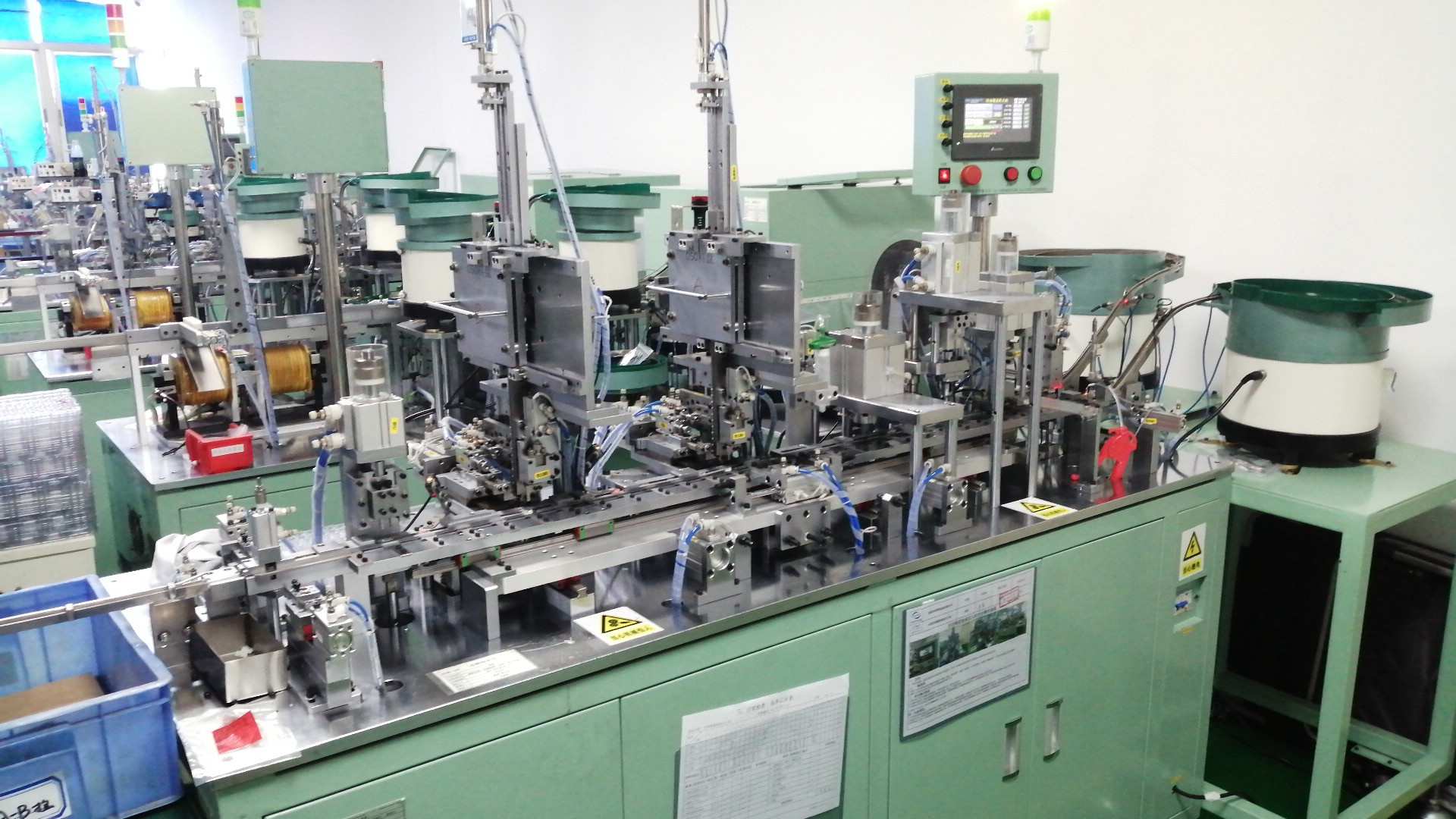
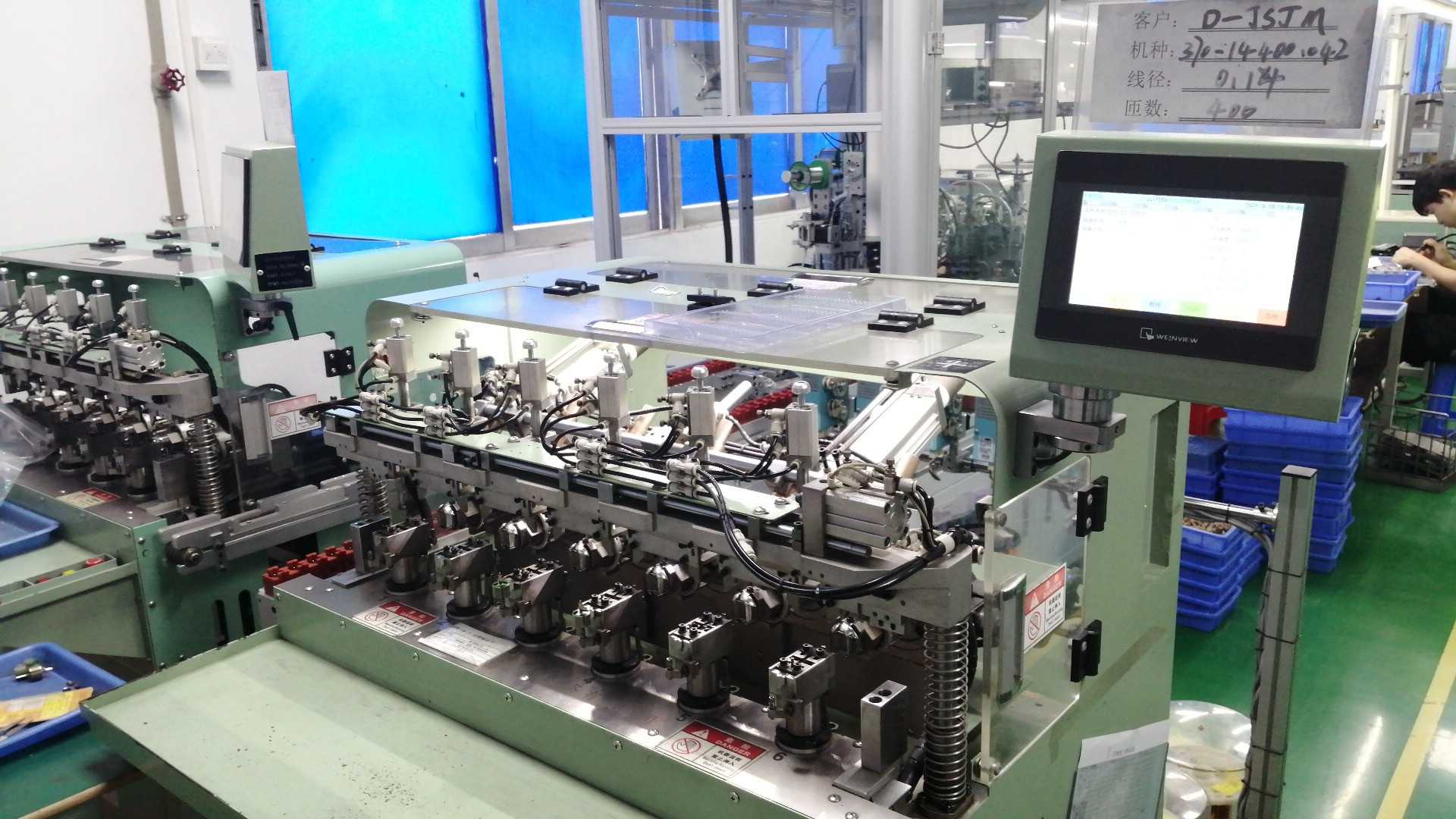
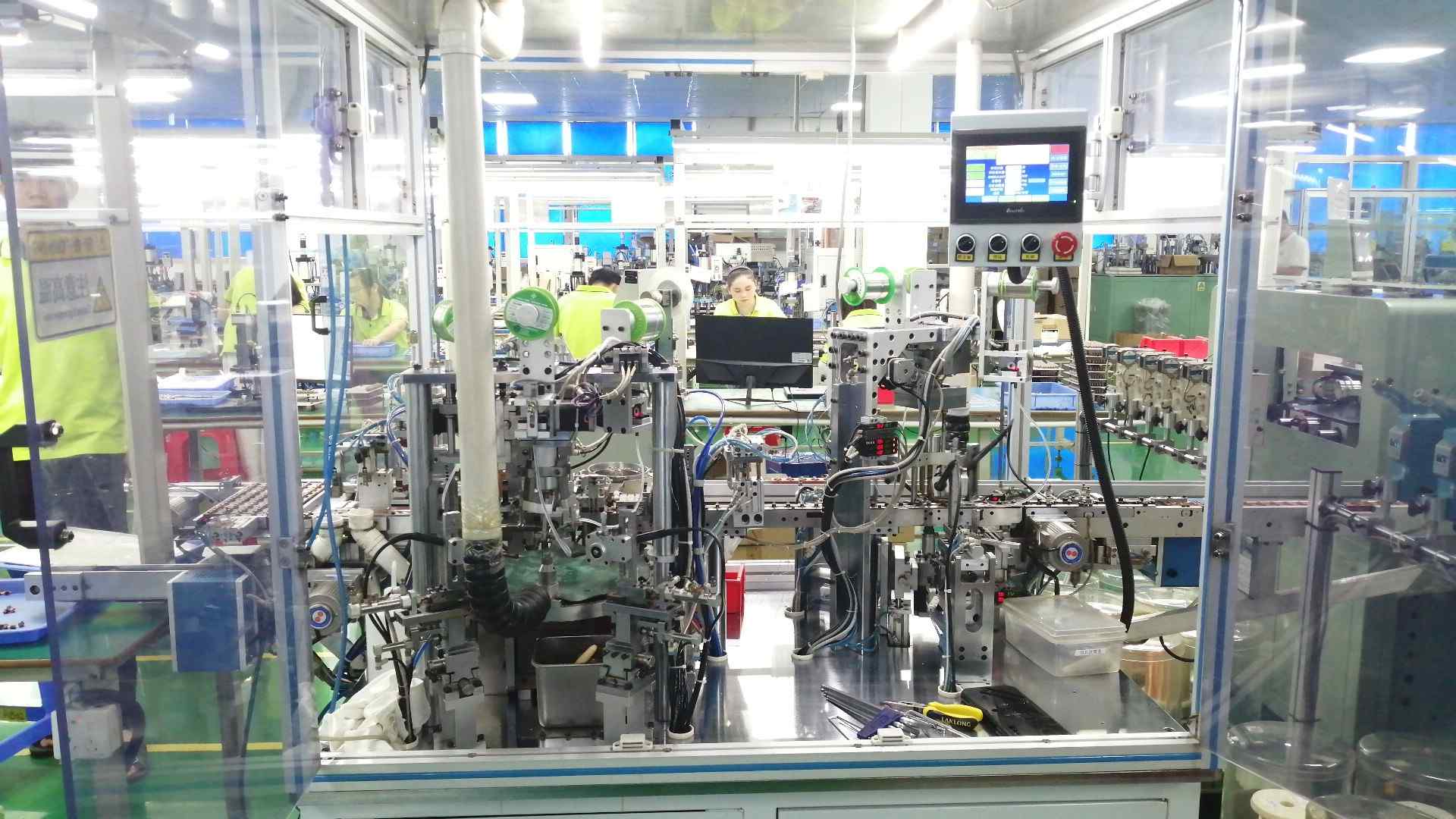
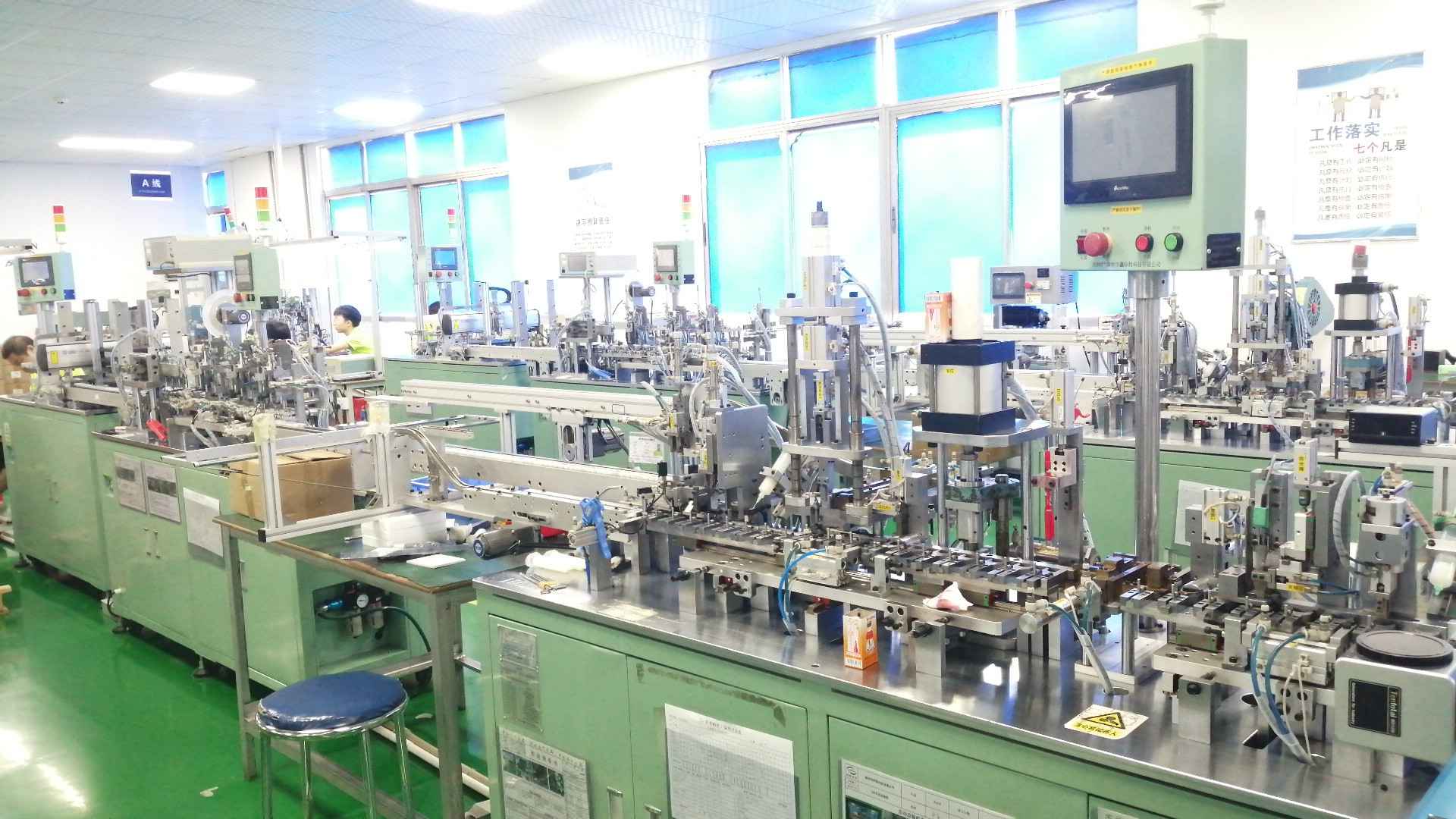
Deploying hybrid stepper technologies across diverse, precision-driven manufacturing verticals.
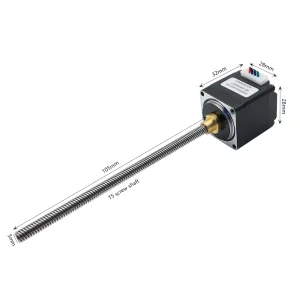
Berlin is home to prominent life sciences enterprises. By integrating low-noise, linear actuators (like our NEMA 11 series with T5 lead screws), diagnostic equipment gains sub-millimeter positioning accuracy to ensure reliable liquid handling and sample analysis.
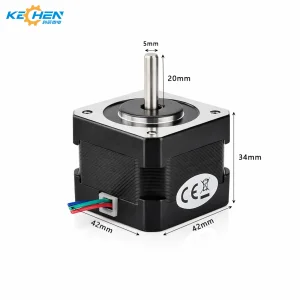
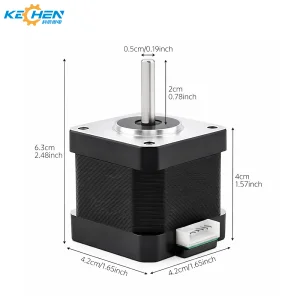
From industrial prototyping centers in Tempelhof to desktop printers in hobbyist studios, our NEMA 17 high-precision series delivers minimal step-angle error (±5% non-cumulative) to ensure layer deposition accuracy, high surface finishes, and reliable long-duration builds.
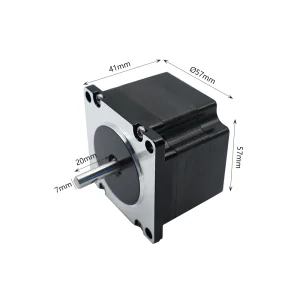
For custom fabrication shops requiring reliable structural cutting, our bipolar NEMA 23 and customized high-torque configurations offer the dynamic torque profile and thermal resilience needed to handle continuous operation in milling and laser-engraving setups.
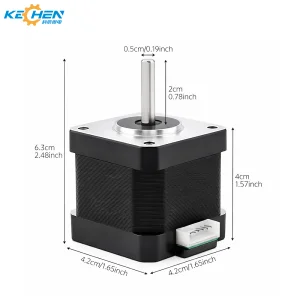
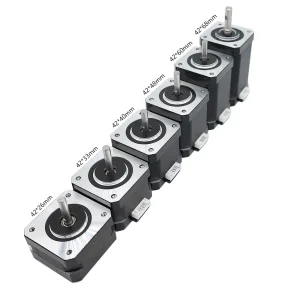
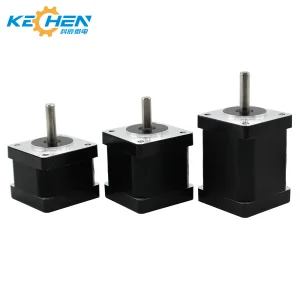
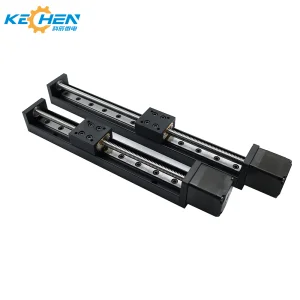
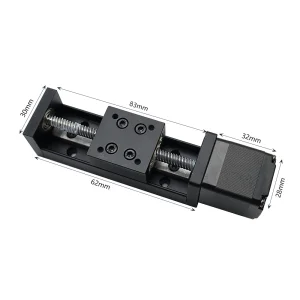
A broad array of custom-winding shafts, dual-shaft, and integrated linear actuator variations configured to meet your design needs.
Direct technical explanations addressing common concerns voiced by engineering leads and procurement specialists.
Hybrid stepper motors combine the design characteristics of Permanent Magnet (PM) and Variable Reluctance (VR) stepper motors. The rotor uses a permanent magnet wrapped by two multi-toothed steel cups (usually 50 teeth). The stator also has teeth. This configuration allows for much smaller step angles (typically 1.8° or 0.9°) compared to PM motors (typically 7.5° or 15°), resulting in higher static holding torque, greater positional resolution, and improved dynamic characteristics.
Bipolar configurations utilize the entire stator winding per phase, allowing the current to flow through the entire coil. This yields roughly 30-40% more torque than a unipolar setup of equivalent size. While bipolar drive circuitry is more complex (requiring two H-bridges), the torque density and overall efficiency make it the standard choice for performance-demanding CNC, printing, and heavy automation applications.
Integrating a lead screw eliminates the coupling component between the motor and the external screw. This reduces backlash, reduces mechanical failure points, increases overall axial rigidity, and reduces assembly length. By utilizing different lead-screw pitches (such as T5 or T8), designers can fine-tune linear travel resolution to achieve up to 20kg.cm thrust or sub-micron positional adjustments per full step.
Microstepping improves smoothness, reduces resonance, and offers higher resolution by dividing full steps into smaller steps. However, as the microstep count increases, the incremental torque per microstep drops significantly (reaching roughly 9.8% of full-step torque at 1/16 microstepping). It is critical to dimension motor sizes with adequate safety margins when running high-resolution microstepping drives.
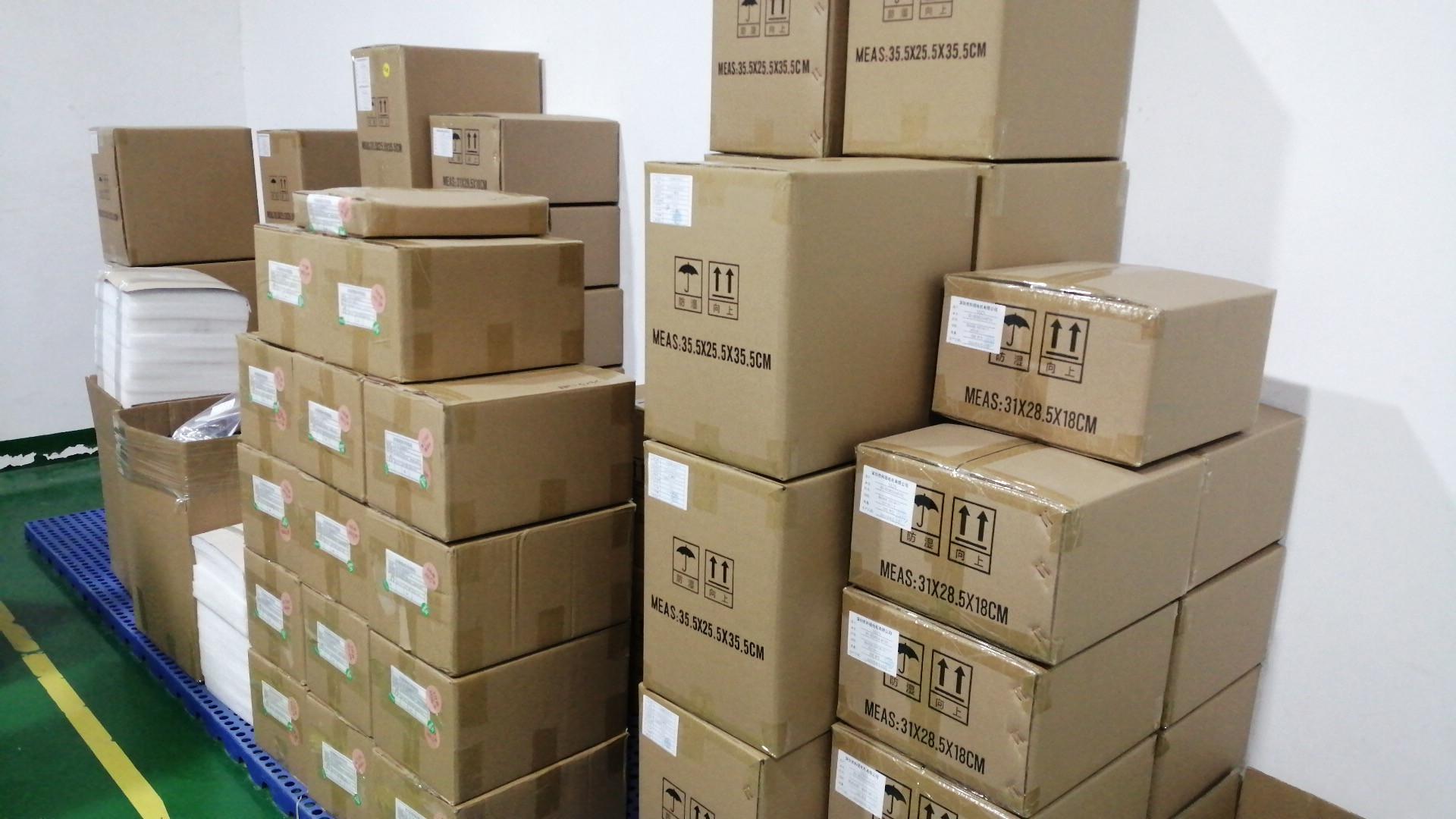
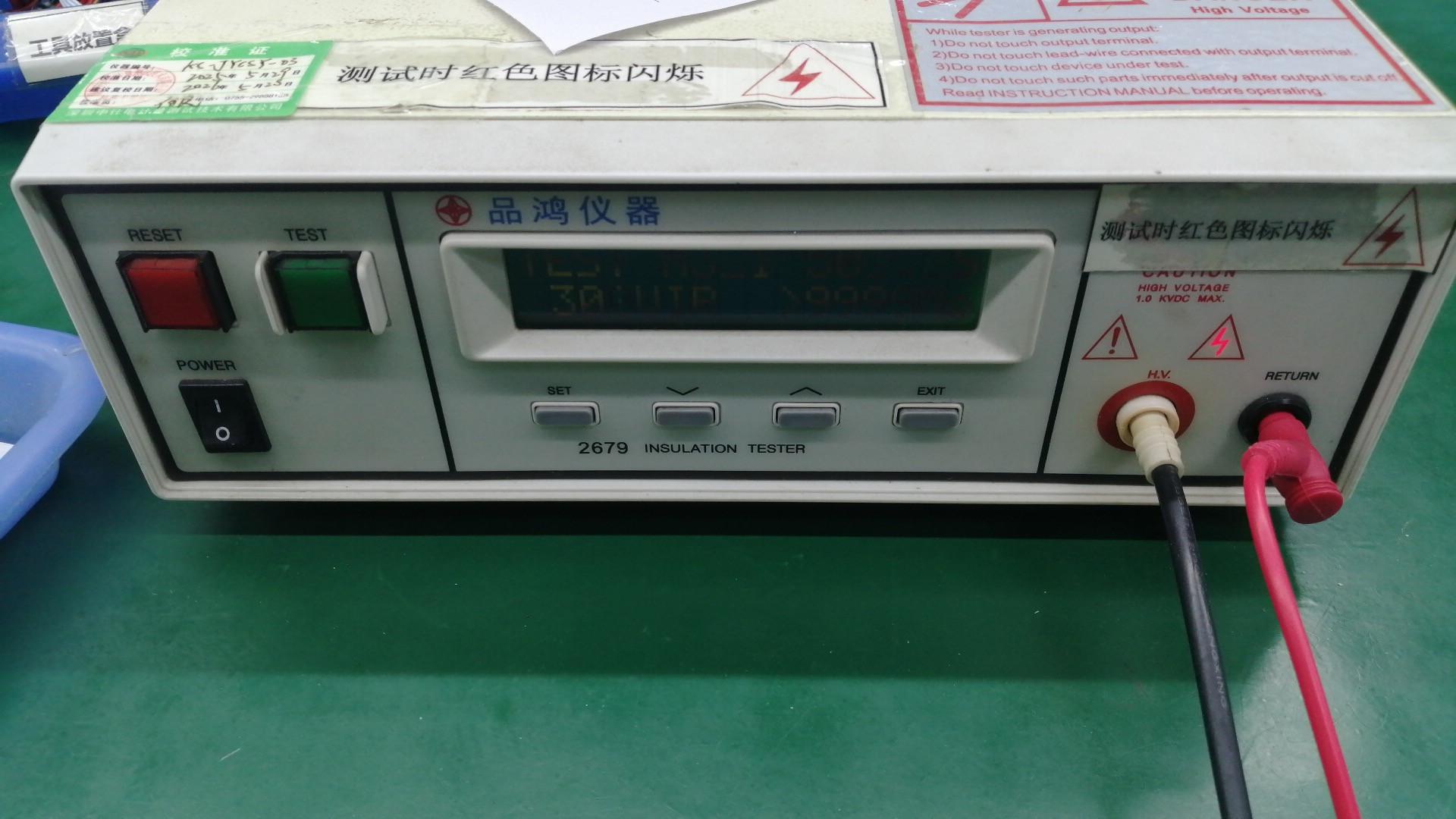
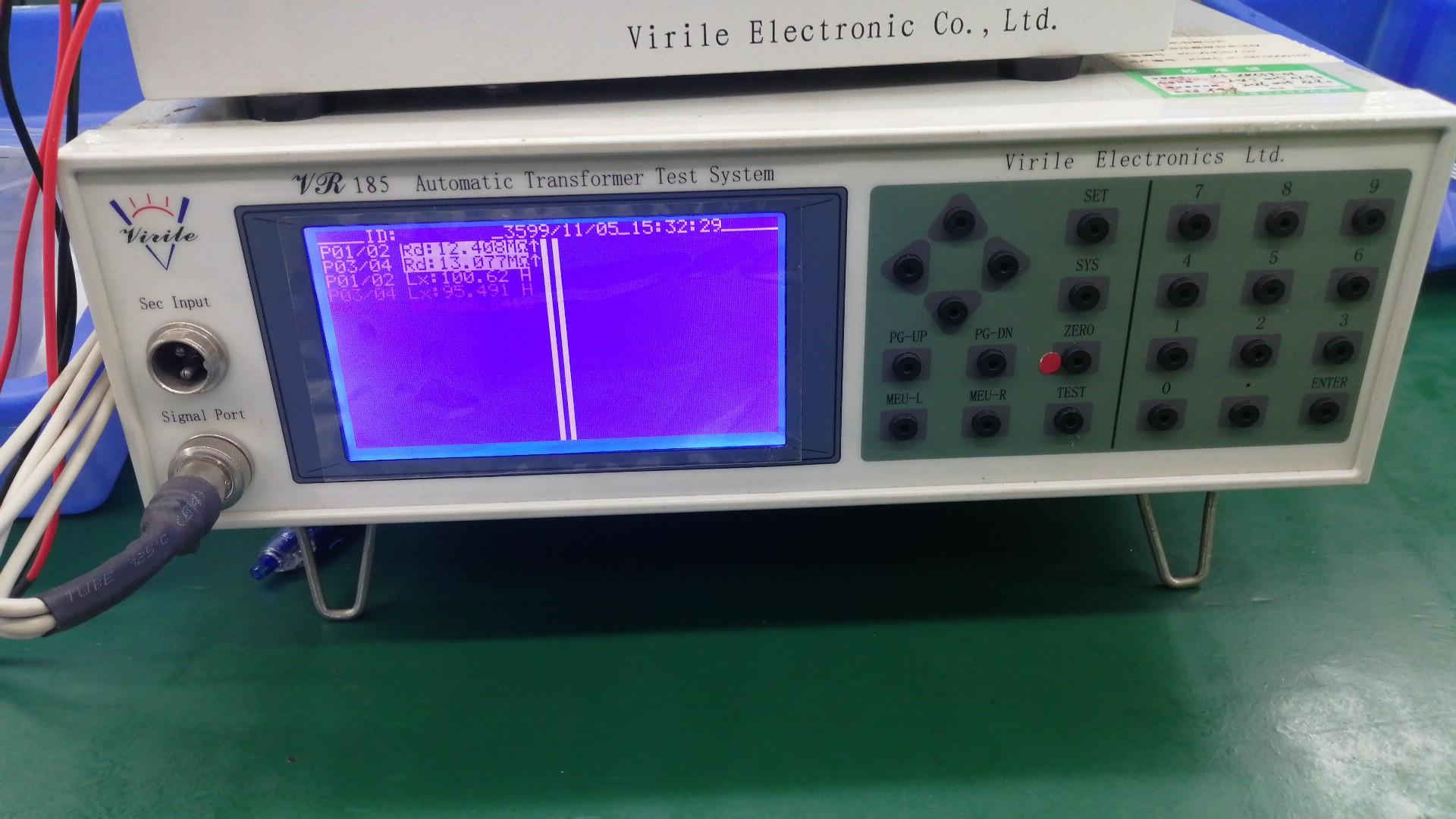
Every batch of raw materials undergoes incoming quality control (IQC) where we test for compliance with restricted chemical thresholds. Our final motor assemblies undergo strict isolation resistance testing, high-pot voltage testing, and concentricity inspections on our Keyence and Sanfeng testers. This ensures full compliance with CE, RoHS, and REACH guidelines before products are packed and shipped to Europe.
We offer a wide range of OEM/ODM options. We can customize flat shafts (D-cuts), round shafts, keyways, helical gears, hollow shafts for wiring routing, and integrated lead screws in varying lengths and pitches. We also custom-wind stator coils to match target voltage and current specifications, ensuring optimal performance with your specific drive hardware.
 Axon Motor