Axon Motor
Market Dynamics: Linear Stepper Motors in the Greater Toronto Area (GTA)
The Greater Toronto Area (GTA), encompassing innovation hubs like Mississauga, Markham, and Vaughan, has emerged as a cornerstone of advanced manufacturing and biomedical engineering in North America. From the high-density tech corridor along the Highway 407 belt to the research laboratories of the downtown Toronto Discovery District, the demand for high-reliability, micro-precision motion control components has surged exponentially. Linear stepper motors represent the critical actuator mechanism powering this industrial migration toward automation, digital health diagnostics, and smart infrastructure.
Local equipment manufacturers and OEMs (Original Equipment Manufacturers) across Ontario face strict regulatory guidelines and competitive pressures. For medical device integrators developing microfluidic systems, automated pipette channels, and optical scanners, finding linear stepper motors with low-backlash configurations and high positional repeatability is imperative. Traditional rotational-to-linear conversion setups introduce mechanical inefficiencies; integrated linear actuators utilizing permanent magnet and hybrid motor technologies remove coupling points, thereby shrinking the overall mechanical footprint while enhancing MTBF (Mean Time Between Failures).
Information Gain Insight: The Backlash Challenge in Toronto Laboratory Environments
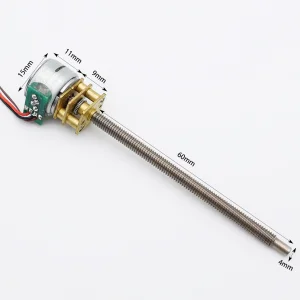
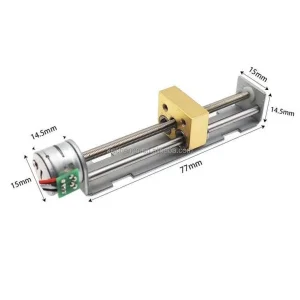
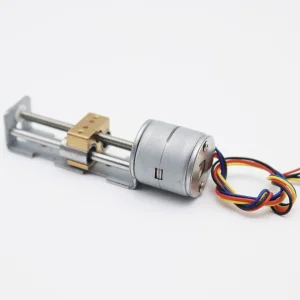
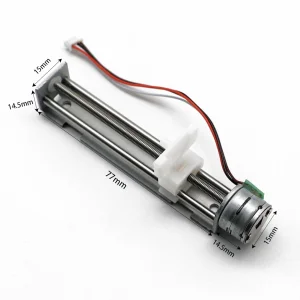
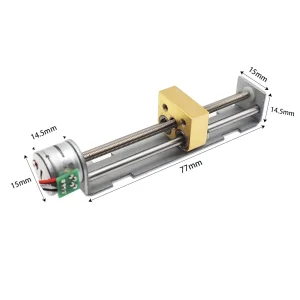
In analytical chambers situated in Toronto's research institutes, temperature shifts can lead to thermal expansion variations in mechanical sliders. Utilizing internal Teflon-coated lead screws or custom copper slider nuts (such as our 15mm miniature models) mitigates frictional heat, ensuring sub-micron positional reliability without lubrication degradation under continuous operation cycles.
Key Global Technology & Sourcing Trends
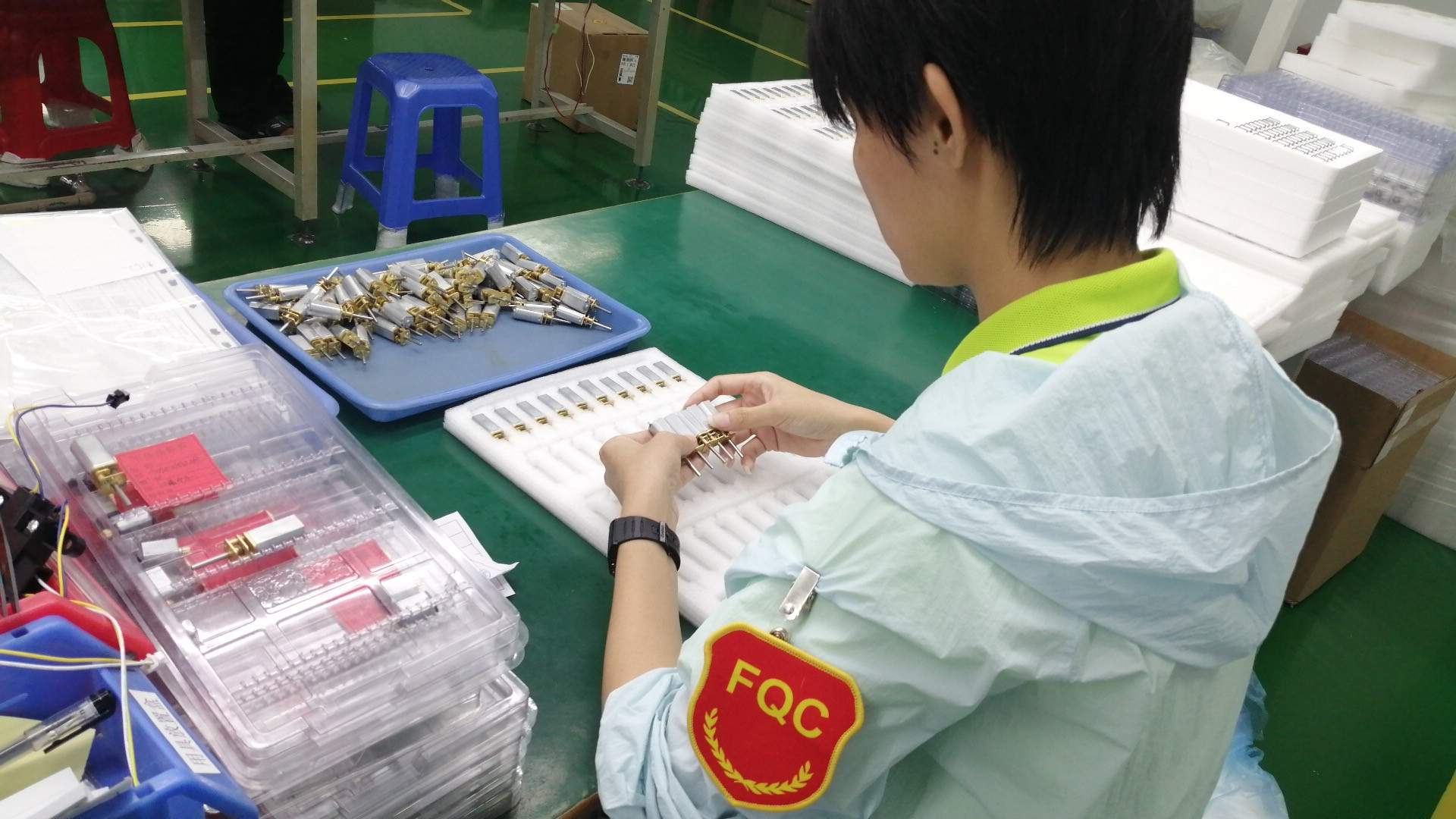
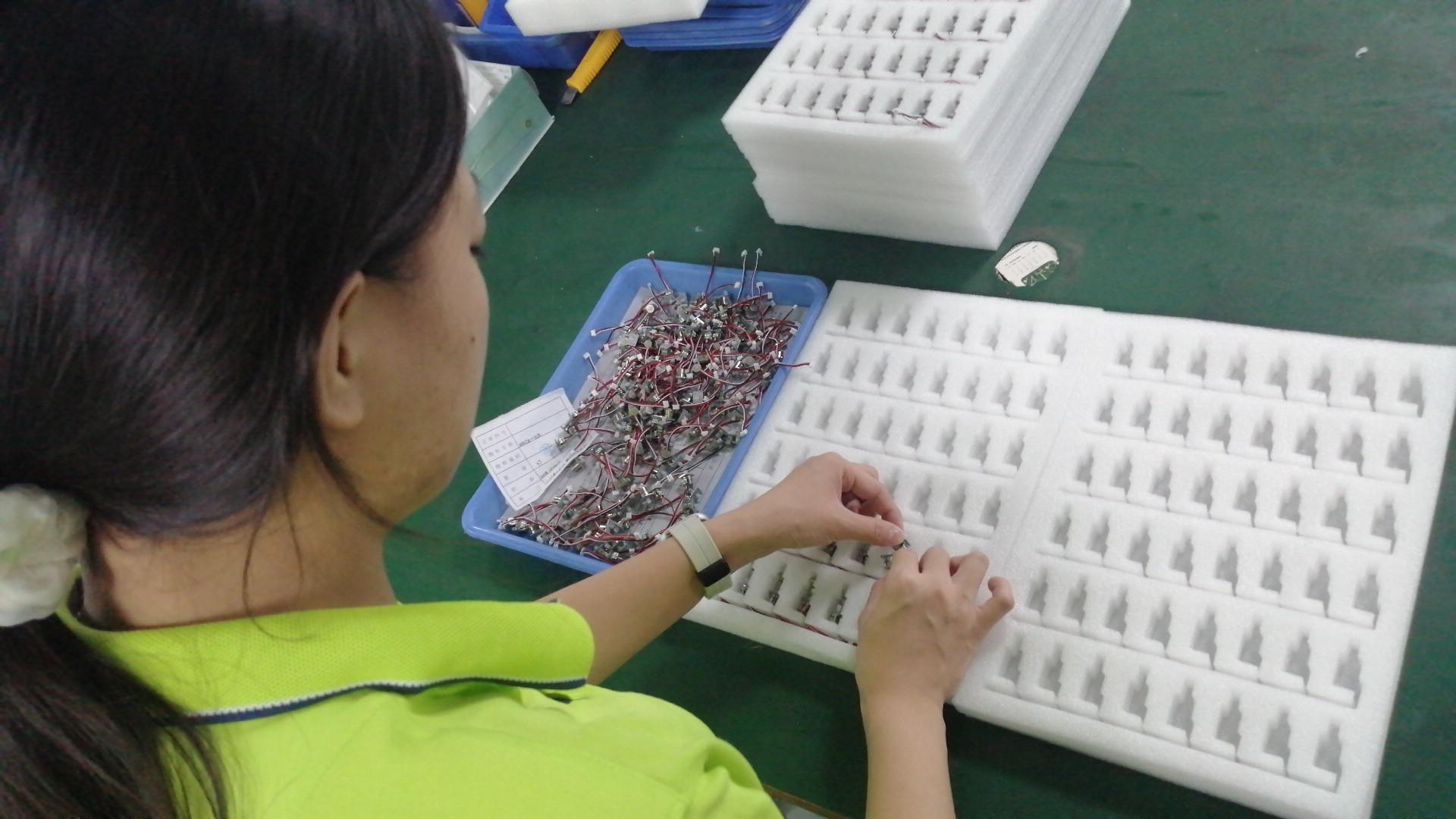
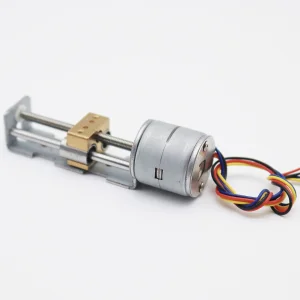
The micro-motor sector is currently experiencing a technological shift governed by three main requirements: miniaturization, material traceability, and integration complexity. Procurement departments in global enterprises are moving away from multi-vendor setups. Instead, they require unified assemblies where the motor, lead screw, slider, and custom wiring harness are manufactured and calibrated under a single quality control system.
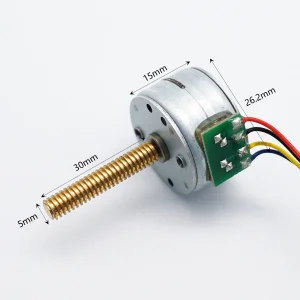
- Optimizing Step Resolution: Modern micro-actuators now regularly utilize step angles of 1.8° and 0.9°, which, when coupled with sub-1mm pitch lead screws, deliver linear resolution down to the single-micron range per step without microstepping drivers.
- Energy Efficiency and Thermal Control: Wearable medical systems and portable diagnostic equipment run on constrained battery profiles. Actuators like our 5V PM stepper line operate at optimized duty cycles to keep temperature rises within a safe <40°C threshold.
- Environmental Compliance: Global distribution mandates strict adherence to environmental parameters, requiring all componentry to hold certified RoHS and REACH validation certificates.
China's Industry 4.0: Strengthening Supply Chain Resilience
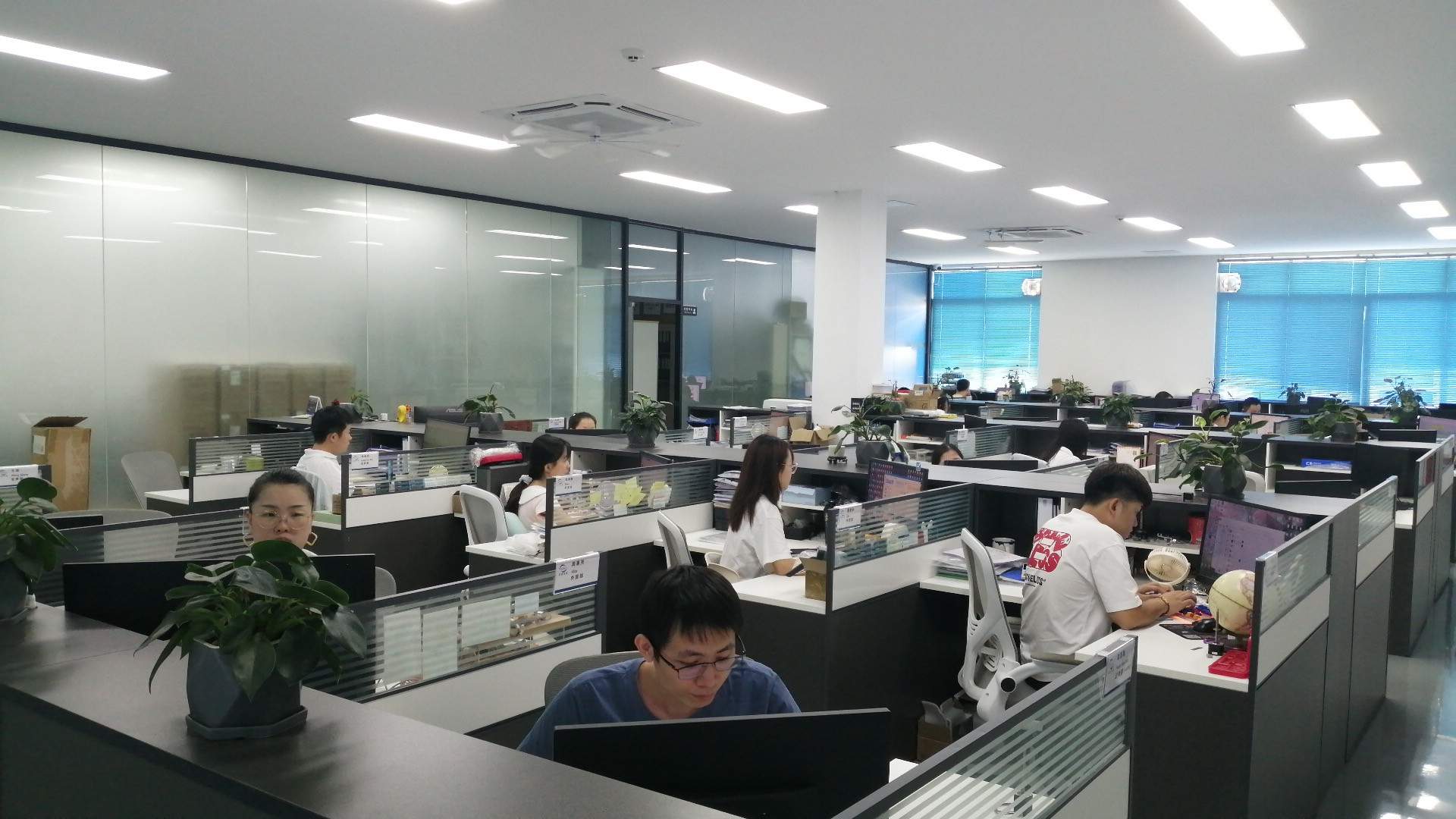
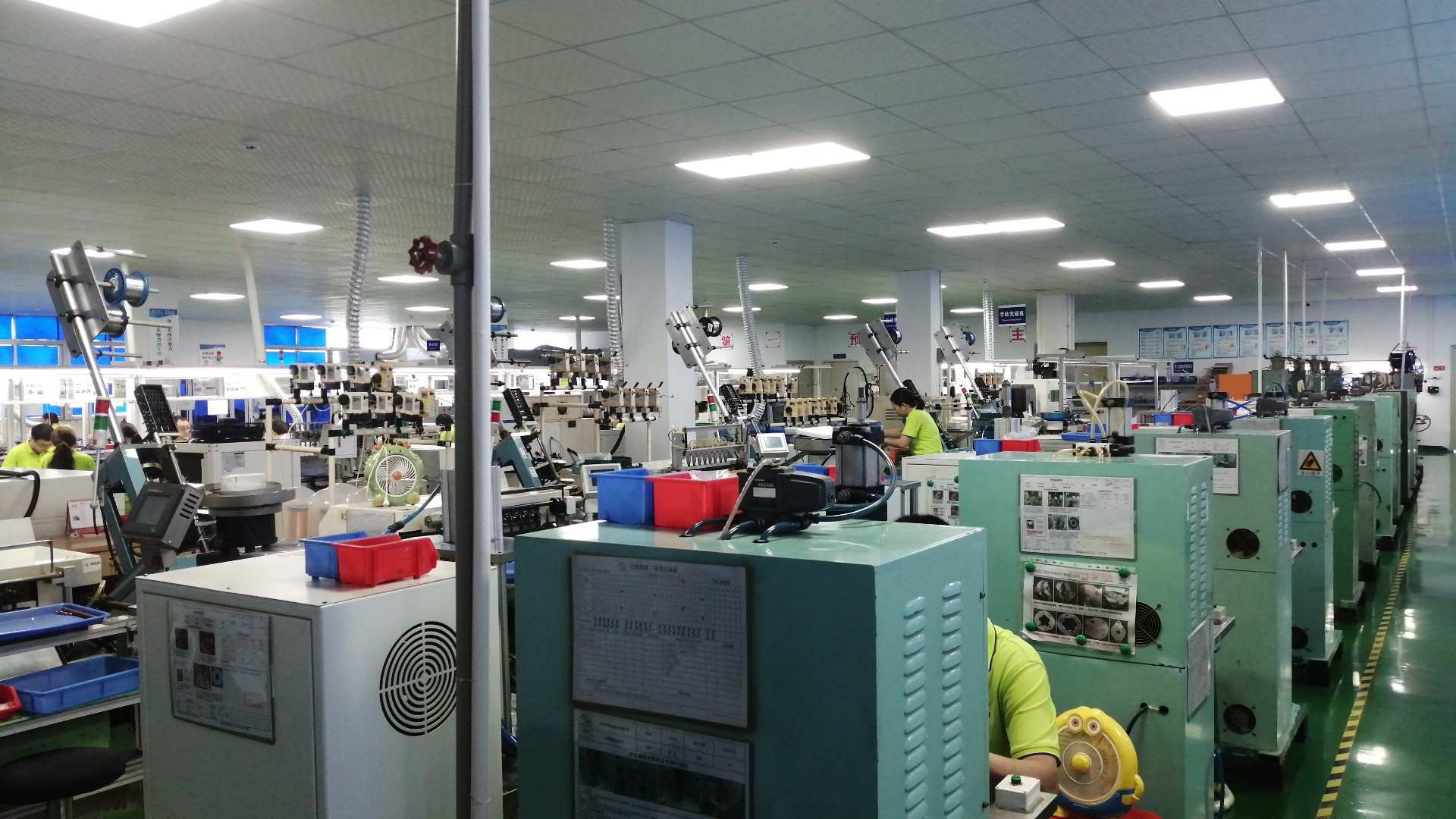
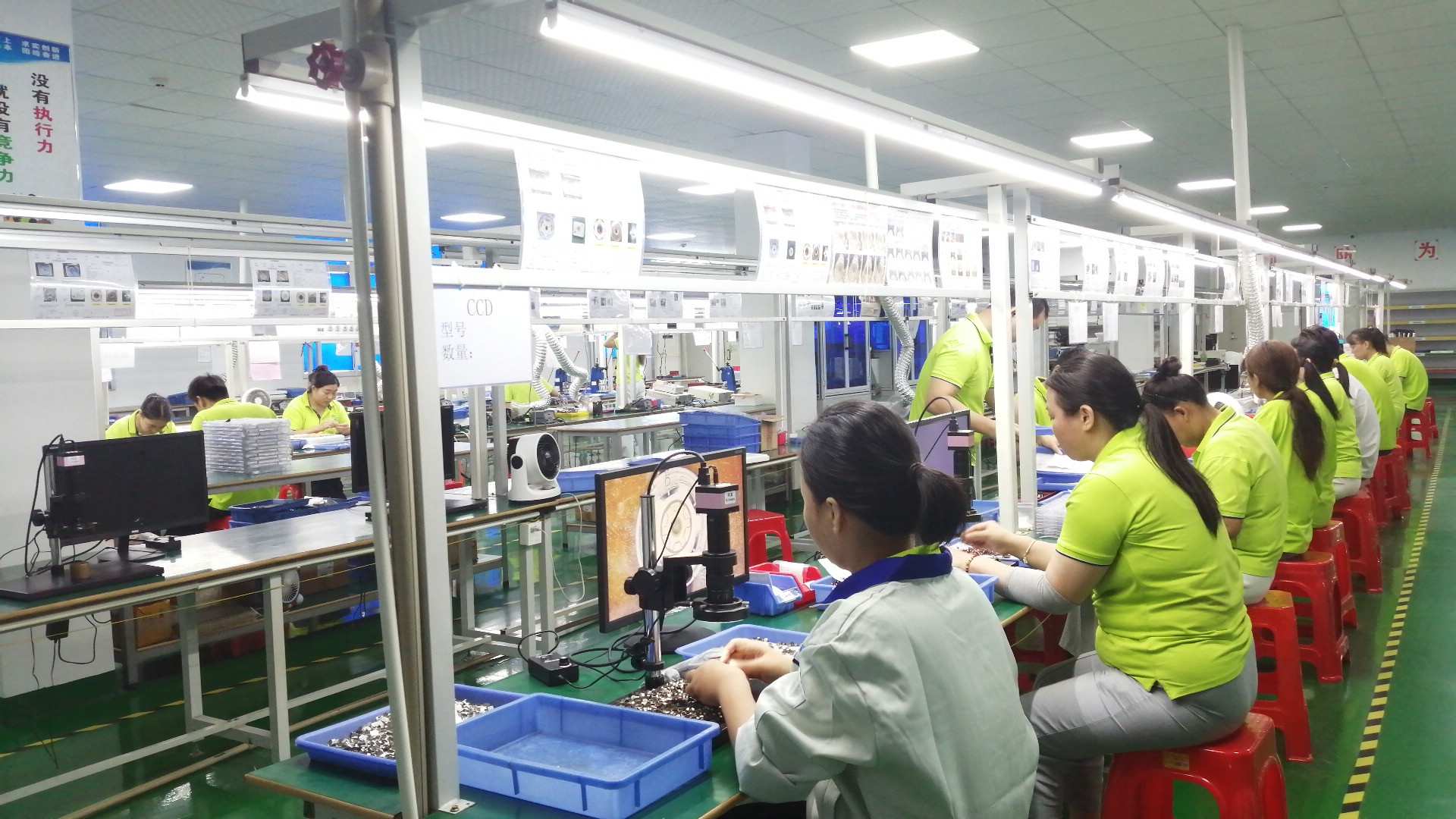
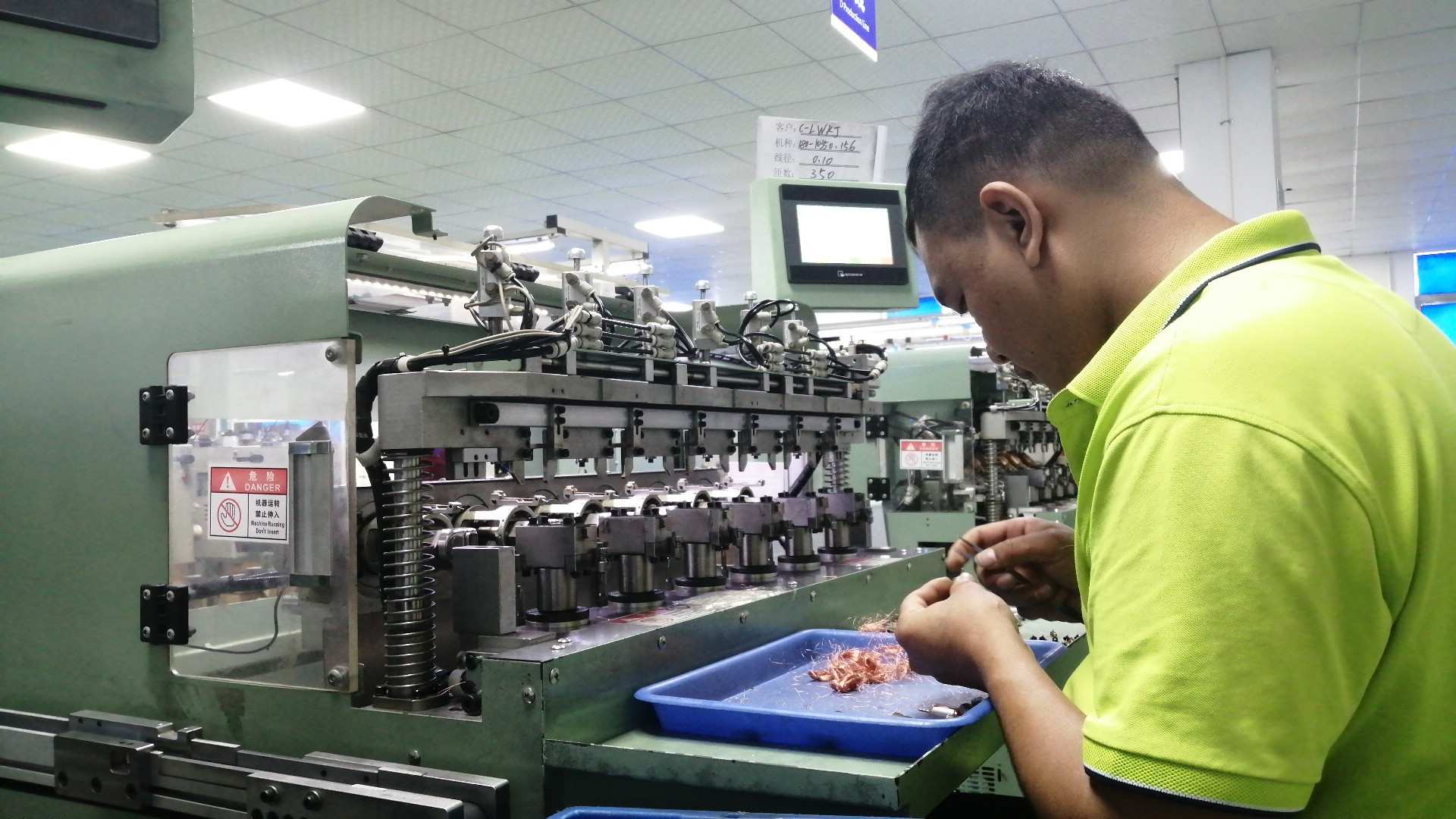
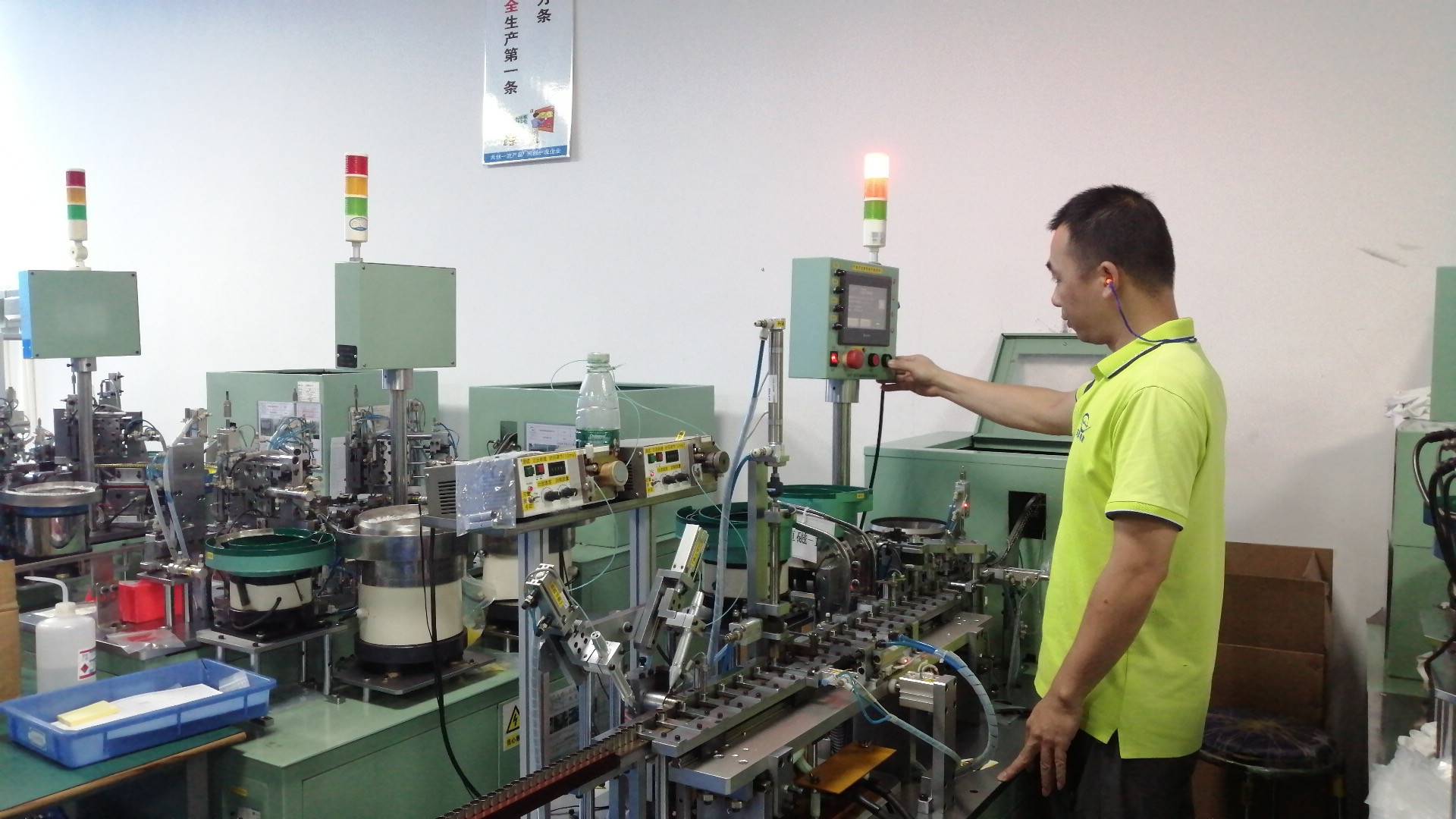
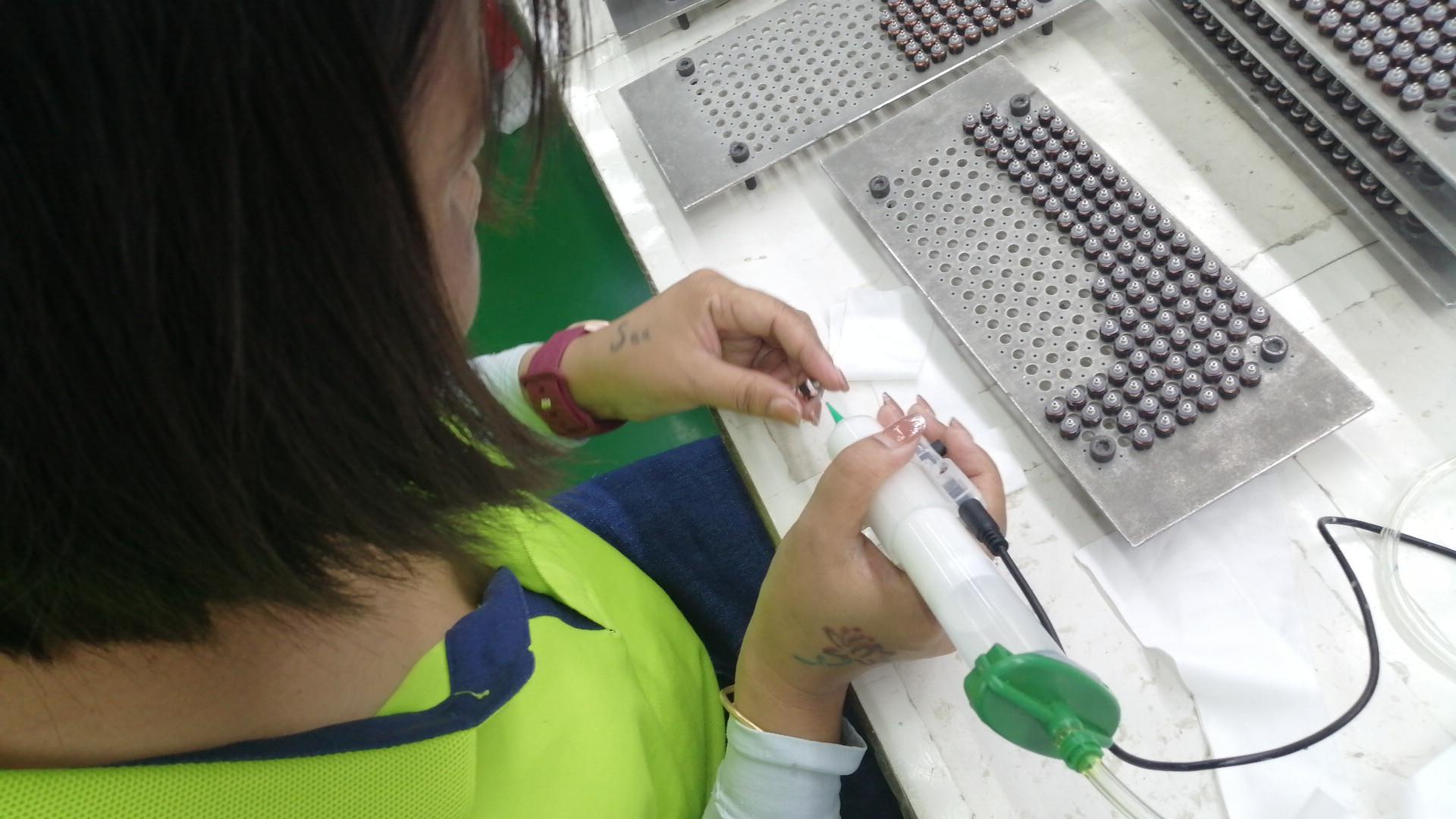
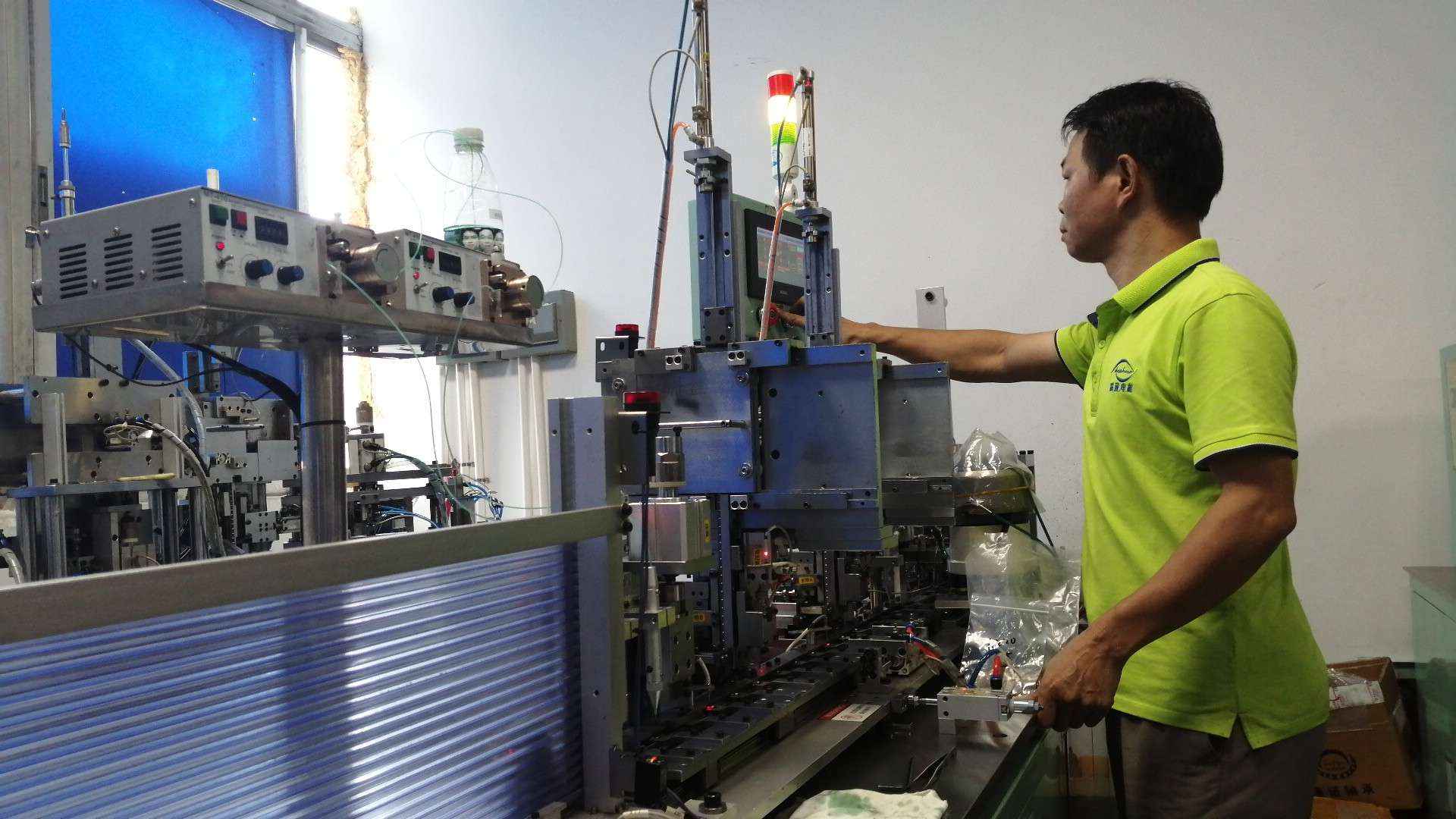
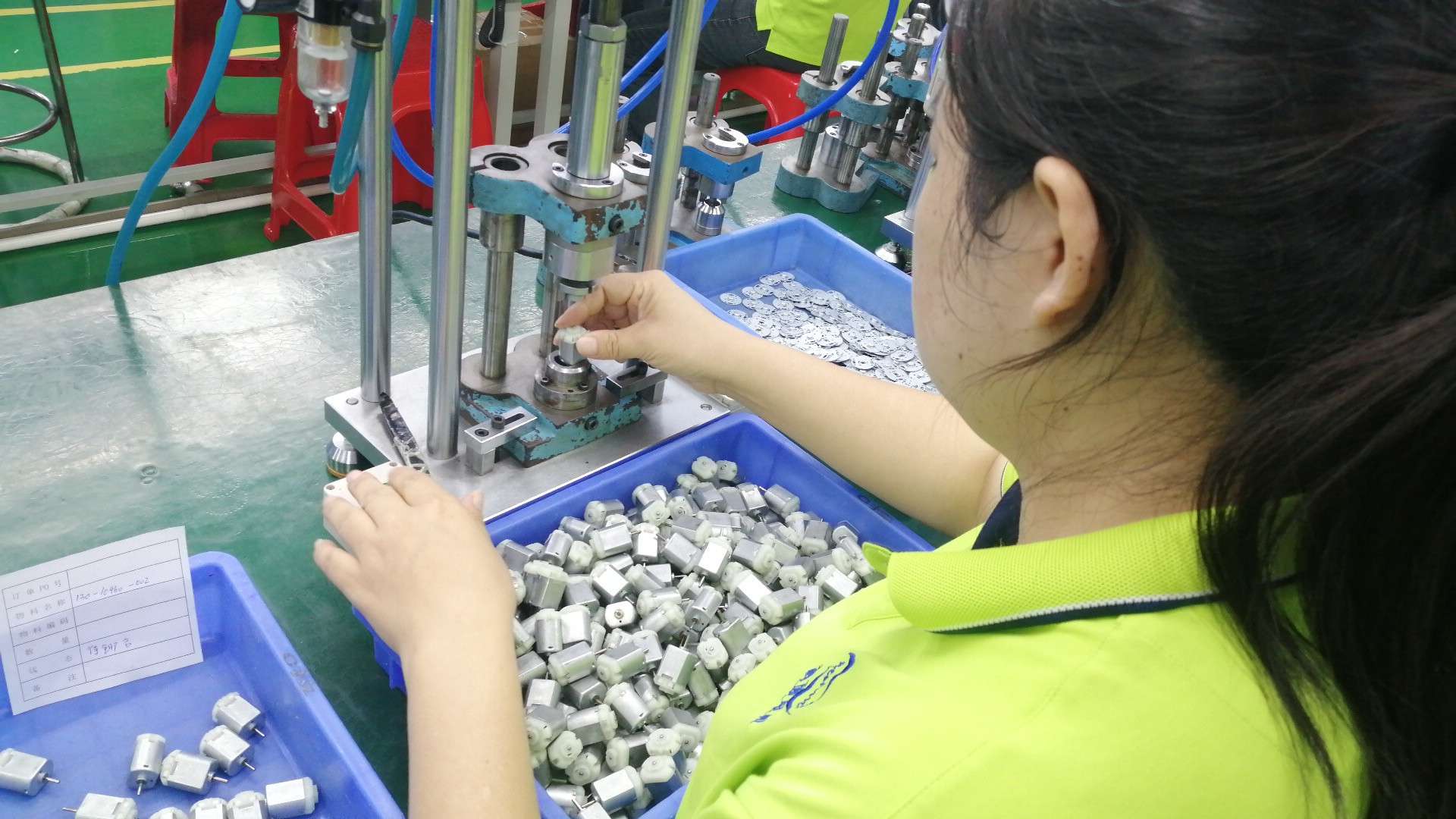
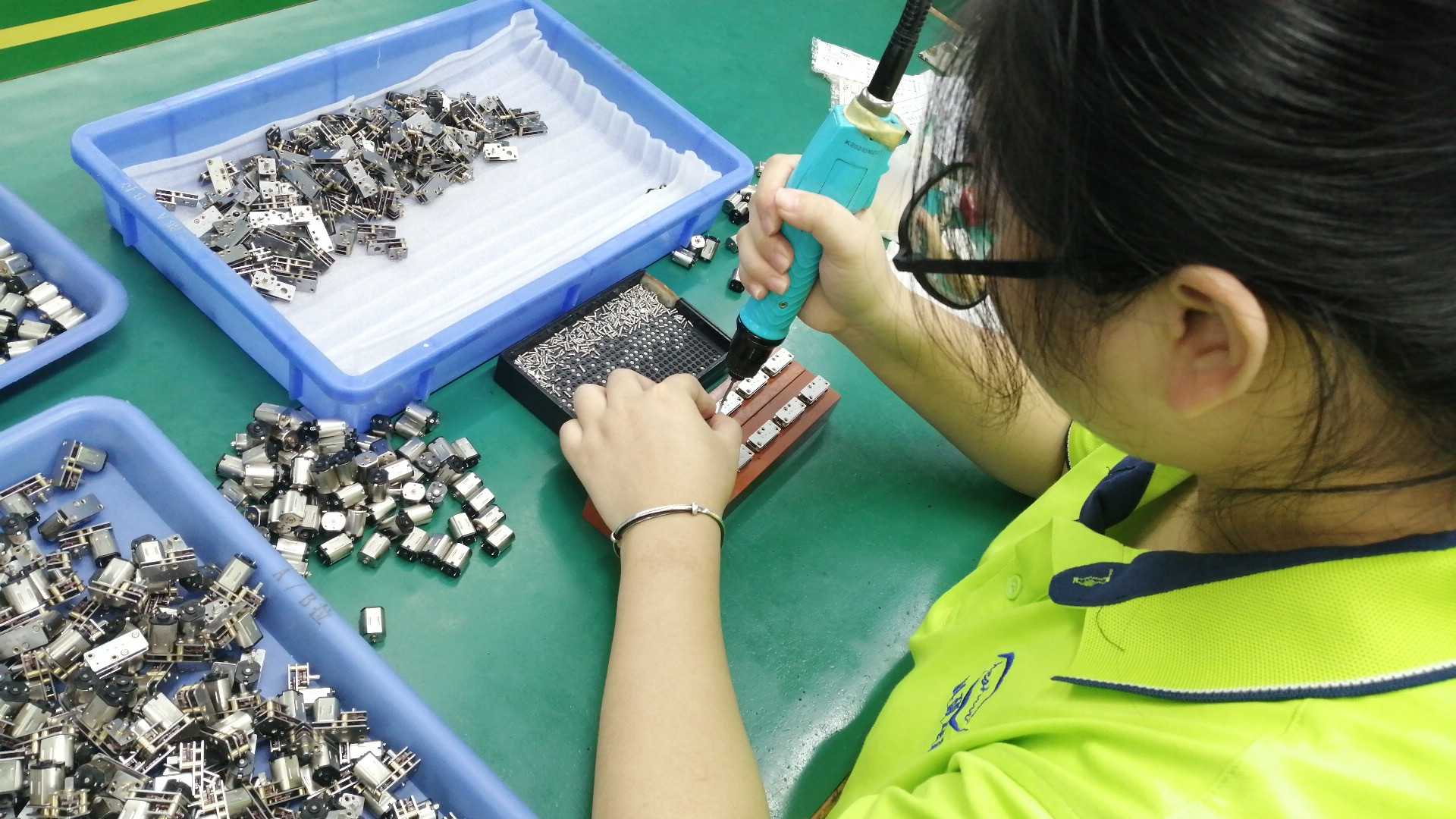
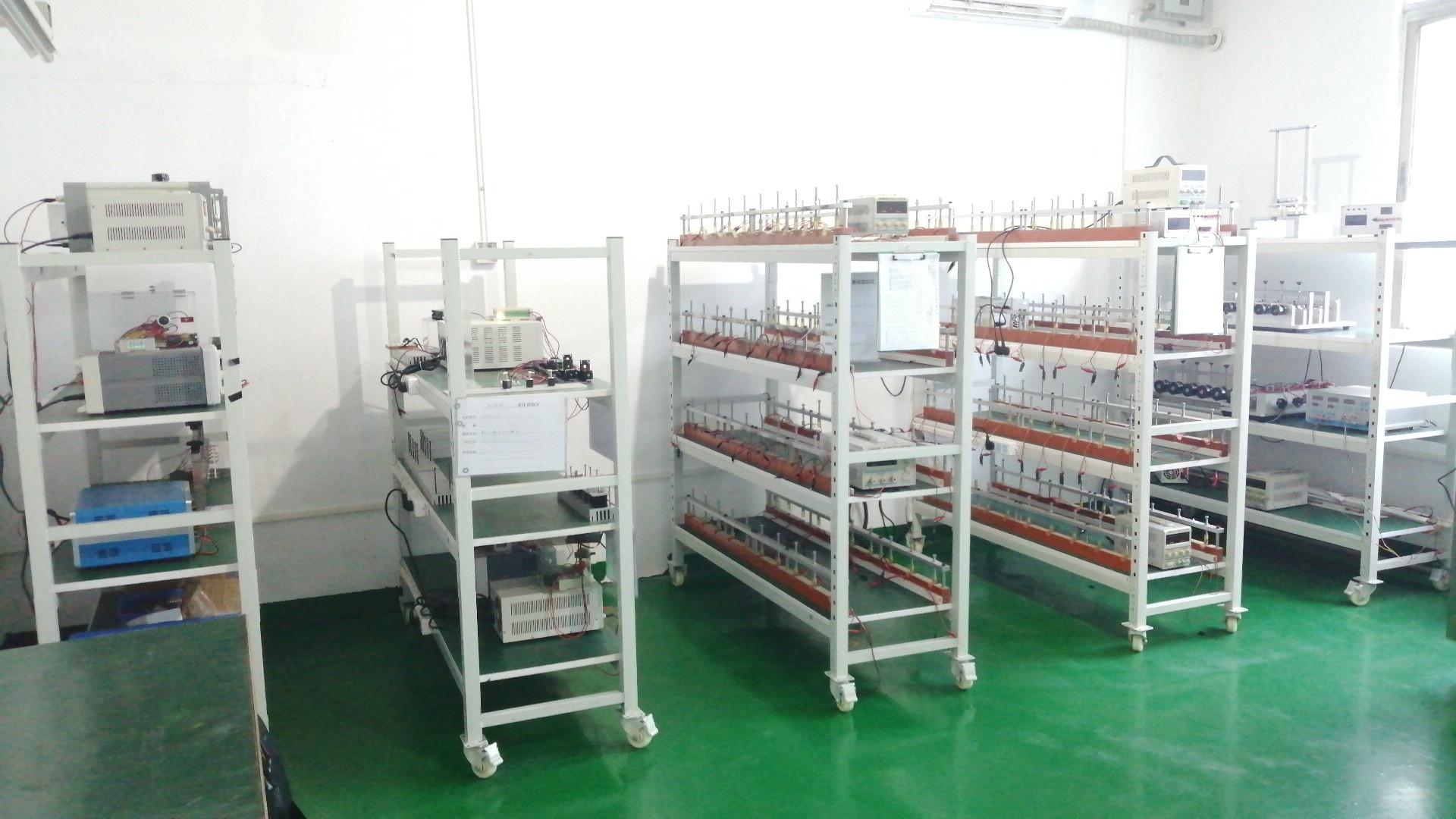
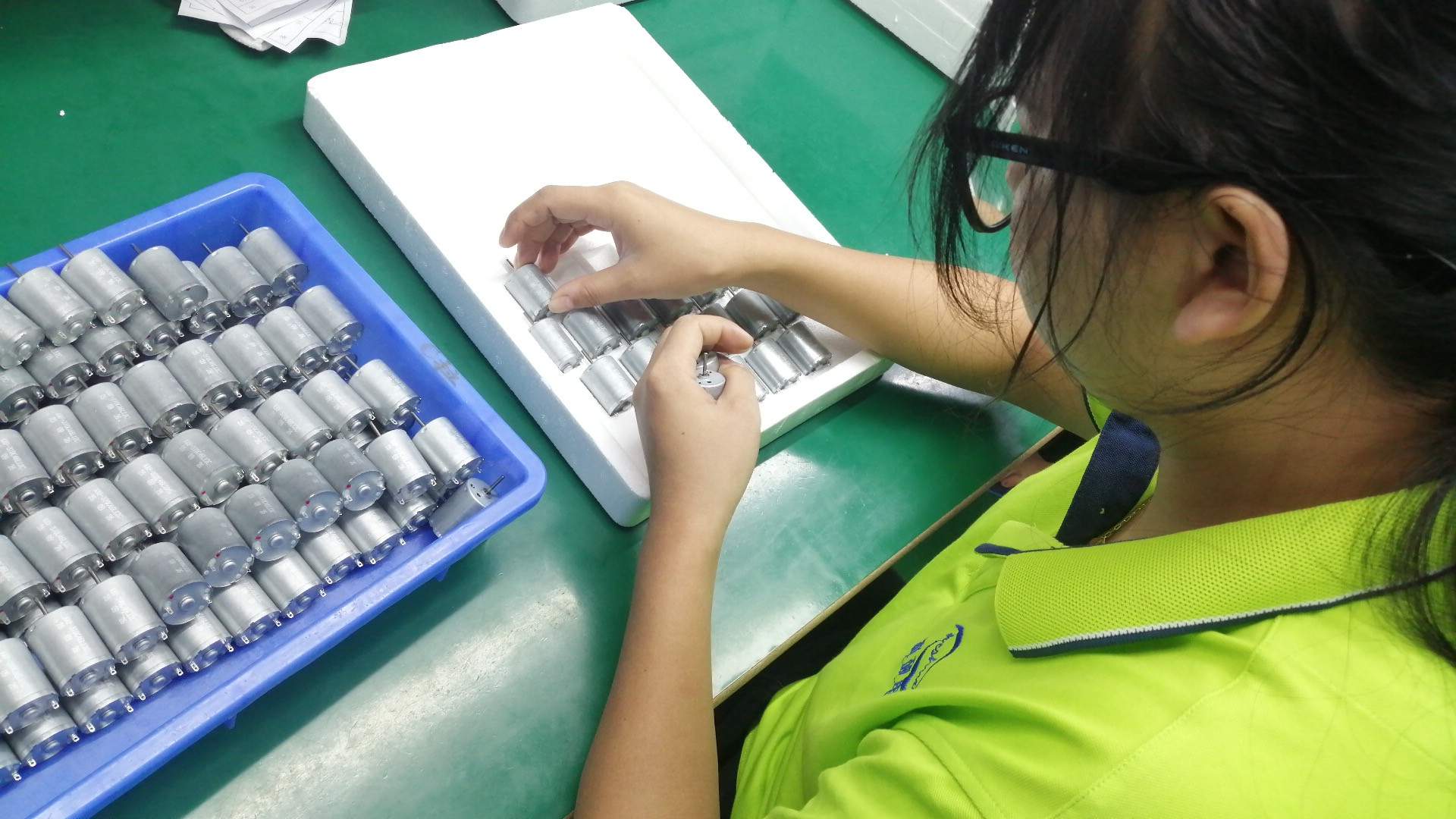
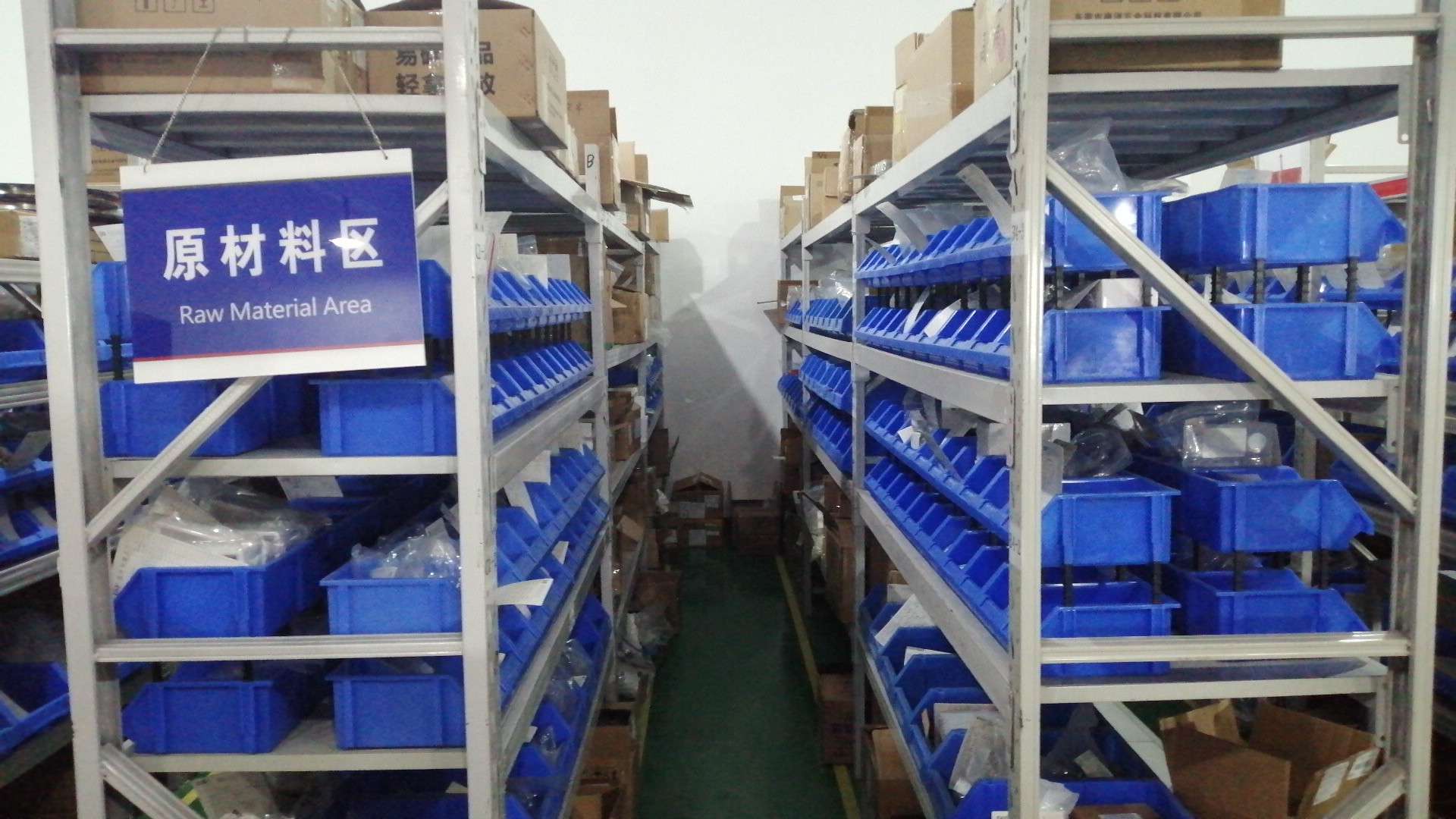
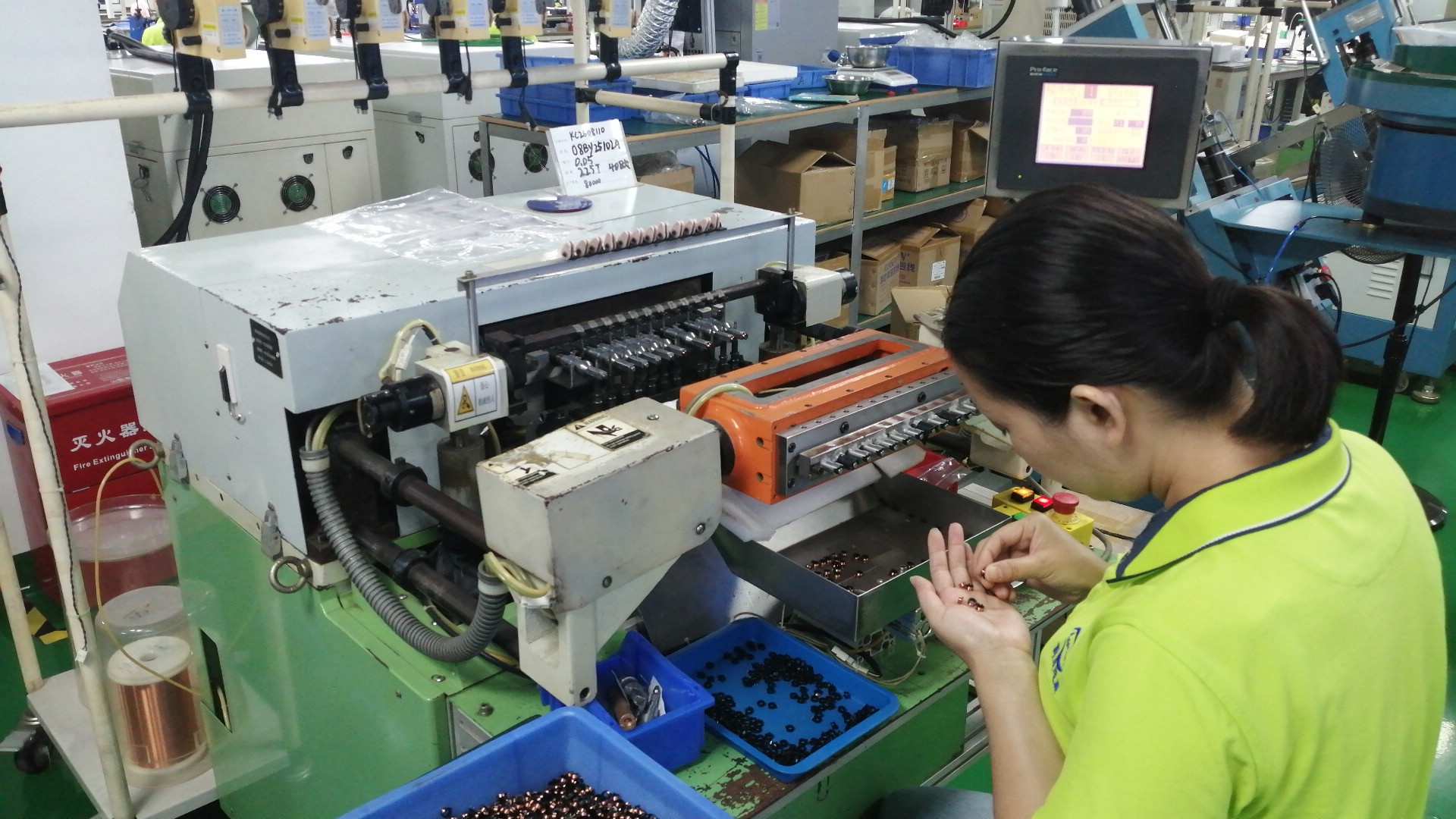
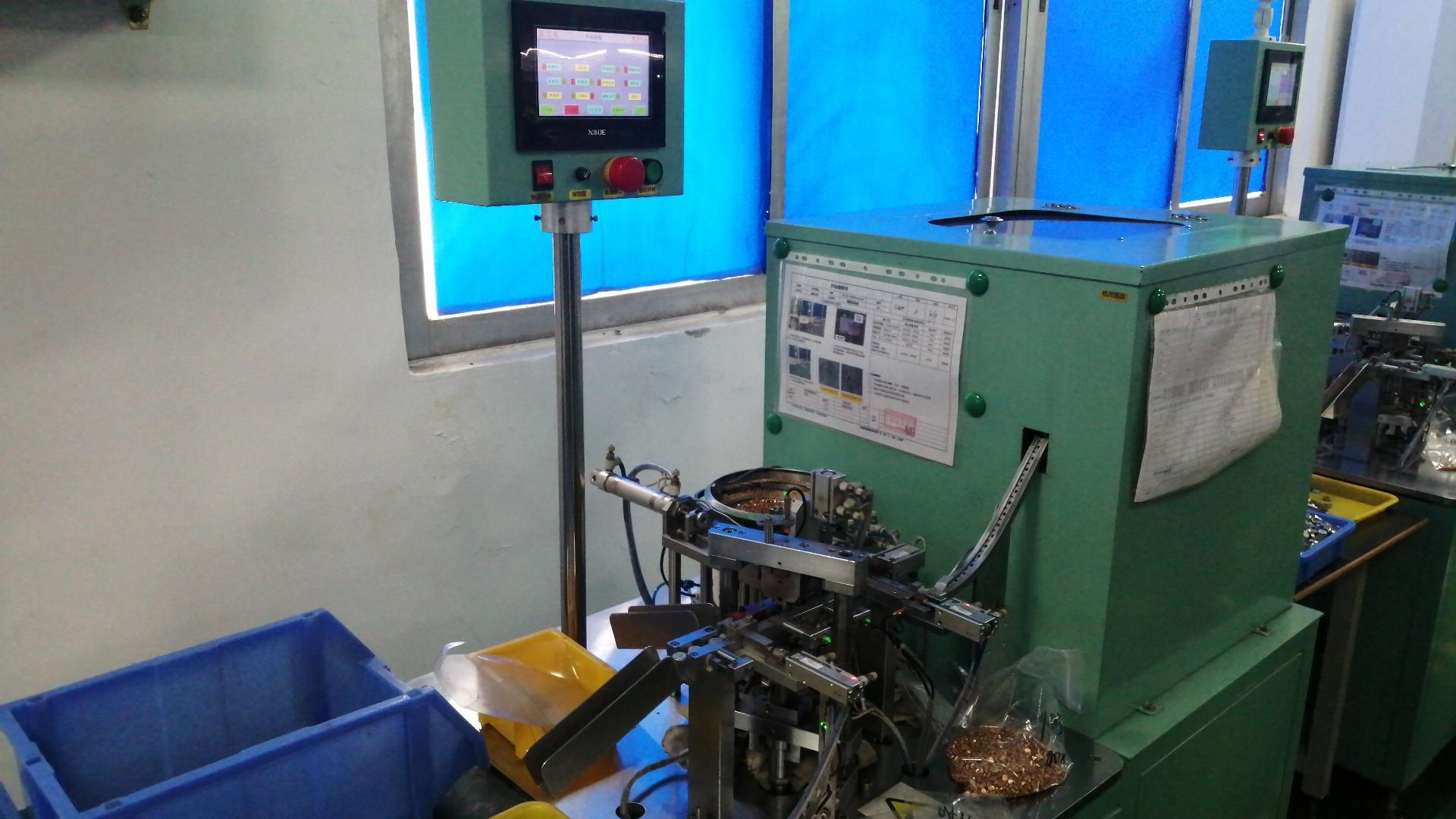
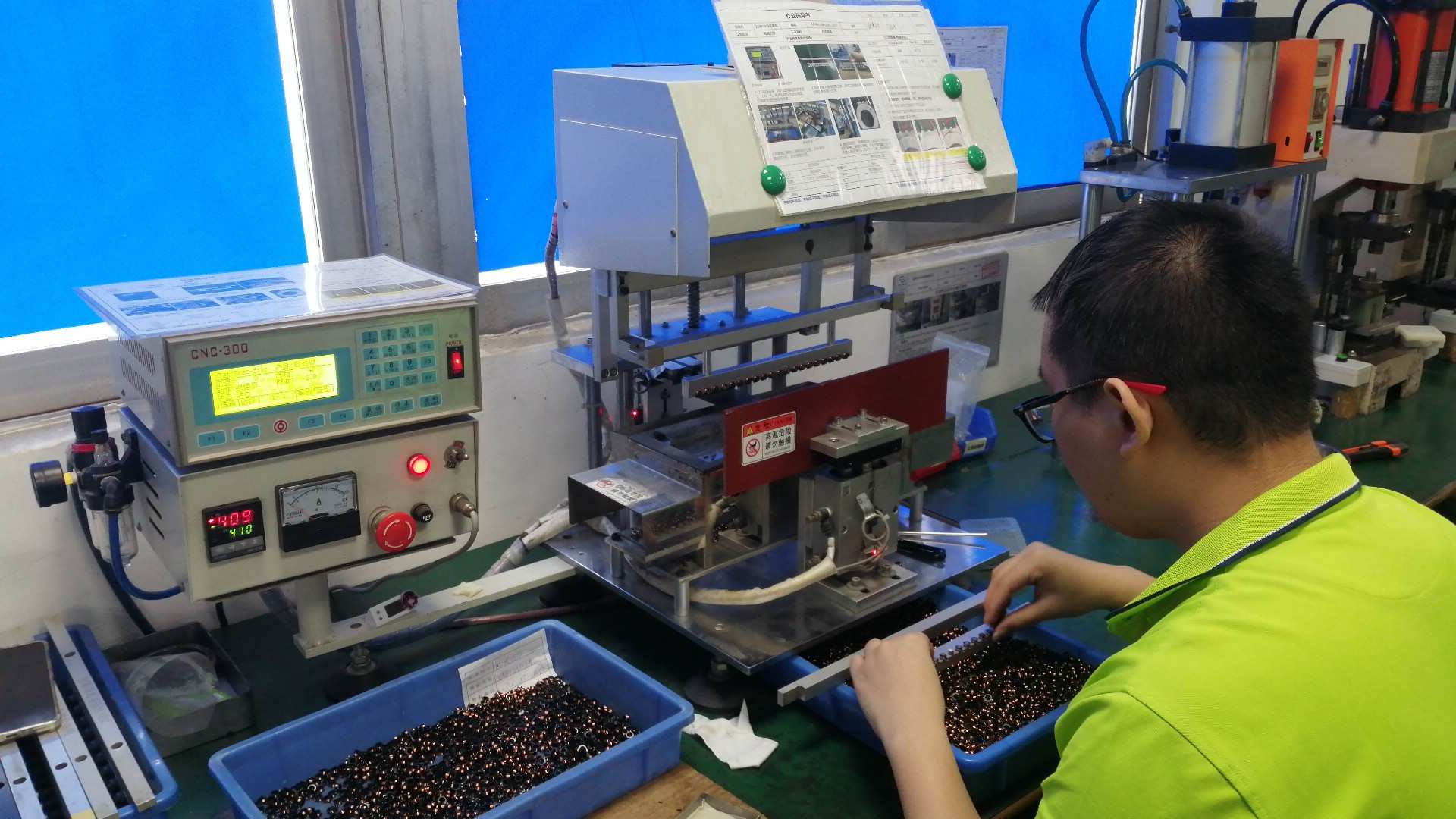
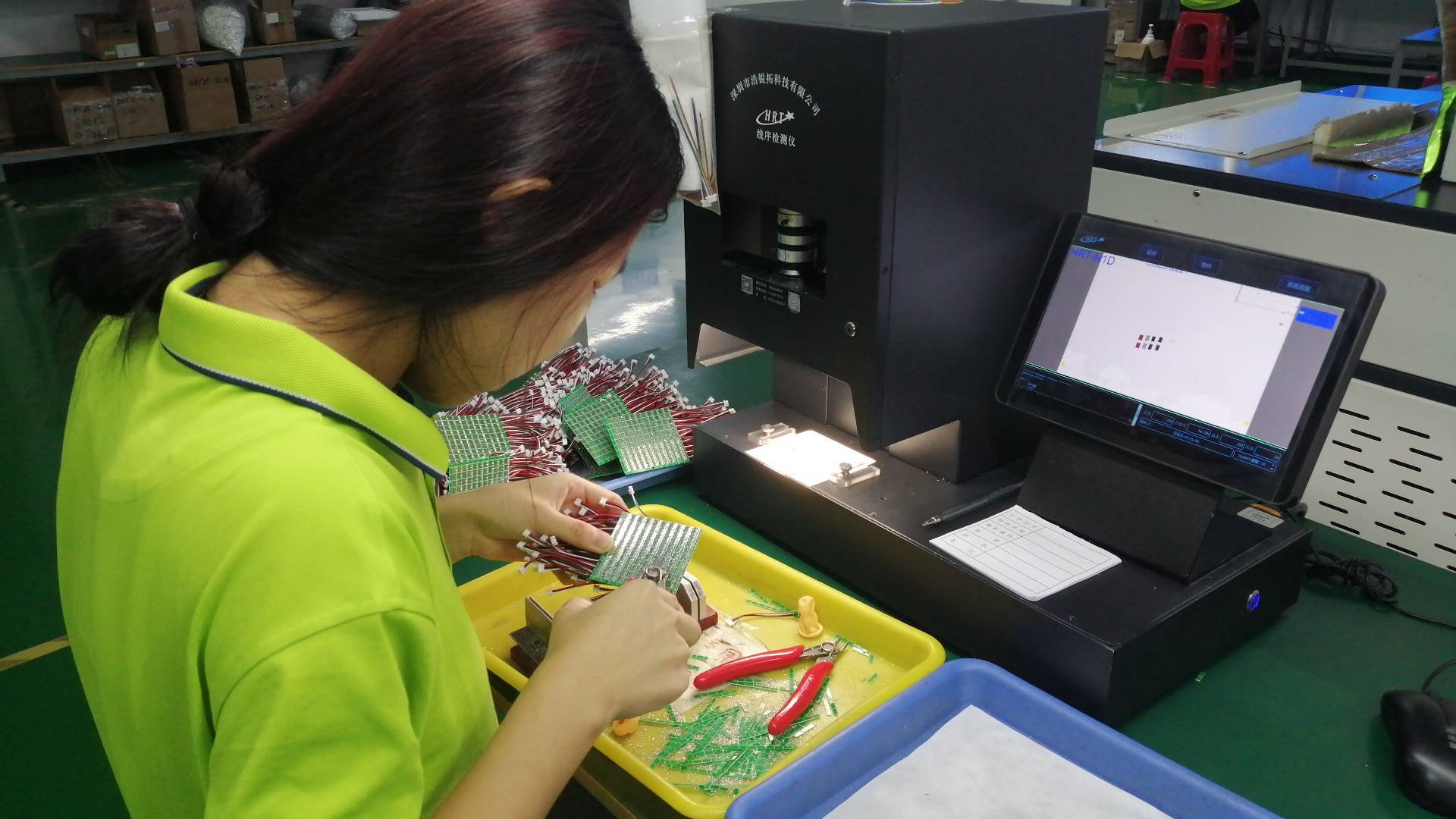
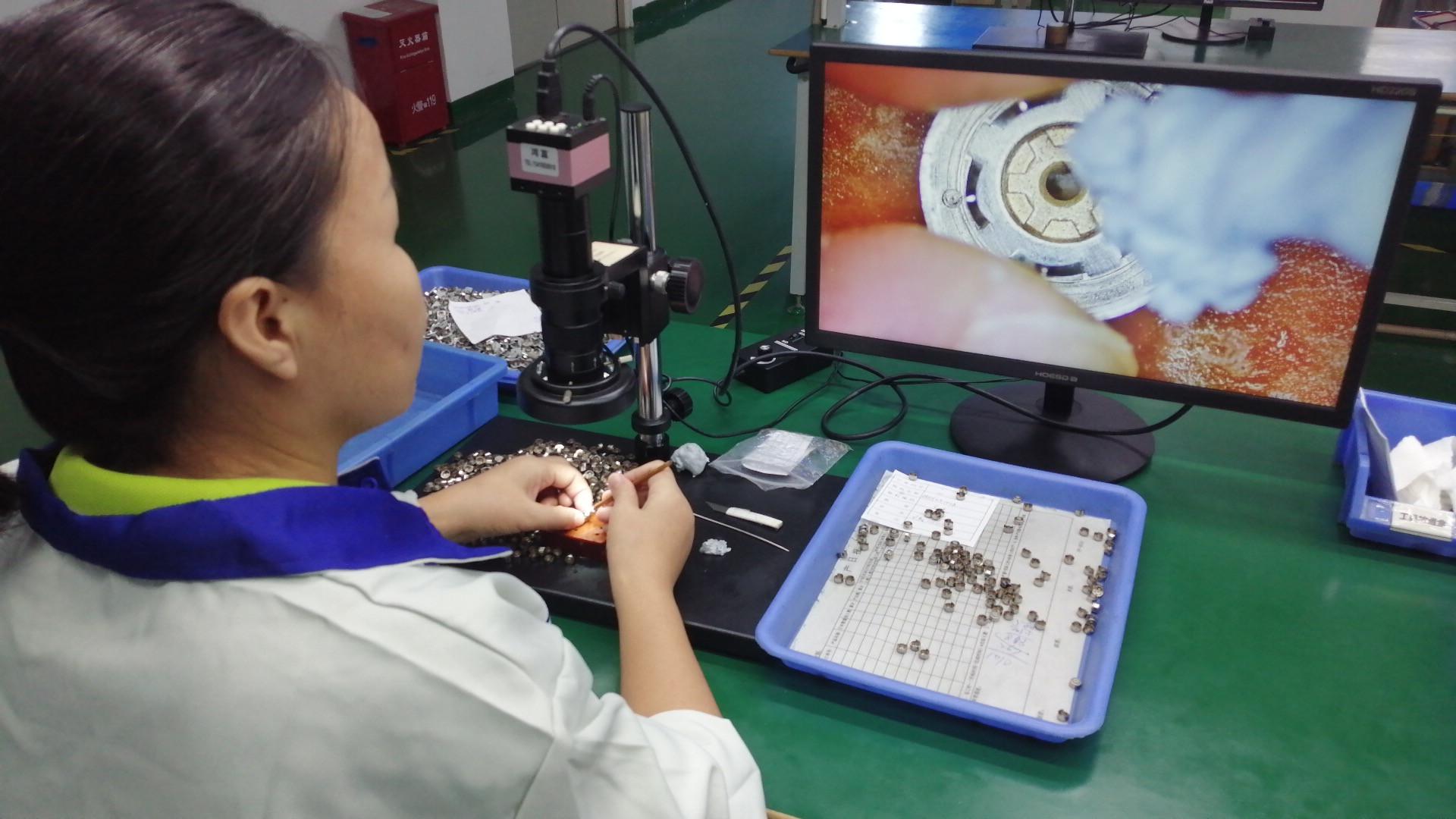
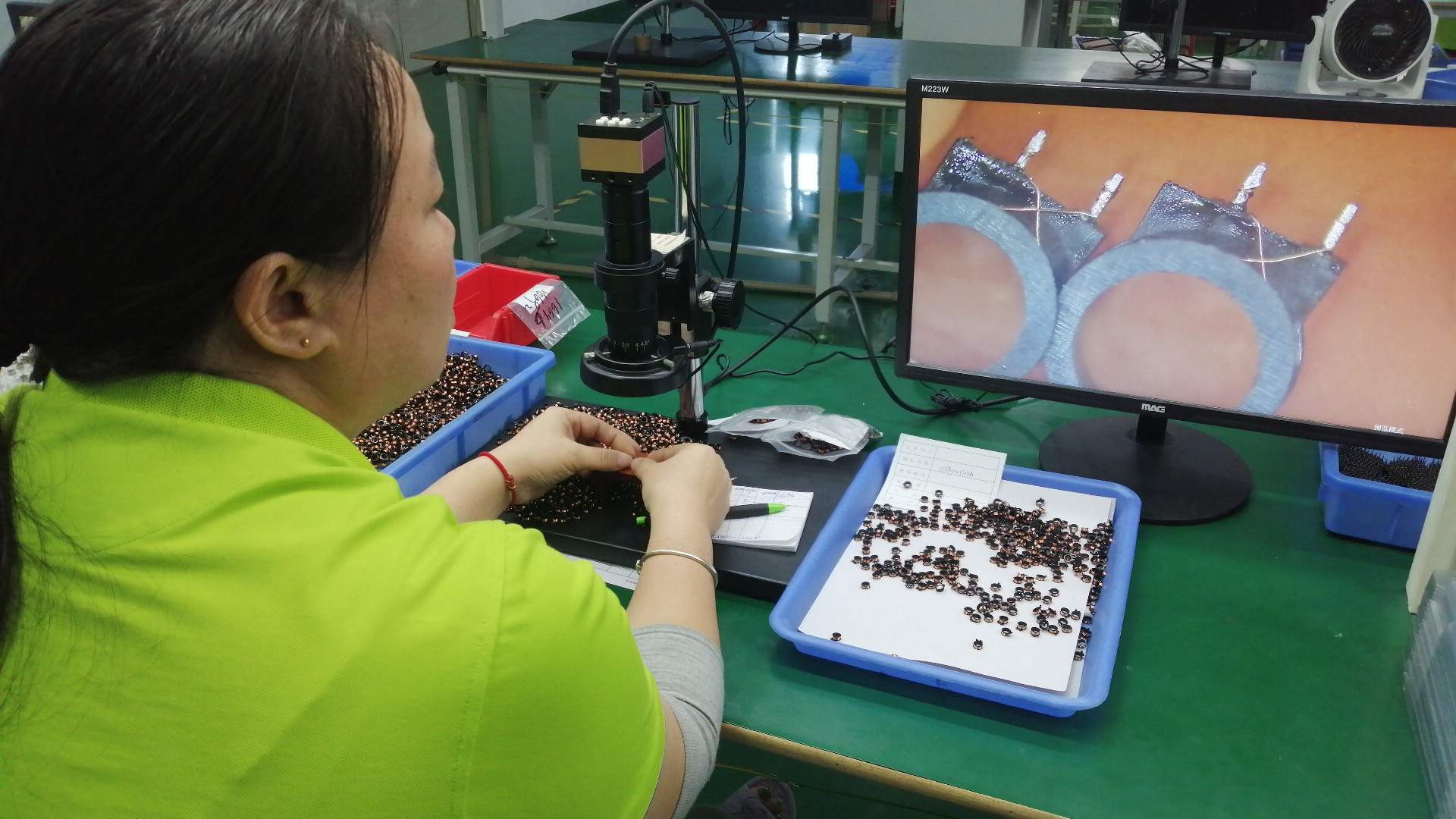
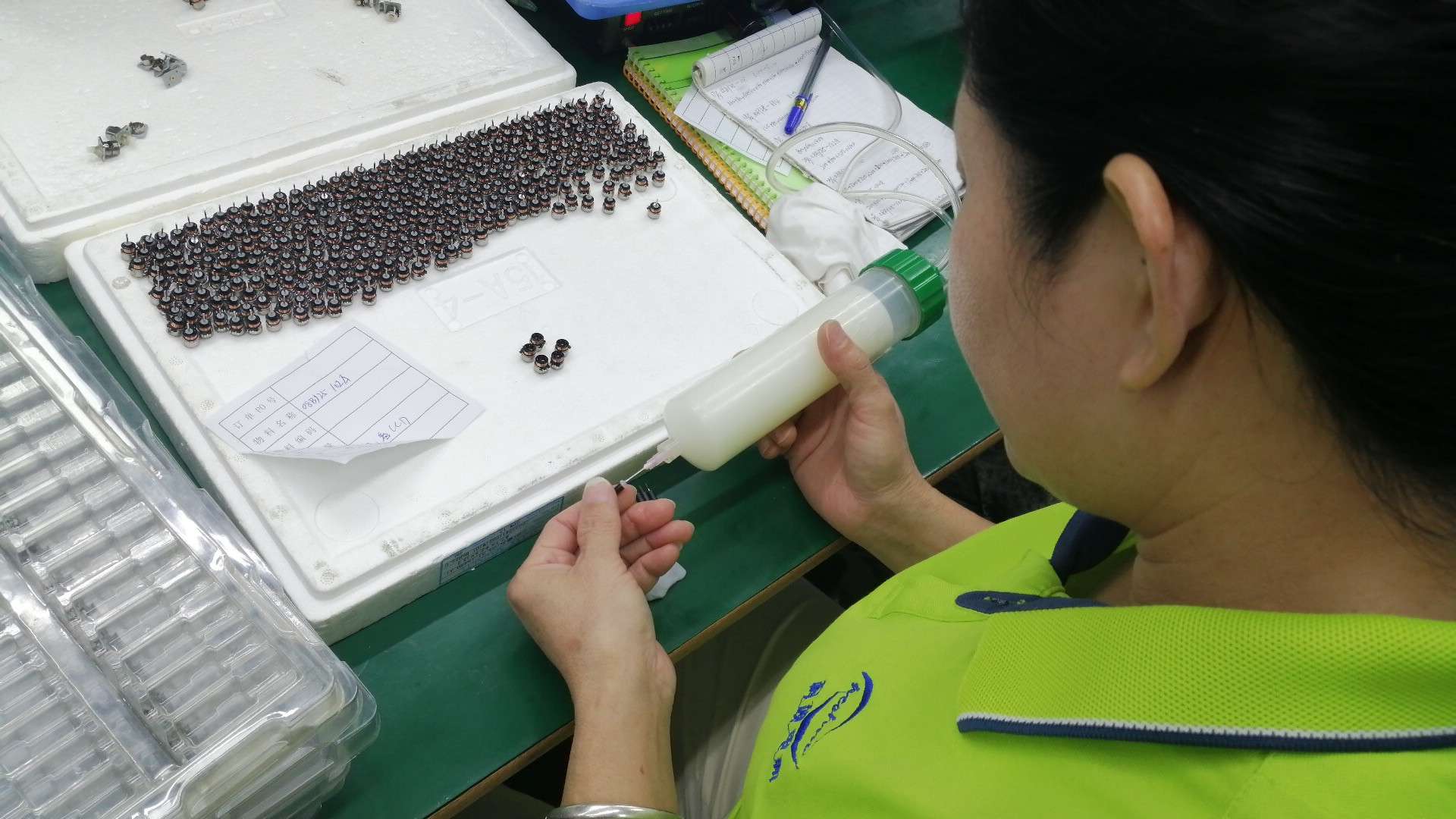
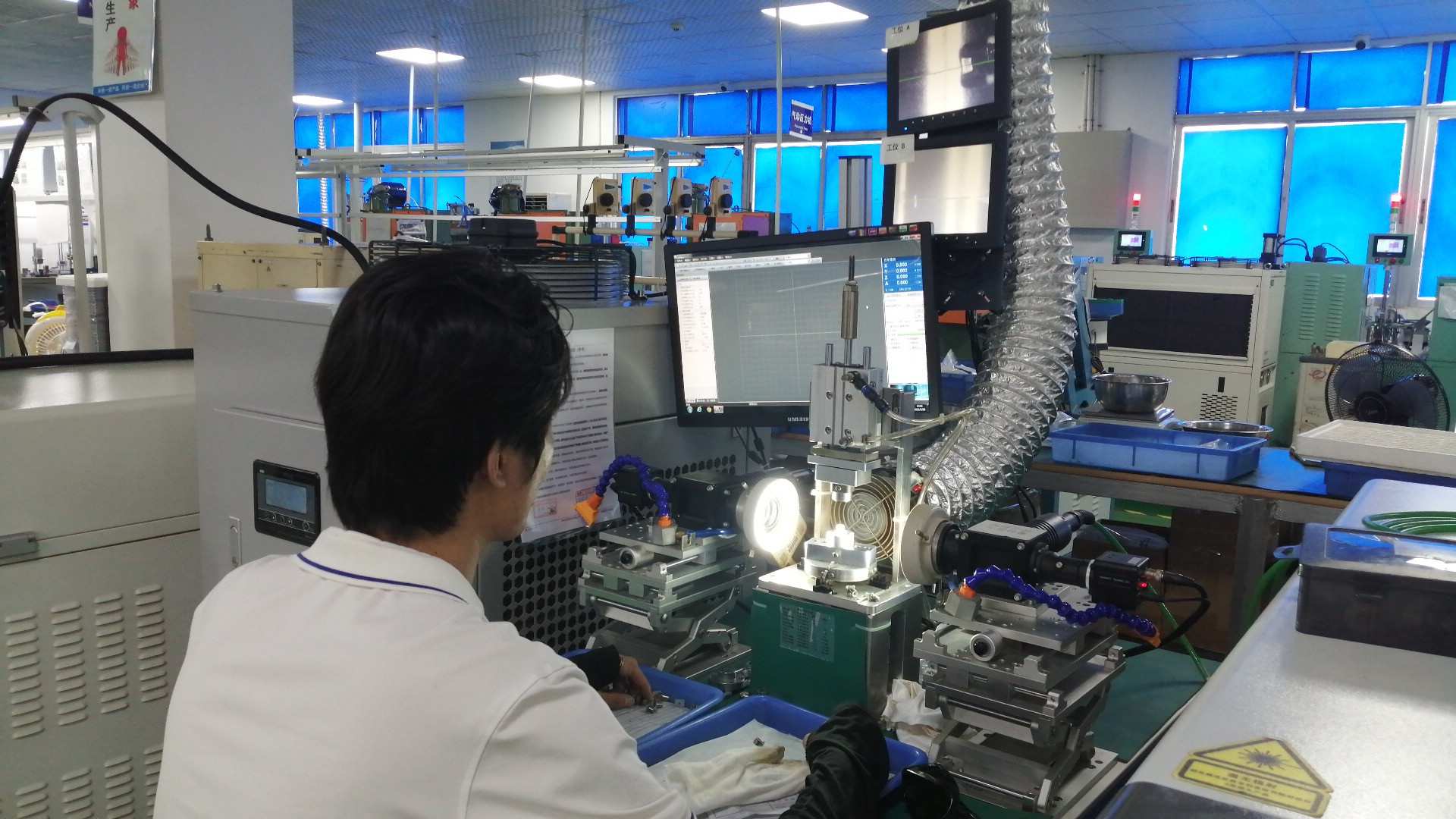
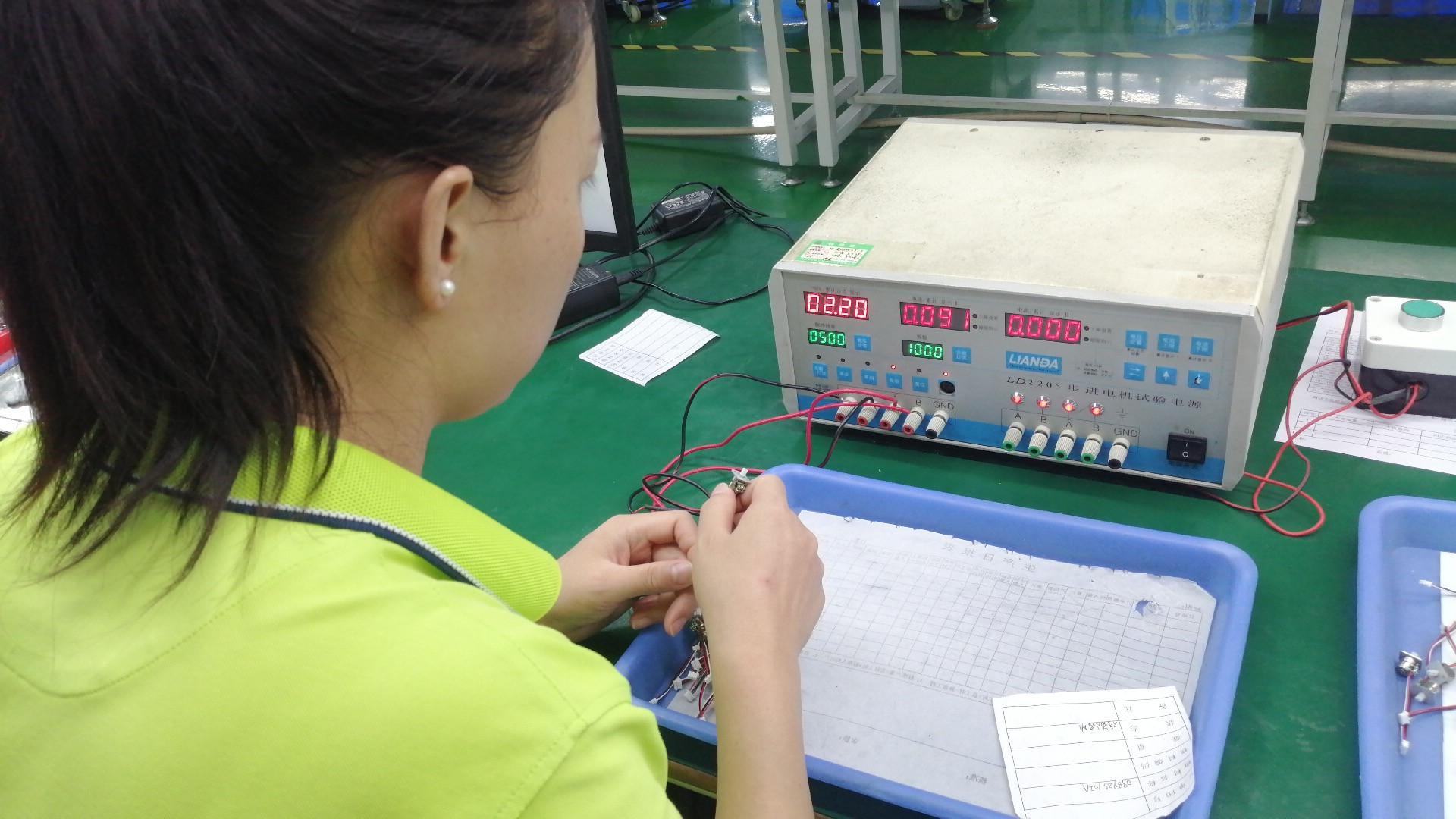
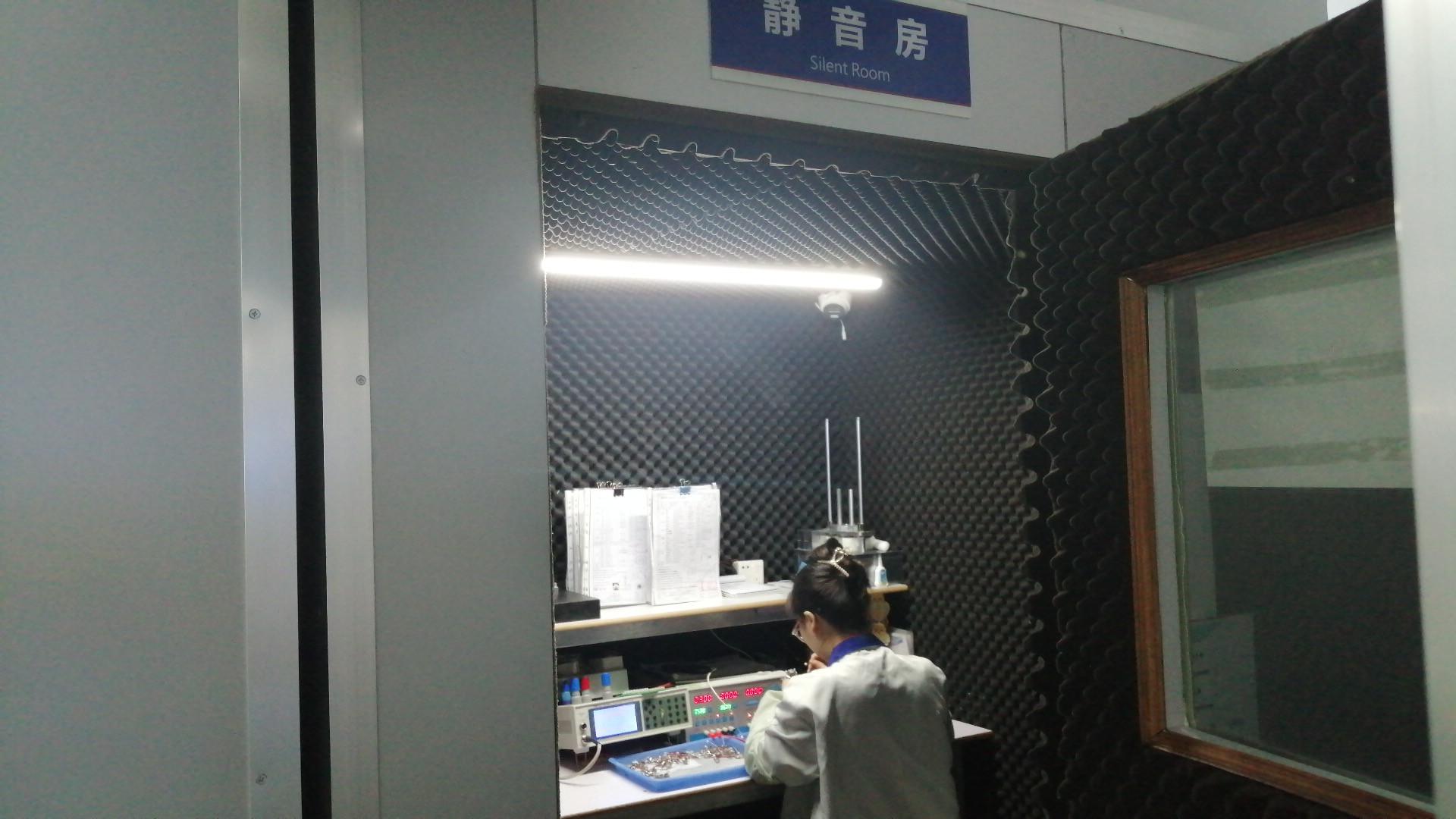
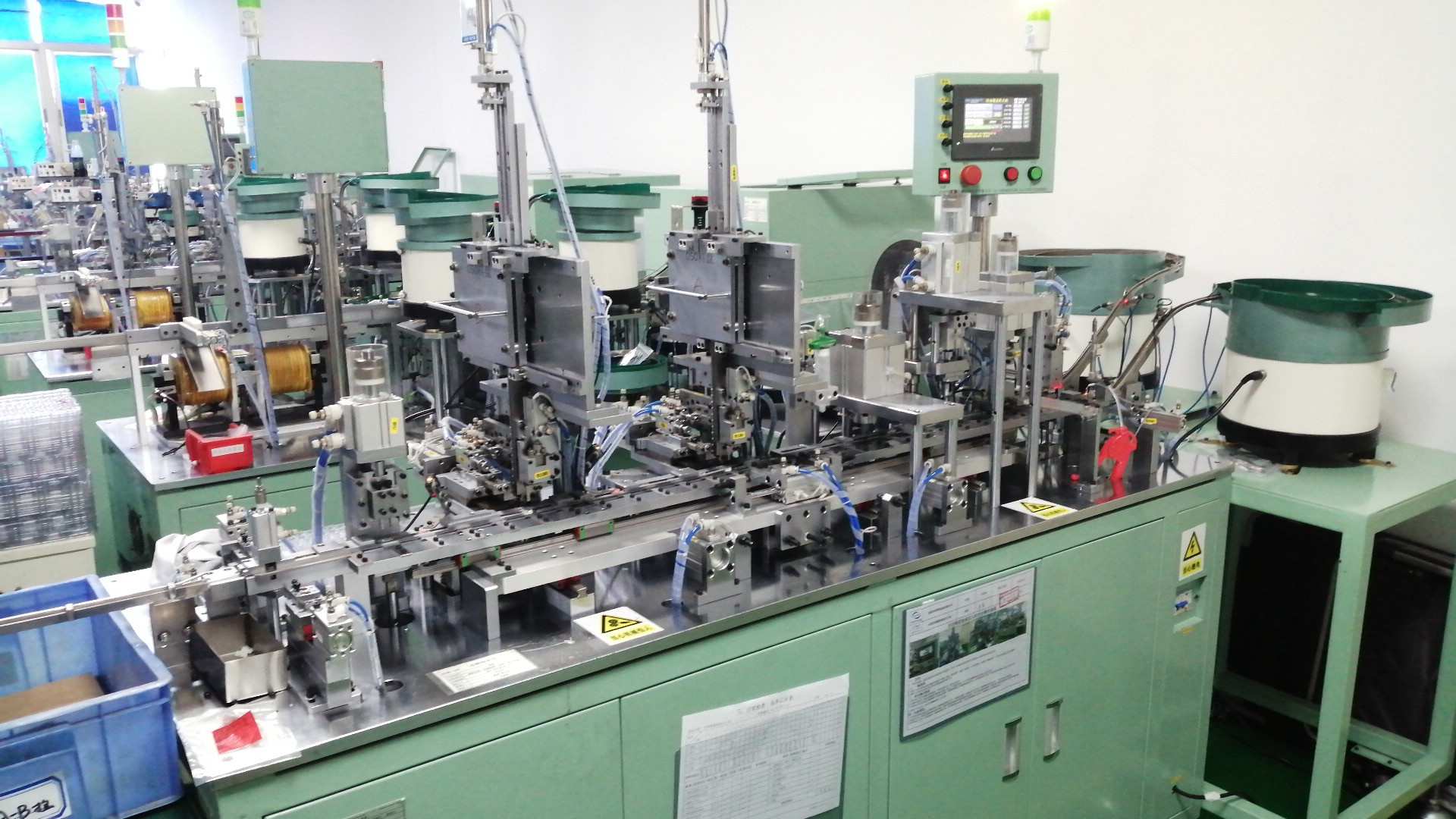
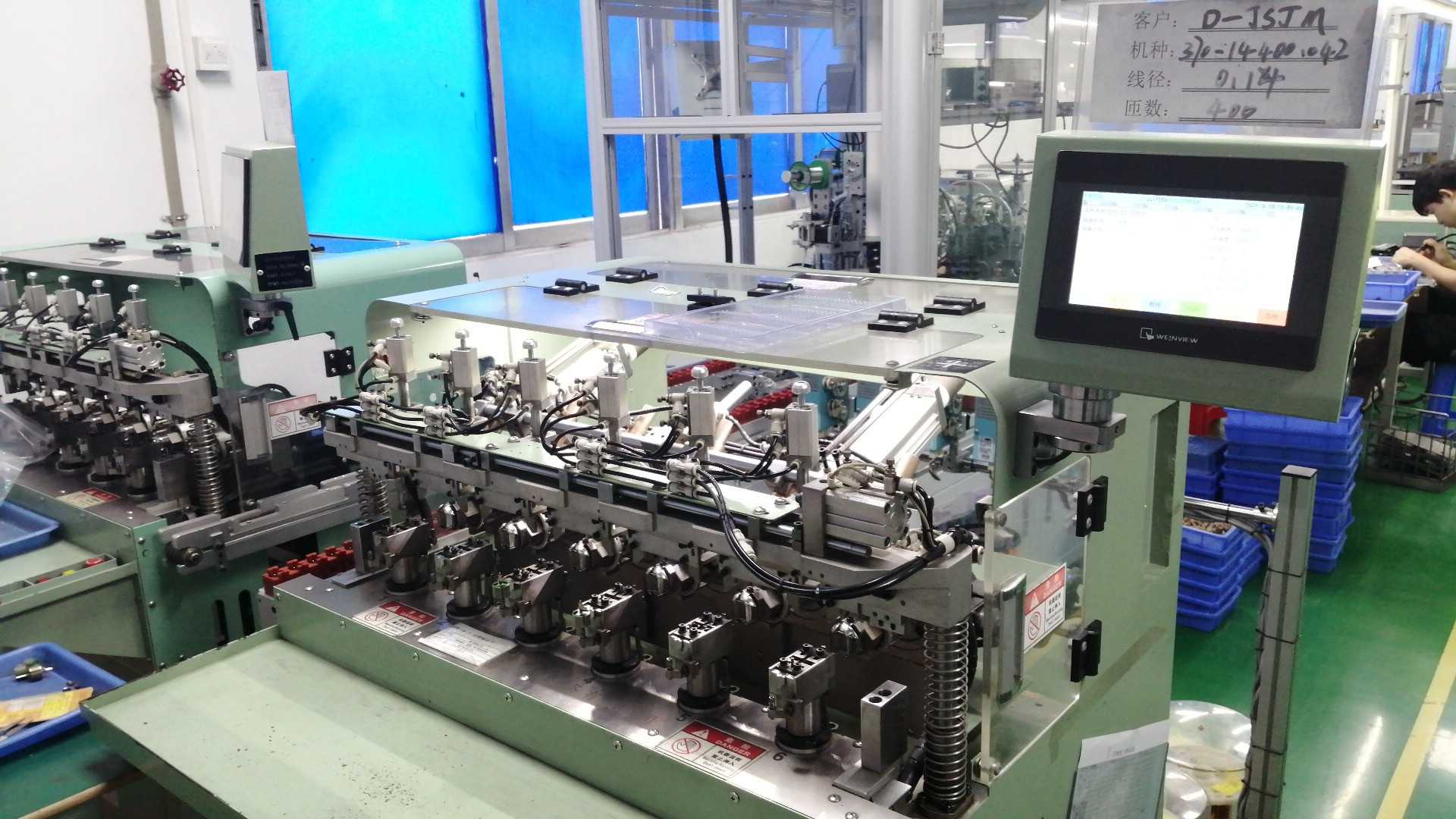
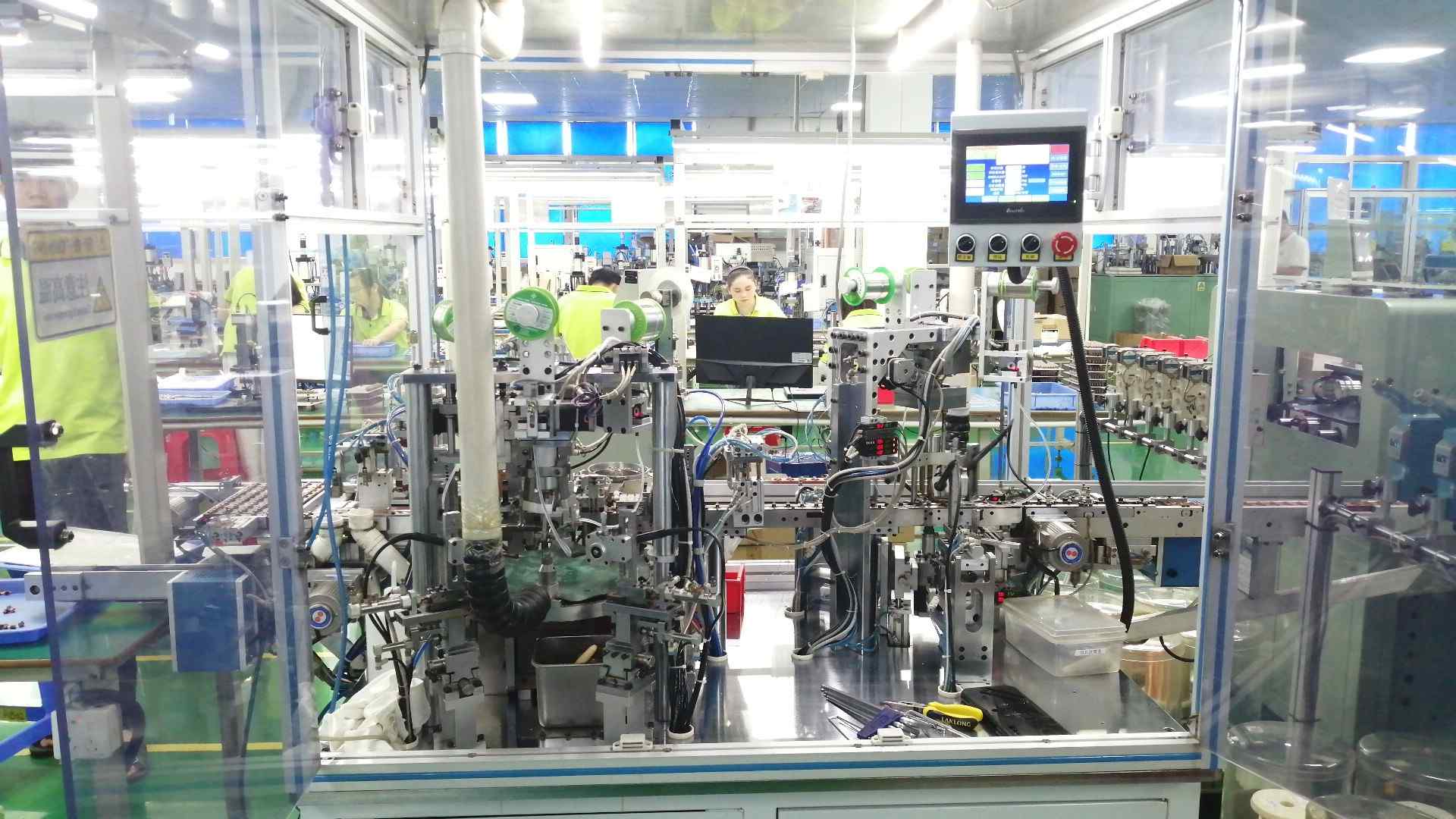
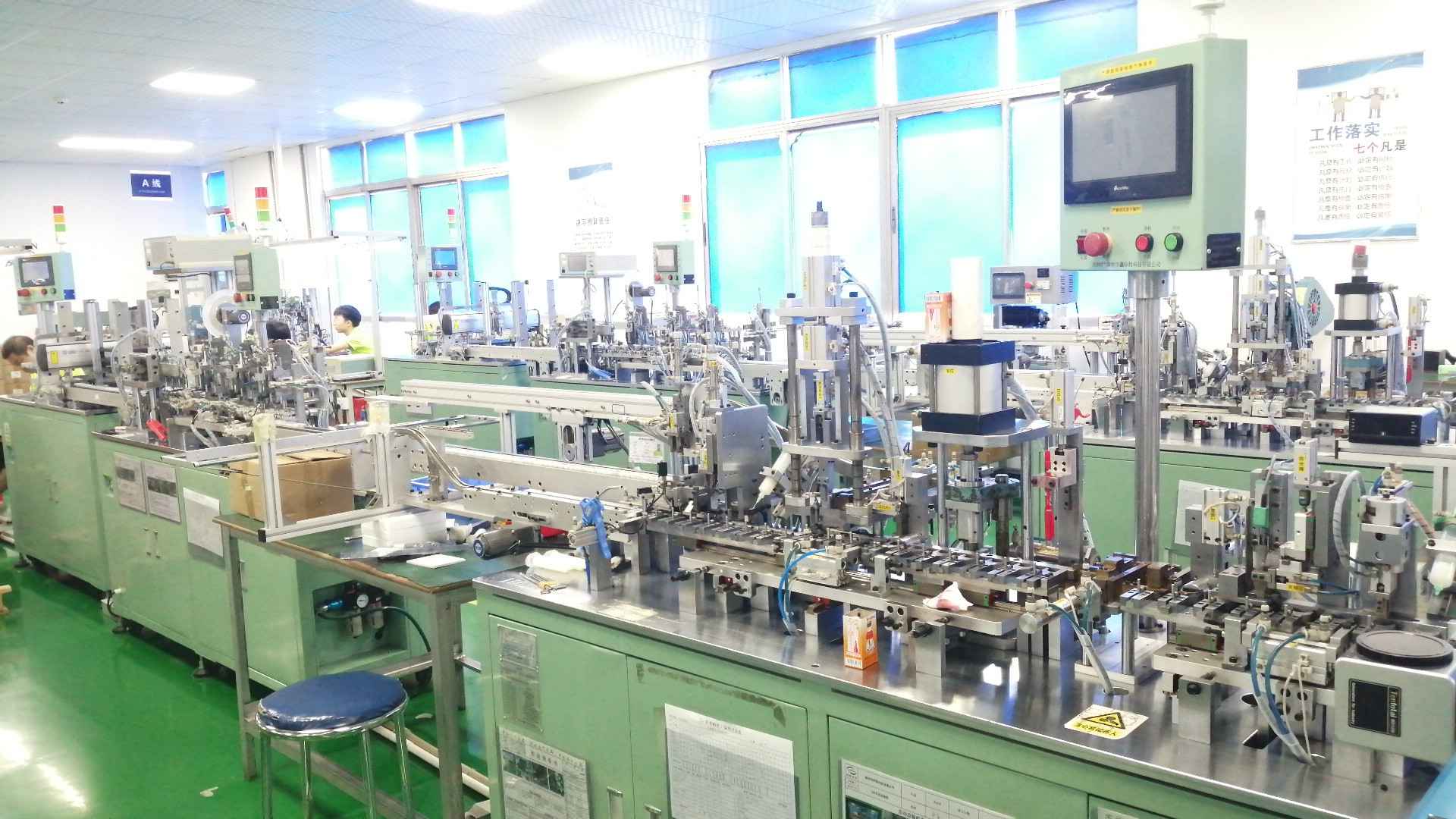
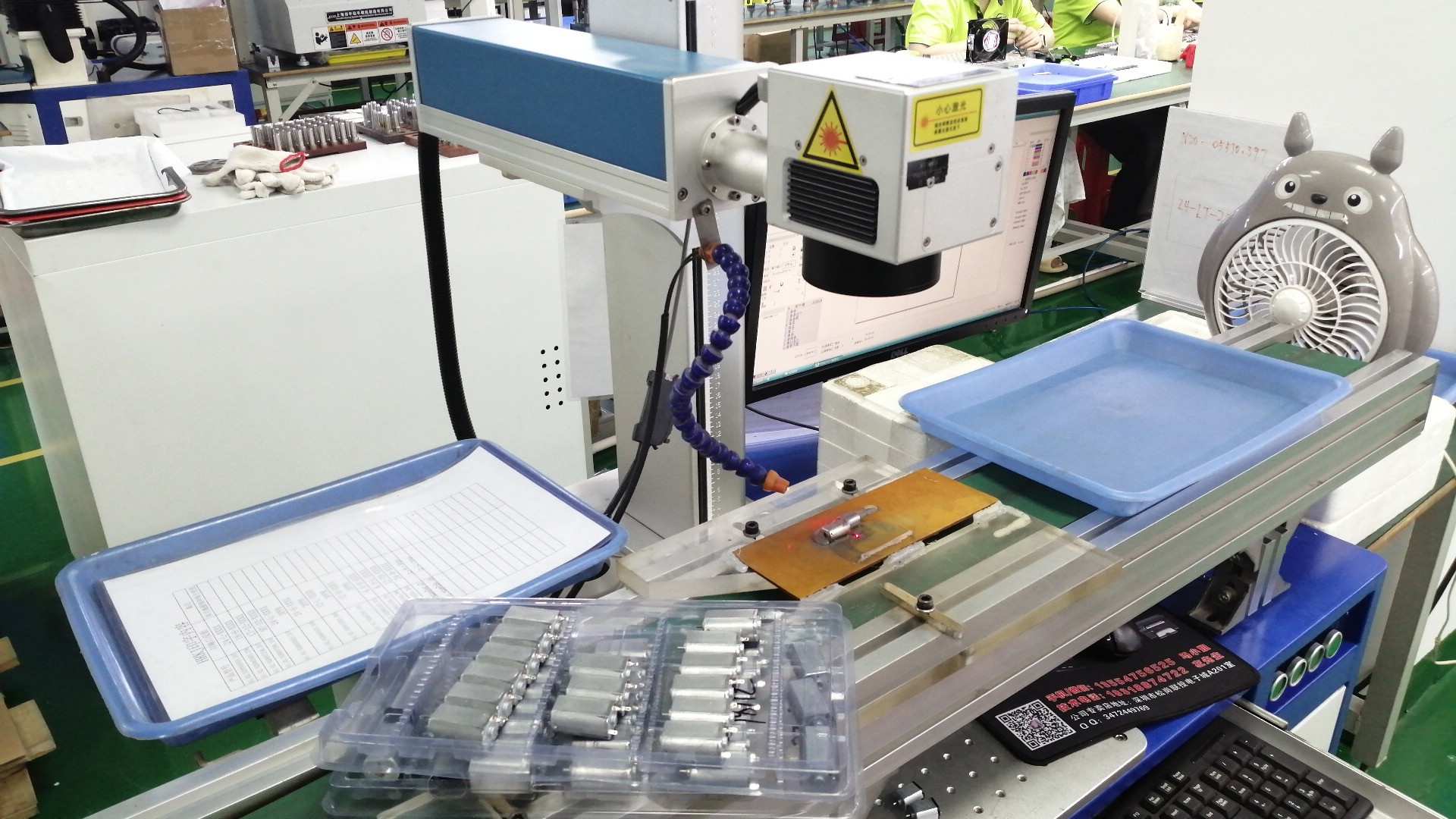
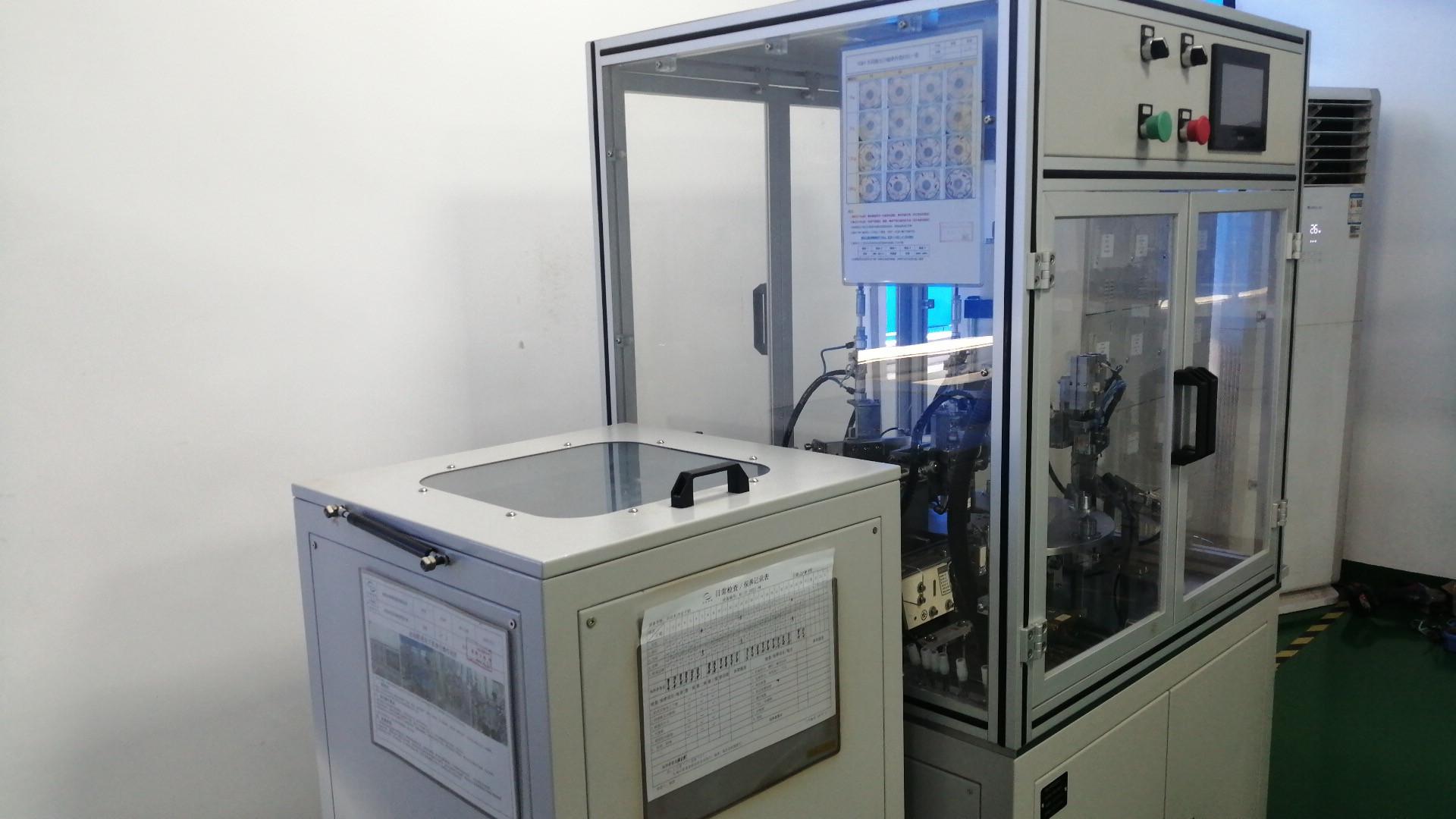
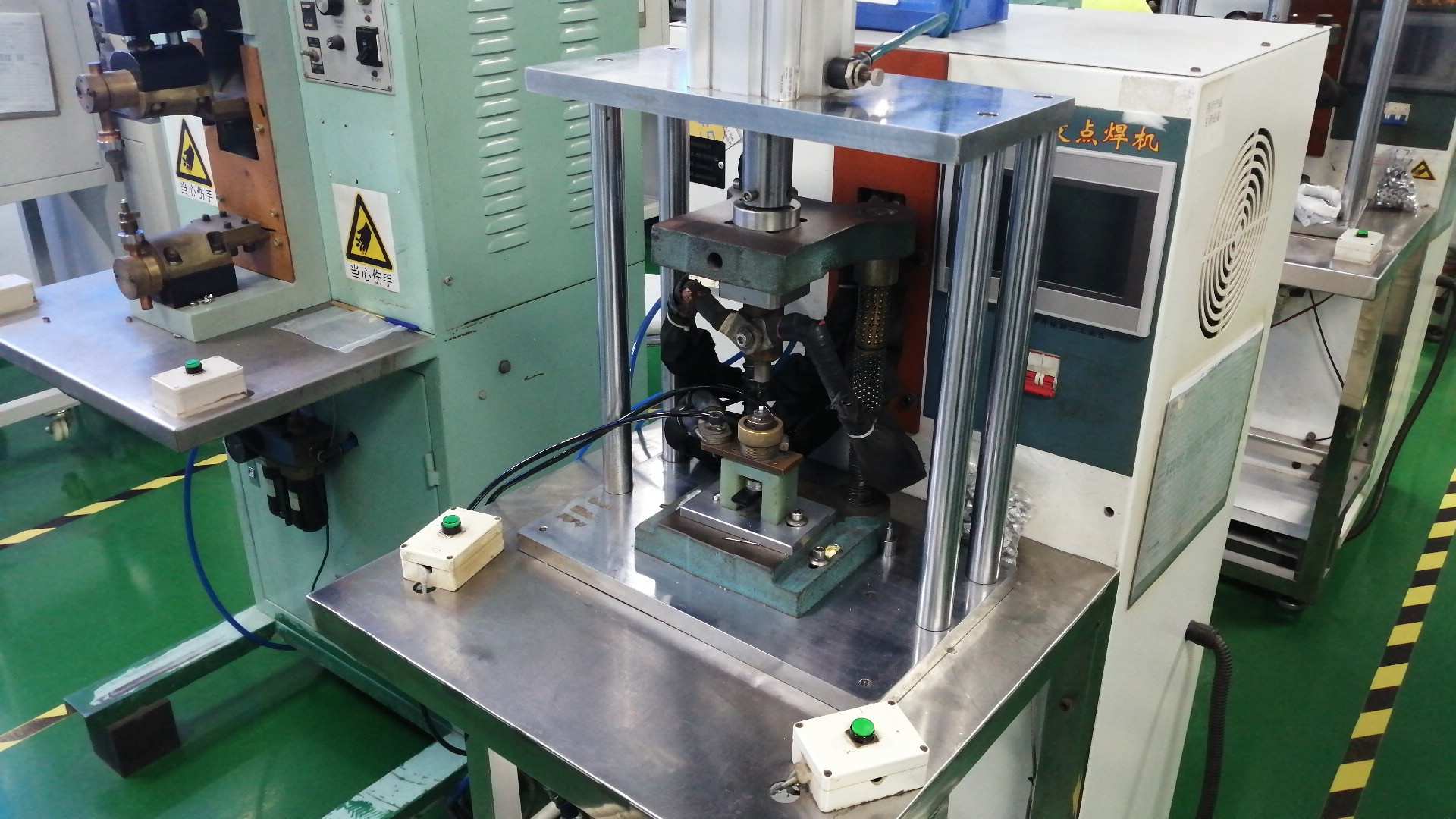
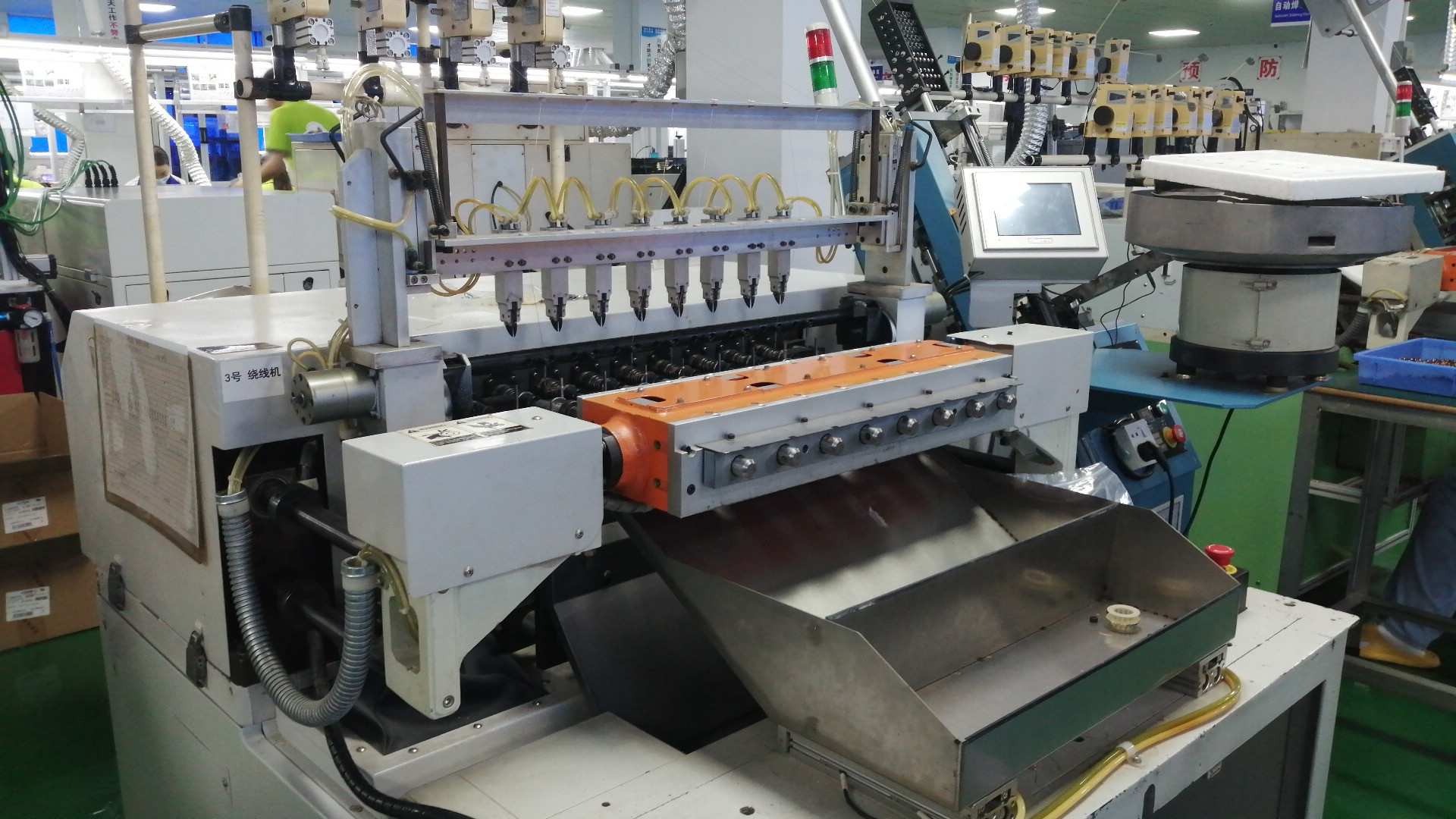
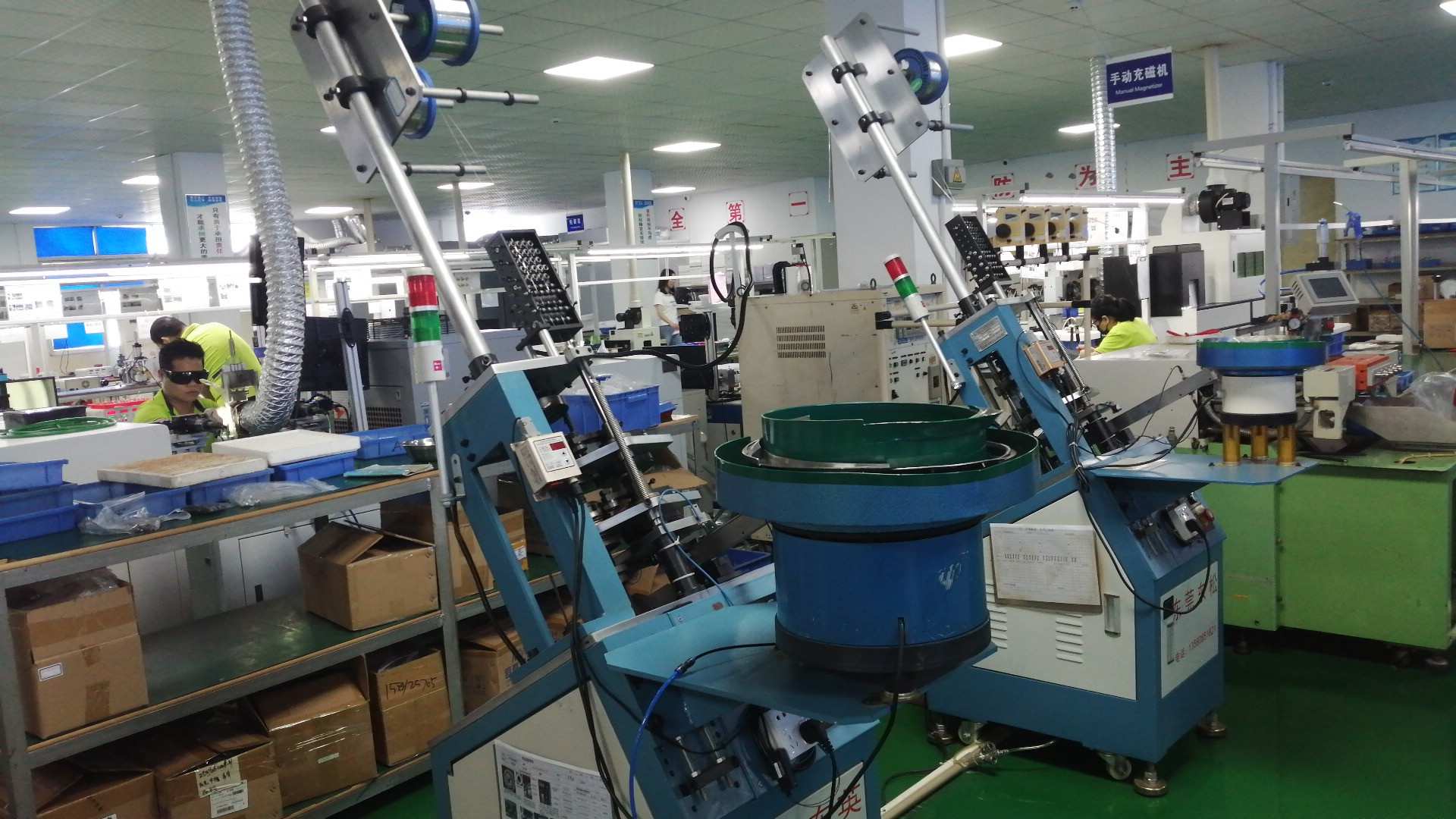
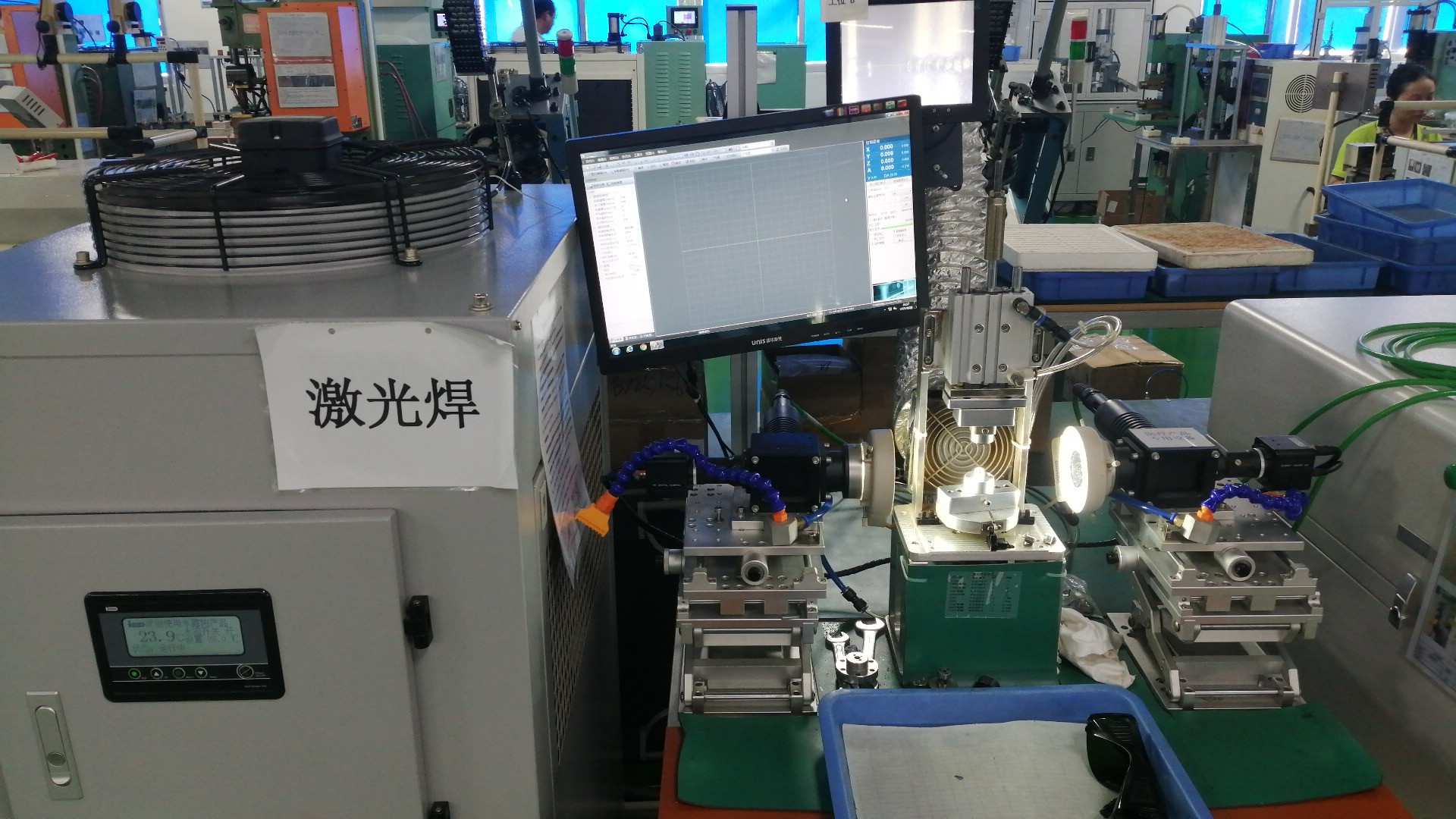
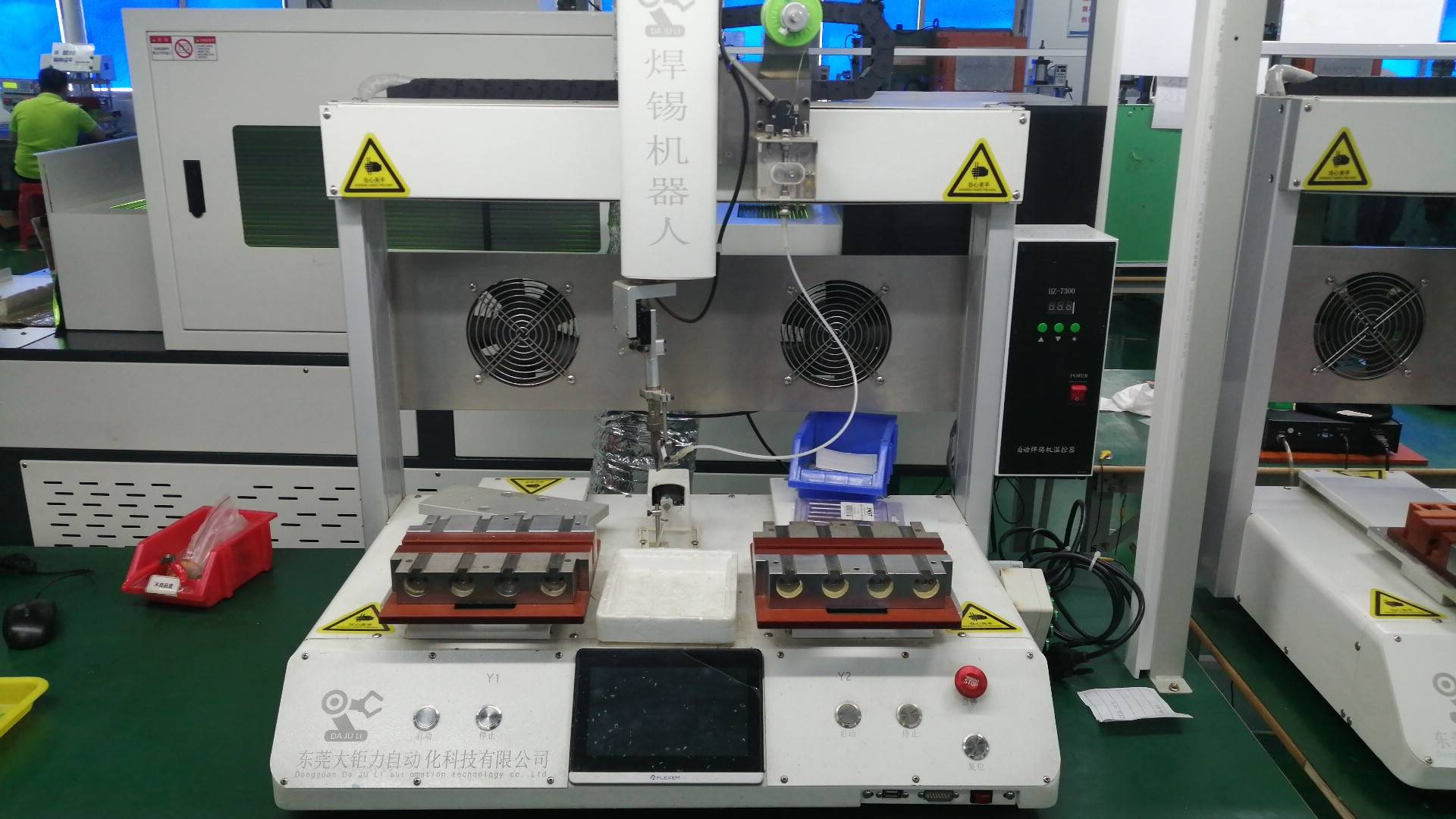
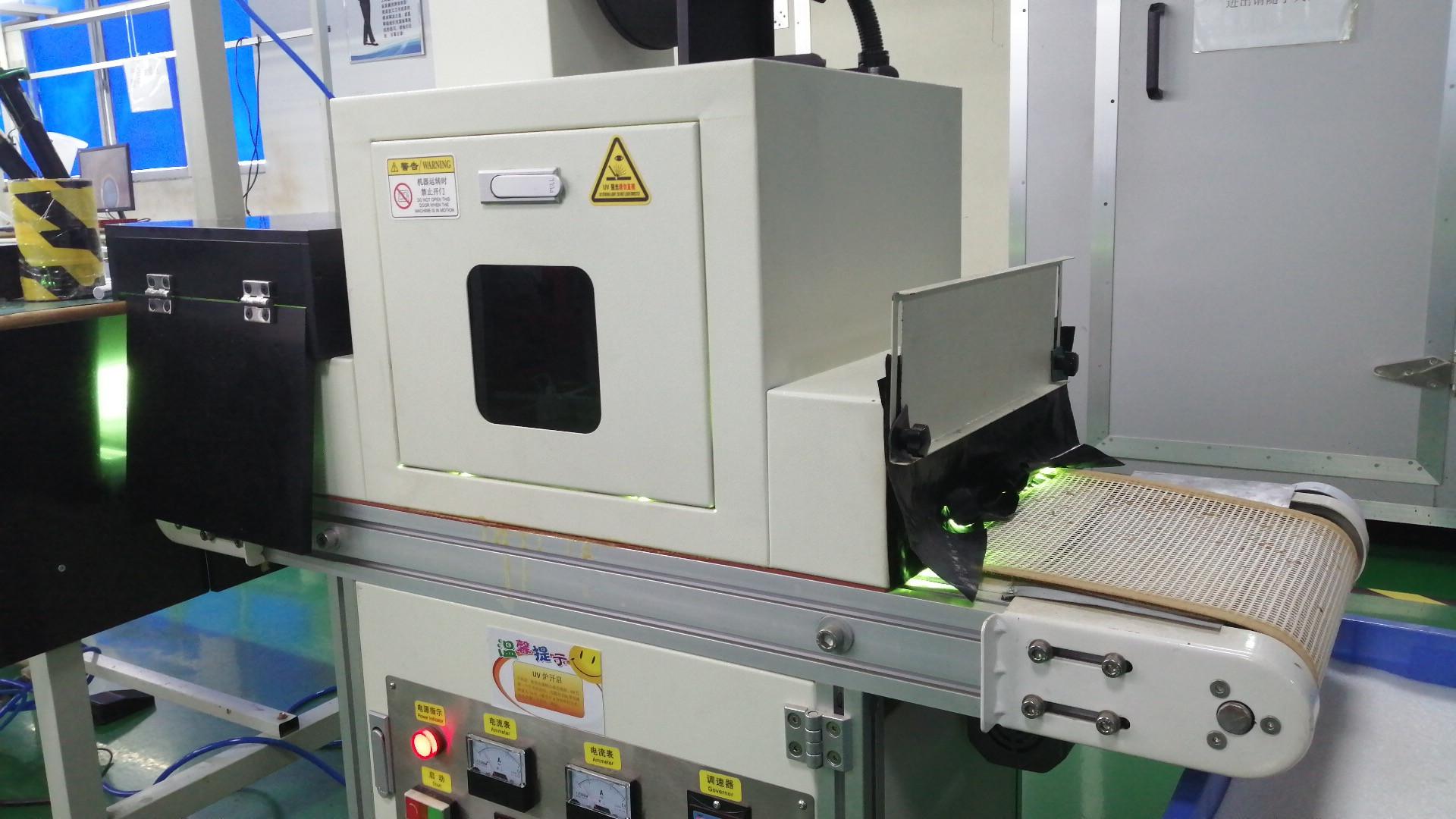
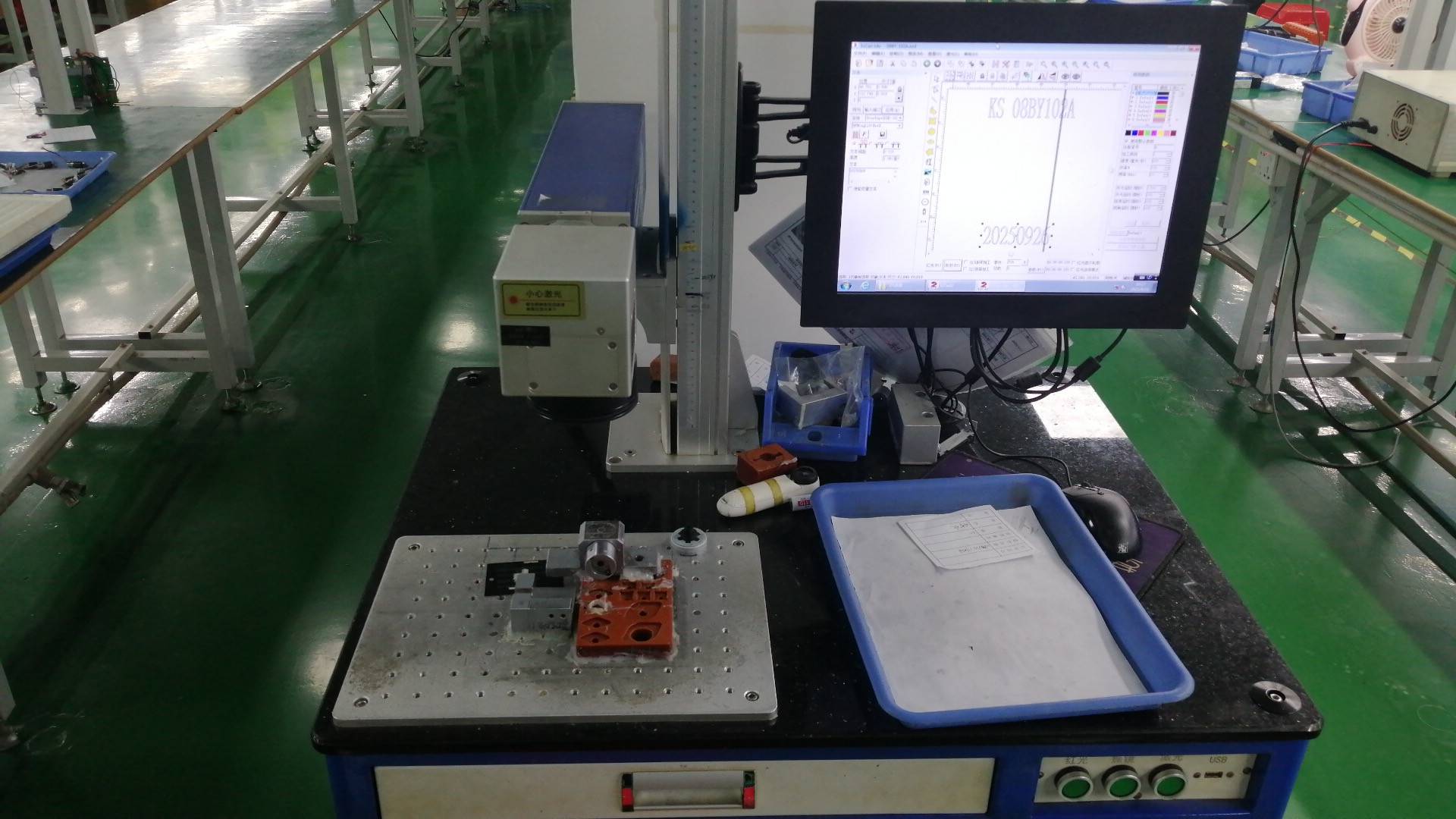
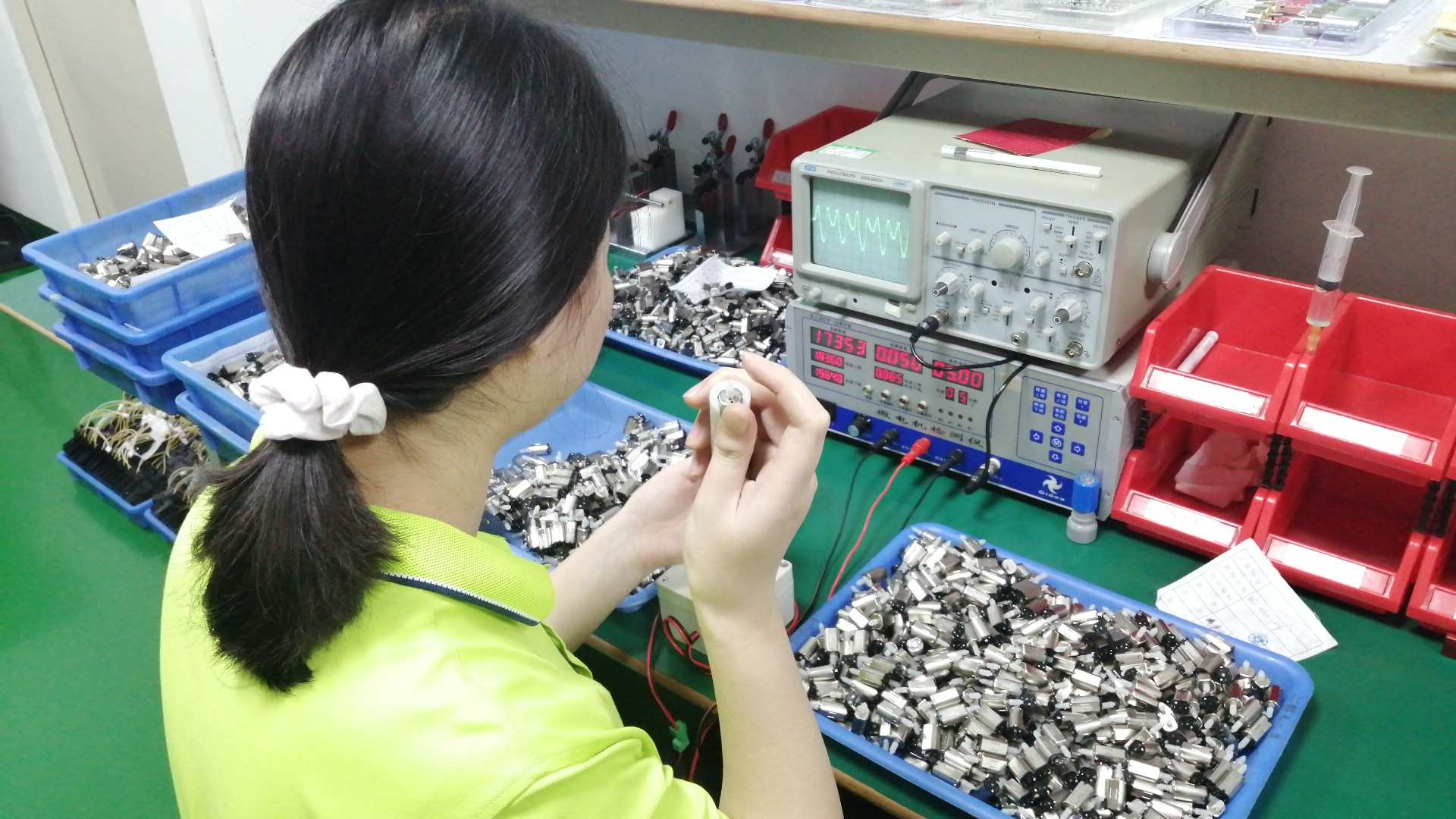
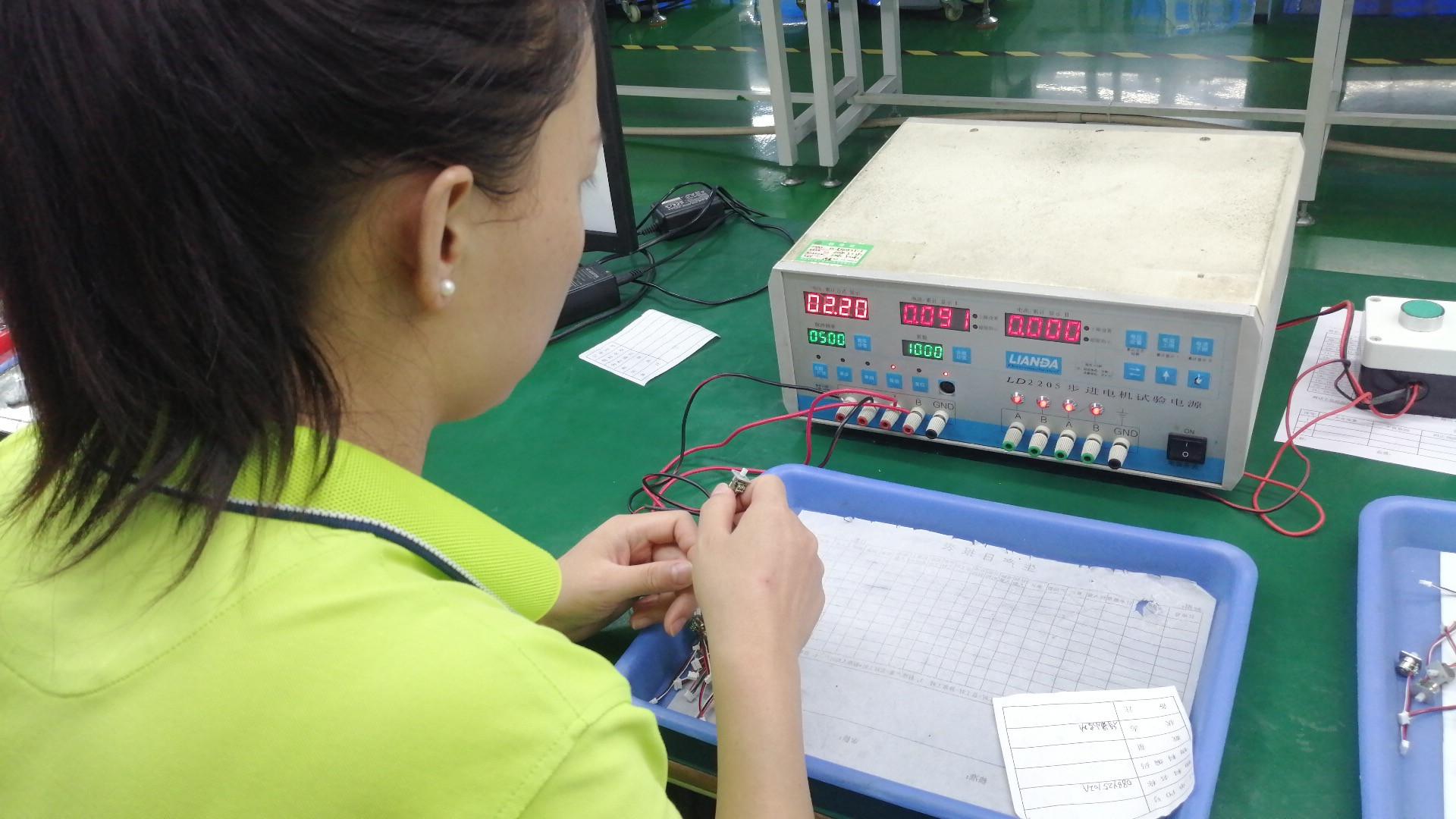
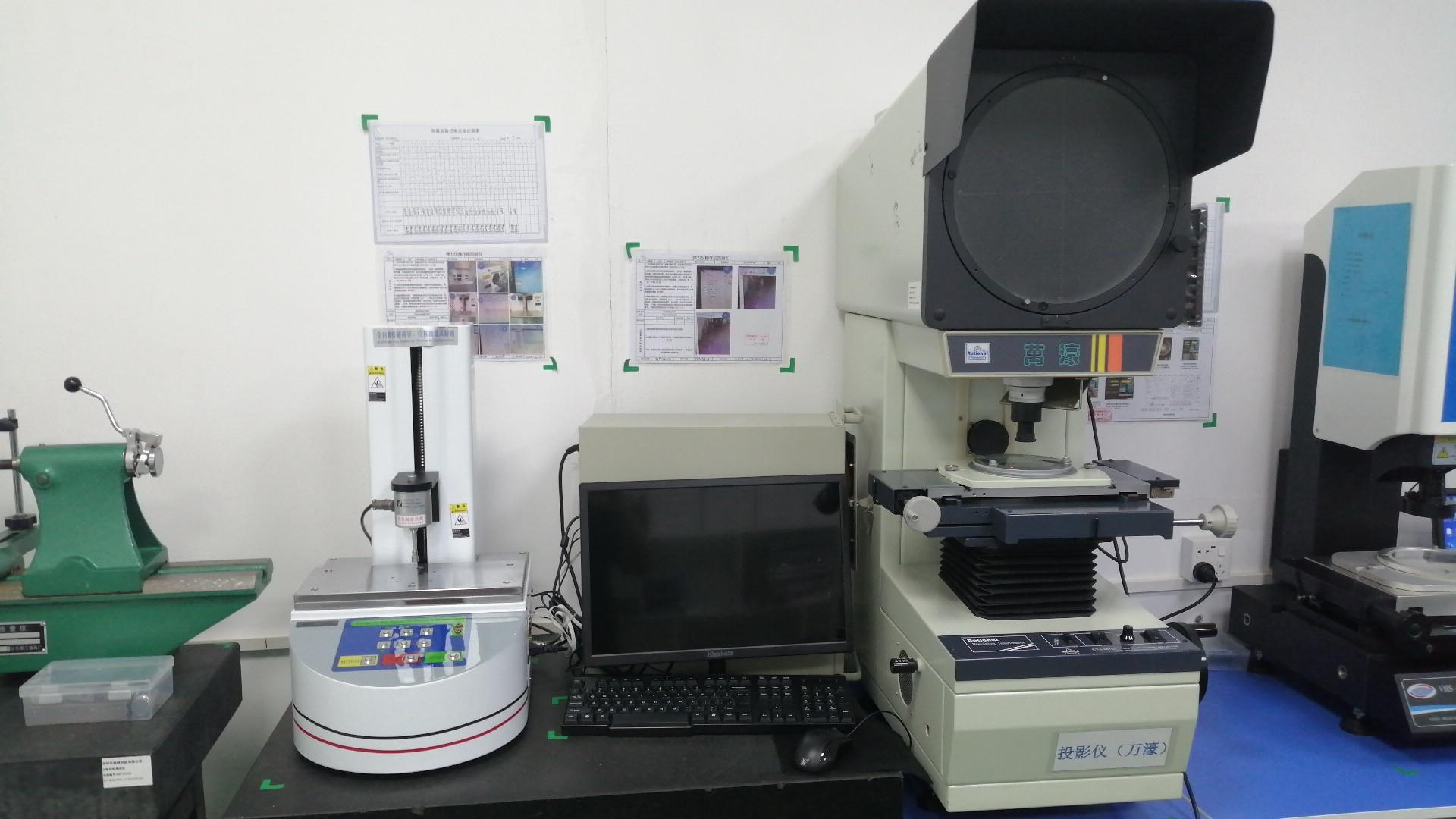
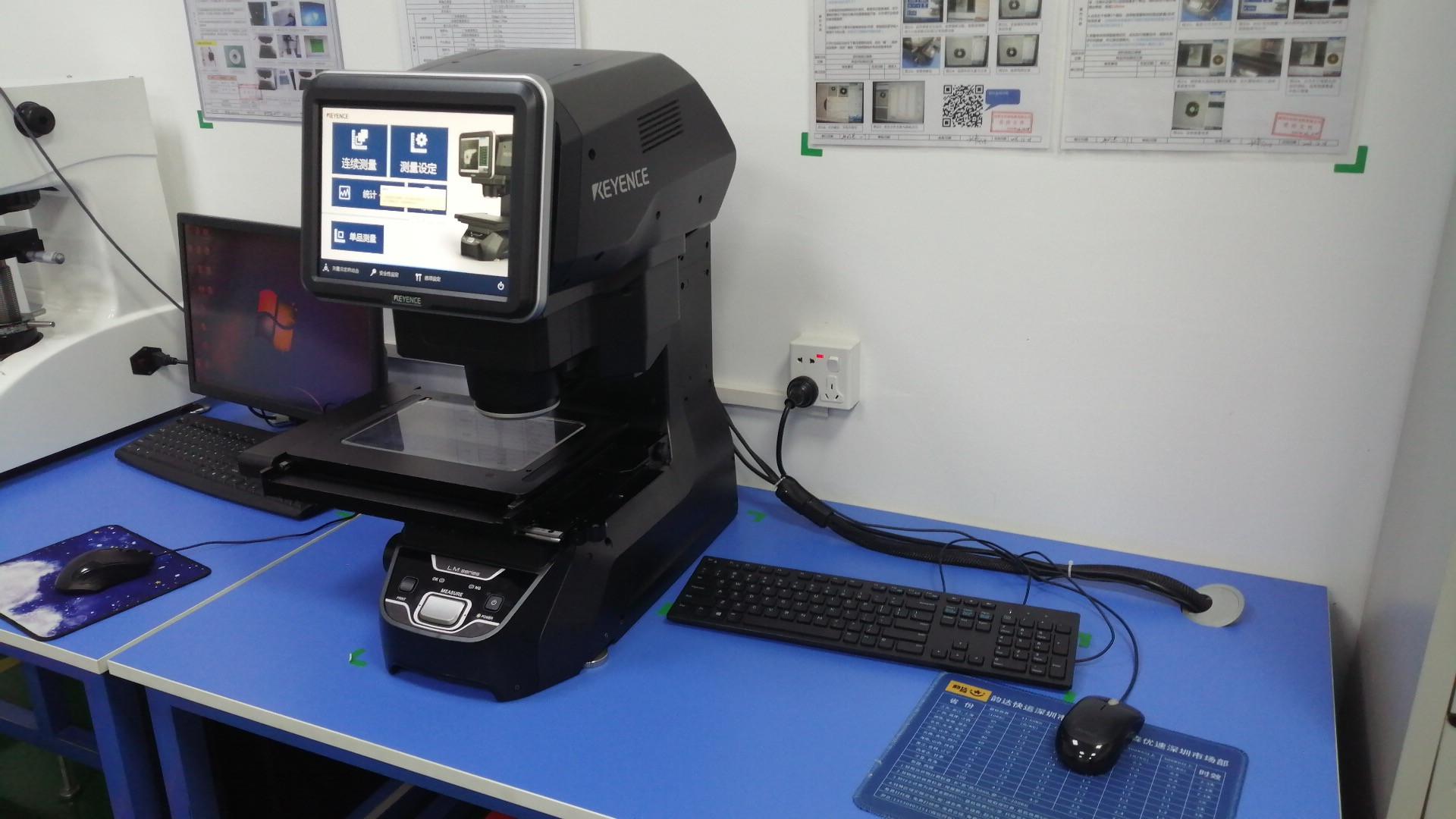
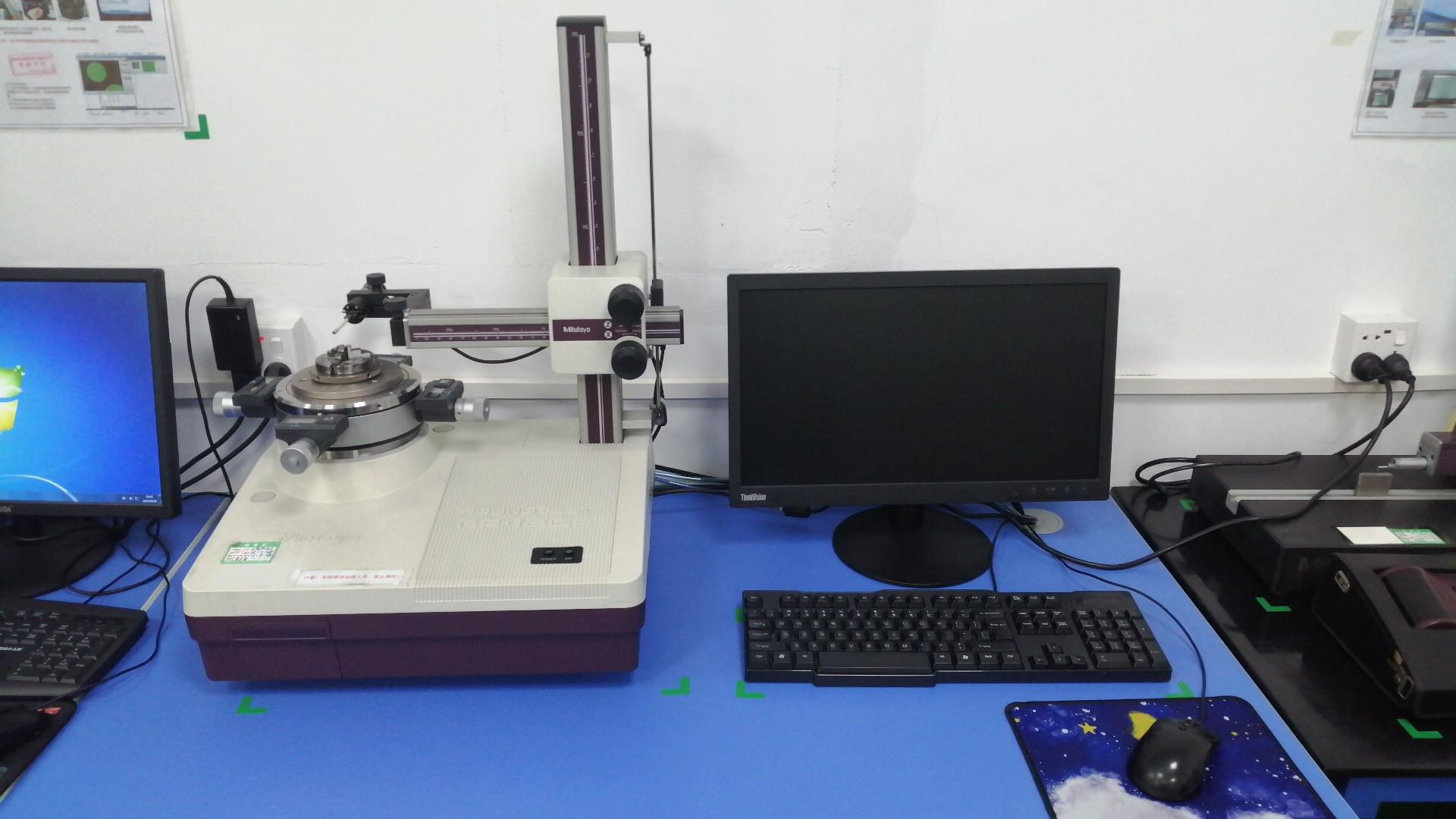
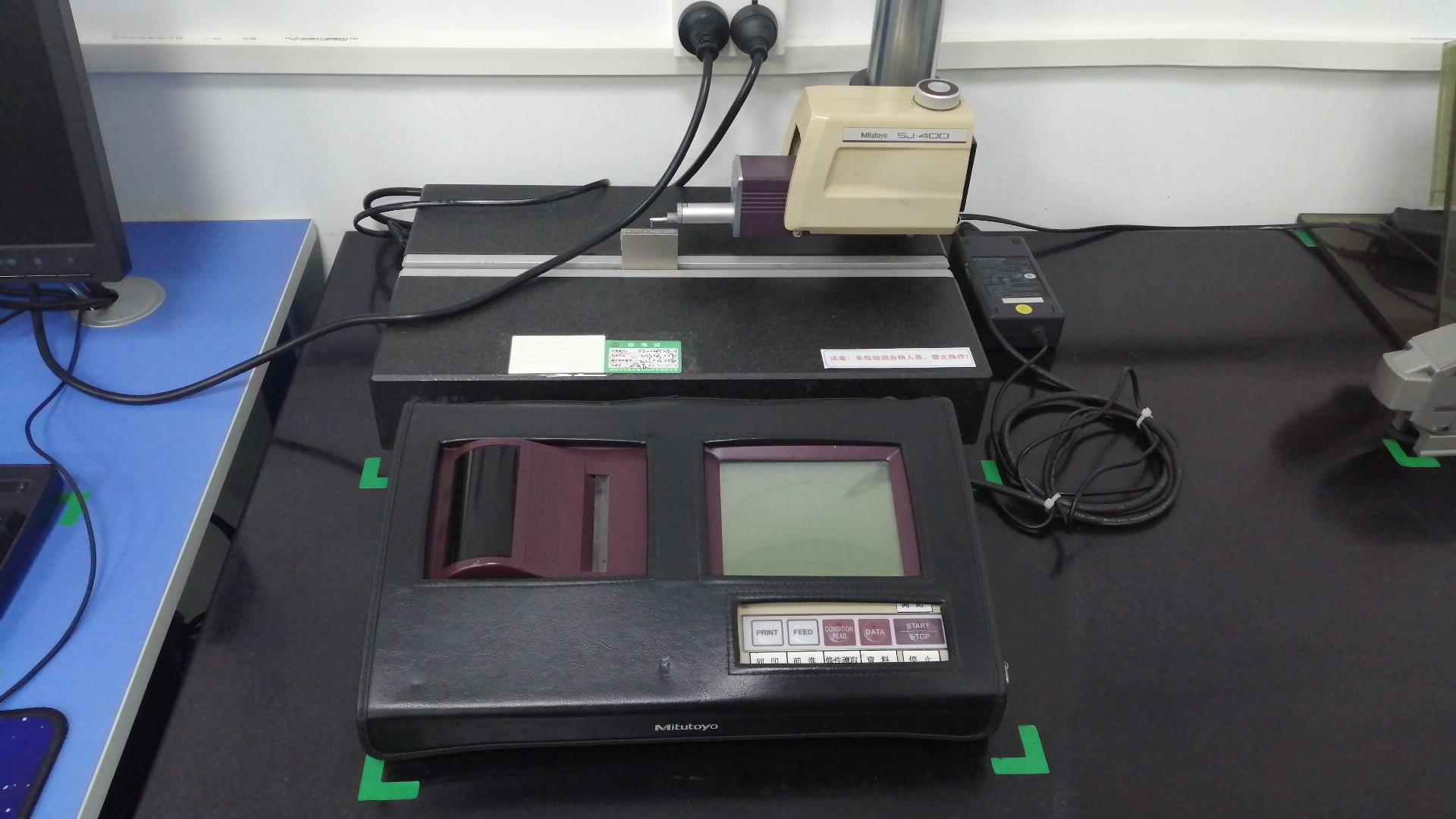
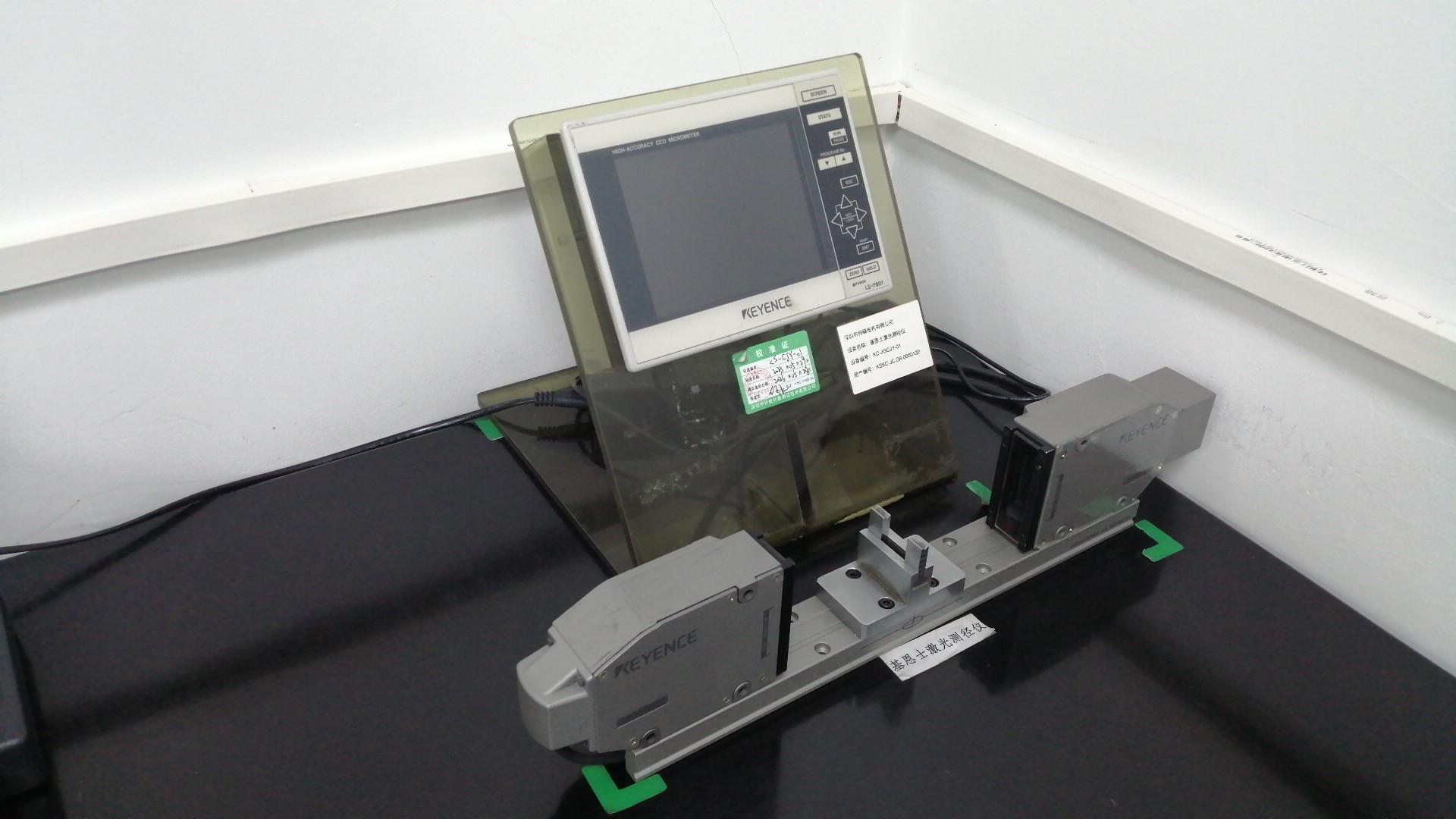
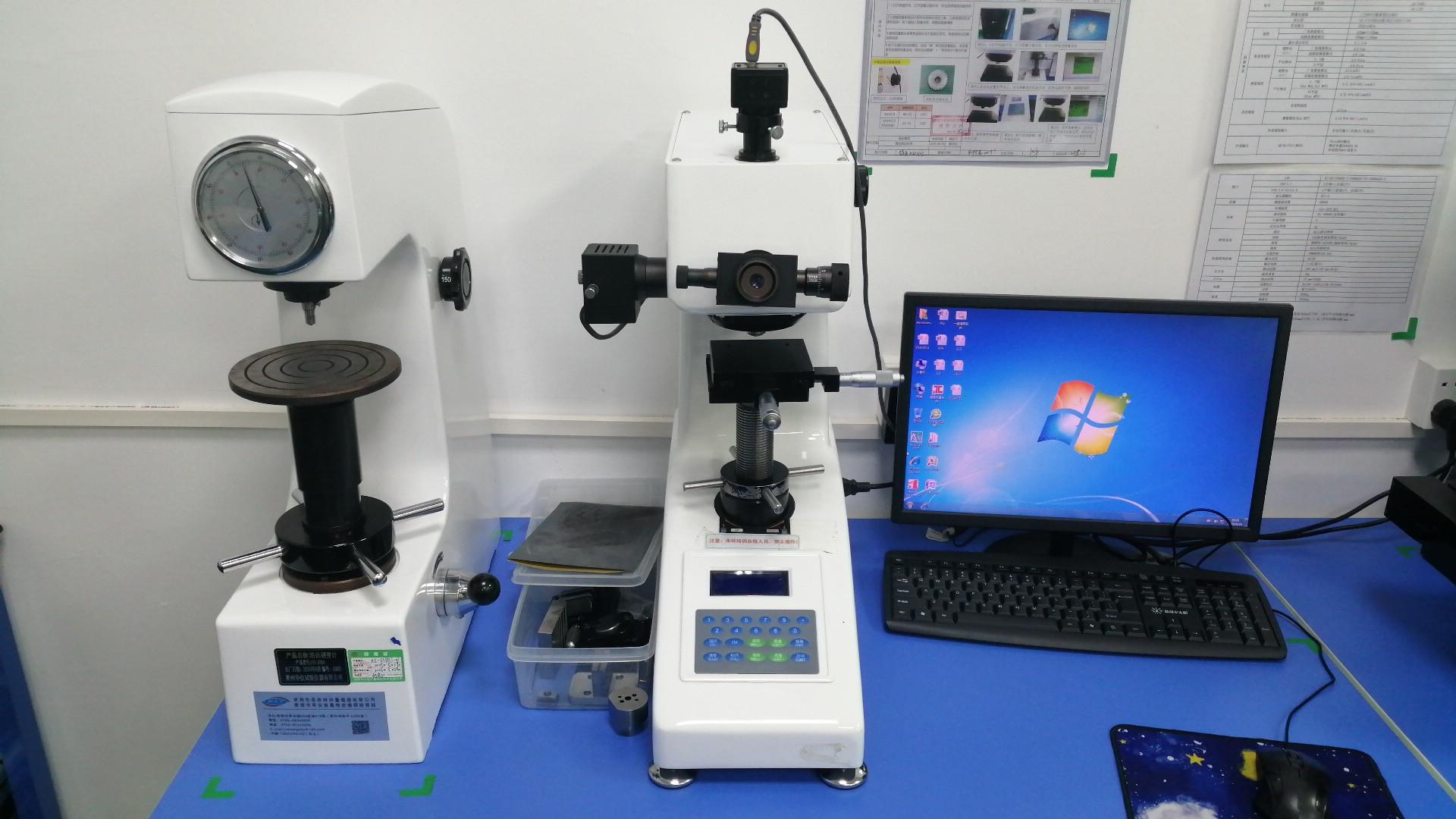
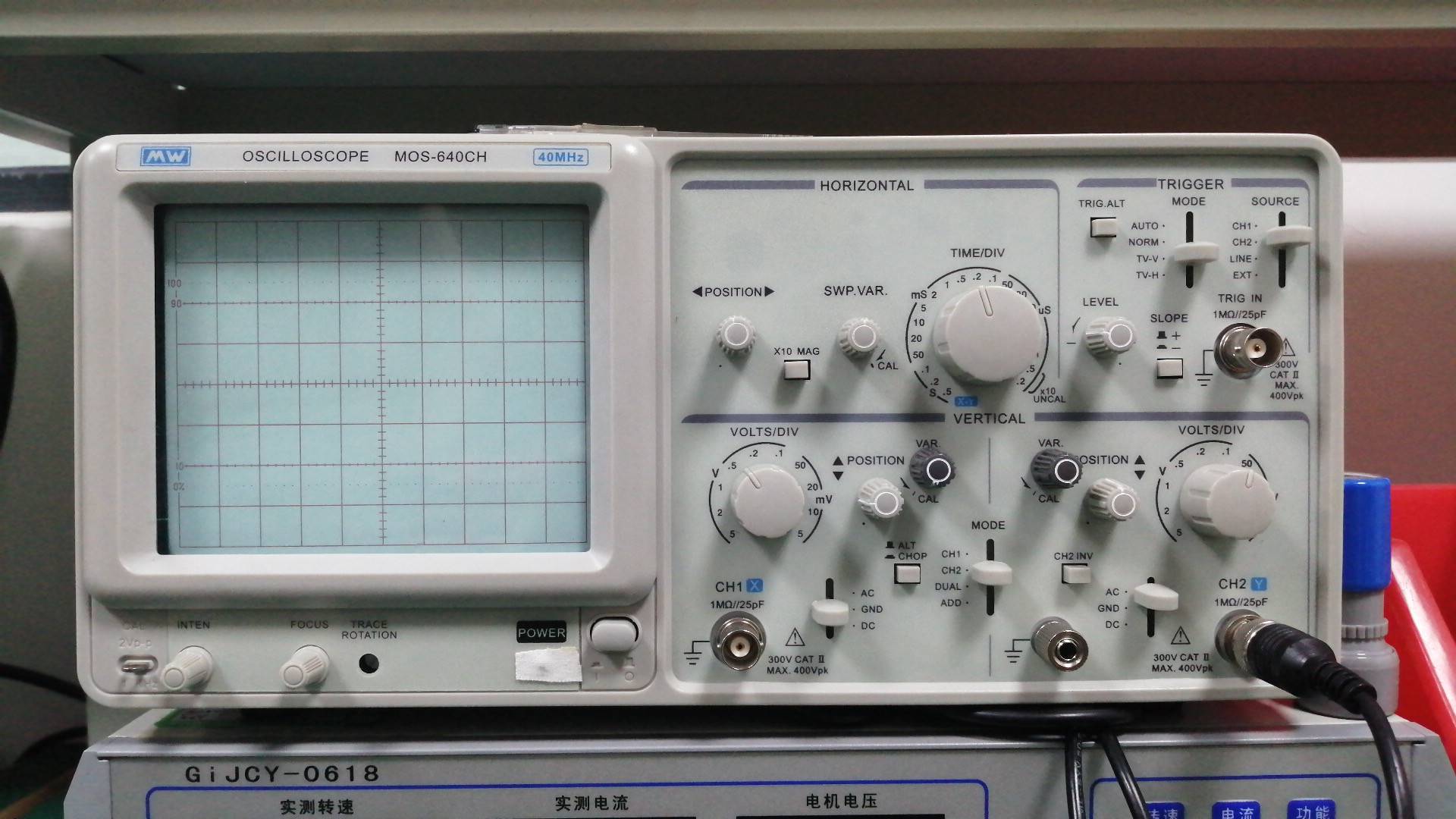
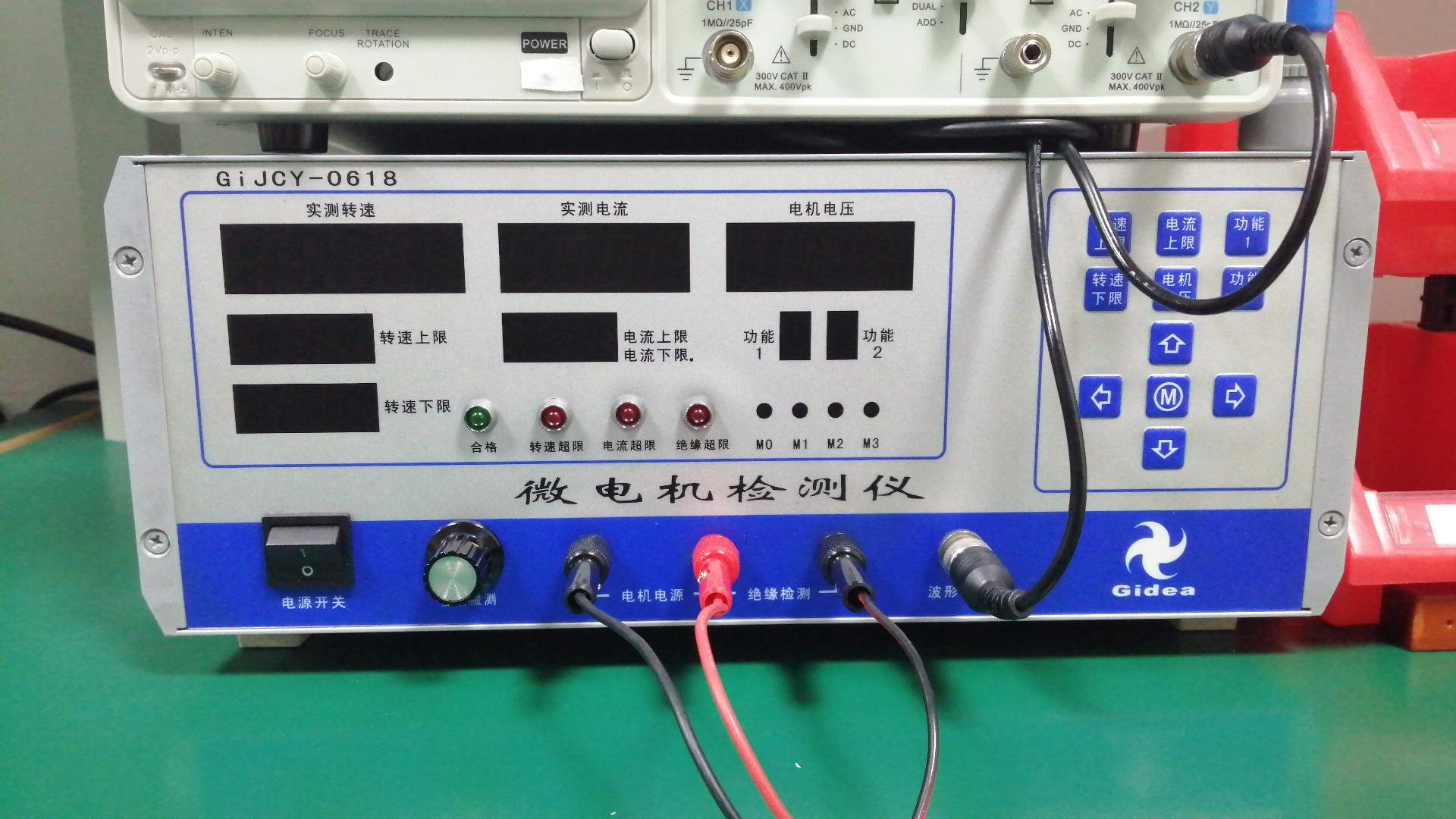
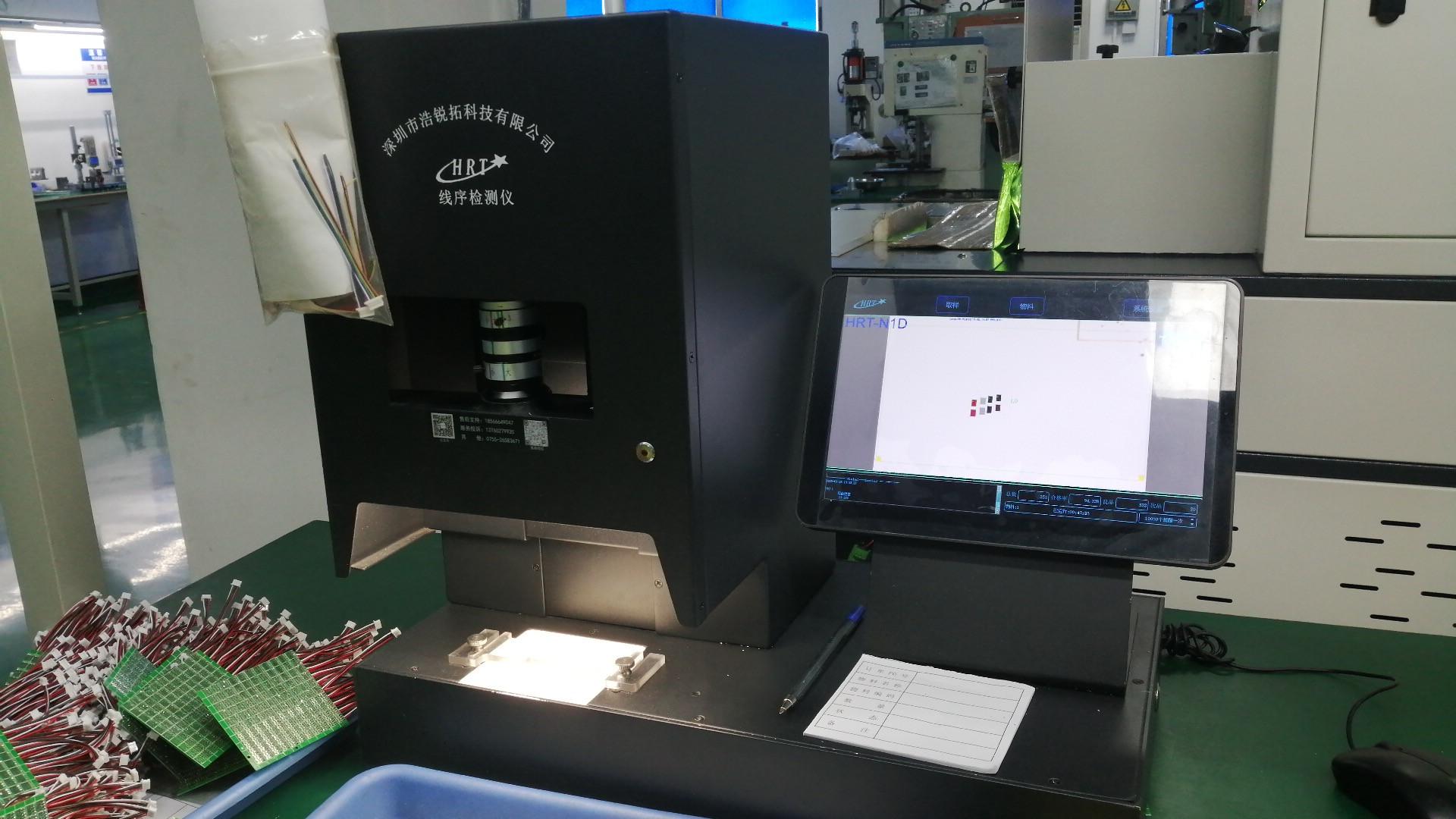
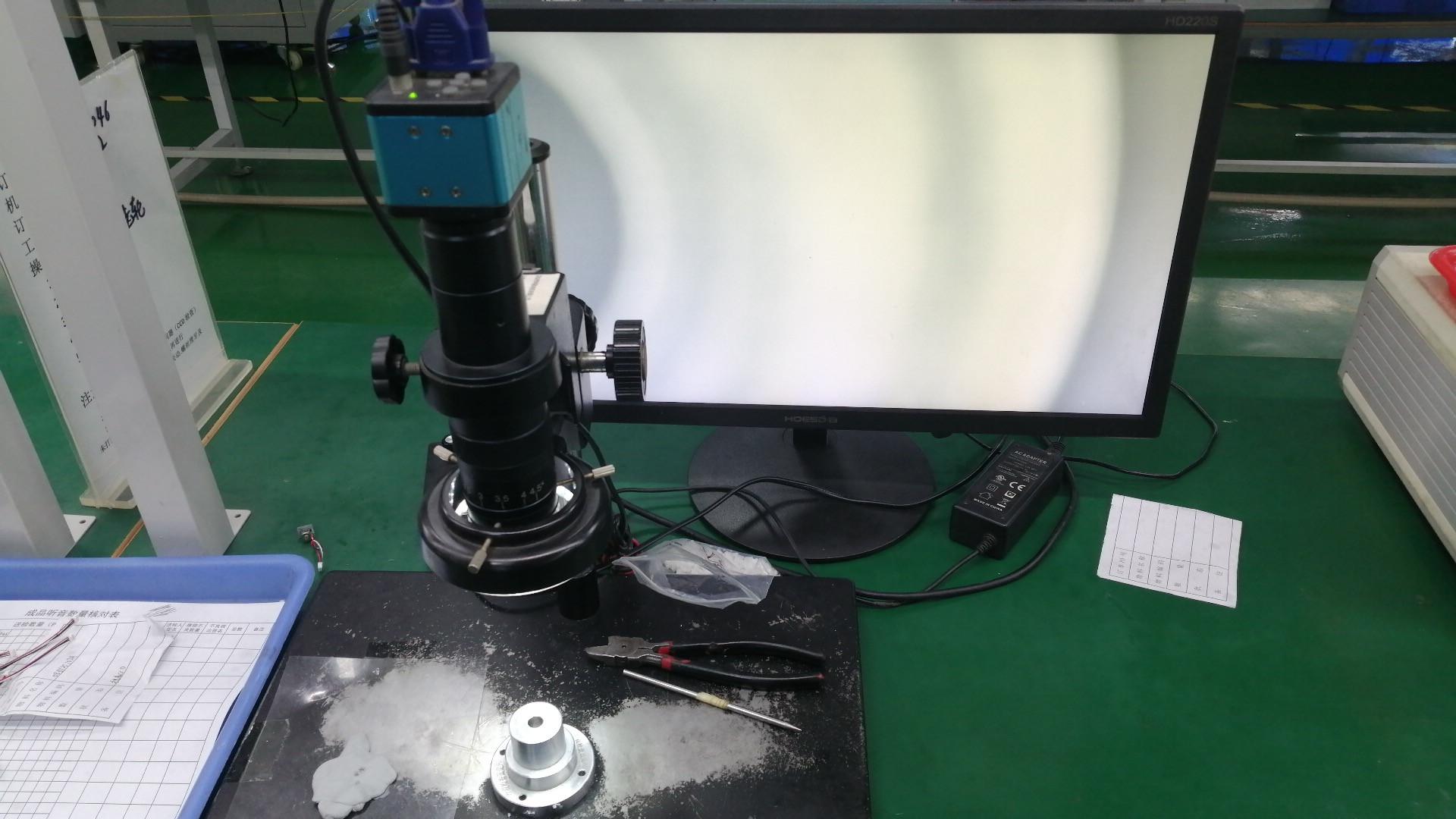
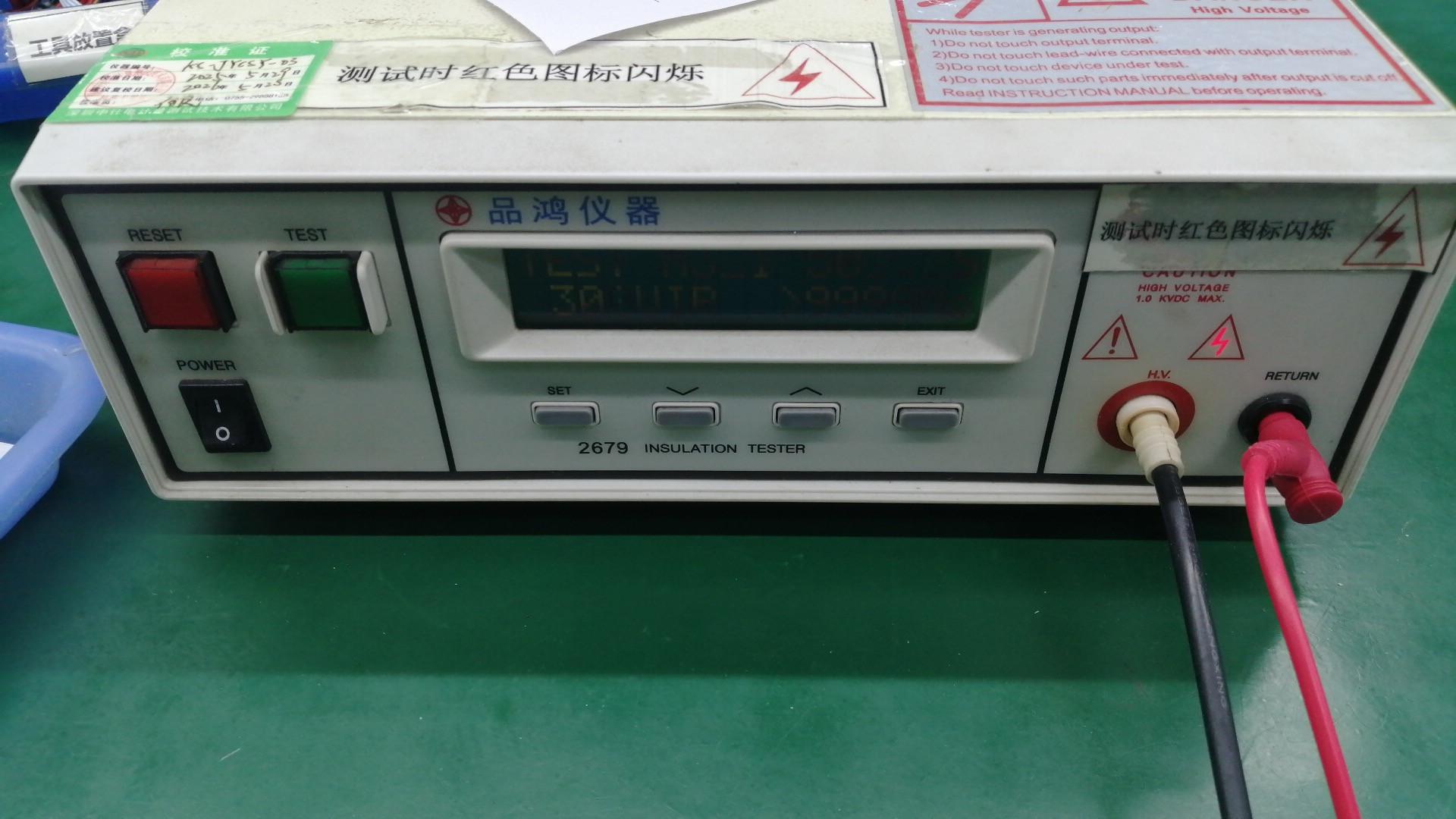
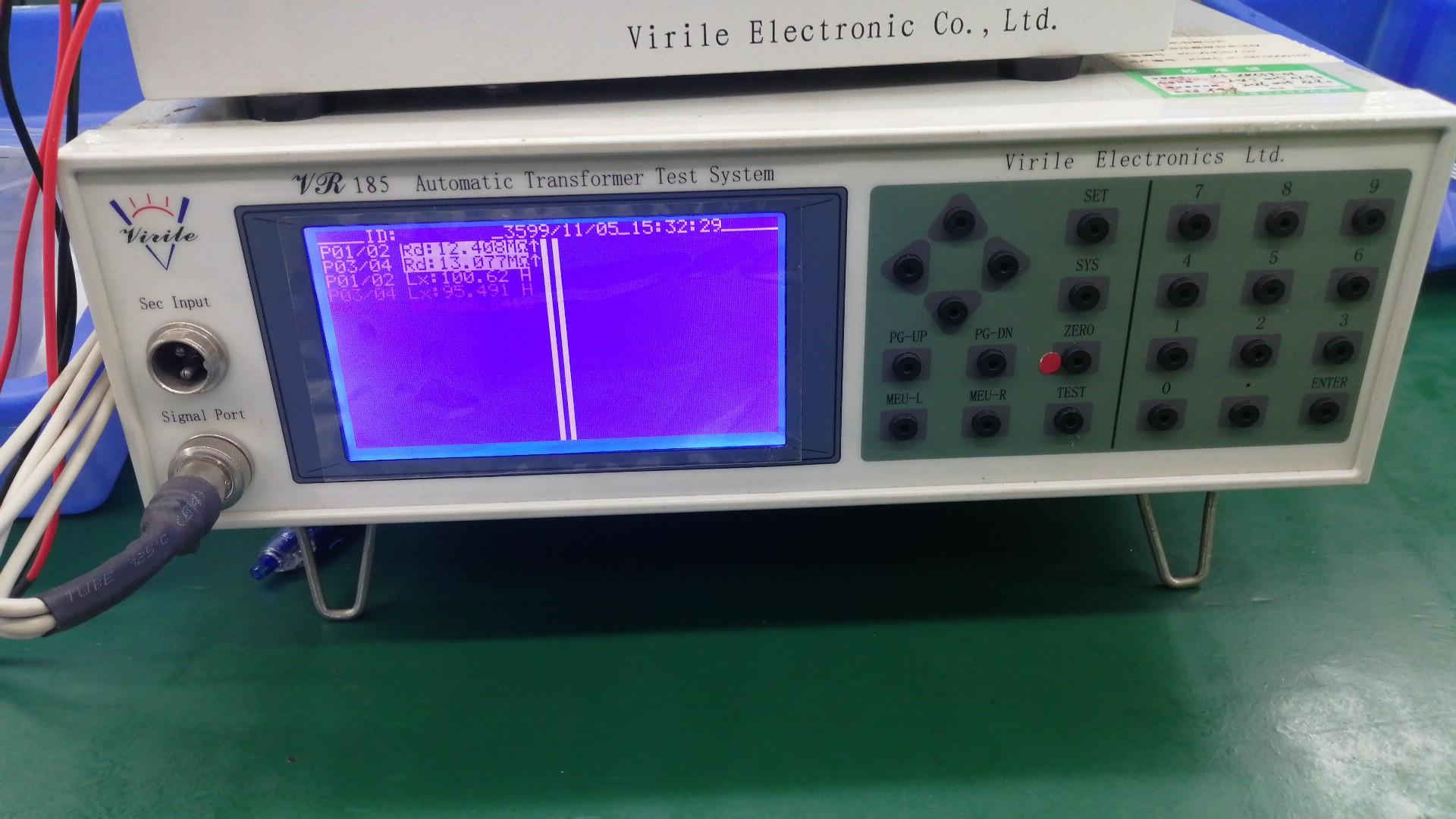
At Axon Motor, we align our manufacturing practices with China’s Industry 4.0 guidelines. Our production facilities deploy closed-loop, automated winding, and laser soldering networks to maintain absolute quality control across large manufacturing volumes. By integrating automated component presses, precision CNC grinding for threaded rods, and real-time CCD inspection platforms, we eliminate the human-error margins common in traditional assembly lines.
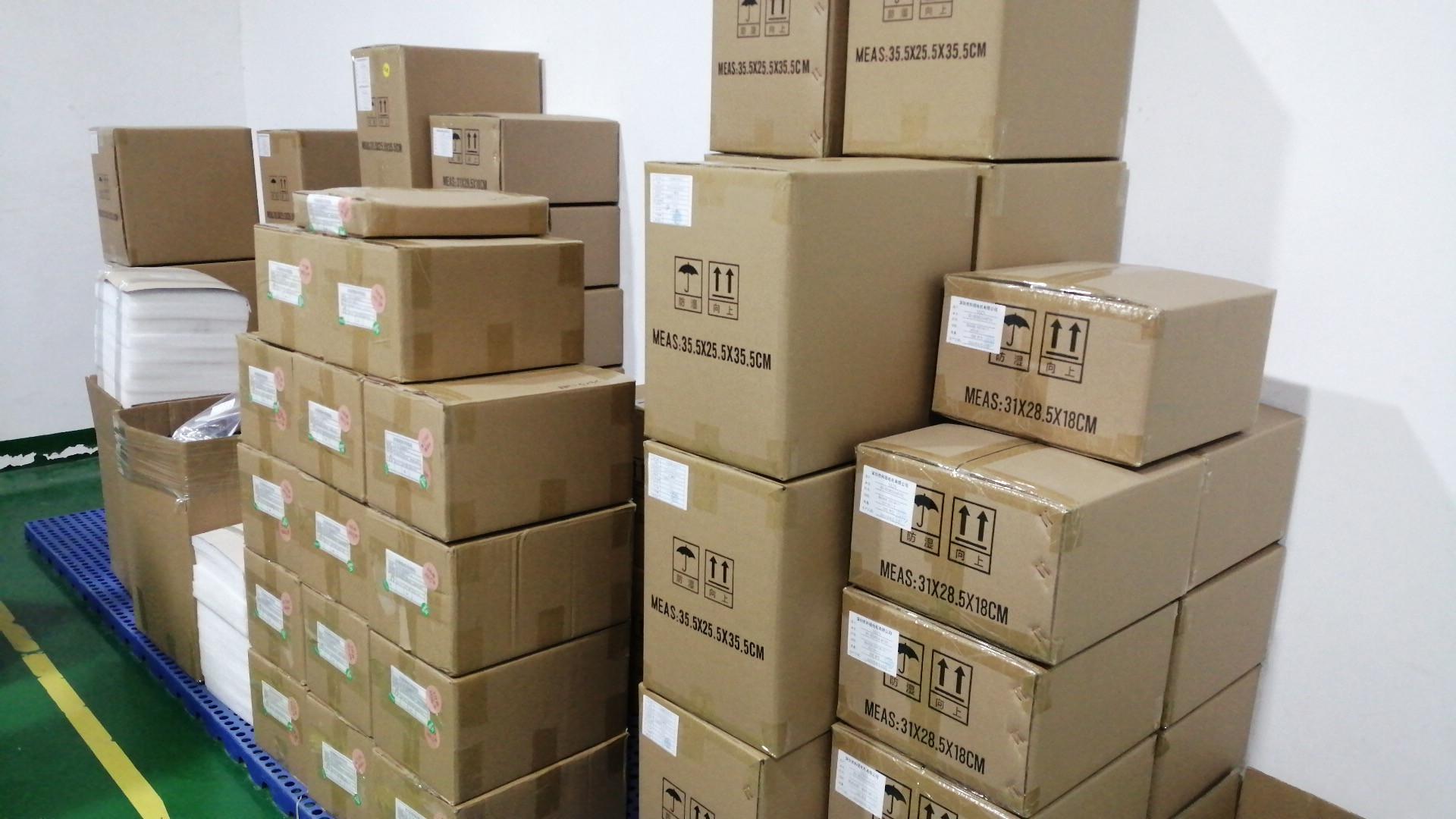
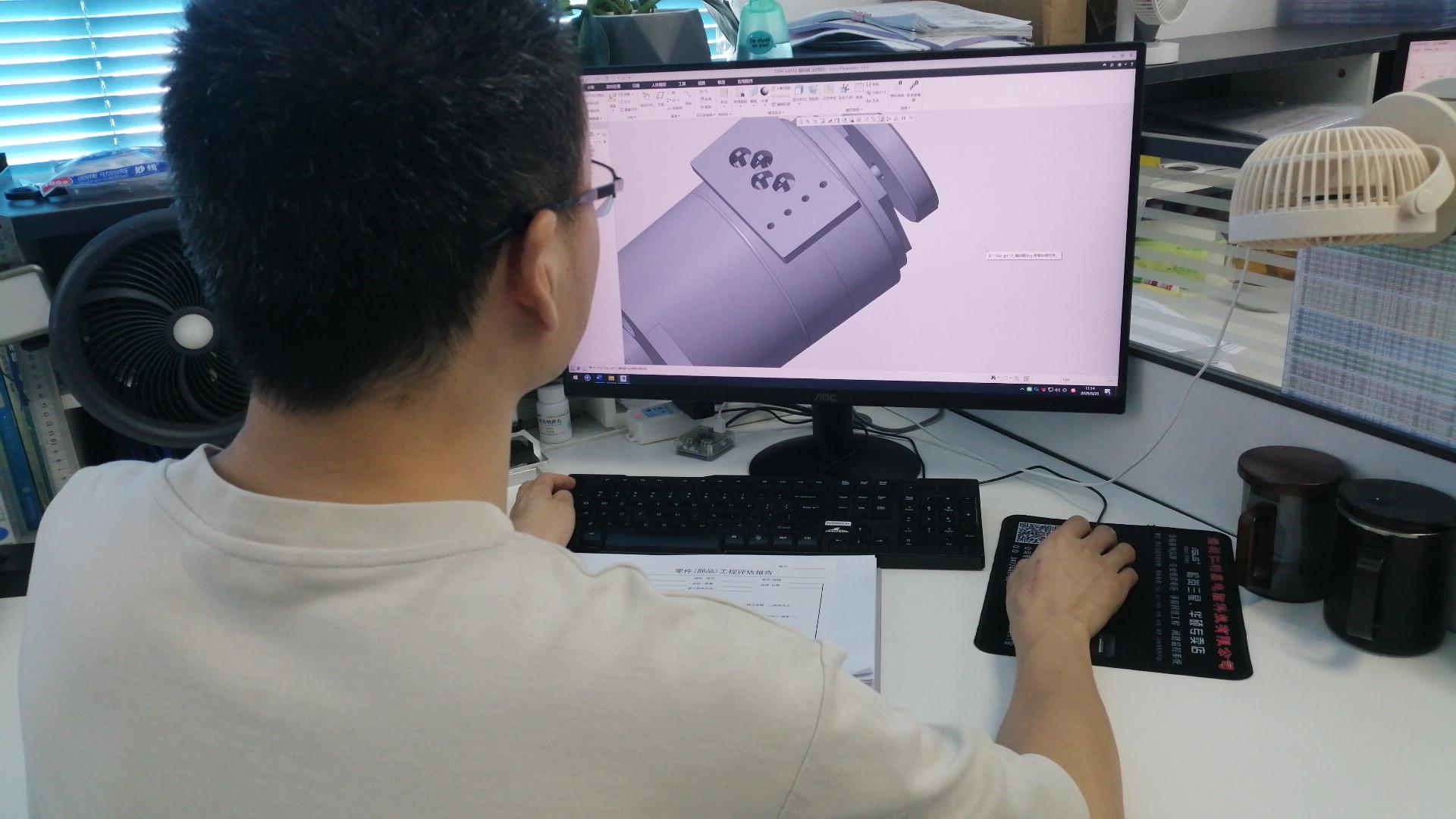
For Toronto-based engineering firms, our digital supply chain delivers dual benefits: rapid custom prototyping (reducing product development cycles by up to 50%) and resilient component delivery pipelines. This setup ensures that from initial design verification to volume delivery, all linear stepper motors are built to precise operational tolerances.