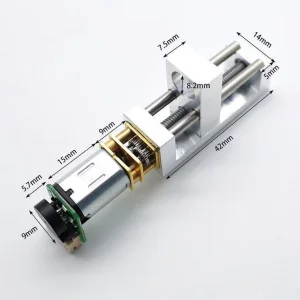
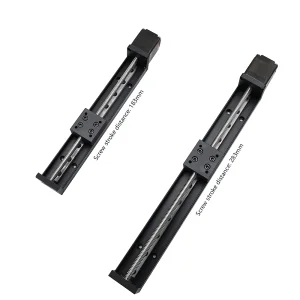
Explore our core selection of precision motors engineered for high power-to-size ratios, reliability, and smooth rotational response.
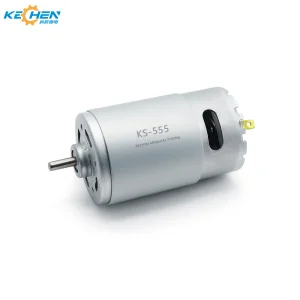
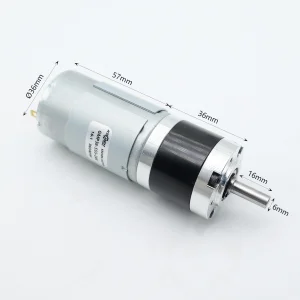
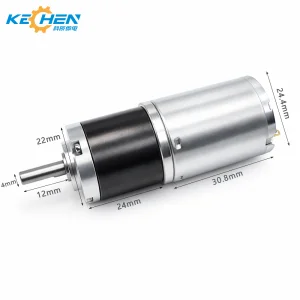
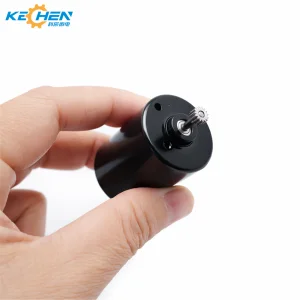
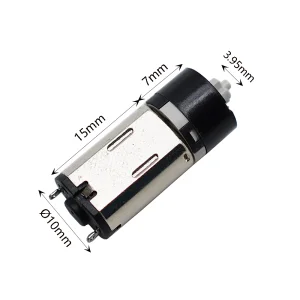
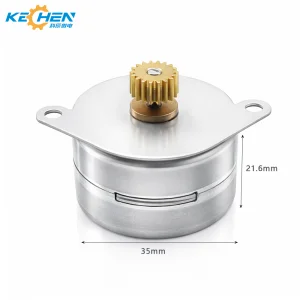
Modern industrial and consumer technologies demand high dynamic response, long-term durability, and strict spatial footprint management. At Axon Motor, we recognize that small mechanical components define global innovation thresholds. Our engineering capabilities focus on delivering micro-drive systems that balance precision execution with scale efficiency.
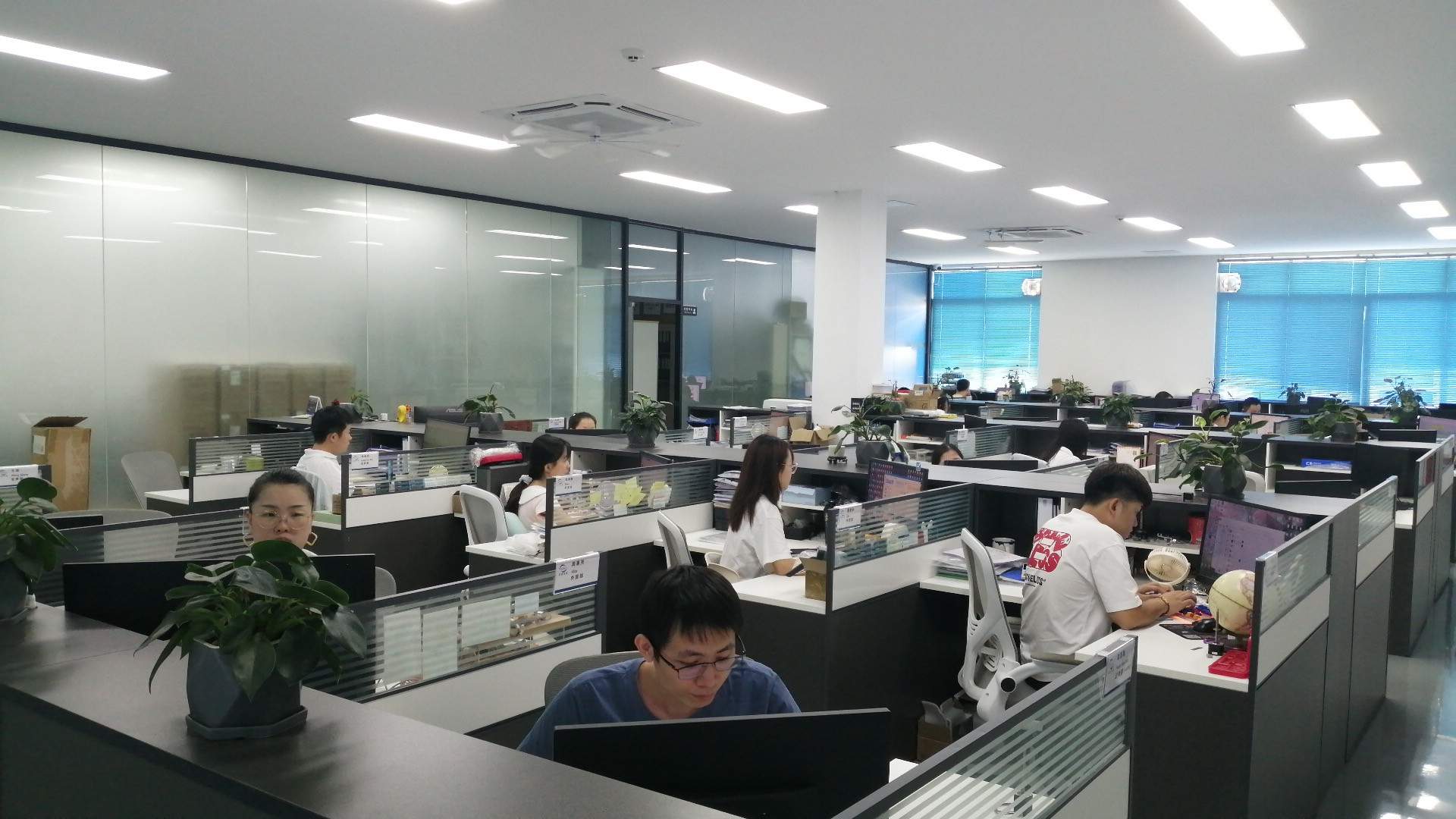
Operating an ISO9001-certified production facility in China, we leverage comprehensive supply chain channels to manufacture advanced systems such as Micro DC Motors, DC Gear Motors, and Brushless DC Motors (BLDC). Every single motor is designed to meet strict acoustic limits, thermal tolerances, and extended life-cycles expected within highly regulated sectors.
We work directly as an R&D design partner. Our internal teams assist at all development stages, providing customized mechanical configurations, specialized windings, and structural modifications to support distinct performance criteria.
Evaluating the material, economic, and logistical factors driving the production of precision micro-motion control systems.
China is home to the world's most consolidated neodymium-iron-boron (NdFeB) magnet supply chains. This localized access enables direct material procurement, stabilizing pricing structures and ensuring uniform flux characteristics in multi-stack stators.
Our localized infrastructure allows design alterations to progress rapidly. Custom laminated stampings, complex structural flanges, and custom shafts move from CAD drawings to functional testing models in shortened validation times.
By pairing high-volume production lines with adaptive CNC tooling configurations, we ensure manufacturing speed, uniform structural tolerances, and competitive unit economics across both small and large-scale order volumes.
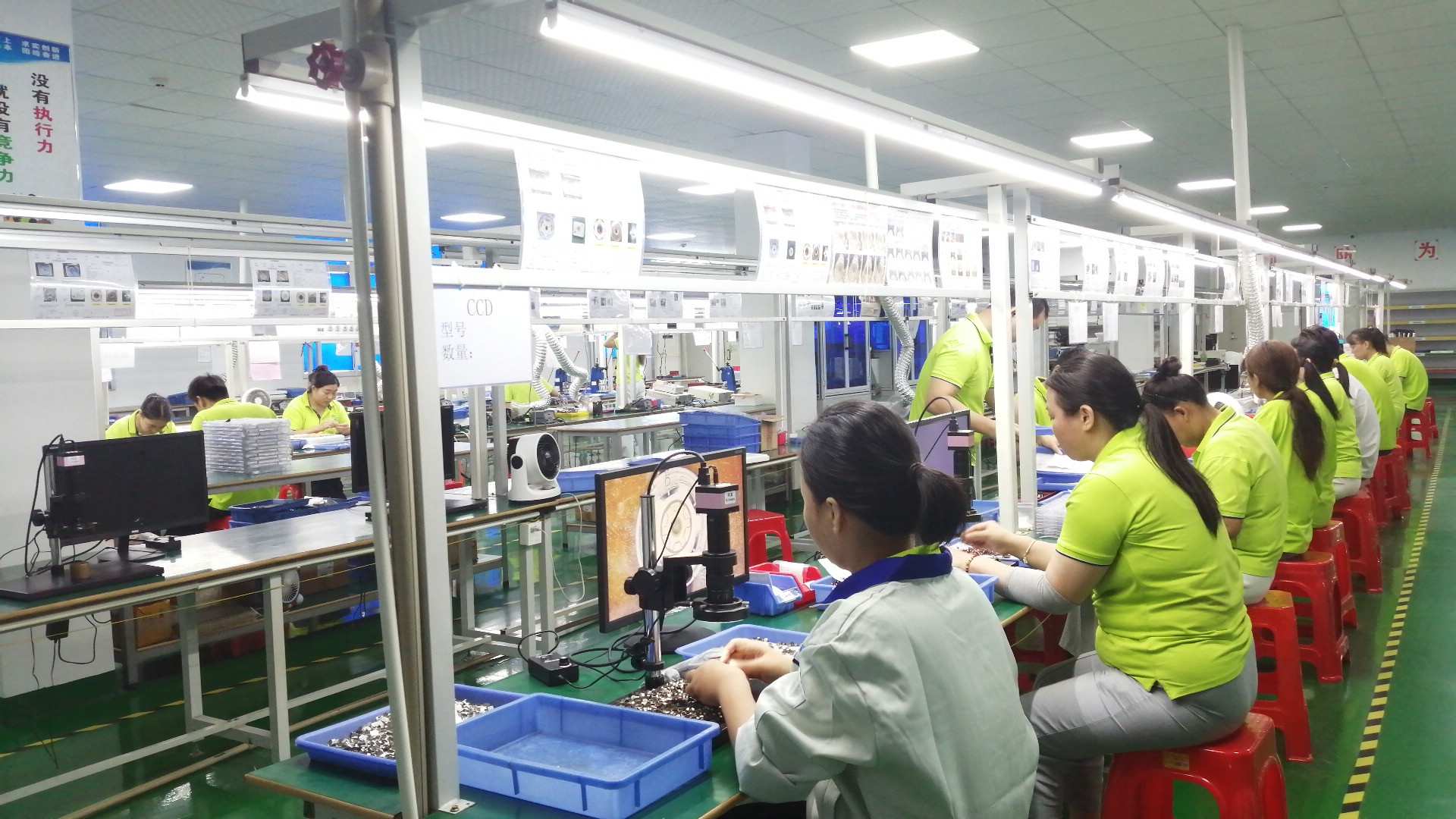
A detailed, visual look into our production cells, automated assembly workflows, and precise quality control equipment.
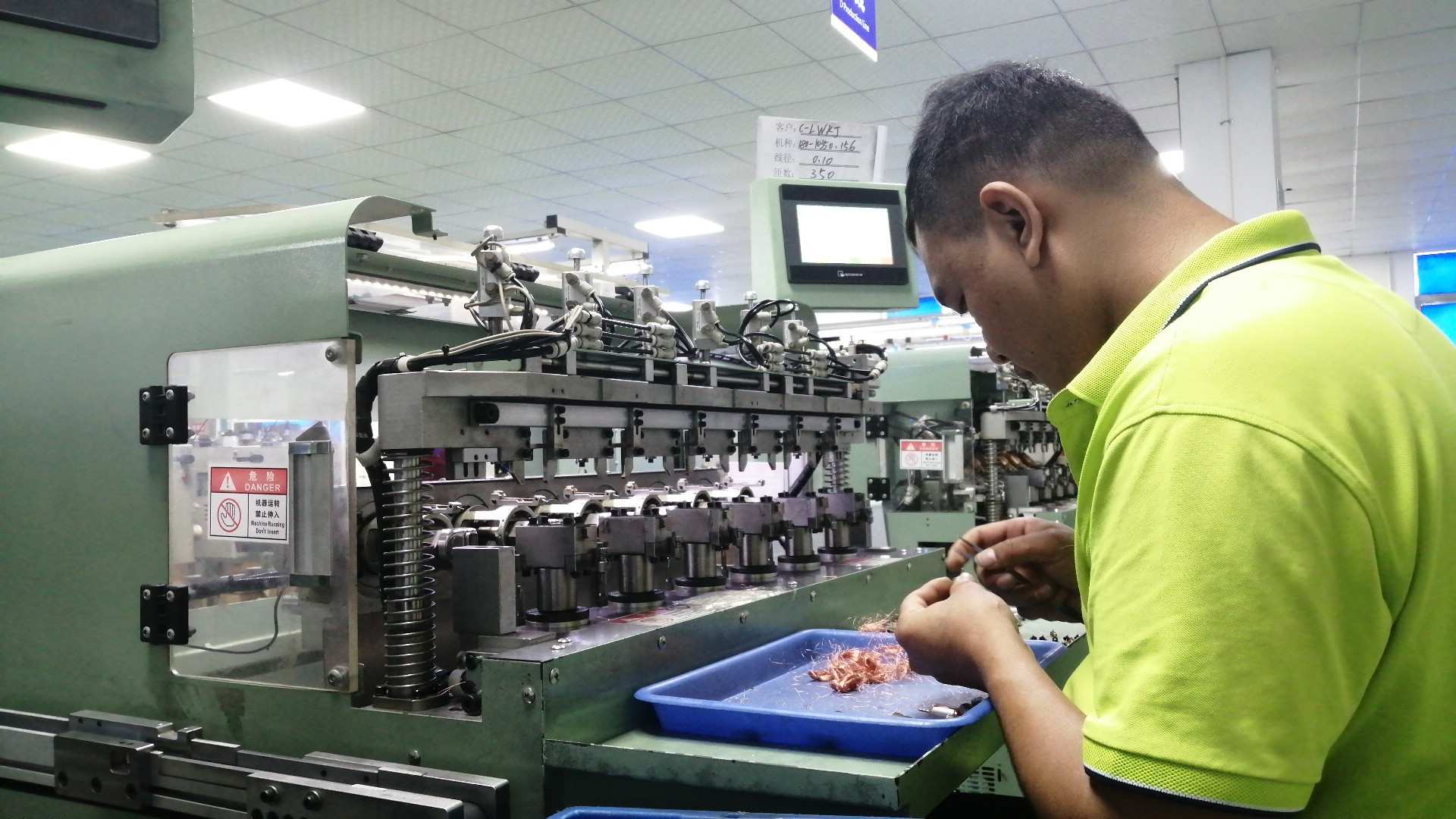
Automated precision copper distribution.
Symmetrical rotor magnet alignments.
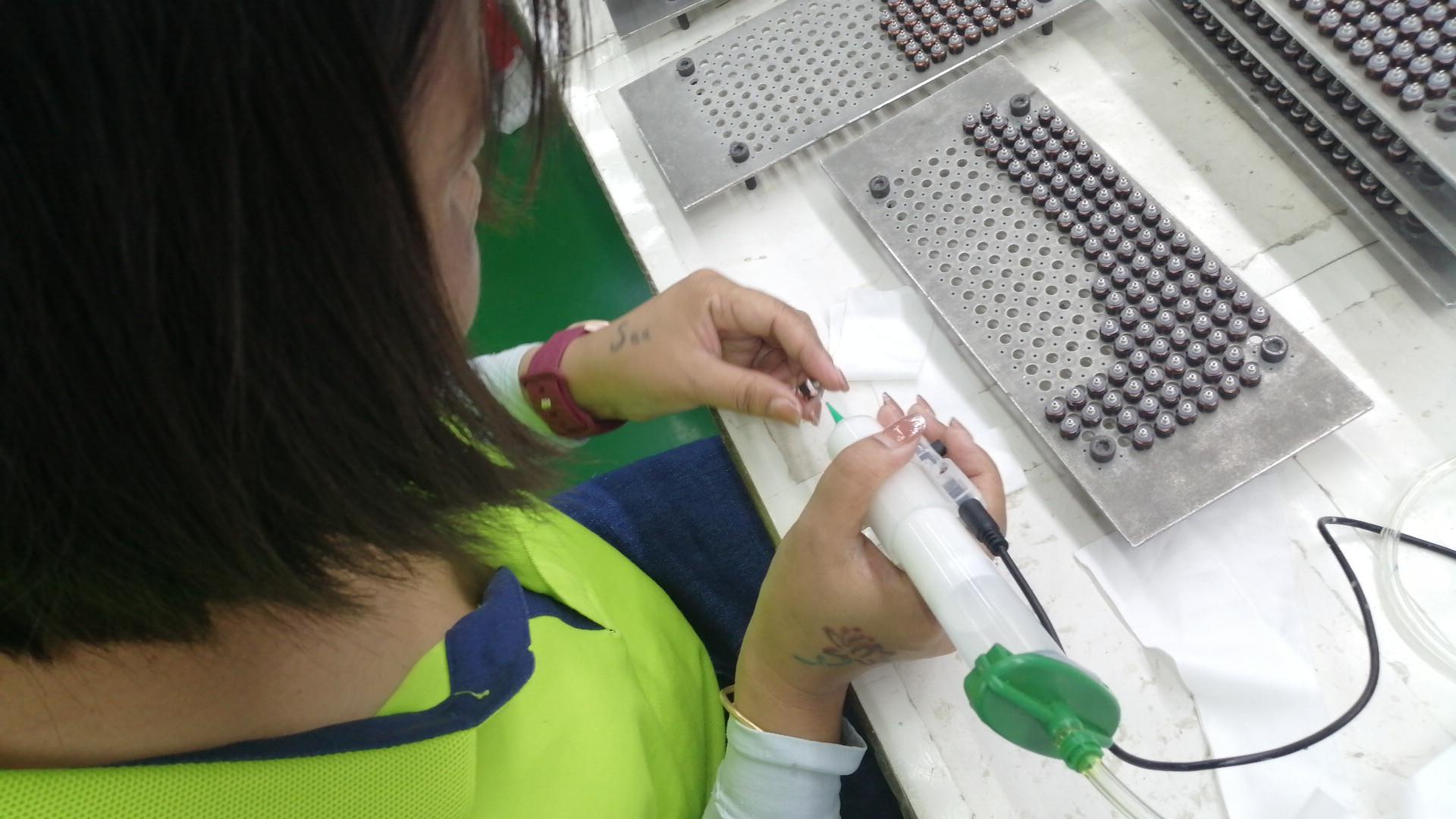
Structural bonding with specialized resins.
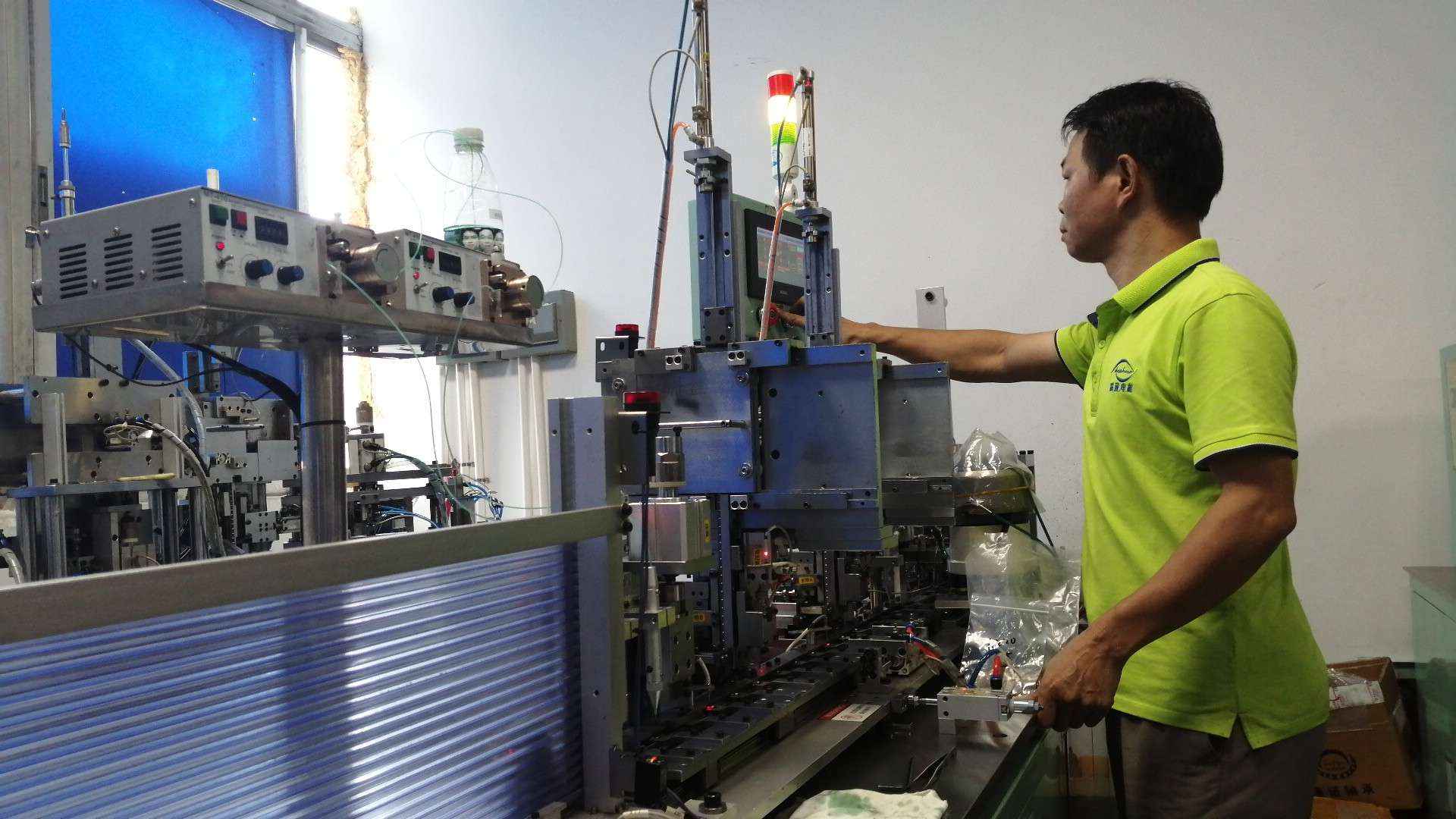
Securing bearing seats and alignment caps.
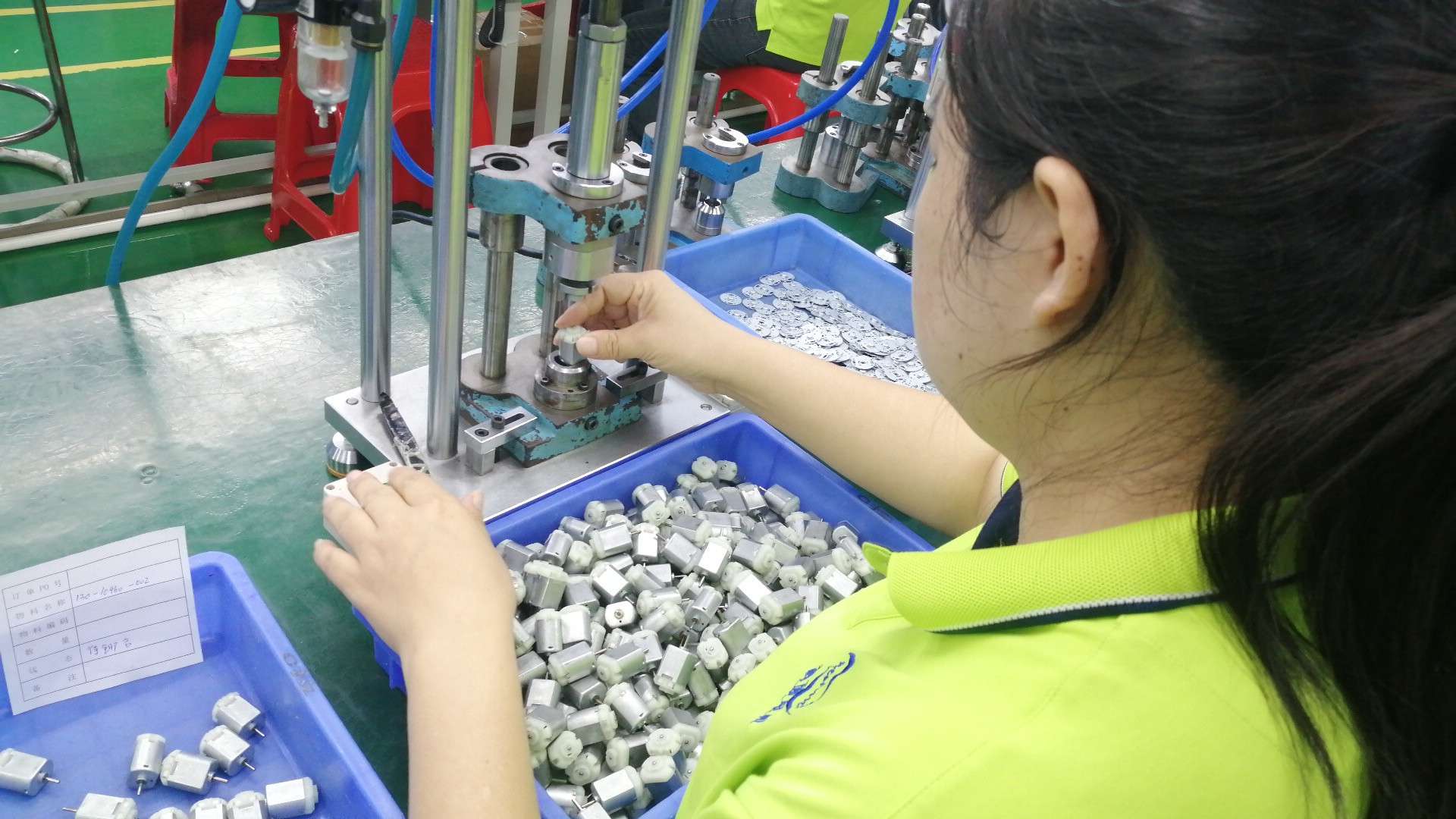
Coaxial verification for shaft and core.
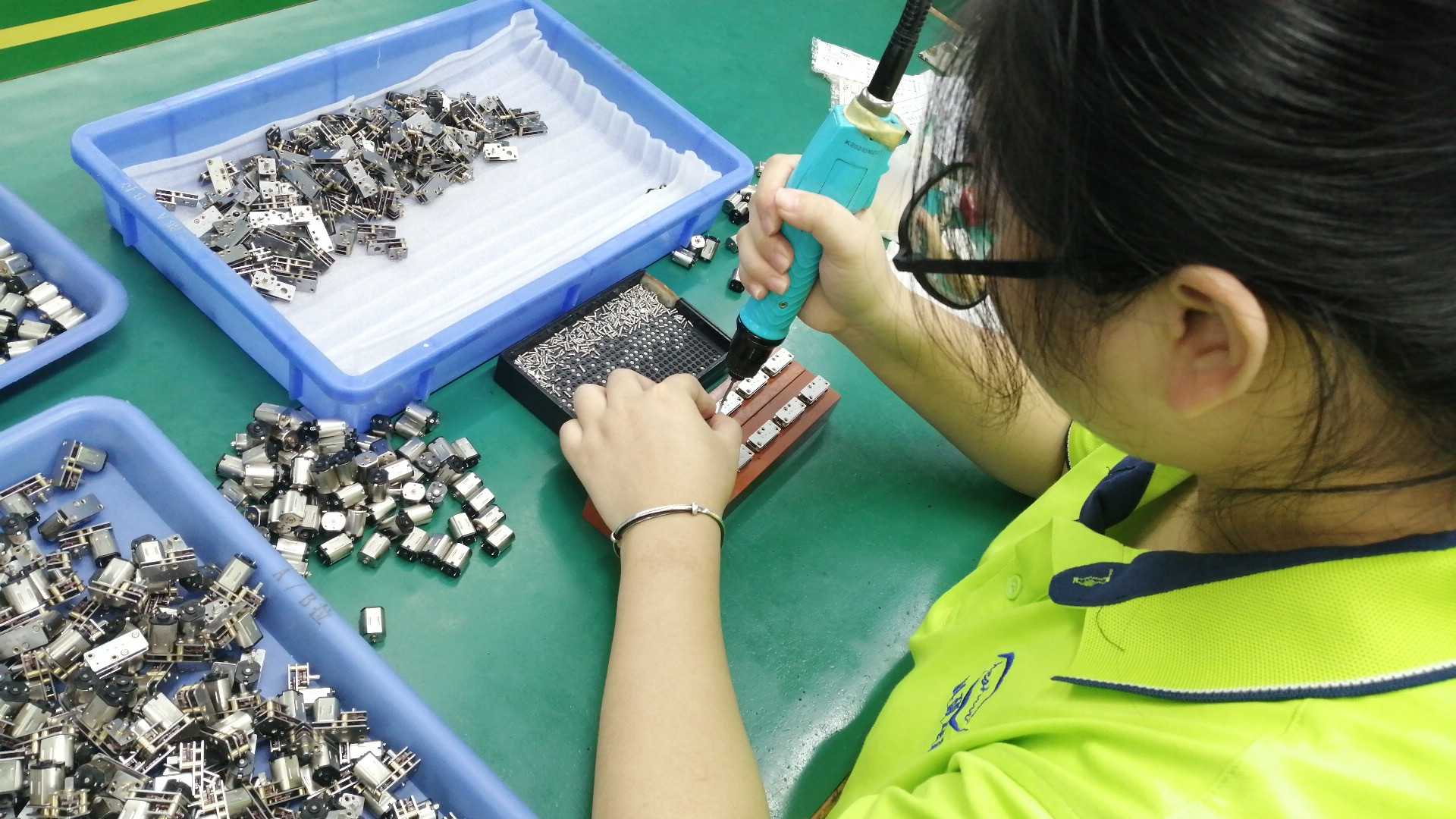
Controlled fastening at set torque limits.
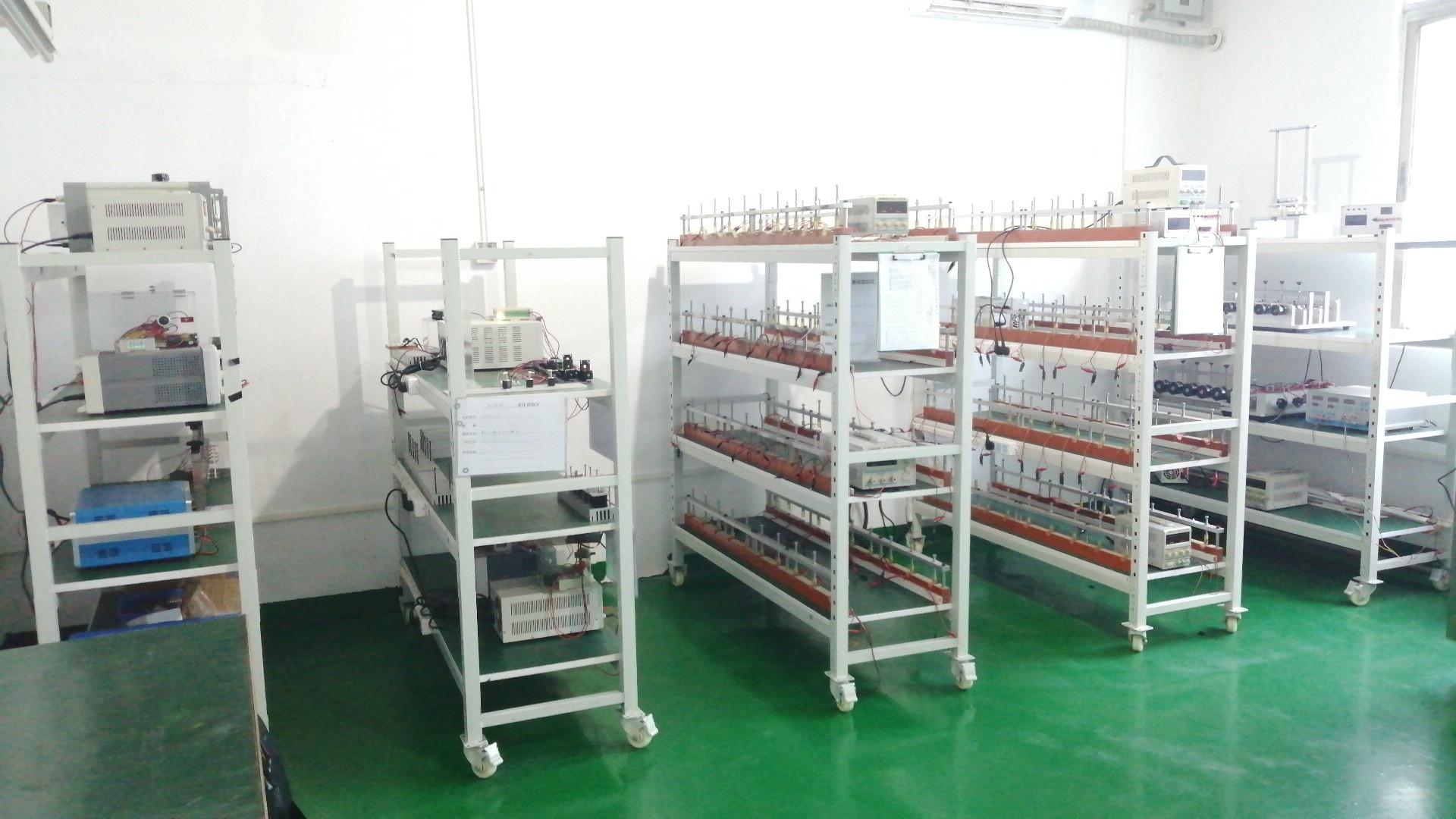
Thermal burn-in cycles for stability check.
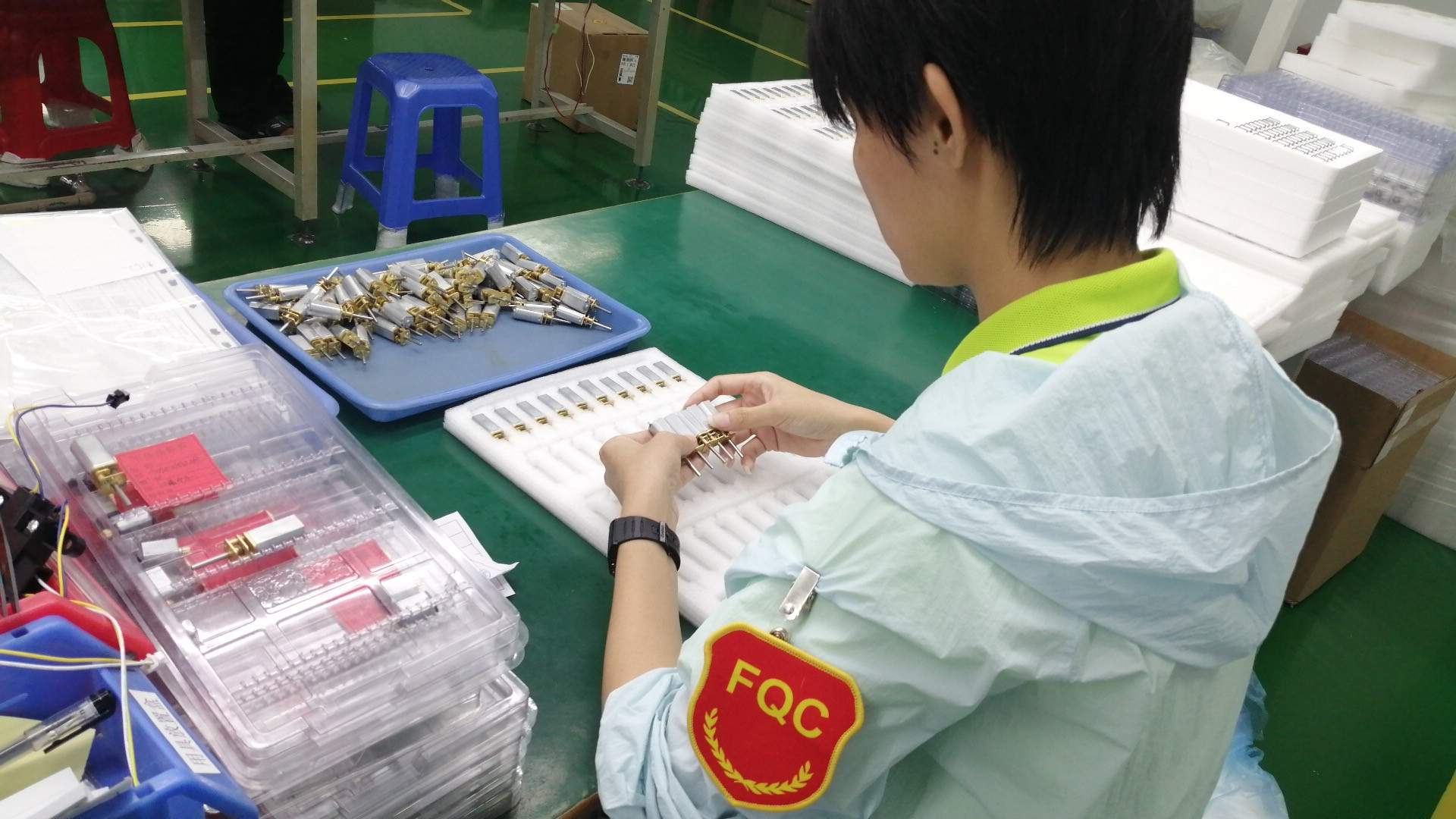
Post-assembly dimensional validation.
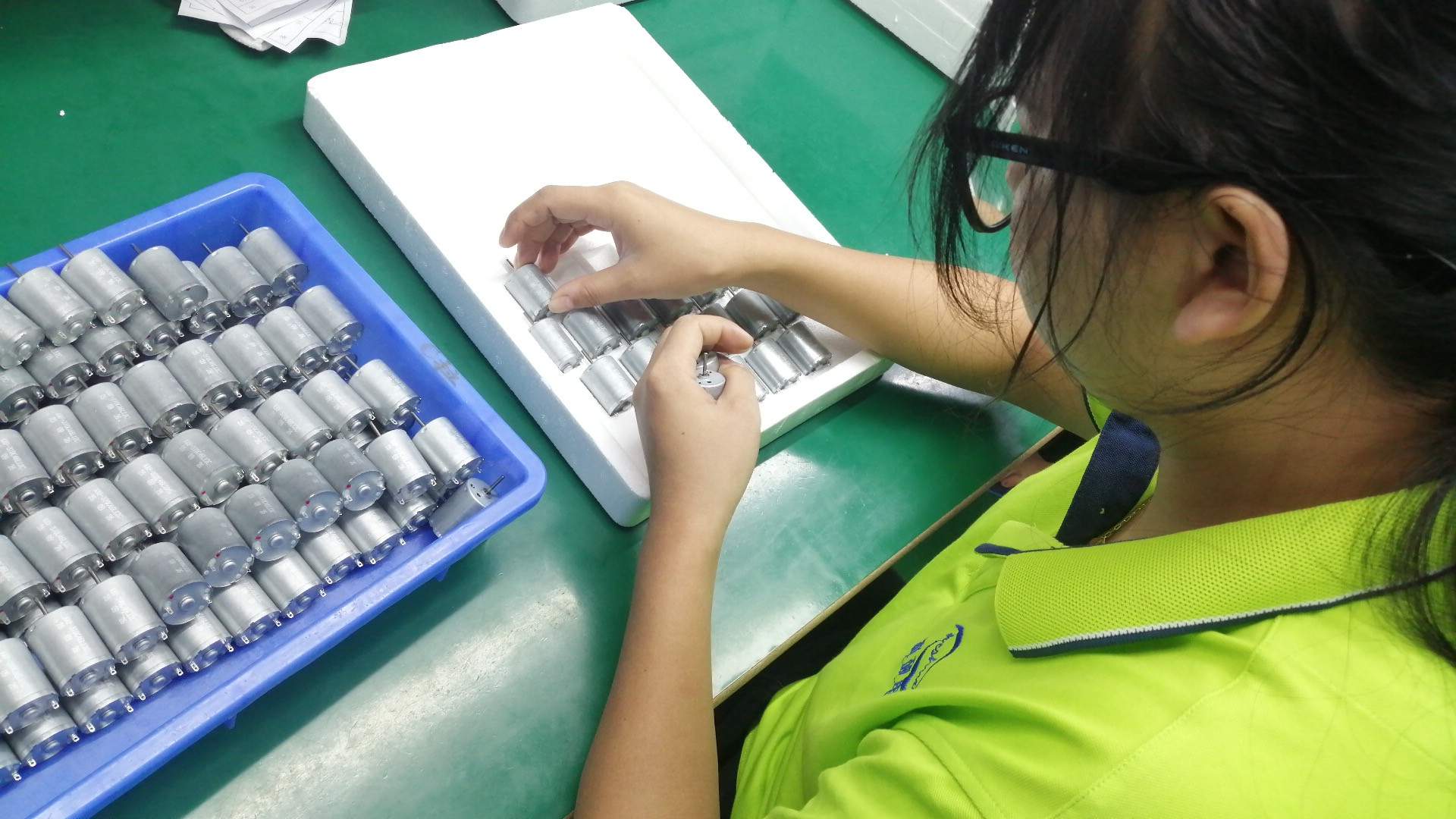
Anti-static protective packaging.
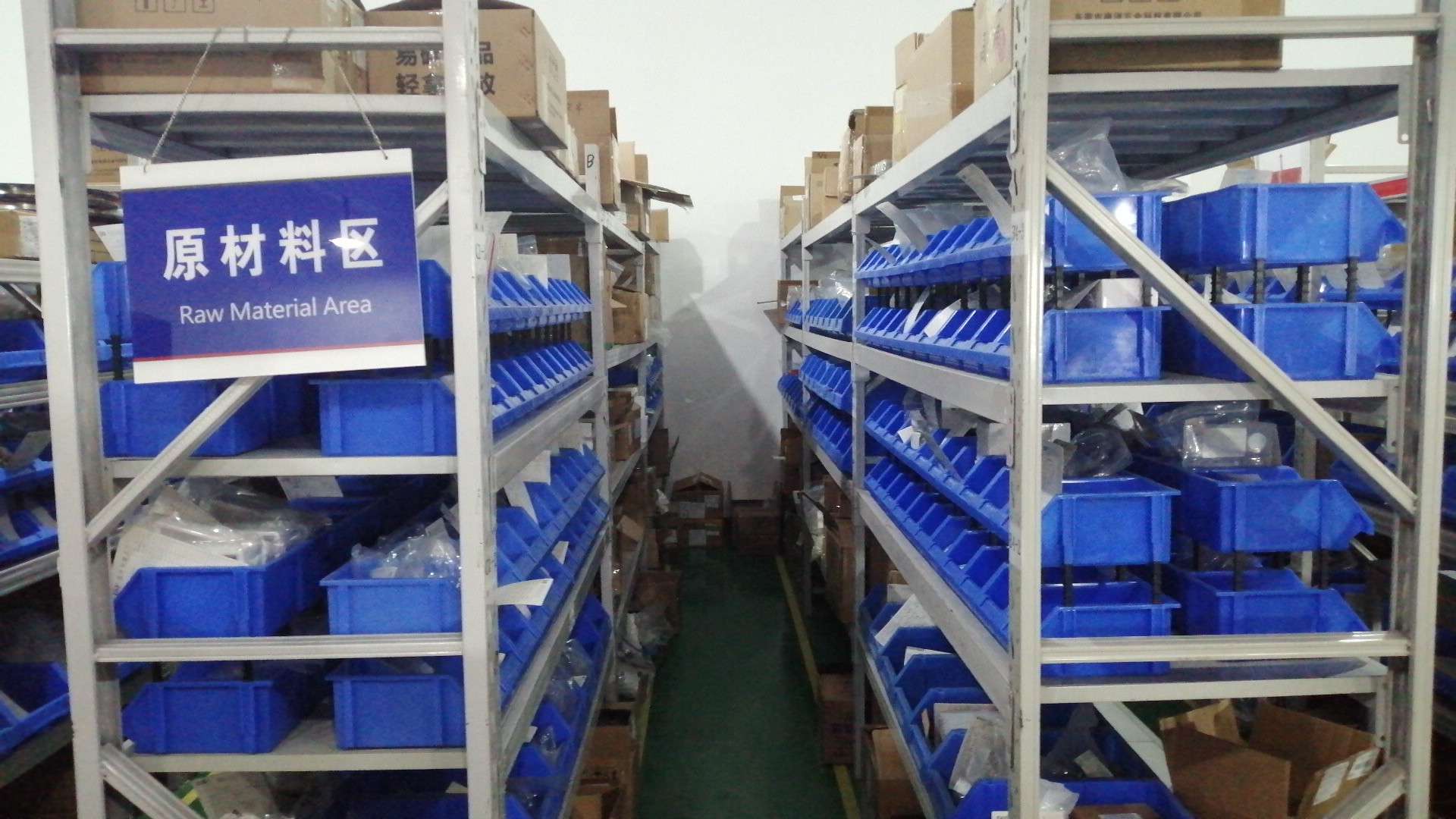
Incoming material inspection protocols.
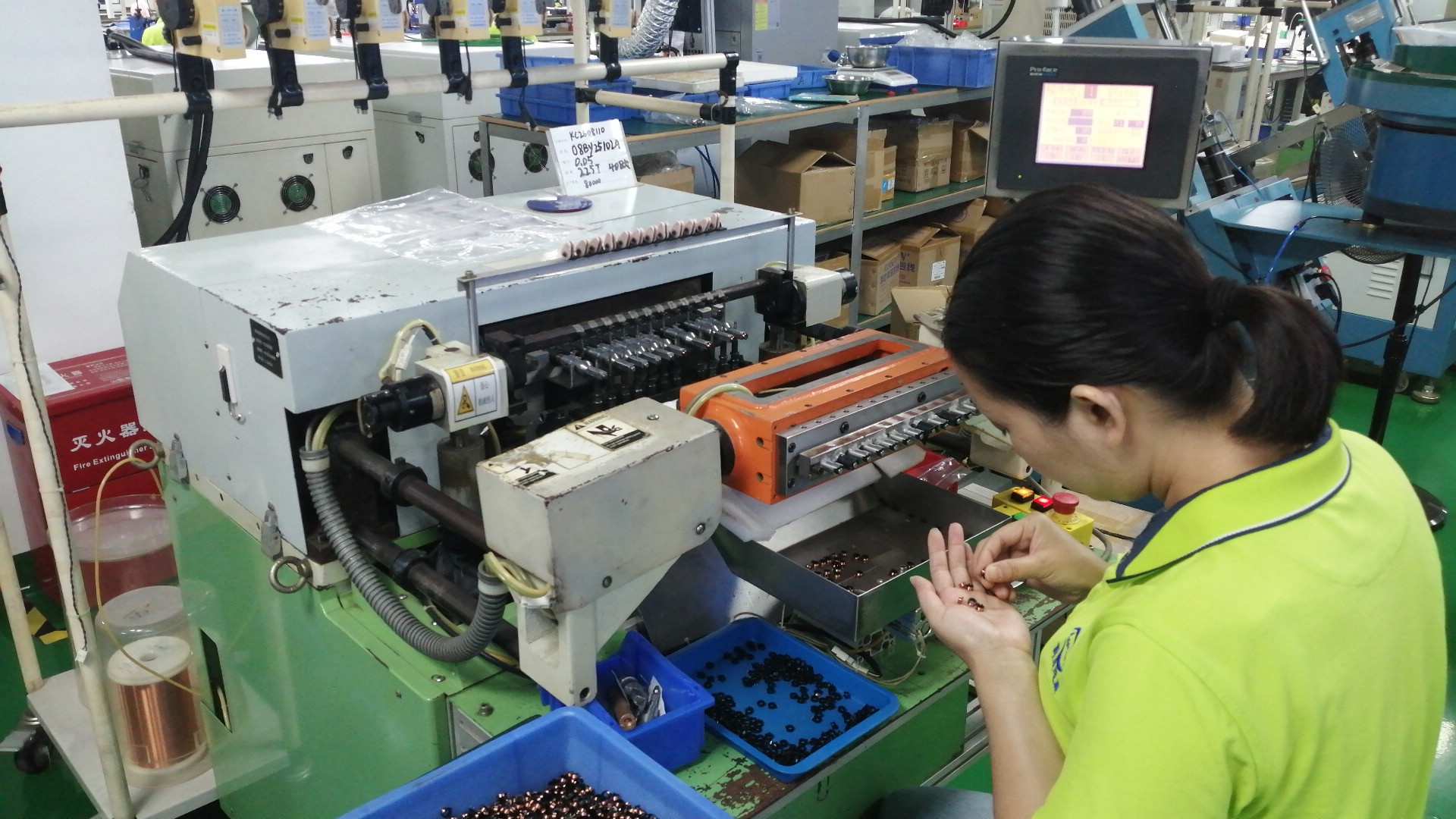
High-density layered copper winding.
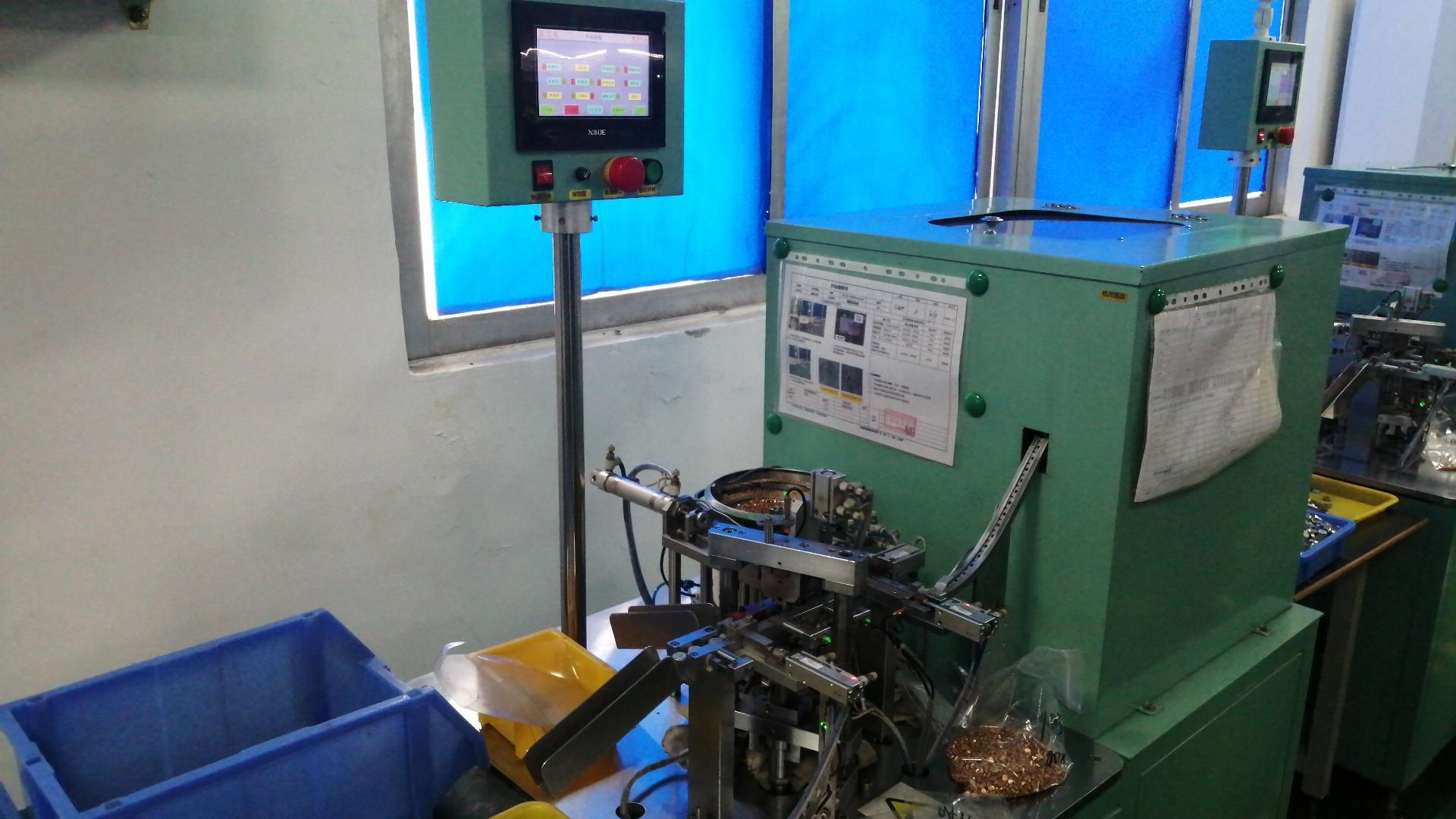
Hydraulic press-fit controls.
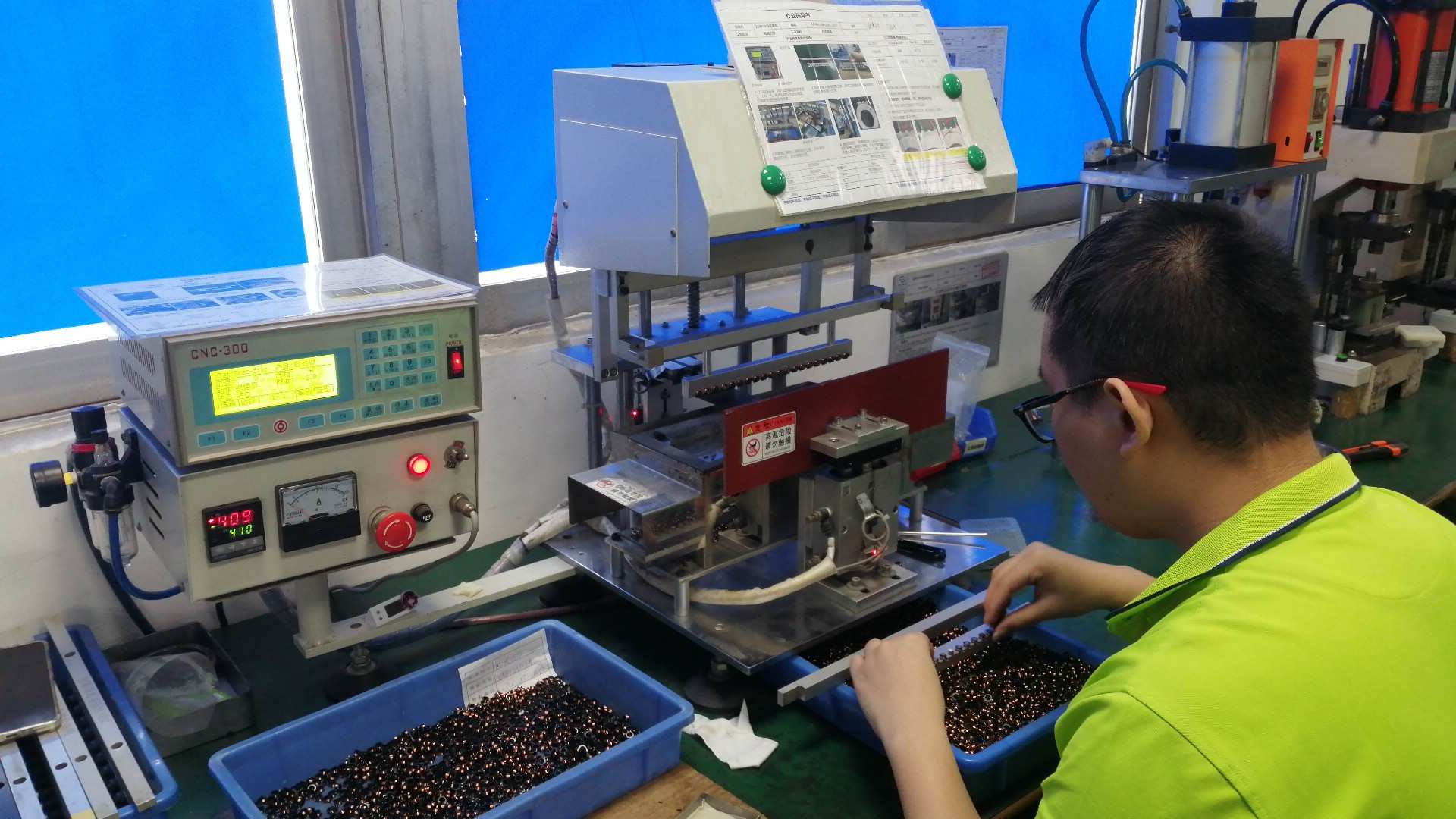
Closed-loop thermal soldering heads.
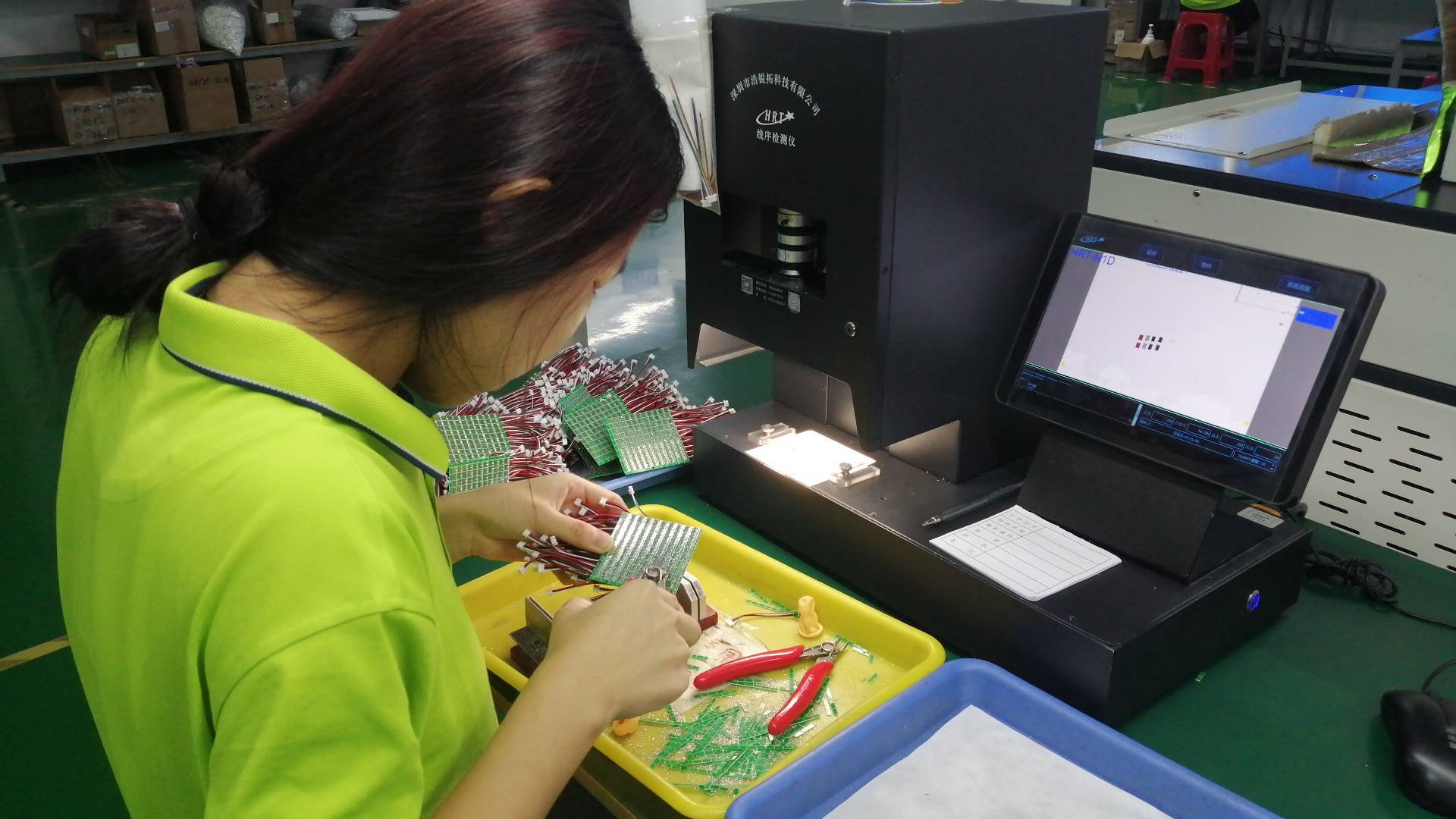
Automated custom shaft trimming.
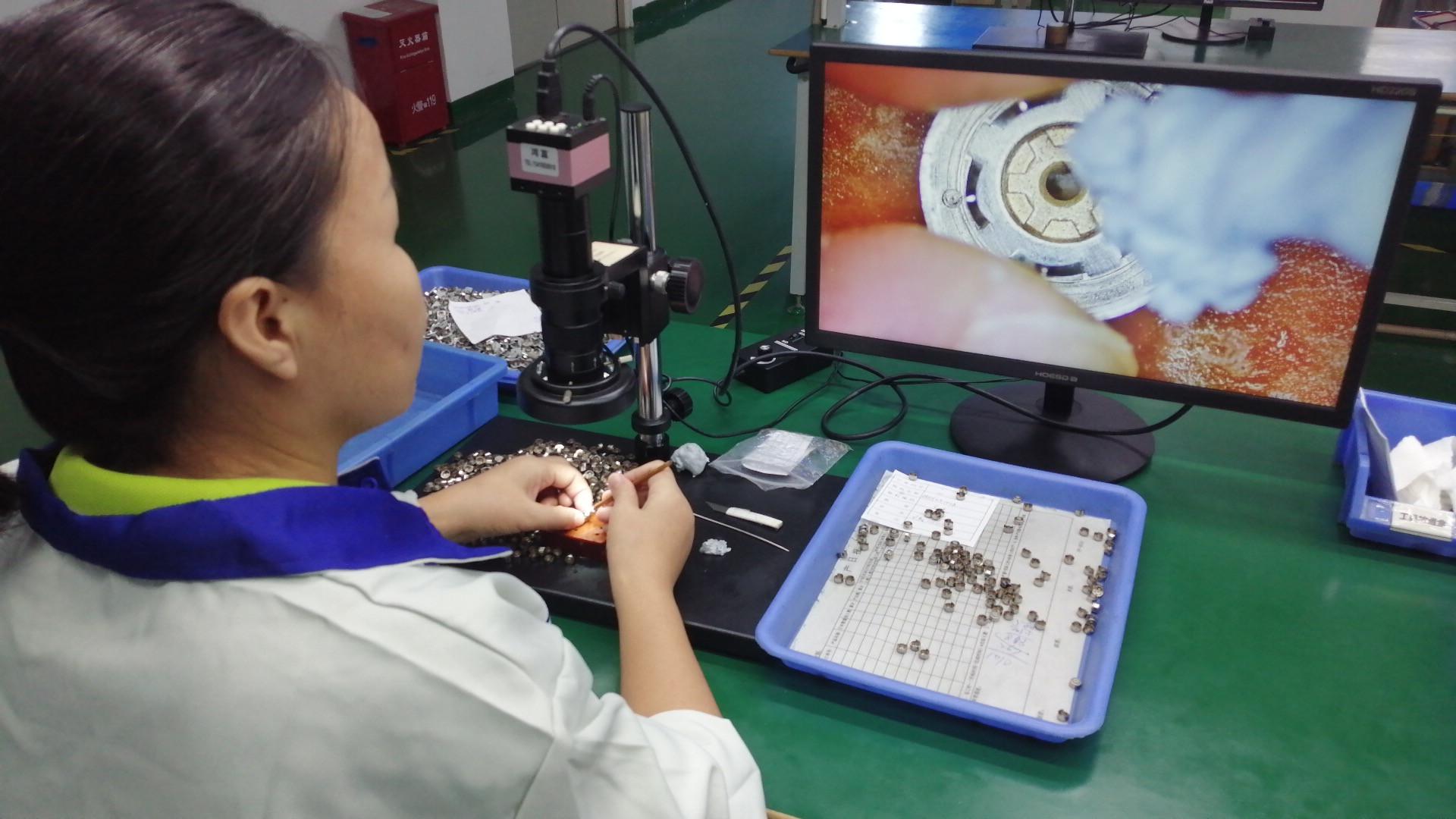
Particulate and oil residue removal.
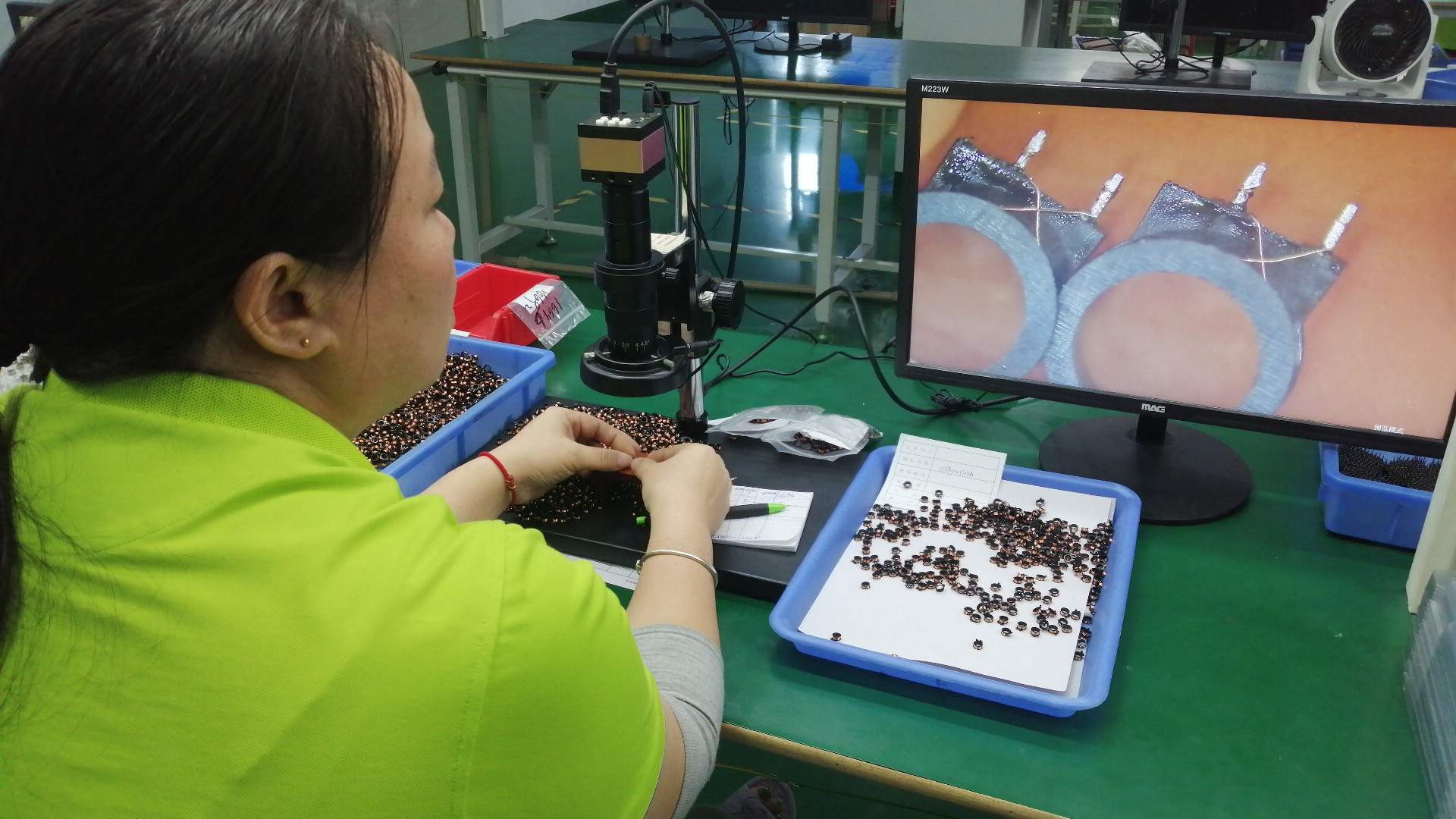
Optical measurement systems.
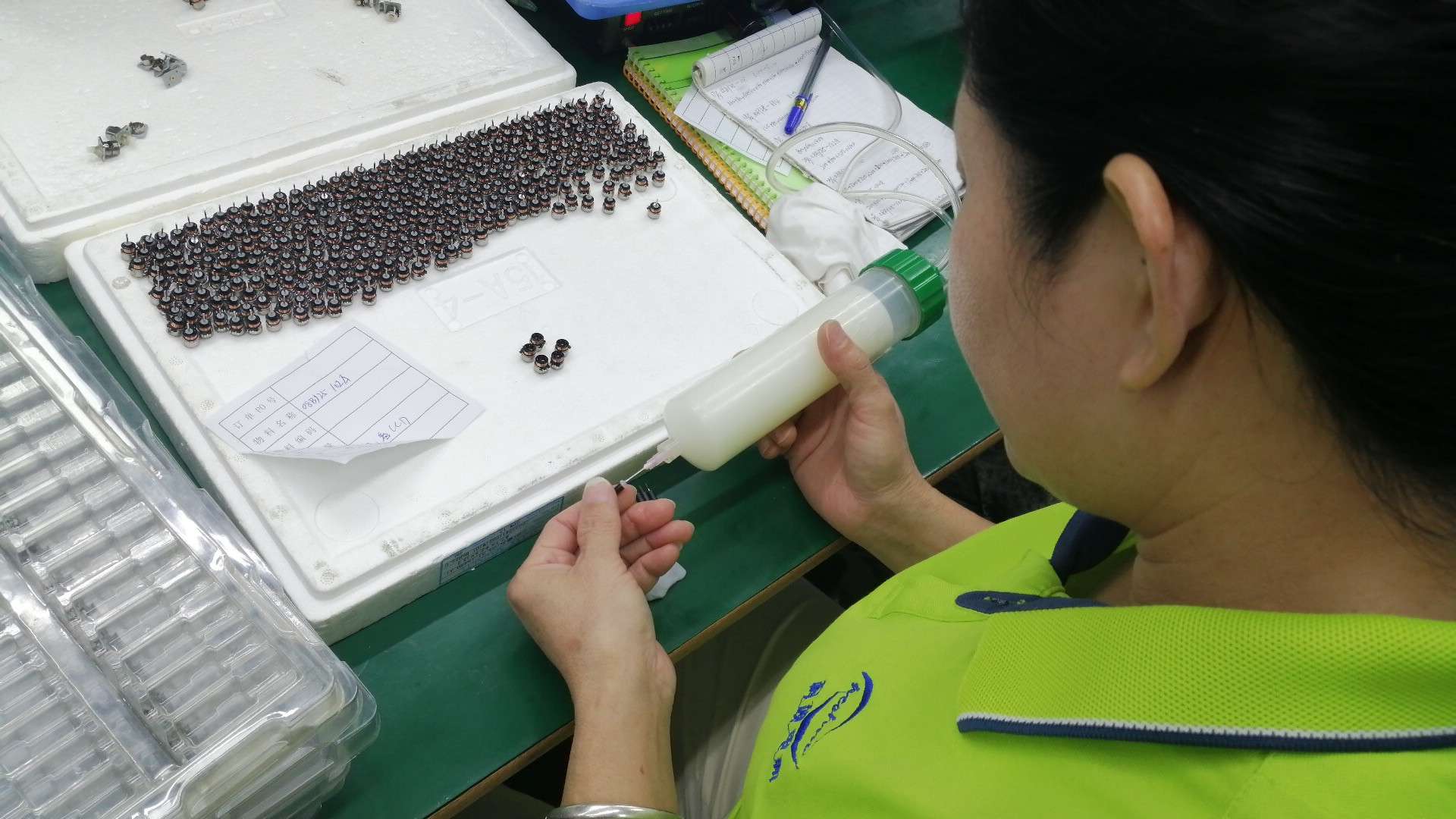
Sub-microliter adhesive application.
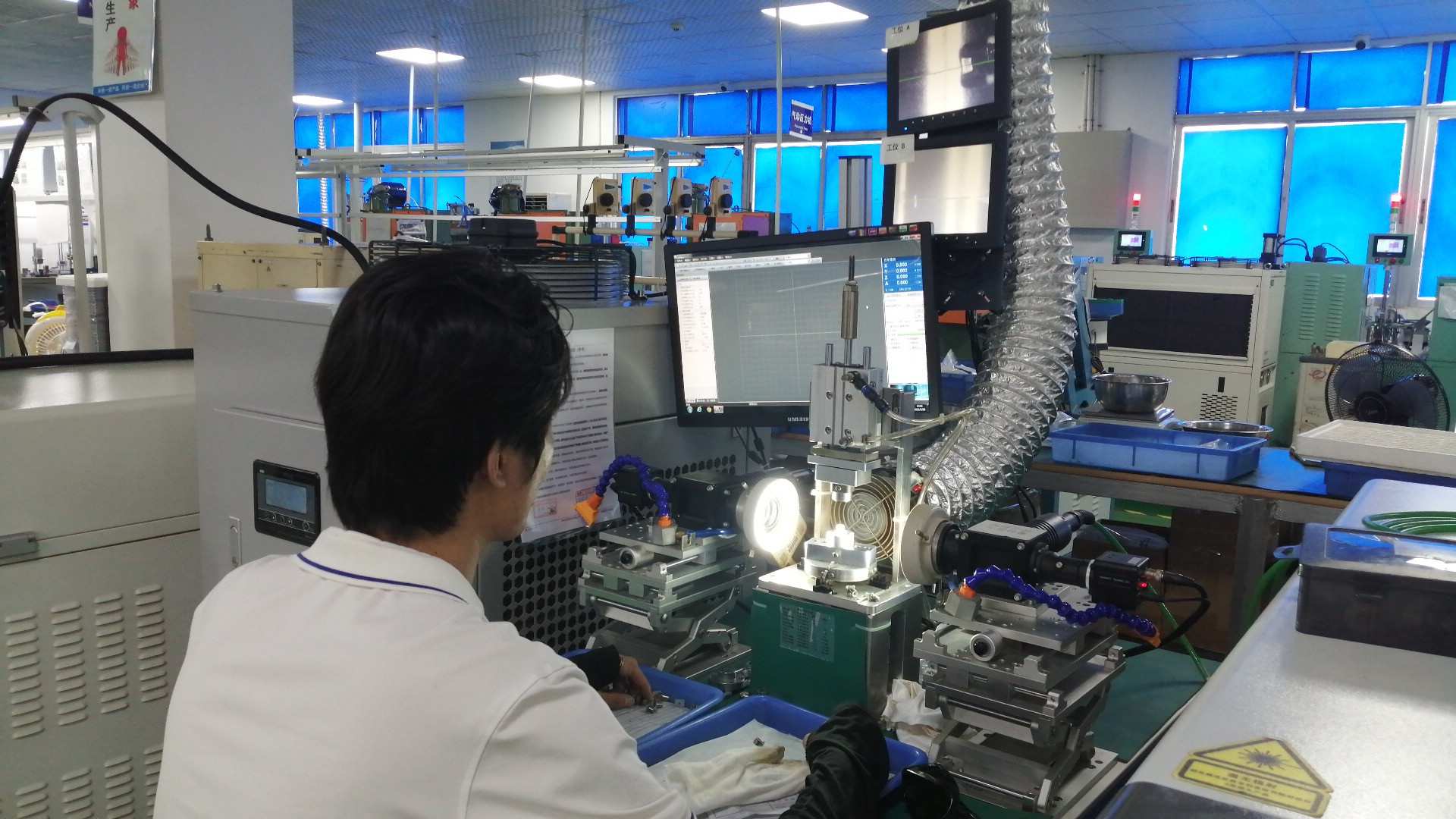
Thermal-stress-free weld joints.
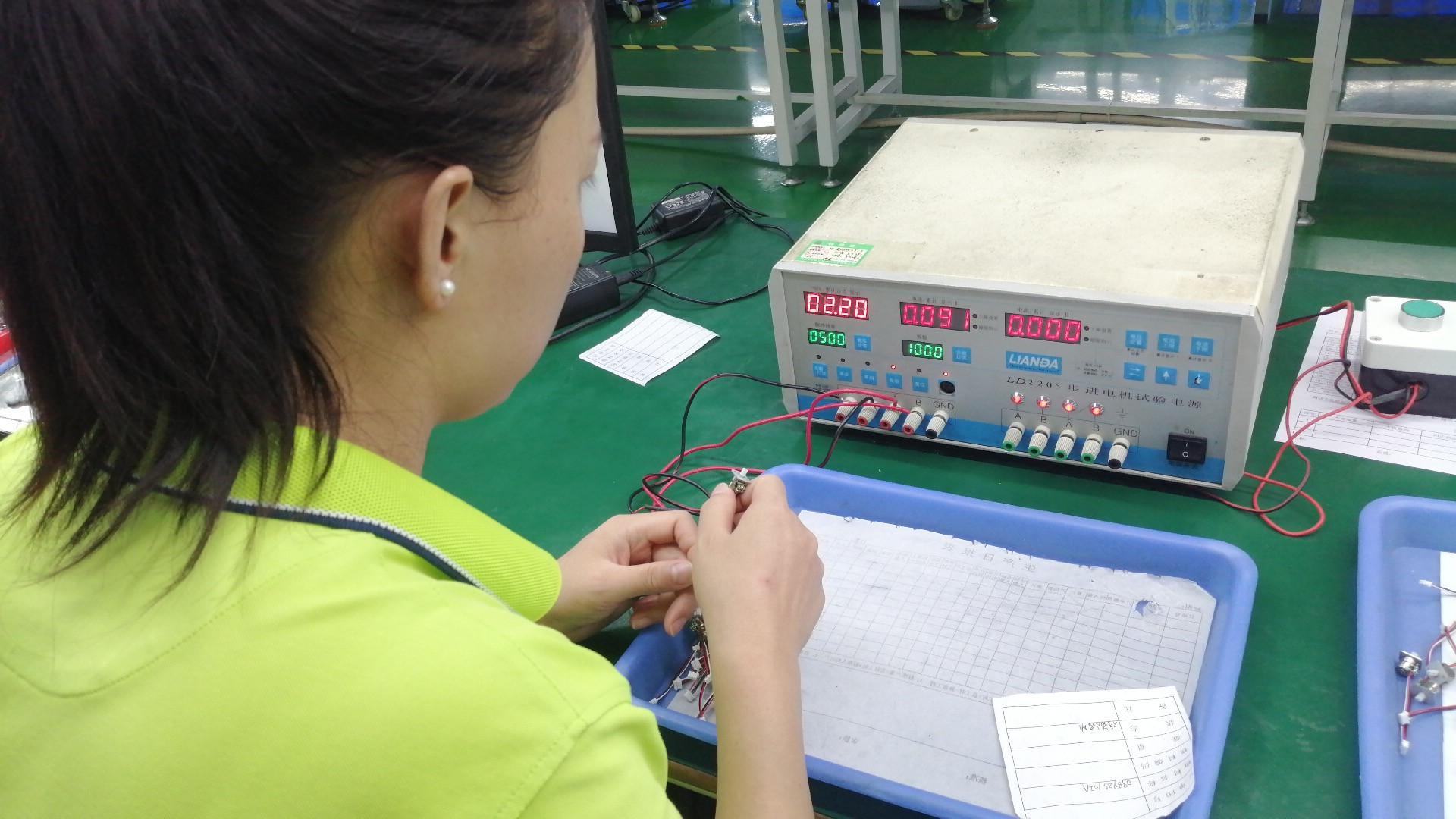
Rotor alignment validation.
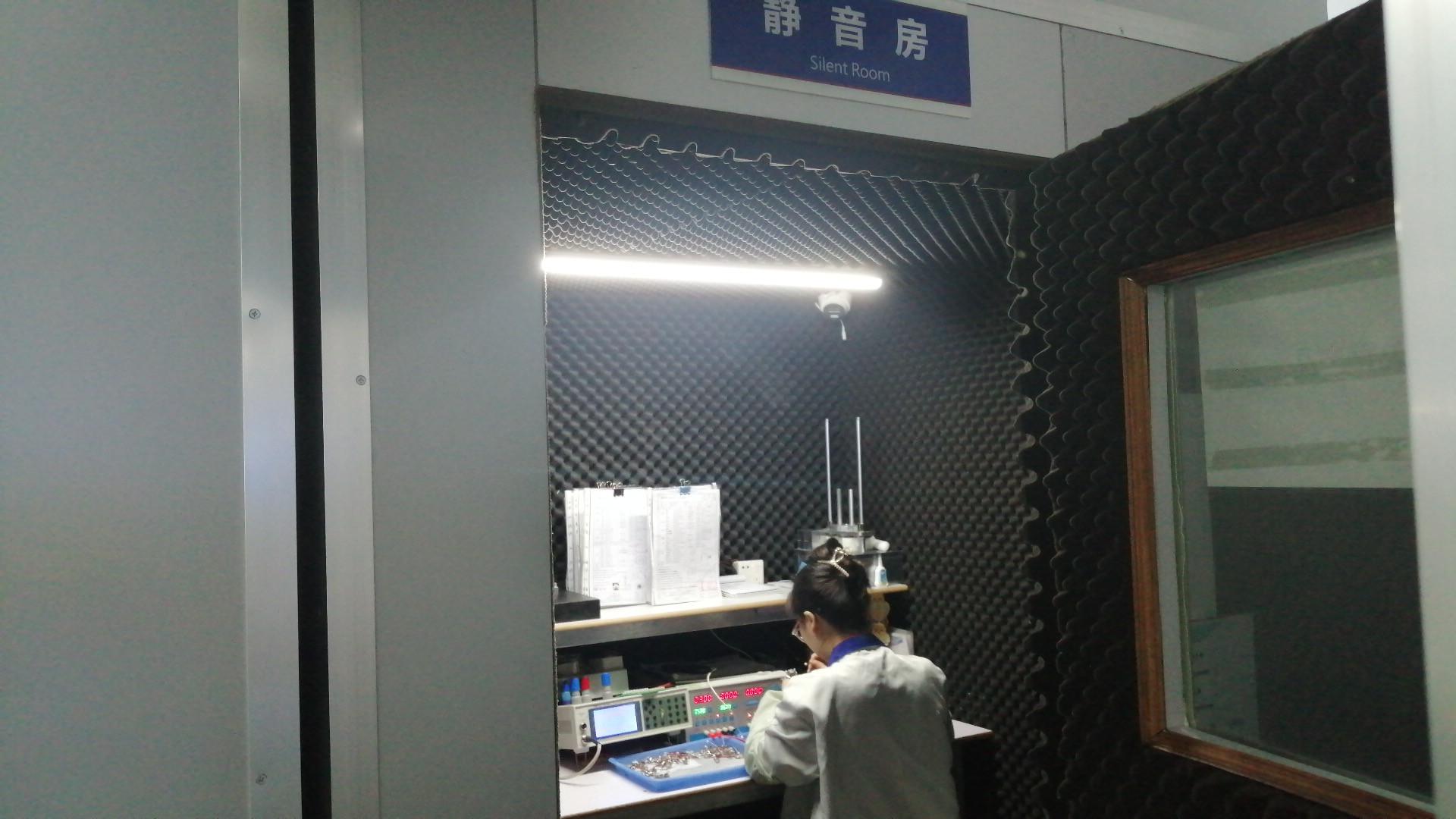
Sound level validation in anechoic chambers.
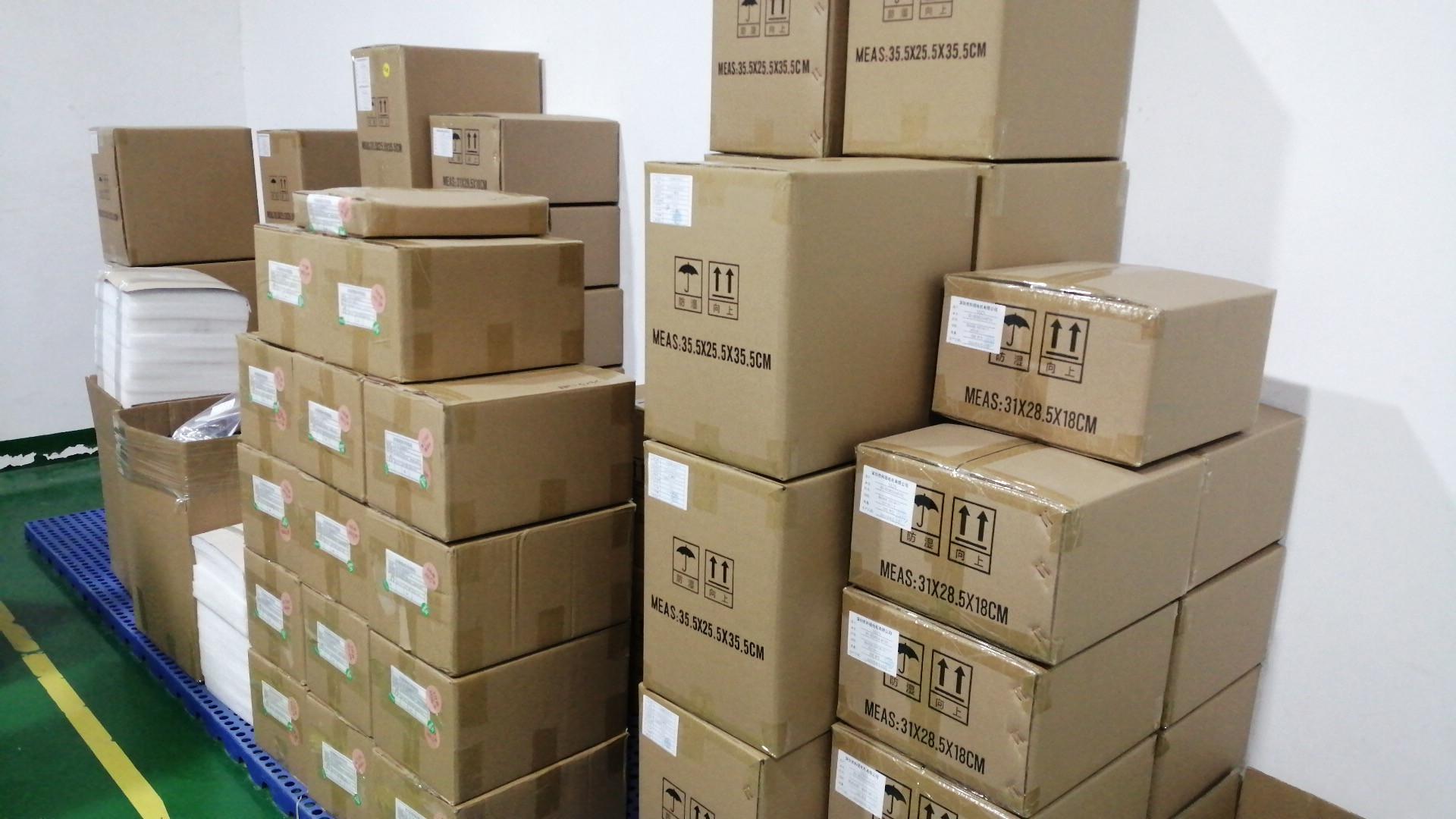
Humidity-controlled inventory systems.
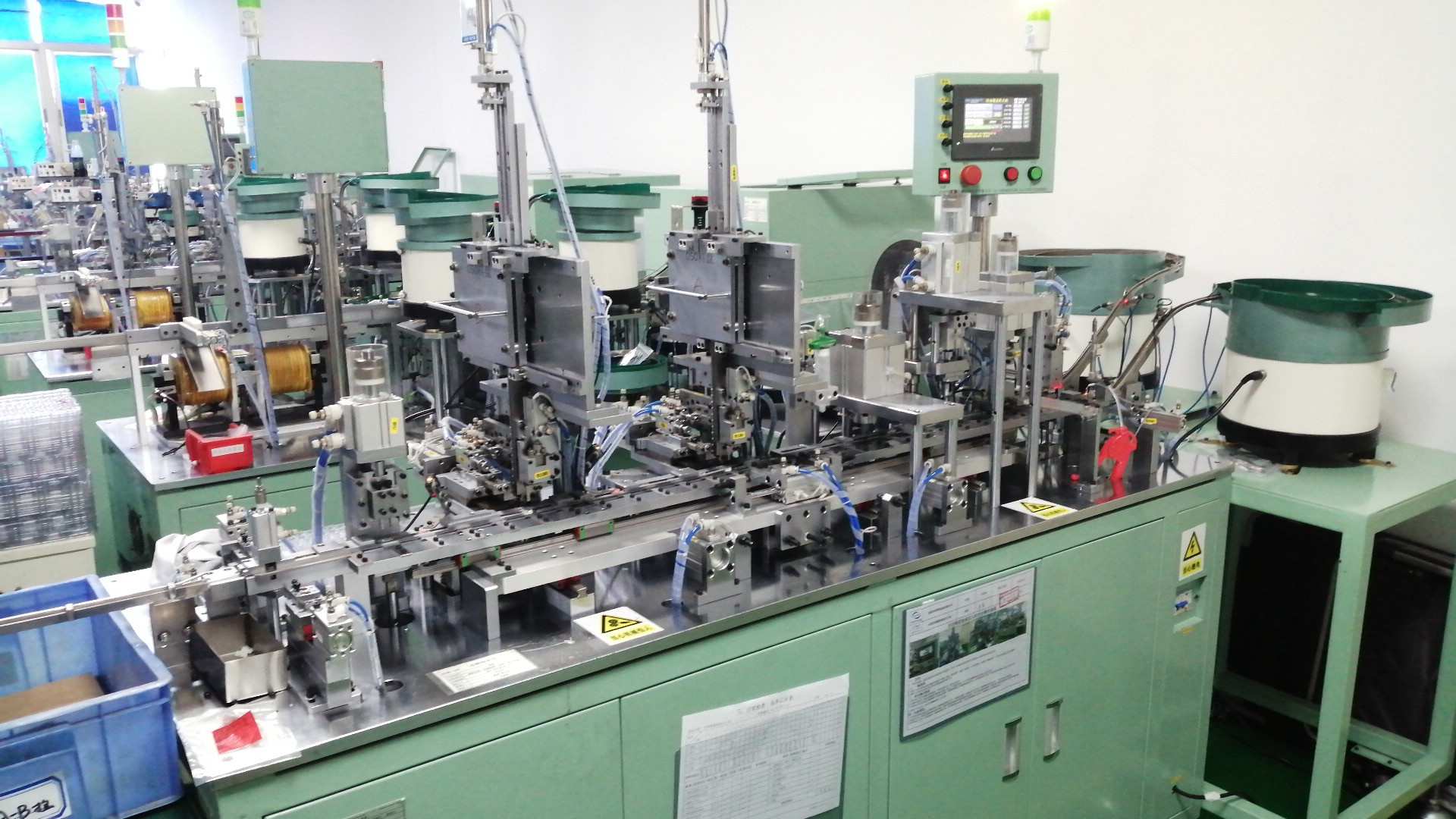
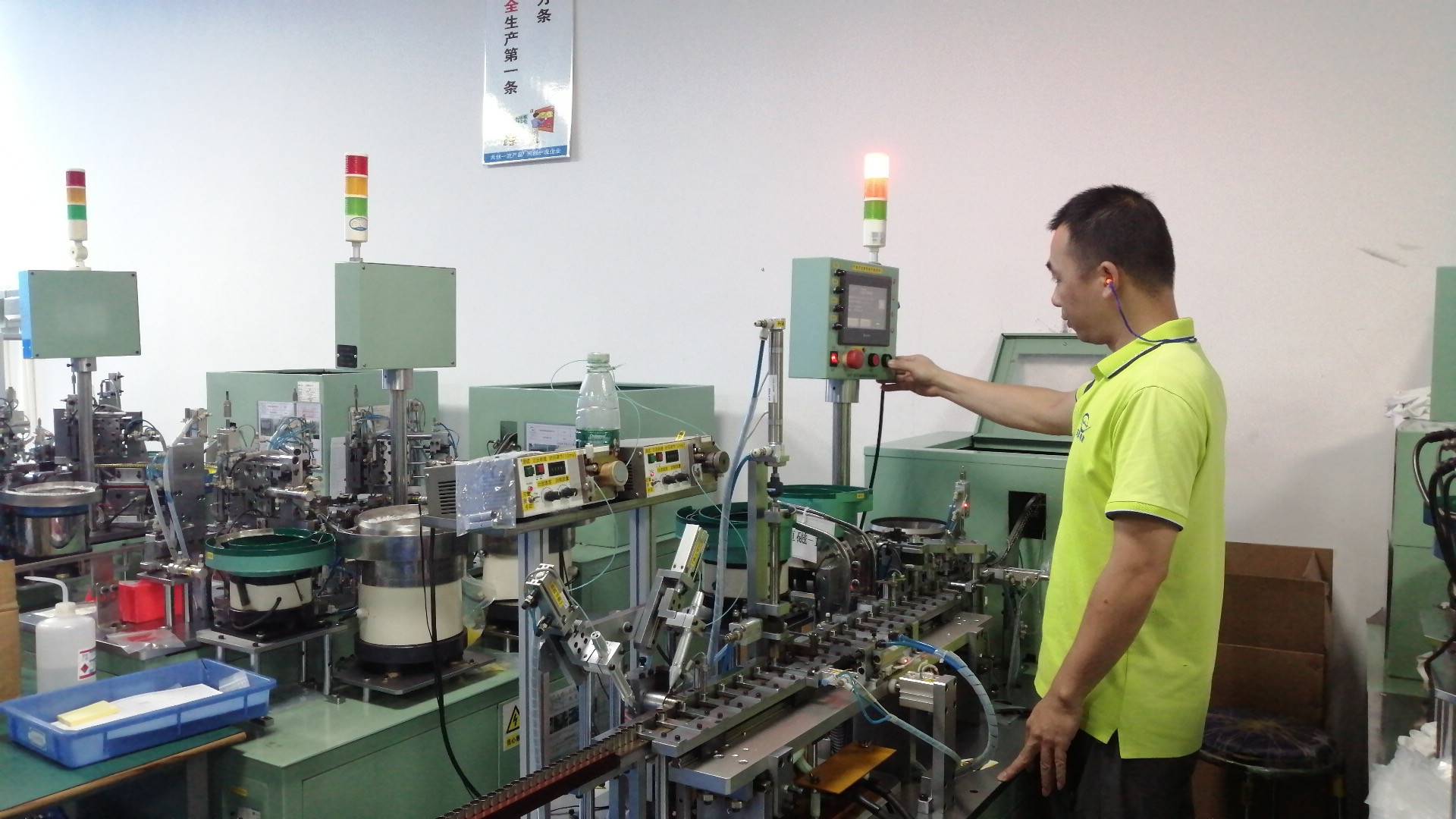
PLC-controlled assembly steps.
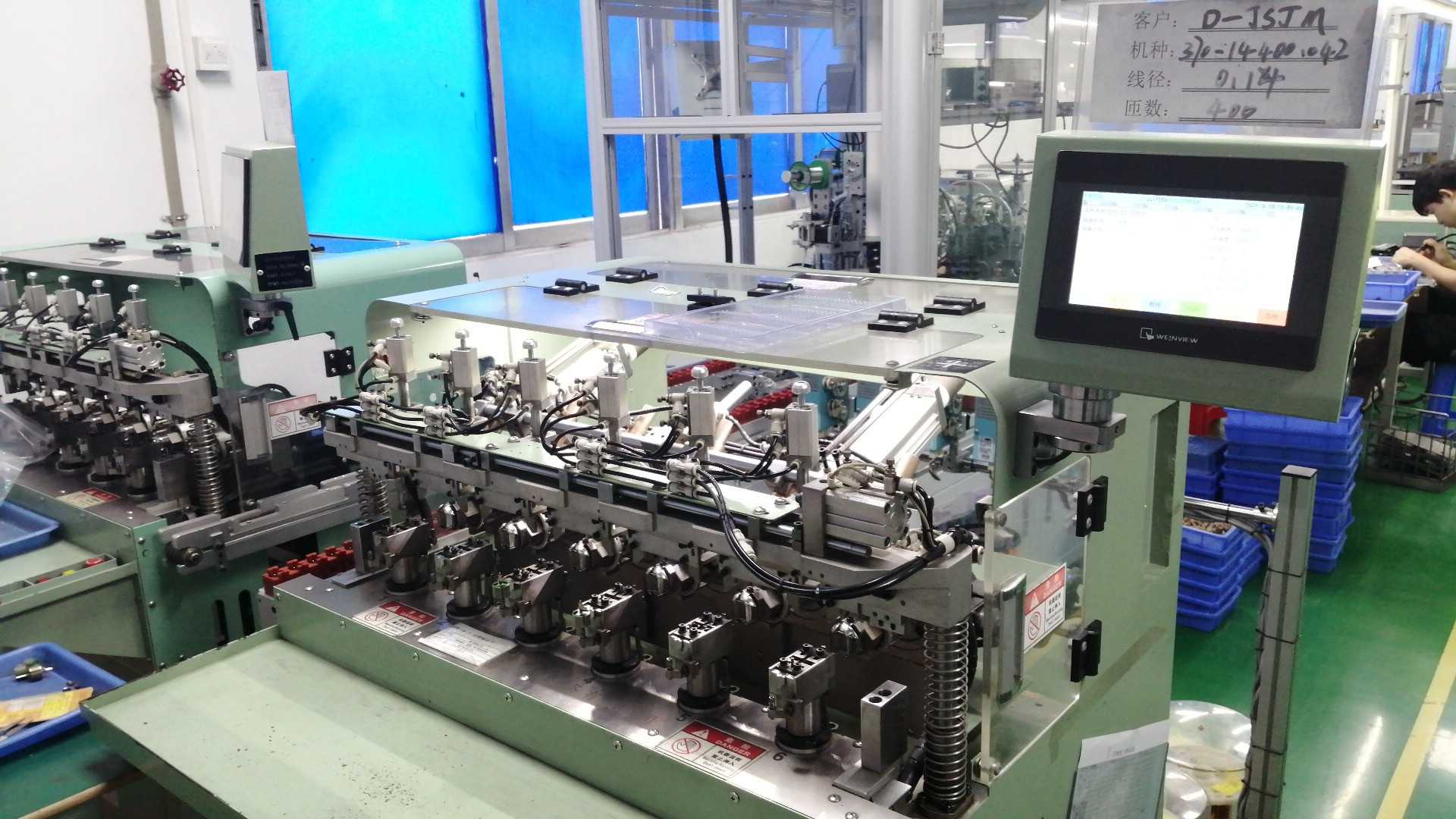
Multispindle winding stations.
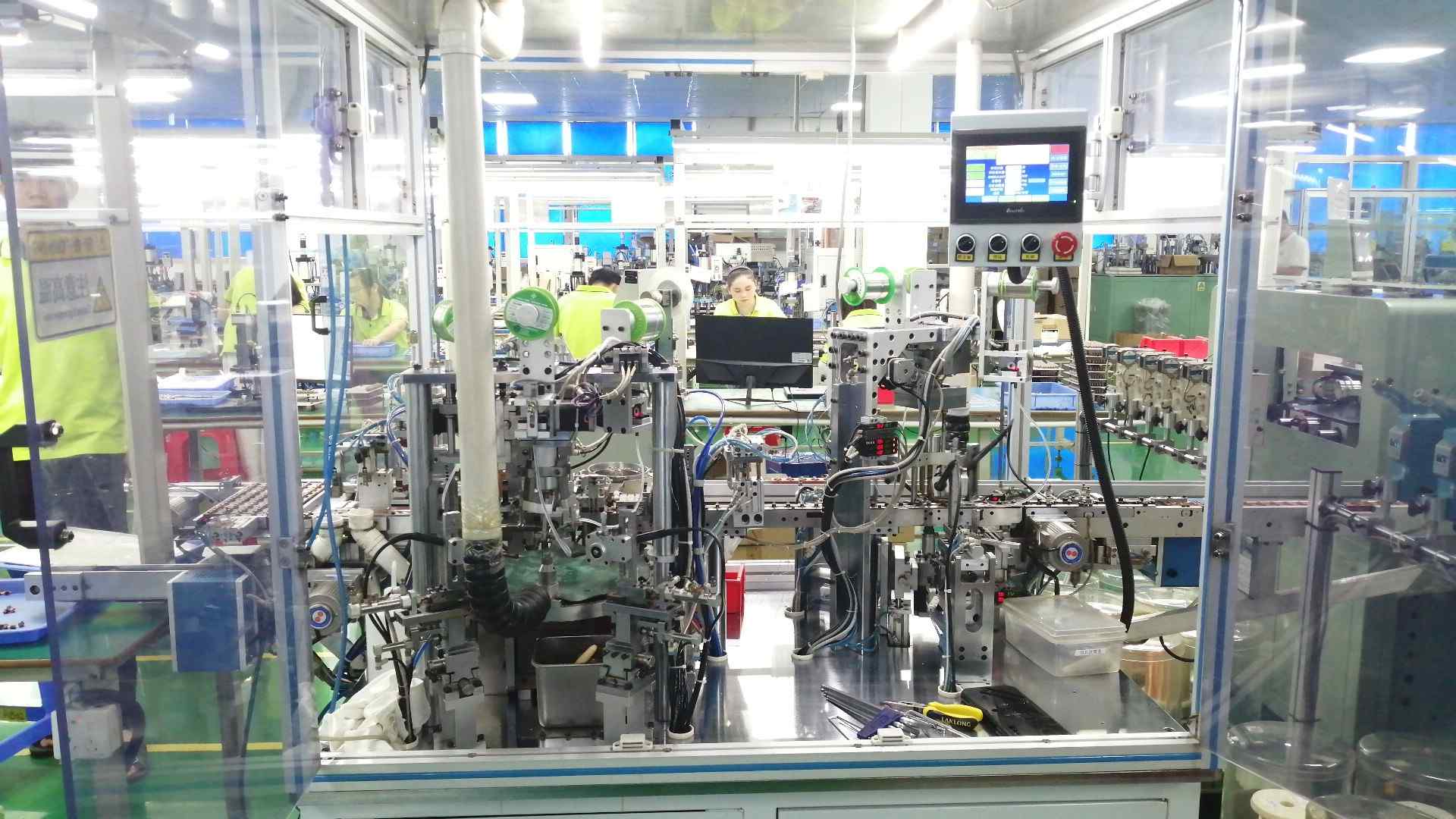
Uniform PCB pad connection control.
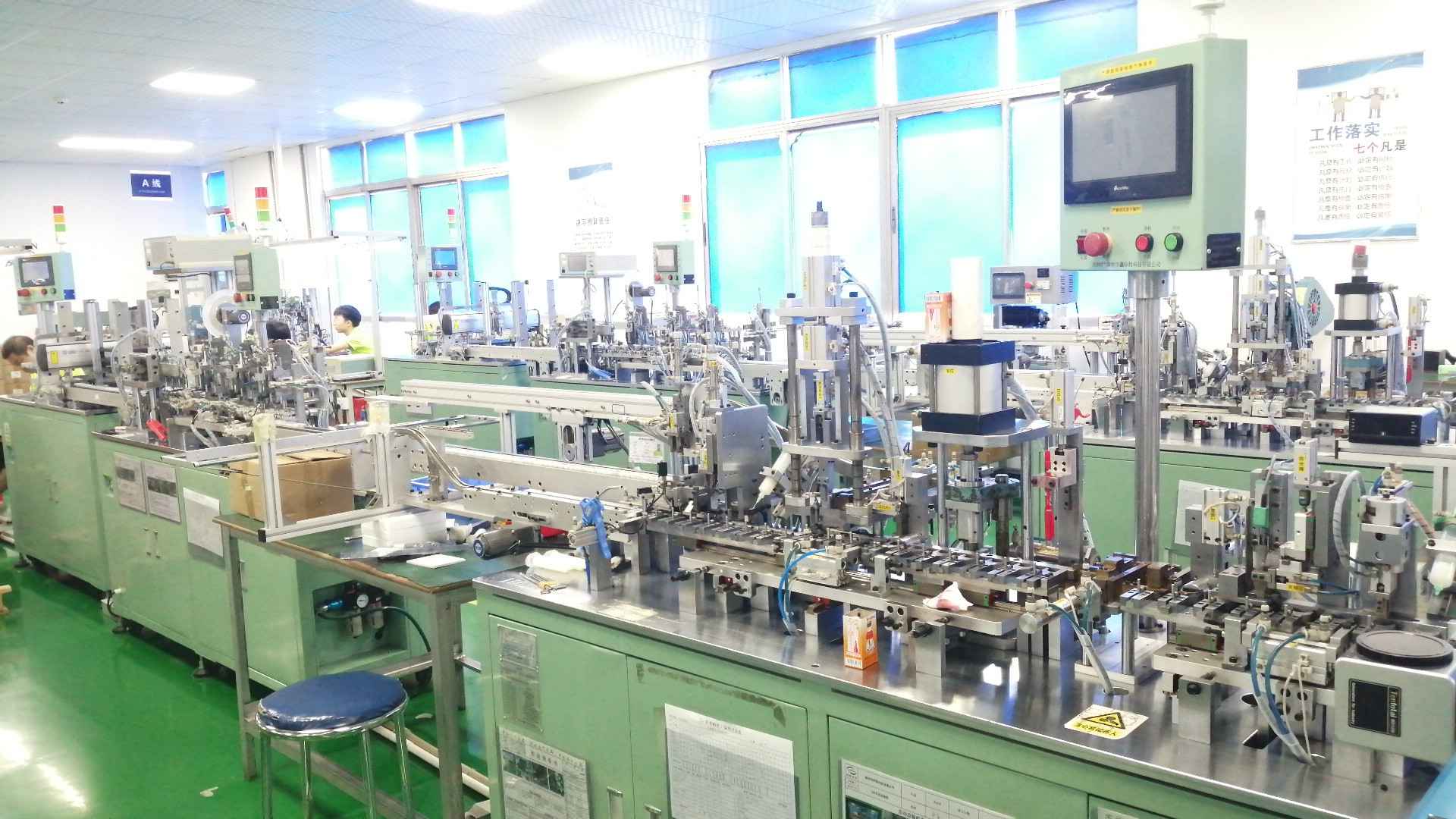
Monitored mechanical transfer paths.
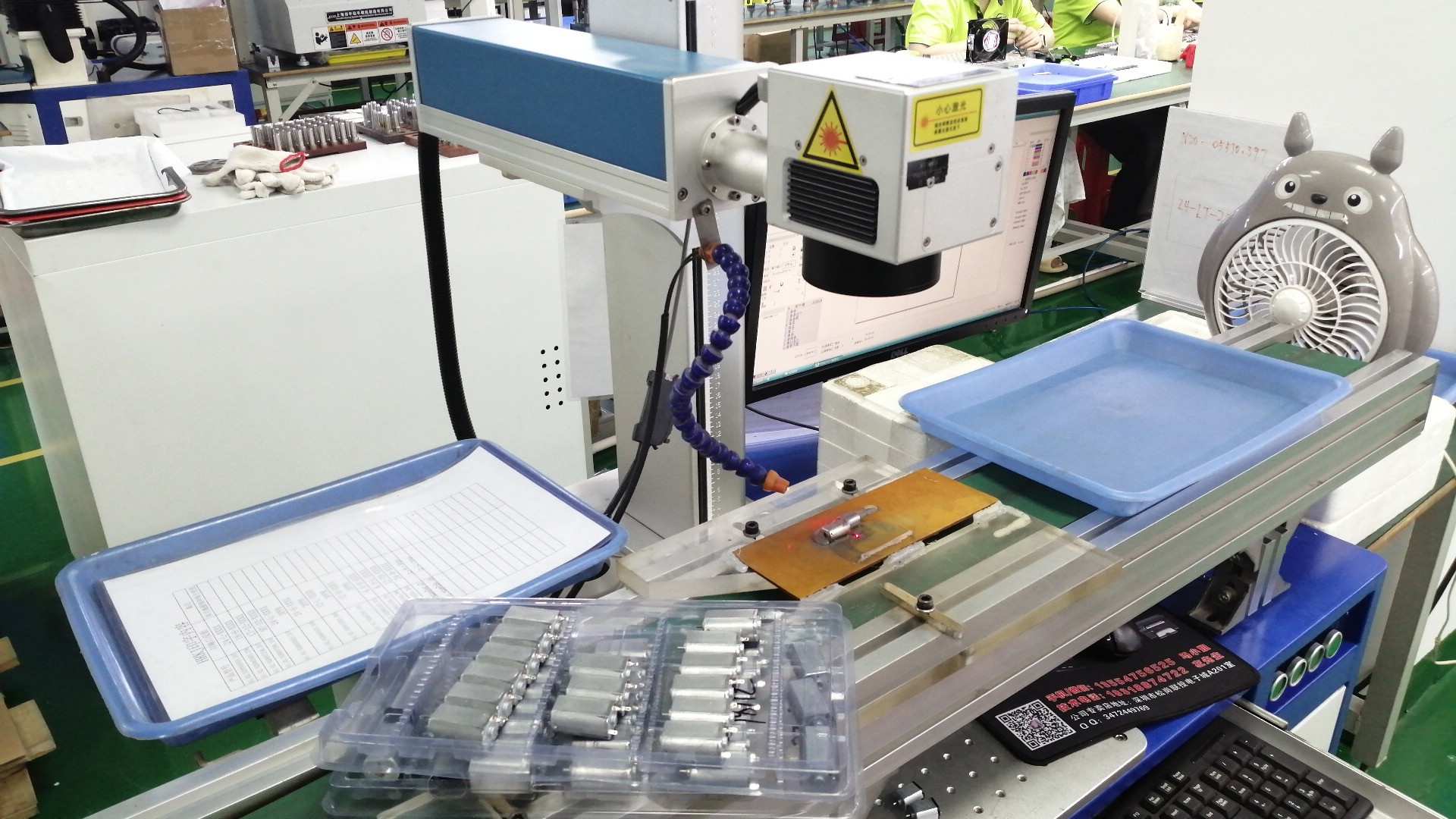
Permanent batch tracking markings.
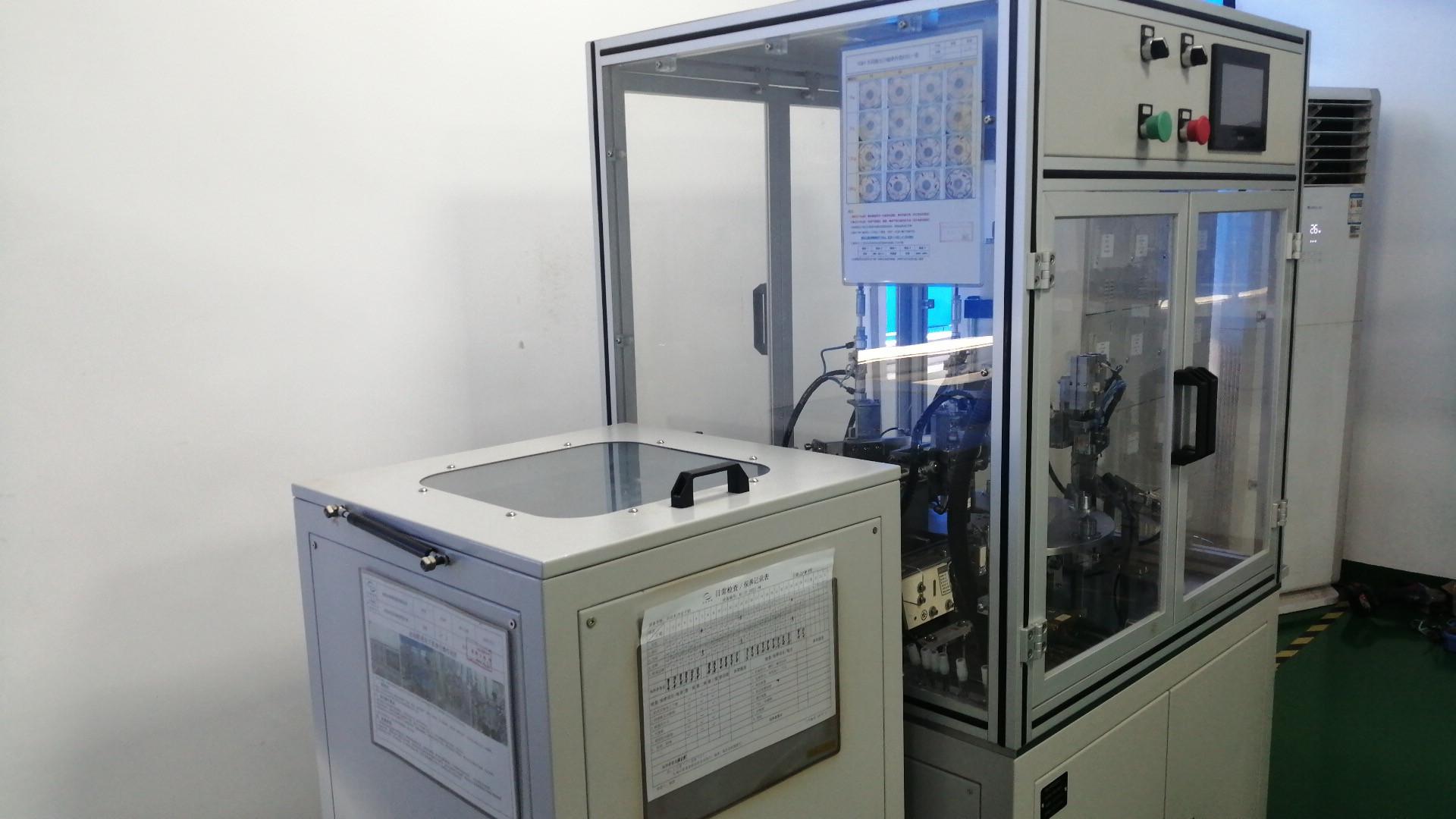
Real-time displacement/force feedback.
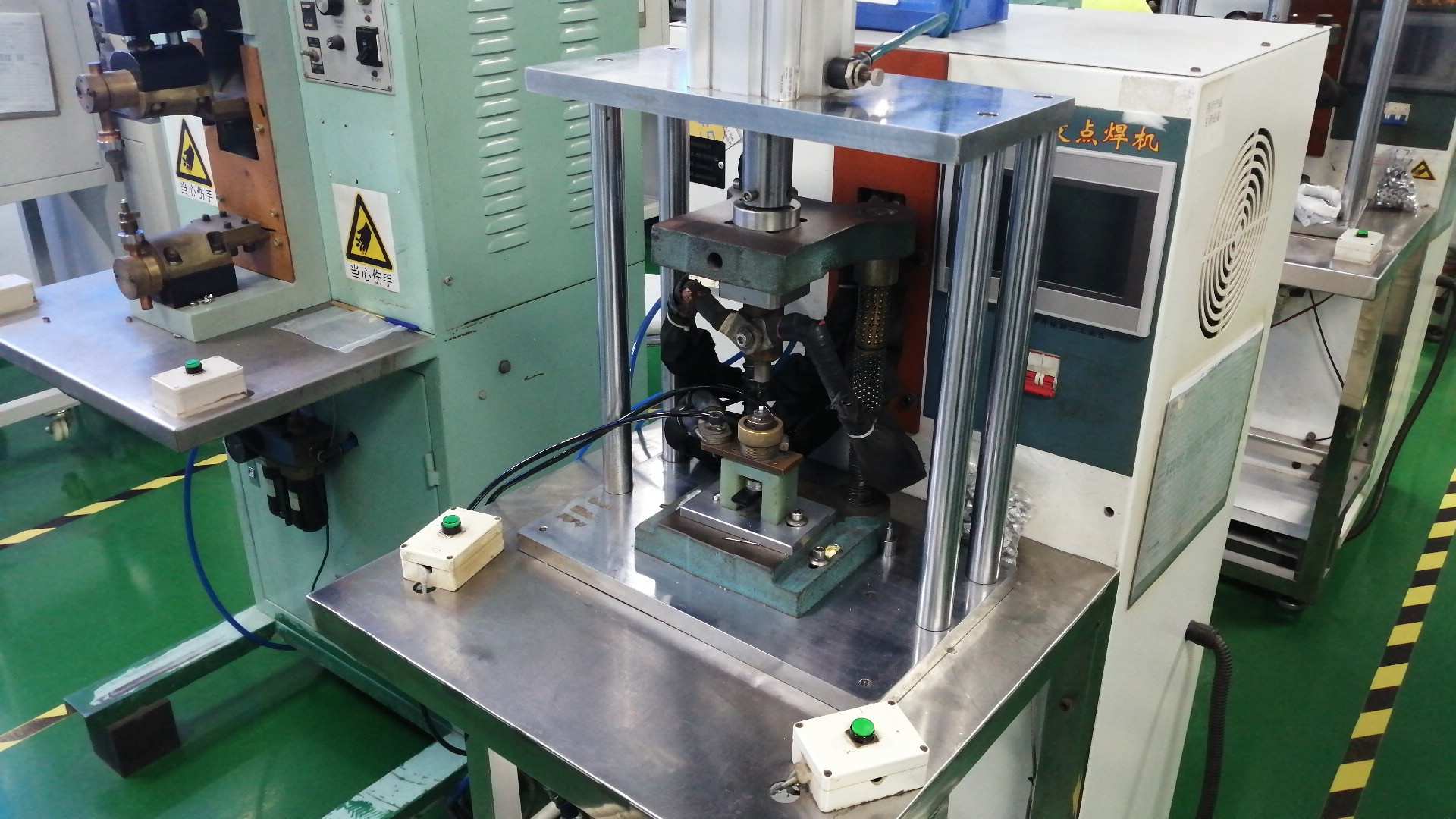
Clean metal junctions.
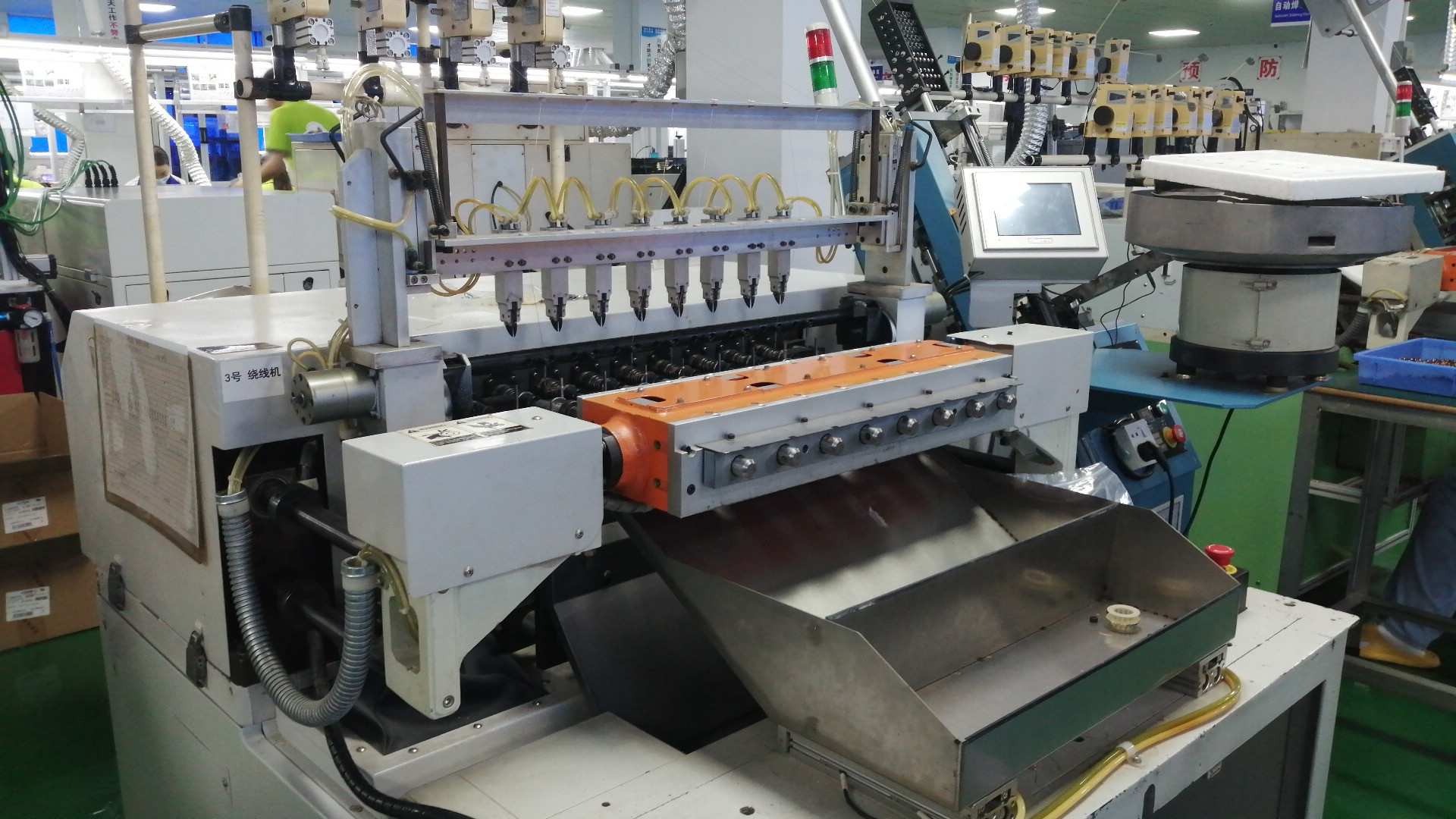
High speed multi-slot winding.
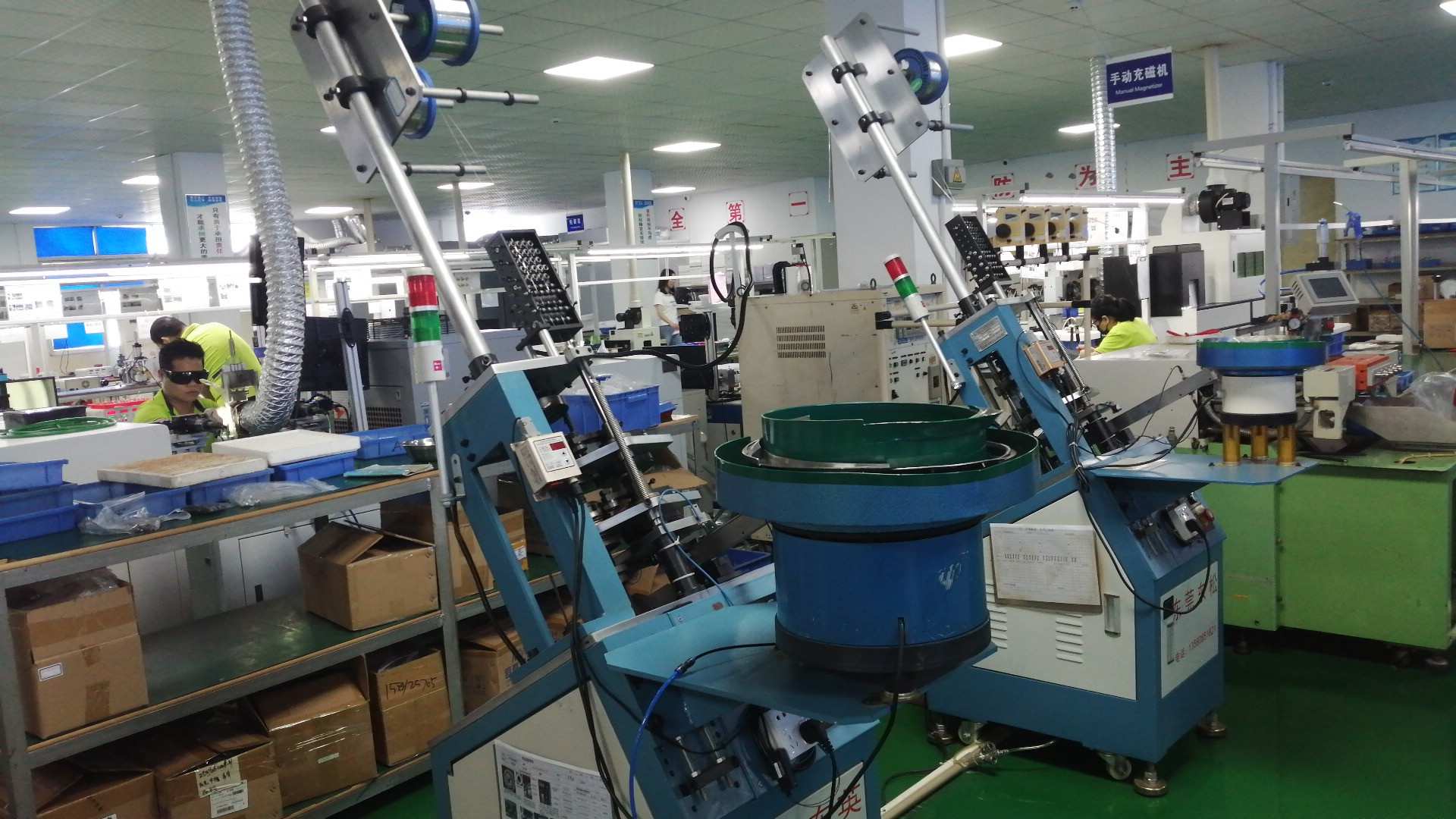
Uniform terminal alignment.
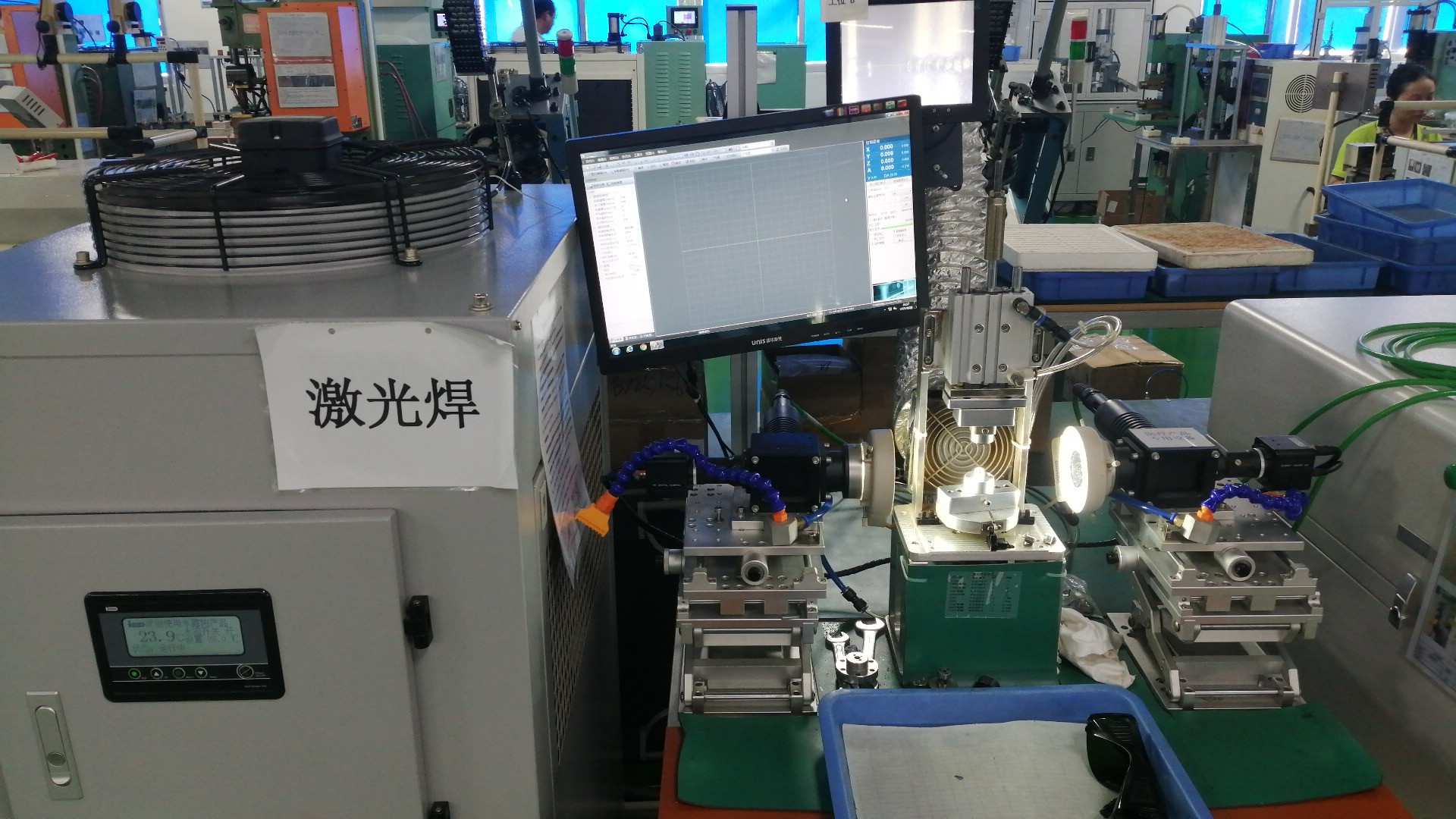
Targeted energy density joins.
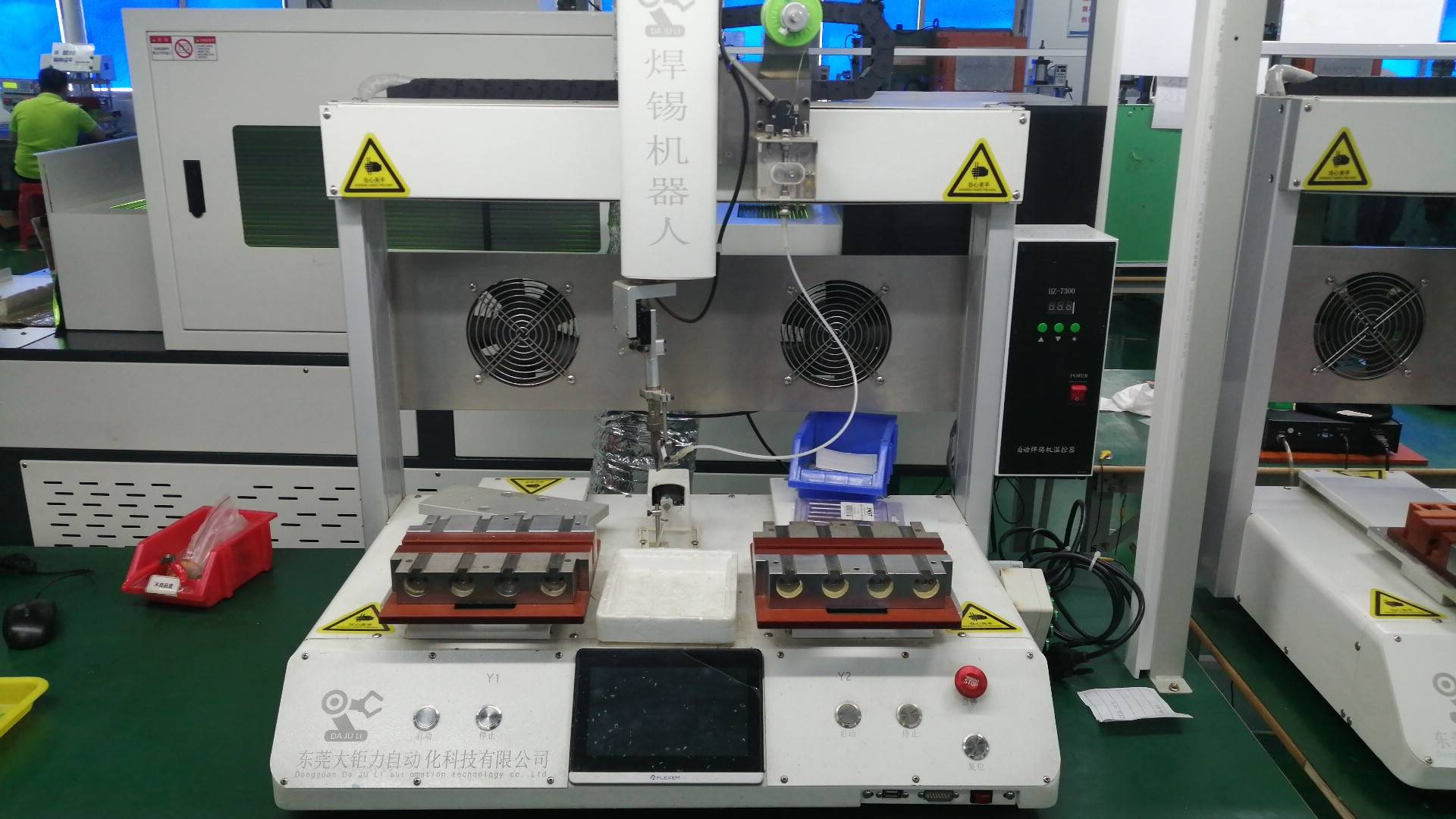
Uniform leadwire soldering.
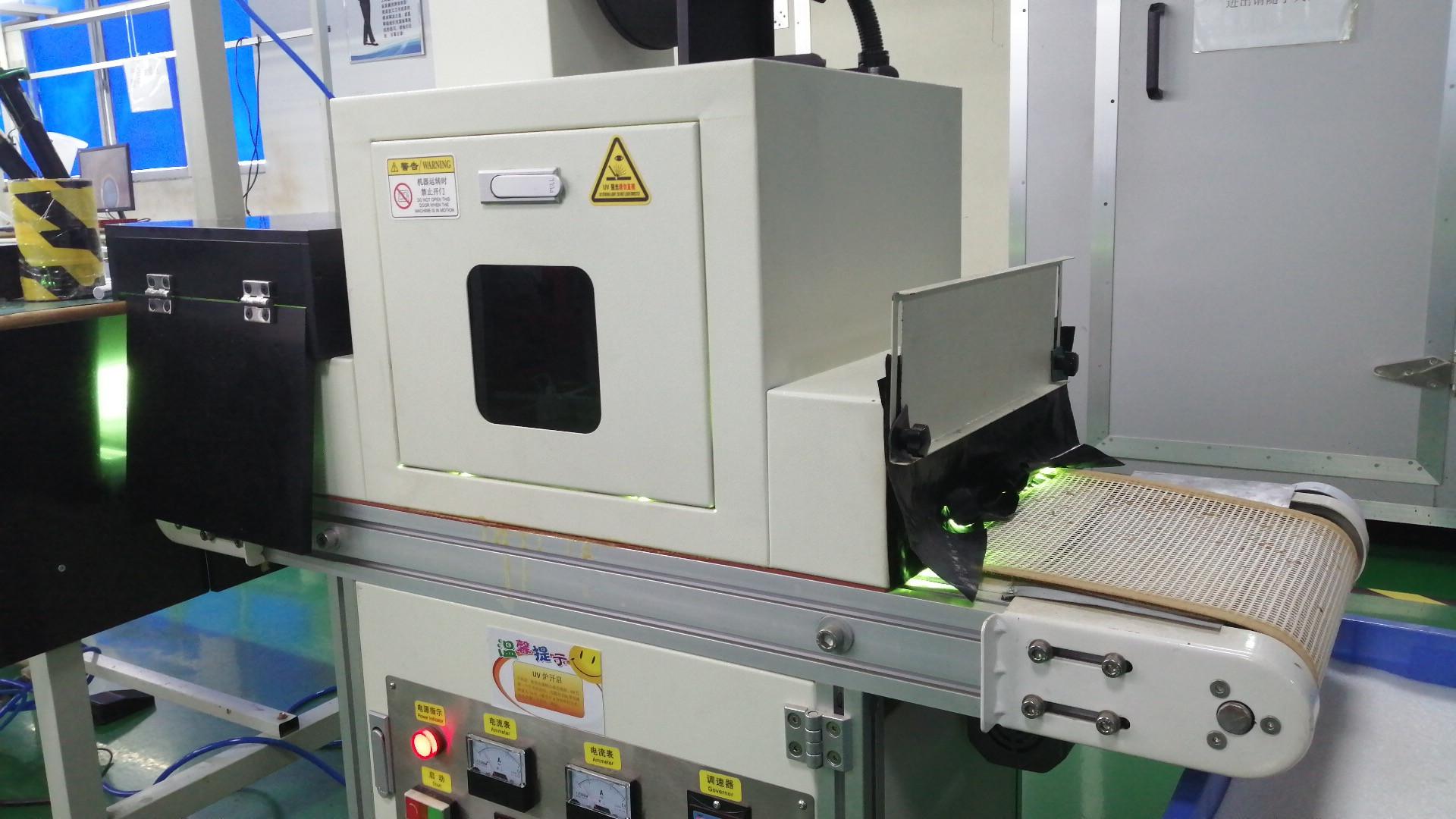
Stress relief and curing controls.
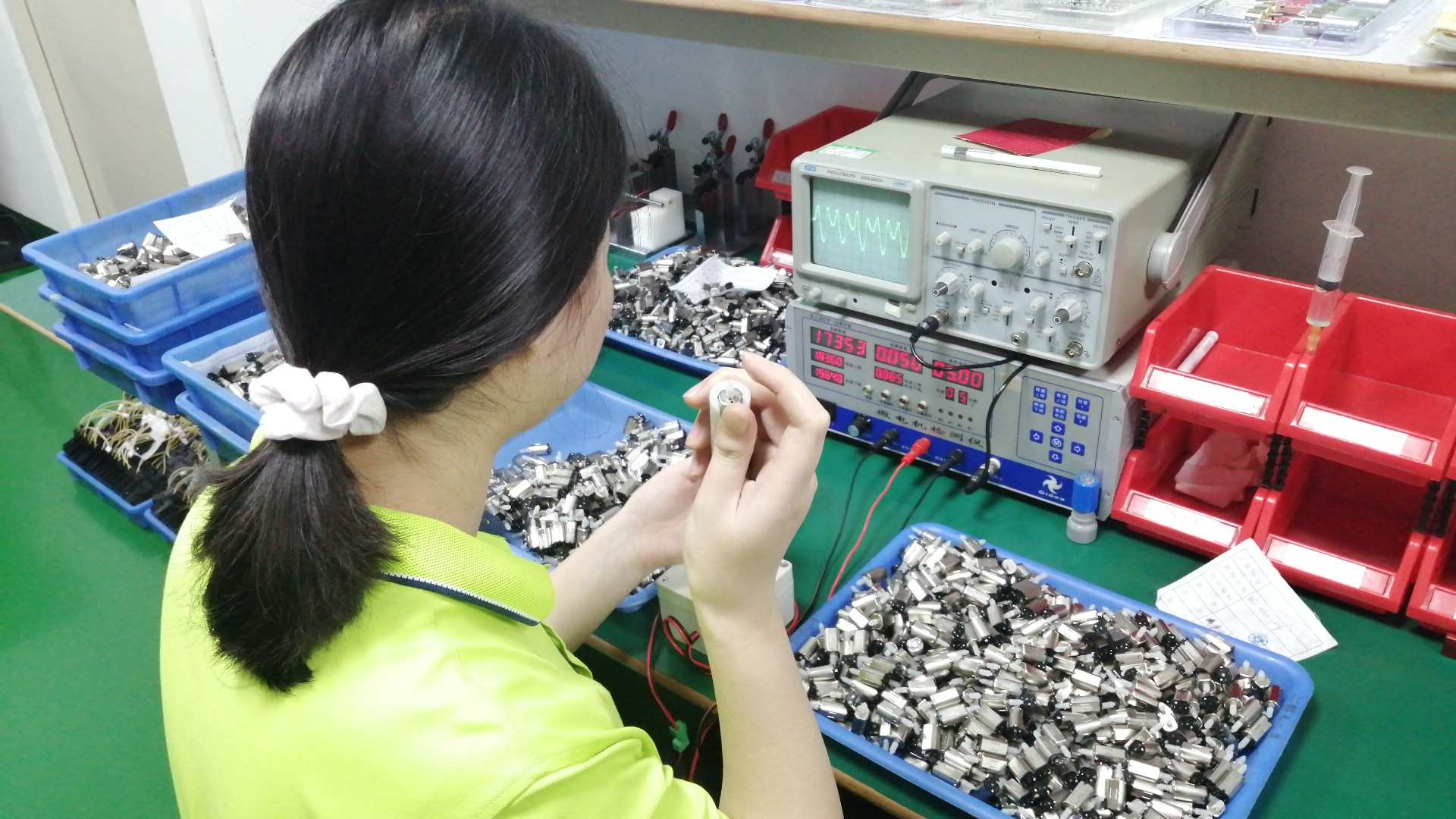
FMEA & SPC execution.
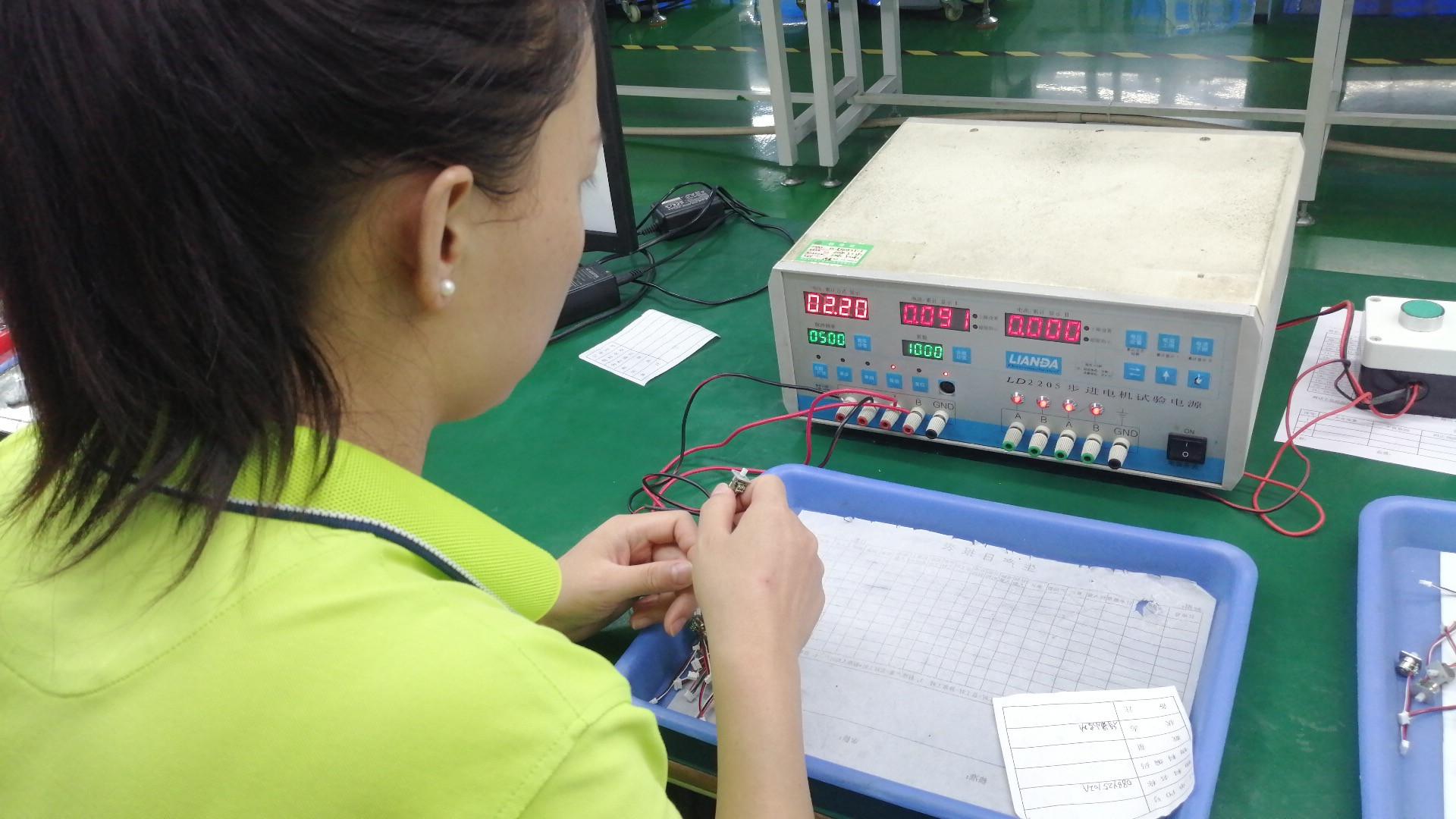
Solder joint structural inspection.
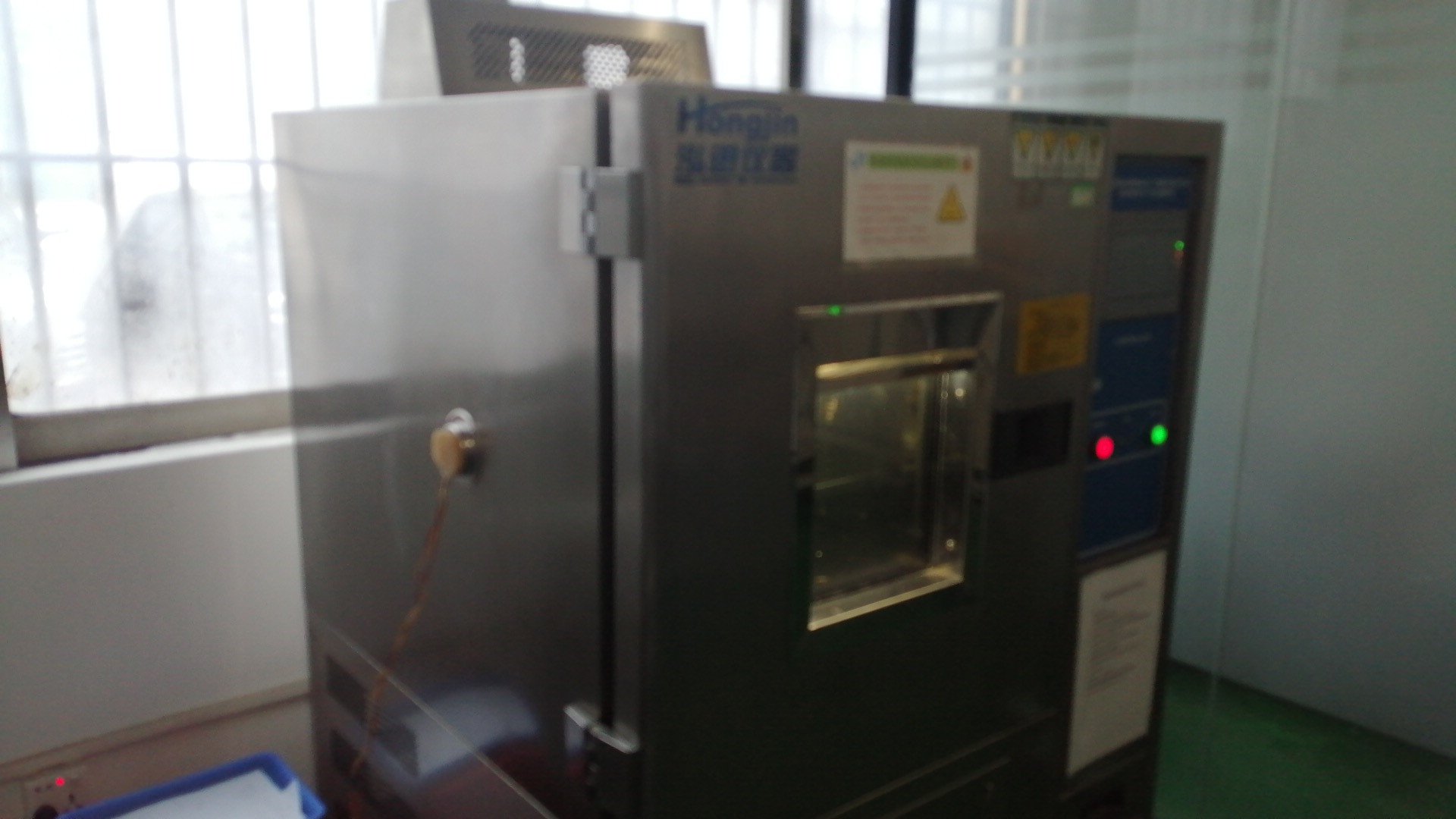
High/low temperature operational testing.
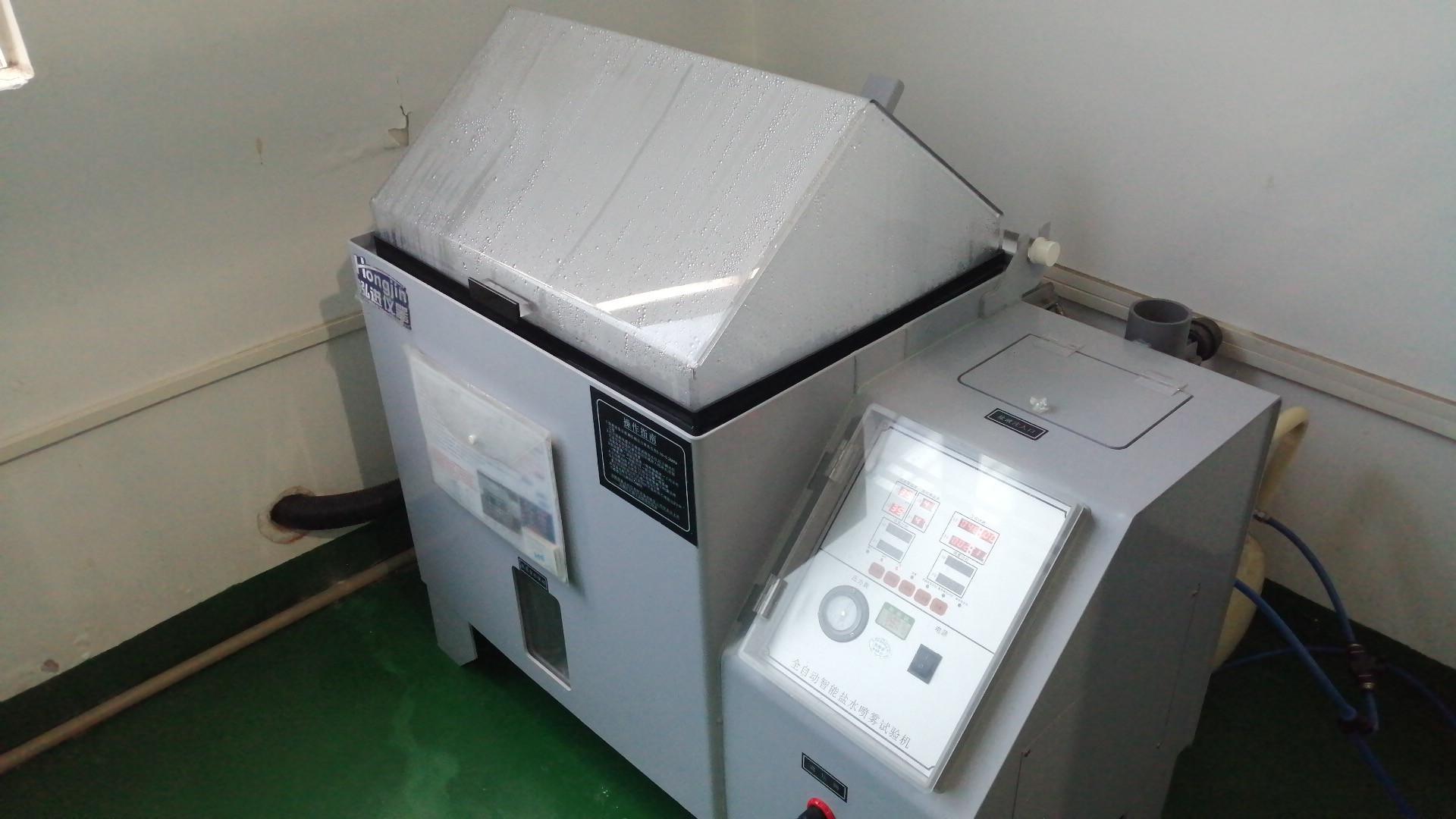
Insulation breakdown analysis.
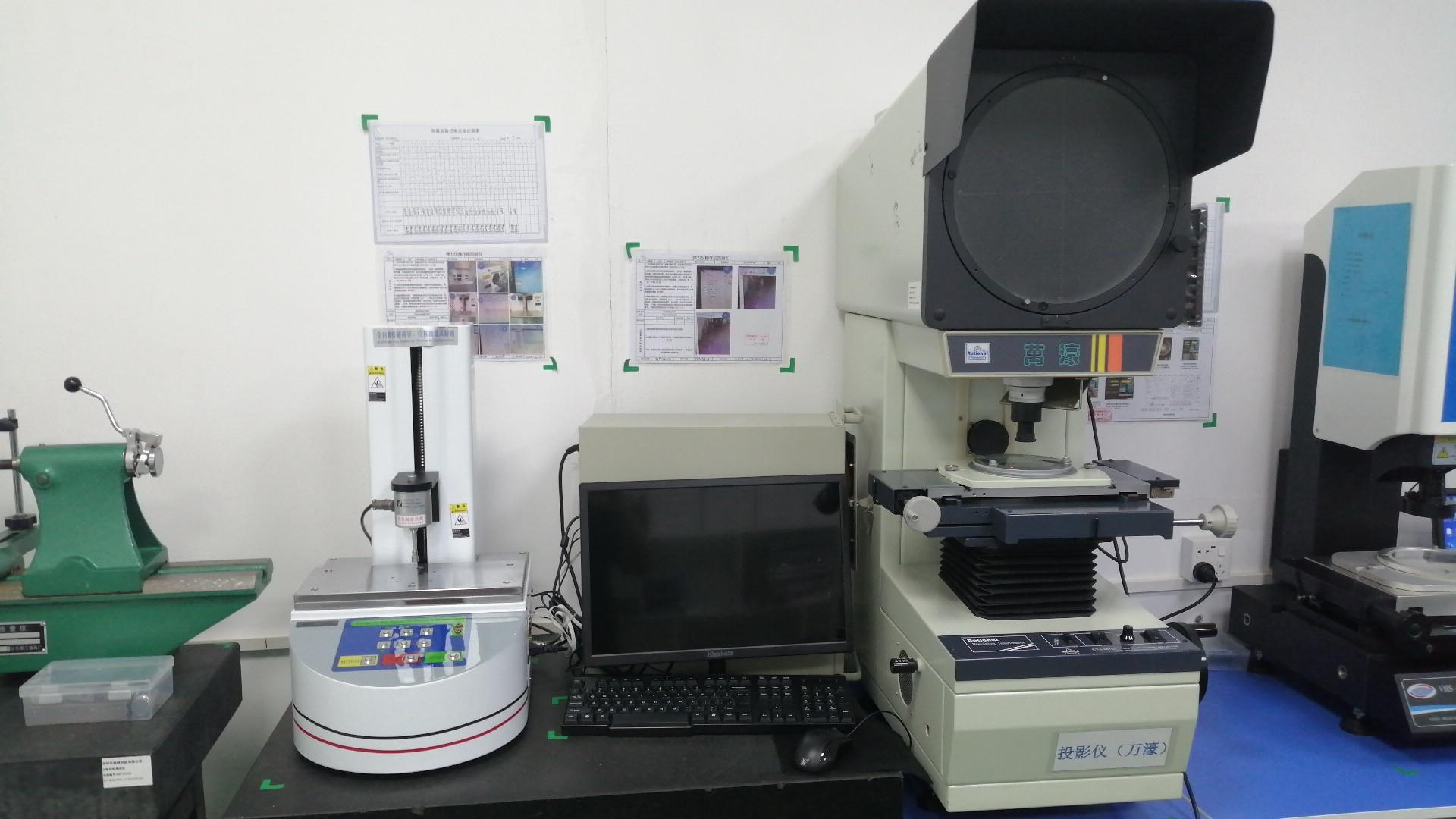
Precise component profile verification.
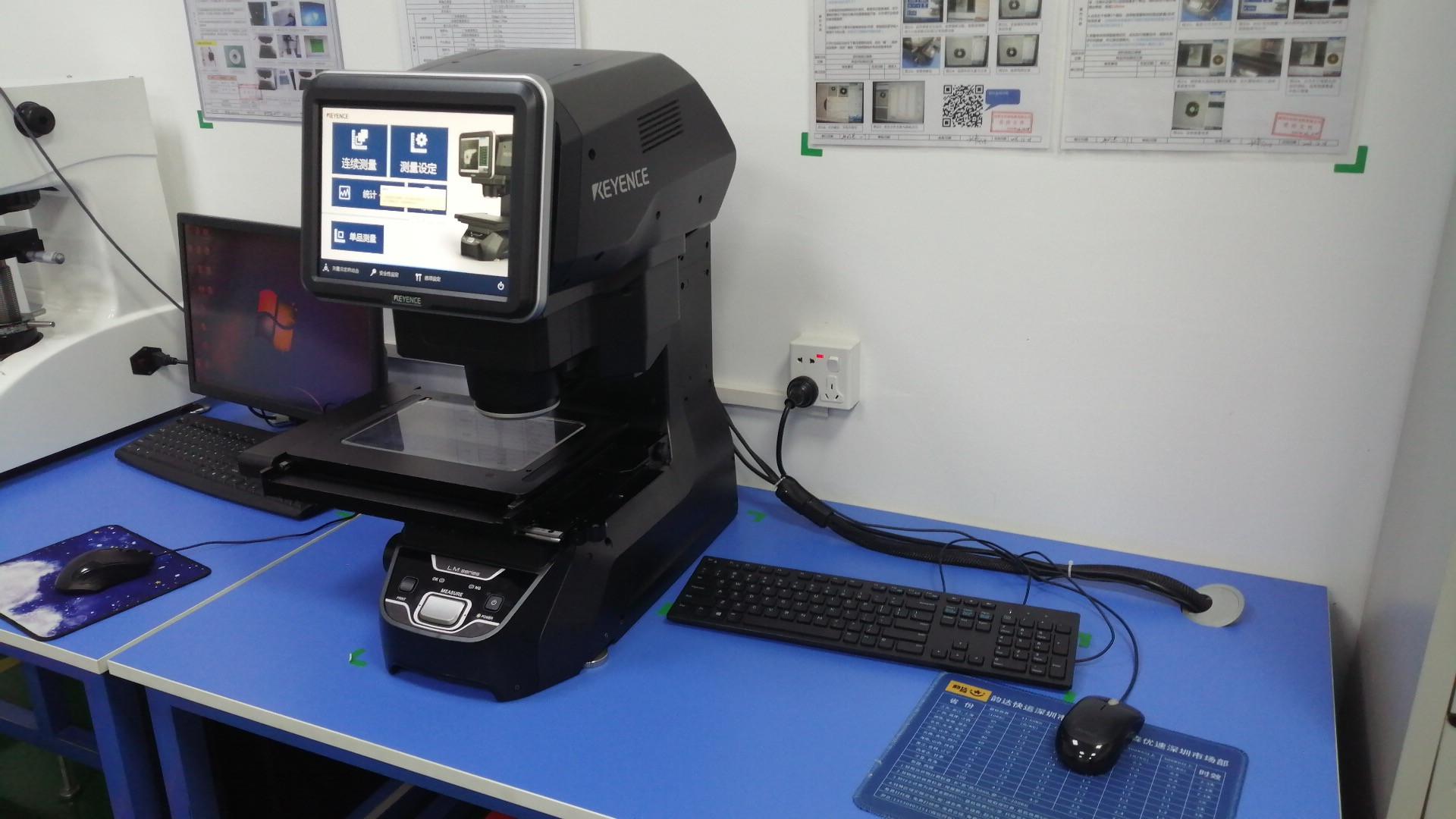
Precise non-contact tooling inspections.
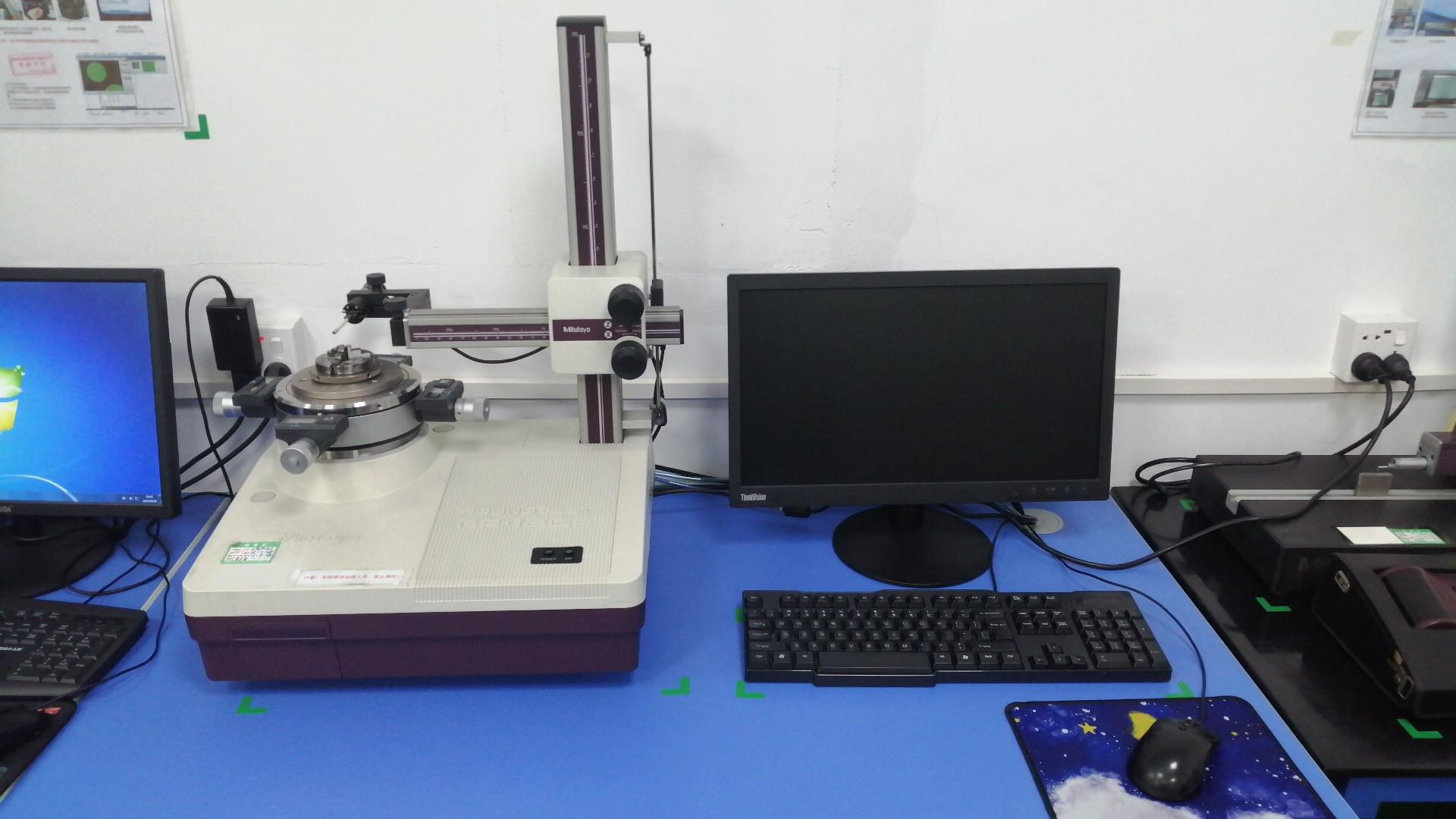
Rotor shaft circularity measurements.
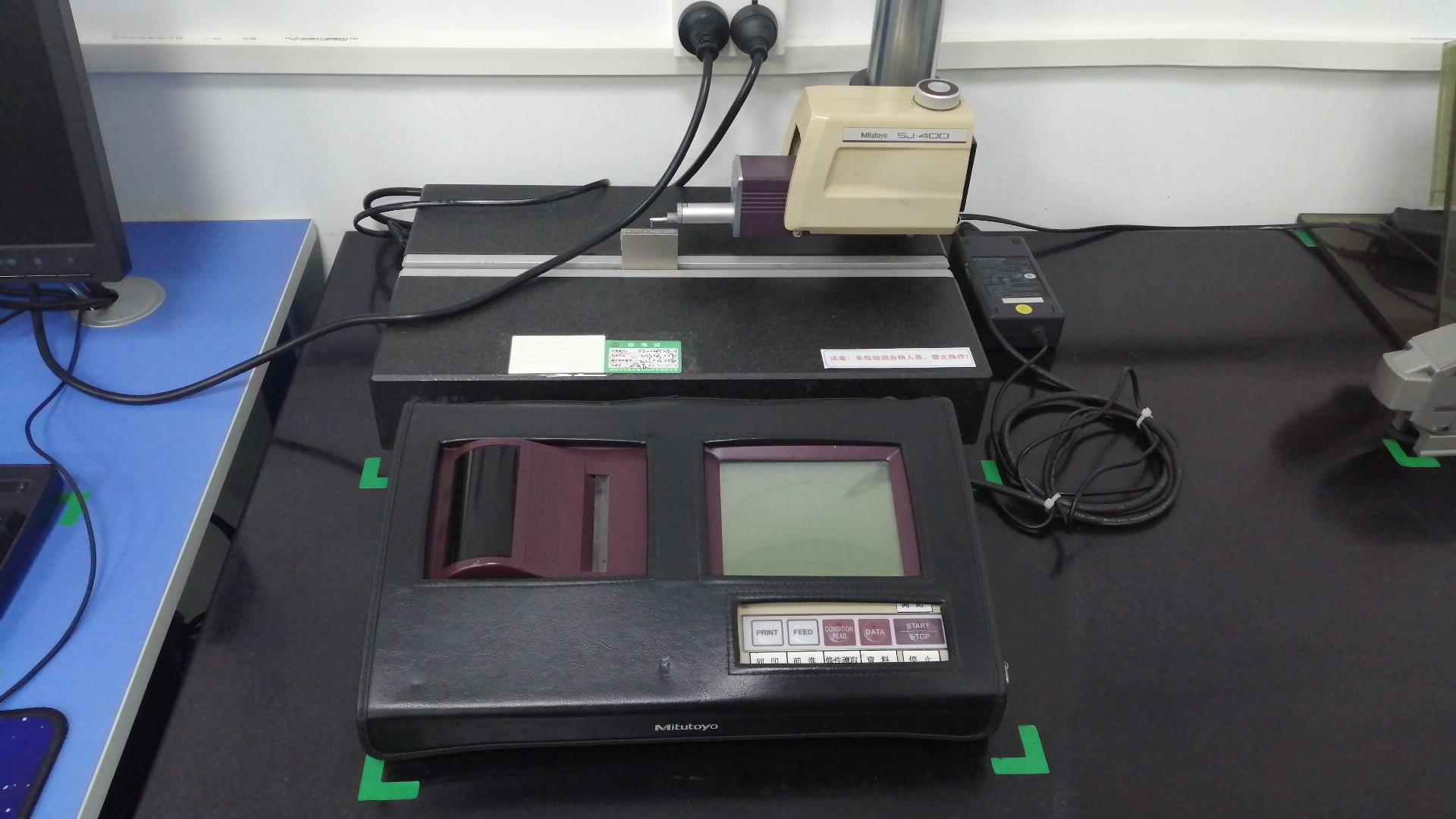
Shaft finish and friction checks.
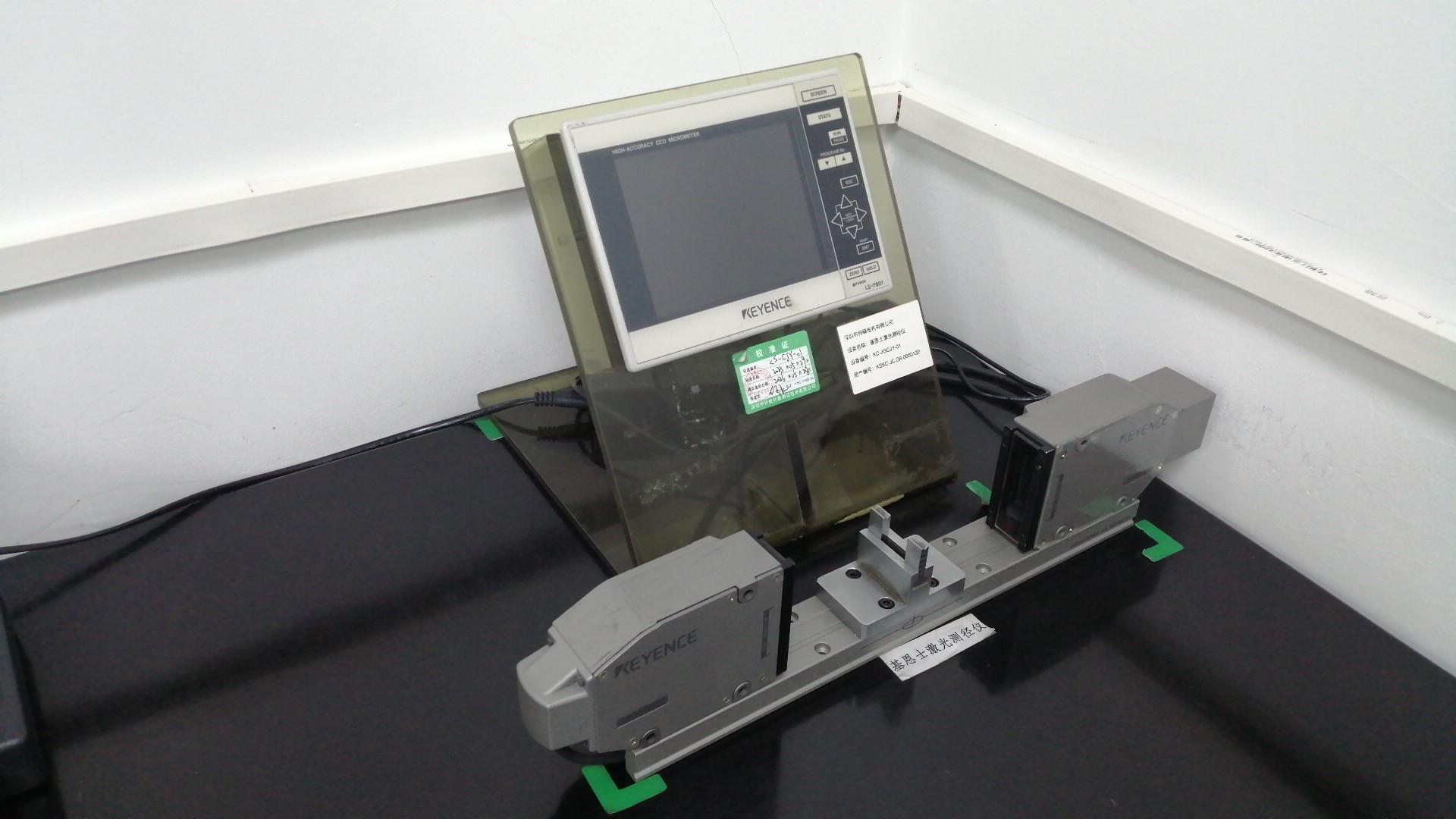
Sub-micron dimensional validation.
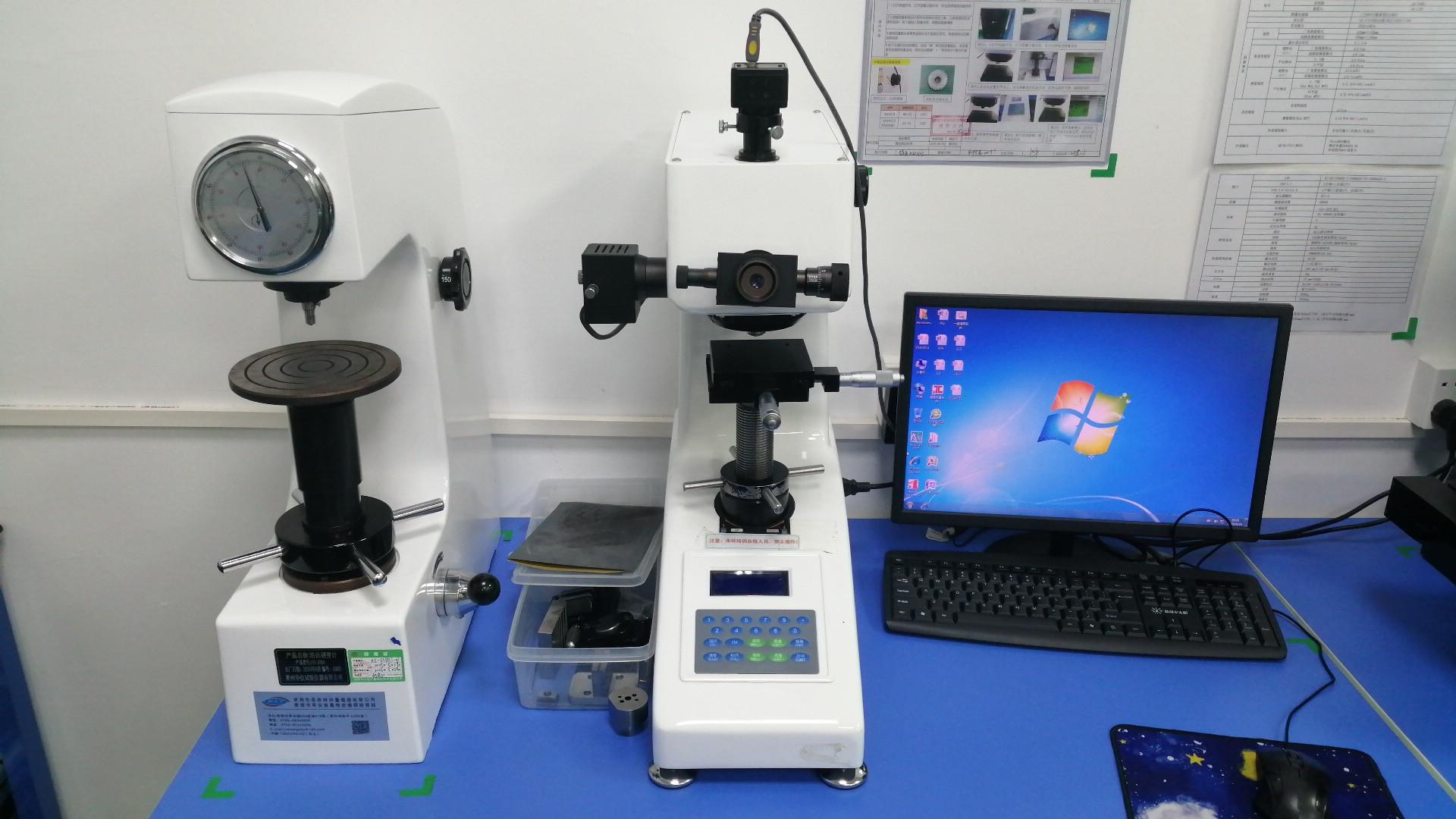
Indentation hardness limits on load bearings.
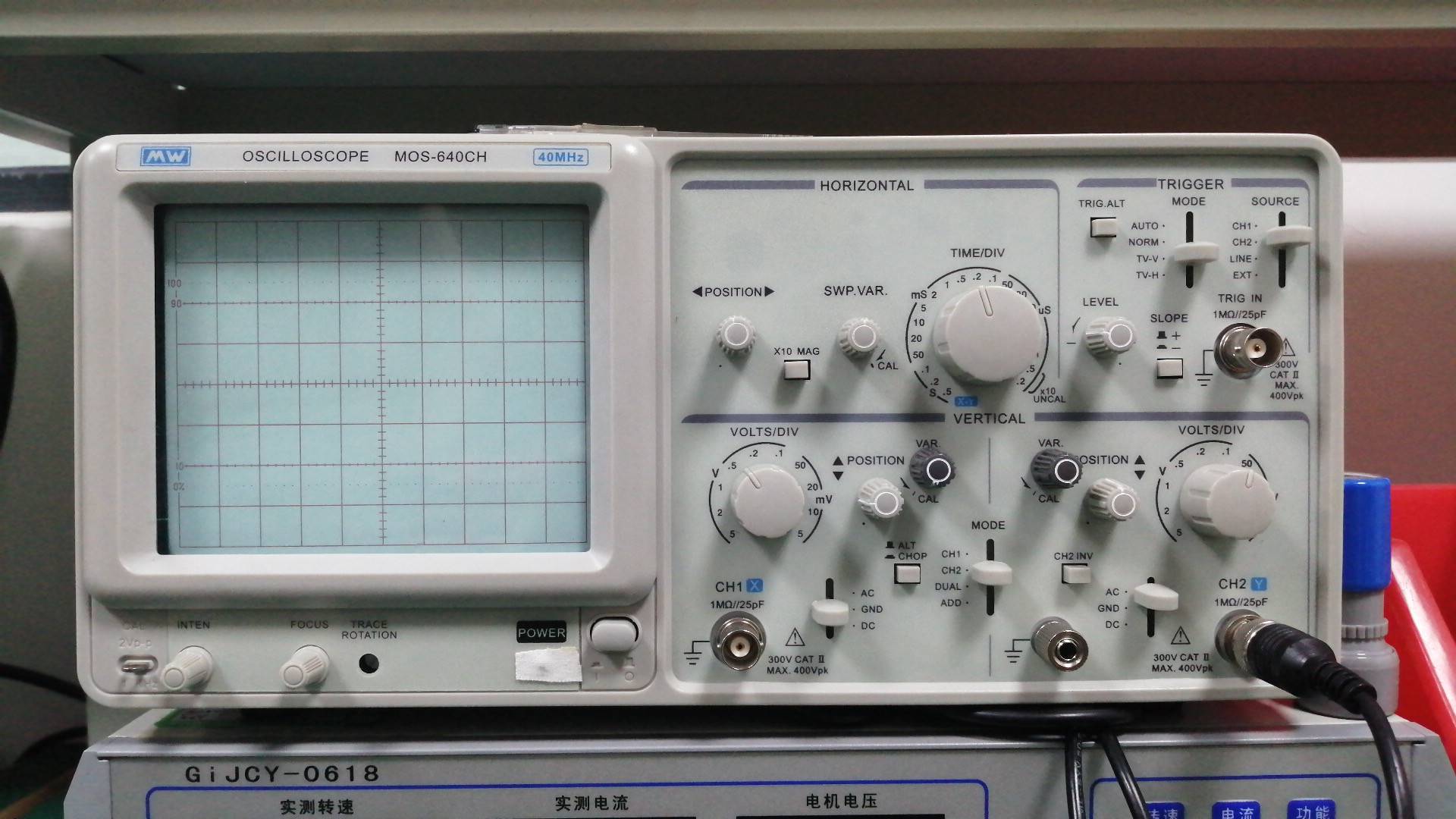
Dynamic back-EMF signal analysis.
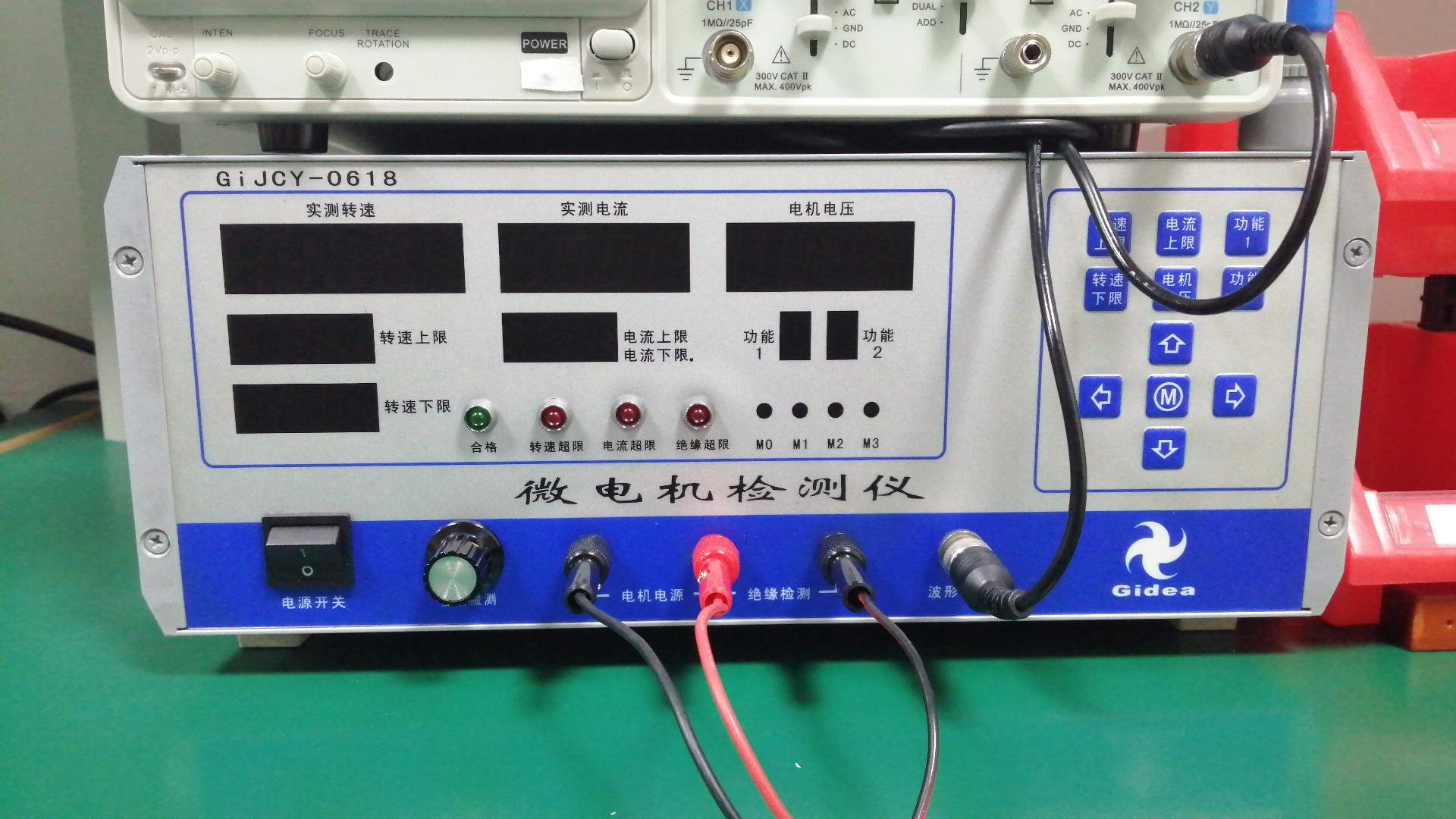
Torque/speed/efficiency analysis curves.
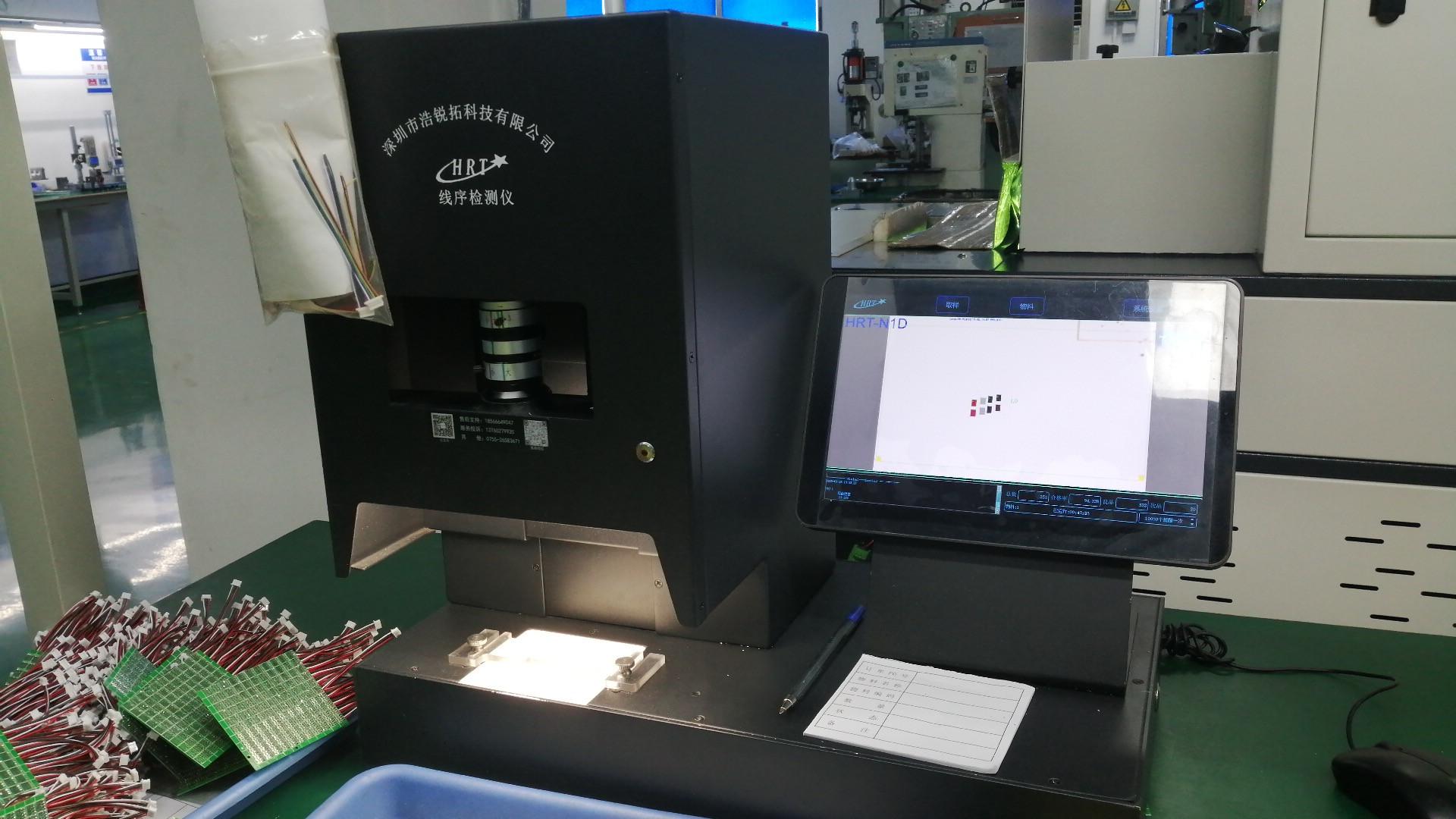
Phase terminal connection checks.
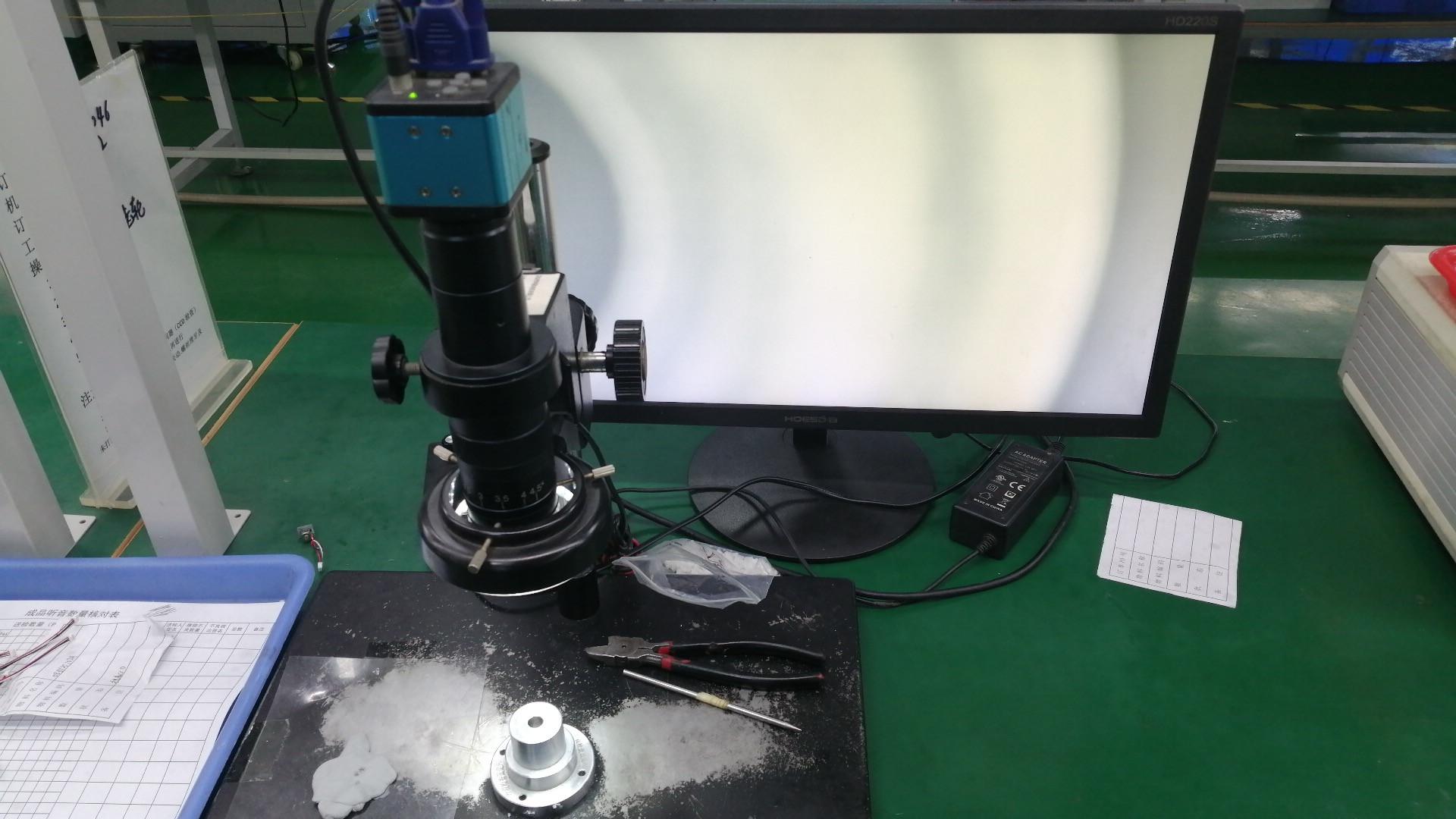
Structural surface defect screening.
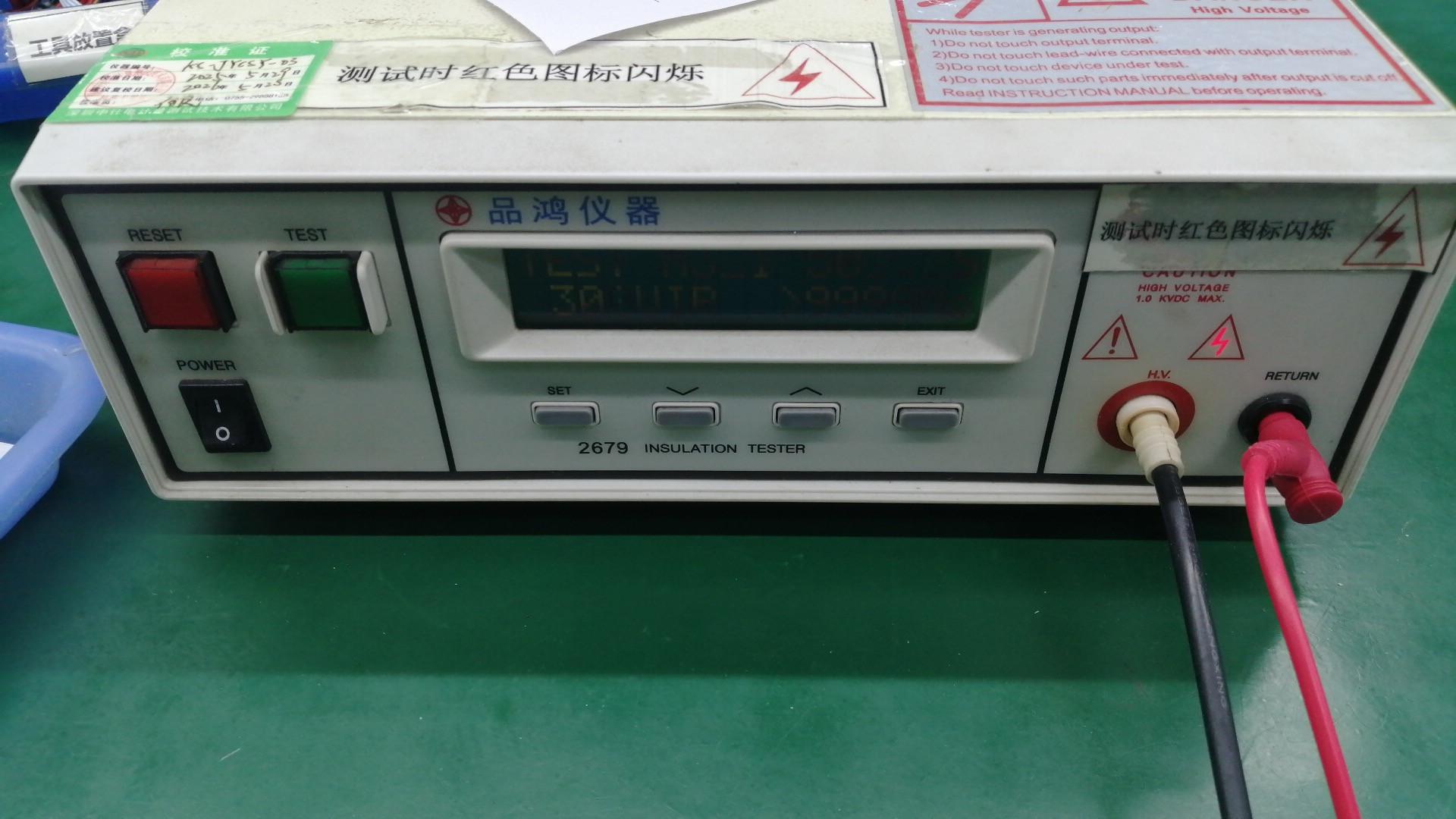
Megaohm leakage current checks.
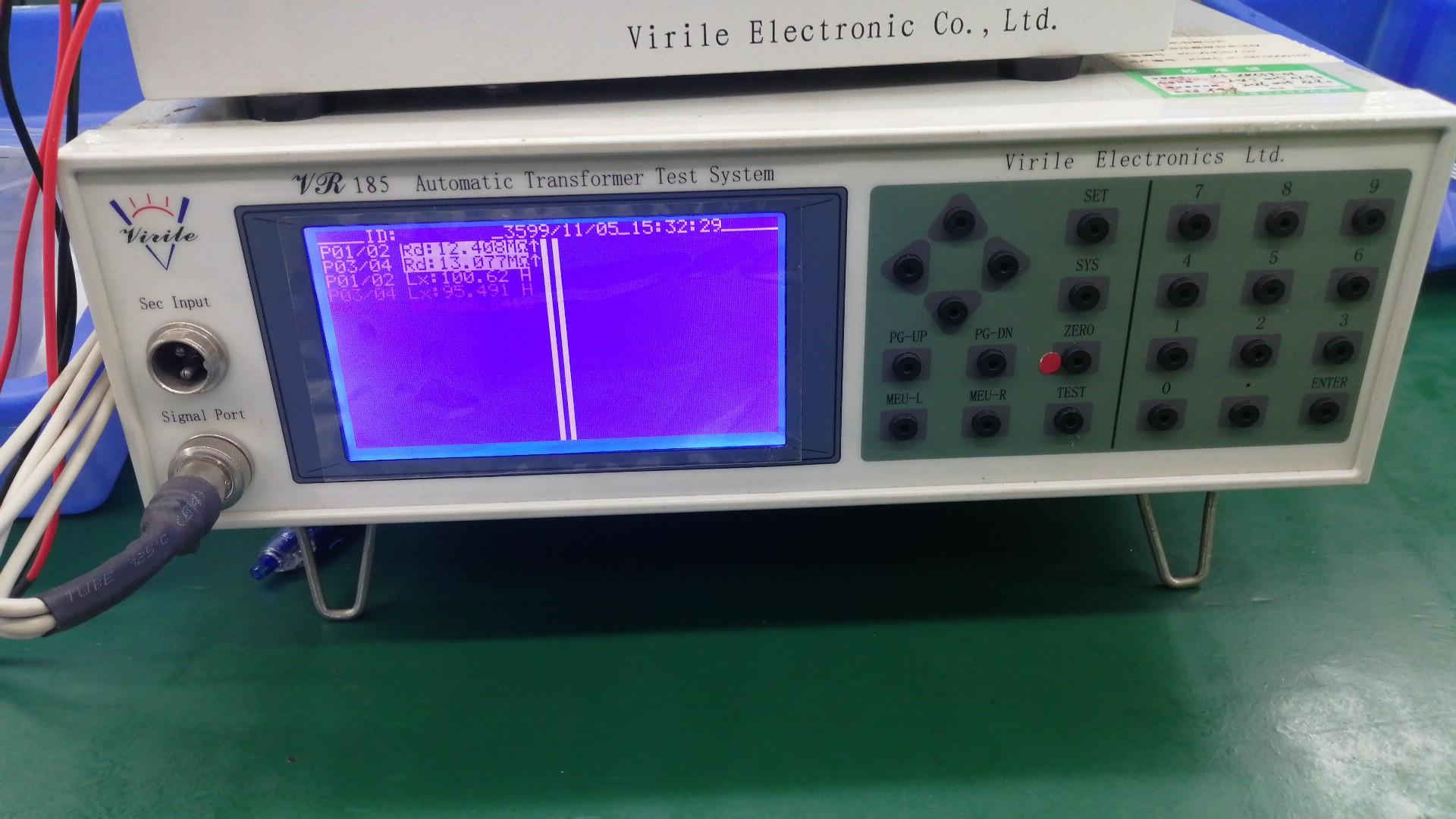
Turns-ratio and phase inductance checks.
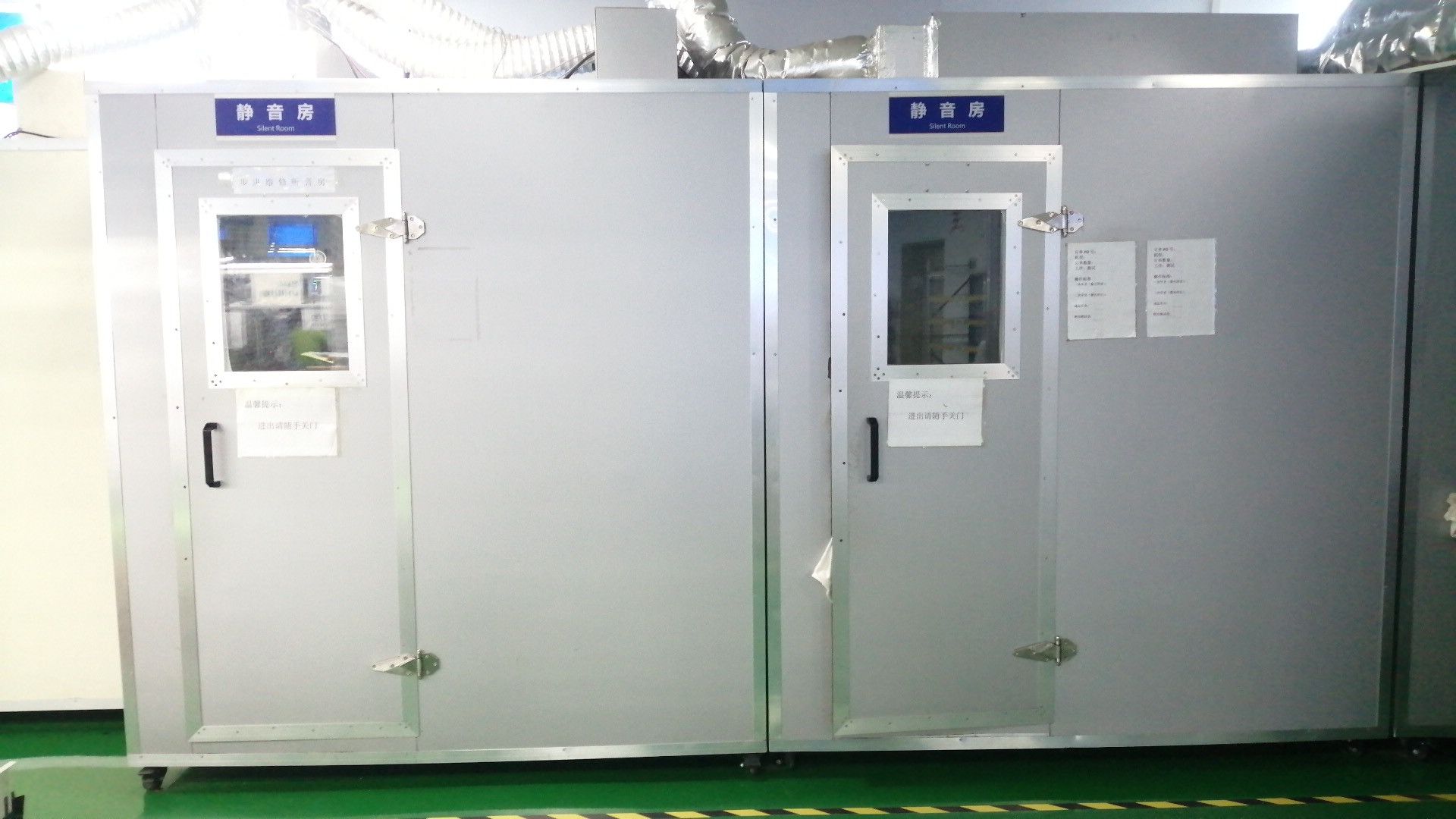
Background noise level measurement.
Analyzing functional designs where hybrid stepper motors and miniature gear systems deliver key operational benefits.
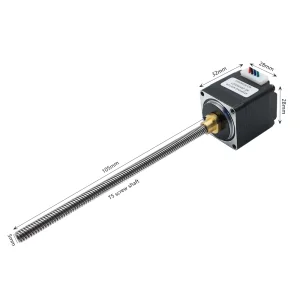
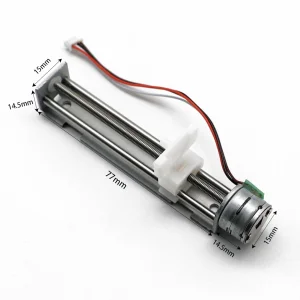
Micro-stepper assemblies, including NEMA 11 designs with custom lead screws, support precise volume delivery in medical pumps. These systems maintain positional accuracy at small step increments without relying on external encoders.
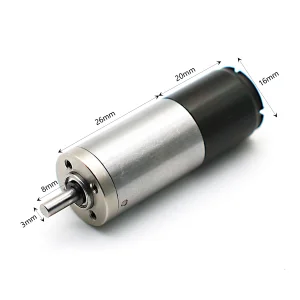
Integrating coreless planetary gearheads with compact DC drives allows robotic arms to balance size constraints with high torque requirements. This combination supports fast movement and high holding torque in space-constrained joints.
Miniature gearboxes (such as 10mm-24mm DC motors) provide high torque output to operate lock tumblers and valve actuators. These drives are optimized for battery power, drawing low standby current to extend product lifespans.
Every application has unique mechanical requirements. Standard motors often fall short when tight space constraints, high load demands, or harsh environments are involved. Our engineering team designs custom drive solutions built around specific application requirements.
Our custom capabilities include:
Years Engineering Experience
Internal Quality Audits
Certified Facility
Global Regulatory Standards
Answering common technical, quality control, and logistics questions from component specifiers and sourcing managers.
Hybrid stepper motors combine features from both permanent magnet (PM) and variable reluctance (VR) designs. The rotor is built with a permanent magnet and toothed steel laminations, which provides smaller step angles (usually 1.8° or 0.9°), higher holding torque, and improved dynamic positioning accuracy compared to PM-only models.
Miniature steppers have less surface area to dissipate heat. We manage thermal performance by using high-temperature magnet wire (Class B or Class F insulation), optimizing coil slot fills, and using aluminum end-plates. Driving the motors with microstepping controllers that feature automatic current reduction at standstill also helps minimize operational temperatures.
Yes. We offer custom lead screw options, including various thread profiles (like T5 or T6 screws), custom lengths, pitch configurations, and specialized nuts (such as anti-backlash POM or bronze nuts). These are integrated directly into the rotor assembly to minimize runout and simplify installation.
We use a multi-stage testing process. This includes inspecting incoming materials (shafts, magnets, bearings), conducting in-process checks during winding and lamination pressing, and performing 100% electrical checks (resistance, inductance, insulation, and dielectric strength). Finally, we run noise testing in anechoic chambers and load tests on dynamic benches.
Planetary gearboxes share loads across multiple planet gears, allowing them to handle higher torque density in a compact diameter. They also offer better torsional stiffness and lower backlash than spur gearboxes, making them well-suited for high-efficiency, precision applications like robotics and medical devices.
For demanding environments, we use specialized low-temperature or high-temperature synthetic grease, stainless steel bearings, and shafts with rust-resistant coatings. We can also add potting resins around stator winding ends and seal the outer housing to achieve IP-rated protection against moisture and dust.
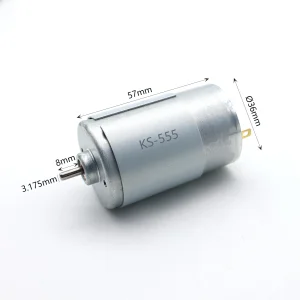
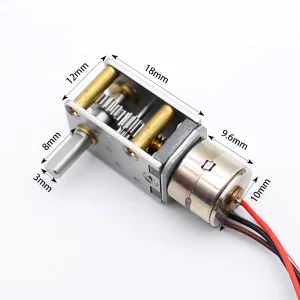
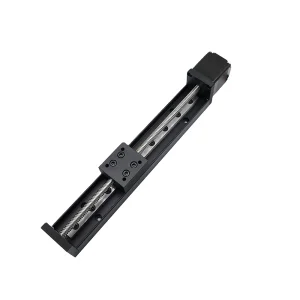
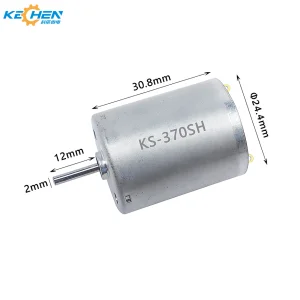
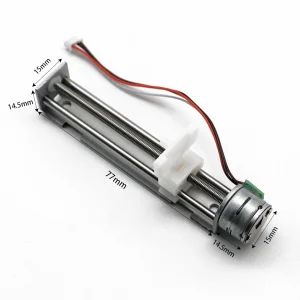
Compare our line of miniature stepper motors, gearboxes, and linear actuators built for precise position control.
 Axon Motor