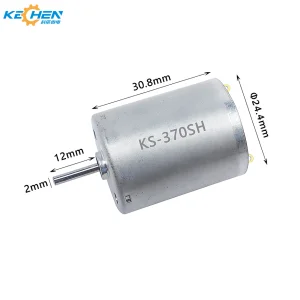
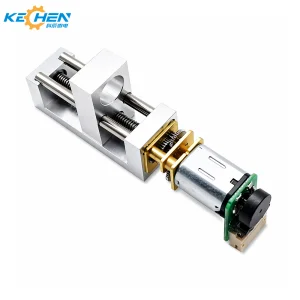
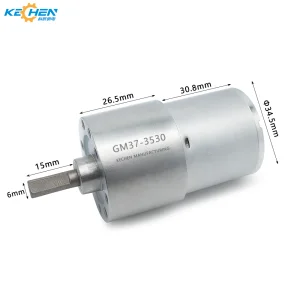
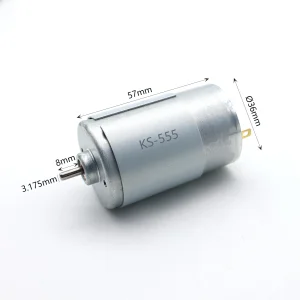
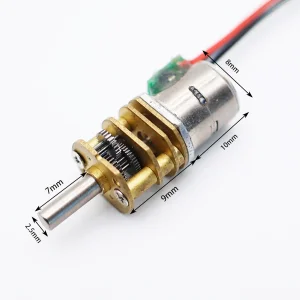
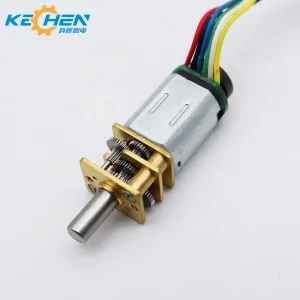
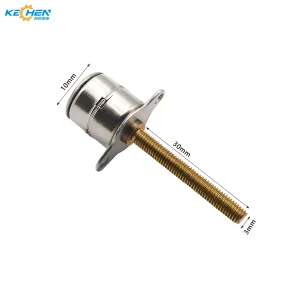
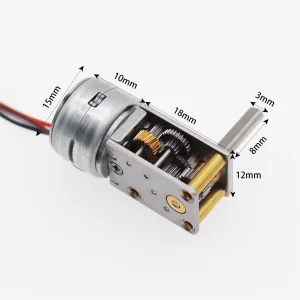
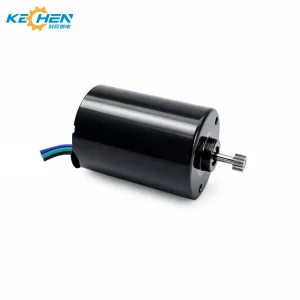
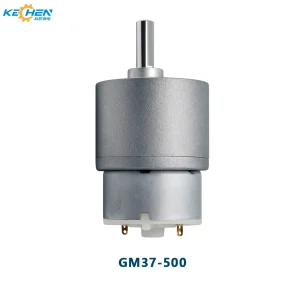
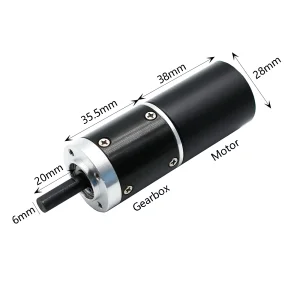
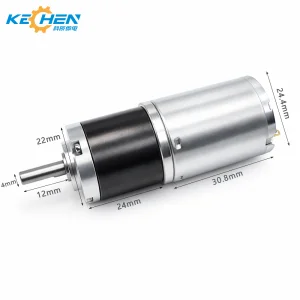
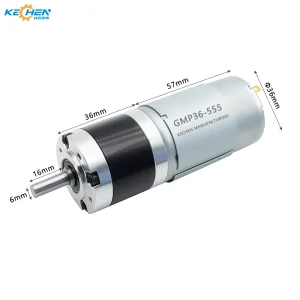
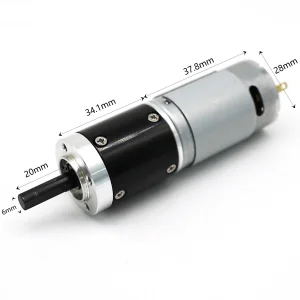
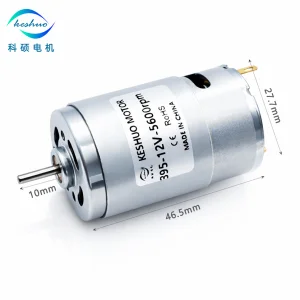
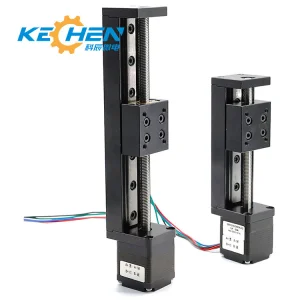
Explore our core selection of precision-engineered micro motors, planetary gearheads, and linear actuators. These configurations form the foundation of our custom waterproof and deep-immersion industrial solutions.
As global industries automate at an unprecedented pace, the demand for highly specialized waterproof, dustproof, and submersible miniature drive systems has surged. Modern procurement managers, OEM developers, and mechanical engineers are no longer searching merely for standard off-the-shelf motors. They require comprehensive, application-specific systems designed to withstand harsh operating environments, chemical exposures, and continuous immersion under variable hydrostatic pressure.
Modern applications require deep-sealing designs. Whether for pipeline inspection crawlers, marine drone propulsion, or medical fluid handling, our custom engineering ensures hermetic integrity under the most demanding pressures.
Operating a motor within a fluid medium fundamentally alters its thermal dissipation properties. Our team simulates and designs motor housings to optimize fluid-cooling pathways, securing reliability and extending operational lifespans.
From seawater corrosion resistance to specialized acid-alkali chemical environments, we utilize marine-grade 316 stainless steel, custom polymer seals, and proprietary anti-corrosive coatings to eliminate galvanic oxidation.
At Axon Motor, we believe that global innovation shouldn't be limited by size. For two decades, we have dedicated ourselves to a single, relentless pursuit: designing, engineering, and manufacturing high-performance micro-drive solutions that keep modern industries moving forward. Based in China, we operate a state-of-the-art, ISO9001-certified production facility specializing in Micro DC Motors, DC Gear Motors, and Brushless DC Motors (BLDC).
We understand that applications like smart home automation, medical devices, automotive electronics, and precision robotics demand uncompromised reliability. That is why every Axon Motor micro motor is built with an exceptional power-to-size ratio, ultra-low noise acoustics, and an extended operational lifespan, backed by strict 100% in-house quality control and international certifications (CE, RoHS, REACH).
We don’t just supply standard hardware; we act as a strategic R&D partner. With a robust engineering team holding multiple industry patents, Axon Motor thrives on solving complex mechanical challenges through flexible OEM/ODM custom solutions. From custom shaft configurations and custom voltage tuning to specialized bespoke gearheads, we turn your technical blueprints into high-volume, cost-effective reality.
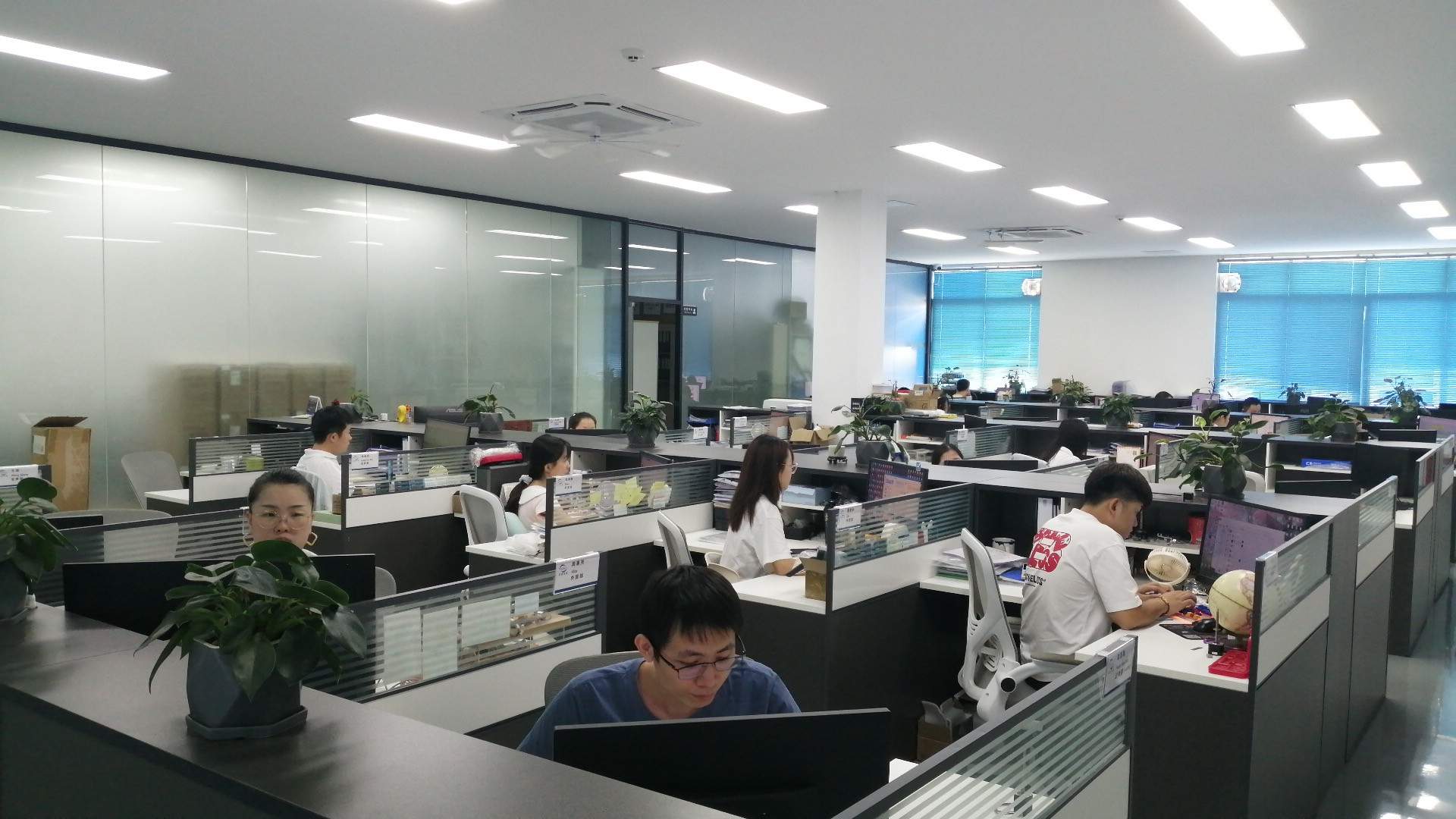
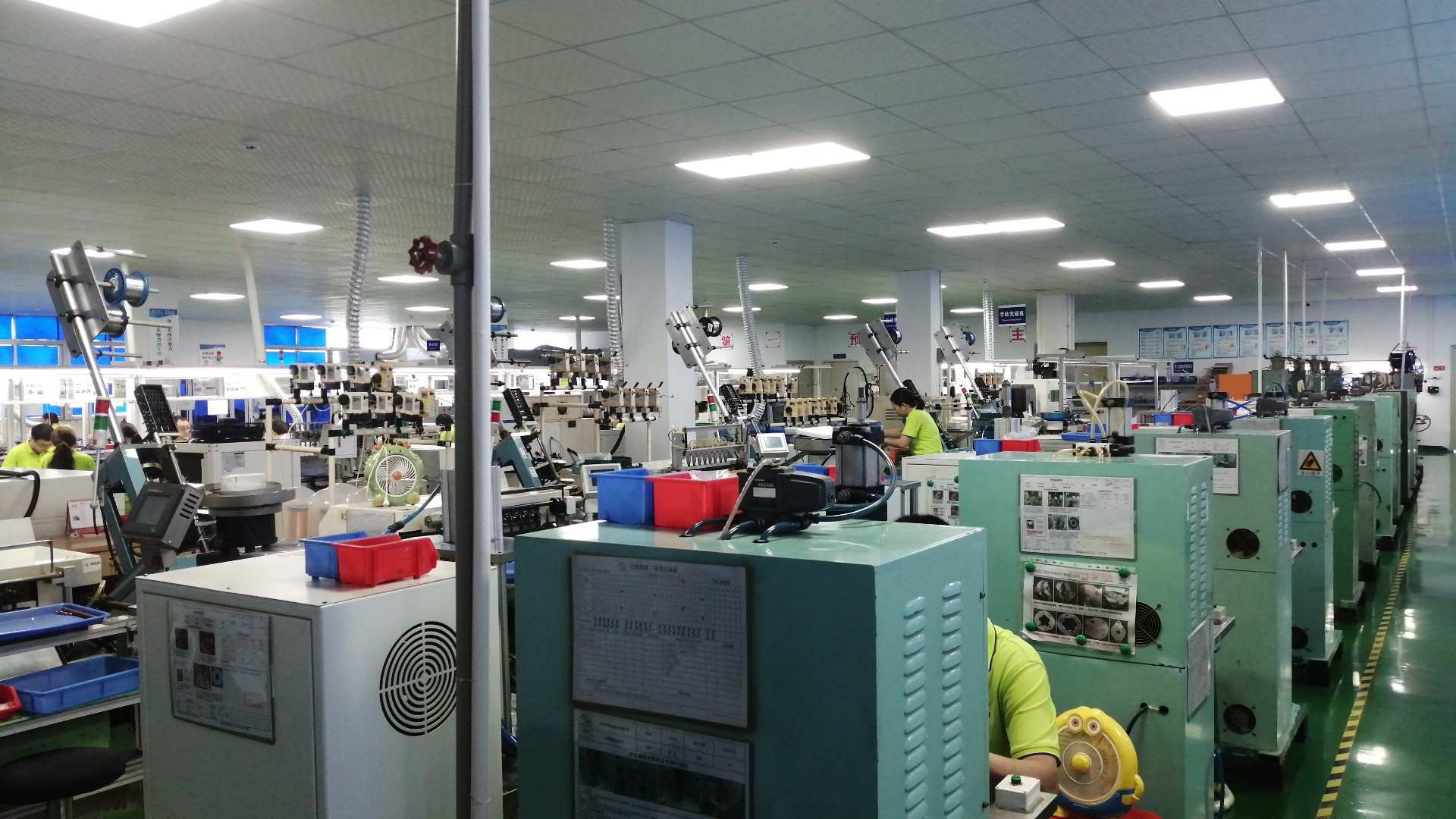
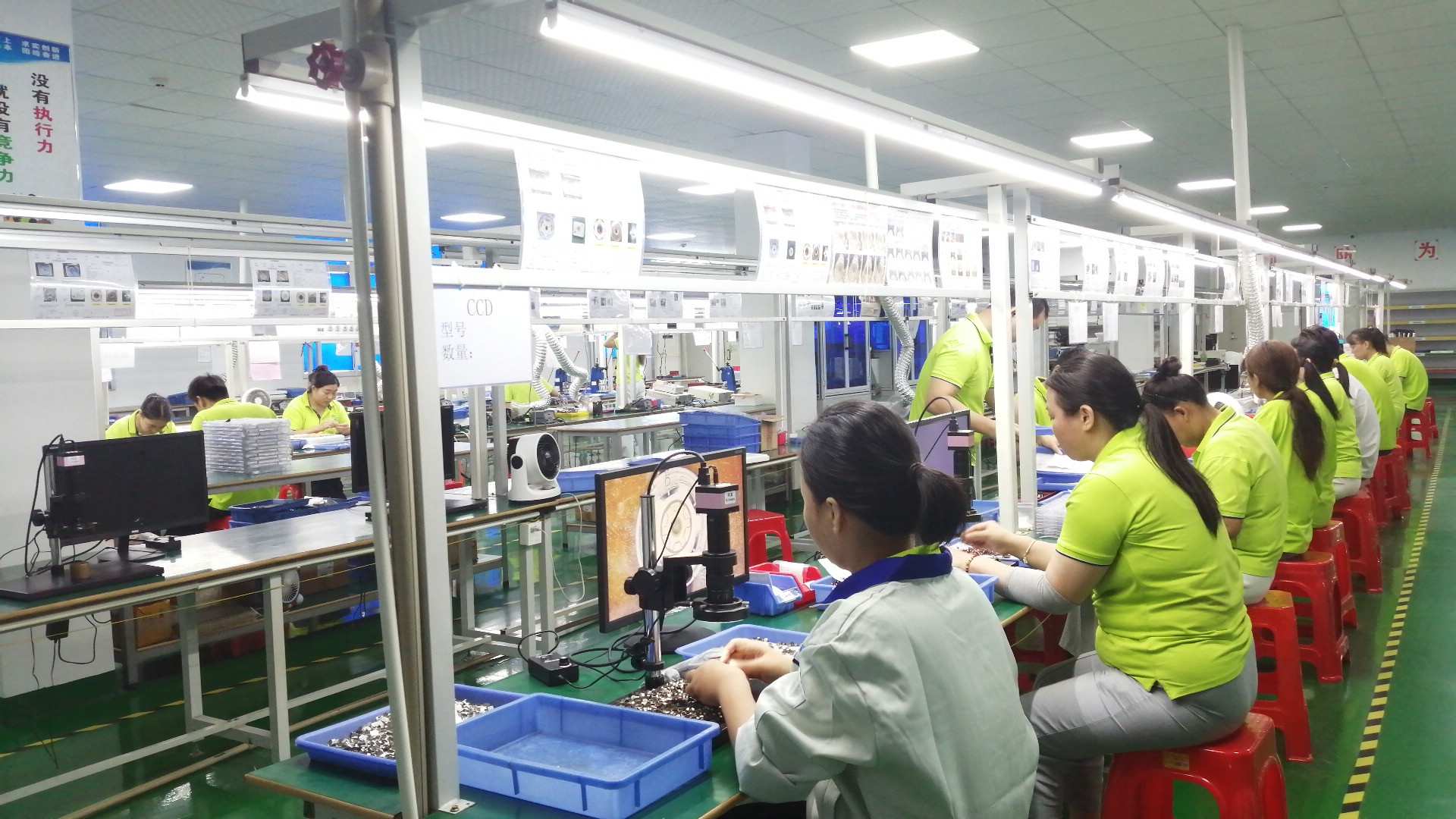
To design an efficient micro motor capable of submerged operations requires a departure from standard motor construction principles. As a leading manufacturer, Axon Motor focuses on a structured technology roadmap to address the core challenges of fluid dynamics, magnetic permeability, and long-term hermetic sealing.
Under fluid submersion, viscous drag increases the dynamic load on the motor shaft. We address this by optimization of permanent magnet geometries (NdFeB high-energy magnets) and stator slot configurations to optimize starting torque and overall efficiency.
Our sealing technology combines mechanical face seals, dynamic O-rings made from specialized fluorocarbon compounds, and potting methods using advanced thermally conductive epoxy resin to isolate delicate internal components from liquid ingress.
By moving to Brushless DC (BLDC) designs, we eliminate carbon brush friction and wear, which is critical under sealed conditions where heat accumulation must be minimized and spark prevention is essential.
Our engineering pipeline is currently testing next-generation diamond-like carbon (DLC) coatings for motor shafts, aimed at reducing friction to near-zero levels, thereby allowing micro-submersible systems to operate continuously for over 15,000 hours without maintenance.
Every step of our production workflow is monitored and optimized for maximum consistency. From winding and assembly to detailed acoustic testing in our specialized soundproof chambers, we maintain total control over the manufacturing lifecycle.
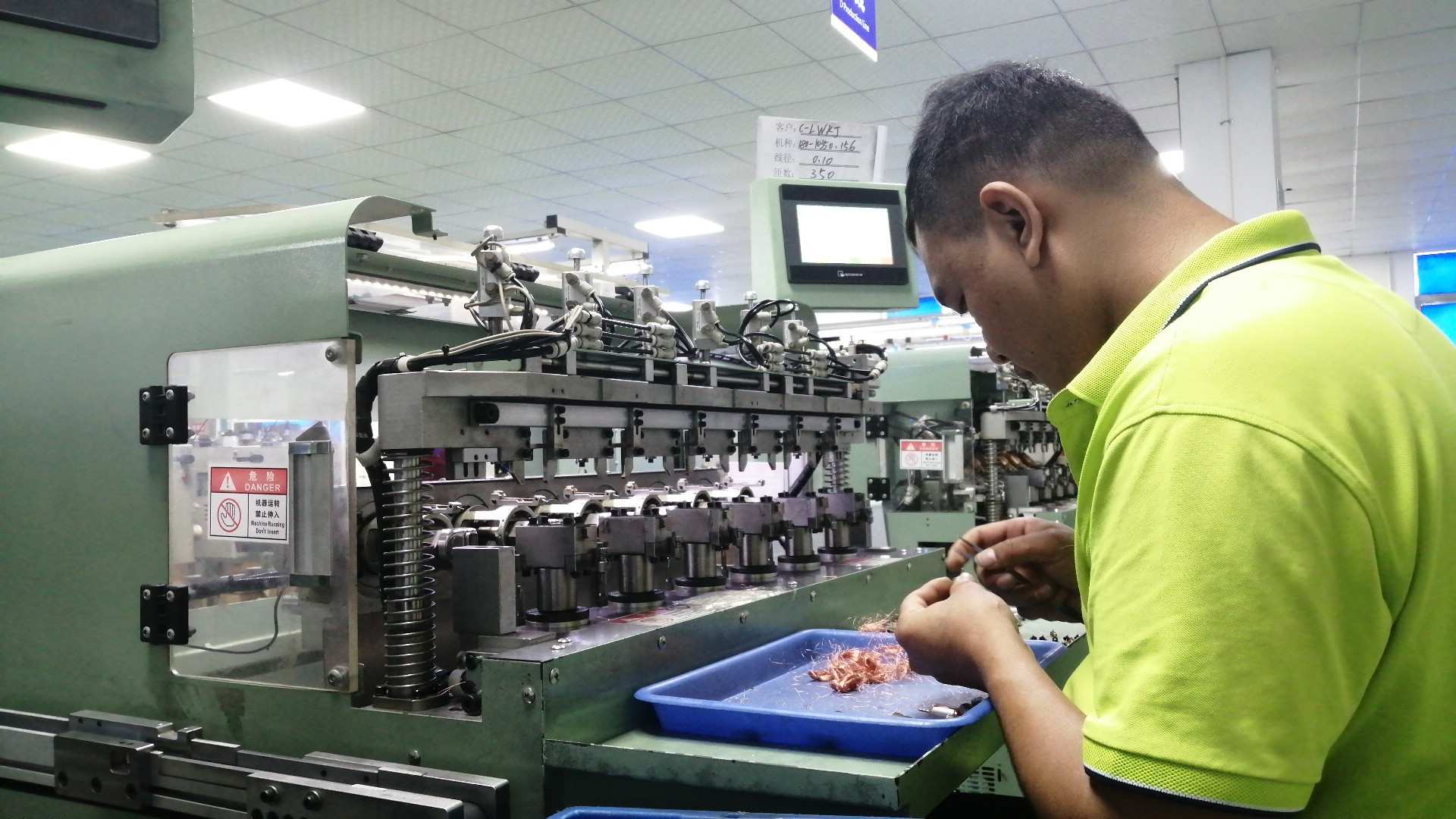 Winding
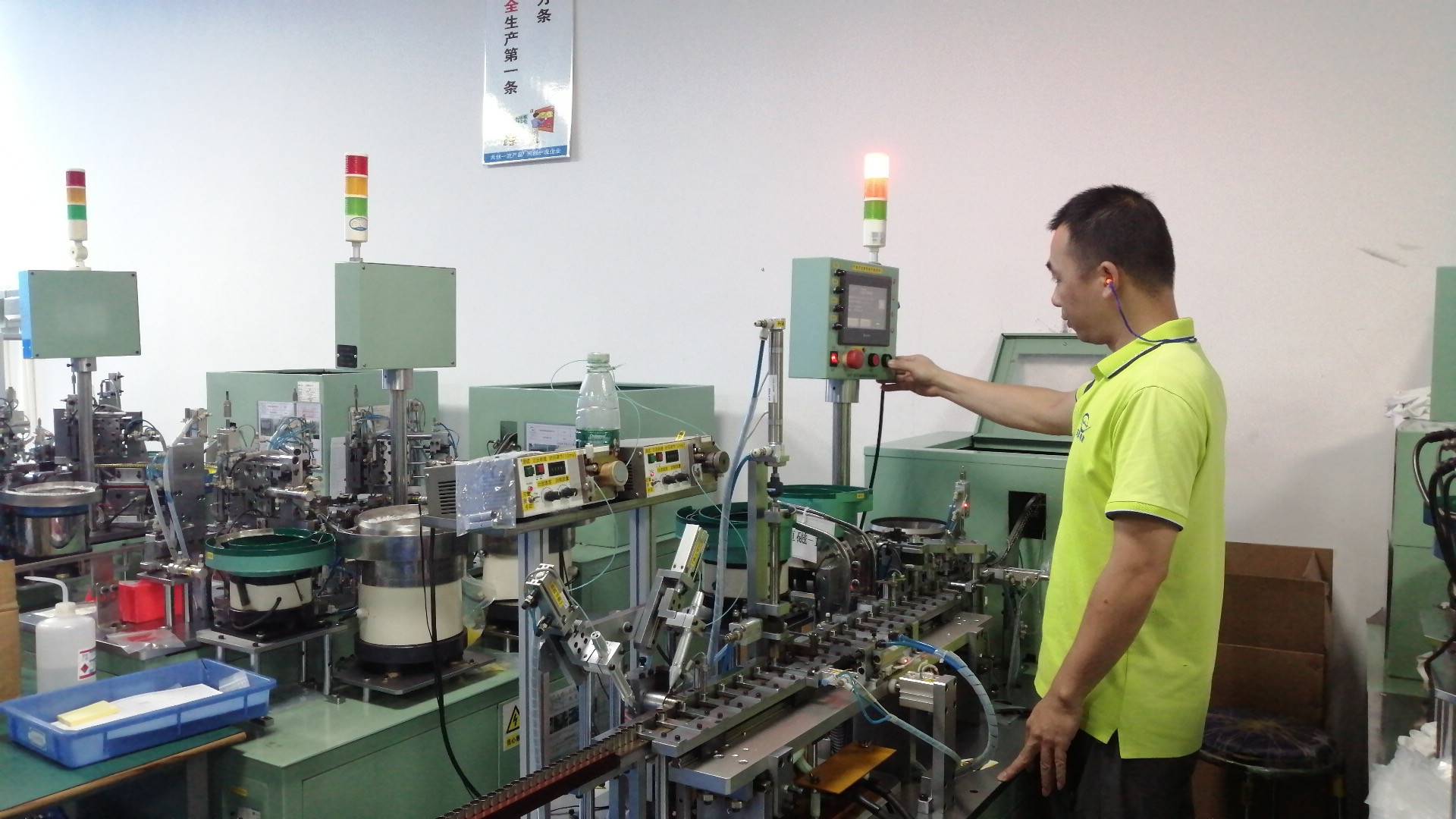 Magnet Assembling
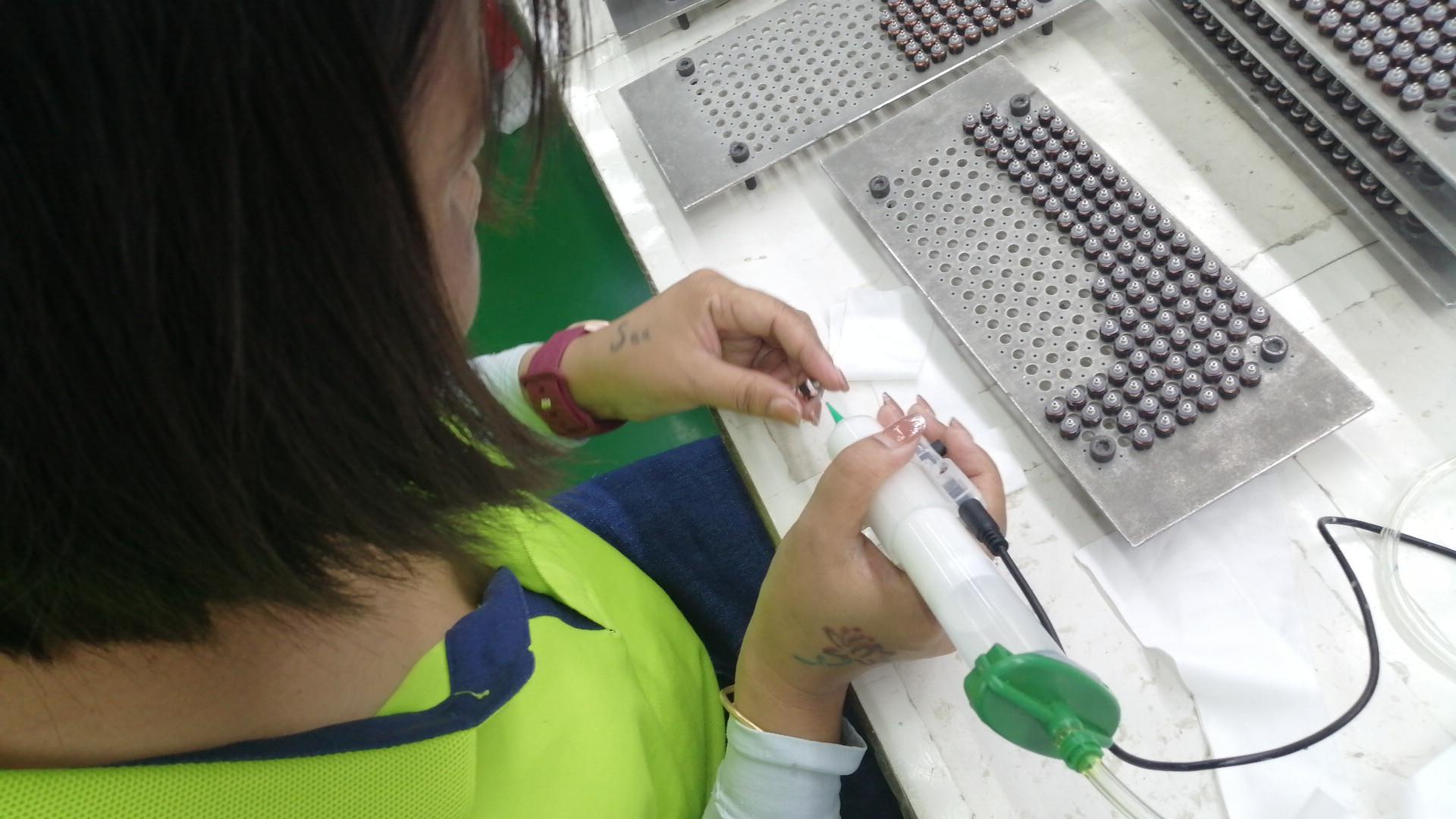 Gluing
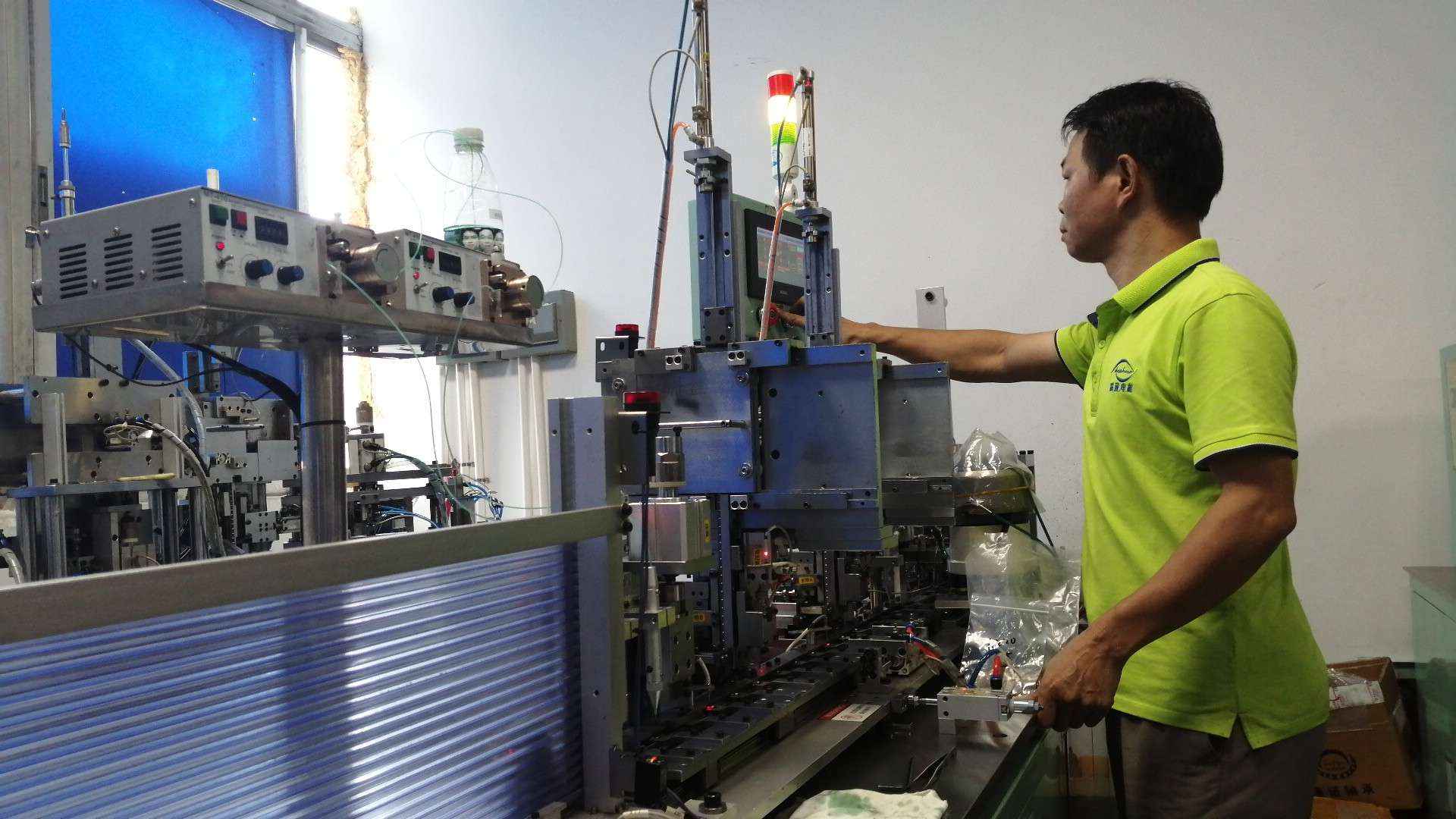 End-cap Assembling
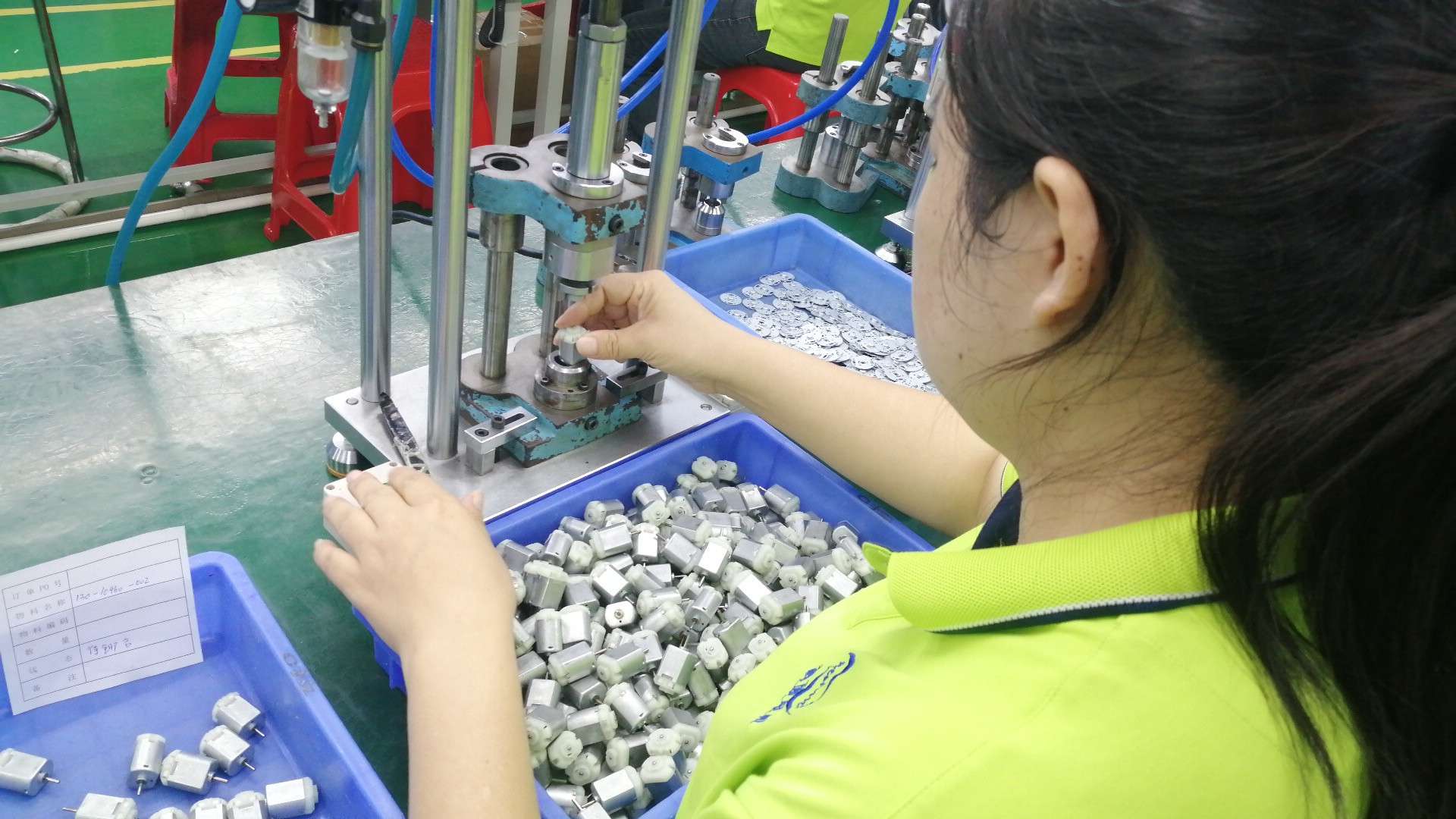 Magnetic Axis Assembling
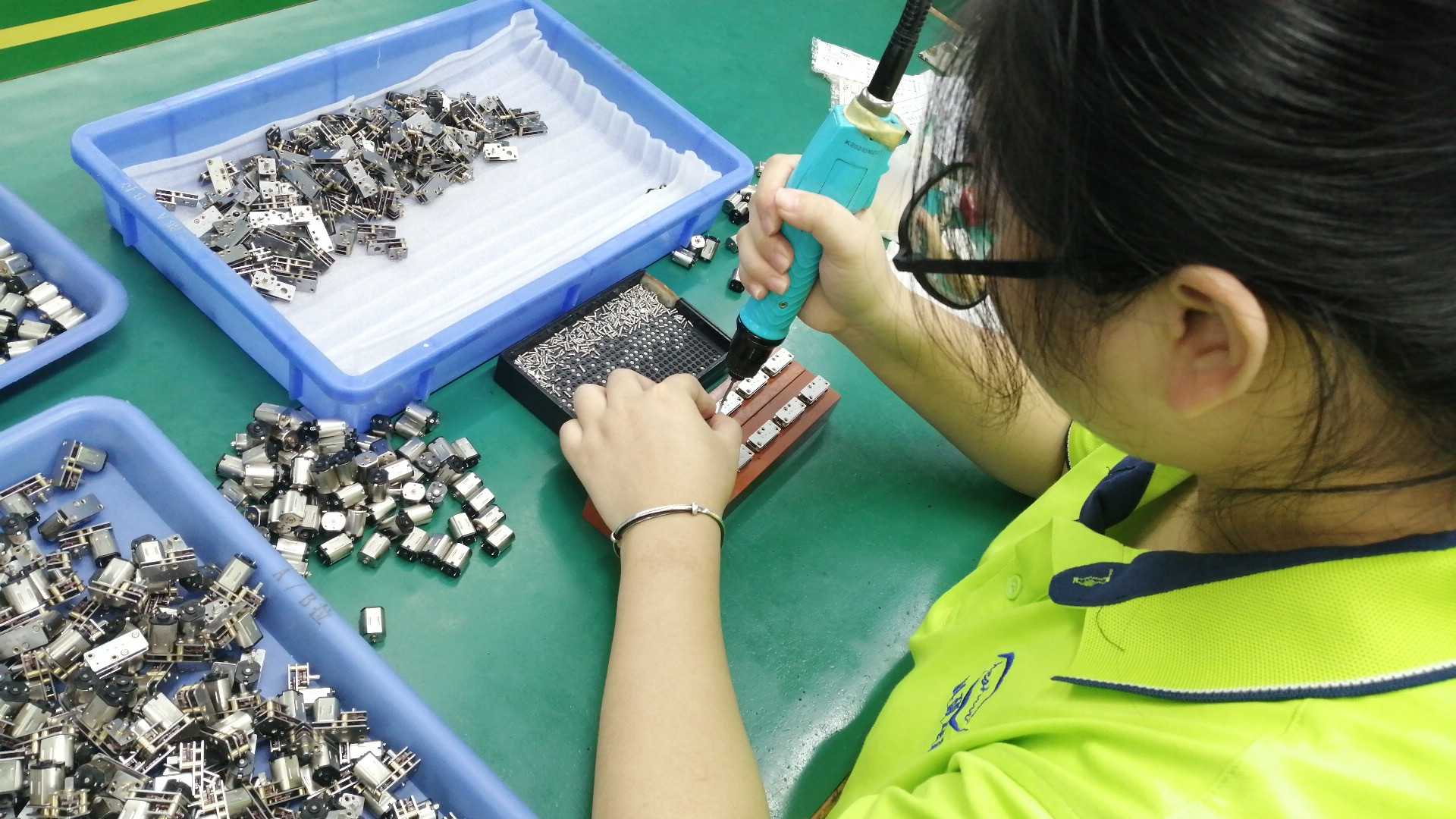 Screwing
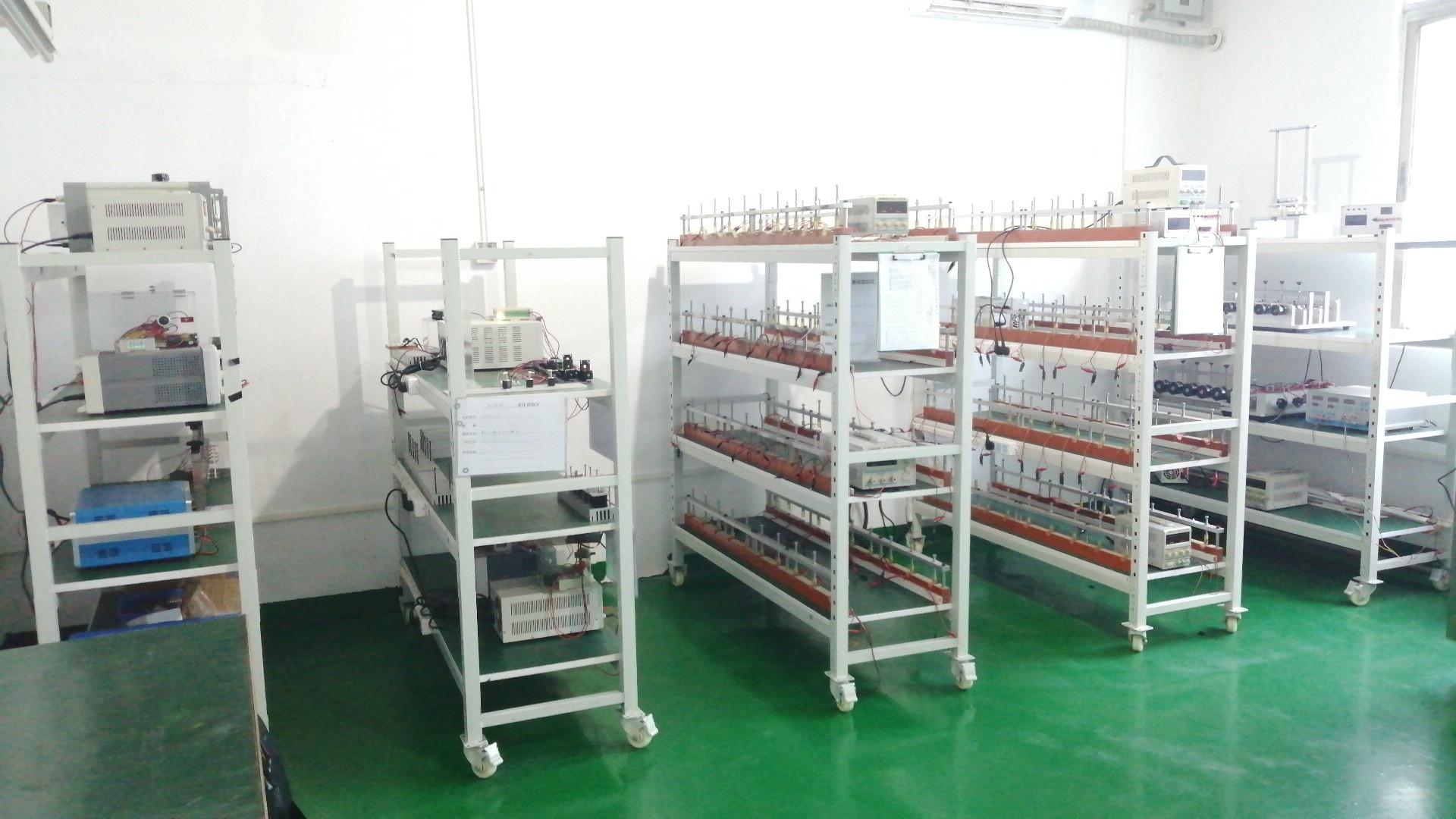 Aging
Aging
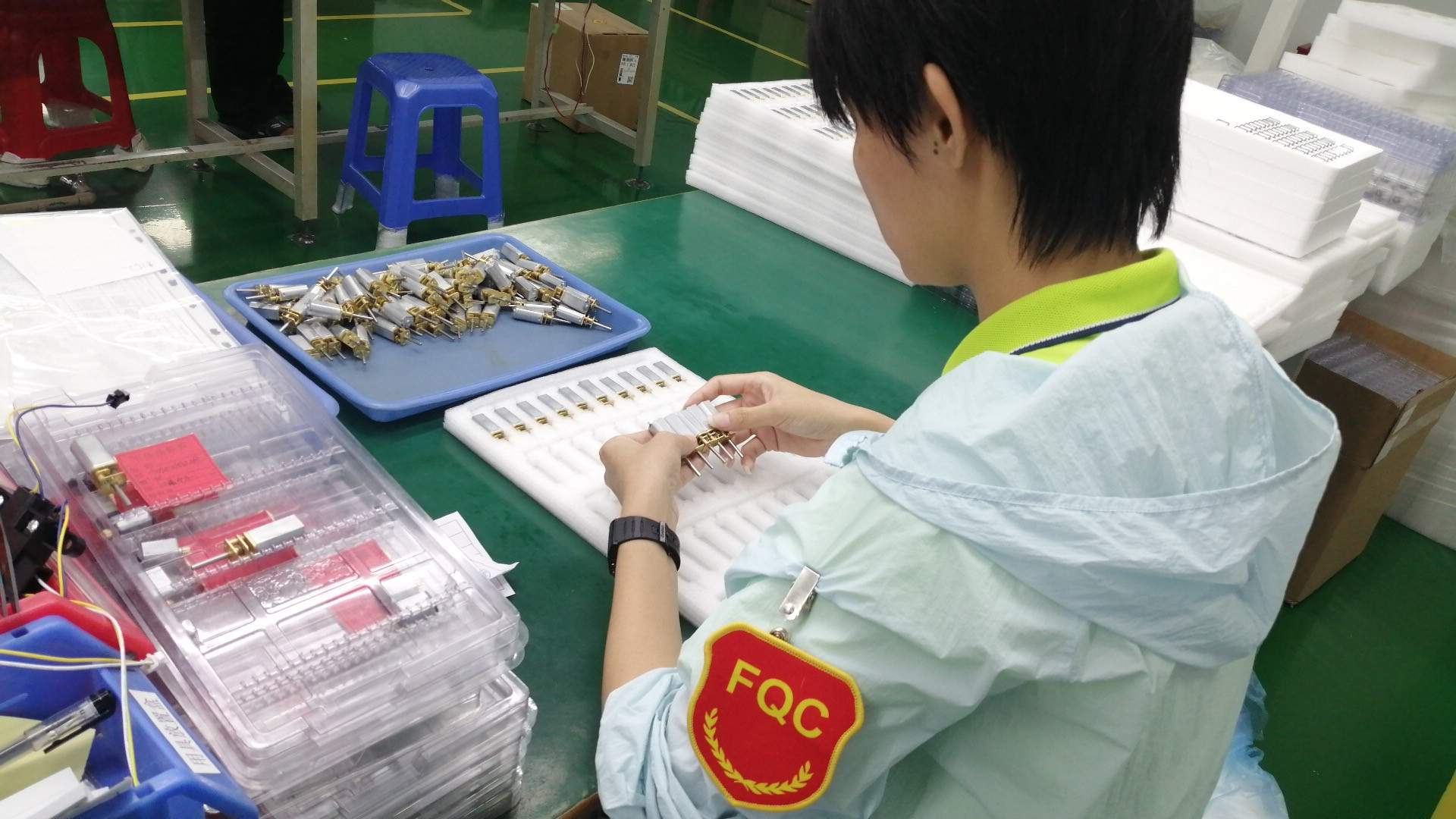 Inspection
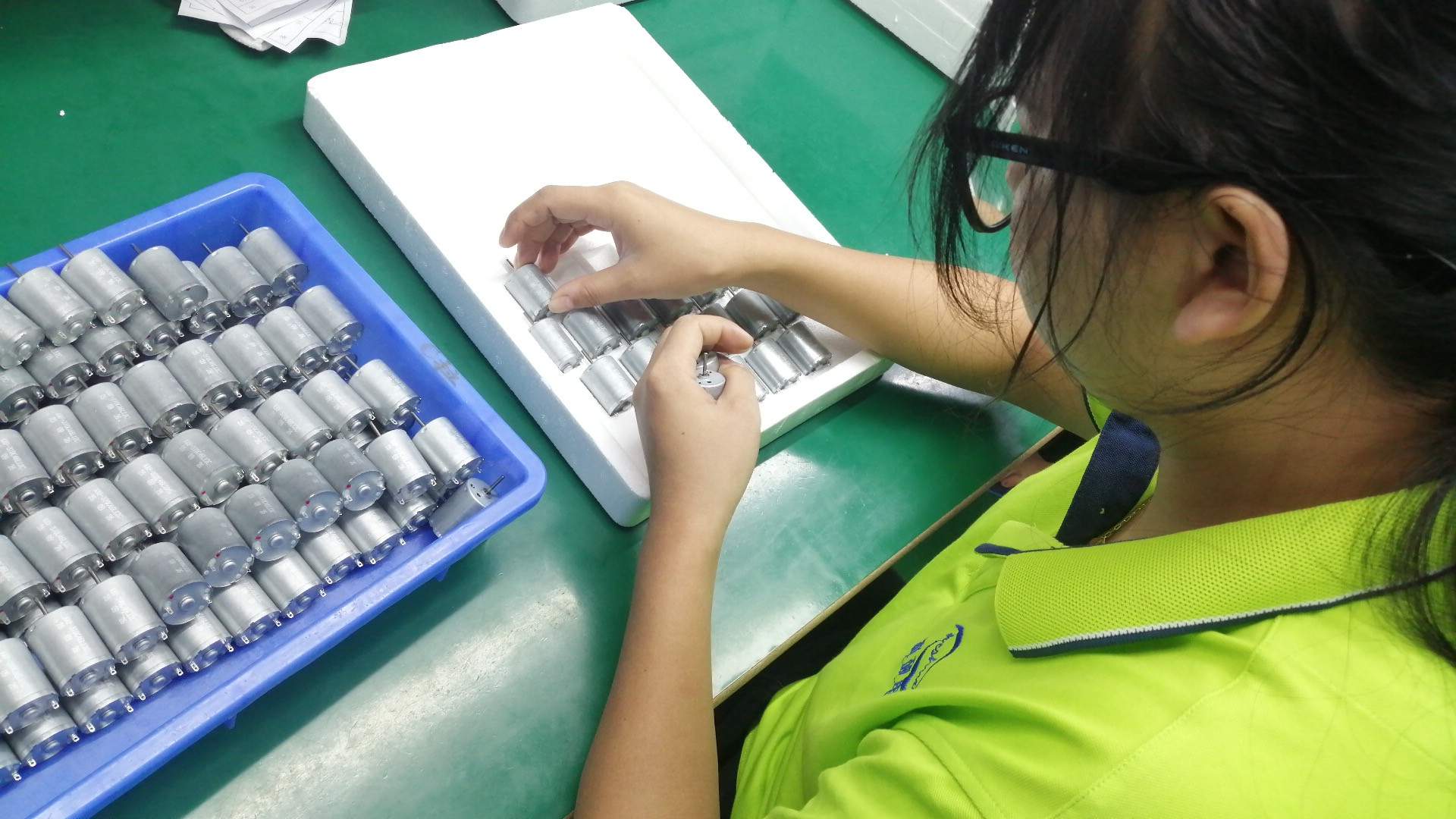 Packing
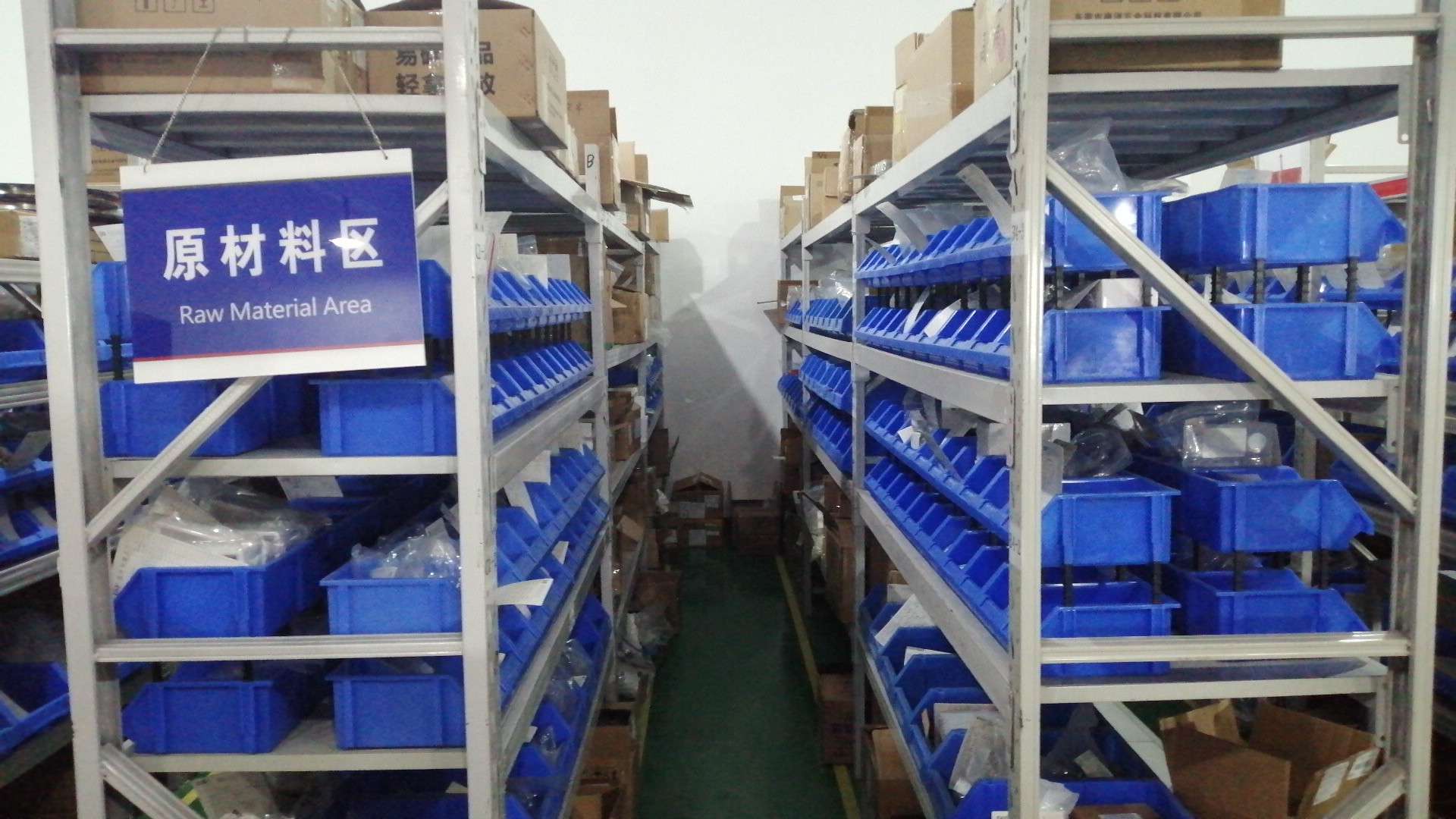 Raw Materials
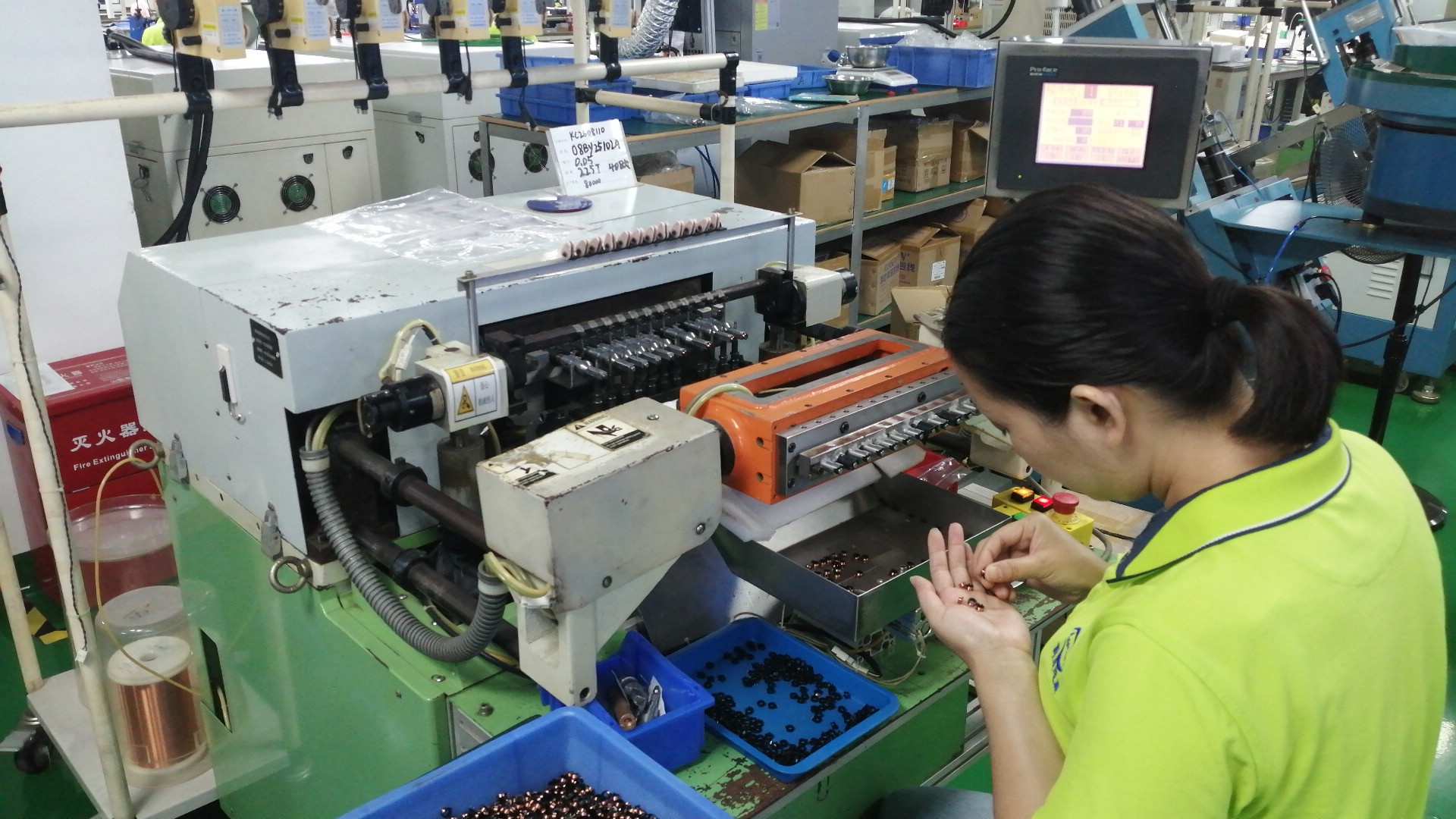 Coil Winding
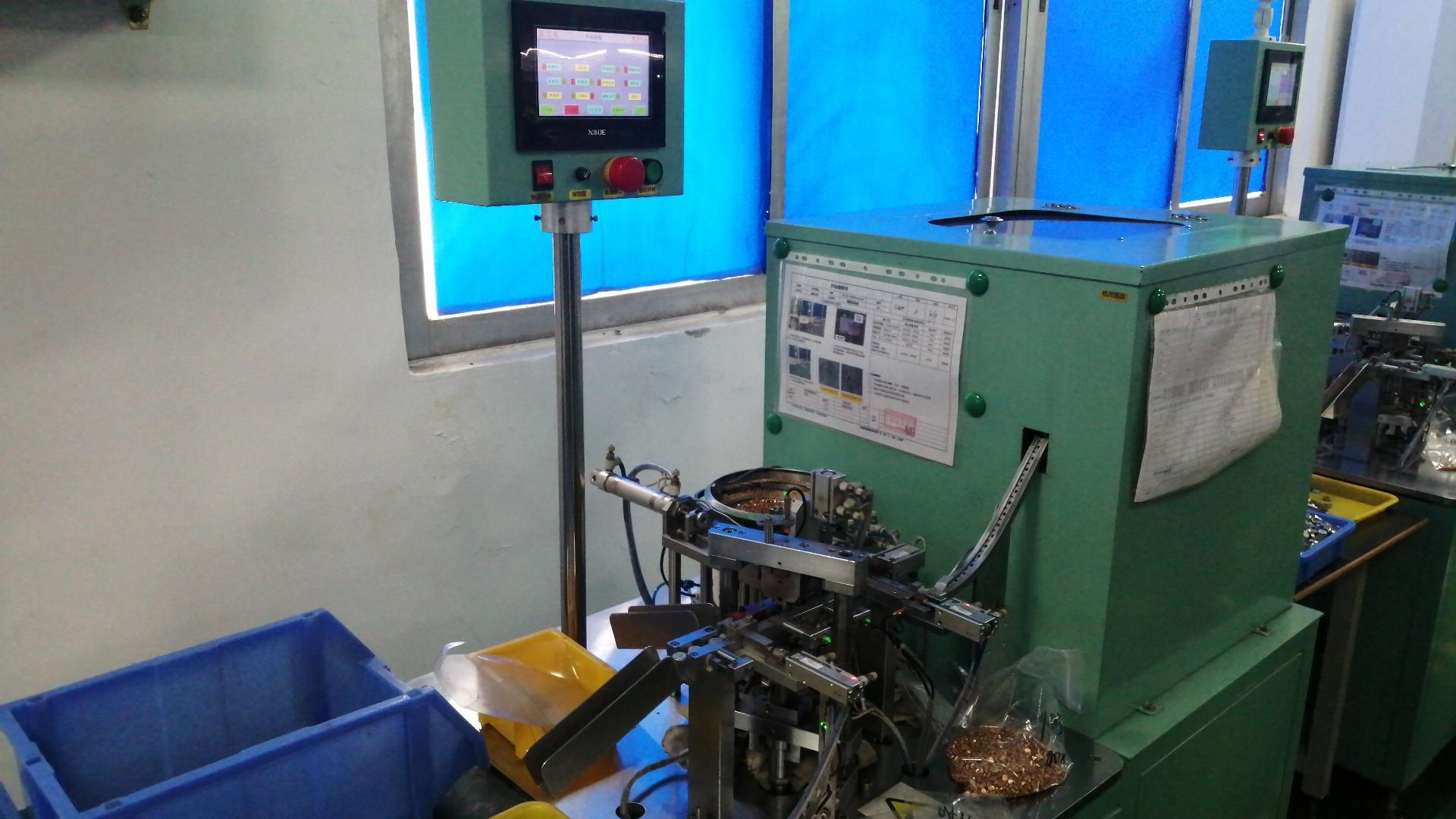 Automatic Pressure Bearing
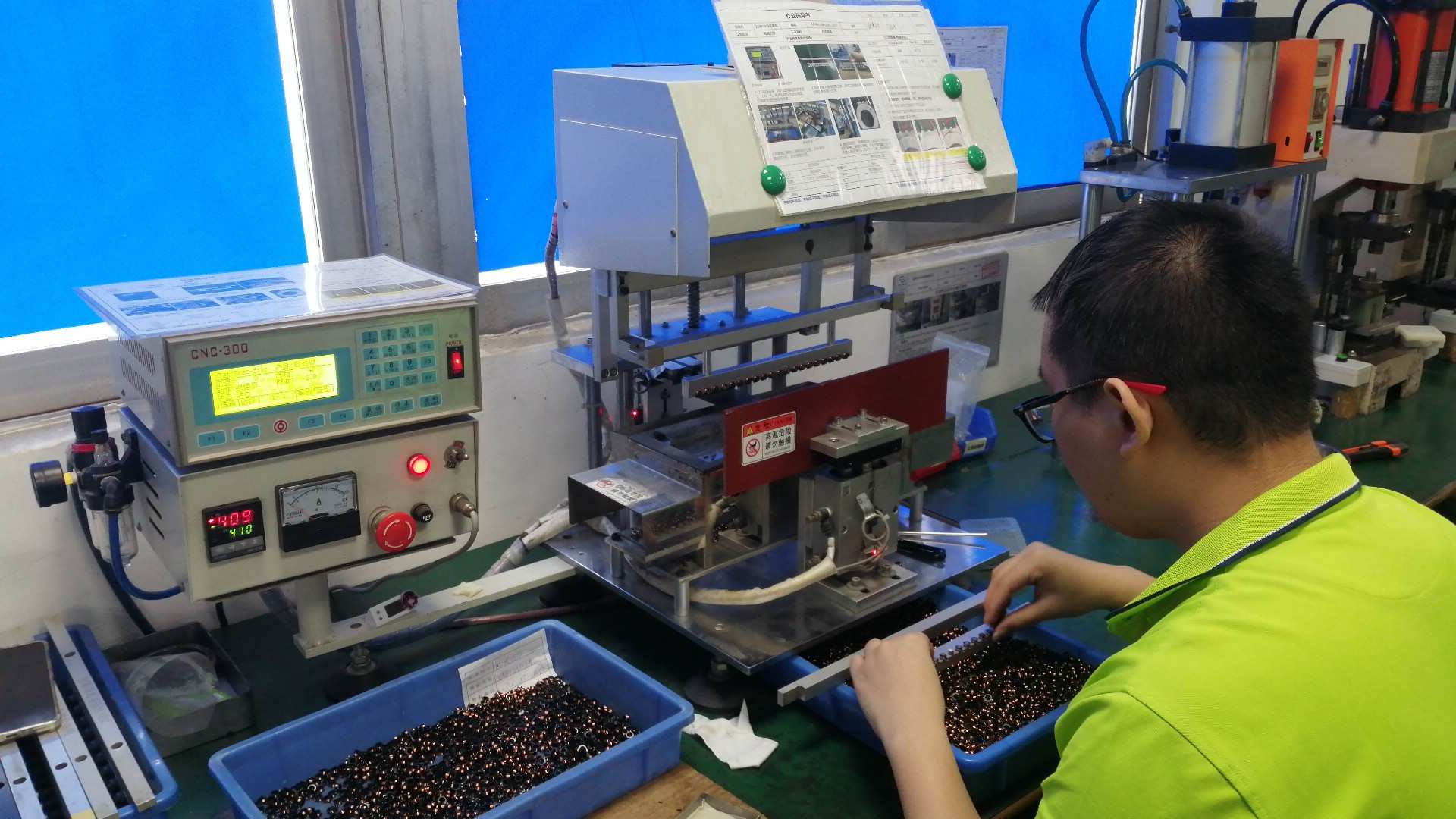 Automatic Soldering
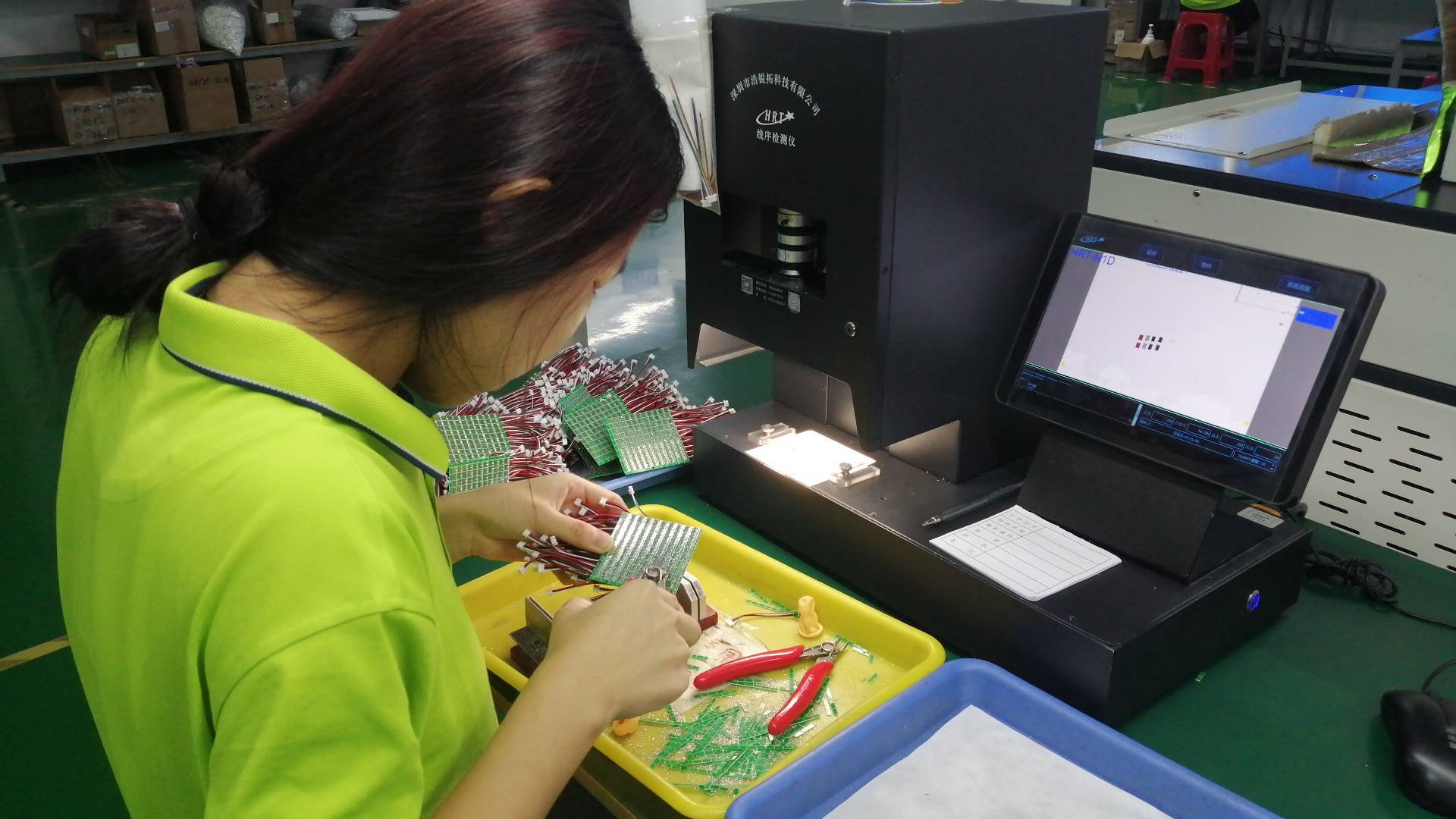 Cutting
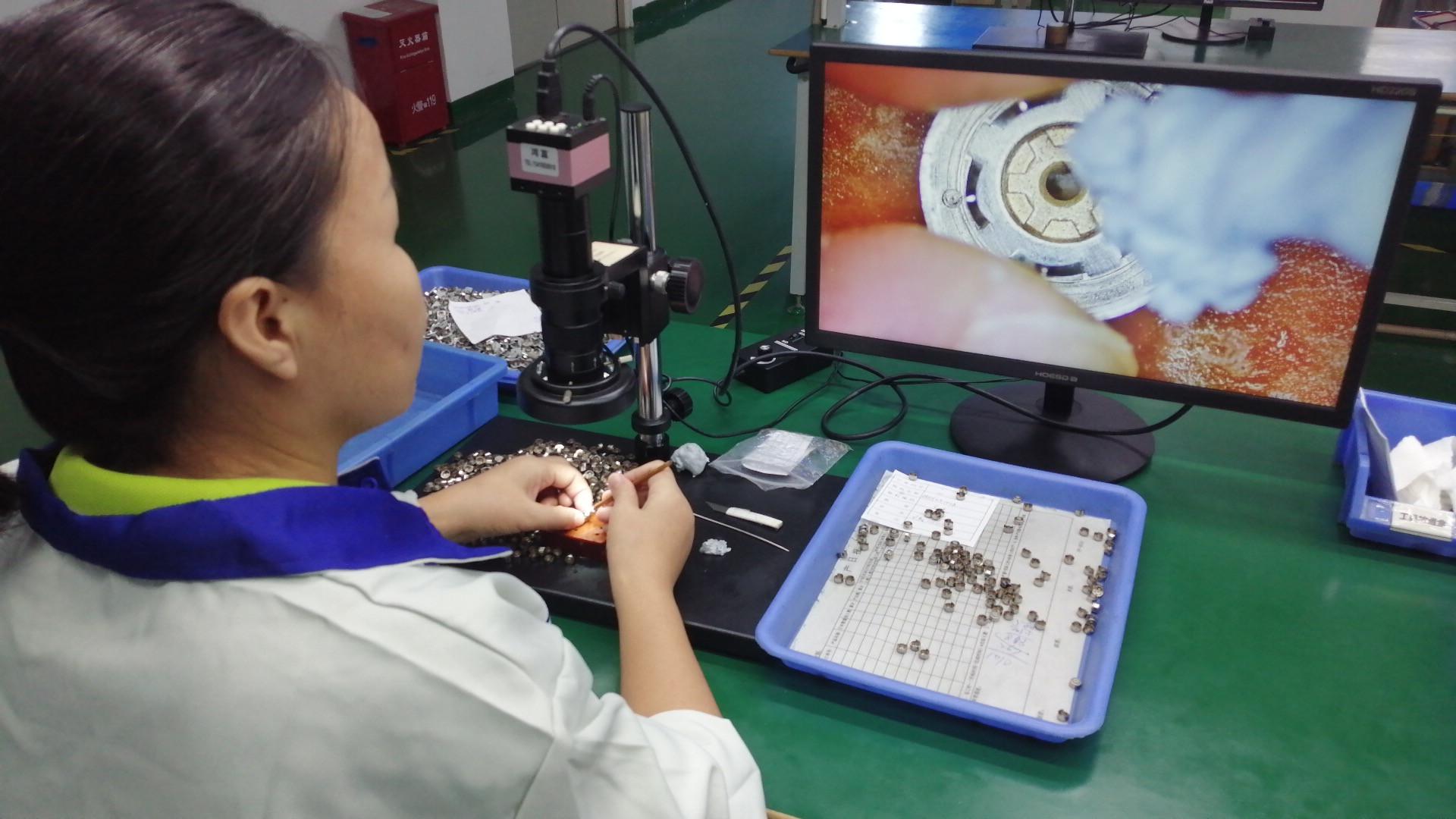 Cleaning
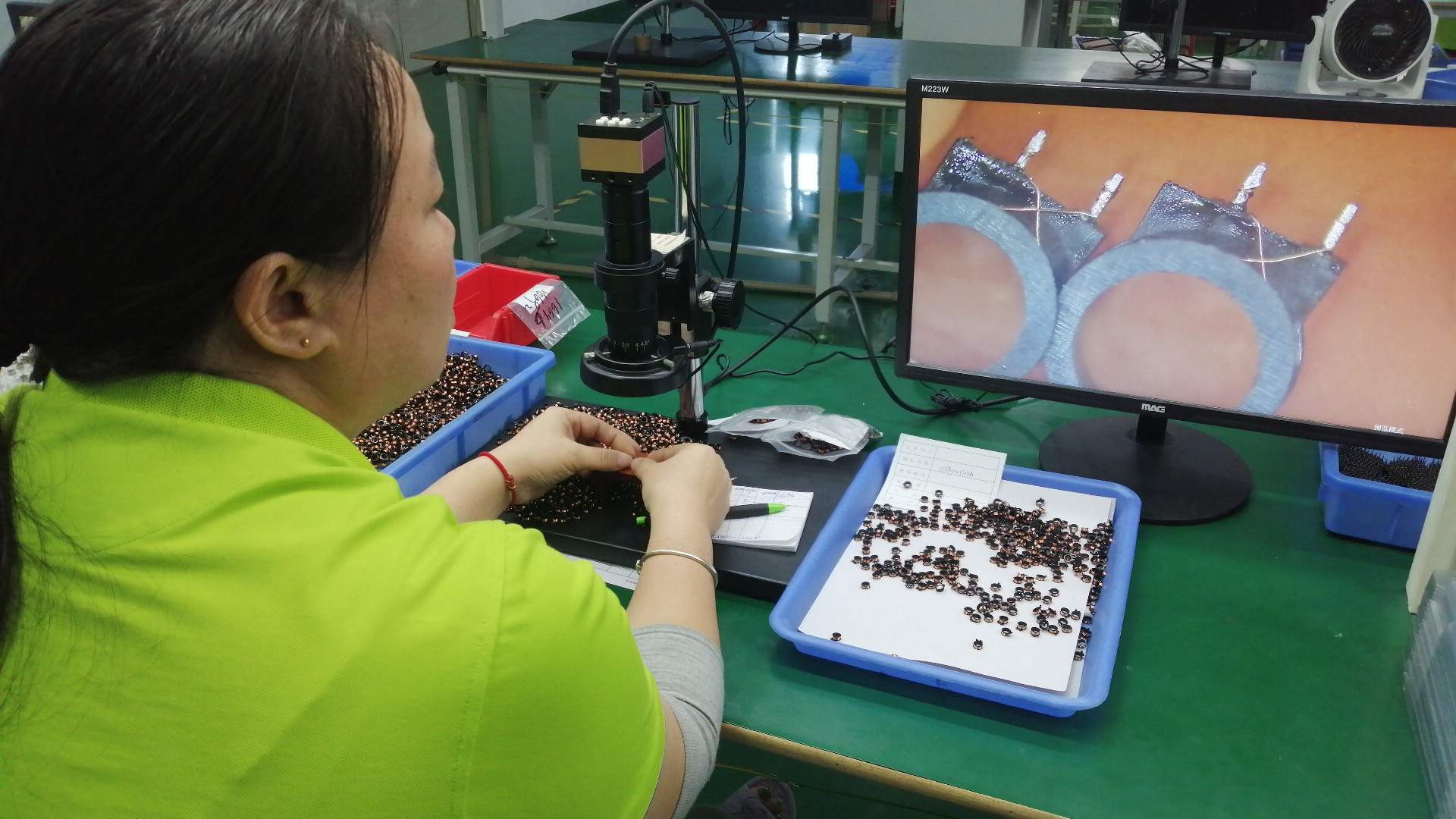 Inspection 1
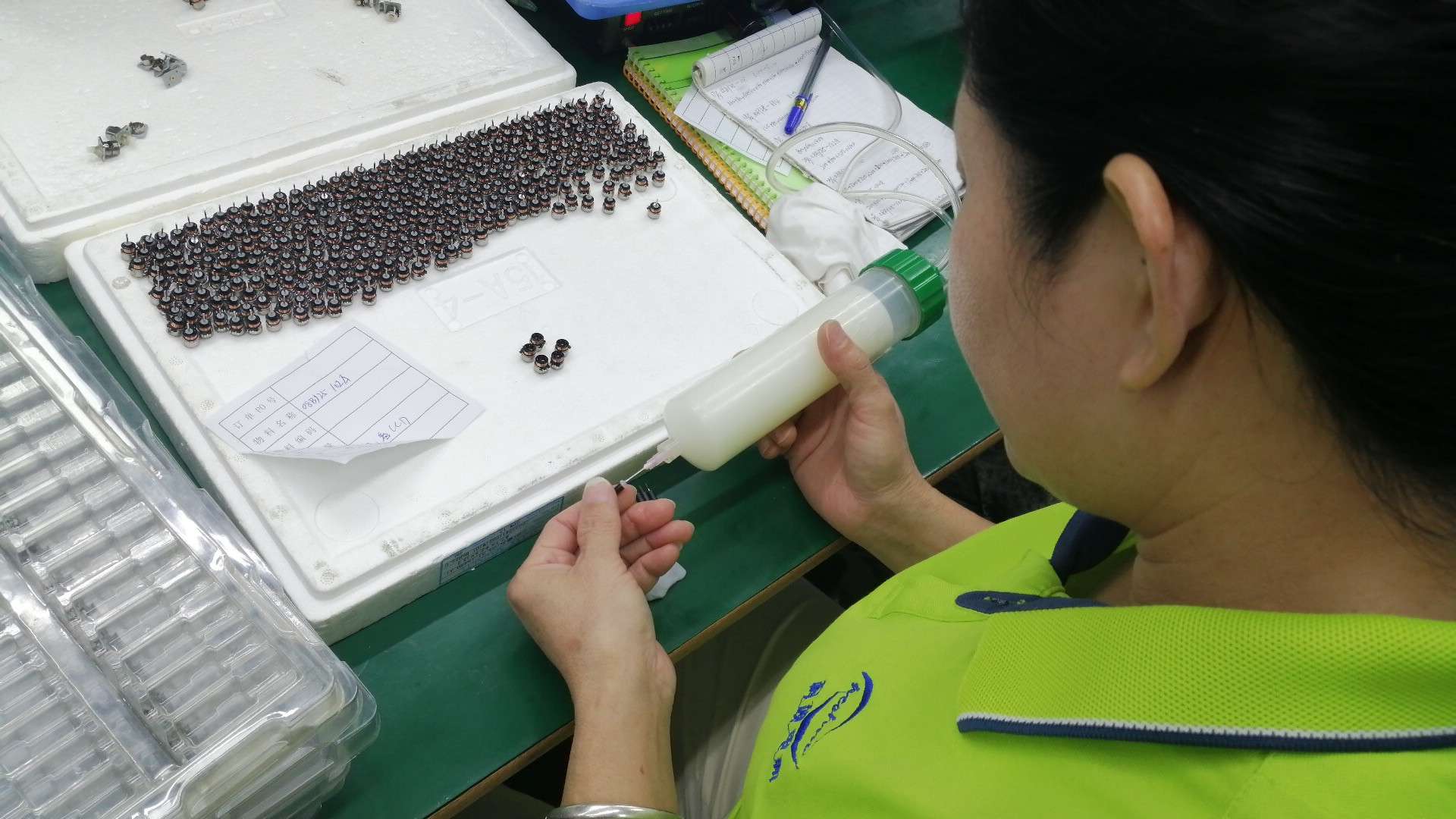 Gluing
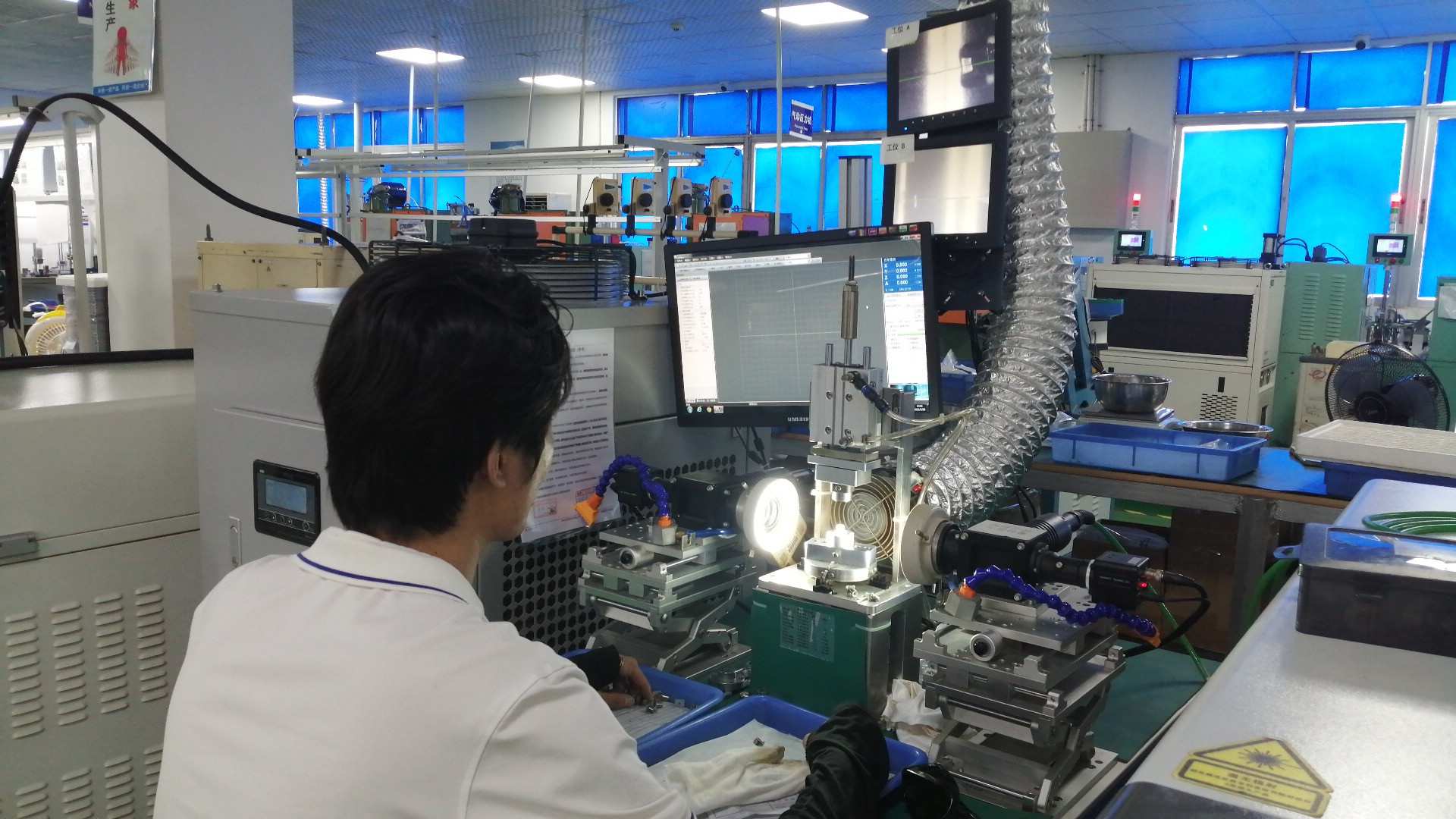 Laser Spotwelder
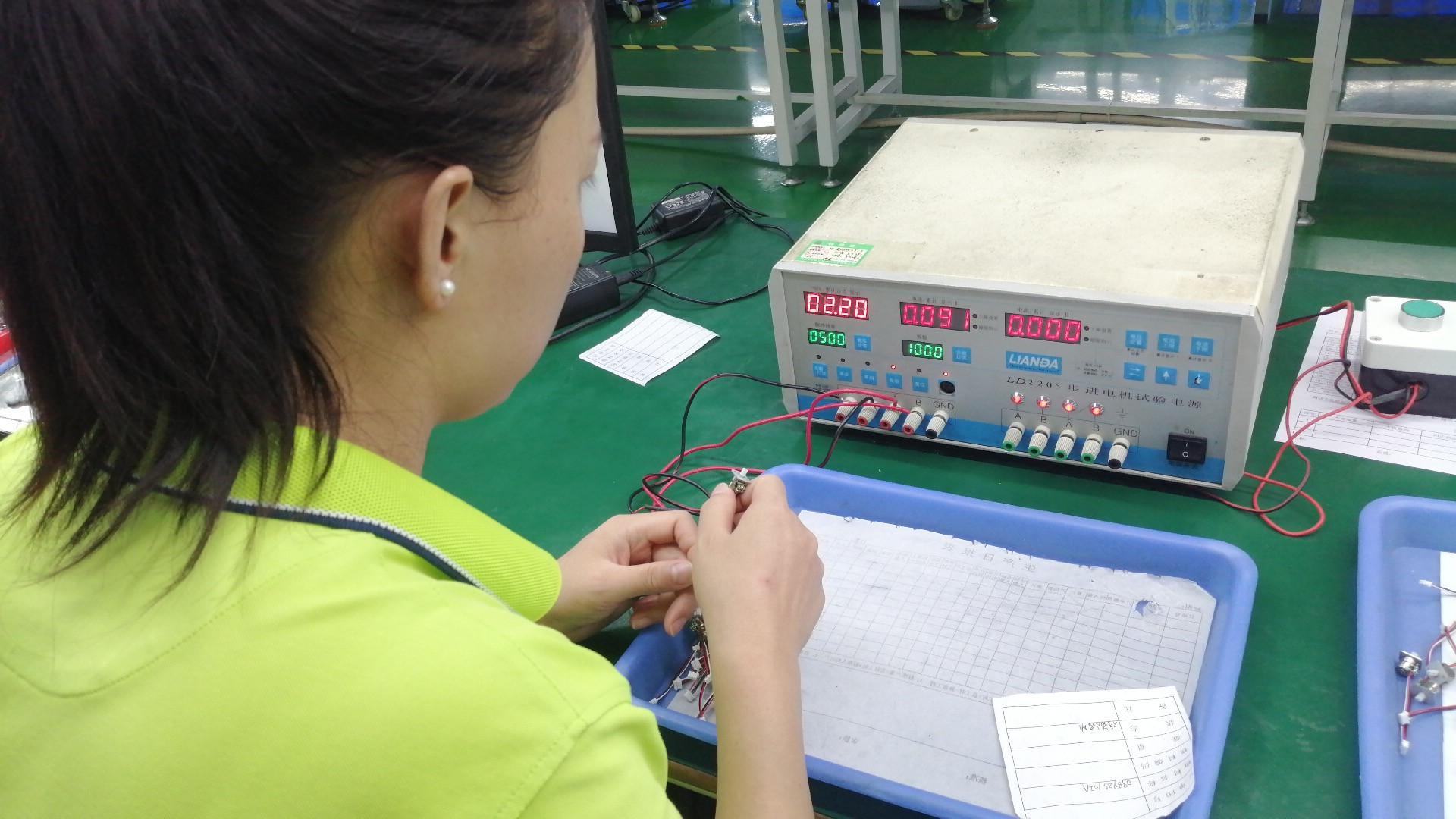 Inspection 2
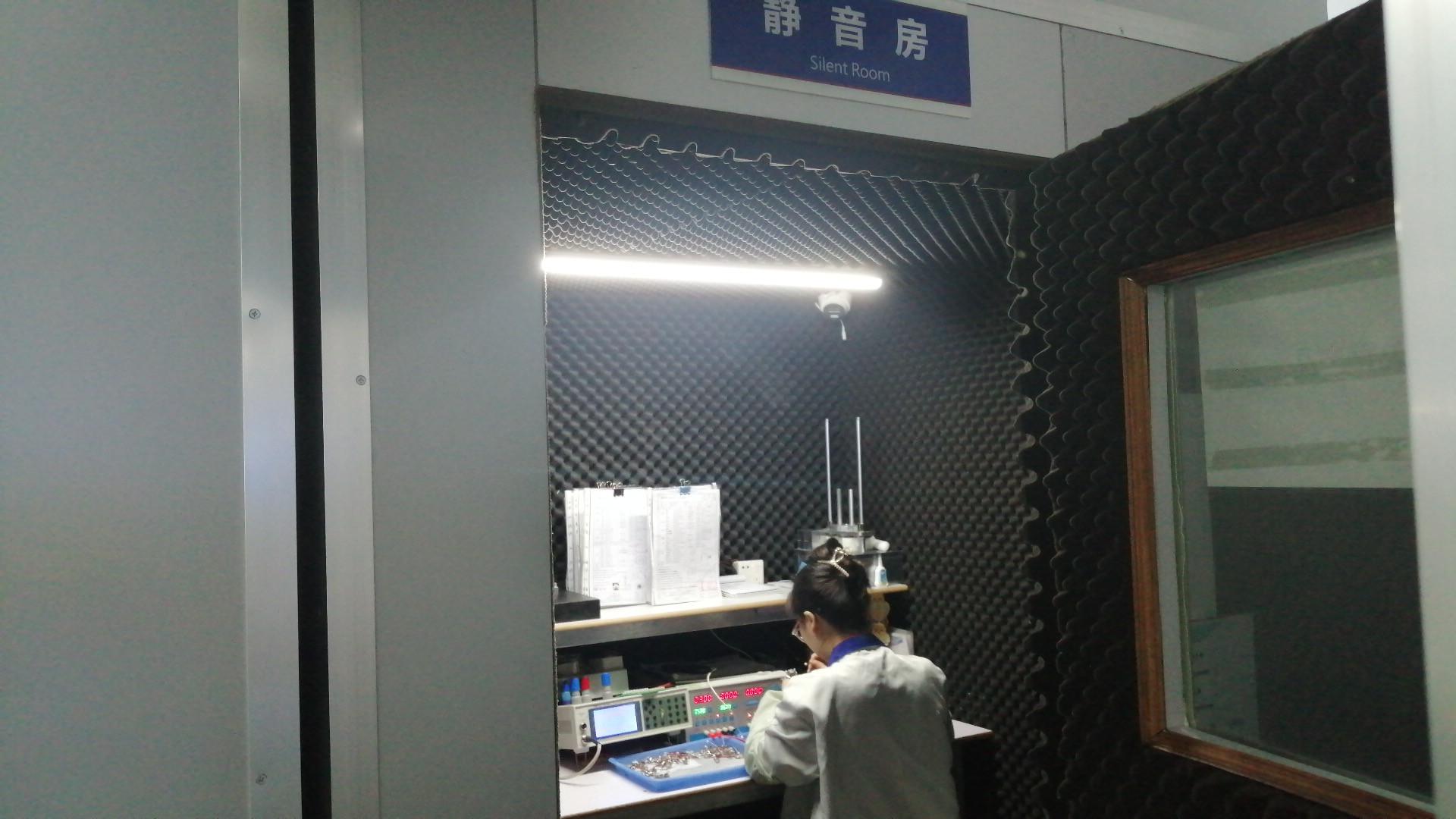 Silent Testing
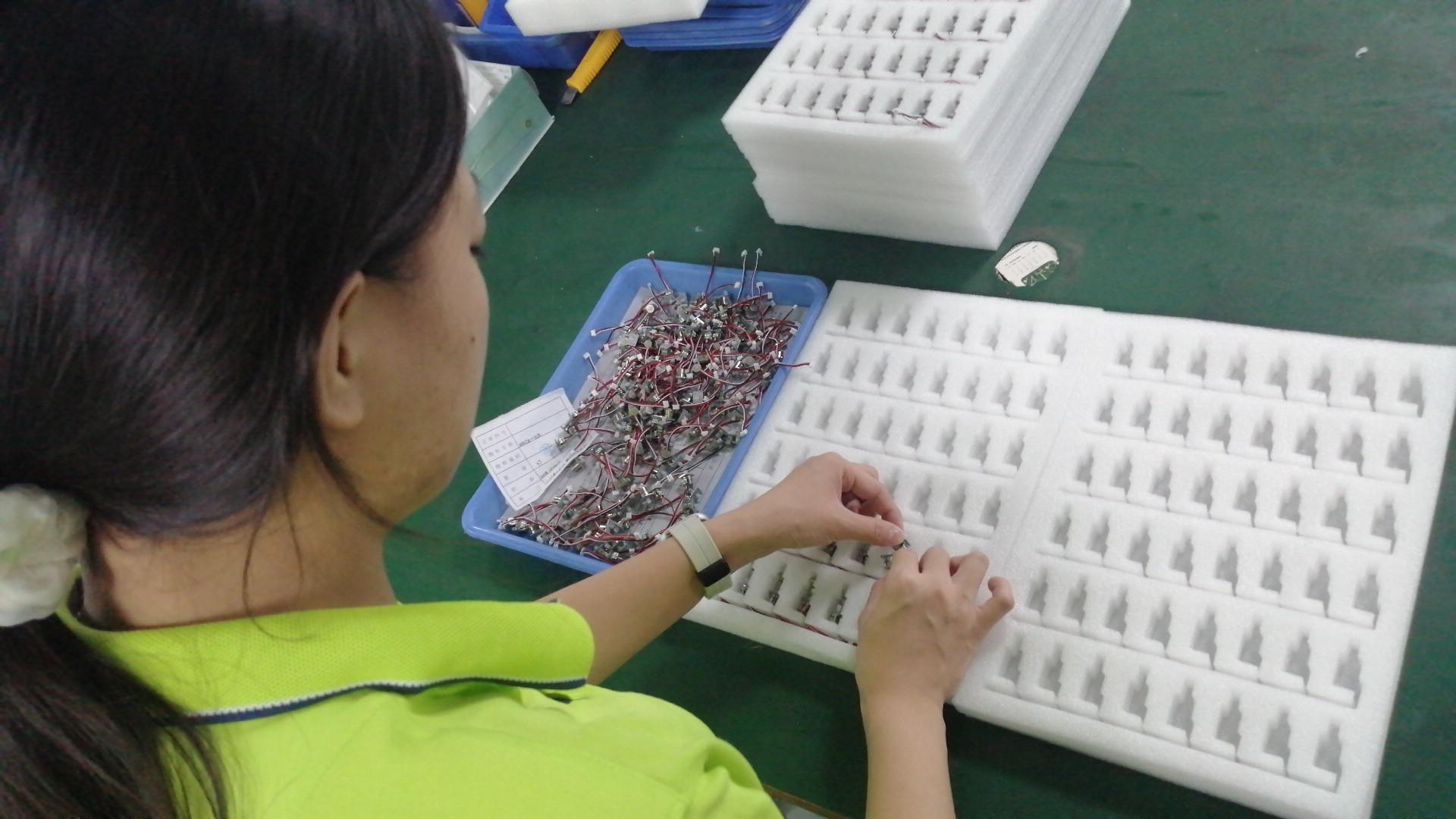 Packing
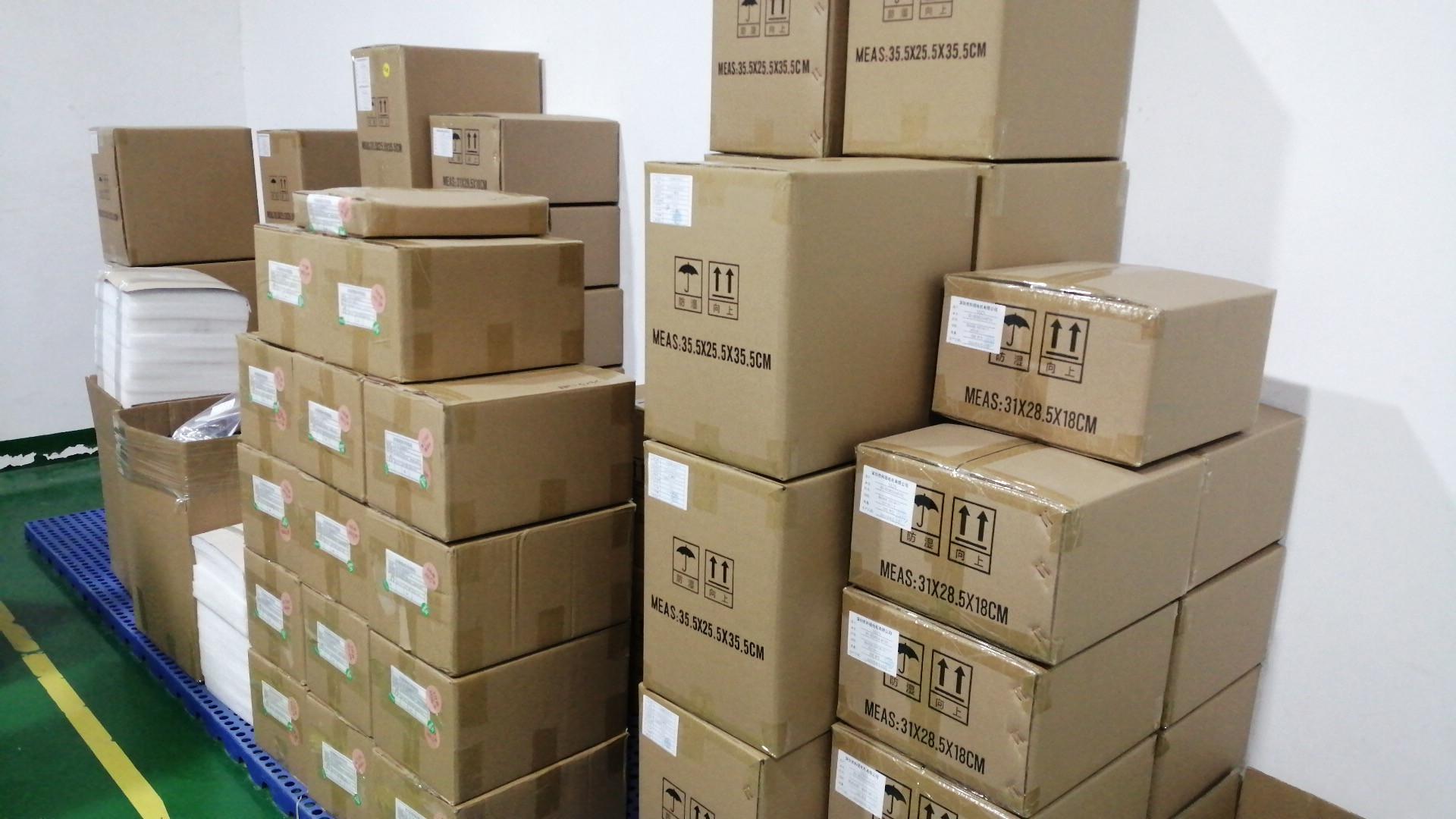 Finished Goods
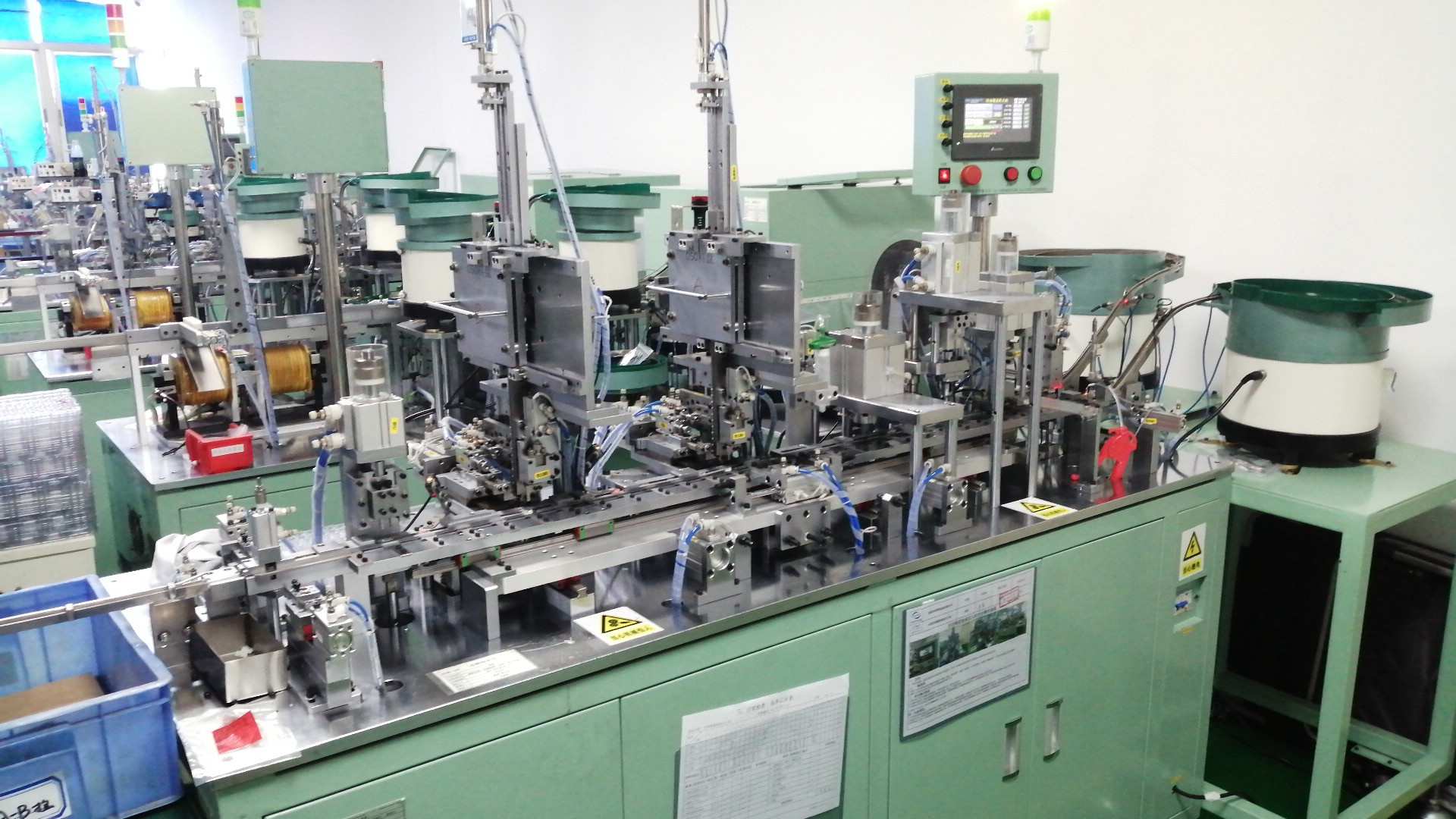 Automatic Assembly Machine
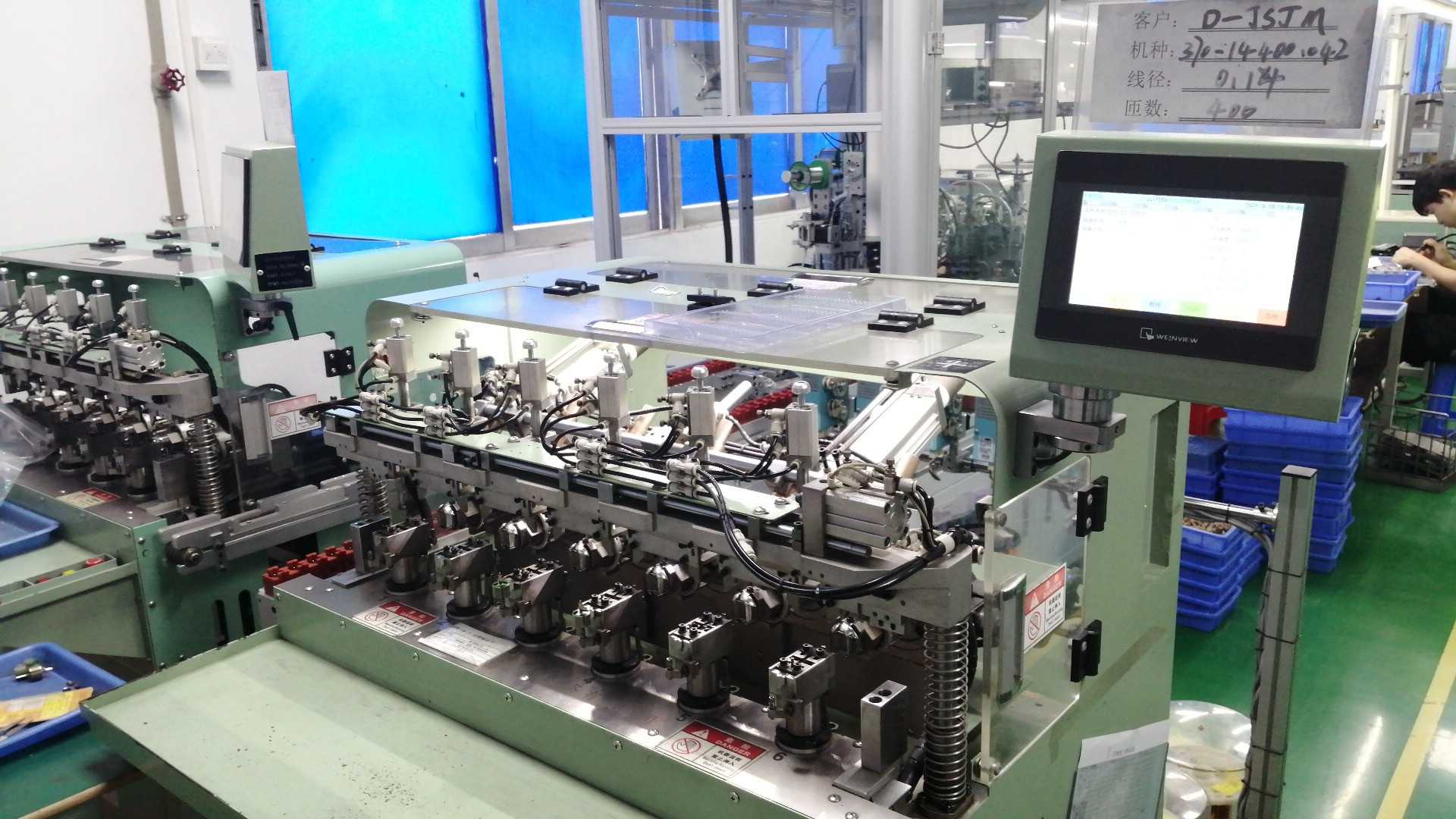 Automatic Coil Winding Machine
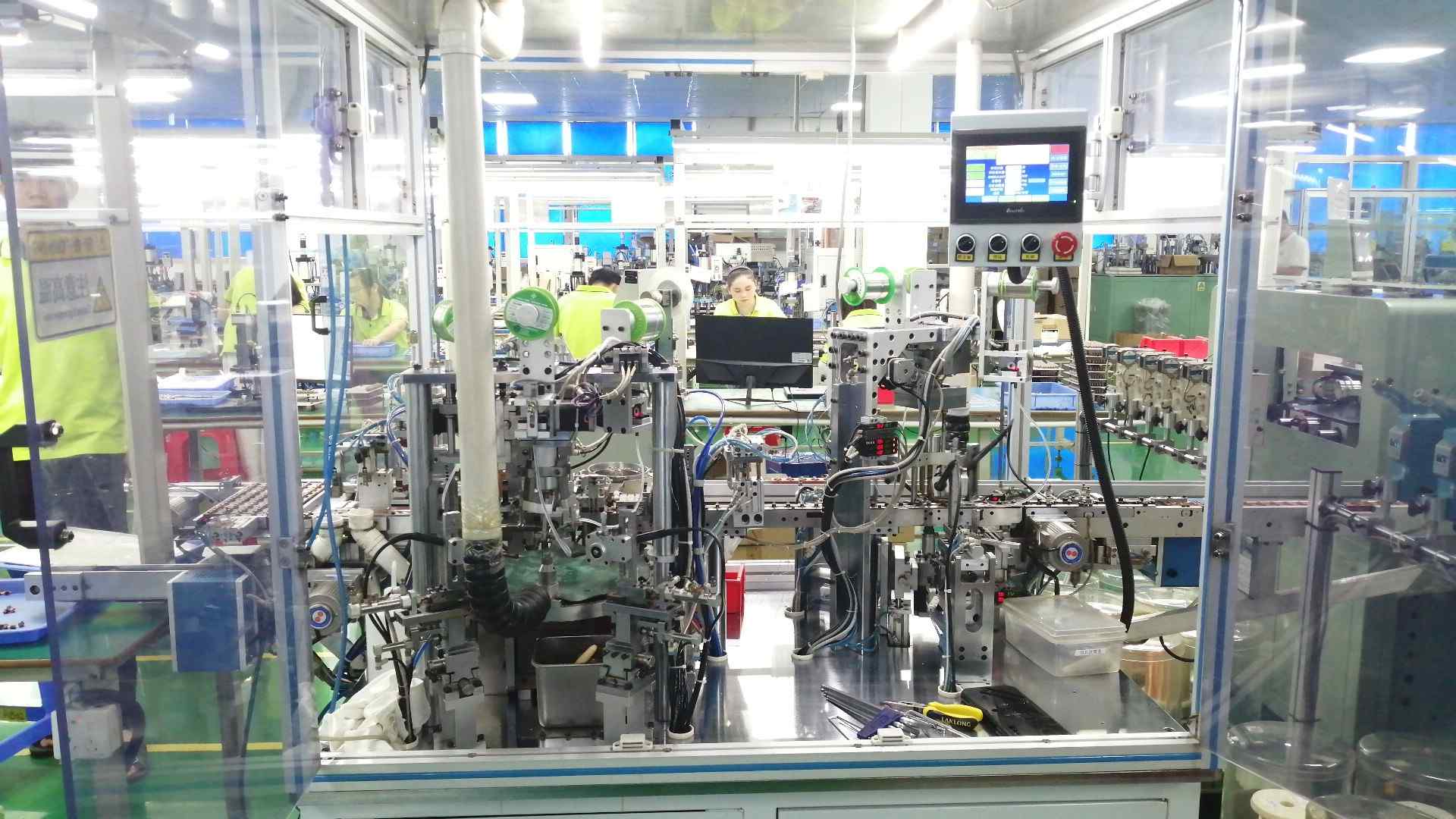 Automatic Soldering Machine
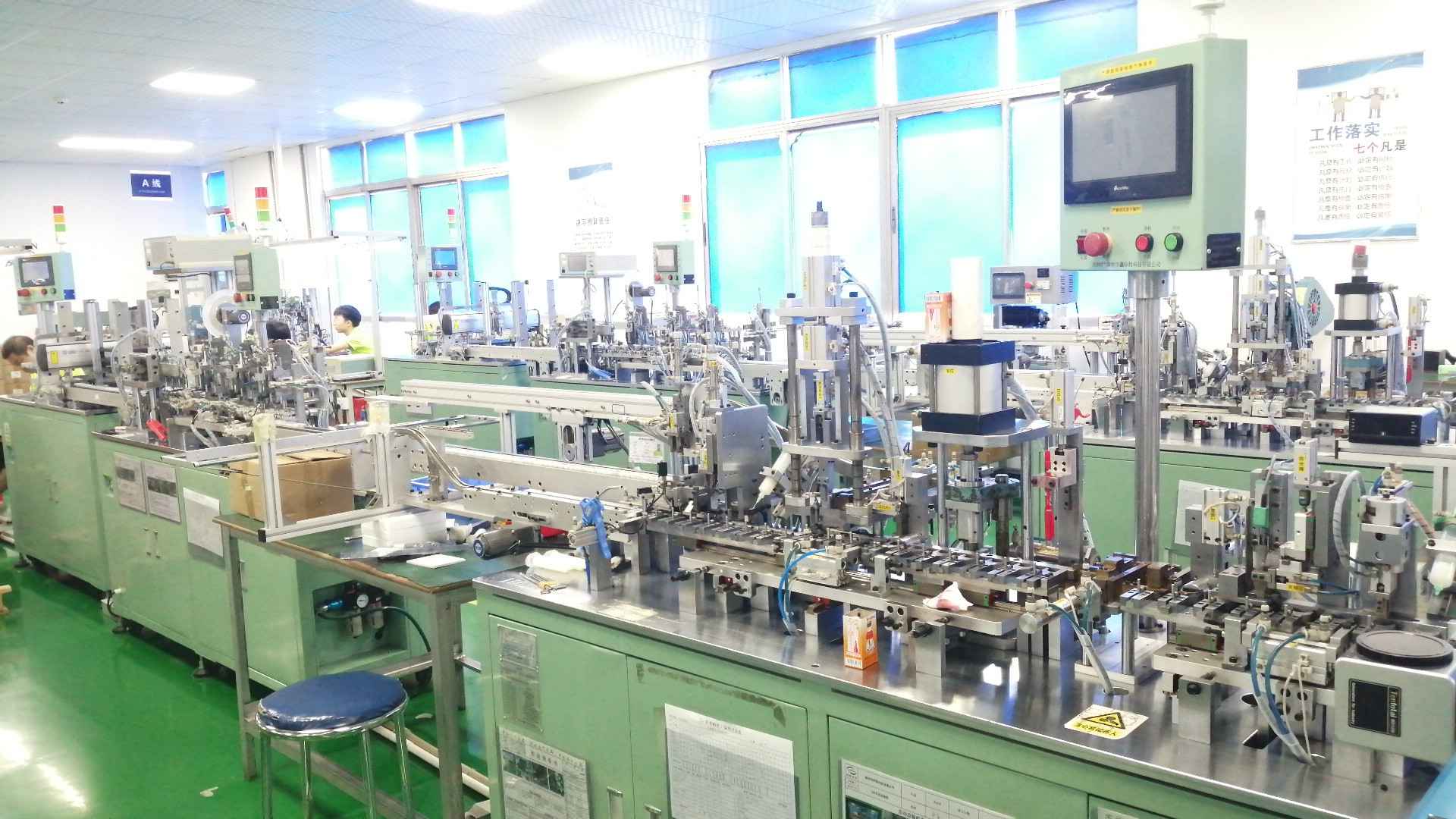 Automatic Assembly Line
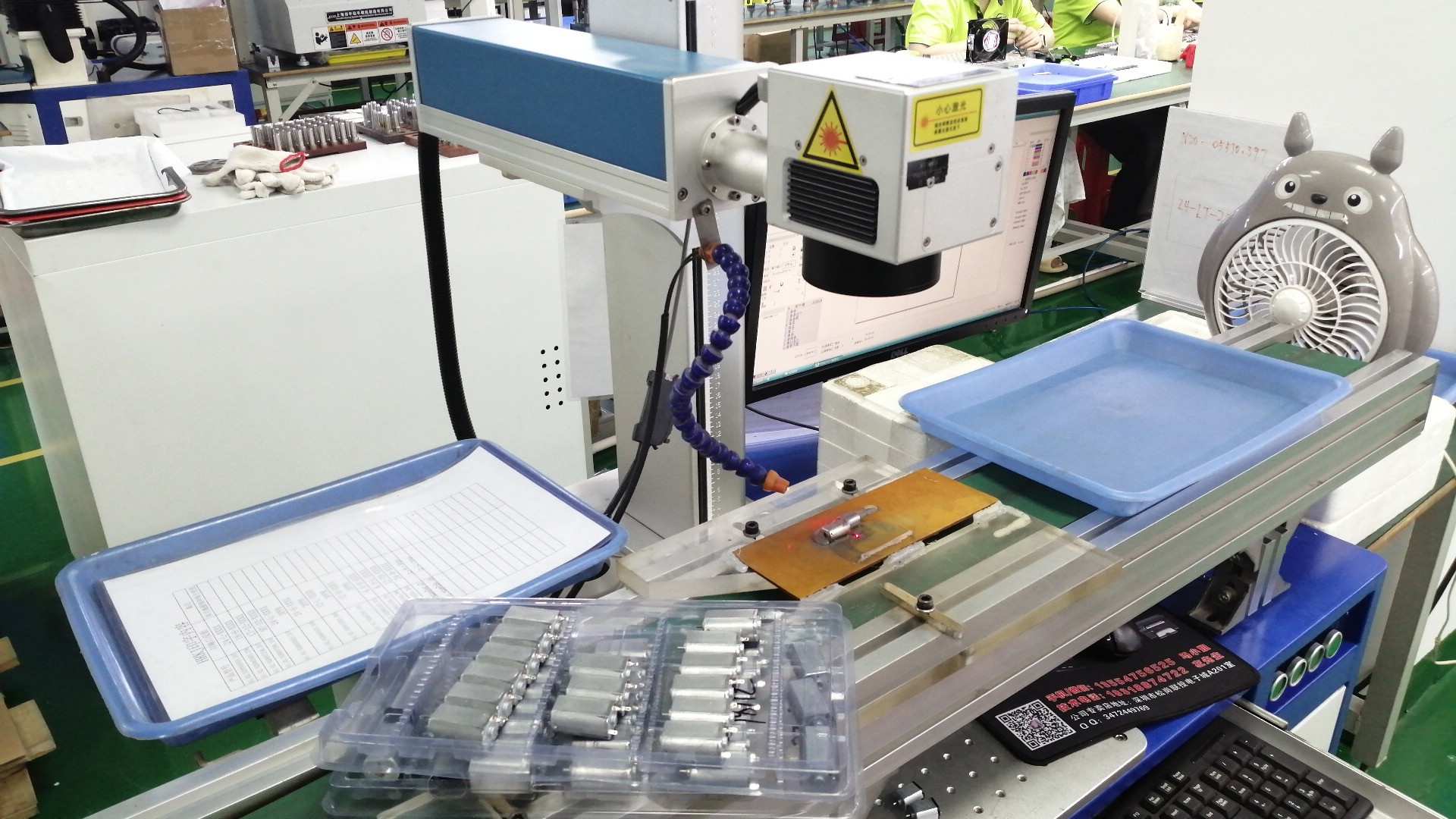 Laser Engraving Machine
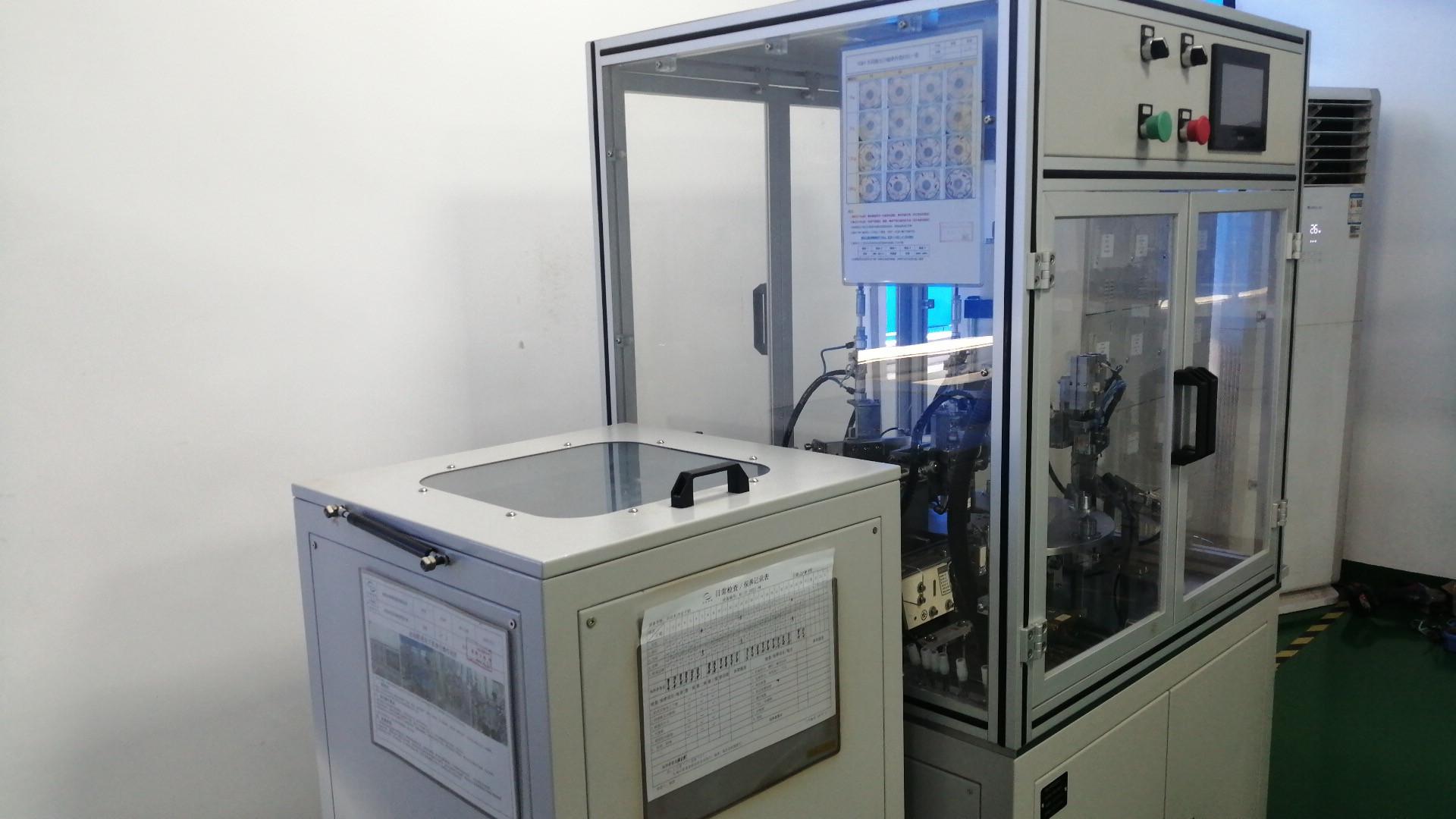 Automatic Pressure Bearing Machine
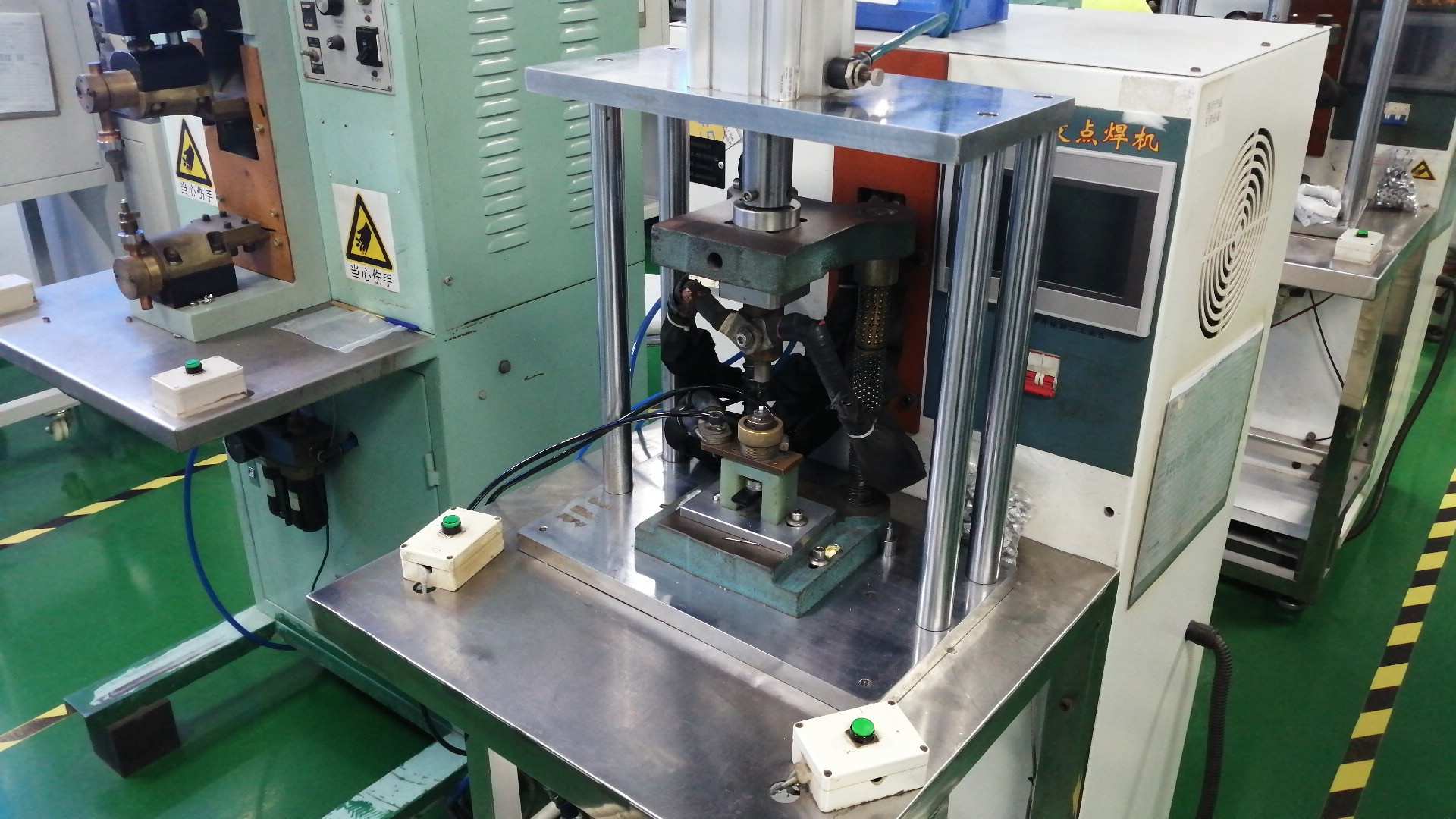 Spotwelder
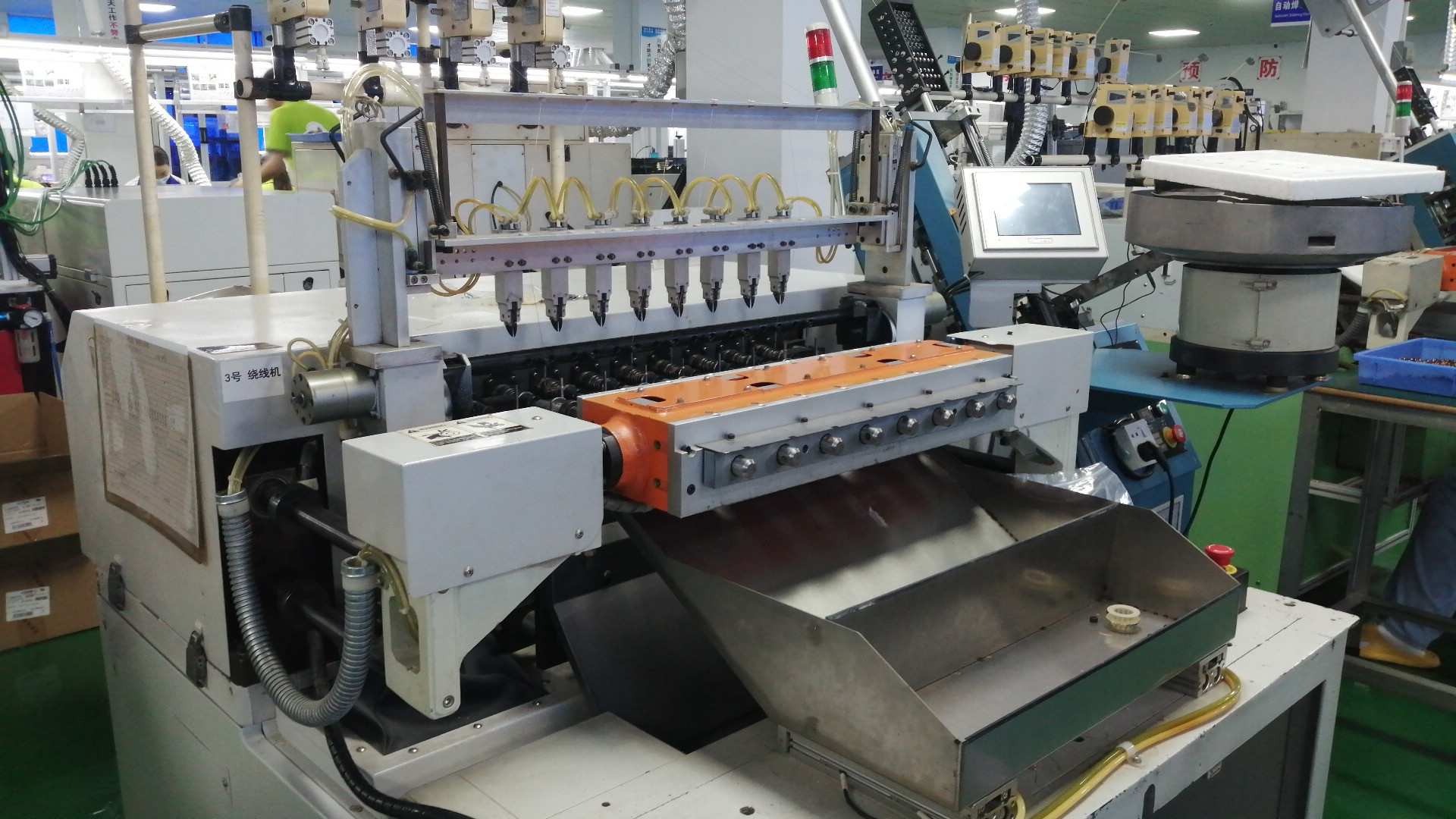 Automatic Coil Winding Machine
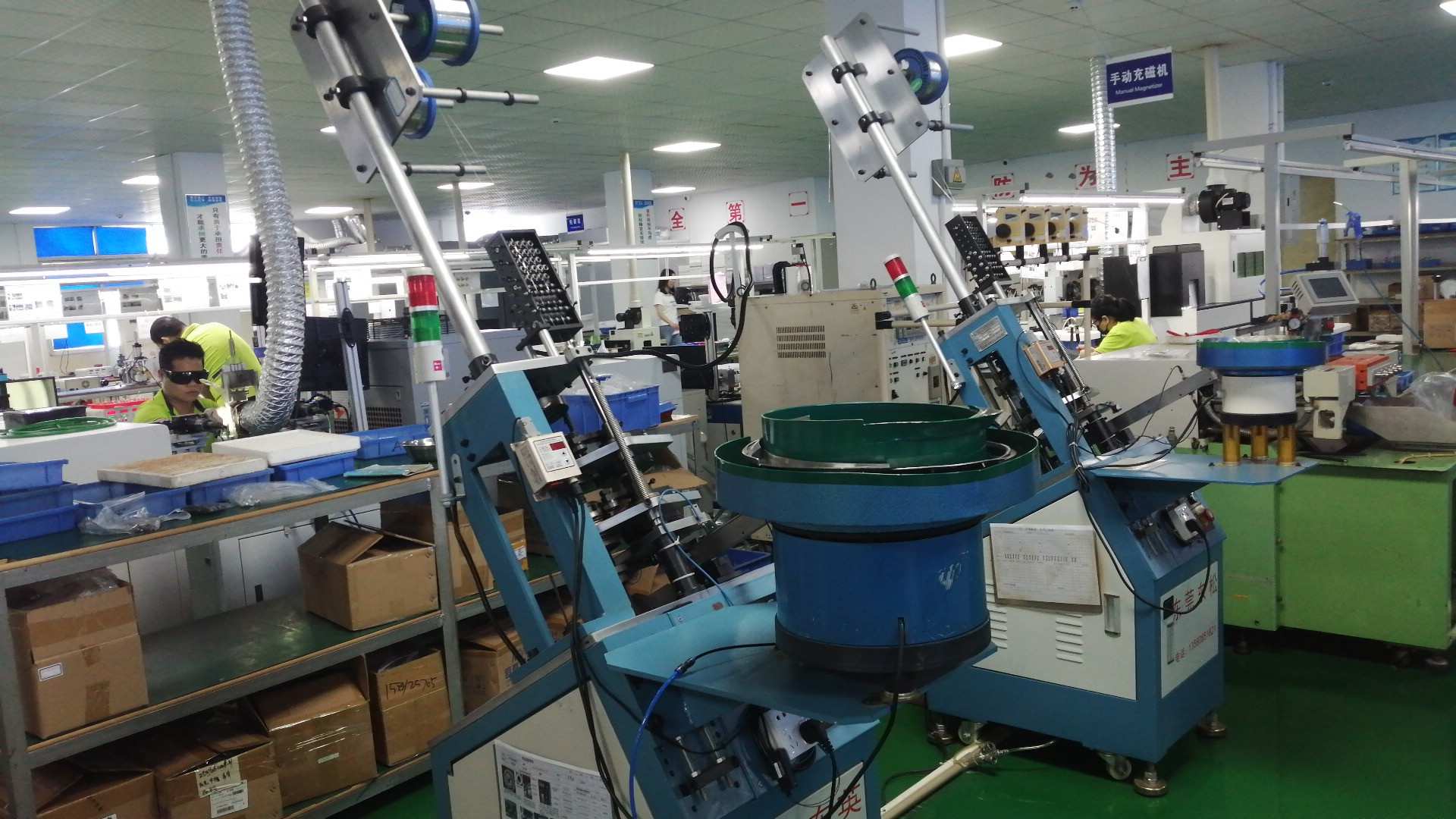 Pin Inserting Machine
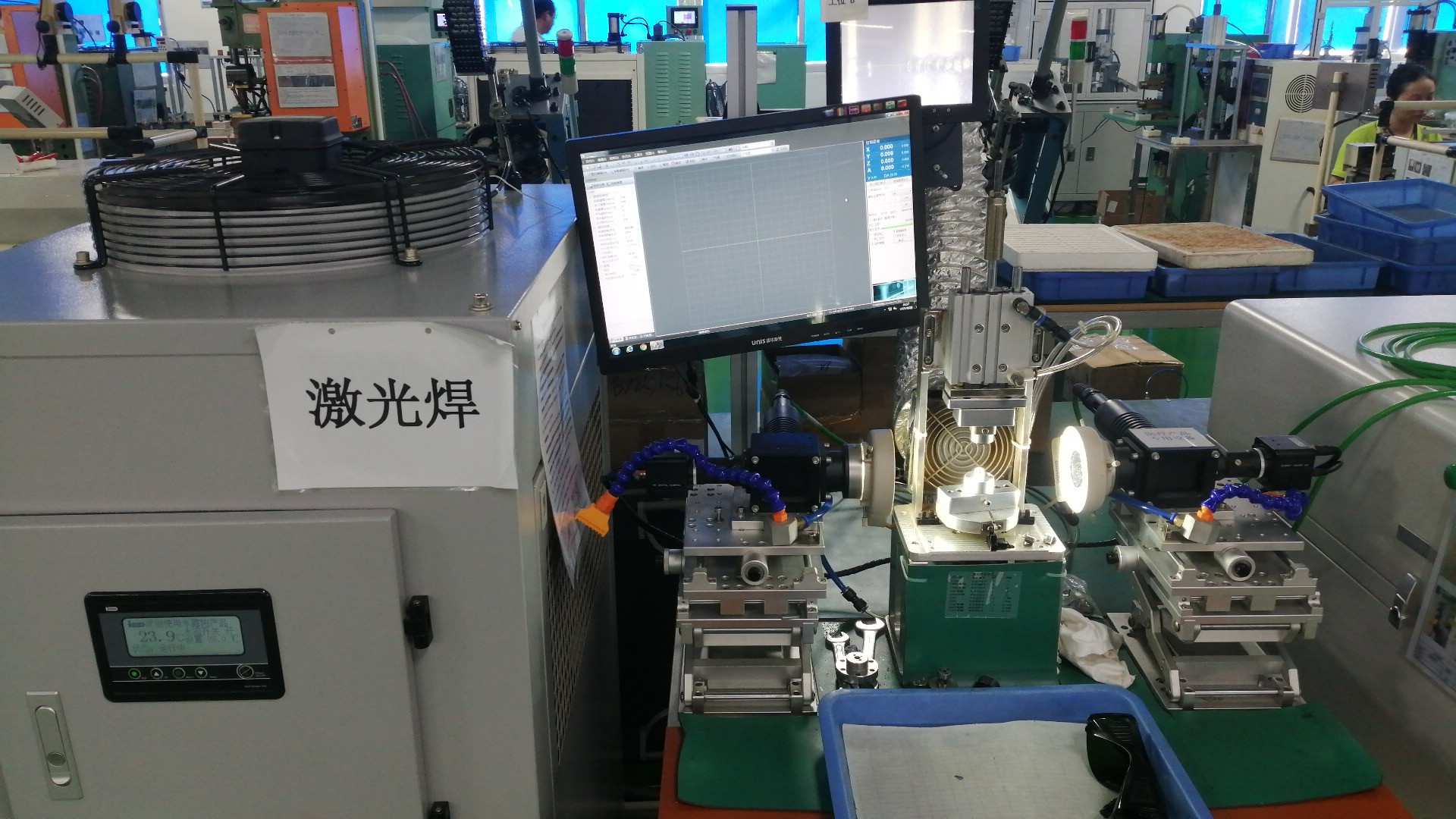 Laser Spotwelder
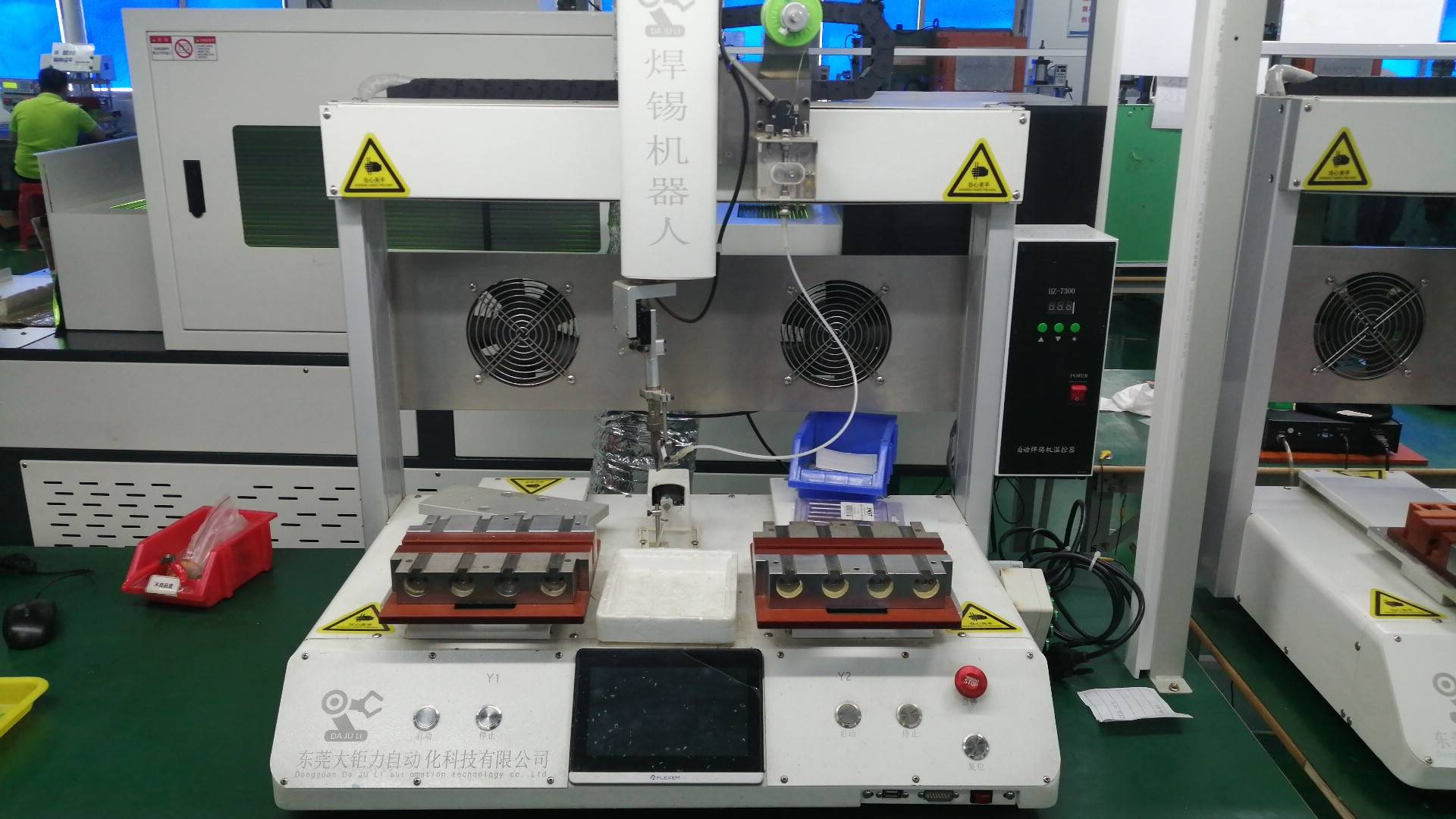 Automatic Soldering Machine
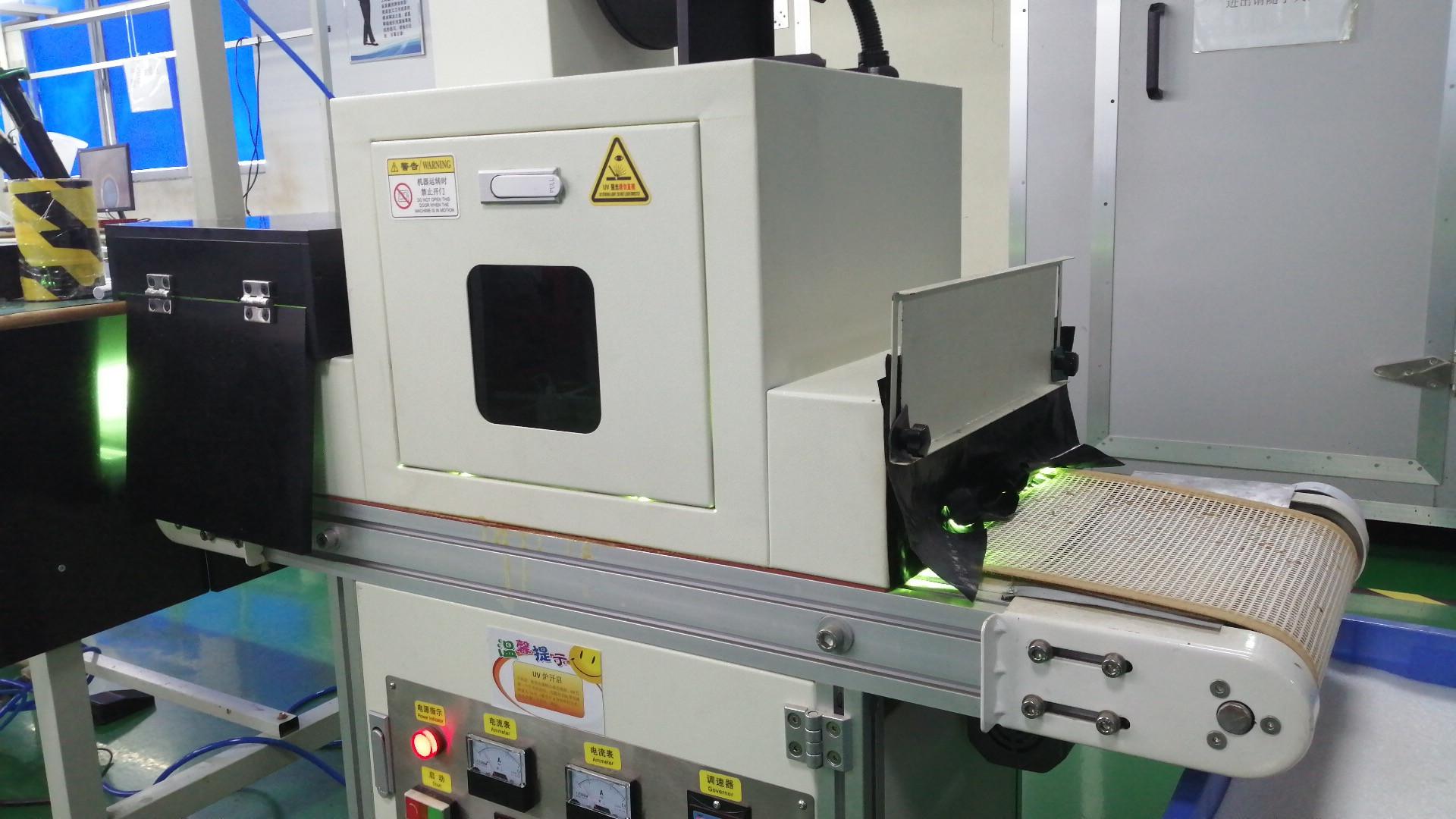 Low Temperature Furnace
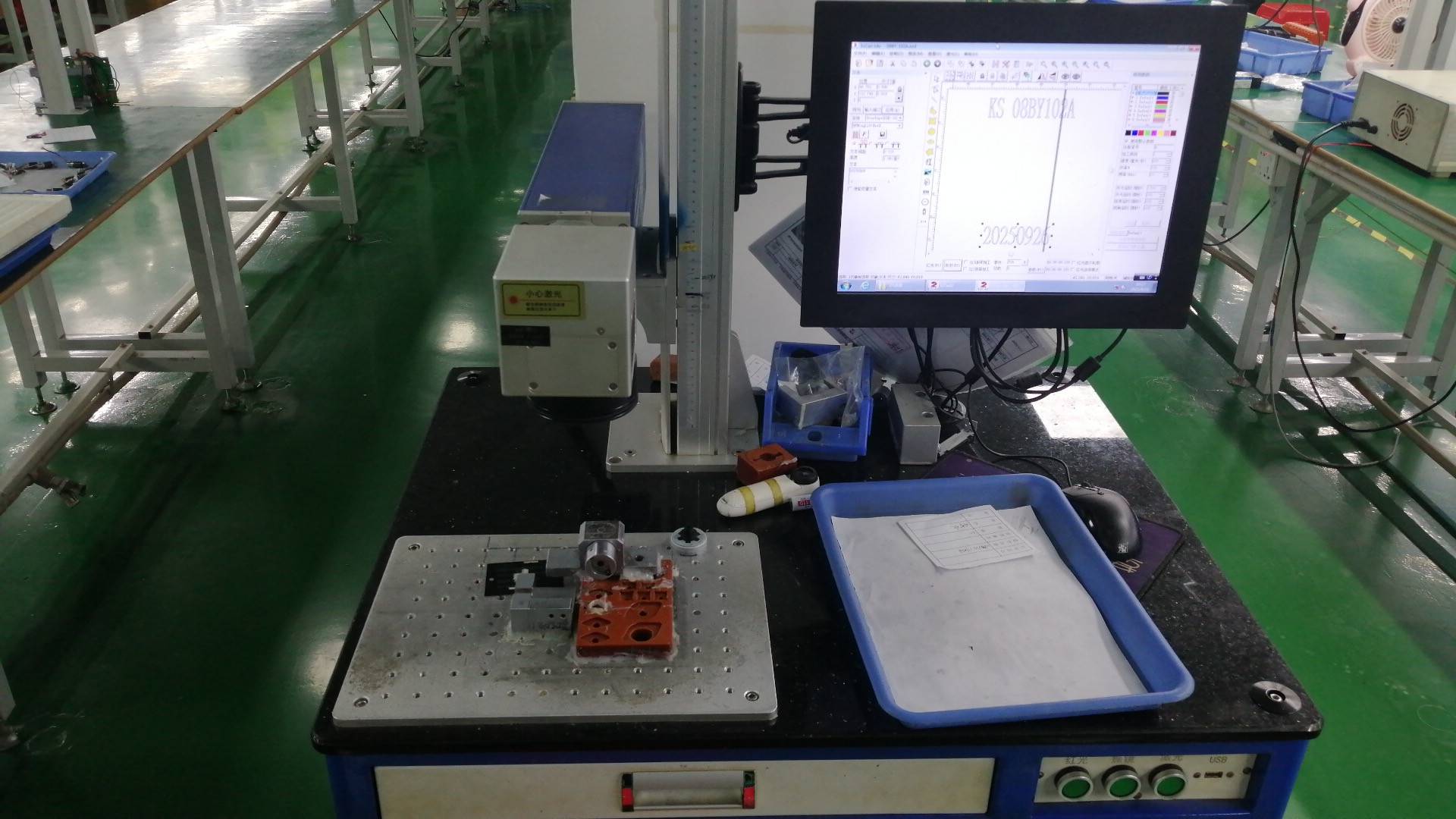 Laser Engraving Machine
Quality and precision are non-negotiable. To ensure our micro-motors satisfy global technical standards, we have equipped our quality labs with measurement and structural testing devices. Our motors go through strict verification protocols before dispatch, ensuring absolute compliance with European (CE, RoHS, REACH) and North American certifications.
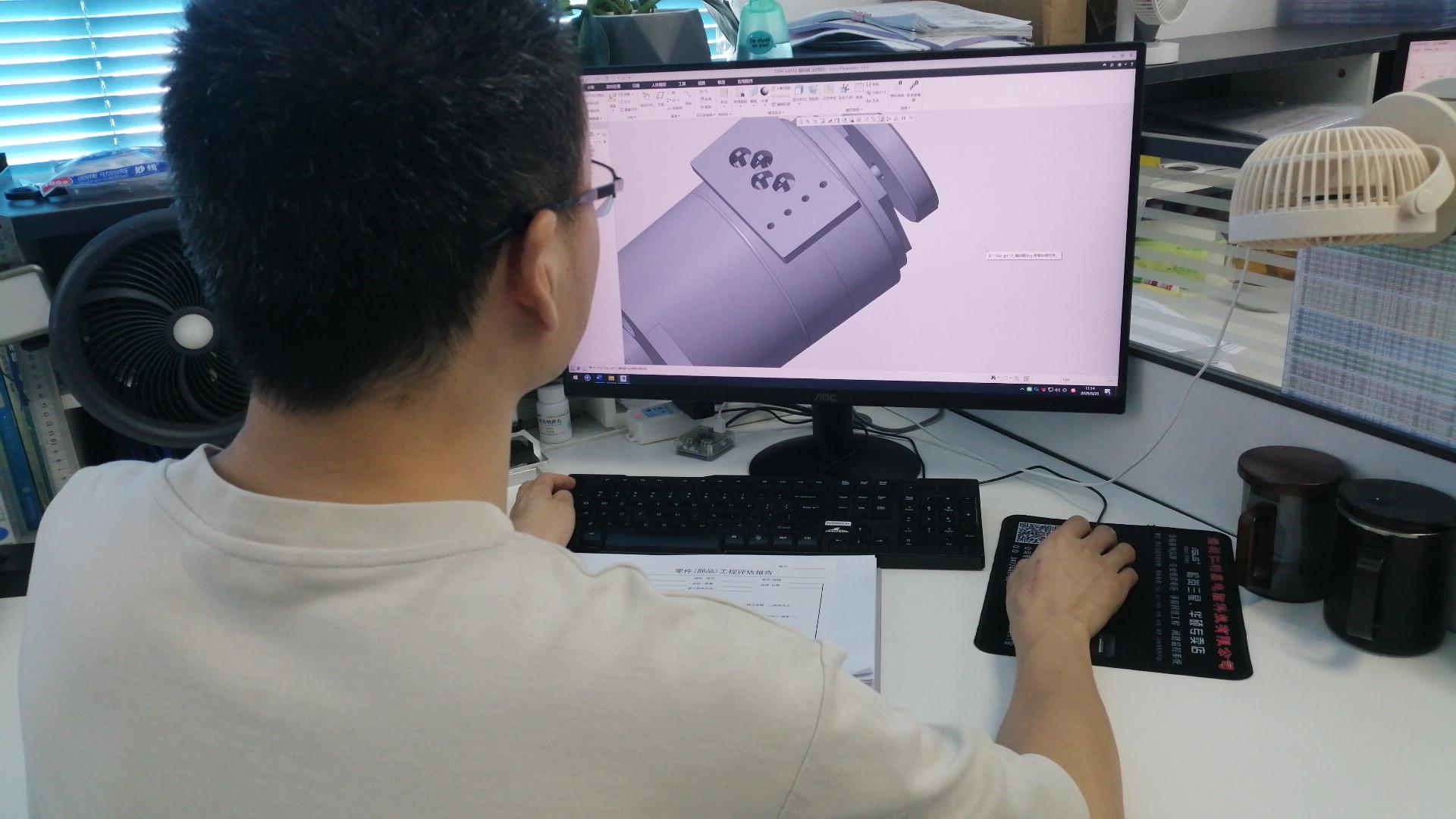 Design
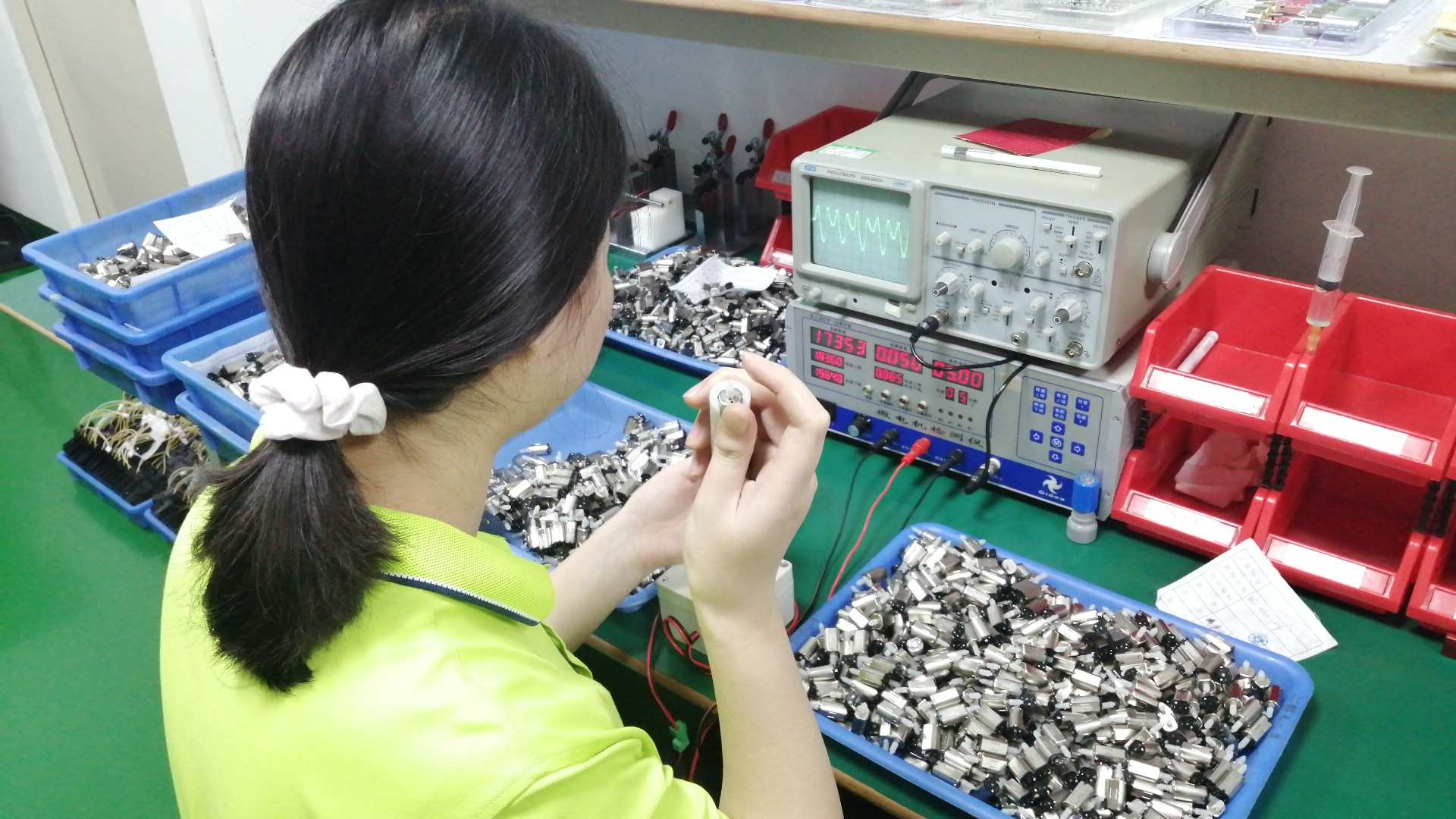 Inspection
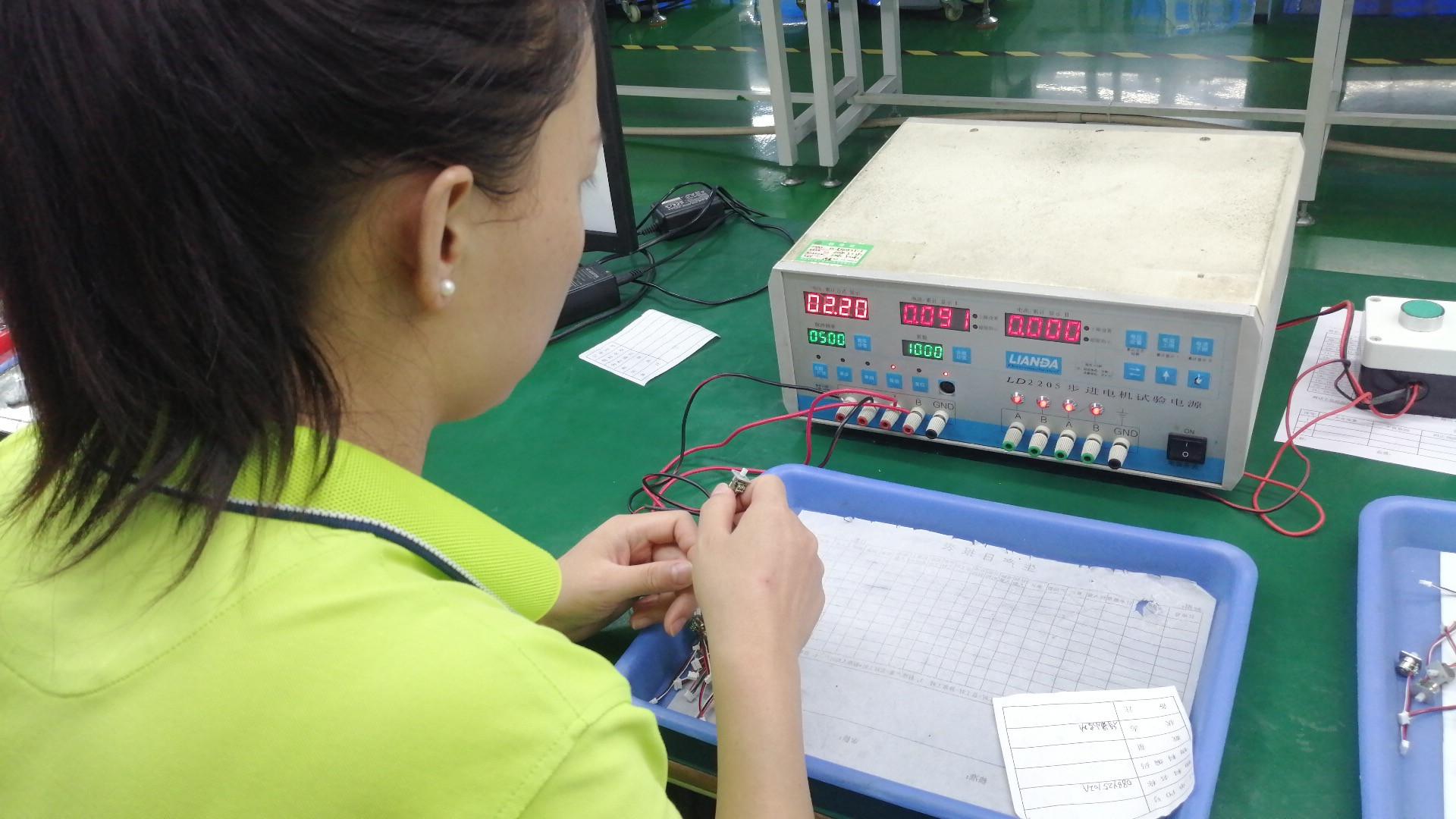 Inspection
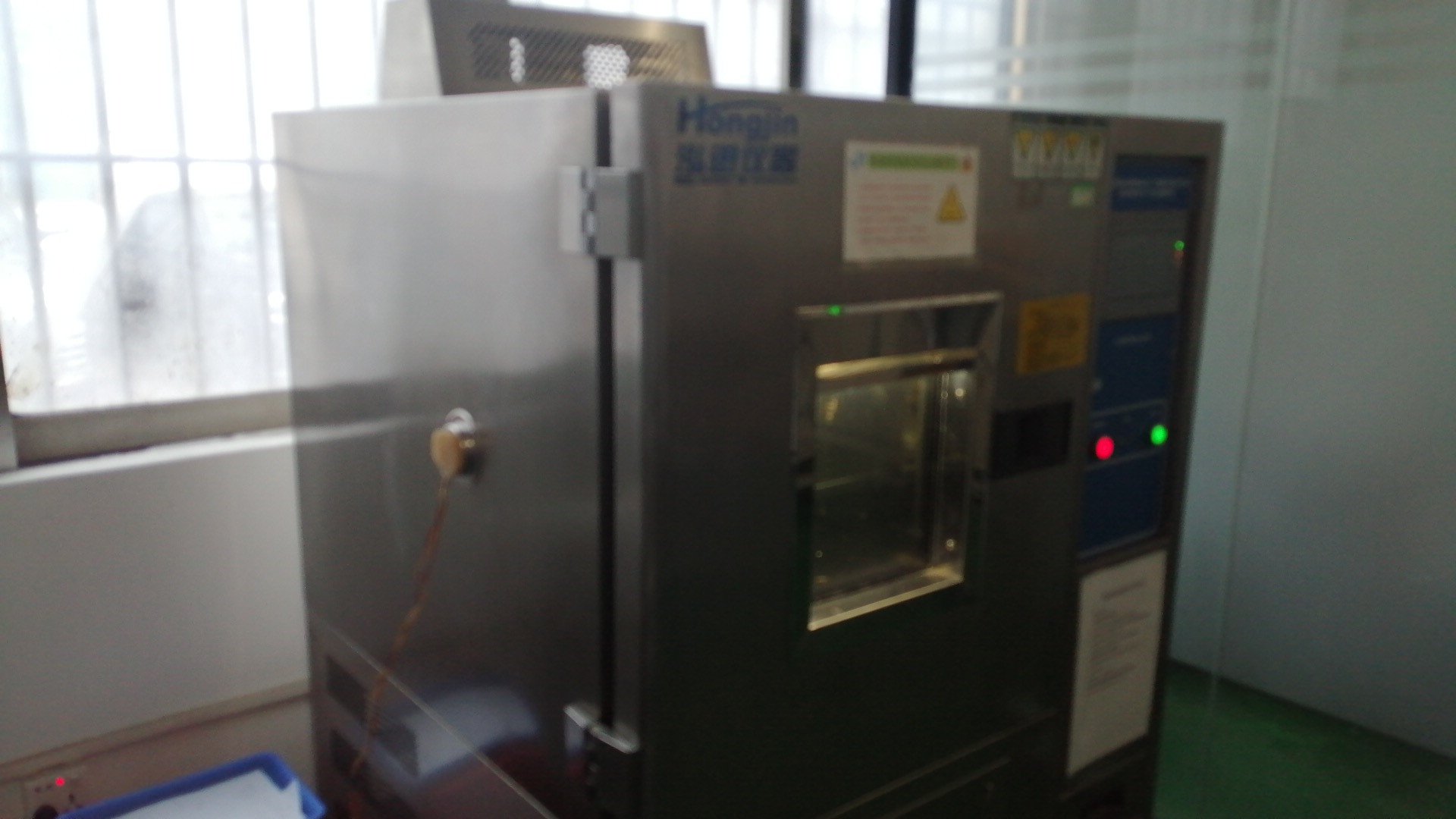 Constant Temperature and Humidity Box
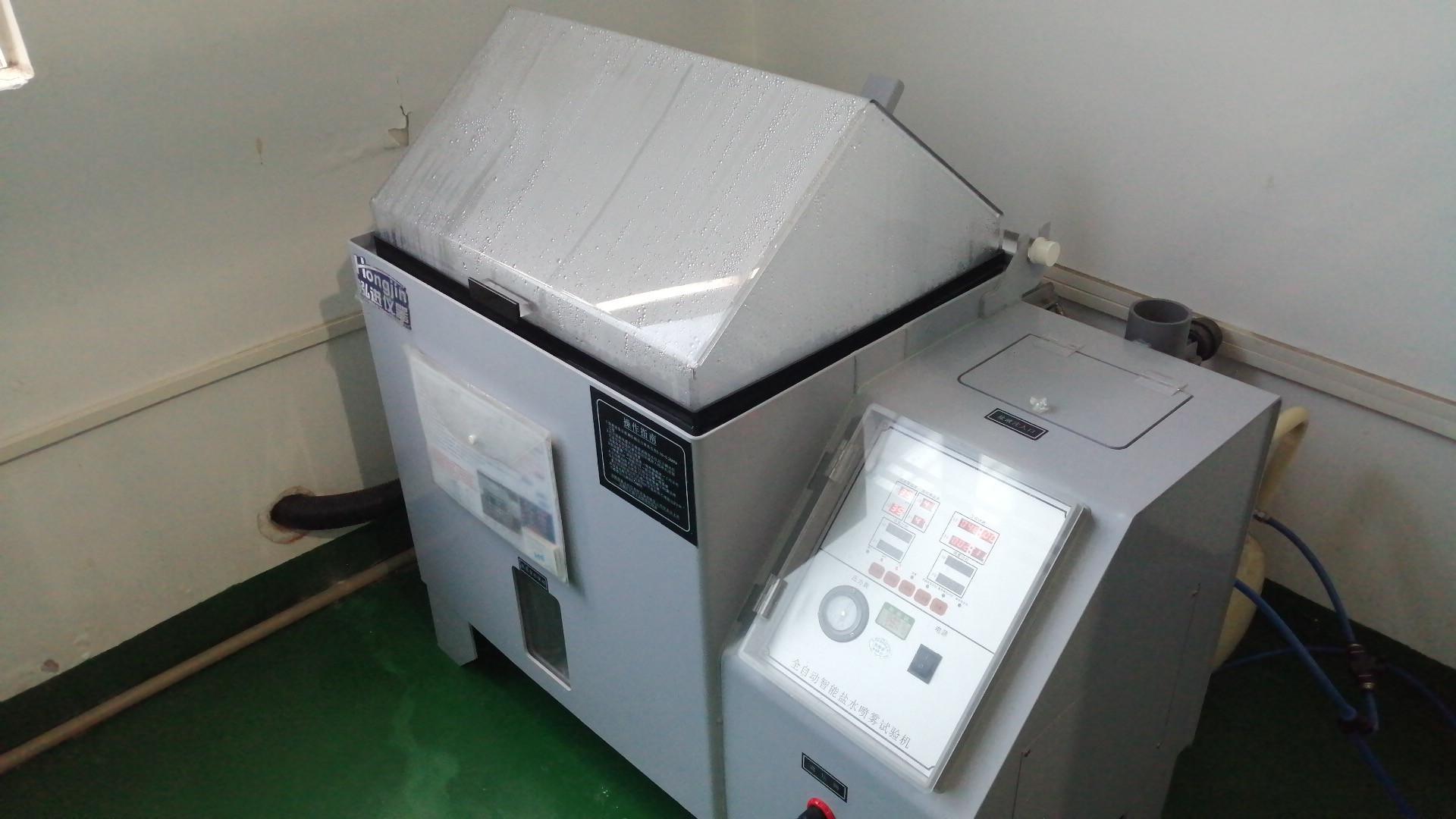 Withstanding Voltage Tester
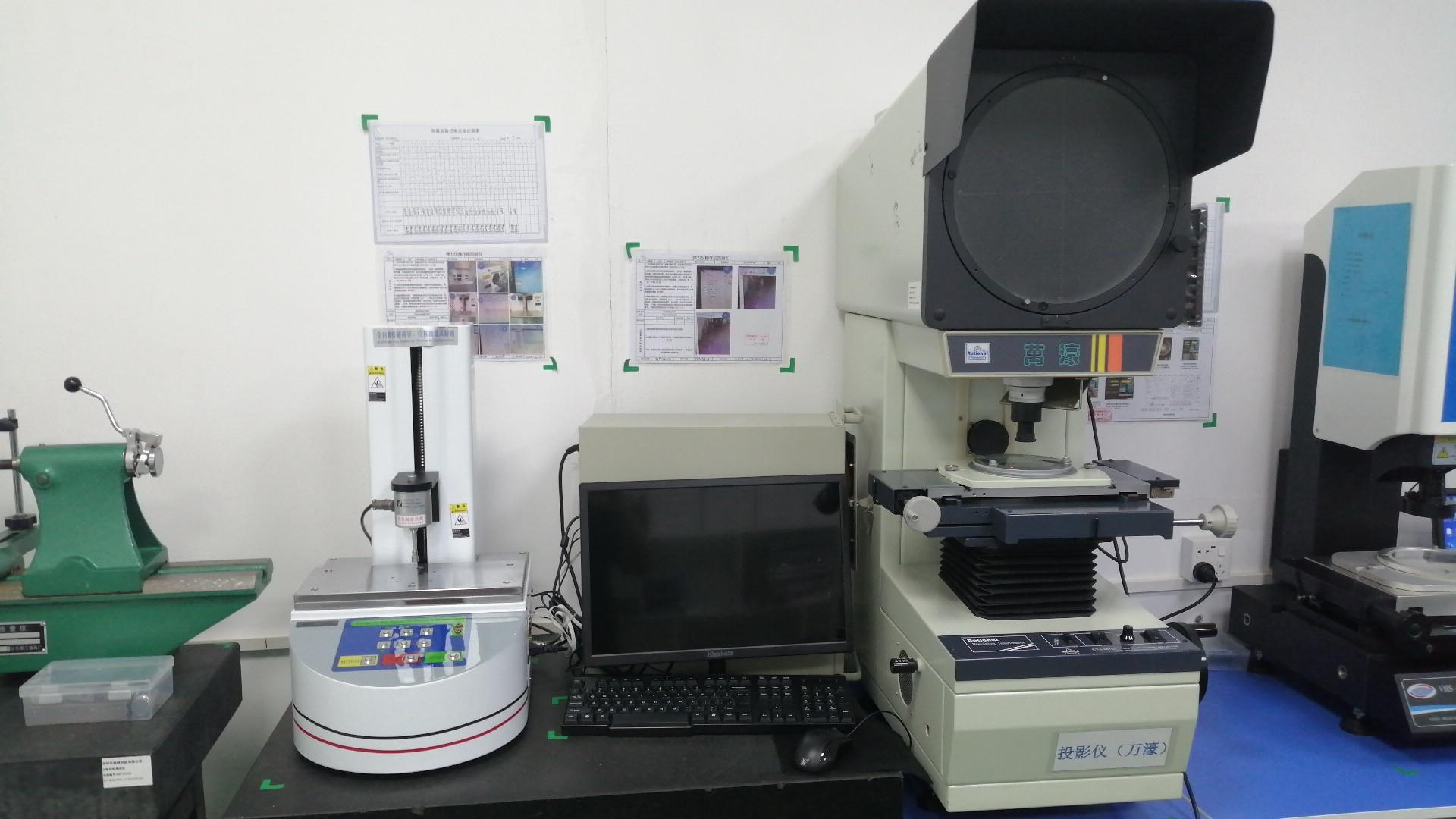 Projector
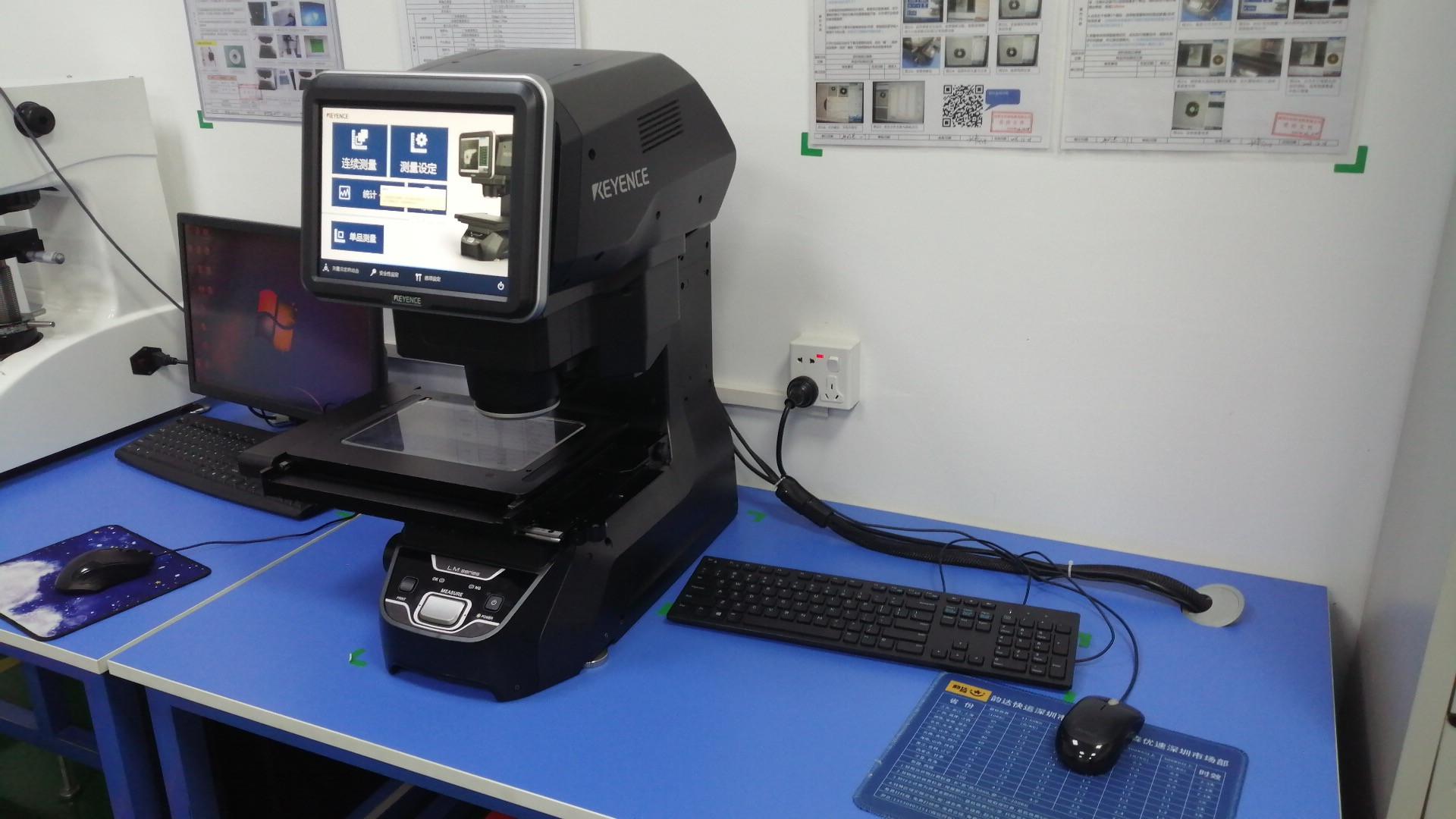 Two-dimensional Projector
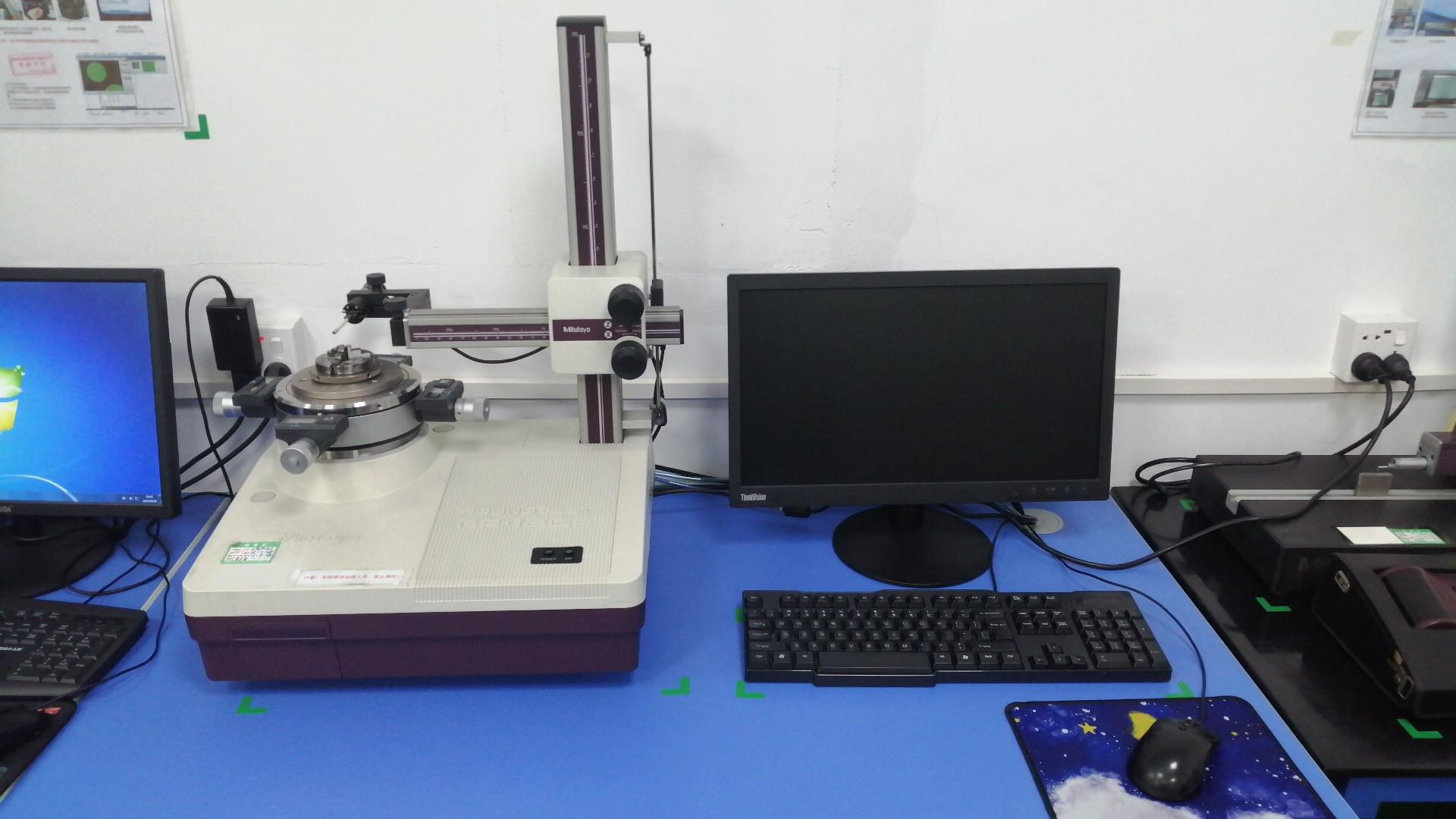 Sanfeng True Roundness Tester
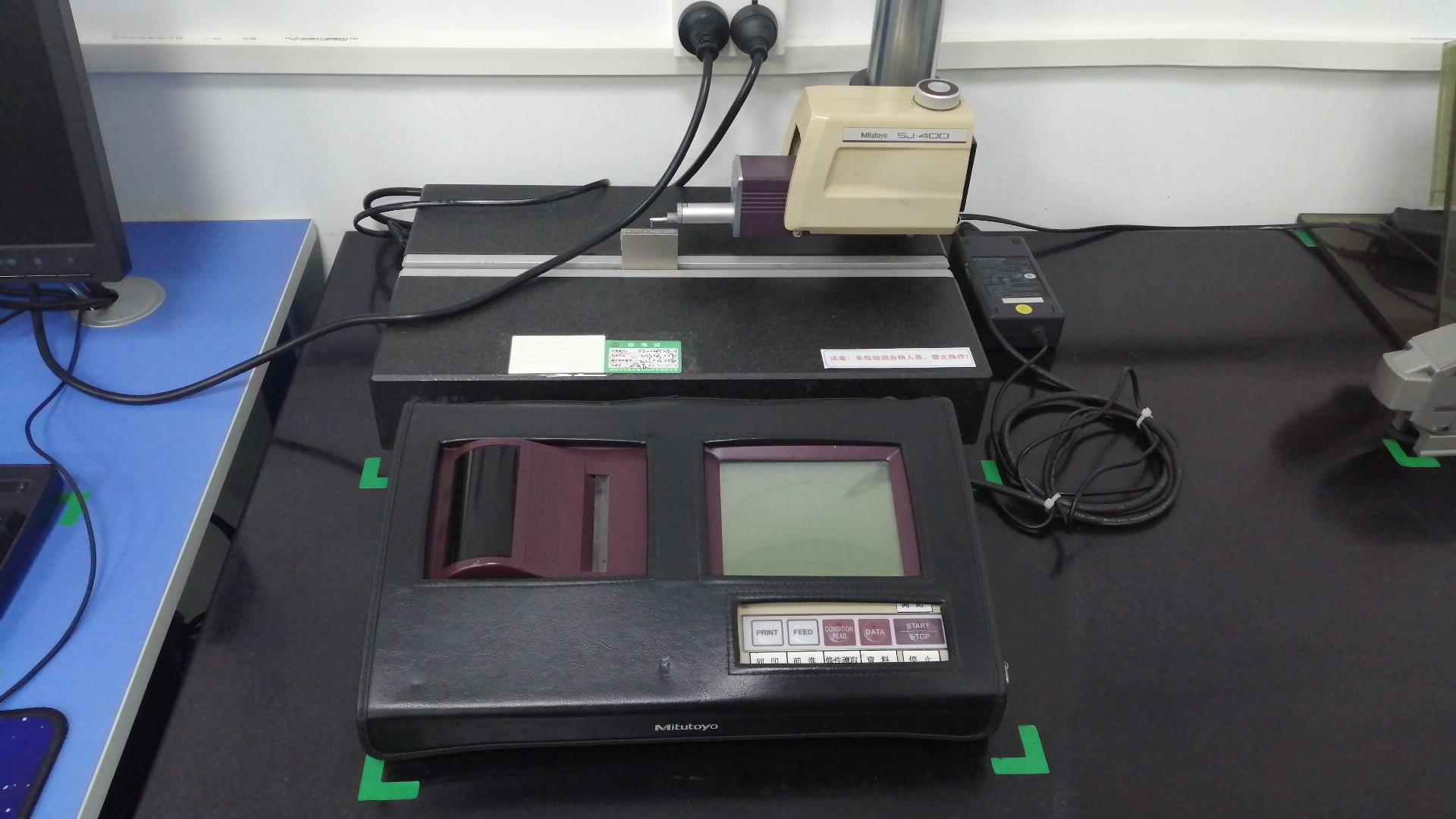 Sanfeng Roughness Meter
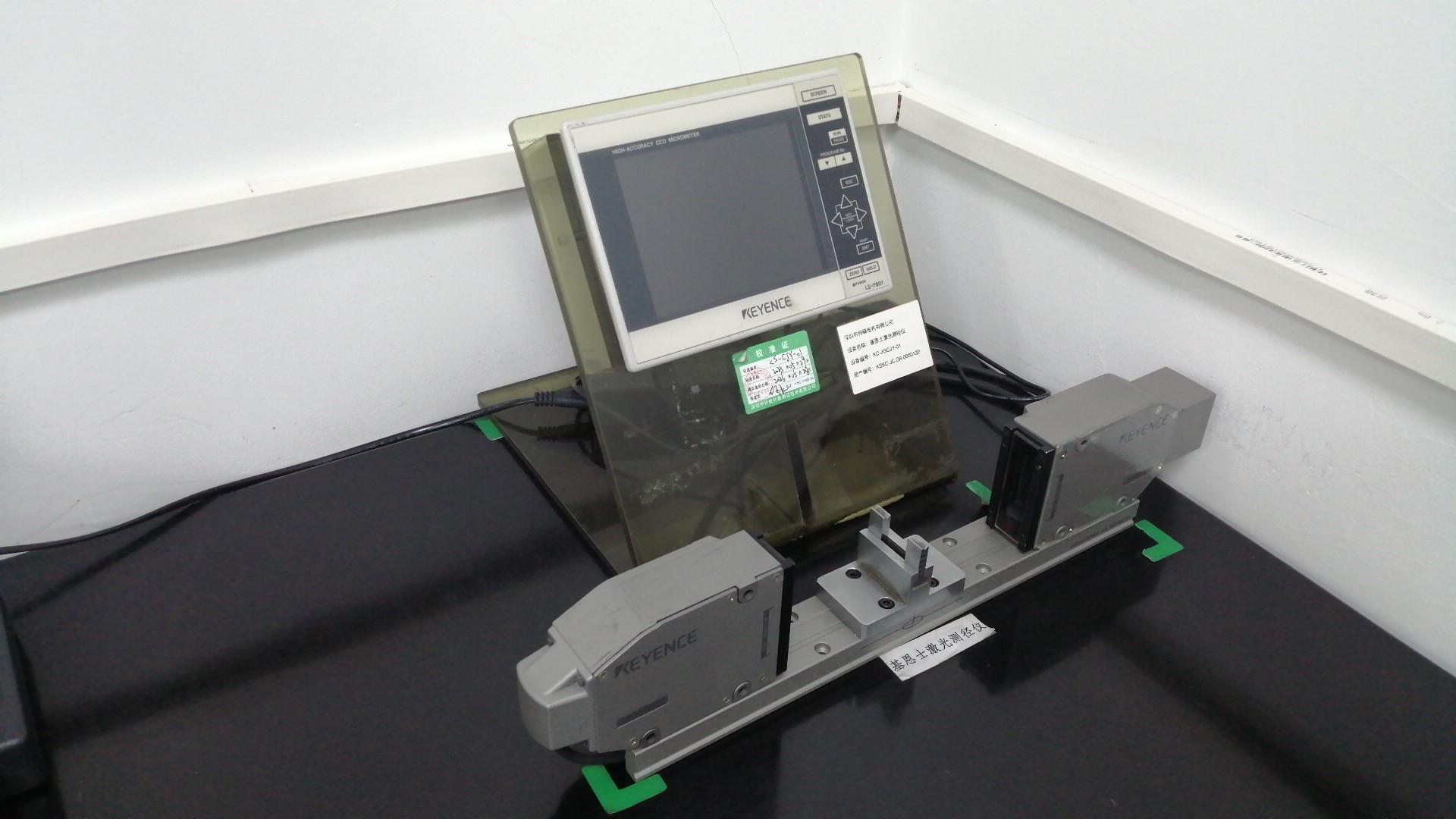 Keyence Laser Caliper
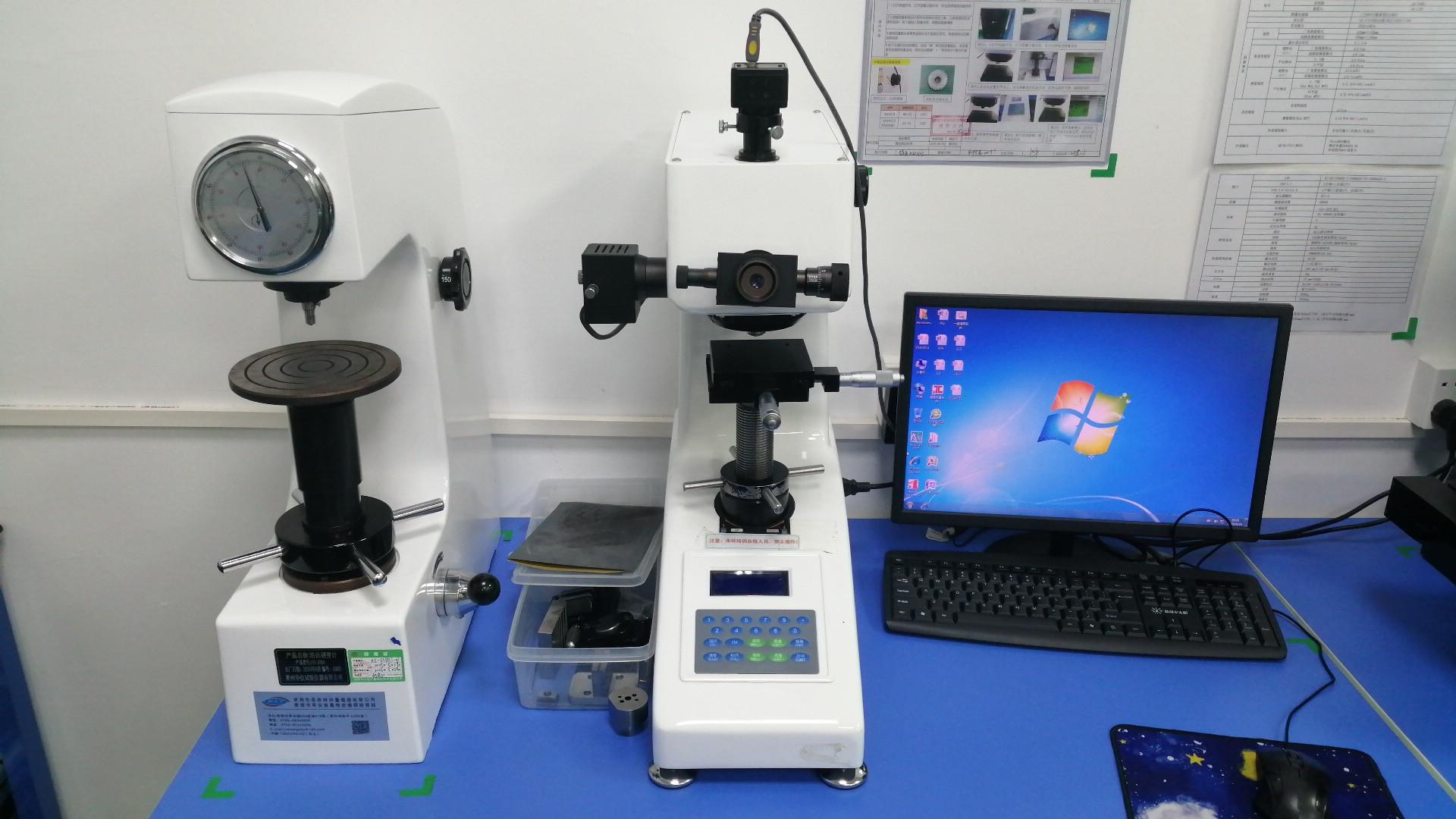 Vickers Hardness Tester
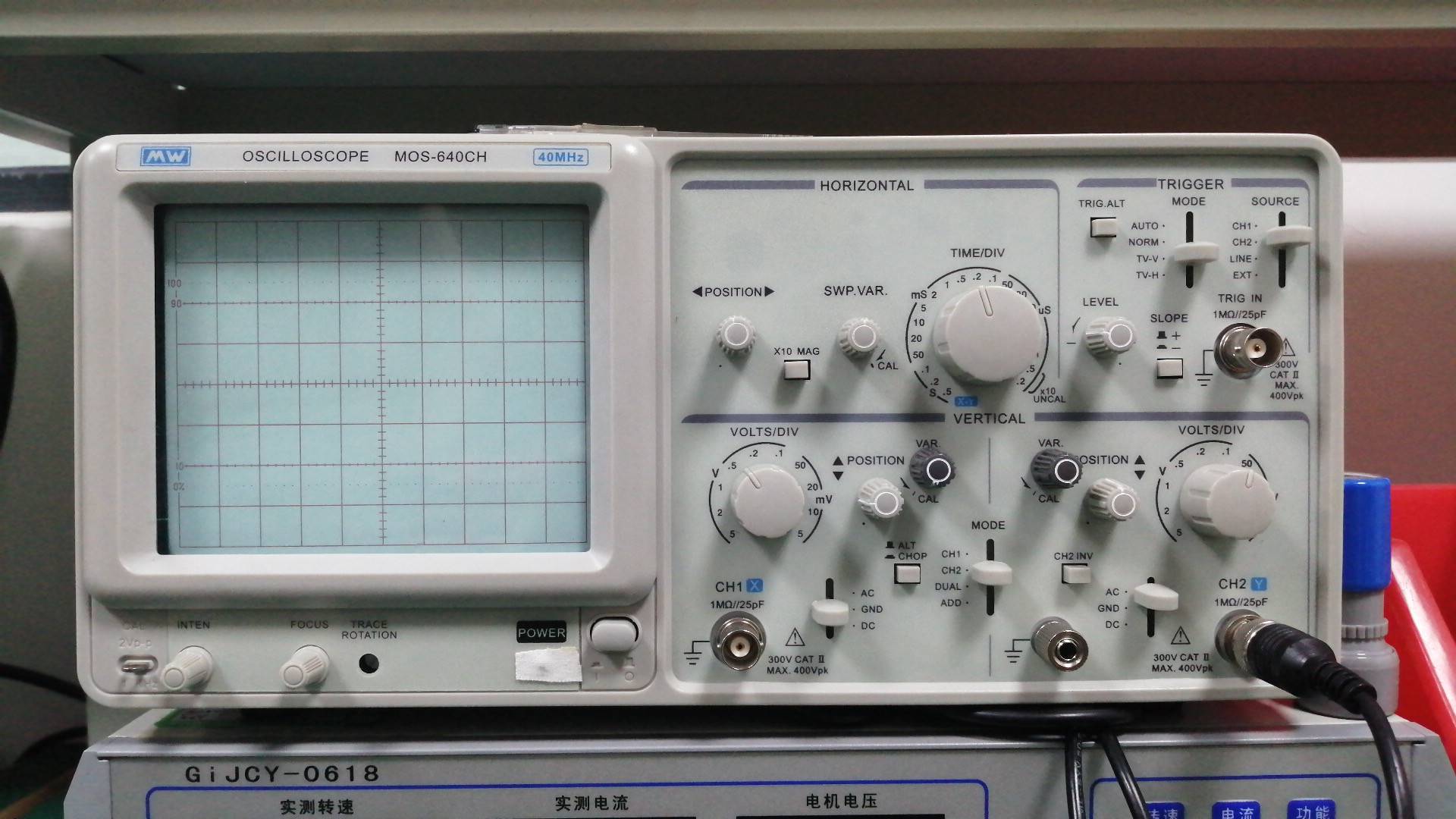 Oscilloscope
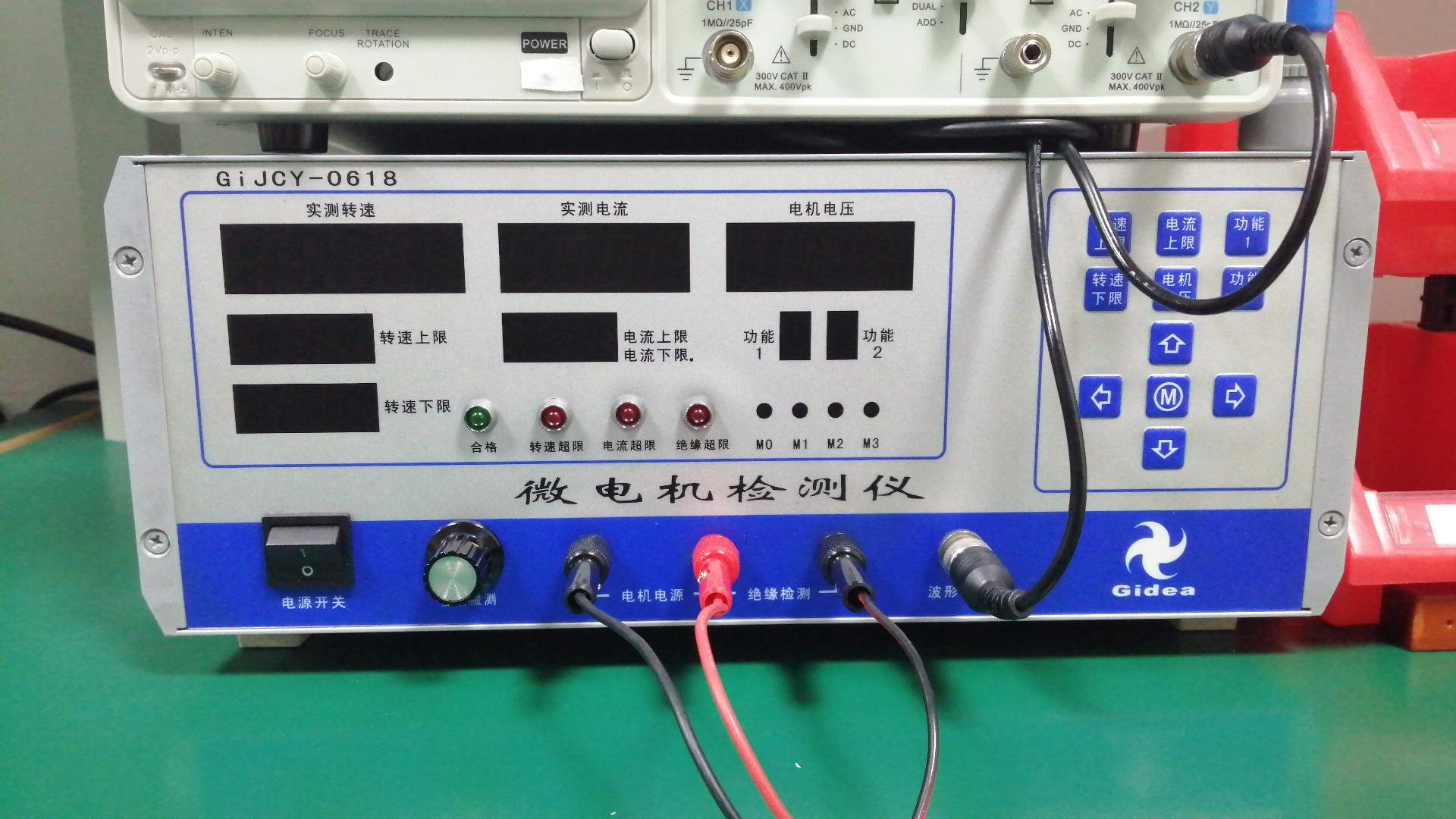 Motor Tester
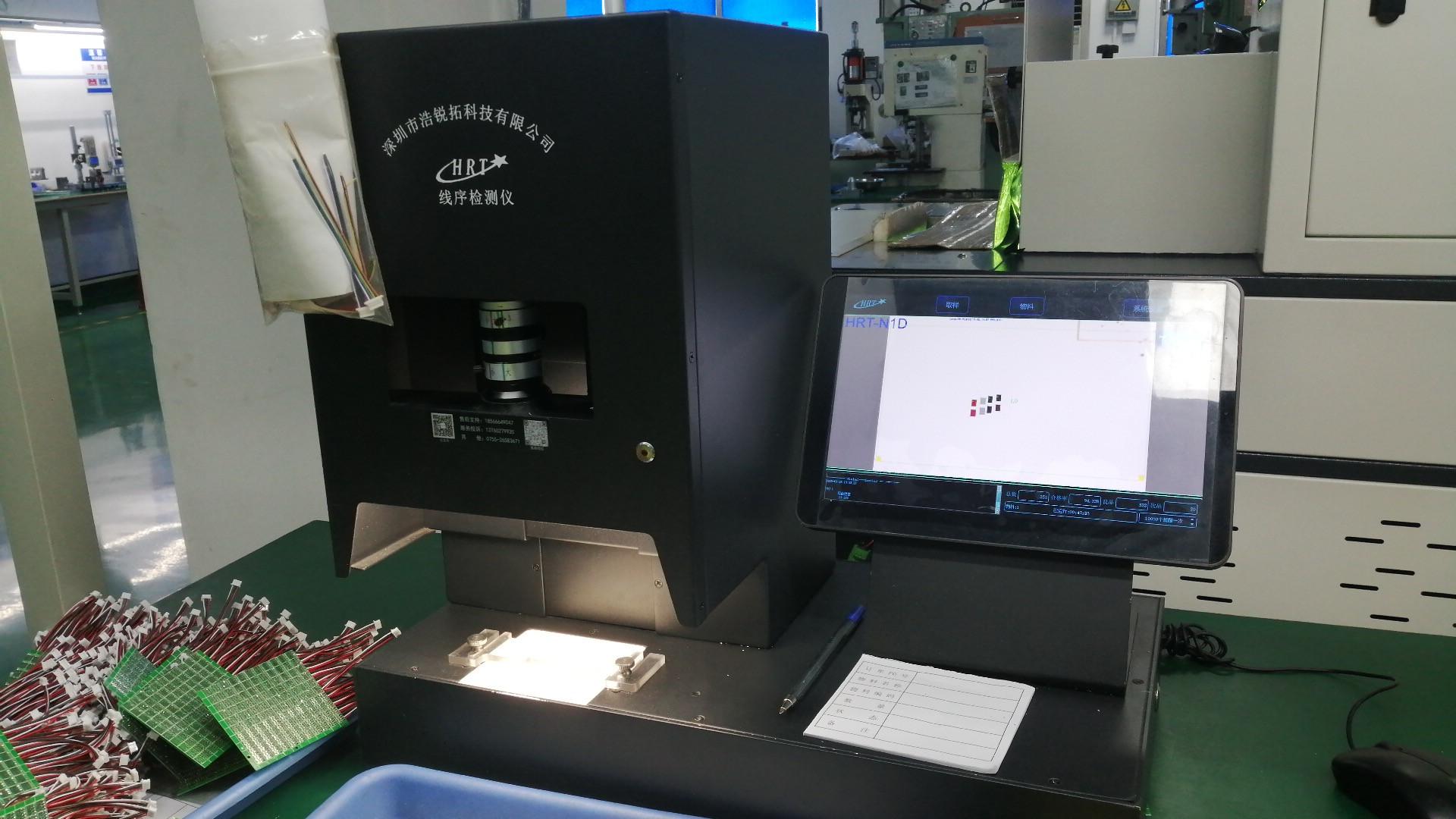 Line Sequence Detector
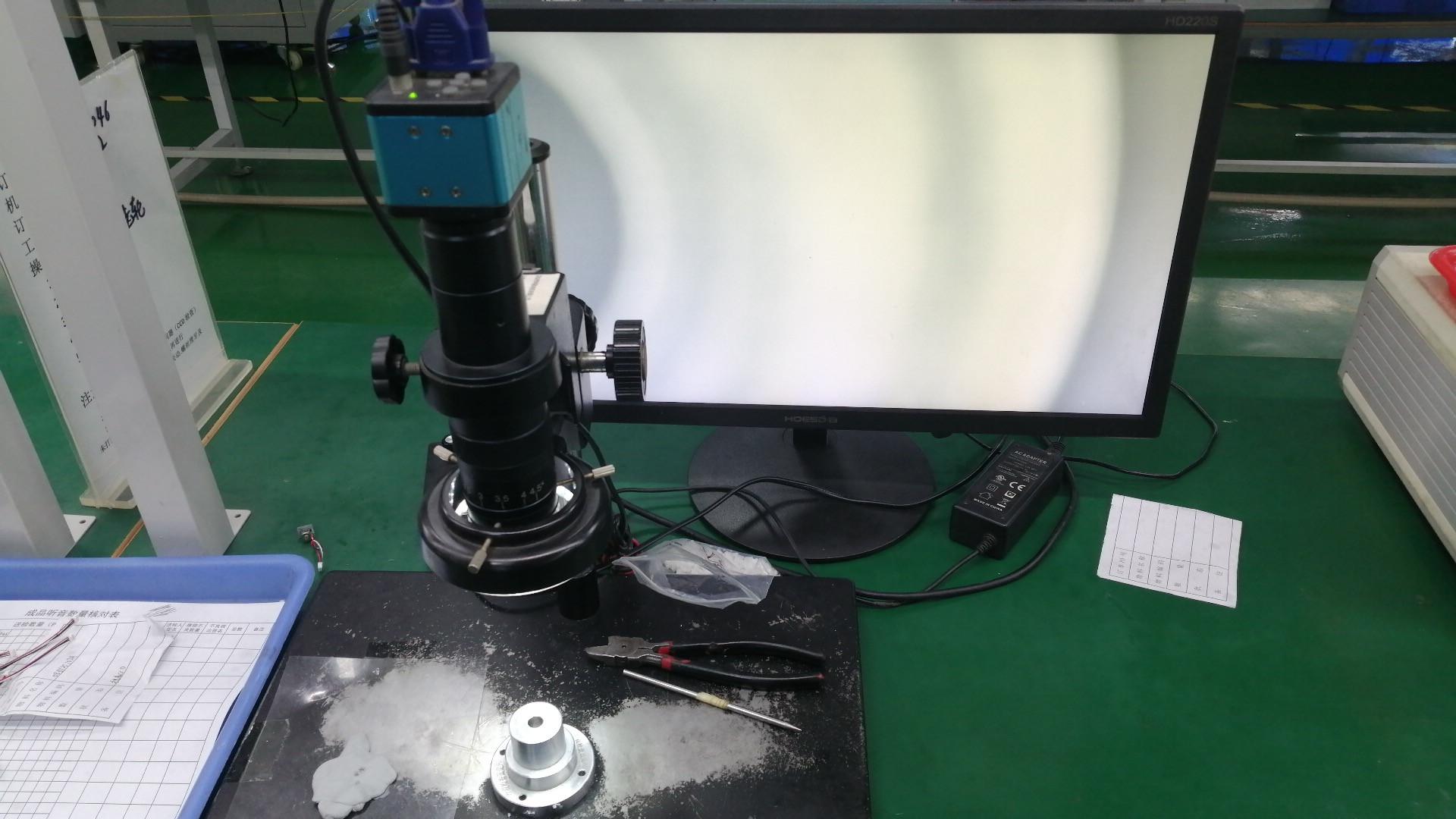 CCD Detector
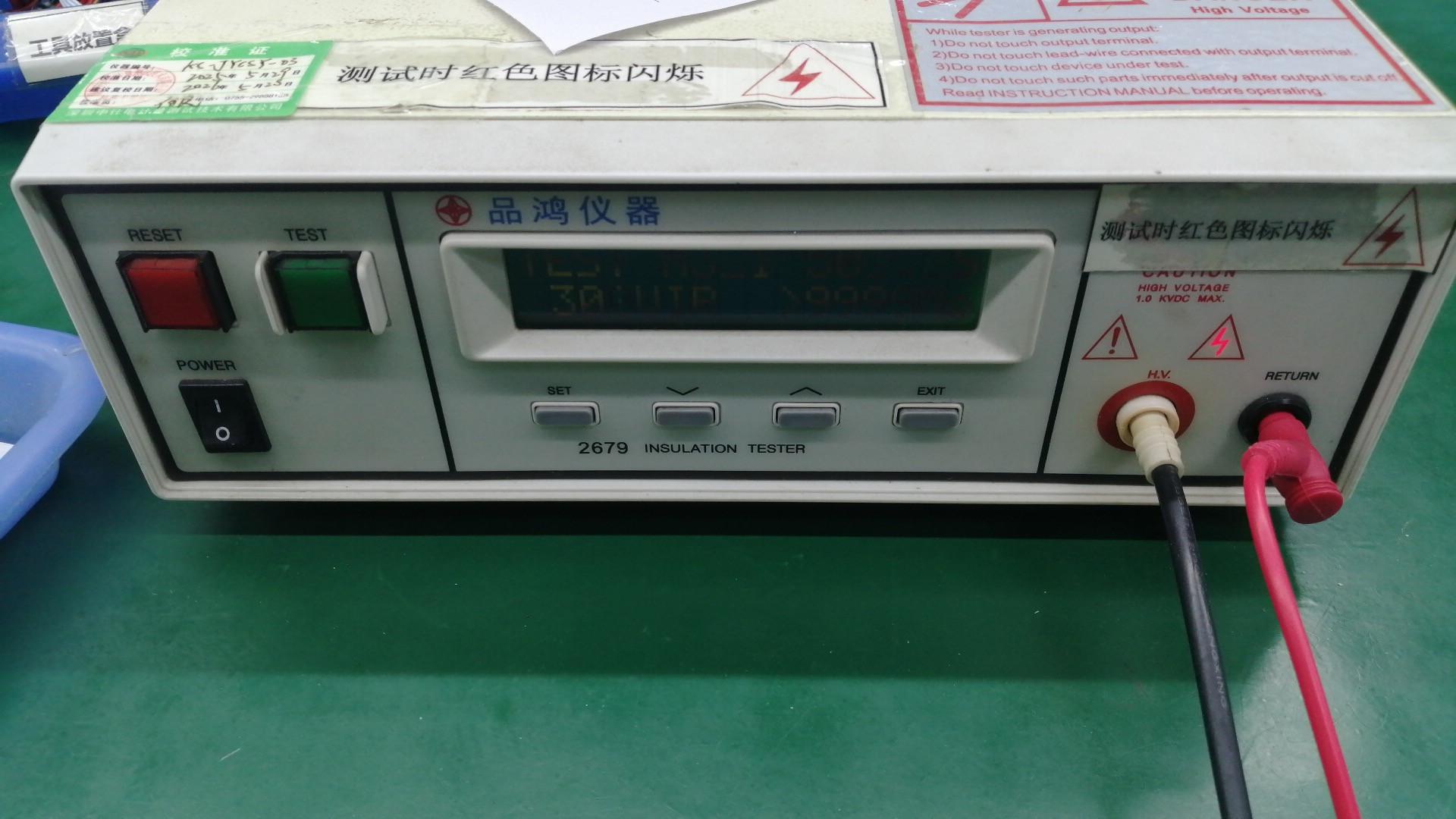 Insulation Tester
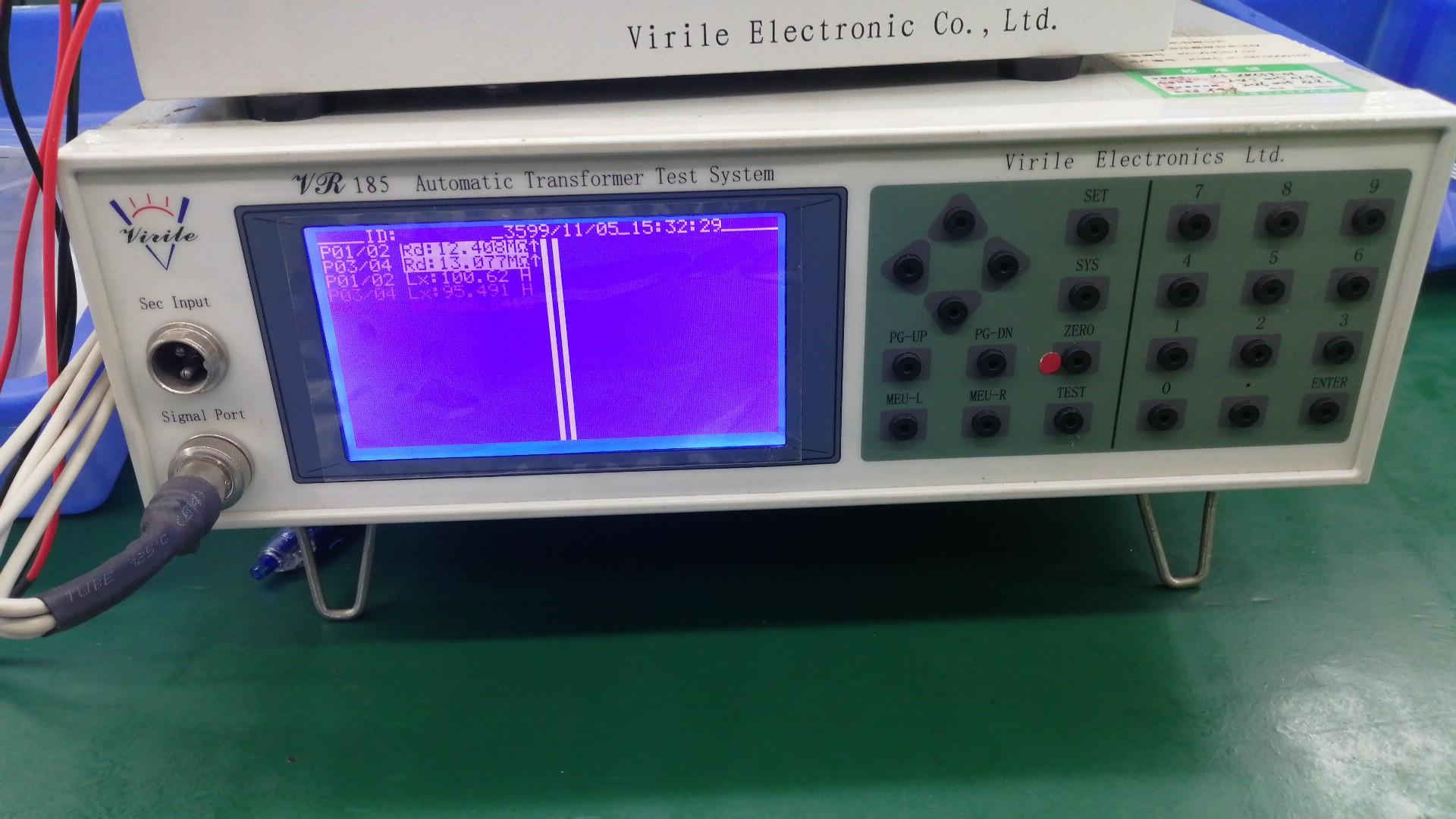 Automated Transformer Tester
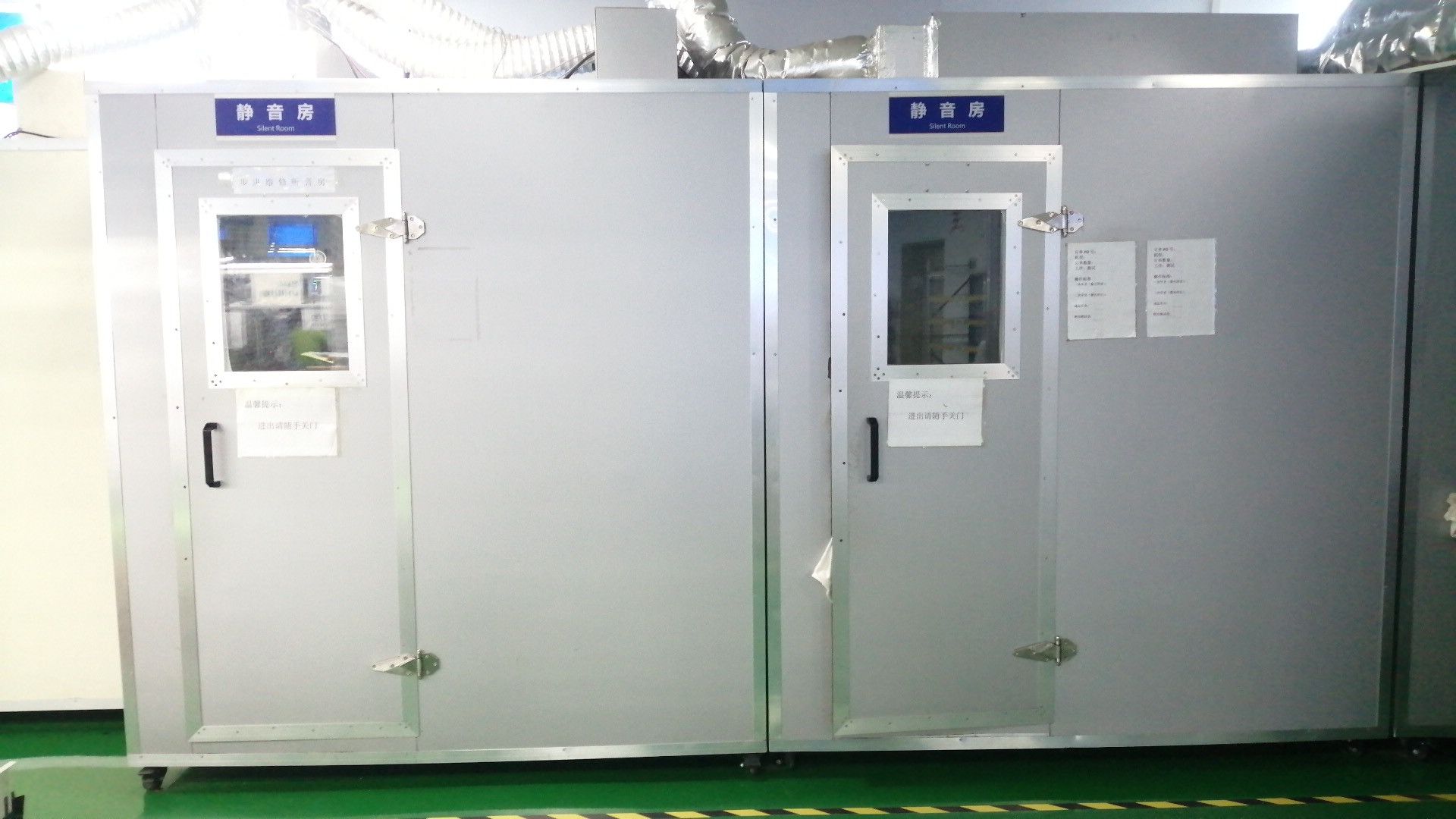 Soundproof Room
By employing advanced diagnostics like the Keyence Laser Caliper for dimensional accuracy and the Sanfeng True Roundness Tester for rotational tolerance alignment, we keep dimensional variability to under ±3 μm. This accuracy level is essential for assembling waterproof mechanical seals, preventing fluid entry at elevated pressures.
Understanding the engineering details of your drive unit is critical before ordering. Here are detailed explanations addressing key integration, customization, and deployment issues.
For operations requiring heavy torque transmission, high axial load capacities, and slow speeds, our planetary and spur gear configurations deliver robust performance in compact envelopes.
 Axon Motor